
101 Results for "

root growth

" in MedChemExpress (MCE) Product Catalog:
Products (101)

101 Results for "root growth" in MCE Product Catalog:

12
12 Publications Verification
Cat. No.: HY-N0373
CAS No.: 58749-23-8
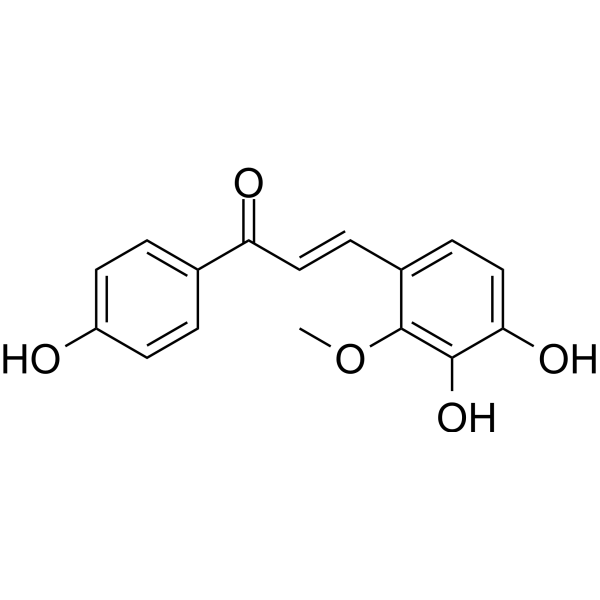
Licochalcone B is an extract from the root of Glycyrrhiza uralensis. Licochalcone B inhibits amyloid β (42) self-aggregation (IC50=2.16 μM) and disaggregate pre-formed Aβ42 fibrils, reduce metal-induced Aβ42 aggregation through chelating metal ionsLicochalcone B inhibits phosphorylation of NF-κB p65 in LPS signaling pathway. Licochalcone B inhibits growth and induces apoptosis of NSCLC cells. Licochalcone B specifically inhibits the NLRP3 inflammasome by disrupting NEK7‐NLRP3 interaction .
loading...
    loading...
8
8 Cited Publications
Cat. No.: HY-W004599
CAS No.: 1245-13-2
Target:  

Herbicide

Research Areas:  

Others

Bicinchoninic acid (compound 8) is an AHAS inhibitor, in an in vivo bioassay targeting the root growth inhibition of rapeseed, at a concentration of 100 μg/mL, it exhibited very low activity, with only a 1.4% root length inhibition rate .
loading...
    loading...
6
6 Cited Publications
Cat. No.: HY-N1381
CAS No.: 13137-64-9
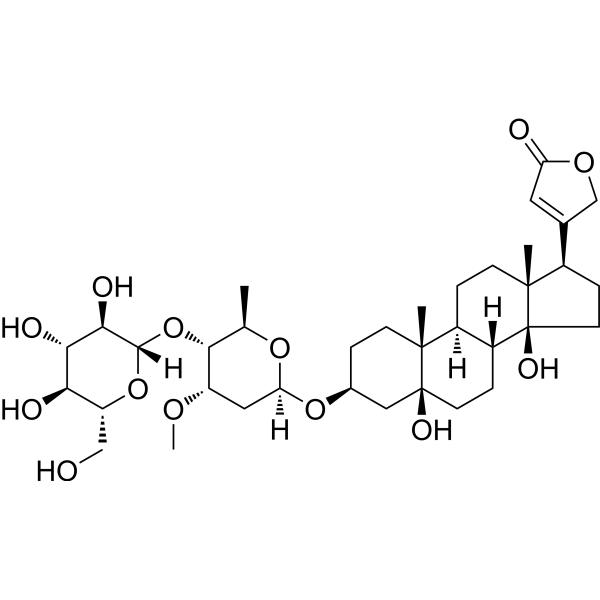
Periplocin is a cardiotonic steroid isolated from root-bark Periploca sepium Bunge. Periplocin promotes tumor cell apoptosis and inhibits tumor growth. Periplocin has the potential to facilitate wound healing through the activation of Src/ERK and PI3K/Akt pathways mediated by Na/K-ATPase .
loading...
    loading...
2
2 Cited Publications
Cat. No.: HY-B0503
CAS No.: 141-90-2
Synonyms: Thiouracil
Target:  

NO Synthase

Research Areas:  

Endocrinology Cancer

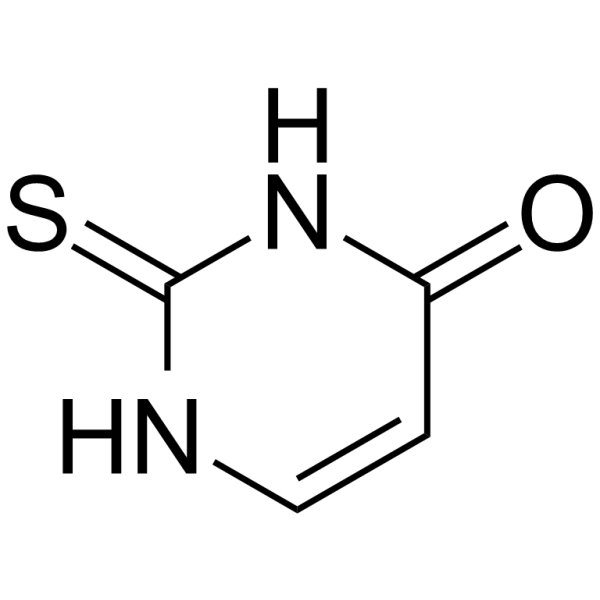
2-Thiouracil (Thiouracil) is a selective neuronal nitric oxide synthase (nNOS) inhibitor with a Ki value of 20 μM. 2-Thiouracil antagonizes BH4-induced nNOS dimerization. 2-Thiouracil is also an antithyroid compound and a highly specific melanoma detector. 2-Thiouracil stimulates the growth of pea and corn root segments .
loading...
    loading...
1
1 Cited Publications
Cat. No.: HY-N1964
CAS No.: 77-06-5
Synonyms: Gibberellin A3
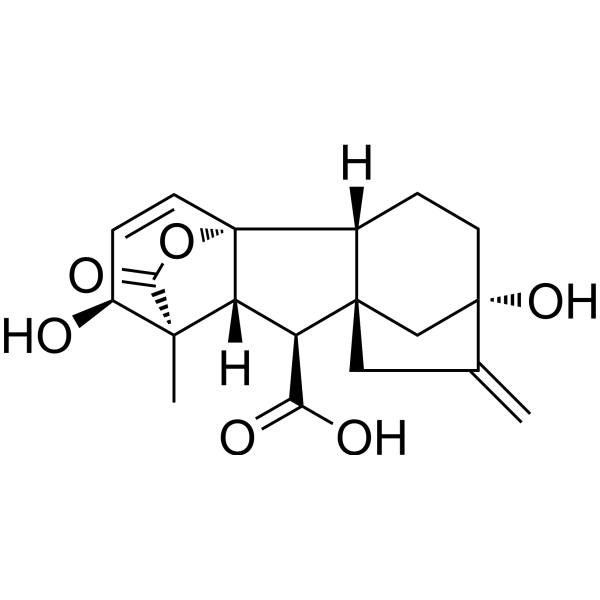
Gibberellic acid (GA3) is a natural plant growth regulator with oral bioactivity. Gibberellic acid governs multiple plant developmental events, including seed germination, cell elongation, floral organ formation, and rice spikelet fertility. Gibberellic acid optimizes root morphology and secondary metabolite production in Echinacea purpurea hairy roots, and serves as a bioactive seed priming agent to improve chilling stress tolerance in chickpea. Gibberellic acid mediates modulation of enzyme activity and secondary metabolism in plants and exerts tissue-specific regulatory effects on antioxidant systems and lipid peroxidation in rats. Gibberellic acid can be used in studies of plant growth, metabolism, and abiotic stress responses .
loading...
    loading...
1
1 Cited Publications
Cat. No.: HY-N0186
CAS No.: 133-32-4
Synonyms: Indolebutyric acid
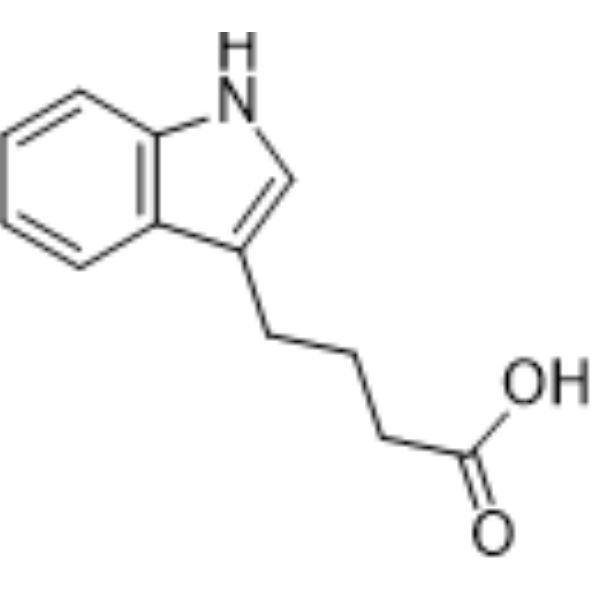
Indole-3-butyric acid (3-indolebutyric acid) is a plant growth auxin and a good rooting agent. It can promote herbs and woody ornamental plant rooting and used for improving fruit rate. Indole 3-butyric acid is an auxin precursor, and is converted to indole 3-acetic acid (IAA) in a peroxisomal β-oxidation process .
loading...
    loading...
1
1 Cited Publications
Cat. No.: HY-N1458
CAS No.: 52012-29-0
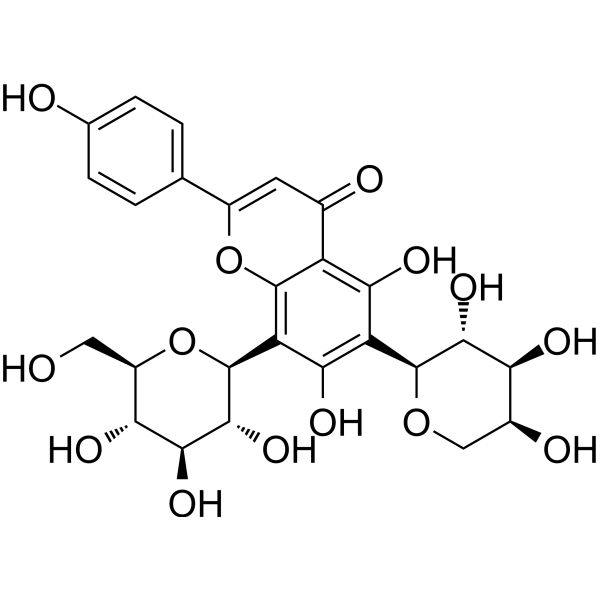
Isoschaftoside, a C-glycosylflavonoid from Desmodium uncinatum root exudate, can inhibit the growth of germinated S. hermonthica radicles. Isoschaftoside reduces reactive oxygen species (ROS) and induces proliferation in senescent cells. Isoschaftoside activates autophagy. Isoschaftoside can be used for anti-tumor, anti-inflammatory, antioxidant, antihypertensive, hepatoprotective and nematicidal study .
loading...
    loading...
1
1 Cited Publications
Cat. No.: HY-131683
CAS No.: 55854-43-8
Purity:  99.87%
Target:  

Dynamin Clathrin

Research Areas:  

Others

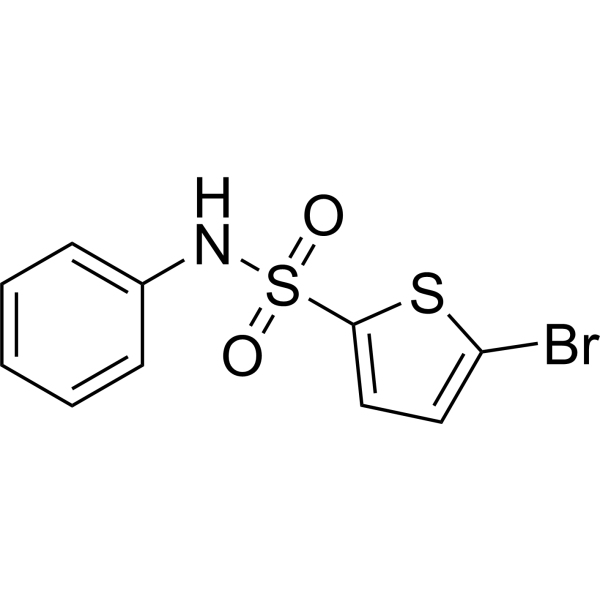
ES9-17 is an analog of ES9 (endosidin9), which is an inhibitor of clathrin heavy chain (CHC). ES9-17 is an inhibitor of clathrin-mediated endocytosis (CME), a major route for internalization of plasma membrane proteins and molecules from the extracellular environment in plants. ES9-17 inhibits the uptake of transferrin and FM4-64. ES9-17 also inhibits root growth of Arabidopsis seedings .
loading...
    loading...
1
1 Cited Publications
Cat. No.: HY-119737
CAS No.: 64902-72-3
Purity:  99.95%
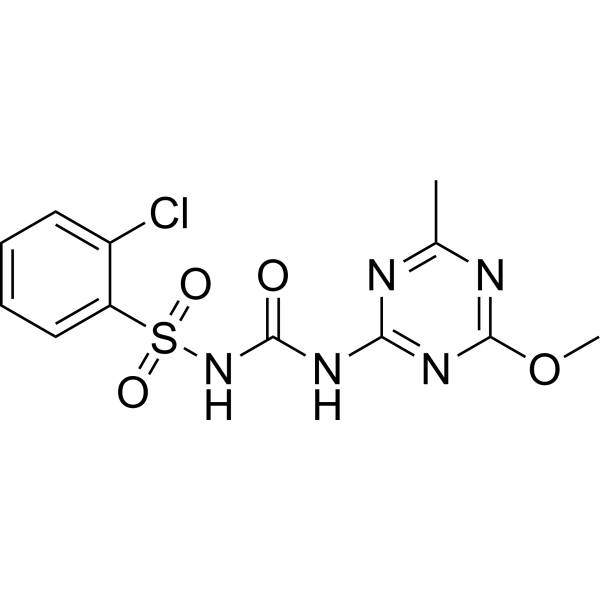
Chlorsulfuron is an acetolactate synthase inhibitor and selective systemic herbicide. Chlorsulfuron blocks the synthesis of branched-chain amino acids (valine and isoleucine), thereby inhibiting protein synthesis, cell growth, and cell division. Chlorsulfuron blocks G1 and G2 phase cell cycle progression in plant root tip cells without directly interfering with mitosis or DNA synthesis. Chlorsulfuron completely inhibits germination of non-target terrestrial plants and is highly toxic to aquatic macrophytes. Chlorsulfuron has low toxicity to mammals, birds and bees, and moderate toxicity to fish and aquatic invertebrates. Chlorsulfuron can be used in studies related to herbicides, plant cell cycles and ecotoxicology .
loading...
    loading...
1
1 Cited Publications
Cat. No.: HY-P5982
PTPσ Inhibitor, ISP is a PTPσ intracellular wedge domain mimetic peptide containing a TAT cell-penetrating domain, which acts as a PTPσ inhibitor. PTPσ Inhibitor, ISP binds to and inhibits PTPσ, thereby relieving CSPG-mediated axonal growth inhibition. PTPσ Inhibitor, ISP enhances CSPG degradation by promoting the secretion of Cathepsin B or MMP-2, and promotes DRG axonal growth, OPC migration and remyelination. PTPσ Inhibitor, ISP promotes nerve regeneration and improves sensory, motor and urinary functions in animal models of spinal cord injury, dorsal root injury and multiple sclerosis. PTPσ Inhibitor, ISP also increases the phosphorylation of ERK and AKT in colorectal cancer cells. PTPσ Inhibitor, ISP can be used in studies related to PTPσ/CSPG signaling, nerve regeneration, demyelinating diseases and RAS/ERK signaling .
loading...
    loading...
1
1 Cited Publications
Cat. No.: HY-N6924
CAS No.: 80930-74-1
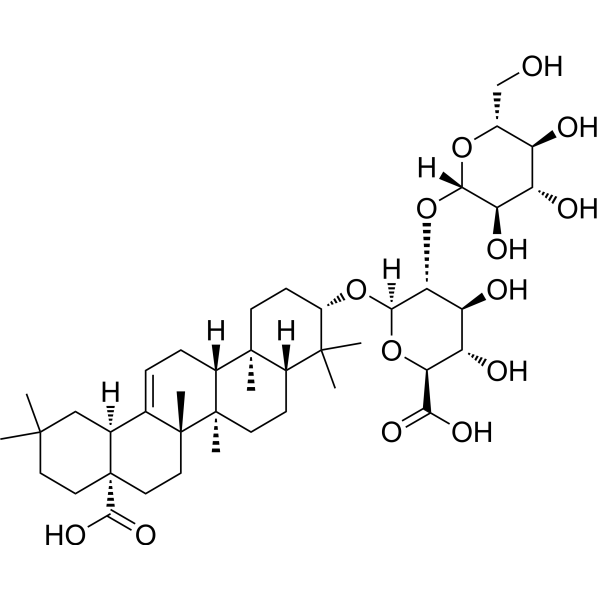
Zingibroside R1 is an orally active triterpene saponin with multiple biological activities including antioxidant, anti-inflammatory, antiviral, and metabolic regulatory properties. Zingibroside R1 reduces the expression of PIN family members, inhibits the expression of PLT1/PLT2, WOX5, SHR, and SCR, disrupts auxin transport and distribution, triggers plant ROS responses, and inhibits root growth. Zingibroside R1 extends the lifespan of Caenorhabditis elegans, enhances its heat stress resistance, and improves its motor ability. Hydrogel derivatives of Zingibroside R1 inhibit the proliferation of Candida albicans by binding to its β-1,3-glucan and exhibit antifungal activity. Zingibroside R1 inhibits GLUT1-mediated uptake and alleviates liver injury. Zingibroside R1 can be used in research related to neurodegenerative diseases, vulvovaginal candidiasis, acute liver injury, Ehrlich ascites tumor and HIV-1 infection .
loading...
    loading...
1
1 Cited Publications
Cat. No.: HY-N0186A
CAS No.: 60096-23-3
Synonyms: Indolebutyric acid potassium
Target:  

Endogenous Metabolite

Research Areas:  

Others

Indole-3-butyric acid (Indolebutyric acid) potassium is a plant growth auxin and a good rooting agent. It can promote herbs and woody ornamental plant rooting and used for improving fruit rate. Indole 3-butyric acid potassium is an auxin precursor, and is converted to indole 3-acetic acid (IAA) in a peroxisomal β-oxidation process .
loading...
    loading...
Cat. No.: HY-136409
CAS No.: 177315-87-6
Purity:  99.43%
Synonyms: C10-HSL
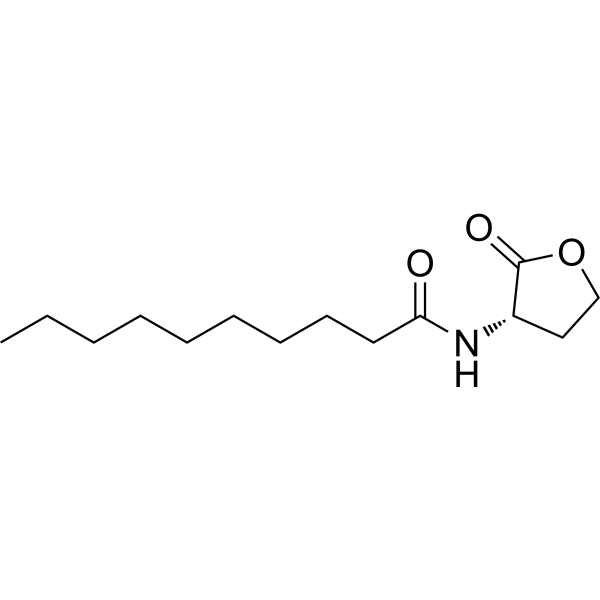
N-decanoyl-L-homoserine lactone (C10-HSL) is a N-acyl-homoserine lactone (AHL) N-decanoyl-L-homoserine lactone can inhibit primary root growth in Arabidopsis. N-decanoyl-L-homoserine lactone triggers a transient and immediate increase in the concentrations of cytosolic free Ca 2+ and reactive oxygen species (ROS), increases the activity of mitogen-activated protein kinase 6 (MPK6), and induces nitric oxide (NO) production in Arabidopsis roots .
loading...
    loading...
Cat. No.: HY-W116336D
CAS No.: 1314-13-2
Zinc oxide, <100 nm particle size is a nitrate reductase modulator and growth promoter with plant stress resistance activity and oral toxicity. Zinc oxide, <100 nm particle size acts as a nutrient source for maize plants. By enhancing nitrate reductase activity and reducing free proline levels, it significantly improves plant height, root length and dry matter weight of maize, and its growth-promoting effect is comparable to that of traditional zinc sulfate fertilizer. Zinc oxide, <100 nm particle size induces anemia-related and persistent tissue inflammatory damage, leading to obvious histopathological adverse reactions in the stomach, pancreas, eyes and prostate of rats. Zinc oxide, <100 nm particle size acts as a non-toxic antibacterial agent and selective cytotoxin against multiple bacteria, fungi and spores .
loading...
    loading...
Cat. No.: HY-142006A
Synonyms: (±)-JA-L-Ile
Target:  

Phytohormone

Research Areas:  

Others

(±)-Jasmonic-L-isoleucine ((±)-JA-L-Ile) is a mixture of (±)-Jasmonic acid (HY-122464) and isoleucine isomers. (±)-Jasmonic-L-isoleucine is a phytohormone that participates in the jasmonic acid signaling pathway. (±)-Jasmonic-L-isoleucine regulates biological processes in plants, including defense responses, growth and development, and stress tolerance .
loading...
    loading...
Cat. No.: HY-18570B
CAS No.: 86-87-3
Synonyms: NAA
1-Naphthaleneacetic acid,suitable for plant cell culture (NAA) is a plant growth hormone. 1-Naphthaleneacetic acid,suitable for plant cell culture promotes plant growth and induces root cluster formation. Naphthaleneacetic acid,suitable for plant cell culture is applicable for plant cell culture .
loading...
    loading...
Cat. No.: HY-N9599
CAS No.: 14729-29-4
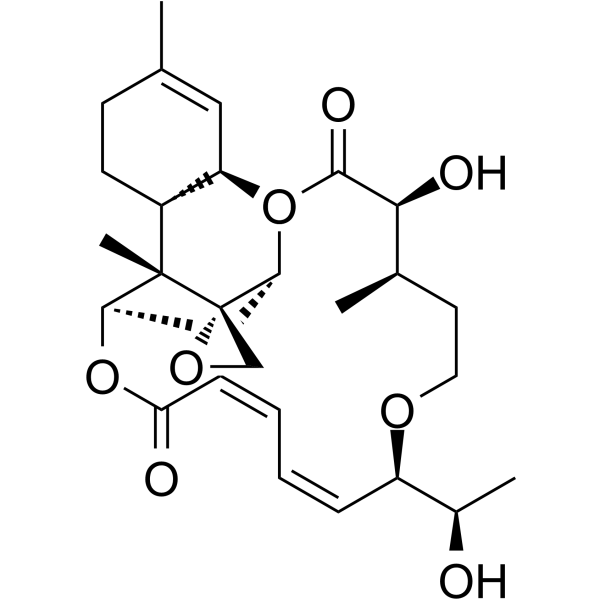
Roridin A acts as an inhibitor of pollen development in Arabidopsis thaliana and nematicide. Roridin A is isolated from the fungus Cylindrocarpon sp. Roridin A delays the flowering time of Arabidopsis thaliana, inhibits pollen development and stem elongation, and blocks plant growth. Roridin A induces larval death of the southern root-knot nematode (Meloidogyne incognita) .
loading...
    loading...
Cat. No.: HY-136403
CAS No.: 1315459-30-3
Purity:  99.92%
Target:  

Phytohormone

Research Areas:  

Others

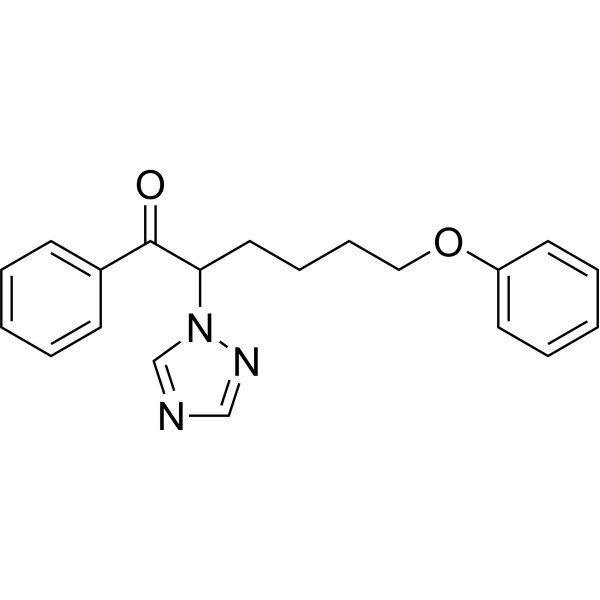
TIS108 is a triazole-type strigolactone biosynthesis inhibitor. TIS108 inhibits Arabidopsis embryogenesis and root hair growth, and promotes shoot branching. TIS108 can also increase the gibberellin content in Gastrodia elata. TIS108 can be used in the research of plant growth and development as well as plant responses to the environment .
loading...
    loading...
Cat. No.: HY-136302
CAS No.: 857054-02-5
Target:  

Phytohormone

Research Areas:  

Others

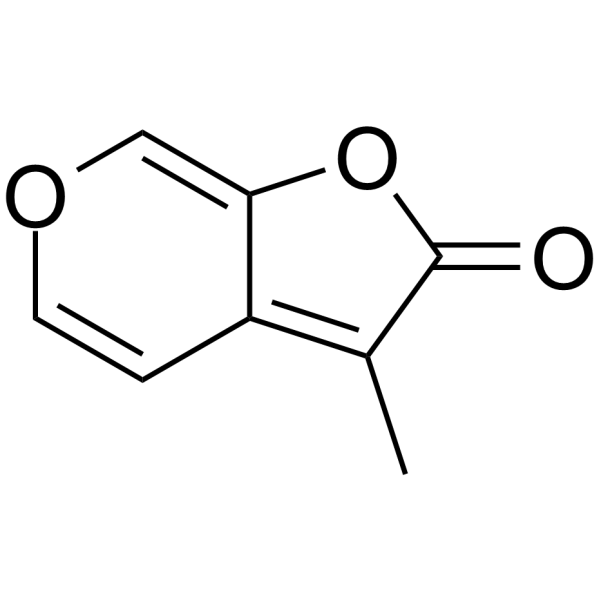
Karrikinolide is a plant-active compound. Karrikinolide can be extracted from smoke water (SW). Karrikinolide promotes total Cytokinin production. Plants treated with Karrikinolide exhibit superior growth in terms of rooting, leaf and bulb size, and fresh weight .
loading...
    loading...
Cat. No.: HY-B2050
CAS No.: 1582-09-8
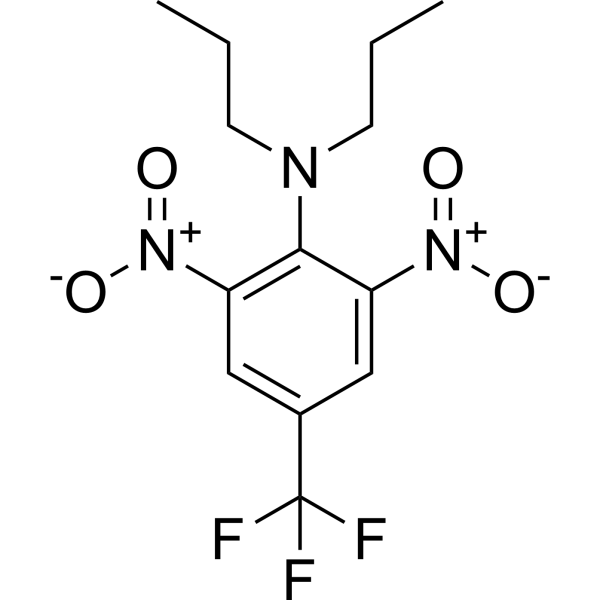
Trifluralin is a selective, preemergence, soil-applied herbicide providing control of many important annual grass and broadleaf weed species. Trifluralin prevents weed growth by inhibiting root development through the interruption of mitosis. Trifluralin binds to tubulin and results in the failure of spindle apparatus and cell plate formation. Trifluralin inhibits radicle development on roots. Trifluralin inhibits cell mitosis. Trifluralin is considered to be neurotoxic and haematotoxic .
loading...
    loading...

