1. Search Result
Search Result
Results for "

sarcoplasmic

" in MedChemExpress (MCE) Product Catalog:

36

Inhibitors & Agonists

2

Fluorescent Dye

4

Peptides

7

Natural
Products

1

Recombinant Proteins

2

Antibodies

Cat. No. Product Name Target Research Areas Chemical Structure
  • HY-103312
    Xestospongin C
    Maximum Cited Publications
    9 Publications Verification

    (-)-Xestospongin C

    Calcium Channel Apoptosis Neurological Disease
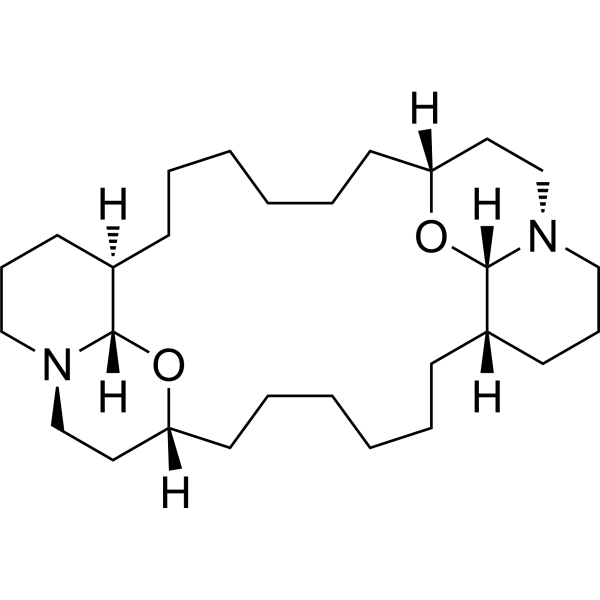
    Xestospongin C ((-)-Xestospongin C) is a selective, reversible inositol 1,4,5-trisphosphate receptor (IP3R) inhibitor. Xestospongin C acts as an inhibitor of the sarcoplasmic/endoplasmic reticulum Ca 2+ ATPase (SERCA) pump of internal stores. Xestospongin C blocks IP3-induced Ca 2+ release from cerebellar microsomes with an IC50 of 358 nM. Xestospongin C is a valuable tool for investigating the structure and function of IP3Rs and Ca 2+ signaling in neuronal and nonneuronal cells .
    Xestospongin C
  • HY-Y0413

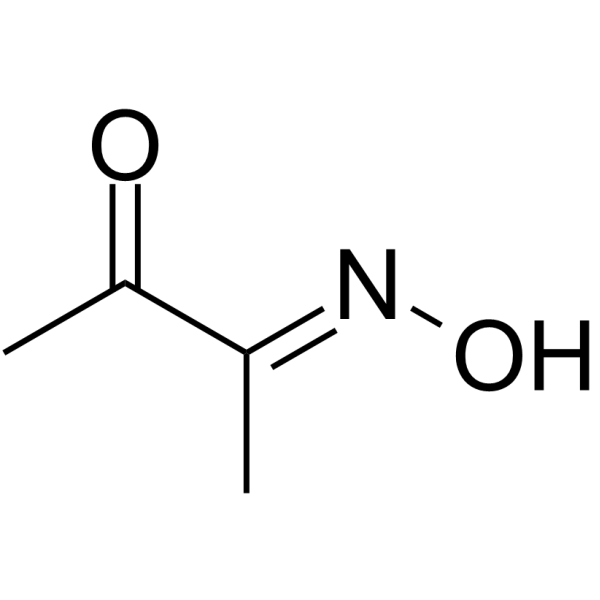
    Diacetyl monoxime; DAM

    Na+/K+ ATPase Myosin Cardiovascular Disease Metabolic Disease
    Biacetyl monoxime (Diacetyl monoxime), a myosin ATPase inhibitor, is a skeletal and cardiac muscle contraction inhibitor. Biacetyl monoxime is also a well-characterized non-competitive inhibitor of chemical and motile activity of skeletal muscle myosin-II. Biacetyl monoxime induces sarcoplasmic reticulum Ca 2+ release .
    Biacetyl monoxime
  • HY-B0473

    Amethocaine hydrochloride

    Environmental Pollutants Calcium Channel Neurological Disease
    Tetracaine hydrochloride (Amethocaine hydrochloride) is a calcium channel protein inhibitor and blocks voltage-sensitive release of Ca 2+ from sarcoplasmic reticulum. Tetracaine hydrochloride is mainly used topically in ophthalmology and as an antipruritic .
    Tetracaine hydrochloride
  • HY-N2877
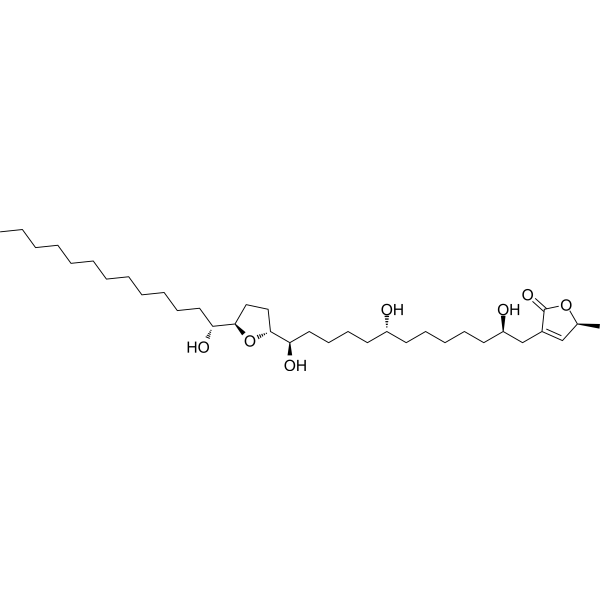
    Annonacin
    1 Publications Verification

    Potassium Channel Sodium Channel Na+/K+ ATPase Calcium Channel Apoptosis Neurological Disease Cancer
    Annonacin is an acetylgenin that is toxic by inhibiting the pathway of the mitochondrial complex. Annonacin increases tau phosphorylation in R406W +/+ mice. Annonacin acts as an inhibitor of the sodium/potassium and sarcoplasmic reticulum (SERCA) ATPase pumps. Annonacin has significant killing effect on ovarian cancer cell, cervical cancer cell, breast cancer cell, bladder cancer cell and skin cancer cell. Annonacin induces apoptosis through Bax and Caspase-3-related pathways .
    Annonacin
  • HY-110273
    N106
    1 Publications Verification

    Calcium Channel E1/E2/E3 Enzyme Cardiovascular Disease
    N106 is a first-in-class sarcoplasmic reticulum calcium ATPase (SERCA2a) SUMOylation activator. N106 directly activates the SUMO-activating enzyme, E1 ligase. N106 can be used for heart failure research .
    N106
  • HY-15292
    S107
    1 Publications Verification

    Calcium Channel Cardiovascular Disease
    S107 is an orally available, blood brain barrier-permeable compound, which stabilizes RyR2 channels by enhancing the binding of calstabin 2 to the mutant Ryr2-R2474S channel. S107 inhibits Ca 2+ leakage from the sarcoplasmic reticulum (SR) and prevents cardiac arrhythmias and raises the seizure threshold .
    S107
  • HY-15718A
    Istaroxime hydrochloride
    5+ Cited Publications

    PST2744 hydrochloride

    Na+/K+ ATPase Calcium Channel Cardiovascular Disease
    Istaroxime hydrochloride is a Na +/K +-ATPase inhibitor (IC50=0.11 μM) and a sarcoplasmic/endoplasmic reticulum calcium ATPase 2 (SERCA 2) activator.
    Istaroxime hydrochloride
  • HY-Y0258A
    Benzocaine (hydrochloride)
    1 Publications Verification

    Sodium Channel Calcium Channel Neurological Disease
    Benzocaine hydrochloride is an orally active local anesthetic. Benzocaine hydrochloride non-competitively inhibits the binding of Ca-ATPase to Ca 2+, with an IC50 of 47.1 mM. Benzocaine hydrochloride exerts anesthetic effects by blocking voltage-gated sodium channels. Benzocaine hydrochloride induces methemoglobinemia in various experimental animals .
    Benzocaine (hydrochloride)
  • HY-D0202

    Fluorescent Dye Others
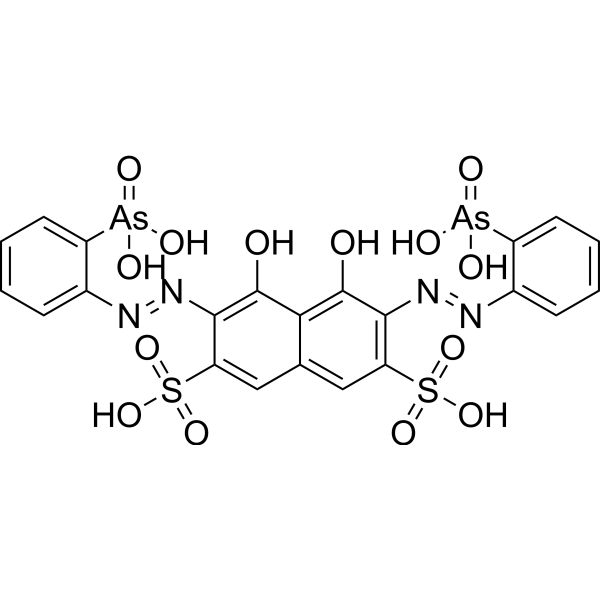
    Arsenazo III is an azo derivative of chromotropic acid, a metal chrome dye, a chelating agent, and a cation complexing agent. Arsenazo III forms stable 1:1 complexes with Ca 2+, Mg 2+, Sr 2+, Ba 2+, K +, and Na +, and its binding affinity for Ca 2+ depends on pH, alkali metal cation concentration, and buffer parameters. Arsenazo III serves as a colorimetric indicator for micromolar ionized Ca 2+ in cells .
    Arsenazo III
  • HY-N2374
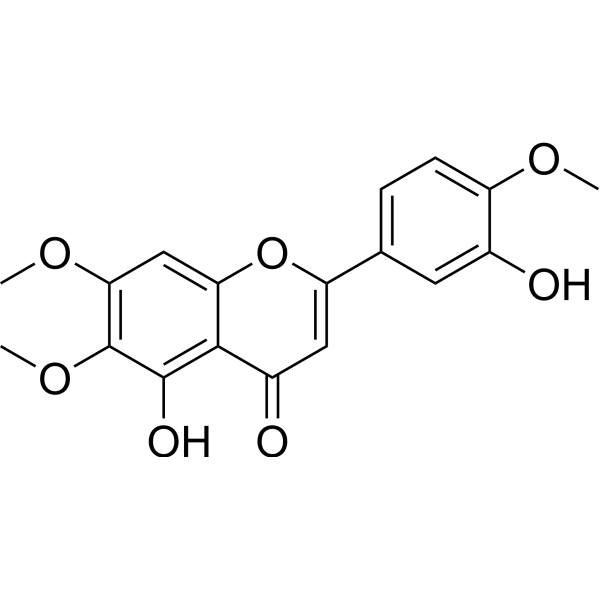
    Eupatorin
    2 Publications Verification

    Apoptosis NF-κB MMP Adrenergic Receptor Inflammation/Immunology Cancer
    Eupatorin is an orally active flavonoid with antiproliferative and vasodilatory properties. Eupatorin downregulates the expression levels of NF-κB, MMP9, IL-1β and TNF-α. Eupatorin induces apoptosis, G2/M phase cell cycle arrest, and reactive oxygen species (ROS) production. Eupatorin modulates the activities of muscarinic receptors and β-adrenergic receptors; inhibits sarcoplasmic reticulum calcium release and calcium channels; and activates the NO/sGC/cGMP pathway, indomethacin-sensitive pathway, and potassium channel pathway. Eupatorin exerts cytotoxic effects on cancer cell lines, and is metabolized by CYP1A1 and CYP1 family enzymes to form metabolites with antiproliferative activity. Eupatorin can be used in research related to breast cancer, hypertension, and leukemia .
    Eupatorin
  • HY-A0079

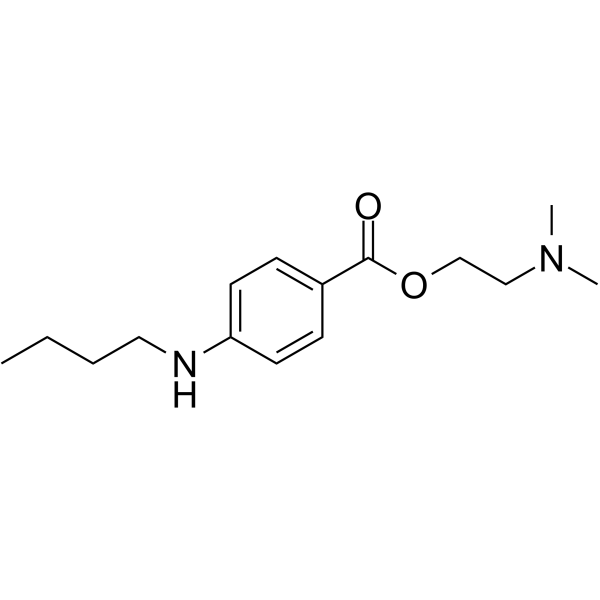
    Amethocaine

    Sodium Channel Calcium Channel Neurological Disease
    Tetracaine (Amethocaine) is a sodium channel inhibitor and ryanodine receptor (RyR) inhibitor. Tetracaine blocks sodium conduction across nerve cell membranes, preventing rapid sodium ion influx and depolarization. Tetracaine exhibits biphasic effects on spontaneous sarcoplasmic reticulum Ca 2+ release in Ca 2+-overloaded ventricular myocytes, and increases sarcoplasmic reticulum Ca 2+ load. Tetracaine can be used in research related to eye diseases .
    Tetracaine
  • HY-15293B

    K201 hemifumarate

    Calcium Channel Cardiovascular Disease
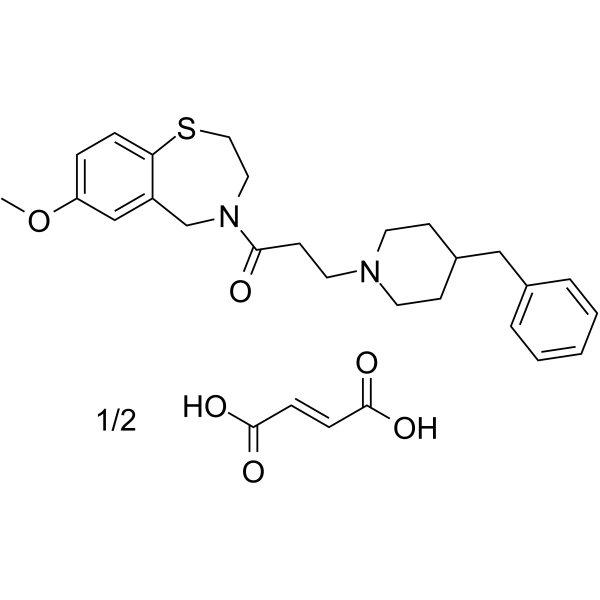
    JTV-519 hemifumarate (K201 hemifumarate) is a Ca 2+-dependent blocker of sarcoplasmic reticulum Ca 2+-stimulated ATPase (SERCA) and a partial agonist of ryanodine receptors in striated muscle. Antiarrhythmic and cardioprotective properties .
    JTV-519 hemifumarate
  • HY-118824A

    (E/Z)-Moschamine

    Calcium Channel PDGFR ERK Cardiovascular Disease Inflammation/Immunology
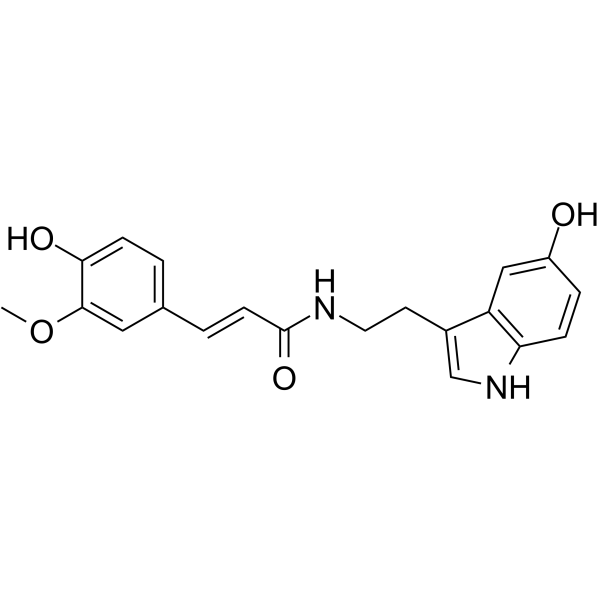
    N-Feruloylserotonin ((E/Z)-Moschamine) is a serotonin hydroxycinnamic acid amide. It can be isolated from a variety of plants, particularly the seeds of safflower (Carthamus tinctorius L.). N-Feruloylserotonin inhibits KCl- and 5-HT-induced elevation of intracellular [Ca 2+]i. It suppresses PDGF-BB-induced phosphorylation of PDGFRβ and ERK1/2. N-Feruloylserotonin exerts anti-inflammatory effects on aortic endothelial cells. It inhibits atherosclerotic plaque formation in apolipoprotein E-deficient mice .
    N-Feruloylserotonin
  • HY-113040A

    17(R),18(S)-EETeTr

    Calcium Channel Cardiovascular Disease
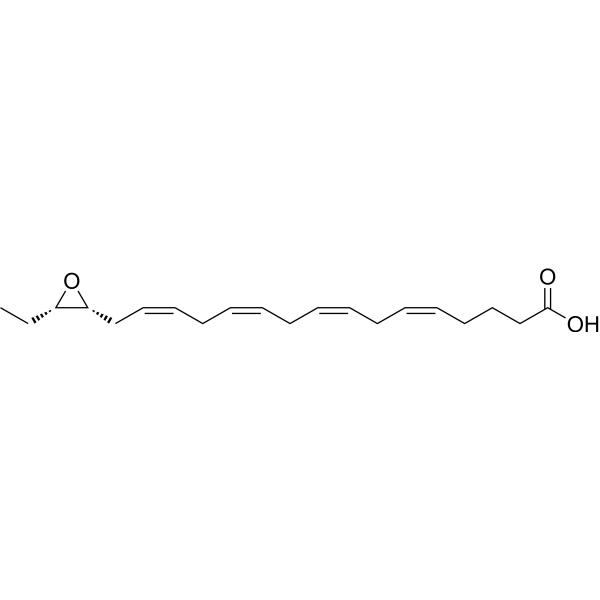
    (17R,18S)-Epoxyeicosatetraenoic acid (17 (R),18 (S)-EETeTr) is a physiologically active fatty acid metabolite and also a vasodilator targeting BKα. (17R,18S)-Epoxyeicosatetraenoic acid activates the outward potassium current mediated by BK channels, and this effect is independent of the BKβ1 subunit, intracellular/extracellular calcium levels, and sarcoplasmic reticulum calcium release regulated by RyR3. (17R,18S)-Epoxyeicosatetraenoic acid is produced by the epoxidation of eicosapentaenoic acid mediated by CYP1A1 variants. (17R,18S)-Epoxyeicosatetraenoic acid is applicable to research related to arrhythmia .
    (17R,18S)-Epoxyeicosatetraenoic acid
  • HY-124873

    Calcium Channel Cardiovascular Disease
    SERCA2a activator 1 (Compound A) is a sarco/endoplasmic reticulum Ca 2+-dependent ATPase 2a (SERCA2a) activator. SERCA2a activator 1 attenuates phospholamban inhibition and enhances the systolic and diastolic functions of the heart. SERCA2a activator 1 can be used for heart failure .
    SERCA2a activator 1
  • HY-111014

    Calcium Channel Cardiovascular Disease
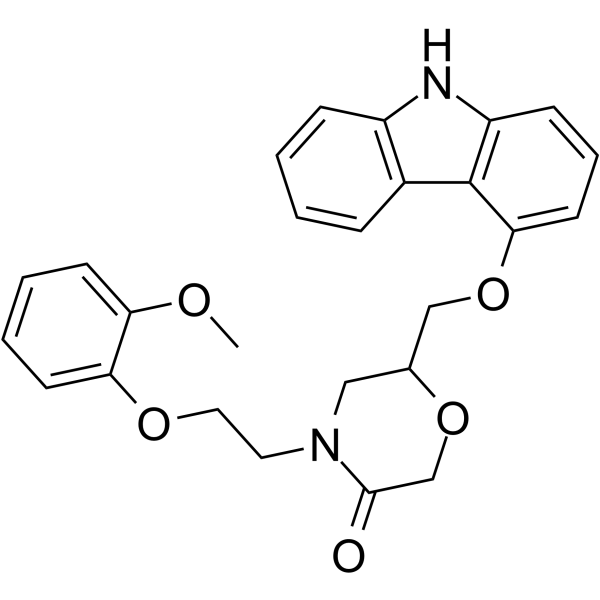
    VK-II-36 is a carvedilol analog that suppresses sarcoplasmic reticulum Ca 2+release but does not block the β-receptor.VK-II-36 inhibits triggered activities evoked by both early and delayed after depolarizations .
    VK-II-36
  • HY-165439

    LY195115

    Phosphodiesterase (PDE) Cardiovascular Disease
    Indolidan (LY195115) is an orally active cardiotonic agent and a selective cyclic nucleotide phosphodiesterase inhibitor. Indolidan has a Ki of 80 nM for sarcoplasmic reticulum phosphodiesterase (SR-PDE). Indolidan exhibits positive inotropic and vasodilator effects. Indolidan can be used in the research of diseases such as congestive heart failure .
    Indolidan
  • HY-W010710

    Calcium Channel Cardiovascular Disease
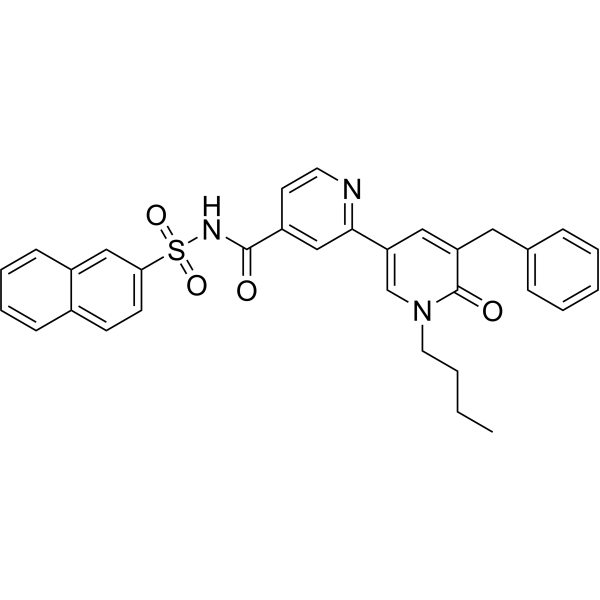
    IPrAuCl (compound 3) is a gold compound. IPrAuCl inhibits sarcoplasmic reticulum Ca 2+-ATPase (IC50=16.3 µM) .
    IPrAuCl
  • HY-121259

    Adriamycinol; DXR-OL

    Endogenous Metabolite Cardiovascular Disease
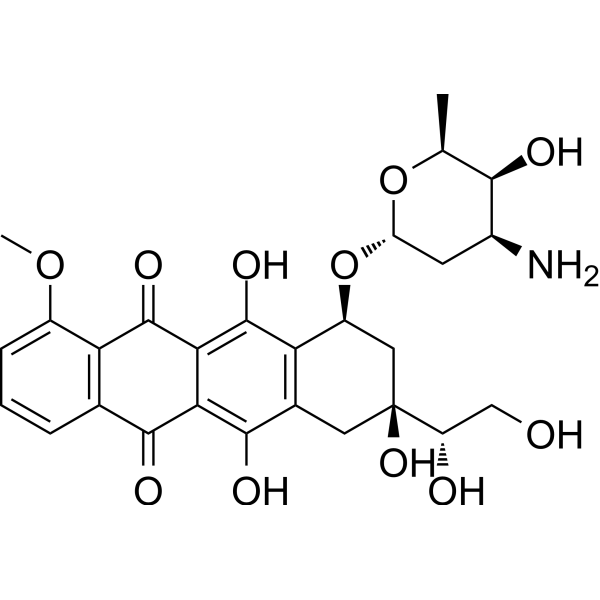
    Doxorubicinol, a potent inhibitor of the cardiac sarcoplasmic reticulum calcium pump, inhibits systolic myocardial function in isolated heart muscle. Doxorubicinol inhibits tumor cell growth and has cardiotoxicity.
    Doxorubicinol
  • HY-D1608

    Calcium Channel Others
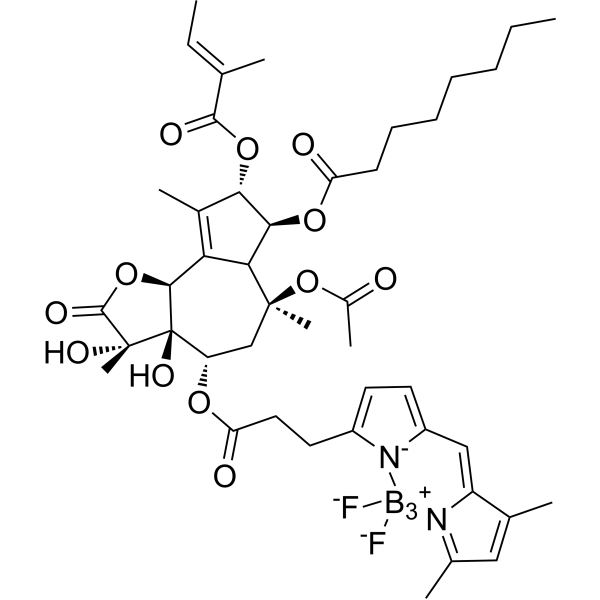
    BODIPY FL Thapsigargin is a potent green fluorescent dye. BODIPY FL Thapsigargin inhibits intracellular SERCA-type Ca2+ pumps present in the sarcoplasmic/endoplasmic reticulum. BODIPY FL Thapsigargin used for investigation of thapsigargin binding sites in live cells .
    BODIPY FL Thapsigargin
  • HY-P5422

    Calcium Channel Others
    Caloxin 3A1 is a biological active peptide. (This peptide belongs to caloxins, the extracellular plasma membrane (PM) Ca2+ pump inhibitors. Caloxin 3A1 inhibits plasma membrane calcium pumps (PMCAs) but not the sarcoplasmic reticulum Ca2+-pump. This peptide does not inhibit formation of the acylphosphate intermediate from ATP.)
    Caloxin 3A1
  • HY-164631

    Calcium Channel Cardiovascular Disease
    EL20 is a selective cardiac ryanodine receptor 2 (RyR2) inhibitor. EL20 inhibits diastolic Ca 2+ leakage from the sarcoplasmic reticulum, reducing delayed afterdepolarizations and triggered arrhythmias. EL20 is promising for research of cardiovascular diseases .
    EL20
  • HY-15293

    K201

    Calcium Channel Cardiovascular Disease
    JTV-519 (K201) is a Ca 2+-dependent blocker of sarcoplasmic reticulum Ca 2+-stimulated ATPase (SERCA) and a partial agonist of ryanodine receptors in striated muscle. Antiarrhythmic and cardioprotective properties .
    JTV-519
  • HY-110312

    K201 fumarate

    Calcium Channel Cardiovascular Disease
    JTV-519 fumarate (K201 fumarate) is a Ca 2+-dependent blocker of sarcoplasmic reticulum Ca 2+-stimulated ATPase (SERCA) and a partial agonist of ryanodine receptors in striated muscle. JTV-519 fumarate is a cardioprotective agent with antiarrhythmic effects .
    JTV-519 fumarate
  • HY-165569

    Potassium Channel Neurological Disease
    AU-1421 is a potassium ion (K⁺) site-directed regulator that specifically acts on various cation transport ATPases. AU-1421 can distinguish between two different K⁺-sensitive phosphorylation intermediate (E2P) states: for non-K⁺ transport type ATPases (such as the sarcoplasmic reticulum Ca²⁺-ATPase), after binding to AU-1421, it mimics the agonistic effect of K⁺, significantly accelerating the hydrolysis (dephosphorylation) of E2P. For K⁺ transport type ATPases (such as the gastric mucosa H⁺/K⁺-ATPase and the renal Na⁺/K⁺-ATPase), after binding to AU-1421, it inhibits the hydrolysis of E2P, stabilizing the phosphorylated intermediate, thereby blocking the ion transport cycle. AU-1421 can be used to study the mechanism of the potassium ion pump .
    AU-1421
  • HY-109992

    Phosphodiesterase (PDE) Cardiovascular Disease
    LY 186126 a Indolidan analog, is a phosphodiesterase (PDE) inhibitor. LY 186126 binds to cardiac sarcoplasmic reticulum PDE with high affinity, with a Kd of 5.6 nM .
    LY 186126
  • HY-B0473R

    Amethocaine hydrochloride (Standard)

    Reference Standards Calcium Channel Neurological Disease
    Tetracaine (hydrochloride) (Standard) is the analytical standard of Tetracaine (hydrochloride). This product is intended for research and analytical applications. Tetracaine hydrochloride (Amethocaine hydrochloride) is a calcium channel protein inhibitor and blocks voltage-sensitive release of Ca2+ from sarcoplasmic reticulum. Tetracaine hydrochloride is mainly used topically in ophthalmology and as an antipruritic .
    Tetracaine hydrochloride (Standard)
  • HY-P6008

    MLN peptide

    Calcium Channel Cardiovascular Disease
    Myoregulin (MLN peptide) is a member of the regulin family. Myoregulin regulates muscle performance by modulating intracellular calcium handling. Myoregulin interactes directly with sarcoplasmic reticulum Ca 2+-ATPase (SERCA) and impedinf Ca 2+ uptake into the sarcoplasmic reticulum .
    Myoregulin
  • HY-P6008A

    MLN peptide TFA

    Calcium Channel Cardiovascular Disease
    Myoregulin (MLN peptide) TFA is a member of the regulin family. Myoregulin TFA regulates muscle performance by modulating intracellular calcium handling. Myoregulin TFA interactes directly with sarcoplasmic reticulum Ca 2+-ATPase (SERCA) and impedinf Ca 2+ uptake into the sarcoplasmic reticulum .
    Myoregulin TFA
  • HY-15293A

    K201 free base

    Calcium Channel Cardiovascular Disease
    JTV-519 free base (K201 free base) is a Ca 2+-dependent blocker of sarcoplasmic reticulum Ca 2+-stimulated ATPase (SERCA) and a partial agonist of ryanodine receptors in striated muscle. Antiarrhythmic and cardioprotective properties .
    JTV-519 free base
  • HY-N6777R

    Reference Standards Caspase Bacterial Apoptosis Antibiotic Infection Cancer
    Tetracaine (hydrochloride) (Standard) is the analytical standard of Tetracaine (hydrochloride). This product is intended for research and analytical applications. Tetracaine hydrochloride (Amethocaine hydrochloride) is a calcium channel protein inhibitor and blocks voltage-sensitive release of Ca2+ from sarcoplasmic reticulum. Tetracaine hydrochloride is mainly used topically in ophthalmology and as an antipruritic .
    Penicillic acid (Standard)
  • HY-116755

    CR 605

    Phosphodiesterase (PDE) Neurological Disease
    Tiropramide (CR 605) is a tyrosine derivative with antispastic properties. Tiropramide hydrochloride inhibits phosphodiesterase activity involved in cAMP catabolism in rabbit colon homogenates. Tiropramide relaxes smooth muscle in rabbit isolated colon. Tiropramide can be used for the research of irritable colon and biliary dyskinesia .
    Tiropramide
  • HY-160475

    Aldehyde Dehydrogenase (ALDH) Apoptosis Autophagy Cardiovascular Disease Metabolic Disease
    AD-9308 is a highly selective and orally active ALDH2 activator. AD-9308 activates ALDH2 to promote the clearance of 4-HNE, inhibiting myocardial fibrosis, inflammation and cell apoptosis. AD-9308 improves mitochondrial function, sarcoplasmic reticulum/ endoplasmic reticulum calcium transport and regulates autophagy, restoring intracellular homeostasis. AD-9308 improves the diastolic and systolic function of the heart in diabetic mice and reverses ventricular mal-reconstruction. AD-9308 can be used for the study of diabetic cardiomyopathy .
    AD-9308
  • HY-43934

    CR 605 hydrochloride

    Phosphodiesterase (PDE) Neurological Disease
    Tiropramide (CR 605) hydrochloride is a tyrosine derivative with antispastic properties. Tiropramide hydrochloride inhibits phosphodiesterase activity involved in cAMP catabolism in rabbit colon homogenates. Tiropramide hydrochloride relaxes smooth muscle in rabbit isolated colon. Tiropramide hydrochloride can be used for the research of irritable colon and biliary dyskinesia .
    Tiropramide hydrochloride
  • HY-B1778C

    Suxamethonium iodide

    nAChR mAChR Neurological Disease
    Succinylcholine iodide is a depolarizing neuromuscular blocker with rapid onset and short duration of action. Succinylcholine iodide also acts as an agonist of the Acetylcholine receptor. Succinylcholine iodide is used for emergency airway management .
    Succinylcholine iodide
  • HY-N18070

    Drug Derivative PKC Fungal Cardiovascular Disease Infection Inflammation/Immunology Cancer
    12-Deoxyphorbol-13-isobutyrate-20-acetate is a 12-deoxy-phorbol diterpene ester. 12-Deoxyphorbol-13-isobutyrate-20-acetate is a protein kinase C (PKC) agonist that activates protein kinase C to phosphorylate troponin I and troponin T. 12-Deoxyphorbol-13-isobutyrate-20-acetate induces skin irritation and necrosis in mice without cocarcinogenic activity. 12-Deoxyphorbol-13-isobutyrate-20-acetate inhibits Aspergillus carbonarius growth. 12-Deoxyphorbol-13-isobutyrate-20-acetate supports research on heart failure, cardiomyopathies and fungal infection .
    12-Deoxyphorbol-13-isobutyrate-20-acetate

Inquiry Online

Your information is safe with us. * Required Fields.

Salutation


Country or Region *

Applicant Name *


Organization Name *

Department *


Email Address *


Product Name *

Cat. No.


Requested quantity *

Phone Number *


Remarks

Inquiry Online

Inquiry Information

Product Name:
Cat. No.:
Quantity:
MCE Japan Authorized Agent:

