1. Search Result
Search Result
Results for "

seizure disorders

" in MedChemExpress (MCE) Product Catalog:

20

Inhibitors & Agonists

3

Natural
Products

2

Isotope-Labeled Compounds

Cat. No. 상품명 Target 연구분야 Chemical Structure
  • HY-W010155
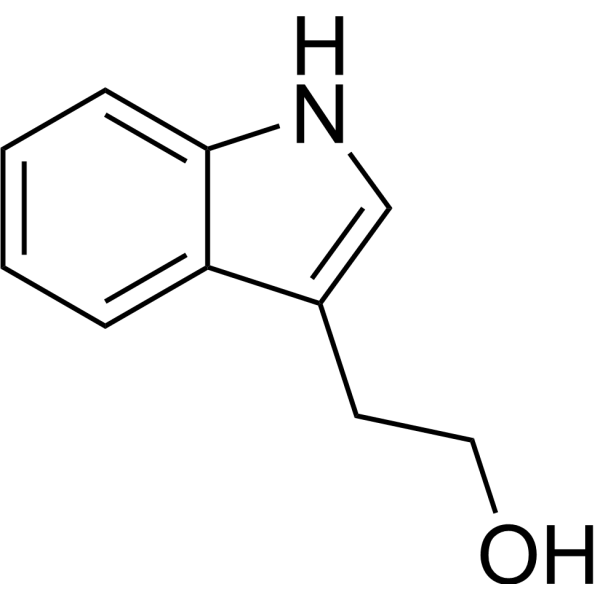
    Tryptophol
    2 Publications Verification

    Indole-3-ethanol

    Endogenous Metabolite Apoptosis Caspase Bacterial Infection Cardiovascular Disease Neurological Disease Metabolic Disease Inflammation/Immunology
    Tryptophol is an aromatic alcohol and secondary metabolite produced by microorganisms. Tryptophol induces apoptosis and cleavage of caspase-8. Tryptophol inhibits Cunninghamella blakesleeana biofilm. Tryptophol has anti-phage infection, biofilm formation regulation, anti-inflammatory, hemolytic, sleep induction, temperature change, seizure susceptibility and immune regulation activities. Tryptophol is used in the research of African trypanosomiasis, sleep disorders, epilepsy .
    Tryptophol
  • HY-118424

    iGluR Neurological Disease Metabolic Disease
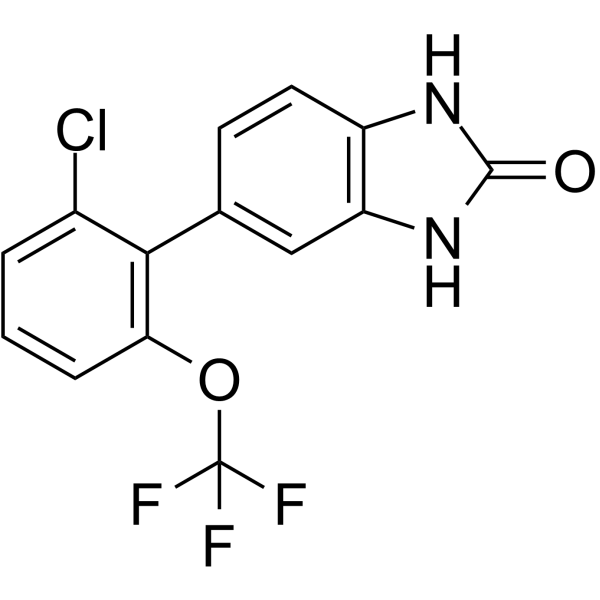
    JNJ-55511118 is a selective TARP γ-8 binding AMPA receptor modulator with oral bioavailability and blood-brain barrier permeability, with a Ki of 26 nM. JNJ-55511118 reduces voluntary intake of sweetened alcohol in male mice. In rodent models, JNJ-55511118 inhibits hippocampal neurotransmission, reduces specific electroencephalogram frequency bands, induces transient hyperlocomotion, impairs learning and memory abilities, and exerts anticonvulsant effects. JNJ-55511118 is applicable to research related to alcohol use disorder and seizures .
    JNJ-55511118
  • HY-N0444

    Reactive Oxygen Species (ROS) Inflammation/Immunology
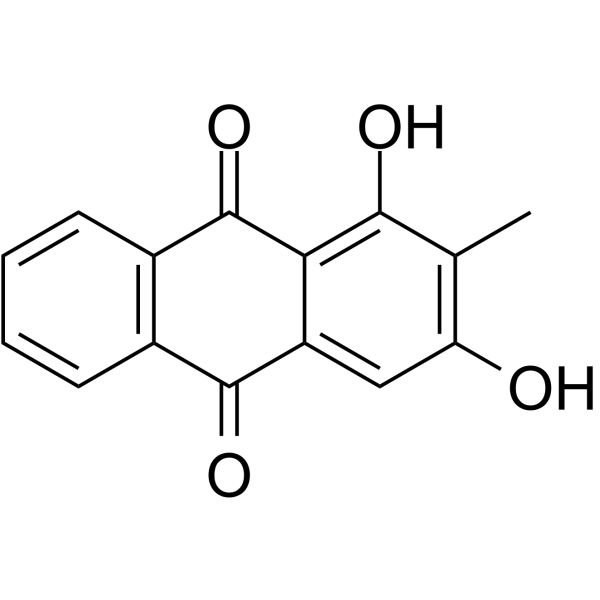
    Rubiadin is an orally active polyketide-derived compound and free radical scavenger that inhibits the activation of the NF-κB pathway. Rubiadin inhibits osteoclast formation, bone resorption, lipid peroxidation, HBV DNA replication and cancer cell proliferation; reduces pro-inflammatory cytokine levels; induces cancer cell apoptosis; and possesses antifungal, antimalarial, antibacterial and anticonvulsant activities. Rubiadin can be used in the research of osteoporosis, acute inflammation, chronic inflammation, carbon tetrachloride-induced liver injury, Alzheimer's disease, breast cancer, iron overload disorders, hepatitis B virus infection, colon cancer, liver cancer, T-lymphocytic leukemia, cervical cancer, diabetic nephropathy, epileptic seizures, fungal infections, malaria and bacterial infections .
    Rubiadin
  • HY-B1752
    Quinpirole
    4 Publications Verification

    LY 171555; (-)-LY 141865

    Dopamine Receptor Calcium Channel Bcl-2 Family iGluR Apoptosis Neurological Disease
    Quinpirole (LY 171555; (-)-LY 141865) is a D2/D3 dopamine receptor agonist and a CaV1.3 calcium channel modulator. Quinpirole normalizes dendritic spine density in dopamine-depleted striatum, upregulates the protein expression of BCL2 and GluR2, downregulates the protein expression of BAX, and delays the onset of seizures. Quinpirole enhances learning and memory, inhibits neuronal apoptosis (apoptosis), and induces anxiety-like, stereotyped, and compulsive behaviors. Quinpirole disrupts prepulse inhibition in rhesus monkeys, enhances the activity of paraventricular thalamic neurons to promote recovery from Isoflurane anesthesia, and alters the composition of the gut microbiota in rats. Quinpirole can be used in research related to dyskinesia, pain, epilepsy, and neurological disorders including anxiety disorder, obsessive-compulsive disorder, and schizophrenia .
    Quinpirole
  • HY-138668

    TRP Channel Neurological Disease
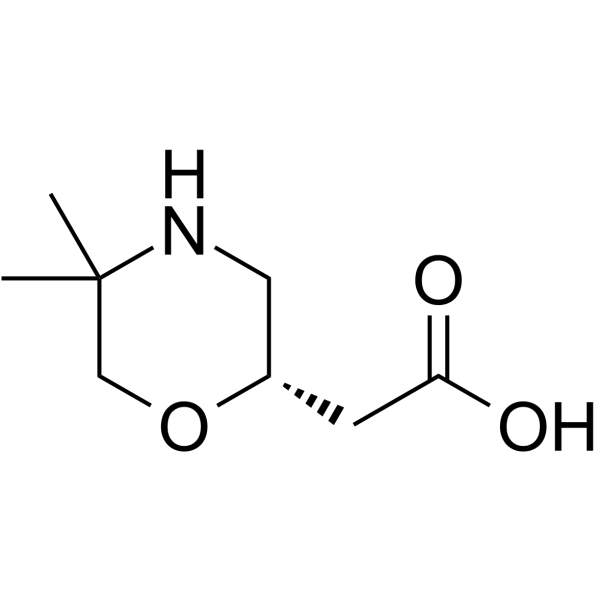
    JW-65 is a selective TRPC3 channel inhibitor with favorable blood-brain barrier penetration. JW-65 directly binds to human TRPC3 protein and modulates calcium signaling to reduce seizure susceptibility. JW-65 reduces seizure incidence, severity, and duration while prolonging seizure latency in multiple seizure models. JW-65 alleviates Aβ‑induced neuronal damage. JW-65 serves as a valuable tool for research on epilepsy, seizure disorders, and Alzheimer’s disease .
    JW-65
  • HY-12783A

    GABA Receptor Neurological Disease
    SCH 50911 is a selective, orally active, blood-brain barrier permeable GABA-B receptor (GABA-B Receptor) antagonist with an IC50 of 1.1 μM in rats. SCH 50911 blocks baclofen-induced antitussive effects, regulates neuronal firing and GABA release. SCH 50911 promotes spontaneous seizures during withdrawal in ethanol-dependent rats, alters reward-related neurotransmission, and reduces or suppresses lever responding and self-administration behaviors of alcohol and sucrose in rats. SCH 50911 is applicable to research related to ethanol withdrawal syndrome, absence epilepsy and alcohol use disorder .
    SCH 50911
  • HY-W010155R

    Indole-3-ethanol (Standard)

    Reference Standards Endogenous Metabolite Apoptosis Caspase Bacterial Infection Cardiovascular Disease Neurological Disease Metabolic Disease Inflammation/Immunology
    Tryptophol (Standard) (Indole-3-ethanol (Standard)) is an analytical standard of Tryptophol (HY-W010155). This product is intended for use in research and analytical applications.Tryptophol is an aromatic alcohol and secondary metabolite produced by microorganisms. Tryptophol induces Apoptosis and cleavage of caspase-8. Tryptophol inhibits Cunninghamella blakesleeana biofilm. Tryptophol has anti-phage infection, biofilm formation regulation, anti-inflammatory, hemolytic, sleep induction, temperature change, seizure susceptibility and immune regulation activities. Tryptophol is used in the research of African trypanosomiasis, sleep disorders, epilepsy.
    Tryptophol (Standard)
  • HY-W750342

    Indole-3-ethanol-d4

    Isotope-Labeled Compounds Endogenous Metabolite Apoptosis Caspase Bacterial Infection Cardiovascular Disease Neurological Disease Metabolic Disease Inflammation/Immunology
    Tryptophol-d4 (Indole-3-ethanol-d4) is the deuterium labeled Tryptophol (HY-W010155). Tryptophol is an aromatic alcohol and secondary metabolite produced by microorganisms. Tryptophol induces apoptosis and cleavage of caspase-8. Tryptophol inhibits Cunninghamella blakesleeana biofilm. Tryptophol has anti-phage infection, biofilm formation regulation, anti-inflammatory, hemolytic, sleep induction, temperature change, seizure susceptibility and immune regulation activities. Tryptophol is used in the research of African trypanosomiasis, sleep disorders, epilepsy .
    Tryptophol-d4
  • HY-W012481

    Ethylphenylhydantoin; Phenylethyihydantoin; Desmethylmephenytoin

    Drug Metabolite Neurological Disease
    Nirvanol (Ethylphenylhydantoin) is a metabolite of Mephenytoin (HY-B1184) that exerts anticonvulsant effects in the maximal electroshock (M.E.S.) seizure model in mice. Nirvanol shows potential for research in epilepsy-related neurological disorders .
    Nirvanol
  • HY-W773779

    GSK-3 Neurological Disease Metabolic Disease Cancer
    GSK3-IN-9 (Compound 0713) is a selective glycogen synthase kinase 3 (GSK3) inhibitor. GSK3-IN-9 Fragile X syndrome, attention deficit hyperactivity disorder (ADHD), childhood seizure, intellectual disability, diabetes, acute myeloid leukemia (AML), autism, and psychiatric disorder .
    GSK3-IN-9
  • HY-19545

    R-(+)-SCH-23390

    Dopamine Receptor Neurological Disease
    SCH-23390 is a dopamine D1-like receptor antagonist (with Ki values of 0.2 nM and 0.3 nM for the D1 and D5 receptor subtypes, respectively). SCH-23390 can shorten the latency period for cocaine-induced lever pressing behavior in rats. SCH-23390 can also eliminate generalized seizures caused by chemical convulsants, such as arecoline (HY-B0726A) and strychnine, and is used in research on neurological disorders related to the dopamine system .
    SCH-23390
  • HY-19130

    Adenosine Receptor Neurological Disease
    BW-534U87 is an orally active adenosine A1 receptor agonist and competitive adenosine deaminase (ADA) inhibitor (Ki=7 μM). BW-534U87 elevates brain adenosine levels and suppresses epileptiform activity. BW-534U87 demonstrate anticonvulsant efficacy in animal seizure models. BW-534U87 is promising for research of epilepsy and adenosine-related neuropsychiatric disorders .
    BW-534U87
  • HY-156533

    5-HT Receptor Cancer
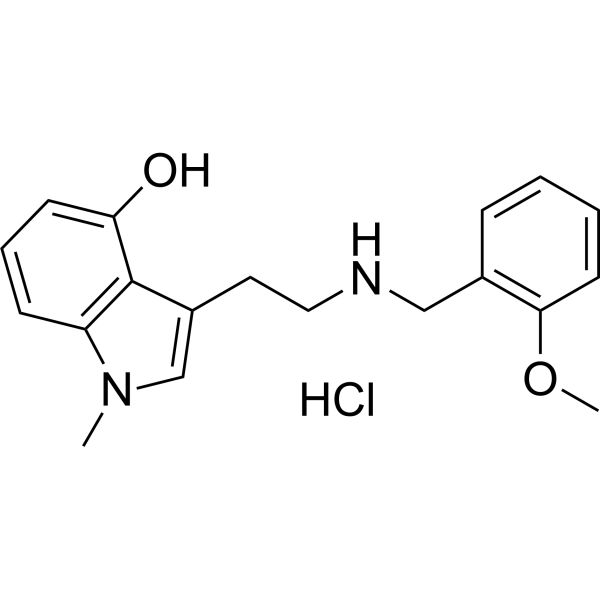
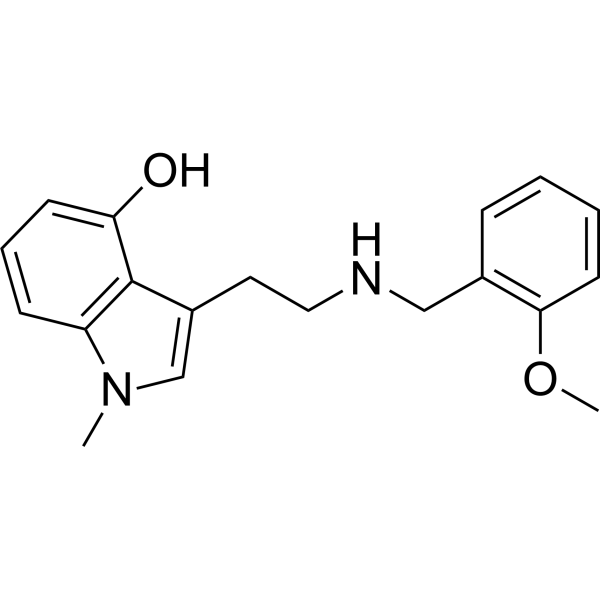
    5-HT2 agonist-1 (Compound 24) is a 5-HT2A & 5-HT2B & 5-HT2C agonist, with IC50s of 10 nM, 8.3, and 1.6 nM respectively. 5-HT2 agonist-1 free base can be used for research of depression, alcoholism, tobacco and cocaine addiction, inflammation, cluster headache, PTSD, seizure disorders and other CNS disorders .
    5-HT2 agonist-1
  • HY-156533A

    5-HT Receptor Neurological Disease Inflammation/Immunology Cancer
    5-HT2 agonist-1 (Compound 24) free base is a 5-HT2A & 5-HT2B & 5-HT2C agonist, with IC50s of 10 nM, 8.3, and 1.6 nM respectively. 5-HT2 agonist-1 free base can be used for research of depression, alcoholism, tobacco and cocaine addiction, inflammation, cluster headache, PTSD, seizure disorders and other CNS disorders .
    5-HT2 agonist-1 free base
  • HY-156534

    5-HT Receptor Neurological Disease Inflammation/Immunology Cancer
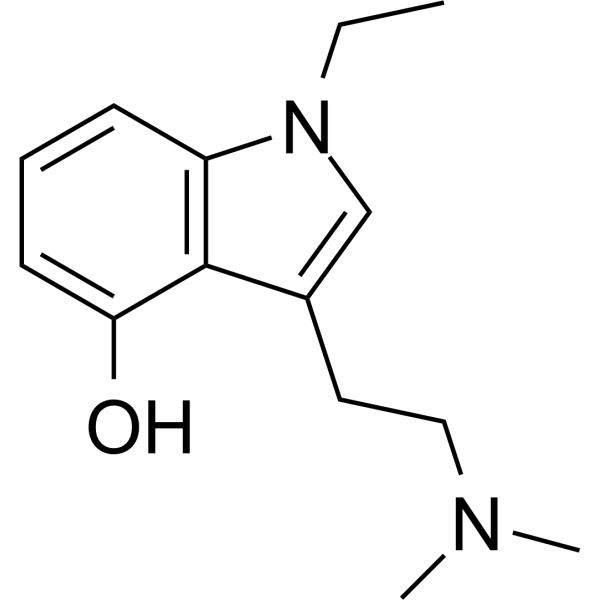
    5-HT2A&5-HT2C agonist-1 (Example 2) is a 5-HT2A & 5-HT2C agonist, with IC50s of 196 nM and 0.9 nM respectively. 5-HT2A&5-HT2C agonist-1 can be used for research of depression, alcoholism, tobacco and cocaine addiction, inflammation, cluster headache, PTSD, seizure disorders and other CNS disorders .
    5-HT2A&5-HT2C agonist-1
  • HY-W012481R

    Ethylphenylhydantoin (Standard); Phenylethyihydantoin (Standard); Desmethylmephenytoin (Standard)

    Drug Metabolite Reference Standards Neurological Disease
    Nirvanol (Ethylphenylhydantoin) is a metabolite of Mephenytoin (HY-B1184) that exerts anticonvulsant effects in the maximal electroshock (M.E.S.) seizure model in mice. Nirvanol shows potential for research in epilepsy-related neurological disorders .
    Nirvanol (Standard)
  • HY-W012481S

    Ethylphenylhydantoin-d5; Phenylethyihydantoin-d5; Desmethylmephenytoin-d5

    Isotope-Labeled Compounds Drug Metabolite Neurological Disease
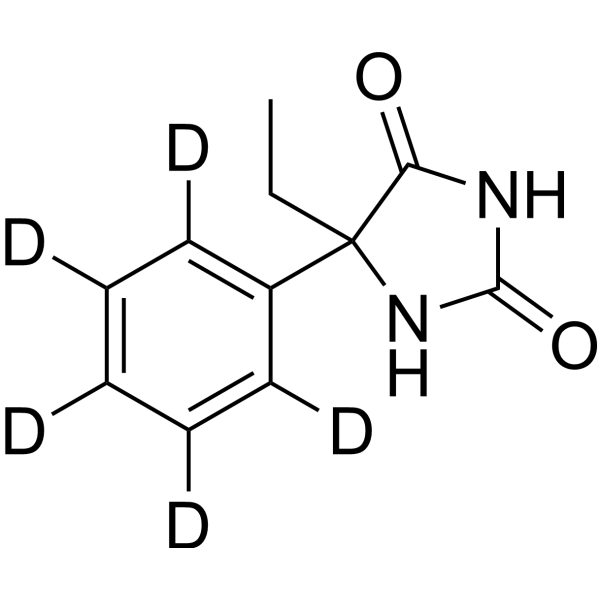
    Nirvanol-d5 (Ethylphenylhydantoin-d5) is deuterium labeled Nirvanol (HY-W012481) . Nirvanol (Ethylphenylhydantoin) is a metabolite of Mephenytoin (HY-B1184) that exerts anticonvulsant effects in the maximal electroshock (M.E.S.) seizure model in mice. Nirvanol shows potential for research in epilepsy-related neurological disorders .
    Nirvanol-d5
  • HY-12783

    GABA Receptor Neurological Disease
    SCH 50911 dihydrochloride is a selective, orally active, blood-brain barrier permeable GABA-B receptor (GABA-B Receptor) antagonist with an IC50 of 1.1 μM in rats. SCH 50911 dihydrochloride blocks baclofen-induced antitussive effects, regulates neuronal firing and GABA release. SCH 50911 dihydrochloride promotes spontaneous seizures during withdrawal in ethanol-dependent rats, alters reward-related neurotransmission, and reduces or suppresses lever responding and self-administration behaviors of alcohol and sucrose in rats. SCH 50911 dihydrochloride is applicable to research related to ethanol withdrawal syndrome, absence epilepsy and alcohol use disorder .
    SCH 50911 hydrochloride
  • HY-15080

    LY 293606

    iGluR Cardiovascular Disease Neurological Disease
    GYKI 53405 is a non-competitive, orally active AMPA receptor antagonist. GYKI 53405 shows no significant binding affinity for GABAA, GABAB or benzodiazepine receptors. GYKI 53405 increases self-grooming behavior, induces wet dog-like shakes, reduces spontaneous activity, produces anxiolytic-like behavior, reverses the anxiogenic effect induced by mCPP, inhibits locomotor activity, suppresses sound-induced and maximal electroshock-induced seizures, prolongs survival in global cerebral ischemia models, and exhibits sustained anticonvulsant effects at doses below the sedation threshold. GYKI 53405 can be used in research related to absence epilepsy, anxiety disorders and global cerebral ischemia .
    GYKI 53405
  • HY-W644305

    3β-Androstenol

    GABA Receptor Endogenous Metabolite Neurological Disease
    Androst-16-en-3-ol is a pheromone derived from boars that triggers mating responses in estrous sows. It also exists in human urine, plasma, saliva and sweat. As an endogenous neurosteroid, Androst-16-en-3-ol acts as a positive allosteric modulator of GABAA receptors (GABAA receptor) and exerts anxiolytic, antidepressant and anticonvulsant activities in mice.
    Androst-16-en-3-ol

온라인 문의

Your information is safe with us. * Required Fields.

호칭


Country or Region *

고객명 *


회사명 *

Department *


메일주소 *


상품명 *

Cat. No.


Requested quantity *

전화번호 *


비고

온라인 문의

Inquiry Information

상품명:
Cat. No.:
수량:
MCE Japan Authorized Agent:

