Search Result
Results for "
sulfated
" in MedChemExpress (MCE) Product Catalog:
148
Biochemical Assay Reagents
110
Isotope-Labeled Compounds
| Cat. No. |
Product Name |
Target |
Research Areas |
Chemical Structure |
-
- HY-B1241
-
|
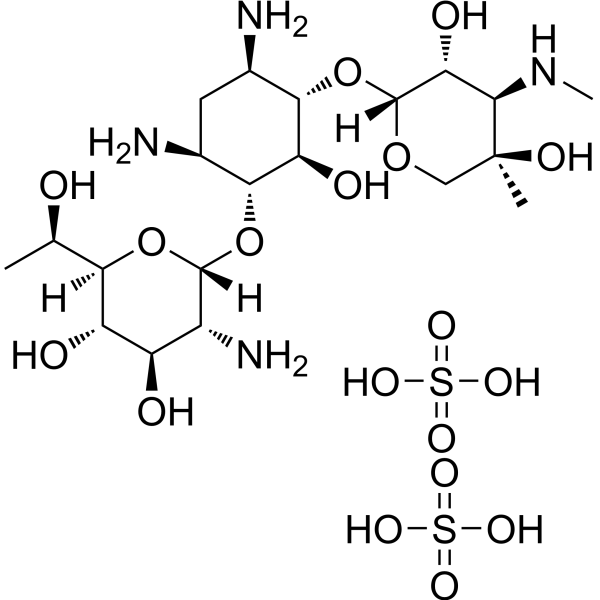
DHSM sulfate
|
Antibiotic
Bacterial
|
Infection
|
|
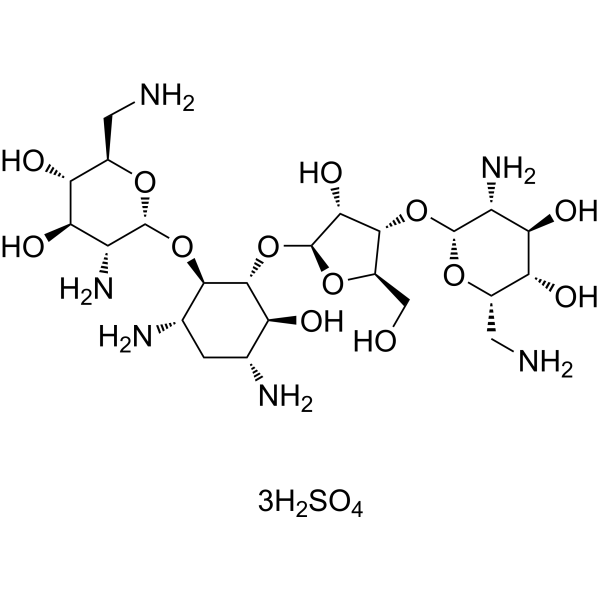
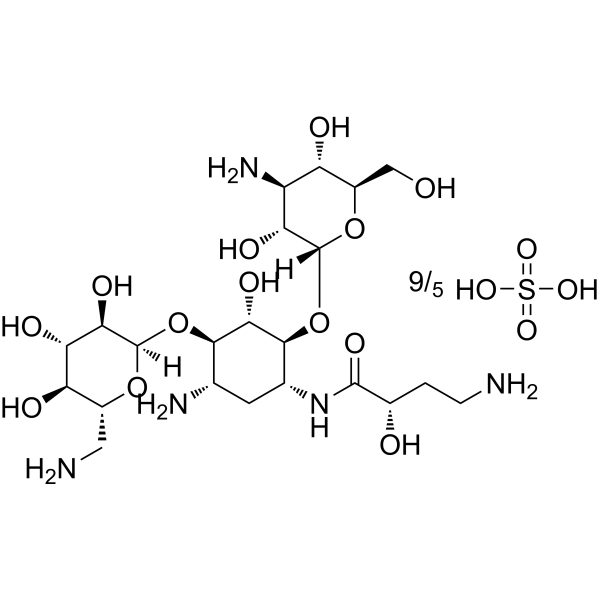
Dihydrostreptomycin sulfate (DHSM sulfate) is the sulfate salt form of Dihydrostreptomycin (HY-B1241A). Dihydrostreptomycin sulfate is an aminoglycoside antibiotic with antibacterial effect against Gram-negative bacteria. Dihydrostreptomycin sulfate exhibits ototoxicity that causes irreversible damage in inner ear hair cells, leading to hearing loss .
|
-
-
- HY-W094475C
-
-
-
- HY-157424
-
|
PAPS tetralithium salt
|
Biochemical Assay Reagents
|
Metabolic Disease
|
|
3′-Phosphoadenosine 5′-phosphosulfate tetralithium salt (PAPS tetralithium salt) is the cosubstrate and the source of sulfonic acid groups in sulfation reactions. 3′-Phosphoadenosine 5′-phosphosulfate tetralithium salt is important for maintaining sulfation balance in living organisms .
|
-
-
- HY-P2803B
-
|
|
β-glucuronidase
|
Metabolic Disease
|
|
Beta-glucuronidase (helix pomatia) is a glycosyl hydrolase that hydrolyzes β-glucuronic acid and sulfate esters in urine and other biological fluids, and then releases β-glucuronate .
|
-
-
- HY-113074
-
|
Glycolithocholate sulfate; Sulfolithocholylglycine; SLCG
|
HIV
Endogenous Metabolite
|
Infection
Inflammation/Immunology
|
|
Glycolithocholic acid 3-sulfate (SLCG) is a cholic acid derivative and a metabolite of glycolithocholic acid. Glycolithocholic acid 3-sulfate inhibits replication of HIV-1 in vitro. Glycolithocholic acid 3-sulfate can be used for the research of HIV infection and gallbladder disease .
|
-
-
- HY-122009
-
|
Indoxyl-β-D-glucoside
|
P-glycoprotein
OAT
Fluorescent Dye
|
Others
|
|
Indican (Indoxyl-β-D-glucoside), a glycoside of indoxyl, is a precursor of the dyesindigo and indirubin. Indican has a major metabolite, indoxyl sulfate (IS). IS, an uremic toxin, is a substrate/inhibitor of organic anion transporter (OAT) 1, OAT 3 and multidrug resistance-associated protein (MRP) 4 .
|
-
-
- HY-116282M
-
|
|
Bacterial
|
Inflammation/Immunology
|
|
Dextran sulfate, low sulfate (MW 40000), a biopolymer, is a sulfated polysaccharide. Dextran sulfate, low sulfate (MW 40000) has antiviral, antibacterial, anti-inflammatory, antifibrotic, and wound-healing properties. Dextran sulfate can be used as an additive in cell culture media for preventing cell aggregation and in cosmetics as a gel-forming agent .
|
-
-
- HY-W009439
-
|
GlcN6P; D-Glucosamine-6-sulfate
|
Biochemical Assay Reagents
|
Others
|
|
Glucosamine 6-sulfate (GlcN6P) is an organic cofactor that splits phosphodiester bonds. Glucosamine 6-sulfate plays a variety of catalytic roles in glmS ribozymes .
|
-
-
- HY-17657
-
|
5-Androstenediol 3-sulfate sodium
|
Drug Intermediate
|
Metabolic Disease
|
|
Androst-5-enediol sulfate (5-Androstenediol 3-sulfate) sodium salt is an adrenal Δ5-steroid sulfate that synthesized by zona reticularis of adrenal depending on the lyase and Cytochrome b5 type A (CYB5A) activity. Androst-5-enediol sulfate sodium salt is a precursor hormone and can be desulfated to produce more potent androgens, including testosterone, in peripheral tissues like skin and liver. The serum level of Androst-5-enediol sulfate sodium salt has an age-related increase .
|
-
-
- HY-156836
-
|
Tyramine sulfate
|
Drug Metabolite
|
Neurological Disease
|
|
Tyramine O-sulfate (Tyramine sulfate) is a metabolite of Tyramine (HY-W007606) formed via sulfation, which serves as a biomarker for depression. Tyramine O-sulfate can be used in the research of depression .
|
-
-
- HY-W779068
-
-
-
- HY-P2677
-
|
|
Cholecystokinin Receptor
|
Metabolic Disease
|
|
CCK (26-31) (sulfated) is the N-terminal fragment of CCK, a peptide hormone found in the gut and brain that stimulates digestion, regulates satiety, and is associated with anxiety .
|
-
-
- HY-108622
-
|
Daxalipram
|
Phosphodiesterase (PDE)
Interleukin Related
IFNAR
|
Inflammation/Immunology
|
|
Mesopram (Daxalipram) is an orally active phosphodiesterase (PDE) 4 inhibitor. Mesopram inhibits the synthesis of proinflammatory cytokines TNF-α and IFN-γ. Mesopram demonstrates efficacy in ameliorating Dextran sulfate sodium (DSS) (HY-116282C)-induced murine colitis. Mesopram can be used for the study of chronic inflammatory diseases .
|
-
-
- HY-111431AS
-
|
p-Tolyl sulfate-d7 potassium
|
Endogenous Metabolite
|
Metabolic Disease
|
|
p-Cresol sulfate-d7 (potassium) is the deuterium labeled p-Cresyl sulfate potassium. p-Methylphenyl potassium sulfate is a prototype protein-bound uremic toxin[1][2].
|
-
-
- HY-W654272
-
|
4-MU-α-idoa 2-sulfate sodium
|
Fluorescent Dye
|
Metabolic Disease
|
|
4-Methylumbelliferyl-α-L-iduronide 2-sulfate (4-MU-α-idoa 2-sulfate) sodium is a fluorogenic substrate of iduronate-2-sulfatase (I2S). 4-Methylumbelliferyl-α-L-iduronide 2-sulfate sodium can be hydrolyzed by lysosomal enzyme α-l-iduronidase (IDUA) and release the fluorophore 4-Methylumbelliferone (HY-N0187). 4-Methylumbelliferyl-α-L-iduronide 2-sulfate sodium can be used to detect Hurler syndrome .
|
-
-
- HY-163388
-
|
|
Glycosidase
|
Others
|
|
CHI3L1-IN-2 (Compound 36) is a CHI3L1 (Chitinase-3-Like Protein 1) inhibitor. CHI3L1-IN-2 inhibits the? interaction between CHI3L1 and heparan sulfate (CHI3L1:HSIII), with an IC50 of 26 nM. CHI3L1, also known as YKL-40, is a glycoprotein associated with inflammation, fibrosis, and cancer .
|
-
-
- HY-148225
-
|
|
Drug Metabolite
|
Cancer
|
|
Fulvestrant 3-β-D-Glucuronide, a metabolite, is glucuronide and sulfate conjugates of Fulvestrant (HY-13636), a pure anti-estrogenic steroid. Fulvestrant 3-β-D-Glucuronide can be used for the research of breast cancer .
|
-
-
- HY-141672S1
-
|
17β-Estradiol 3-sulfate-d4 sodium
|
GABA Receptor
|
Neurological Disease
|
|
17β-Estradiol sulfate-d4 (sodium) is the deuterium labeled 17β-Estradiol sulfate 17β-Estradiol sulfate (sodium), also known as β-Estradiol 3-sulfate sodium salt, is a neuroactive steroid .
|
-
-
- HY-N8460A
-
|
Cortisol 21-sulfate sodium
|
Endogenous Metabolite
|
Endocrinology
|
|
Cortisol sulfate sodium (Cortisol 21-sulfate) is a metabolite of Cortisol (HY-N0583). Cortisol sulfate sodium is a specific ligand for intracellular transcortin .
|
-
-
- HY-P4325
-
|
|
Thrombin
|
Others
|
|
Hirudin (55-65) (sulfated) is a fragment of Hirudin with anticoagulant effects. Hirudin is a thrombin inhibitor with blood anticoagulant property.
|
-
-
- HY-N7699H
-
|
|
Drug Intermediate
|
Infection
|
|
D-Dimannuronic acid is an alginate extract from brown algae which can be used to synthesize sulfated polymannuronate (SPMG)-derived oligosaccharides .
|
-
-
- HY-116282P
-
|
|
Bacterial
|
Infection
Inflammation/Immunology
|
|
Dextran sulfate, high sulfate (MW 5000) is a type of dextran sulfate with a high degree of sulfation. Dextran sulfate sodium can be used to induce ulcerative colitis models, and the greater the total number of sulfur atoms, the stronger the induced toxic effect. Dextran sulfate has certain antibacterial activity, and can form the ionic cross-linking core of nanoparticles together with chitosan, serving as a highly efficient dressing material to accelerate wound healing .
|
-
-
- HY-111662
-
|
|
NOD-like Receptor (NLR)
|
Inflammation/Immunology
|
|
Fc 11a-2, a benzimidazole compound, is an orally active and potent NLRP3 inflammasome inhibitor. Fc 11a-2 restrains the formation of NLRP3 inflammasome by inhibiting activation of caspase-1 and thus the activation of IL-1b/IL-18. Fc 11a-2 prevents the development of Dextran sulfate sodium (DSS; HY-116282C)-induced murine experimental colitis .
|
-
-
- HY-Y0316S
-
|
Sodium lauryl sulfate-d25; Laurylsulfuric acid-d25 sodium salt
|
Isotope-Labeled Compounds
|
Others
|
|
Sodium-dodecyl sulfate-d25 is a deuterium labeled Sodium dodecyl sulfate. Sodium dodecyl sulfate is the most widely used of the anionic alkyl sulfate surfactants .
|
-
-
- HY-113360
-
-
-
- HY-N8460
-
|
Cortisol 21-sulfate
|
Endogenous Metabolite
|
Endocrinology
|
|
Cortisol sulfate (Cortisol 21-sulfate) is a metabolite of Cortisol (HY-N0583). Cortisol sulfate is a specific ligand for intracellular transcortin .
|
-
-
- HY-116282J
-
|
|
Bacterial
|
Inflammation/Immunology
|
|
Dextran sulfate, low sulfate (MW 5000), a biopolymer, is a sulfated polysaccharide. Dextran sulfate, low sulfate (MW 5000) has antiviral, antibacterial, anti-inflammatory, antifibrotic, and wound-healing properties. Dextran sulfate can be used as an additive in cell culture media for preventing cell aggregation and in cosmetics as a gel-forming agent .
|
-
-
- HY-156836A
-
|
Tyramine sulfate sodium
|
Drug Metabolite
|
Neurological Disease
|
|
Tyramine O-sulfate (Tyramine sulfate) sodium is a metabolite of Tyramine (HY-W007606) formed via sulfation, which serves as a biomarker for depression. Tyramine O-sulfate sodium can be used in the research of depression .
|
-
-
- HY-W094477D
-
|
Epsom salts, for molecular biology
|
Biochemical Assay Reagents
|
Others
Cancer
|
|
Magnesium sulfate heptahydrate, for molecular biology is a biochemical assay reagent and is suitable fo molecular biology.
|
-
-
- HY-P2165
-
-
-
- HY-P99694
-
|
JR-171
|
Transferrin Receptor
|
Neurological Disease
|
|
Lepunafusp alfa (JR-171) is a BBB-penetrable fusion protein consisting of J-Brain Cargo and IDUA (a lysosomal enzyme, α-L-iduronidase). Lepunafusp alfa can reduce concentration of heparan sulfate (HS) and dermatan sulfate (DS). Lepunafusp alfa can be used for research of mucopolysaccharidosis type I .
|
-
-
- HY-D0430
-
-
-
- HY-132641S
-
-
-
- HY-141918S
-
-
-
- HY-143645S
-
|
|
Isotope-Labeled Compounds
|
Others
|
|
Glycochenodeoxycholic acid 3-sulfate-d5 (disodium) is the deuterium labeled Glycochenodeoxycholic acid 3-sulfate disodium .
|
-
-
- HY-144152S
-
-
-
- HY-D1633A
-
|
|
Fluorescent Dye
|
Others
|
|
4-Methylumbelliferyl-β-D-galactopyranoside 6-sulfate sodium is a fluorescent dye. 4-Methylumbelliferyl-β-D-galactopyranoside 6-sulfate sodium undergoes desulphation by galactose-6-sulphate sulphatase to form 4-methylumbelliferyl-β-D-galactopyranoside, which is cleaved by β-galactosidase to release fluorescent 4-methylumbelliferone. 4-Methylumbelliferyl-β-D-galactopyranoside 6-sulfate sodium interacts with N-acetylgalactosamine-6-sulfate sulfatase (GALNS) via hydrogen bonds, electrostatic interactions, and steric interactions. 4-Methylumbelliferyl-β-D-galactopyranoside 6-sulfate sodium serves as a substrate in assays measuring galactose-6-sulphate sulphatase and GALNS activity. 4-Methylumbelliferyl-β-D-galactopyranoside 6-sulfate sodium can be used for the research of Morquio disease type A (mucopolysaccharidosis IV A) .
|
-
-
- HY-D1633
-
|
|
Fluorescent Dye
|
Metabolic Disease
|
|
4-Methylumbelliferyl-β-D-galactopyranoside 6-sulfate is a fluorescent dye. 4-Methylumbelliferyl-β-D-galactopyranoside 6-sulfate undergoes desulphation by galactose-6-sulphate sulphatase to form 4-methylumbelliferyl-β-D-galactopyranoside, which is cleaved by β-galactosidase to release fluorescent 4-methylumbelliferone. 4-Methylumbelliferyl-β-D-galactopyranoside 6-sulfate interacts with N-acetylgalactosamine-6-sulfate sulfatase (GALNS) via hydrogen bonds, electrostatic interactions, and steric interactions. 4-Methylumbelliferyl-β-D-galactopyranoside 6-sulfate serves as a substrate in assays measuring galactose-6-sulphate sulphatase and GALNS activity. 4-Methylumbelliferyl-β-D-galactopyranoside 6-sulfate can be used for the research of Morquio disease type A (mucopolysaccharidosis IV A) .
|
-
-
- HY-W145658
-
|
Heparamine sodium salt
|
Biochemical Assay Reagents
|
Others
|
|
De-N-sulfated heparin (Heparin I-H) sodium salt is a biochemical reagent that can be used as a biological material or organic compound for life science related research.
|
-
-
- HY-W110904
-
|
|
Fluorescent Dye
|
Others
|
|
Methylthymol blue tetrasodium is a metallochromic indicator dye and can be used for determination of sulfate and calcium .
|
-
-
- HY-N17272
-
|
|
Drug Metabolite
|
Metabolic Disease
|
|
Cholic acid 3-sulfate is the sulfated metabolite of Cholic acid (HY-N0324), produced by liver enzyme sulfotransferase-2A1. Cholic acid 3-sulfate is less toxic than the parent compound, thus serving as a detoxification pathway for bile acids. Cholic acid 3-sulfate does not have the effect of stimulating intestinal secretion .
|
-
-
- HY-W094475E
-
|
Epsom salts (Pharmaceutical primary standard, USP)
|
Drug Derivative
|
Neurological Disease
Metabolic Disease
|
|
Magnesium sulfate heptahydrate, United States Pharmacopeia (USP) Reference Standard (Epsom salts (Pharmaceutical primary standard, USP)) is currently the anticonvulsant of choice for the prevention and control of eclamptic fits and is also widely used as a tocolytic agent .
|
-
-
- HY-113238S1
-
-
-
- HY-137255S
-
|
3-Sulfotaurolithocholic acid-d4 disodium
|
Isotope-Labeled Compounds
|
Others
|
|
Taurolithocholic Acid-3-Sulfate-d4 (disodium salt) is the deuterium labeled Taurolithocholic Acid-3-Sulfate .
|
-
-
- HY-66006AS
-
-
-
- HY-N17235
-
-
-
- HY-P2678
-
|
|
Cholecystokinin Receptor
|
Metabolic Disease
|
|
CCK (26-31) (non-sulfated) is the N-terminal fragment of CCK, a peptide hormone found in the gut and brain that stimulates digestion, regulates satiety, and is associated with anxiety. CCK (26-31) is also less active in non-sulfated than in sulfated form .
|
-
-
- HY-P4795
-
|
|
Thrombin
|
Others
|
|
Acetyl-Hirudin (55-65) (sulfated) is a Acetyl-fragment of Hirudin. Hirudin is a thrombin inhibitor with blood anticoagulant property .
|
-
-
- HY-P2490
-
|
|
Thrombin
|
Metabolic Disease
|
|
Acetyl-Hirudin (54-65) (sulfated) is a acetyl-fragment of Hirudin which binds directly to thrombin-rHCII(L444R) and disrupts interactions between the N-terminal acidic domain of rHCII and anion-binding exosite I of thrombin that serves to stabilize the complex .
|
-
-
- HY-129480
-
|
|
Drug Intermediate
|
Others
|
|
Vertilmicin sulfate combines with FMOC-Cl to form the Vertilmicin-FMOC-Cl adduct, and can be used for the determination of glucosamine sulfate in plasma .
|
-
- HY-P4721
-
|
|
Thrombin
|
Cardiovascular Disease
|
|
Succinyl-(Pro58,D-Glu65)-Hirudin (56-65) (sulfated) is a hirugen-like peptide, and has high affnity for thrombin than Hirugen, with a KD < 100 nM. Succinyl-(Pro58,D-Glu65)-Hirudin (56-65) (sulfated) is an antithrombotic agent. Succinyl-(Pro58,D-Glu65)-Hirudin (56-65) (sulfated) inhibits the thrombin-induced fibrin clot formation with an IC50 value of 0.087 μM .
|
-
- HY-E70171
-
|
EC:2.8.2.23; HS3ST1
|
Biochemical Assay Reagents
|
Endocrinology
|
|
Heparan Sulfate 3-O-Sulfotransferase 1 is a sulfotransferase. Heparan Sulfate 3-O-Sulfotransferase controls cellular production of the anticoagulant heparan sulfate related structure .
|
-
- HY-162297
-
|
|
Drug Metabolite
|
Others
|
|
4-(Sulfooxy)benzoic acid is a sulfated phenolic acid found in C. elegans. 4-(Sulfooxy)benzoic acid is a metabolite of ethyl para-hydroxybenzoate and several flavonoids .
|
-
- HY-N7699
-
|
|
Others
|
Infection
|
|
D-Dimannuronic acid is an alginate extract from brown algae which can be used to synthesize sulfated polymannuronate (SPMG)-derived oligosaccharides .
|
-
- HY-169231
-
|
|
Bcr-Abl
|
Cancer
|
|
BCR-ABL-IN-10 (compound B4) is a covalent and aryl vinyl sulfate (AVS)-containing BCR-ABL inhibitor with an IC50 of 43.1 nM for ABL kinase. BCR-ABL-IN-10 forms a covalent and stable adduct with ABL kinase, leading to sustained inhibition of endogenous BCR-ABL activities. BCR-ABL-IN-10 can be used for the study of chronic myeloid leukemia (CML) .
|
-
- HY-113238F
-
|
FITC-Sulfolithocholic acid
|
Fluorescent Dye
|
Others
|
|
FITC-Lithocholic acid 3-sulfate (FITC-Sulfolithocholic acid) is a FITC-labeled Lithocholic acid 3-sulfate, which is a sulfated biliary metabolite. Lithocholic acid 3-sulfate selectively inhibits Th17 cell differentiation by targeting RORγt. Lithocholic acid 3-sulfate can be used for the research of pathogenesis of cholestatic liver diseases .
|
-
- HY-141931S
-
|
Glycolithocholate sulfate-d4 sodium; Sulfolithocholylglycine-d4 sodium; SLCG-d4 sodium
|
Isotope-Labeled Compounds
|
Others
|
|
Glycolithocholic acid 3-sulfate-d4 (sodium) is the deuterium labeled Glycolithocholic acid 3-sulfate .
|
-
- HY-W743264
-
|
17β-Estradiol 3-sulfate-d3 sodium
|
Isotope-Labeled Compounds
GABA Receptor
|
Neurological Disease
|
|
17β-Estradiol sulfate-d3 sodium (17β-Estradiol 3-sulfate-d3 sodium) is the deuterium labeled 17β-Estradiol sulfate sodium (HY-141672). 17β-Estradiol sulfate sodium, also known as β-Estradiol 3-sulfate sodium salt, is a neuroactive steroid .
|
-
- HY-113238AS
-
|
Sulfolithocholic acid-d4 disodium
|
Isotope-Labeled Compounds
|
Others
|
|
Lithocholic acid 3-sulfate-d4 (disodium) is the deuterium labeled Lithocholic acid 3-sulfate disodium .
|
-
- HY-144158S
-
-
- HY-131524S
-
-
- HY-139614S
-
-
- HY-141944S
-
-
- HY-154775S
-
-
- HY-141931S1
-
-
- HY-141936S
-
-
- HY-141943S
-
-
- HY-141916S
-
-
- HY-142768S
-
-
- HY-W284558S
-
-
- HY-141926S
-
-
- HY-N2028A
-
|
Demethylwedelolactone 3-sulfate
|
Others
|
Cancer
|
|
Demethylwedelolactone Sulfate (Demethylwedelolactone 3-sulfate) is a coumestan isolated from Eclipta prostrata L. .
|
-
- HY-N8460AR
-
-
- HY-W654121
-
|
p-Tolyl sulfate-d4 potassium
|
Isotope-Labeled Compounds
Endogenous Metabolite
p38 MAPK
JNK
|
Inflammation/Immunology
|
|
p-Cresol sulfate-d4 (potassium) is deuterium labeled p-Cresyl sulfate (potassium). p-Cresyl sulfate potassium is a uremic toxin that binds to a prototype protein. p-Cresyl sulfate potassium activates the JNK and p38 MAPK signaling pathways. p-Cresyl sulfate potassium has pro-inflammatory activity .
|
-
- HY-W780275S
-
|
|
Isotope-Labeled Compounds
|
Others
|
|
Alternariol-9-monomethylether sulfate-d3 (ammonium) is deuterium labeled Alternariol 9-Methyl Ether 3-Sulfate Ammonium Salt .
|
-
- HY-111660S
-
-
- HY-66006S1
-
-
- HY-66006S
-
-
- HY-143935S
-
-
- HY-B1241R
-
|
DHSM sulfate (Standard)
|
Reference Standards
Bacterial
Antibiotic
|
Infection
|
|
Dihydrostreptomycin (sulfate) (Standard) is the analytical standard of Dihydrostreptomycin (sulfate) (HY-B1241). This product is intended for research and analytical applications. Dihydrostreptomycin sulfate (DHSM sulfate) is the sulfate salt form of Dihydrostreptomycin (HY-B1241A). Dihydrostreptomycin sulfate is an aminoglycoside antibiotic with antibacterial effect against Gram-negative bacteria. Dihydrostreptomycin sulfate exhibits ototoxicity that causes irreversible damage in inner ear hair cells, leading to hearing loss .
|
-
- HY-129071R
-
|
|
Reference Standards
Microtubule/Tubulin
|
Cancer
|
|
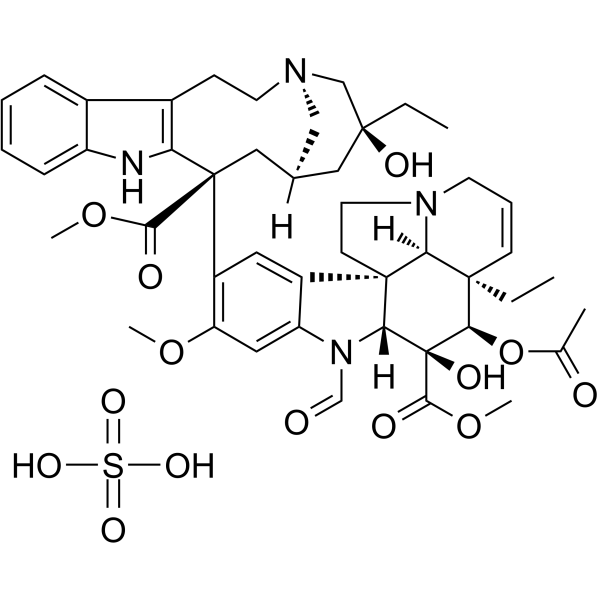
Vindesine (sulfate) (Standard) is the analytical standard of Vindesine (sulfate). This product is intended for research and analytical applications. Vindesine sulfate is a potent tubulin inhibitor with an Ki of 0.110 μM. Vindesine sulfate shows anti-proliferation effect in vitro. Vindesine sulfate shows antitumor effect in vivo .
|
-
- HY-N0716BR
-
-
- HY-147323R
-
|
Ferulic acid 4-sulfate (Standard)
|
Reference Standards
Drug Metabolite
|
Cardiovascular Disease
|
|
Ferulic acid 4-O-sulfate (Standard) is the analytical standard of Ferulic acid 4-O-sulfate. This product is intended for research and analytical applications. Ferulic acid 4-O-sulfate (Ferulic acid 4-sulfate) is a metabolite of Ferulic acid (HY-N0060). Ferulic acid 4-O-sulfate relaxes arteries and lowers blood pressure in mice[1].
|
-
- HY-143928S
-
-
- HY-P11156
-
|
|
Parasite
|
Infection
|
|
Sulfated sulfakinin is a Sulfakinin receptor (SKR) activator with EC50s of 1.6 and 5.4 nM for Tribolium castaneumTc TcSKR1 and TcSKR2, respectively. SKRs are G-protein-coupled receptors (GPCRs) that interact with sulfakinins to modulate diverse biological processes. Sulfated sulfakinin can be used for tho control of pest insects research .
|
-
- HY-Z9999
-
|
|
Drug Intermediate
|
Others
|
|
Amikacin impurity 2 (compound Impurity VI) is an impurity of Amikacin (HY-B0509A) identified in Amikacin sulfate (HY-107813) .
|
-
- HY-W094110A
-
|
|
Biochemical Assay Reagents
|
Others
|
|
Iron (III) sulfate solution acts as a sodium ion intercalator and sodium storage material. Iron (III) sulfate solution is applicable to research related to the development of sodium-ion battery electrodes .
|
-
- HY-107785R
-
|
D-Glucosamine-2-N-sulfate sodium (Standard)
|
Reference Standards
Endogenous Metabolite
|
Metabolic Disease
|
|
2-Deoxy-2-sulfoamino-D-glucose (sodium) (Standard) is the analytical standard of 2-Deoxy-2-sulfoamino-D-glucose (sodium). This product is intended for research and analytical applications. 2-Deoxy-2-sulfoamino-D-glucose sodium (D-Glucosamine-2-N-sulfate sodium) is an endogenous metabolite. The main regulatory mechanism of 2-Deoxy-2-sulfoamino-D-glucose sodium involves the interaction of sulfuric acid groups with biomolecules. Sulfate groups can influence the charge density and configuration of polysaccharides, thereby regulating their ability to bind to proteins such as antithrombin. This combination can enhance the activity of antithrombin, which in turn inhibits key enzymes in the blood clotting process to achieve anti-clotting effects. 2-Deoxy-2-sulfoamino-D-glucose sodium can be used to study the selective removal of n-sulfate groups from Heparin (HY-17567) which has important implications for understanding the biological activity of heparin and developing related drugs .
|
-
- HY-182767
-
|
|
Na+/HCO3- Cotransporter
|
Cancer
|
|
SOAT-IN-2 is a selective sodium-dependent organic anion transporter (SOAT, SLC10A6) inhibitor. SOAT-IN-2 blocks sodium-dependent cellular uptake of sulfated steroid Dehydroepiandrosterone sulfate (DHEAS, HY-113416). SOAT-IN-2 reduces intracellular estradiol synthesis, DHEA (HY-14650) formation, and DHEAS-stimulated cancer cell proliferation without inducing cytotoxicity. SOAT-IN-2 can be used for the research of breast cancer .
|
-
- HY-N12462
-
|
GCDCA-S; 3-Sulfate-GCDCA
|
Drug Metabolite
|
Cancer
|
|
Glycochenodeoxycholic acid 3-sulfate (GCDCA-S; 3-Sulfate-GCDCA) is a. Glycochenodeoxycholic acid 3-sulfate can serve as hepatocellular carcinoma biomarker .
|
-
- HY-W709997
-
-
- HY-N9399S
-
-
- HY-N11602
-
|
|
Endogenous Metabolite
|
Metabolic Disease
|
|
Deoxycholic acid 3-sulfate is a sulfated metabolite of deoxycholic acid, belonging to the sulfate ester form of secondary bile acids. The proportion of Deoxycholic acid 3-sulfate in serum from both healthy states and cholestatic states is below the limit of detection .
|
-
- HY-W743434
-
-
- HY-W746074S
-
-
- HY-141911S
-
|
|
Isotope-Labeled Compounds
|
Others
|
|
Tauroursodeoxycholic Acid-3-Sulfate Sodium Salt-d4 is the deuterium labeled Tauroursodeoxycholic Acid-3-Sulfate Sodium Salt .
|
-
- HY-N17686
-
|
|
Drug Metabolite
|
Endocrinology
|
|
Androstenediol 3-sulfate is a metabolite DHEA sulfate (HY-113416). Androstenediol 3-sulfate is a key precursor for the synthesis of androgens in the testes and plays a significant role in the self-regulatory pathway of androgen synthesis .
|
-
- HY-48813
-
|
|
Endogenous Metabolite
NF-κB
Interleukin Related
|
Metabolic Disease
|
|
Glycoursodeoxycholic acid 3-sulfate is a glycine-conjugated sulfated bile acid 3-sulfate, which is produced by SULT2A1-mediated sulfation of glycoursodeoxycholic acid (HY-N1424) in the liver. Glycoursodeoxycholic acid 3-sulfate attenuates the anti-inflammatory effect of glycoursodeoxycholic acid and impairs the inhibitory effect on the IL-17 and NF-κB signaling pathways. Glycoursodeoxycholic acid 3-sulfate shows a significant correlation with aortic flow velocity and BNP in patients with aortic stenosis. Glycoursodeoxycholic acid 3-sulfate is mainly used in related studies such as quantitative analysis, quality control and biochemical experiments; it often serves as a reagent for metabolomics analysis and can also be applied to research related to aortic stenosis .
|
-
- HY-W587458
-
|
|
Drug Metabolite
|
Others
|
|
Deoxycholic acid 3-sulfate disodium is a steroid bile salt, a sulfate derivative of the bile acid (BA) deoxycholic acid.
|
-
- HY-167770
-
|
|
Drug Metabolite
|
Metabolic Disease
|
|
Chrysin 7-sulfate is a conjugated metabolite of Chrysin (HY-14589). Chrysin 7-sulfate can strongly displace the Site I marker warfarin from human serum albumin. Chrysin 7-sulfate can effectively displace Ochratoxin A (OTA) (HY-N6788) from albumin both in vitro and in vivo .
|
-
- HY-142641S
-
-
- HY-147323
-
|
Ferulic acid 4-sulfate
|
Drug Metabolite
|
Cardiovascular Disease
|
|
Ferulic acid 4-O-sulfate (Ferulic acid 4-sulfate) is a metabolite of Ferulic acid (HY-N0060). Ferulic acid 4-O-sulfate relaxes arteries and lowers blood pressure in mice .
|
-
- HY-101406R
-
-
- HY-141672
-
|
17β-Estradiol 3-sulfate sodium
|
GABA Receptor
|
Neurological Disease
|
|
17β-Estradiol sulfate (sodium), also known as β-Estradiol 3-sulfate sodium salt, is a neuroactive steroid .
|
-
- HY-126855S
-
|
7-Sulfocholic acid-d4
|
Isotope-Labeled Compounds
G protein-coupled Bile Acid Receptor 1
MHC
|
Metabolic Disease
|
|
Cholic acid 7-sulfate-d4 (7-Sulfocholic acid-d4) is the deuterium labeled Cholic acid 7-sulfate (HY-126855). Cholic acid 7-sulfate is a selective agonist targeting TGR5 (EC50=0.17 μM) and a ligand for MHC class I-related protein (MR1). As a gut-restricted TGR5 agonist, cholic acid 7-sulfate binds to TGR5 on enteroendocrine L cells, induces GLP-1 secretion, and improves glucose tolerance in a TGR5-dependent manner. Cholic acid 7-sulfate also acts as an endogenous ligand for MR1, promoting the survival of mucosal-associated invariant T cells MAIT and the expression of homeostatic gene signatures, affecting MAIT cell development and function. Cholic acid 7-sulfate is mainly used in the research of diabetes and MAIT cell-related immune regulation .
|
-
- HY-146734S
-
-
- HY-W740171
-
-
- HY-128442R
-
|
Phenyl hydrogen sulfate (Standard)
|
Endogenous Metabolite
Reference Standards
|
Metabolic Disease
|
|
Phenyl sulfate (Standard) is the analytical standard of Phenyl sulfate. This product is intended for research and analytical applications. Phenyl sulfate is an orally active gut microbiota-derived metabolite. Phenyl sulfate induces albuminuria and podocyte damage in experimental models of diabetes. Phenyl sulfate can be used as a disease marker in diabetic kidney disease .
|
-
- HY-17423AR
-
|
Abacavir Hemisulfate (Standard); ABC sulfate (Standard)
|
Reference Standards
Reverse Transcriptase
HIV
Telomerase
Apoptosis
|
Infection
|
|
Abacavir (sulfate) (Standard) is the analytical standard of Abacavir (sulfate). This product is intended for research and analytical applications. Abacavir sulfate (Abacavir Hemisulfate) is a competitive, orally active nucleoside reverse transcriptase inhibitor. Abacavir sulfate can inhibits the replication of HIV. Abacavir sulfate shows anticancer activity in prostate cancer cell lines. Abacavir sulfate can trespass the blood-brain-barrier and suppresses telomerase activity .
|
-
- HY-W096997S
-
|
Sodium capryl sulfate-d17
|
Isotope-Labeled Compounds
|
Others
|
|
Sodium octyl sulfate (SOS)-d17 (Sodium capryl sulfate-d17) is the deuterated analogue of Sodium octyl sulfate (SOS). Sodium octyl sulfate (Sodium capryl sulfate; SOS) is a medium‑chain anionic surfactant. Sodium octyl sulfate (SOS) can undergo strong hydrophobic interactions with serum albumins (such as human serum albumin (HSA) and bovine serum albumin (BSA)), while exhibiting weak interactions with other proteins including myoglobin and hemoglobin. As an environmental pollutant in freshwater ecosystems, Sodium octyl sulfate (SOS) can mimic interspecific pheromones released by Daphnia magna and induce the formation of multicellular colonies in green algae.
|
-
- HY-111431AR
-
|
p-Tolyl sulfate potassium (Standard)
|
JNK
p38 MAPK
Reactive Oxygen Species (ROS)
Reference Standards
|
Metabolic Disease
|
|
p-Cresyl sulfate (potassium) (Standard) is the analytical standard of p-Cresyl sulfate (potassium). This product is intended for research and analytical applications. p-Cresyl sulfate (p-Tolyl sulfate) potassium is a uremic toxin, that can cause renal damage and dysfunction. p-Cresyl sulfate potassium shows antiproliferation activity. p-Cresyl sulfate potassium increases the protein expression of HIF-1α and VHL, decreases the protein expression of HIF-2α. p-Cresyl sulfate potassium induces epithelial-mesenchymal transition (EMT). p-Cresyl sulfate potassium activates the JNK and p38 MAPK signaling pathways .
|
-
- HY-117179R
-
|
|
Reference Standards
Parasite
|
Infection
|
|
Endosulfan sulfate (Standard) is the analytical standard of Endosulfan sulfate. This product is intended for research and analytical applications. Endosulfan sulfate is the major metabolite of the insecticide Endosulfan, used for various crops. Endosulfan sulfate is more toxic and persistent than Endosulfan .
|
-
- HY-N0471AR
-
|
Daturine sulfate (Standard)
|
Reference Standards
mAChR
|
Neurological Disease
|
|
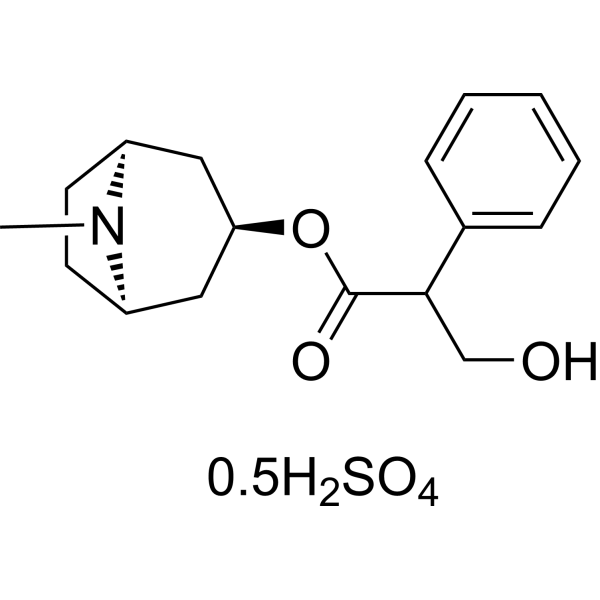
L-Hyoscyamine (sulfate) (Standard) is the analytical standard of L-Hyoscyamine (sulfate). This product is intended for research and analytical applications. L-Hyoscyamine sulfate (Daturine sulfate), a natural plant tropane alkaloid, is a potent and competitive muscarinic receptor (MR) antagonist. L-Hyoscyamine sulfate is a levo-isomer to Atropine (HY-B1205) .
|
-
- HY-113315
-
|
|
Endogenous Metabolite
|
Metabolic Disease
|
|
3β-Hydroxy-5-cholenoic acid is a steroidal monohydroxy bile acid and serves as a substrate for sulfation reactions. It is applicable to the research of extrahepatic biliary atresia and recurrent intrahepatic cholestasis of pregnancy .
|
-
- HY-129040AR
-
|
MIBG sulfate (Standard); Iobenguane sulfate (Standard)
|
Adrenergic Receptor
Reference Standards
|
Cancer
|
|
m-Iodobenzylguanidine (sulfate) (Standard) is the analytical standard of m-Iodobenzylguanidine (sulfate). This product is intended for research and analytical applications. m-Iodobenzylguanidine sulfate (MIBG sulfate) is an analogue of the neurotransmitter norepinephrine with antitumor activity. Radioiodinated m-Iodobenzylguanidine sulfate is clinically used as a tumor-targeted radiopharmaceutical in the diagnosis and treatment of adrenergic tumors. m-Iodobenzylguanidine sulfate is a high-affinity substrate for cholera toxin that interferes with cellular mono(ADP-ribosylation) .
|
-
- HY-146736S
-
-
- HY-146712S
-
-
- HY-203708S1
-
-
- HY-B0472R
-
|
|
Reference Standards
Bacterial
Antibiotic
|
Infection
|
|
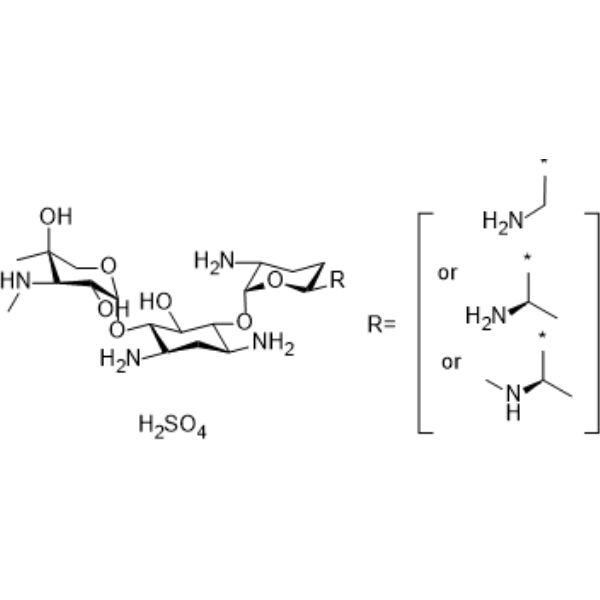
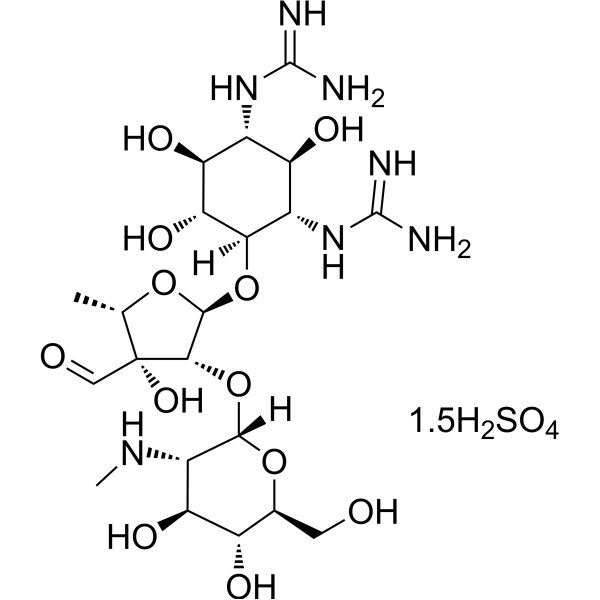
Streptomycin (sulfate) (Standard) is the analytical standard of Streptomycin (sulfate). This product is intended for research and analytical applications. Streptomycin sulfate is an aminoglycoside antibiotic, that inhibits protein synthesis.
|
-
- HY-W129471R
-
|
Pentadecan-2-one (Standard)
|
Bacterial
Reference Standards
|
Others
|
|
Streptomycin (sulfate) (Standard) is the analytical standard of Streptomycin (sulfate). This product is intended for research and analytical applications. Streptomycin sulfate is an aminoglycoside antibiotic, that inhibits protein synthesis.
|
-
- HY-N15918
-
|
|
Drug Isomer
|
Others
|
|
ent-DHEA Sulfate sodium is an enantiomer of Dehydroepiandrosterone sulfate (HY-113416).
|
-
- HY-180681
-
-
- HY-W776843
-
-
- HY-175991S
-
|
Sodium stearyl sulfate sulfate-d37
|
Isotope-Labeled Compounds
Biochemical Assay Reagents
|
Others
|
|
Sodium octadecyl sulfate-d37 (Sodium stearyl sulfate-d37) is the deuterium labeled Sodium octadecyl sulfate (HY-W276164). Sodium octadecyl sulfate (Sodium stearyl sulfate) is a long-chain alkyl sodium sulfate that functions as an emulsifier, crosslinking agent, and regulator. Sodium octadecyl sulfate has high safety, with a LD50 greater than 3.00 Gm./Kg for both intraperitoneal injection in mice and oral administration in rats. Sodium octadecyl sulfate enhances continuous contraction of the gastrocnemius muscle in frogs and boosts intestinal smooth muscle activity in albino rats. However, Sodium octadecyl sulfate exerts no significant effect on isolated tortoise myocardium and does not alter the conduction function of frog sciatic nerves. Sodium octadecyl sulfate can also be used to coat the surface of starch aggregates, promote crosslinking and increase aggregate size through hydrophobic and electrostatic interactions, and further form a coexistent B-V type crystalline structure with acid-hydrolyzed gelatinized starch, thereby effectively modifying the structure and surface properties of high-starch systems .
|
-
- HY-B1370S
-
-
- HY-A0248
-
|
|
Antibiotic
Bacterial
|
Infection
|
|
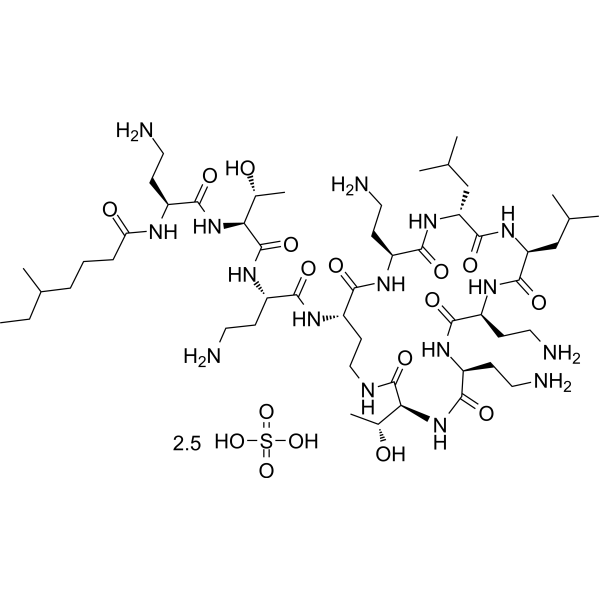
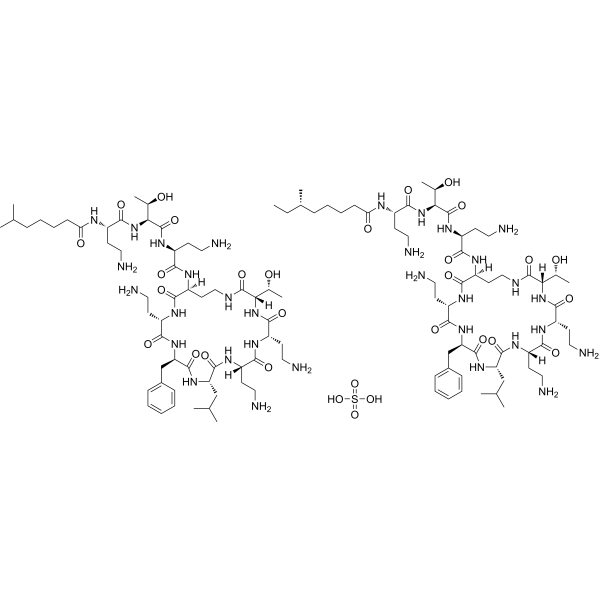
Polymyxin B Sulfate is an antibiotic. Polymyxin B Sulfate inhibits Gram-negative infections by binding to the LPS of the bacterial wall with high affinity. Polymyxin B Sulfate neutralizes the effect of endotoxin. Polymyxin B Sulfate induces bacterial death by increasing its permeability. Polymyxin B Sulfate is used in endotoxemia research .
|
-
- HY-137099A
-
|
|
Fluorescent Dye
|
Endocrinology
|
|
Genistein 7-sulfate sodium is a metabolite of genistein that can reduce the activity of estrogen agonists in MCF-7 cells. Genistein 7-sulfate sodium can promote the growth of MCF-7 cells at concentrations of 10 μM and above .
|
-
- HY-137099
-
|
|
Fluorescent Dye
|
Endocrinology
|
|
Genistein 7-sulfate is a metabolite of genistein that can reduce the activity of estrogen agonists in MCF-7 cells. Genistein 7-sulfate can promote the growth of MCF-7 cells at concentrations of 10 μM and above .
|
-
- HY-113416R
-
|
DHEA sulfate (Standard); Prasterone sulfate (Standard)
|
Reference Standards
GABA Receptor
Sigma Receptor
iGluR
PPAR
NF-κB
|
Neurological Disease
Metabolic Disease
Inflammation/Immunology
|
|
Dehydroepiandrosterone sulfate (DHEA sulfate; Prasterone sulfate) (Standard) is the analytical standard of Dehydroepiandrosterone sulfate (HY-113416). This product is intended for research and analytical applications. Dehydroepiandrosterone sulfate (DHEA sulfate; Prasterone sulfate) is a neurosteroid and the main secretion product of the adrenal gland. Dehydroepiandrosterone sulfate has both non-competitive antagonist activity of GABAA receptor and agonist activity of σ1 receptor. Dehydroepiandrosterone sulfate can partially penetrate the blood-brain barrier, inhibit GABAA receptor-mediated chloride influx, enhance NMDA receptor activity through σ1 receptors, exert anti-inflammatory, anti-glucocorticoid and antidepressant effects, and increase convulsive sensitivity. Dehydroepiandrosterone sulfate participates in neuroprotection, neurite growth regulation and catecholamine secretion regulation, and can be used in the study of depression, post-traumatic stress disorder (PTSD), Alzheimer's disease, etc. Dehydroepiandrosterone sulfate may also be a biomarker for cardiovascular disease mortality, and its concentration is independently and negatively correlated with mortality .
|
-
- HY-N0716B
-
-
- HY-13780R
-
|
Vincaleukoblastine sulfate salt (Standard)
|
Reference Standards
Microtubule/Tubulin
Autophagy
nAChR
|
Cancer
|
|
Vinblastine (sulfate) (Standard) is the analytical standard of Vinblastine (sulfate). This product is intended for research and analytical applications. Vinblastine sulfate is a cytotoxic alkaloid used against various cancer types. Vinblastine sulfate inhibits the formation of microtubule and suppresses nAChR with an IC50 of 8.9 μM.
|
-
- HY-111769
-
-
- HY-12866AR
-
|
LOXO-101 sulfate (Standard); ARRY-470 sulfate (Standard)
|
Trk Receptor
Apoptosis
Reference Standards
|
Cancer
|
|
Larotrectinib sulfate (Standard) is the analytical standard of Larotrectinib sulfate. This product is intended for research and analytical applications. Larotrectinib sulfate (LOXO-101 sulfate; ARRY-470 sulfate) is an ATP-competitive oral, selective inhibitor of the tropomyosin-related kinase (TRK) family receptors, with low nanomolar 50% inhibitory concentrations against all three isoforms (TRKA, B, and C).
|
-
- HY-W145483
-
|
N-Acetyl-de-O-sulfated heparin (Heparin IV-A) sodium
|
Biochemical Assay Reagents
|
Others
|
|
Heparin IV-A sodium is a biochemical reagent that can be used as a biological material or organic compound for life science related research.
|
-
- HY-B1445
-
|
|
Potassium Channel
|
Metabolic Disease
|
|
Minoxidil sulfate, a potent and ATP-sensitive K + channel opener, is the sulfated metabolite of minoxidil. Minoxidil sulfate is considered as a vasodilator to promote hair growth in vivo .
|
-
- HY-NP183
-
|
HSPG
|
Biochemical Assay Reagents
|
Others
|
|
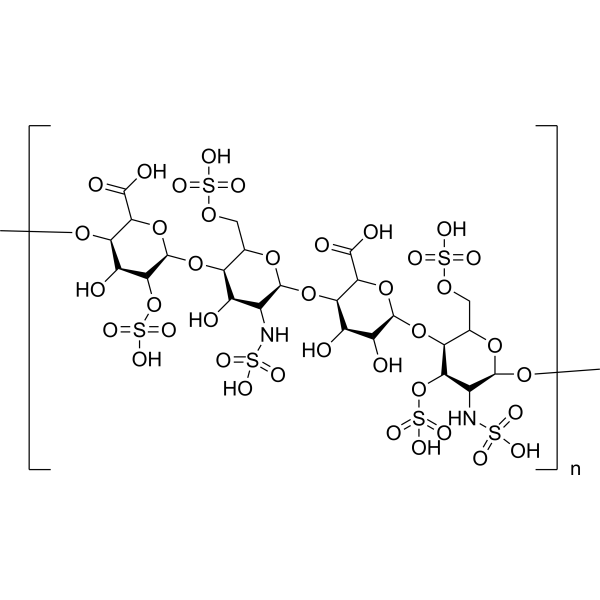
Heparan sulfate proteoglycan (HSPG) is a glycoprotein composed of a core protein covalently bound to heparin sulfate chains. Heparan sulfate proteoglycan is an integral part of the basement membrane .
|
-
- HY-B1581AR
-
|
|
NO Synthase
Reference Standards
|
Cancer
|
|
L-Canavanine (sulfate) (Standard) is the analytical standard of L-Canavanine (sulfate). This product is intended for research and analytical applications. L-Canavanine sulfate is a selective inhibitor of inducible NO synthase.
|
-
- HY-N7065R
-
|
|
Drug Derivative
Reference Standards
|
Cardiovascular Disease
|
|
Dihydralazine sulfate (Standard) is the analytical standard of Dihydralazine sulfate (HY-N7065). This product is intended for research and analytical applications. Dihydralazine sulfate is a vasodilator and an antihypertensive agent.
|
-
- HY-17624AR
-
|
Neomycin B sulfate (Standard); Fradiomycin B sulfate (Standard)
|
Reference Standards
Antibiotic
Bacterial
|
Infection
|
|
Framycetin (sulfate) (Standard) is the analytical standard of Framycetin (sulfate). This product is intended for research and analytical applications. Framycetin sulfate (Neomycin B sulfate), an aminoglycoside antibiotic, is a potent RNase P cleavage activity inhibitor with a Ki of 35 μM. Framycetin sulfate competes for specific divalent metal ion binding sites in RNase P RNA. Framycetin sulfate inhibits hammerhead ribozyme with a Ki of 13.5 μM. Framycetin sulfate, a 5″-azido neomycin B precursor, binds the Drosha site in miR-525 and is used for hepatic encephalopathy and enteropathogenic E. coli infections .
|
-
- HY-132429S
-
|
|
Isotope-Labeled Compounds
|
Others
|
|
Potassium 1H-indol-3-yl sulfate-d5 is the deuterium labeled 3-Indoxyl Sulfate potassium. Potassium 1H-indol-3-yl sulfate is a metabolite of tryptophan, produced by intestinal microorganisms and combined with sulfate in the liver before entering the circulatory system. Potassium 1H-indol-3-yl sulfate is a potent endogenous agonist of the aryl hydrocarbon receptor (AhR) and a urinary toxin. Potassium 1H-indol-3-yl sulfate can be used for research on kidney diseases.
|
-
- HY-D1213
-
|
Dipotassium nitrocatechol sulfate
|
Biochemical Assay Reagents
|
Others
|
|
4-Nitrocatechol sulfate potassium salt (Dipotassium nitrocatechol sulfate) is an aromatic sulfate that can serve as a chromogenic substrate for sulfatase. 4-Nitrocatechol sulfate potassium salt can be used to determine the activities of glycosaminoglycan (GAG) degrading enzymes aryl sulfatase B and exonucleosidase .
|
-
- HY-B0800R
-
|
Guanethidine monosulfate (Standard)
|
Reference Standards
Adrenergic Receptor
|
Neurological Disease
|
|
Guanethidine (sulfate) (Standard) is the analytical standard of Guanethidine (sulfate). This product is intended for research and analytical applications. Guanethidine sulfate (Guanethidine monosulfate), an antihypertensive agent, is an adrenergic neurone blocking agent. Guanethidine sulfate enters noradrenergic nerve terminals by the neuronal amine carrier .
|
-
- HY-B1222R
-
|
|
Reference Standards
Bacterial
Antibiotic
|
Infection
|
|
Sisomicin (sulfate) (Standard) is the analytical standard of Sisomicin (sulfate). This product is intended for research and analytical applications. Sisomicin sulfate is a broad-spectrum aminoglycoside antibiotic produced by Micromonospora inyoensis. Sisomicin sulfate is highly active against Gram-positive bacteria [4].
|
-
- HY-45609R
-
|
|
Reference Standards
Drug Derivative
|
Metabolic Disease
|
|
L-Cysteine S-sulfate sodium hydrate (Standard) is the analytical standard of L-Cysteine S-sulfate sodium hydrate (HY-45609). This product is intended for research and analytical applications. L-Cysteine S-sulfate sodium hydrate is an S-sulfated derivative of L-cysteine (HY-Y0337). L-Cysteine S-sulfate sodium hydrate is the substrate for cystine lyase, it can be used in mass spectrometry and chromatography analyses .
|
-
- HY-B1370R
-
|
HCQ sulfate (Standard)
|
Reference Standards
Parasite
Toll-like Receptor (TLR)
SARS-CoV
Autophagy
|
Infection
Cancer
|
|
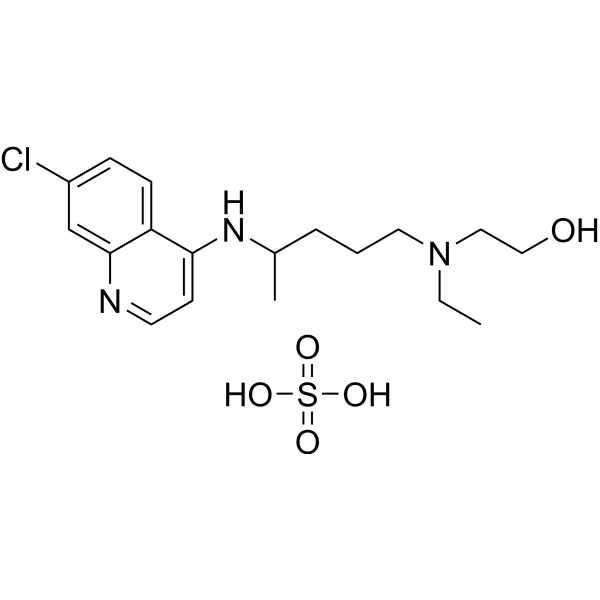
Hydroxychloroquine (sulfate) (Standard) is the analytical standard of Hydroxychloroquine (sulfate). This product is intended for research and analytical applications. Hydroxychloroquine sulfate (HCQ sulfate) is a synthetic antimalarial agent which can also inhibit Toll-like receptor 7/9 (TLR7/9) signaling. Hydroxychloroquine sulfate is efficiently inhibits SARS-CoV-2 infection in vitro .
|
-
- HY-123742
-
|
|
P-glycoprotein
|
Metabolic Disease
|
|
Estradiol 3-sulfate 17-glucuronide potassium is metabolite of estradiol. Estradiol 3-sulfate 17-glucuronide potassium inhibits multidrug resistance protein (MRP) mediated 17β -Estradiol 17-(β -D-Glucuronide) transport with a Ki of 22 μM .
|
-
- HY-122389R
-
|
|
Herbicide
Reference Standards
|
Others
|
|
Difenzoquat methyl sulfate (Standard) is the analytical standard of Difenzoquat methyl sulfate. This product is intended for research and analytical applications. Difenzoquat methyl sulfate is a herbicide, which is used for post-emergence control of wild oats in cereal crops. Difenzoquat methyl sulfate is toxic to health and environment .
|
-
- HY-B1751B
-
-
- HY-113415
-
|
|
Endogenous Metabolite
Drug Metabolite
|
Others
|
|
Testosterone sulfate is a Testosterone sulfate with a pyridinium. Testosterone sulfate is the metabolite of Testosterone. Testosterone is the main male sex hormone which determination is useful for assessment of androgen status .
|
-
- HY-129071
-
|
|
Microtubule/Tubulin
|
Cancer
|
|
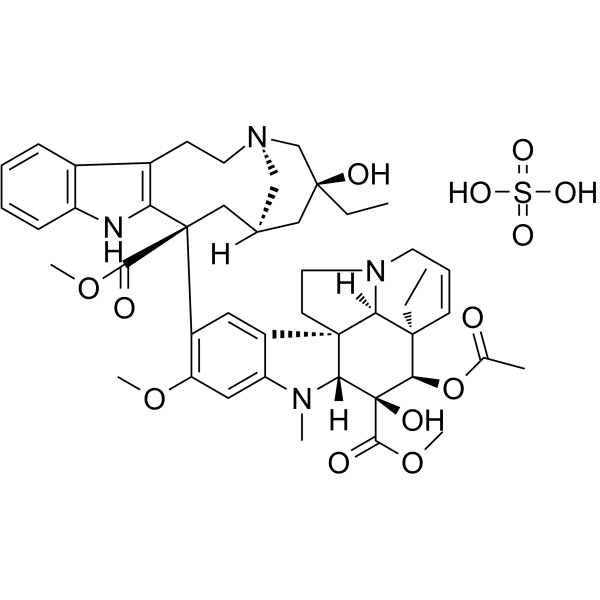
Vindesine sulfate is a potent tubulin inhibitor with an Ki of 0.110 μM. Vindesine sulfate shows anti-proliferation effect in vitro. Vindesine sulfate shows antitumor effect in vivo .
|
-
- HY-N3025
-
-
- HY-W010973S
-
|
|
Endogenous Metabolite
|
Metabolic Disease
|
|
5-Hydroxytryptamine-d4 creatinine sulfate monohydrate is the deuterium labeled 5-Hydroxytryptamine creatinine sulfate monohydrate. 5-Hydroxytryptamine creatinine sulfate monohydrate is an endogenous metabolite.
|
-
- HY-113441S
-
|
MHPG sulfate-d3 potassium
|
Isotope-Labeled Compounds
|
Others
|
|
3-Methoxy-4-Hydroxyphenylglycol sulfate-d3 potassium is the deuterium labeled 3-Methoxy-4-Hydroxyphenylglycol sulfate potassium .
|
-
- HY-B1134AS
-
-
- HY-15283AS
-
-
- HY-107867S
-
-
- HY-107867S3
-
-
- HY-150779S
-
-
- HY-141921S
-
|
DHEA sulfate sodium-d6; Prasterone sulfate sodium-d6
|
Isotope-Labeled Compounds
GABA Receptor
Sigma Receptor
iGluR
PPAR
NF-κB
|
Neurological Disease
Metabolic Disease
Inflammation/Immunology
|
|
Dehydroepiandrosterone sulfate sodium salt-d6 (DHEA sulfate sodium salt-d6; Prasterone sulfate sodium salt-d6) is the deuterium labeled Dehydroepiandrosterone sulfate sodium salt (HY-B0765). Dehydroepiandrosterone sulfate (DHEA sulfate; Prasterone sulfate) sodium salt is a neurosteroid and the main secretion product of the adrenal gland. Dehydroepiandrosterone sulfate sodium salt has both non-competitive antagonist activity of GABAA receptor and agonist activity of σ1 receptor. Dehydroepiandrosterone sulfate sodium salt can partially penetrate the blood-brain barrier, inhibit GABAA receptor-mediated chloride influx, enhance NMDA receptor activity through σ1 receptors, exert anti-inflammatory, anti-glucocorticoid and antidepressant effects, and increase convulsive sensitivity. Dehydroepiandrosterone sulfate sodium salt participates in neuroprotection, neurite growth regulation and catecholamine secretion regulation, and can be used in the study of depression, post-traumatic stress disorder (PTSD), Alzheimer's disease, etc. Dehydroepiandrosterone sulfate sodium salt may also be a biomarker for cardiovascular disease mortality, and its concentration is independently and negatively correlated with mortality .
|
-
- HY-B0765R
-
|
DHEA sulfate sodium (Standard); Prasterone sulfate sodium (Standard)
|
Reference Standards
GABA Receptor
Sigma Receptor
iGluR
PPAR
NF-κB
|
Neurological Disease
Metabolic Disease
Inflammation/Immunology
|
|
Dehydroepiandrosterone sulfate (DHEA sulfate; Prasterone sulfate) sodium salt (Standard) is the analytical standard of Dehydroepiandrosterone sulfate sodium salt (HY-B0765). This product is intended for research and analytical applications. Dehydroepiandrosterone sulfate (DHEA sulfate; Prasterone sulfate) is a neurosteroid and the main secretion product of the adrenal gland. Dehydroepiandrosterone sulfate has both non-competitive antagonist activity of GABAA receptor and agonist activity of σ1 receptor. Dehydroepiandrosterone sulfate can partially penetrate the blood-brain barrier, inhibit GABAA receptor-mediated chloride influx, enhance NMDA receptor activity through σ1 receptors, exert anti-inflammatory, anti-glucocorticoid and antidepressant effects, and increase convulsive sensitivity. Dehydroepiandrosterone sulfate participates in neuroprotection, neurite growth regulation and catecholamine secretion regulation, and can be used in the study of depression, post-traumatic stress disorder (PTSD), Alzheimer's disease, etc. Dehydroepiandrosterone sulfate may also be a biomarker for cardiovascular disease mortality, and its concentration is independently and negatively correlated with mortality .
|
-
- HY-113293BS
-
|
|
Isotope-Labeled Compounds
Endogenous Metabolite
Estrogen Receptor/ERR
|
Metabolic Disease
Cancer
|
|
Estrone sulfate-d5 sodium is the deuterium labeled Estrone sulfate sodium (HY-113293B). Estrone sulfate sodium is an inactive endogenous estrogen that can be converted into Estrone (HY-B0234) and Estradiol (HY-B0141). Estrone sulfate sodium is also a substrate of the OATP1B3 transporter. Estrone sulfate sodium can be converted into Estrone and Estradiol in normal mammary parenchymal cells. Estrone sulfate sodium stimulates the growth of nitrosomethylurea-induced mammary tumors in ovariectomized rats and the colony formation of dispersed nitrosomethylurea mammary cells, with conversion into Estrone and Estradiol occurring both in vivo and in vitro during this process. Estrone sulfate sodium is applicable to breast cancer-related research .
|
-
- HY-113293BS1
-
|
|
Isotope-Labeled Compounds
Endogenous Metabolite
Estrogen Receptor/ERR
|
Metabolic Disease
Cancer
|
|
Estrone sulfate-d4 sodium is the deuterium labeled Estrone sulfate sodium (HY-113293B). Estrone sulfate sodium is an inactive endogenous estrogen that can be converted into Estrone (HY-B0234) and Estradiol (HY-B0141). Estrone sulfate sodium is also a substrate of the OATP1B3 transporter. Estrone sulfate sodium can be converted into Estrone and Estradiol in normal mammary parenchymal cells. Estrone sulfate sodium stimulates the growth of nitrosomethylurea-induced mammary tumors in ovariectomized rats and the colony formation of dispersed nitrosomethylurea mammary cells, with conversion into Estrone and Estradiol occurring both in vivo and in vitro during this process. Estrone sulfate sodium is applicable to breast cancer-related research .
|
-
- HY-W587430
-
|
Glycolithocholate sulfate disodium; Sulfolithocholylglycine disodium; SLCG disodium
|
HIV
GPR39
|
Infection
Inflammation/Immunology
|
|
Glycolithocholic acid 3-sulfate disodium is a GPR39 agonist with EC50s of 47.9 and 66.8 μM (absence of Zn 2+) and 8 and 8.7 μM (presence of Zn 2+) in M39-20 and hGPR39-2 cells, respectively. Glycolithocholic acid 3-sulfate disodium stimulates GPR39 receptors to initiate intracellular calcium signaling, independent of Zn 2+ binding sites H17 and H19. Glycolithocholic acid 3-sulfate disodium also inhibits replication of HIV-1 in vitro. Glycolithocholic acid 3-sulfate disodium can be used for the research of HIV infection and gallbladder disease .
|
-
- HY-100589
-
|
Sch 21420 sulfate
|
Antibiotic
Bacterial
|
Infection
Cardiovascular Disease
Neurological Disease
Metabolic Disease
|
|
Isepamicin sulfate (Sch 21420 sulfate) is a broad-spectrum aminoglycoside antibiotic. Isepamicin sulfate has considerable antimicrobial activity against some Gram-negative non-fermenting bacteria that are highly resistant to antibiotics. Isepamicin sulfate inhibits writhing reactions induced by Acetic acid (HY-Y0319), regulates vascular blood flow and blood pressure, and inhibits spontaneous uterine movements. Isepamicin sulfate has antidiuretic and blood sugar-raising effects. Isepamicin sulfate can be used in seizure research .
|
-
- HY-111431
-
|
p-Tolyl sulfate
|
JNK
p38 MAPK
Reactive Oxygen Species (ROS)
|
Metabolic Disease
|
|
p-Cresyl sulfate (p-Tolyl sulfate) is a uremic toxin, that can cause renal damage and dysfunction. p-Cresyl sulfate shows antiproliferation activity. p-Cresyl sulfate increases the protein expression of HIF-1α and VHL, decreases the protein expression of HIF-2α. p-Cresyl sulfate induces epithelial-mesenchymal transition (EMT). p-Cresyl sulfate activates the JNK and p38 MAPK signaling pathways .
|
-
- HY-W019877
-
-
- HY-E70186
-
|
EC:3.1.6.12; ARSB
|
Biochemical Assay Reagents
|
Others
|
|
Arylsulfatase B (EC:3.1.6.12, ARSB) removes a chemical group known as a sulfate from two GAGs called dermatan sulfate and chondroitin sulfate .
|
-
- HY-P2953
-
|
Heparinase III
|
Glycosidase
|
Cancer
|
|
Heparitin sulfate lyase (Heparinase III) is a glycosidic lyase targeting heparan sulfate and heparin. Heparitin sulfate lyase is promising for research of low-molecular-weight heparin production and cancers .
|
-
- HY-B0186BR
-
|
FK-037 (Standard)
|
Reference Standards
Bacterial
Antibiotic
|
Infection
|
|
Cefoselis (sulfate) (Standard) is the analytical standard of Cefoselis (sulfate). This product is intended for research and analytical applications. Cefoselis sulfate (FK-037), the fourth gen-eration of cephalosporin, is a β-lactam antibiotic. Cefoselis sulfate exhibits good activity against a wide range of Gram-positive and Gram-negative organisms. Cefoselis sulfate penetrates the blood-brain barrier[1][2][3].
|
-
- HY-B0441AR
-
|
Nebramycin Factor 6 sulfate (Standard); Deoxykanamycin B sulfate (Standard)
|
Reference Standards
Bacterial
Antibiotic
|
Infection
Cancer
|
|
Tobramycin (sulfate) (Standard) is the analytical standard of Tobramycin (sulfate). This product is intended for research and analytical applications. Tobramycin sulfate (Nebramycin Factor 6 sulfate) is a parenterally administered, broad spectrum aminoglycoside antibiotic that is widely used in the treatment of moderate to severe bacterial infections due to sensitive organisms[1].
|
-
- HY-Y1878
-
|
Cupric sulfate
|
Environmental Pollutants
Biochemical Assay Reagents
|
Others
|
|
Copper(Ⅱ) sulfate (Cupric sulfate) is an inorganic compound that is a source of copper ions. Copper(Ⅱ) sulfate forms coordination compounds through the coordination of copper ions with ligands. Copper(Ⅱ) sulfate can be used for various enzymatic studies and material synthesis .
|
-
- HY-157359
-
|
|
Biochemical Assay Reagents
|
Others
|
|
Bacterial Organophosphorus Medium can be used to determine the efficiency of phosphorus bacteria in decomposing organic phosphorus in phosphorus bacteria fertilizers. Bacterial Organophosphorus Medium ingredients include glucose, ammonium sulfate, yeast extract, sodium chloride, potassium chloride, magnesium sulfate, ferrous sulfate, manganese sulfate, lecithin, calcium carbonate, agar .
|
-
- HY-100799R
-
|
|
GABA Receptor
Reference Standards
|
Neurological Disease
|
|
ZAPA (sulfate) (Standard) is the analytical standard of ZAPA (sulfate) (HY-100799). This product is intended for research and analytical applications. ZAPA sulfate is an agonist at low affinity GABAA-receptors. ZAPA sulfate induces membrane hyperpolarization of the Ascaris muscle cell with an EC50 of 10.3 μM .
|
-
- HY-N15830
-
|
|
Endogenous Metabolite
|
Others
|
|
Chenodeoxycholic acid 7-sulfate sodium, a bile acid, is a metabolite of Chenodeoxycholic acid (HY-76847) .
|
-
- HY-113296S
-
-
- HY-N15828
-
-
- HY-176010
-
|
|
Drug Derivative
|
Others
|
|
Dehydroepiandrosterone sulfate 17-(O-carboxymethyl)oxime is a derivative of dehydroepiandrosterone sulfate .
|
-
- HY-E71349
-
-
- HY-166934S
-
-
- HY-108314AR
-
|
|
Reference Standards
DNA/RNA Synthesis
|
Cancer
|
|
GC7 Sulfate (Standard) is the analytical standard of GC7 Sulfate (HY-108314A). This product is intended for research and analytical applications. GC7 Sulfate is a deoxyhypusine synthase (DHPS) inhibitor.
|
-
- HY-108826
-
|
Iduronate sulfate sulfatase
|
Endogenous Metabolite
|
Metabolic Disease
|
|
Iduronate sulfatase (Iduronate sulfate sulfatase) is an exo-sulfatase that hydrolyzes the C2-sulfate ester bond from nonreducing terminal α-L-iduronic acid residues in HS .
|
-
- HY-113415A
-
|
|
Endogenous Metabolite
Drug Metabolite
|
Metabolic Disease
|
|
Testosterone sulfate pyridinium is a Testosterone sulfate with a pyridinium. Testosterone sulfate pyridinium is the metabolite of Testosterone. Testosterone is the main male sex hormone which determination is useful for assessment of androgen status .
|
-
- HY-111355S
-
|
|
Isotope-Labeled Compounds
Sirtuin
Endogenous Metabolite
PKC
AMPK
DOCK
|
Metabolic Disease
Inflammation/Immunology
Cancer
|
|
Cholesterol sulfate sodium-d7 is the deuterium labeled Cholesterol sulfate sodium. Cholesterol sulfate sodium is a naturally occurring, orally active cholesterol derivative that is widely distributed in various tissues and body fluids. Cholesterol sulfate sodium acts as a DOCK2 inhibitor, with IC50 values of 2 μM and 2.9 μM against mouse and human targets, respectively. Cholesterol sulfate sodium restricts excessive neutrophil infiltration and alleviates intestinal inflammation and damage. Cholesterol sulfate sodium serves as an activator of protein kinase C (PKC), which promotes squamous cell differentiation and inhibits skin carcinogenesis. Cholesterol sulfate sodium regulates cholesterol homeostasis and cellular metabolism by activating the AMPK-Sirt1 pathway. Cholesterol sulfate sodium can be used in research related to actinic keratitis, ulcerative colitis, skin cancer, and other conditions.
|
-
- HY-B0802R
-
|
Terbutaline hemisulfate (Standard)
|
Reference Standards
Adrenergic Receptor
Antibiotic
|
Endocrinology
|
|
Terbutaline (sulfate) (Standard) is the analytical standard of Terbutaline (sulfate). This product is intended for research and analytical applications. Terbutaline sulfate is an orally active β2-adrenergic receptor agonist and an active metabolite of bambuterol . Terbutaline sulfate can be used in asthma symptom research .
|
-
- HY-N0487R
-
|
D-Glucosamine sulfate (Standard)
|
Endogenous Metabolite
Reactive Oxygen Species (ROS)
HIF/HIF Prolyl-Hydroxylase
Autophagy
Reference Standards
|
Inflammation/Immunology
Cancer
|
|
Glucosamine (sulfate) (Standard) is the analytical standard of Glucosamine (sulfate). This product is intended for research and analytical applications. Glucosamine sulfate (D-Glucosamine sulfate) is an amino sugar and a prominent precursor in the biochemical synthesis of glycosylated proteins and lipids, is used as a dietary supplement. Glucosamine sulfate also is a natural constituent of glycosaminoglycans in the cartilage matrix and synovial fluid, which when administered exogenously, exerts pharmacological effects on osteoarthritic cartilage and chondrocytes .
|
-
- HY-100373R
-
|
BAL8557-002 (Standard)
|
Fungal
Reference Standards
|
Infection
|
|
Isavuconazonium (sulfate) (Standard) is the analytical standard of Isavuconazonium (sulfate) (HY-100373). This product is intended for research and analytical applications. Isavuconazonium sulfate (BAL8557-002) is an orally active broad-spectrum antifungal molecule. Isavuconazonium sulfate is a precursor of the triazole antifungal active molecule Isavuconazole. Isavuconazonium sulfate can be used in the study of invasive aspergillosis, mucormycosis, blastomycosis, and Acanthamoeba keratitis .
|
-
- HY-10119AR
-
|
SCH 530348 sulfate (Standard)
|
Reference Standards
Protease Activated Receptor (PAR)
|
Cardiovascular Disease
|
|
Vorapaxar (sulfate) (Standard) is the analytical standard of Vorapaxar (sulfate). This product is intended for research and analytical applications. Vorapaxar sulfate (SCH 530348 sulfate), an antiplatelet agent, is a selective, orally active, and competitive thrombin receptor protease-activated receptor (PAR-1) antagonist (Ki=8.1 nM). Vorapaxar sulfate inhibits thrombin receptor-activating peptide (TRAP)-induced platelet aggregation in a dose-dependent manner .
|
-
- HY-W011910S
-
-
- HY-121185A
-
|
|
Adrenergic Receptor
|
Infection
Neurological Disease
Inflammation/Immunology
Endocrinology
|
|
Hexoprenaline sulfate is an orally active and selective β-adrenergic receptor agonist. Hexoprenaline sulfate can dilate the bronchi. Hexoprenaline sulfate can activate adenylate cyclase and increases 14C-Aminopyrine uptake. Hexoprenaline sulfate exhibits anti-infection and anti-inflammmation effect. Hexoprenaline sulfate can increase placental weight and blood flow. Hexoprenaline sulfate can be used for the researches of inflammation, immunology, infection, endocrinology and neurological disease, such as asthma, chronic bronchitis, sepsis and intoxication of organophosphorus compounds .
|
-
- HY-113257
-
|
DA-4S; Dopamine 4-Sulfate
|
Drug Metabolite
|
Neurological Disease
|
|
Dopamine 4-sulfate (DA-4S) is an inactive metabolite of the catecholamine dopamine. It is formed from dopamine by the sulfotransferase (SULT) isoform SULT1A3. Dopamine 4-O-sulfate is found at lower levels in the brain and circulation than dopamine 3-O-sulfate.
|
-
- HY-129040A
-
|
MIBG sulfate; Iobenguane sulfate
|
Adrenergic Receptor
|
Cancer
|
|
m-Iodobenzylguanidine sulfate (MIBG sulfate) is an analogue of the neurotransmitter norepinephrine with antitumor activity. Radioiodinated m-Iodobenzylguanidine sulfate is clinically used as a tumor-targeted radiopharmaceutical in the diagnosis and treatment of adrenergic tumors. m-Iodobenzylguanidine sulfate is a high-affinity substrate for cholera toxin that interferes with cellular mono(ADP-ribosylation) .
|
-
- HY-129899
-
-
- HY-180682
-
-
- HY-W096997A
-
|
Sodium capryl sulfate, 95%
|
Biochemical Assay Reagents
|
Others
|
|
Sodium octyl sulfate (SOS), 95% (Sodium capryl sulfate, 95%) is an anionic detergent and ion-pairing agent.
|
-
- HY-B1304
-
|
(-)-Lupinidine sulfate pentahydrate
|
Sodium Channel
|
Cardiovascular Disease
|
|
(-)-Sparteine sulfate pentahydrate ((-)-Lupinidine sulfate pentahydrate) is a class 1a antiarrhythmic agent and a sodium channel blocker.
|
-
- HY-107813
-
|
BAY 41-6551 sulfate
|
Bacterial
Antibiotic
|
Infection
Cancer
|
|
Amikacin sulfate (BAY 41-6551 sulfate) is an aminoglycoside antibiotic and a semisynthetic analog of kanamycin. Amikacin sulfate is bactericidal, acting directly on the 30S and 50S bacerial ribosomal subunits to inhibit protein synthesis. Amikacin sulfate is very active against most Gram-negative bacteria including gentamicin- and tobramycin-resistant strains. Amikacin sulfate also inhibits the infections caused by susceptible Nocardia and nontuberculous mycobacteria .
|
-
- HY-B2162C
-
|
Chondroitin polysulfate (from pig)
|
Endogenous Metabolite
|
Inflammation/Immunology
|
|
Chondroitin sulfate (from pig) (Chondroitin polysulfate (from pig)) is a sulfated linear polysaccharide extracted from pigs, which belongs to glycosaminoglycans. Chondroitin sulfate (from pig) exerts inconsistent inhibitory effects on the resorptive activity of human osteoclasts. Chondroitin sulfate (from pig) can be used in studies related to osteoarthritis .
|
-
- HY-17423A
-
|
Abacavir Hemisulfate; ABC sulfate
|
Reverse Transcriptase
HIV
Telomerase
Apoptosis
|
Infection
Cancer
|
|
Abacavir sulfate (Abacavir Hemisulfate) is a competitive, orally active nucleoside reverse transcriptase inhibitor. Abacavir sulfate can inhibits the replication of HIV. Abacavir sulfate shows anticancer activity in prostate cancer cell lines. Abacavir sulfate can trespass the blood-brain-barrier and suppresses telomerase activity .
|
-
- HY-116282
-
|
DSS (MW 5000); DXS (MW 5000)
|
HIV
Complement System
Apoptosis
|
Infection
Inflammation/Immunology
|
|
Dextran sulfate sodium salt (DSS) (MW 5000) is a polymer of dehydrated glucose with a molecular weight of approximately 5000. Dextran sulfate sodium salt (DSS) with different molecular weights exhibits different biological activities. Dextran sulfate sodium salt (MW 5000) is an inhibitor of complement and coagulation pathways, and belongs to the glycosaminoglycans (GAG) family. Dextran sulfate sodium salt (MW 5000) acts as an anticoagulant, antiviral, and anti-lipemic agent. Dextran sulfate sodium salt (DSS) stops HIV-1 virus adsorption to host cells. Dextran sulfate sodium salt (MW 5000) prevents NK cell-mediated cytotoxicity. Dextran sulfate sodium salt (MW 5000) inhibits instant blood-mediated inflammatory reaction (IBMIR) .
|
-
- HY-W744217
-
|
7-HCS-d5 potassium
|
Isotope-Labeled Compounds
Endogenous Metabolite
|
Metabolic Disease
|
|
7-Hydroxy coumarin sulfate-d5 potassium (7-HCS-d5 potassium) is the deuterium labeled 7-Hydroxy coumarin sulfate potassium (HY-129977). 7-Hydroxy coumarin sulfate (7-HCS) potassium is a metabolite of 7-Ethoxycoumarin (HY-133091) .
|
-
- HY-116282I
-
|
DSS (MW>500000); DXS (MW>500000)
|
HSV
SARS-CoV
|
Inflammation/Immunology
|
|
Dextran sulfate sodium salt (MW>500000) (DSS (MW>500000)) is a negatively charged sulfated polysaccharide. Dextran sulfate sodium salt has antiviral, antibacterial, anti-inflammatory, antifibrotic, and wound-healing properties. Dextran sulfate sodium salt can be used as an additive in cell culture media for preventing cell aggregation and in cosmetics as a gel-forming agent .
|
-
- HY-160976
-
|
17α-Ethynylestradiol-3-sulfate; EE-3-SO4
|
Biochemical Assay Reagents
|
Cardiovascular Disease
|
|
Ethynyl estradiol 3-sulfate (17α-Ethynylestradiol-3-sulfate; EE-3-SO4) can prolong the median survival time of rats in an acute severe blood loss model by approximately 6 times, with a 6-hour survival rate of 80%.
|
-
- HY-Y1267D
-
-
- HY-148854
-
|
|
Drug Derivative
Collagen
|
Others
|
|
L-Ascorbate-2-sulfate disodium (page 46) is a pharmacologically acceptable salt of the L-Ascorbic acid (HY-B0166G) derivative. L-Ascorbate-2-sulfate disodium stimulates collagen synthesis and possess skin-care functions including an elimination function of active oxygen .
|
-
- HY-B1134A
-
|
Enilconazolel sulfate
|
Environmental Pollutants
Fungal
Pregnane X Receptor (PXR)
|
Infection
|
|
Imazalil (Enilconazole) sulfate is a fungicide. Imazalil sulfate has oral activity and strongly activates mPXR but not mCAR in mouse liver. Imazalil sulfate is commonly used to protect various agricultural crops against fungal attack. Imazalil sulfate induces developmental abnormalities, gut microbiota dysbiosis, and hepatic metabolism disorder .
|
-
- HY-N6901
-
|
|
Epigenetic Reader Domain
|
Metabolic Disease
|
|
Luteolin 7-sulfate is isolated from Phyllospadix iwatensis Makino, a marine plant. Luteolin 7-sulfate attenuates TYR gene expression through the intervention of a cAMP-responsive element binding protein (CREB)- and microphthalmia-associated transcription factor (MITF)-mediated signaling pathway, leading to the decreased melanin synthesis .
|
-
- HY-W008687R
-
|
|
Reference Standards
|
|
|
3-Amino-1H-pyrazole-4-carboxamide sulfate(2:1) (Standard) is the analytical standard of 3-Amino-1H-pyrazole-4-carboxamide sulfate(2:1). This product is intended for research and analytical applications.
|
-
- HY-122350
-
|
SF-2052 sulfate
|
Antibiotic
|
Infection
|
|
Dactimicin sulfate (SF-2052 sulfate) is an antibiotic produced by Dactylosporangium matsuzakiense and belongs to the fortimicin antibiotic family. Dactimicin sulfate is an aminoglycoside antibiotic containing a carboximido group and inhibits protein synthesis by binding to the 30S ribosomal subunit of bacteria. Dactimicin sulfate can be used in research on infections caused by sensitive bacteria .
|
-
- HY-N10478A
-
|
|
Drug Derivative
|
Others
|
|
Sitosterol sulfate (trimethylamine) is an active compound. Sitosterol sulfate can be used in a variety of biological research .
|
-
- HY-135197
-
|
|
Drug Intermediate
|
Infection
|
|
L-Iduronic acid sodium salt is an important monosaccharide component of glycosaminoglycans (GAGs) such as Heparin, Heparan sulfate and Dermatan sulfate .
|
-
- HY-W769792
-
-
- HY-154768S
-
-
- HY-W1002768
-
|
|
Drug Metabolite
|
Others
|
|
Cholic acid 3-sulfate sodium is a metabolite of the primary bile acid Cholic acid (HY-N0324) .
|
-
- HY-126855A
-
|
|
Drug Metabolite
|
Others
|
|
Cholic acid 7-sulfate sodium is a metabolite of the primary bile acid Cholic acid (HY-N0324) .
|
-
- HY-W115752
-
|
Diamine sulfate (99%)
|
PEPCK
Aldehyde Dehydrogenase (ALDH)
|
Neurological Disease
Metabolic Disease
Cancer
|
|
Hydrazine sulfate is an orally active PEPCK inhibitor. Hydrazine sulfate inhibits PEPCK and low-Km ALDH. Hydrazine sulfate impairs gluconeogenesis and enhances the protective effect of energy substrates against MPP + toxicity. Hydrazine sulfate exacerbates liver damage in rats when combined with Ethanol. Hydrazine sulfate can be used in the research of shock, non-small cell lung cancer, colorectal cancer and Parkinson's disease .
|
-
- HY-131688R
-
|
|
PARP
Caspase
Reference Standards
|
Inflammation/Immunology
|
|
Neomycin (sulfate) (Standard) is the analytical standard of Neomycin (sulfate). This product is intended for research and analytical applications. Neomycin sulfate, an aminoglycoside antibiotic, exerts antibacterial activity through irreversible binding of the nuclear 30S ribosomal subunit, thereby blocking bacterial protein synthesis. Neomycin sulfate is a known phospholipase C (PLC) inhibitor. Neomycin sulfate potently inhibits both nuclear translocation of angiogenin and angiogenin-induced cell proliferation and angiogenesis .
|
-
- HY-B0470R
-
|
|
Reference Standards
Bacterial
Antibiotic
Phospholipase
|
Infection
Cancer
|
|
Neomycin (sulfate) (Standard) is the analytical standard of Neomycin (sulfate). This product is intended for research and analytical applications. Neomycin sulfate, an aminoglycoside antibiotic, exerts antibacterial activity through irreversible binding of the nuclear 30S ribosomal subunit, thereby blocking bacterial protein synthesis. Neomycin sulfate is a known phospholipase C (PLC) inhibitor. Neomycin sulfate potently inhibits both nuclear translocation of angiogenin and angiogenin-induced cell proliferation and angiogenesis .
|
-
- HY-17459R
-
|
(S)-(+)-Clopidogrel bisulfate (Standard); (S)-(+)-Clopidogrel hydrogen sulfate (Standard)
|
Reference Standards
Cytochrome P450
P2Y Receptor
|
Cardiovascular Disease
Cancer
|
|
Clopidogrel (hydrogen sulfate) (Standard) is the analytical standard of Clopidogrel (hydrogen sulfate). This product is intended for research and analytical applications. Clopidogrel hydrogen sulfate is an antiplatelet agent to prevent blood clots. Clopidogrel hydrogen sulfate inhibits CYP2B6 and CYP2C19 with IC50s of 18.2 nM and 524 nM, respectively . Clopidogrel hydrogen sulfate is a potent antithrombotic agent that inhibits ADP-induced platelet aggregation .Clopidogrel hydrogen sulfate also is an orally active P2Y(12) inhibitor .
|
-
- HY-137255
-
|
3-Sulfotaurolithocholic acid disodium
|
GPR39
|
Inflammation/Immunology
|
|
Taurolithocholic acid 3-sulfate disodium is a GPR39 agonist with EC50s of 71.6 and 69.4 (absence of Zn 2+) and 9 and 9.6 μM (presence of Zn 2+) in M39-20 and hGPR39-2 cells, respectively. Taurolithocholic acid 3-sulfate disodium stimulates GPR39 receptors to initiate intracellular calcium signaling, independent of Zn 2+ binding sites H17 and H19. Taurolithocholic acid 3-sulfate disodium can be used for the research of gallbladder disease .
|
-
- HY-17459S
-
|
(S)-(+)-Clopidogrel bisulfate-d3; (S)-(+)-Clopidogrel-d3 hydrogen sulfate
|
P2Y Receptor
Cytochrome P450
|
Cardiovascular Disease
|
|
Clopidogrel-d3 (hydrogen sulfate) is the deuterium labeled Clopidogrel hydrogen sulfate . Clopidogrel hydrogen sulfate is an antiplatelet agent to prevent blood clots. Clopidogrel hydrogen sulfate inhibits CYP2B6 and CYP2C19 with IC50s of 18.2 nM and 524 nM, respectively. Clopidogrel hydrogen sulfate is a potent antithrombotic agent that inhibits ADP-induced platelet aggregation.Clopidogrel hydrogen sulfate also is an orally active P2Y(12) inhibitor .
|
-
- HY-Y1369C
-
|
Manganous sulfate monohydrate, for cell culture
|
Biochemical Assay Reagents
|
Others
|
|
Manganese sulfate monohydrate, for cell culture (Manganous sulfate monohydrate, for cell culture) can be used to prepare micronutrients. Manganese sulfate monohydrate, for cell culture is a biomaterial or organic compound that can be used as a life science research-related material .
|
-
- HY-148377
-
|
|
Drug Metabolite
|
Cancer
|
|
Abiraterone sulfate N-oxide is a carboxylic acid. Abiraterone sulfate N-oxide also is a major metabolite of Abiraterone (HY-70013). Abiraterone sulfate N-oxide can be used for the research of prostate cancer .
|
-
- HY-N0471A
-
|
Daturine sulfate
|
mAChR
|
Neurological Disease
|
|
L-Hyoscyamine sulfate (Daturine sulfate), a natural plant tropane alkaloid, is a potent and competitive muscarinic receptor (MR) antagonist. L-Hyoscyamine sulfate is a levo-isomer to Atropine (HY-B1205) .
|
-
- HY-111431A
-
-
- HY-128442
-
|
Phenyl hydrogen sulfate
|
Endogenous Metabolite
|
Metabolic Disease
|
|
Phenyl sulfate is an orally active gut microbiota-derived metabolite. Phenyl sulfate induces albuminuria and podocyte damage in experimental models of diabetes. Phenyl sulfate can be used as a disease marker in diabetic kidney disease .
|
-
- HY-B1660
-
|
|
Adrenergic Receptor
|
Cardiovascular Disease
|
|
Guanadrel sulfate is an orally active, potent and postganglionic sympathetic inhibitor. Guanadrel sulfate lowers blood pressure by reducing systemic vascular resistance with little effect on cardiac output. Guanadrel sulfate is promising for research of hypertension .
|
-
- HY-113238A
-
|
Sulfolithocholic acid disodium; LCAS disodium
|
GPR39
ROR
|
Metabolic Disease
Inflammation/Immunology
|
|
Lithocholic acid 3-sulfate disodium is a GPR39 agonist, with EC50 values of 41 μM and 42.4 μM in M39-20 and hGPR39-2 cells, respectively, in the absence of Zn 2+, and 0.88 μM and 0.97 μM in the presence of Zn 2+. Lithocholic acid 3-sulfate disodium acts as a RORγt ligand. Lithocholic acid 3-sulfate disodium stimulates the GPR39 receptor to initiate intracellular calcium signaling, independent of the Zn 2+-binding sites H17 and H19. LCA-3-S selectively inhibits Th17 cell differentiation by targeting RORγt. Lithocholic acid 3-sulfate disodium can be used in the research of cholestatic liver diseases .
|
-
- HY-126855
-
|
7-Sulfocholic acid
|
G protein-coupled Bile Acid Receptor 1
MHC
|
Metabolic Disease
|
|
Cholic acid 7-sulfate (7-Sulfocholic acid) is a selective agonist targeting TGR5 (EC50=0.17 μM) and a ligand for MHC class I-related protein (MR1). As a gut-restricted TGR5 agonist, cholic acid 7-sulfate binds to TGR5 on enteroendocrine L cells, induces GLP-1 secretion, and improves glucose tolerance in a TGR5-dependent manner. Cholic acid 7-sulfate also acts as an endogenous ligand for MR1, promoting the survival of mucosal-associated invariant T cells MAIT and the expression of homeostatic gene signatures, affecting MAIT cell development and function. Cholic acid 7-sulfate is mainly used in the research of diabetes and MAIT cell-related immune regulation .
|
-
- HY-113416AS
-
|
DHEA sulfate-d6 sodium dihydrate; Prasterone sulfate-d6 sodium dihydrate
|
Isotope-Labeled Compounds
GABA Receptor
Sigma Receptor
iGluR
PPAR
NF-κB
|
Neurological Disease
Metabolic Disease
Inflammation/Immunology
|
|
Dehydroepiandrosterone sulfate sodium dihydrate-d6 sodium dihydrate is the deuterium labeled Dehydroepiandrosterone sulfate sodium dihydrate. Dehydroepiandrosterone sulfate (DHEA sulfate; Prasterone sulfate) sodium dihydrate is a neurosteroid and the main secretion product of the adrenal gland. Dehydroepiandrosterone sulfate sodium dihydrate has both non-competitive antagonist activity of GABAA receptor and agonist activity of σ1 receptor. Dehydroepiandrosterone sulfate sodium dihydrate can partially penetrate the blood-brain barrier, inhibit GABAA receptor-mediated chloride influx, enhance NMDA receptor activity through σ1 receptors, exert anti-inflammatory, anti-glucocorticoid and antidepressant effects, and increase convulsive sensitivity. Dehydroepiandrosterone sulfate sodium dihydrate participates in neuroprotection, neurite growth regulation and catecholamine secretion regulation, and can be used in the study of depression, post-traumatic stress disorder (PTSD), Alzheimer's disease, etc. Dehydroepiandrosterone sulfate sodium dihydrate may also be a biomarker for cardiovascular disease mortality, and its concentration is independently and negatively correlated with mortality .
|
-
- HY-113293BR
-
|
|
Reference Standards
Endogenous Metabolite
Estrogen Receptor/ERR
|
Metabolic Disease
Cancer
|
|
Estrone sulfate sodium (Standard) is the analytical standard of Estrone sulfate sodium (HY-113293B). This product is intended for research and analytical applications. Estrone sulfate sodium is an inactive endogenous estrogen that can be converted into Estrone (HY-B0234) and Estradiol (HY-B0141). Estrone sulfate sodium is also a substrate of the OATP1B3 transporter. Estrone sulfate sodium can be converted into Estrone and Estradiol in normal mammary parenchymal cells. Estrone sulfate sodium stimulates the growth of nitrosomethylurea-induced mammary tumors in ovariectomized rats and the colony formation of dispersed nitrosomethylurea mammary cells, with conversion into Estrone and Estradiol occurring both in vivo and in vitro during this process. Estrone sulfate sodium is applicable to breast cancer-related research.
|
-
- HY-116282A
-
|
DSS (MW 4500-5500); DXS (MW 4500-5500)
|
HIV
Apoptosis
Complement System
|
Infection
Inflammation/Immunology
|
|
Dextran sulfate sodium salt (DSS) (MW 4500-5500) is a polymer of dehydrated glucose with a molecular weight of approximately 4500-5500. Dextran sulfate sodium salt with different molecular weights exhibits different biological activities. Dextran sulfate sodium salt (MW 4500-5500) is an inhibitor of complement and coagulation pathways, and belongs to the glycosaminoglycans (GAG) family. Dextran sulfate sodium salt (MW 4500-5500) acts as an anticoagulant, antiviral, and anti-lipemic agent. Dextran sulfate sodium salt (MW 4500-5500) stops HIV-1 virus adsorption to host cells. Dextran sulfate sodium salt (MW 4500-5500) prevents NK cell-mediated cytotoxicity. Dextran sulfate sodium salt (MW 4500-5500) inhibits instant blood-mediated inflammatory reaction (IBMIR) .
|
-
- HY-Y0316BR
-
|
Sodium lauryl sulfate (Standard); Laurylsulfuric acid sodium (Standard)
|
Biochemical Assay Reagents
Reference Standards
|
Others
|
|
Sodium dodecyl sulfate (Standard) is the analytical standard of Sodium dodecyl sulfate. This product is intended for research and analytical applications. Sodium dodecyl sulfate is a high purity sodium dodecyl sulfate (SDS) with a minimum purity of 98.5%. It is an anionic detergent commonly used in electrophoretic procedures to denature and impart a negative charge to proteins, allowing separation based on size and charge. Sodium dodecyl sulfate has unique chemical properties that make it an effective ingredient in many laboratory applications, helping to improve the resolution and sensitivity of protein analysis.
|
-
- HY-Y1103
-
|
Ferrous sulfate heptahydrate, 99%
|
Environmental Pollutants
Biochemical Assay Reagents
|
Cardiovascular Disease
Cancer
|
|
Iron(II) sulfate heptahydrate, 99% (Ferrous sulfate heptahydrate, 99%) is an orally active iron salt. Iron(II) sulfate heptahydrate, 99% replaces iron found in hemoglobin and myoglobin, allowing for the transportation of oxygen via hemoglobin. Iron(II) sulfate heptahydrate, 99% is mainly used for the prevention of iron-deficiency anemia. Iron(II) sulfate heptahydrate, 99% also has anti-tumor effects on chronic myeloid leukemia and breast cancer .
|
-
- HY-106364A
-
|
Bleomycin PEP sulfate; Pepleomycin sulfate
|
Apoptosis
Antibiotic
|
Infection
Cancer
|
|
Peplomycin (Bleomycin PEP) sulfate is an analog of Bleomycin (HY-108345) and an antitumor antibiotic. Peplomycin sulfate exhibits potent antitumor activity and relatively low pulmonary toxicity. Peplomycin sulfate can induce various skin abnormalities and trigger apoptosis in SSCKN cells of oral squamous cell carcinoma. Peplomycin sulfate can also induce pulmonary fibrosis. Peplomycin sulfate is applicable for the research of tumors, pulmonary fibrosis and other related diseases .
|
-
- HY-N0677AR
-
|
Potassium dehydroandrographolide succinate (Standard)
|
Antibiotic
Reference Standards
|
Infection
Inflammation/Immunology
Cancer
|
|
Paromomycin (sulfate) (Standard) is the analytical standard of Paromomycin (sulfate). This product is intended for research and analytical applications. Paromomycin (Aminosidine) sulfate, a neomycin (HY-B0470) derivative, is a broad spectrum aminoglycoside antibiotic with amebicidal and bactericidal effects. Paromomycin sulfate prematures termination of translation of mRNA and inhibits protein synthesis?by specifically binds to the RNA oligonucleotide at the A site of bacterial 30S ribosomes. Paromomycin sulfate can be used for the research of bacterial and parasitic infections .
|
-
- HY-17624A
-
|
Neomycin B sulfate; Fradiomycin B sulfate
|
Antibiotic
Bacterial
|
Infection
|
|
Framycetin sulfate (Neomycin B sulfate), an aminoglycoside antibiotic, is a potent RNase P cleavage activity inhibitor with a Ki of 35 μM. Framycetin sulfate competes for specific divalent metal ion binding sites in RNase P RNA. Framycetin sulfate inhibits hammerhead ribozyme with a Ki of 13.5 μM. Framycetin sulfate, a 5″-azido neomycin B precursor, binds the Drosha site in miR-525 and is used for hepatic encephalopathy and enteropathogenic E. coli infections .
|
-
- HY-131150
-
|
|
Antibiotic
Bacterial
|
Cardiovascular Disease
Infection
|
|
Ristomycin sulfate is an antibacterial antibiotic and platelet aggregation inducer. Ristomycin sulfate interacts with the D-alanyl-D-alanine terminus of bacterial cell wall precursors to regulate bacterial cell wall synthesis. Ristomycin sulfate induces platelet aggregation in vitro and inhibits the growth of Gram-positive bacteria. Ristomycin sulfate serves as an in vitro diagnostic compound for detecting von Willebrand factor activity. Ristomycin sulfate is applicable to research related to von Willebrand disease and Bernard-Soulier syndrome .
|
-
- HY-N0113A
-
|
Ordenina sulfate; Peyocactine sulfate
|
Antibiotic
|
Others
|
|
Hordenine sulfate (Ordenina sulfate) is an active compound extracted from malted barley that has melanin-inhibiting activity. Hordenine sulfate significantly reduced melanin content and reduced intracellular cAMP levels. Hordenine sulfate inhibits the expression of proteins related to melanogenesis, including microblind transcription factor (MITF), tyrosinase, tyrosinase-related protein (TRP)-1, and TRP-2. Therefore, Hordenine sulfate can be used as an active ingredient to inhibit pigmentation .
|
-
- HY-B0394R
-
|
Tropine tropate sulfate monohydrate (Standard); DL-Hyoscyamine sulfate monohydrate (Standard)
|
Reference Standards
mAChR
|
Cardiovascular Disease
Neurological Disease
|
|
Atropine (sulfate monohydrate) (Standard) is the analytical standard of Atropine (sulfate monohydrate). This product is intended for research and analytical applications. Atropine (Tropine tropate) sulfate monohydrate is a competitive muscarinic acetylcholine receptor (mAChR) antagonist with IC50 values of 0.39 and 0.71 nM for Human mAChR M4 and Chicken mAChR M4, respectively. Atropine sulfate monohydrate inhibits ACh-induced relaxations in human pulmonary veins. Atropine sulfate monohydrate can be used for research of anti-myopia and bradycardia .
|
-
- HY-17367AR
-
|
BMS-232632 sulfate (Standard)
|
Reference Standards
HIV
HIV Protease
SARS-CoV
Cytochrome P450
P-glycoprotein
Endogenous Metabolite
|
Infection
Cancer
|
|
Atazanavir (sulfate) (Standard) is the analytical standard of Atazanavir (sulfate). This product is intended for research and analytical applications. Atazanavir (BMS-232632) sulfate, a highly selective HIV-1 protease inhibitor, is the first protease inhibitor approved for once-daily administration . Atazanavir sulfate is a substrate and inhibitor of CYP3A4, and an inhibitor and inducer of P-glycoprotein (P-gp) . Atazanavir sulfate is also a SARS-CoV 3CLpro inhibitor with an IC50 of
3.49 μM .
|
-
- HY-B1205AR
-
|
Tropine tropate sulfate (Standard); DL-Hyoscyamine sulfate (Standard); Sulfatropinol (Standard)
|
Reference Standards
mAChR
|
Cardiovascular Disease
Neurological Disease
|
|
Atropine (sulfate) (Standard) is the analytical standard of Atropine (sulfate). This product is intended for research and analytical applications. Atropine (Tropine tropate) sulfate is a competitive muscarinic acetylcholine receptor (mAChR) antagonist with IC50 values of 0.39 and 0.71 nM for Human mAChR M4 and Chicken mAChR M4, respectively. Atropine sulfate inhibits ACh-induced relaxations in human pulmonary veins. Atropine sulfate can be used for research of anti-myopia and bradycardia .
|
-
- HY-B0956R
-
|
Aminosidine sulfate (Standard)
|
Reference Standards
Antibiotic
Parasite
Bacterial
|
Infection
|
|
Paromomycin (sulfate) (Standard) is the analytical standard of Paromomycin (sulfate). This product is intended for research and analytical applications. Paromomycin (Aminosidine) sulfate, a neomycin (HY-B0470) derivative, is a broad spectrum aminoglycoside antibiotic with amebicidal and bactericidal effects. Paromomycin sulfate prematures termination of translation of mRNA and inhibits protein synthesis?by specifically binds to the RNA oligonucleotide at the A site of bacterial 30S ribosomes. Paromomycin sulfate can be used for the research of bacterial and parasitic infections .
|
-
- HY-B1751D
-
-
- HY-W009454
-
|
4-Nitopheyl Sulfate potassium
|
Fluorescent Dye
|
Others
|
|
Potassium p-nitrophenyl sulfate (4-Nitophenyl Sulfate potassium) serves as a chromogenic substrate for arylsulfatases. Potassium p-nitrophenyl sulfate releases nitrophenol under the cleavage action of arylsulfatases, and the activity of arylsulfatases can be quantitatively determined via colorimetric detection at 400 nm. Potassium p-nitrophenyl sulfate is commonly used in enzyme inhibition assays and metabolite analog-related studies .
|
-
- HY-B2162B
-
|
Chondroitin polysulfate sodium (from bovine)
|
Reactive Oxygen Species (ROS)
Endogenous Metabolite
|
Inflammation/Immunology
|
|
Chondroitin sulfate (Chondroitin polysulfate) sodium (from bovine)) is a sulfated linear polysaccharide extracted from bovine sources, belonging to glycosaminoglycans. Chondroitin sulfate sodium (from bovine) inhibits osteoclast-mediated bone resorption and exhibits antioxidant activity, which is negatively correlated with molecular weight. Chondroitin sulfate sodium (from bovine) can be used in studies related to osteoarthritis .
|
-
- HY-10962R
-
|
CYT387 sulfate salt (Standard)
|
JAK
Autophagy
Apoptosis
Reference Standards
|
Cancer
|
|
Momelotinib (sulfate) (Standard) is the analytical standard of Momelotinib (sulfate). This product is intended for research and analytical applications. Momelotinib sulfate (CYT387 sulfate salt) is an ATP-competitive inhibitor of JAK1/JAK2 with IC50 of 11 nM/18 nM, 10-fold selectivity versus JAK3 (IC50=155 nM).
|
-
- HY-W001273
-
|
CI-879 sulfate
|
Prolyl Endopeptidase (PREP)
|
Neurological Disease
|
|
Pramiracetam (CI-879) sulfate Pramiracetam is a PREP (prolyl endopeptidase) inhibitor. Pramiracetam sulfate improves cognitive impairment caused by traumatic brain injury. Pramiracetam sulfate can be used in the study of neurodegenerative diseases .
|
-
- HY-100787
-
|
|
Drug Derivative
|
Metabolic Disease
|
|
L-Cysteine S-sulfate sodium is an S-sulfated derivative of L-cysteine (HY-Y0337). L-Cysteine S-sulfate sodium is the substrate for cystine lyase, it can be used in mass spectrometry and chromatography analyses .
|
-
- HY-W801479S
-
-
- HY-113084
-
|
|
Drug Derivative
|
Metabolic Disease
|
|
L-Cysteine S-sulfate is an S-sulfated derivative of L-cysteine (HY-Y0337). L-Cysteine S-sulfate is the substrate for cystine lyase, it can be used in mass spectrometry and chromatography analyses .
|
-
- HY-W654215
-
|
|
Biochemical Assay Reagents
|
Metabolic Disease
|
|
Homovanillic acid sulfate (sodium) is a phenol that can be found in olive oil and a dopamine metabolite. Homovanillic acid sulfate (sodium) increases in response to acute renal injury in vivo. Homovanillic acid sulfate (sodium) can be used as a biomarker for early detection of kidney disease .
|
-
- HY-45609
-
|
|
Drug Derivative
|
Metabolic Disease
|
|
L-Cysteine S-sulfate sodium hydrate is an S-sulfated derivative of L-cysteine (HY-Y0337). L-Cysteine S-sulfate sodium hydrate is the substrate for cystine lyase, it can be used in mass spectrometry and chromatography analyses .
|
-
- HY-17565
-
|
Bleomycin sulfate
|
DNA/RNA Synthesis
Antibiotic
|
Cancer
|
|
Bleomycin sulfate is a DNA synthesis inhibitor. Bleomycin hydrochloride is a DNA damaging agent. Bleomycin sulfate is an antitumor antibiotic .
|
-
- HY-W020772S
-
-
- HY-W020772S1
-
-
- HY-W714568
-
-
- HY-W654221
-
|
HCQ O-Sulfate sodium
|
Parasite
|
Infection
|
|
Hydroxychloroquine O-Sulfate (HCQ O-Sulfate) sodium is a derivative of the antimalarial agent Hydroxychloroquine (HY-W031727).
|
-
- HY-W722796
-
|
|
Adrenergic Receptor
|
Others
|
|
Tuaminoheptane sulfate is an alpha-adrenergic receptor agonist. Tuaminoheptane sulfate exerts its decongestant and irritant effects by inhibiting norepinephrine reuptake and promoting its release. Tuaminoheptane sulfate can be used in research on nasal diseases such as decongestion .
|
-
- HY-W010973R
-
|
|
Endogenous Metabolite
Reference Standards
|
Metabolic Disease
|
|
5-Hydroxytryptamine creatinine sulfate monohydrate (Standard) is the analytical standard of 5-Hydroxytryptamine creatinine sulfate monohydrate (HY-W010973). This product is intended for research and analytical applications. 5-Hydroxytryptamine creatinine sulfate monohydrate is an endogenous metabolite.
|
-
- HY-113323A
-
|
HMPG sulfate; MHPG sulfate; MOPEG sulfate
|
Endogenous Metabolite
|
Neurological Disease
|
|
3-Methoxy-4-hydroxyphenylglycol sulfate (HMPG sulfate) is a metabolite of norepinephrine degradation in the brain. 3-Methoxy-4-hydroxyphenylglycol sulfate is an indicators of central nervous system noradrenergic activity. 3-Methoxy-4-hydroxyphenylglycol sulfate can be used for research of depression, chronic schizophrenia, etc .
|
-
- HY-B1018AS
-
|
|
Isotope-Labeled Compounds
Monoamine Oxidase
GABA Receptor
Histone Demethylase
|
Cardiovascular Disease
Neurological Disease
Metabolic Disease
Inflammation/Immunology
Cancer
|
|
Phenelzine-d5 sulfate is the deuterium labeled Phenelzine sulfate (HY-B1018A). Phenelzine sulfate, an antidepressant agent, is an irreversible and orally active monoamine oxidase (MAO-A and MAO-B) inhibitor. Phenelzine sulfate inhibits GABA transaminase and primary amine oxidase (PrAO), and sequester reactive aldehydes. Phenelzine sulfate also inhibits LSD1 (Ki: 5.6 μM) and suppresses oxidative stress and lipogenesis. Phenelzine sulfate elevates neurotransmitters (serotonin, norepinephrine, dopamine). Phenelzine sulfate is studied in neurological, metabolic and cancer diseases for depression and anxiety disorders, stroke, spinal cord injury, traumatic brain injury, multiple sclerosis, Parkinson’s disease, Alzheimer’s disease, inflammatory pain, obesity and prostate cancer .
|
-
- HY-W801725S
-
-
- HY-172163
-
-
- HY-172163C
-
-
- HY-400740
-
-
- HY-172163A
-
-
- HY-B1206R
-
-
- HY-172163B
-
-
- HY-A0089R
-
|
Polymyxin E sulfate (Standard)
|
Reference Standards
Bacterial
Autophagy
Antibiotic
|
Infection
|
|
Colistin (sulfate) (Standard) is the analytical standard of Colistin (sulfate). This product is intended for research and analytical applications. Colistin sulfate is a polypeptide antibiotic which inhibits gram-negative bacteria by binding to lipopolysaccharides and phospholipids in the outer cell membrane of gram-negative bacteria.
|
-
- HY-W051140
-
|
Disilver sulfate, 99%
|
Environmental Pollutants
Biochemical Assay Reagents
|
Others
|
|
Silver sulfate acts as an ethylene inhibitor and a shoot regeneration promoter. Silver sulfate promotes shoot proliferation in explants of the cherry rootstock CAB-6P. Silver sulfate is applicable to studies on the optimization of micropropagation for cherry rootstocks .
|
-
- HY-116282D
-
|
DSS (MW 450000-550000); DXS (MW 450000-550000)
|
HIV
Influenza Virus
|
Others
|
|
Dextran sulfate sodium salt (DSS) (MW 450000-550000) is a polymer of dehydrated glucose with a molecular weight of approximately 450000-550000. Dextran sulfate sodium salt with different molecular weights exhibits different biological activities. Dextran sulfate sodium salt (MW 450000-550000) inhibits replication of HIV-1 and influenza A virus. Dextran sulfate sodium salt (MW 450000-550000) can be formulated as nanoparticles and shows antibacterial activity. Dextran sulfate sodium salt (MW 450000-550000) can be used for functional material preparation .
|
-
- HY-150526
-
|
|
Endogenous Metabolite
Apoptosis
|
Inflammation/Immunology
Cancer
|
|
EGCG-4″-sulfate is a major polyphenol in green tea, which can inhibit cell proliferation and induce cell apoptosis. (-)-Epigallocatechin Gallate sulfate inhibits glutamate dehydrogenase 1/2 (GDH1/2, GLUD1/2) activity. EGCG-4″-sulfate has a potent anticancer, antioxidant and anti-inflammatory properties against various types of cancers such as colorectal cancer, myeloid leukemia, thyroid carcinoma .
|
-
- HY-101422A
-
|
|
Potassium Channel
|
Inflammation/Immunology
|
|
GAL-021 sulfate is a potent BKCa-channel blocker. GAL-021 sulfate inhibits KCa1.1 in GH3 cells. GAL-021 sulfate is a novel breathing control modulator that is based on selective modification of the almitrine pharmacophore. GAL-021 sulfate increases minute ventilation in rats and non-human primates .
|
-
- HY-B0510A
-
|
|
Antifolate
Bacterial
Antibiotic
Influenza Virus
|
Infection
Cancer
|
|
Trimethoprim sulfate is a bacteriostatic antibiotic and an orally active dihydrofolate reductase inhibitor. Trimethoprim sulfate is active against a wide range of Gram-positive and Gram-negative aerobic bacteria. Trimethoprim sulfate has the potential for the research of urinary tract infections, Shigellosis and Pneumocystis pneumonia. Trimethoprim sulfate can inhibit infection of Influenza A virus in chick embryo when combinated with zinc .
|
-
- HY-16094
-
|
BW 467C60
|
Adrenergic Receptor
|
Cardiovascular Disease
Neurological Disease
|
|
Bethanidine sulfate (BW 467C60) is an orally active antihypertensive agent and adrenergic neuron blocker. Bethanidine sulfate exerts its antihypertensive effect by inhibiting the release of norepinephrine from sympathetic nerve terminals. Bethanidine sulfate exhibits anti-ventricular arrhythmic activity. Bethanidine sulfate can be used in research related to hypertension, ventricular tachycardia, and ventricular fibrillation .
|
-
- HY-16955A
-
|
ACHN 490 sulfate
|
Antibiotic
Bacterial
|
Infection
|
|
Plazomicin (ACHN 490) sulfate is a semi-synthetic aminoglycoside Antibiotic. Plazomicin sulfate acts as a substrate for Aminoglycoside acetyltransferase and Aminoglycoside phosphotransferase. Plazomicin sulfaten is not modified by various common aminoglycoside-modifying enzymes. Plazomicin sulfate selectively inhibits MATE2-K. Plazomicin sulfate exhibits activity against multidrug-resistant bacteria, including carbapenem-resistant Enterobacterales .
|
-
- HY-127128
-
|
ACC-9089 sulfate
|
Adrenergic Receptor
|
Neurological Disease
|
|
Flestolol (ACC-9089) sulfate is a competitive, ultra-short-acting beta-adrenergic blocking agent. Flestolol sulfate shows a half-life of approximately 6.5 minutes. Flestolol sulfate has the potential for the research of chest pain .
|
-
- HY-185399
-
|
Liposomal vincristine sulfate
|
Liposome
Microtubule/Tubulin
|
Cancer
|
|
Vincristine sulfate liposome is?a liposome-encapsulated form of Vincristine sulfate (HY-N0488), an antitumor vinca alkaloid. Vincristine sulfate liposome can prolong the drug's circulation time in the body and release the drug slowly at the tumor blood vessels.
|
-
- HY-101048
-
|
|
Bacterial
|
Infection
Metabolic Disease
|
|
Synthalin A sulfate is a biguanylated diamine with antibacterial and hypoglycemic properties. Synthalin A sulfate against S. aureus with a MIC of 64 μg/mL .
|
-
- HY-W751109
-
-
- HY-W723884
-
-
- HY-P3025
-
-
- HY-154744S
-
-
- HY-111660S1
-
-
- HY-128420
-
|
α-Lobeline sulfate; L-Lobeline sulfate
|
nAChR
Dopamine Transporter
|
Neurological Disease
|
|
Lobeline (α-Lobeline) sulfate is a brain-penetrant nicotinic receptor agonist. Lobeline sulfate increases dopamine (DA) release by inhibiting DA uptake into synaptic vesicles, and altering presynaptic DA storage. Lobeline sulfate is effective in smoking cessation .
|
-
- HY-Y1878C
-
|
Cupric sulfate anhydrous, 99%
|
Environmental Pollutants
Bacterial
|
Infection
Metabolic Disease
|
|
Anhydrous copper sulfate, 99% (Cupric sulfate anhydrous, 99%) is an orally administerable disinfectant. Anhydrous copper sulfate, 99% can be used as a biomaterial or organic compound related to life sciences research, and it can increase the Cu content in rat organs .
|
-
- HY-B1206
-
|
|
Cholinesterase (ChE)
|
Infection
Neurological Disease
|
|
Neostigmine methyl sulfate is an AchE inhibitor. Neostigmine methyl sulfate increases endogenous acetylcholine levels, mediates antinociceptive effects, and alleviates heat-induced pain. Neostigmine methyl sulfate can be used in studies related to postoperative pain and sepsis .
|
-
- HY-14928A
-
-
- HY-N18490
-
|
|
Drug Derivative
|
Metabolic Disease
|
|
5α-Cyprinol sulfate is an orally active bile salt and heterospecific pheromone. 5α-Cyprinol sulfate promotes lipid digestion in fish. 5α-Cyprinol sulfate inhibits taurocholic acid uptake mediated by apical bile salt transporters in rat ileum. 5α-Cyprinol sulfate can be used in studies of fish toxic acute renal failure .
|
-
- HY-B1222
-
|
|
Bacterial
Antibiotic
|
Infection
|
|
Sisomicin sulfate is a broad-spectrum aminoglycoside antibiotic produced by Micromonospora inyoensis. Sisomicin sulfate is highly active against Gram-positive bacteria.
|
-
- HY-117179
-
|
|
Parasite
|
Infection
|
|
Endosulfan sulfate is the major metabolite of the insecticide Endosulfan, used for various crops. Endosulfan sulfate is more toxic and persistent than Endosulfan .
|
-
- HY-160992
-
-
- HY-N0491
-
|
(-)-Lupinidine sulfate
|
nAChR
|
Neurological Disease
|
|
(-)-Sparteine (sulfate) is a quinolizidine alkaloid that can be extracted from Lupinus. (-)-Sparteine (sulfate) inhibits the release of acetylcholine and has anticonvulsant effects .
|
-
- HY-Y1103A
-
|
Ferrous sulfate heptahydrate, for cell culture, 99%
|
Environmental Pollutants
Biochemical Assay Reagents
|
Cardiovascular Disease
Cancer
|
|
Iron(II) sulfate heptahydrate, for cell culture, 99% (Ferrous sulfate heptahydrate, for cell culture, 99%) is an orally active iron salt. Iron(II) sulfate heptahydrate, for cell culture, 99% replaces iron found in hemoglobin and myoglobin, allowing for the transportation of oxygen via hemoglobin. Iron(II) sulfate heptahydrate, for cell culture, 99% is mainly used for the prevention of iron-deficiency anemia. Iron(II) sulfate heptahydrate, for cell culture, 99% also has anti-tumor effects on chronic myeloid leukemia and breast cancer .
|
-
- HY-B1824R
-
|
HR-810 sulfate (Standard)
|
Reference Standards
Antibiotic
Bacterial
|
Infection
|
|
Cefpirome (HR-810) sulfate (Standard) is the analytical standard of Cefpirome sulfate. This product is intended for research and analytical applications. Cefpirome sulfate is a cephalosporin antibiotic that can cross cell membranes and the blood-brain barrier. Cefpirome sulfate binds to penicillin-binding proteins with high affinity, thereby inhibiting bacterial cell wall synthesis. Cefpirome sulfate exhibits bactericidal and growth-inhibitory activities against Gram-negative bacteria, Gram-positive bacteria, and susceptible anaerobic bacteria (including some β-lactamase-producing strains).
|
-
- HY-W011910R
-
|
|
Endogenous Metabolite
Reference Standards
Aryl Hydrocarbon Receptor
Cytochrome P450
UGT
Interleukin Related
|
Endocrinology
|
|
Potassium 1H-indol-3-yl sulfate (Standard) is the analytical standard of Potassium 1H-indol-3-yl sulfate (HY-W011910). This product is intended for research and analytical applications. Potassium 1H-indol-3-yl sulfate is a metabolite of tryptophan, produced by intestinal microorganisms and combined with sulfate in the liver before entering the circulatory system. Potassium 1H-indol-3-yl sulfate is a potent endogenous agonist of the aryl hydrocarbon receptor (AhR) and a urinary toxin. Potassium 1H-indol-3-yl sulfate can be used for research on kidney diseases.
|
-
- HY-E71323
-
|
|
Biochemical Assay Reagents
|
Others
|
|
Beta-porphyranase (EC 3.2.1.178, porphyranase, PorA, PorB, endo-beta-porphyranase) is an enzyme with systematic name porphyran beta-D-galactopyranose-(1->4)-alpha-L-galactopyranose-6-sulfate 4-glycanohydrolase. This enzyme catalyses the following chemical reaction: Hydrolysis of beta-D-galactopyranose-(1->4)-alpha-L-galactopyranose-6-sulfate linkages in porphyran. The backbone of porphyran consists largely (~70%) of (1->3)-linked beta-D-galactopyranose followed by (1->4)-linked alpha-L-galactopyranose-6-sulfate.
|
-
- HY-Y1881A
-
|
|
Environmental Pollutants
Biochemical Assay Reagents
Reactive Oxygen Species (ROS)
Caspase
MyD88
SOD
|
Neurological Disease
Metabolic Disease
Cancer
|
|
Copper sulfate pentahydrate, 99% is a biochemical reagent. Copper sulfate pentahydrate, 99% reduces the production of ROS and the expression levels of MyD88 as well as c-Rel genes. Copper sulfate pentahydrate, 99% decreases the activities of T-SOD, CAT, and GSH, increases the activities of caspase-3, caspase-8, and caspase-9. Copper sulfate pentahydrate, 99% is cytotoxic to various cells. Copper sulfate pentahydrate, 99% has antioxidant activity. Copper sulfate pentahydrate, 99% can be used in the research of diabetes, Parkinson's disease and DMBA (HY-W011845)-induced tumors .
|
-
- HY-101238R
-
-
- HY-104026CS
-
-
- HY-12866A
-
|
LOXO-101 sulfate; ARRY-470 sulfate
|
Trk Receptor
Apoptosis
|
Cancer
|
|
Larotrectinib sulfate (LOXO-101 sulfate; ARRY-470 sulfate) is an ATP-competitive oral, selective inhibitor of the tropomyosin-related kinase (TRK) family receptors, with low nanomolar 50% inhibitory concentrations against all three isoforms (TRKA, B, and C).
|
-
- HY-B0765
-
|
DHEA sulfate sodium; Prasterone sulfate sodium
|
GABA Receptor
Sigma Receptor
iGluR
PPAR
NF-κB
|
Neurological Disease
Metabolic Disease
Inflammation/Immunology
|
|
Dehydroepiandrosterone sulfate (DHEA sulfate; Prasterone sulfate) sodium salt is a neurosteroid and the main secretion product of the adrenal gland. Dehydroepiandrosterone sulfate sodium salt has both non-competitive antagonist activity of GABAA receptor and agonist activity of σ1 receptor. Dehydroepiandrosterone sulfate sodium salt can partially penetrate the blood-brain barrier, inhibit GABAA receptor-mediated chloride influx, enhance NMDA receptor activity through σ1 receptors, exert anti-inflammatory, anti-glucocorticoid and antidepressant effects, and increase convulsive sensitivity. Dehydroepiandrosterone sulfate sodium salt participates in neuroprotection, neurite growth regulation and catecholamine secretion regulation, and can be used in the study of depression, post-traumatic stress disorder (PTSD), Alzheimer's disease, etc. Dehydroepiandrosterone sulfate sodium salt may also be a biomarker for cardiovascular disease mortality, and its concentration is independently and negatively correlated with mortality .
|
-
- HY-113416
-
|
DHEA sulfate; Prasterone sulfate
|
GABA Receptor
Sigma Receptor
iGluR
PPAR
NF-κB
|
Neurological Disease
Metabolic Disease
Inflammation/Immunology
|
|
Dehydroepiandrosterone sulfate (DHEA sulfate; Prasterone sulfate) is a neurosteroid and the main secretion product of the adrenal gland. Dehydroepiandrosterone sulfate has both non-competitive antagonist activity of GABAA receptor and agonist activity of σ1 receptor. Dehydroepiandrosterone sulfate can partially penetrate the blood-brain barrier, inhibit GABAA receptor-mediated chloride influx, enhance NMDA receptor activity through σ1 receptors, exert anti-inflammatory, anti-glucocorticoid and antidepressant effects, and increase convulsive sensitivity. Dehydroepiandrosterone sulfate participates in neuroprotection, neurite growth regulation and catecholamine secretion regulation, and can be used in the study of depression, post-traumatic stress disorder (PTSD), Alzheimer's disease, etc. Dehydroepiandrosterone sulfate may also be a biomarker for cardiovascular disease mortality, and its concentration is independently and negatively correlated with mortality .
|
-
- HY-W019950
-
|
Chromic potassium sulfate (98%); Chrome alum (98%)
|
Biochemical Assay Reagents
|
Others
|
|
Chromium(Ⅲ) potassium sulfate dodecahydrate (98%) (Chromic potassium sulfate (98%); Chrome alum (98%)), can be used as a fixative for microscopic analysis. Chromium(Ⅲ) potassium sulfate dodecahydrate (98%) is a kind of biological materials or organic compounds that are widely used in life science research .
|
-
- HY-B1370
-
-
- HY-137432D
-
|
BEY1107 sulfate
|
CDK
Apoptosis
|
Cancer
|
|
Avotaciclib (BEY1107) sulfate is an orally active cyclin-dependent kinase 1 (CDK1) inhibitor. Avotaciclib sulfate can inhibit the proliferation and induce apoptosis of tumor cells. Avotaciclib sulfate can be used in the research of cancer such as pancreatic cancer and lung cancer .
|
-
- HY-W020772AS
-
-
- HY-W020772AS1
-
-
- HY-116282W
-
|
DSS (MW 6500-10000); DXS (MW 6500-10000)
|
HIV
|
Inflammation/Immunology
|
|
Dextran sulfate sodium salt (DSS) (MW 6500-10000) is a polymer of dehydrated glucose with a molecular weight of approximately 5000. Dextran sulfate sodium salt with different molecular weights exhibits different biological activities. Dextran sulfate sodium salt (MW 6500-10000) has antiviral activity against HIV-1 and HIV-2. Dextran sulfate sodium salt (MW 6500-10000) blocks the binding of virions to CD4 ⁺ T lymphocytes and inhibits syncytia formation. Dextran sulfate sodium salt (MW 6500-10000) also prevents experimental urolithiasis due to its cytoprotective actions. Moreover, because of its biocompatible and highly charged properties, Dextran sulfate sodium salt (MW 6500-10000) is a suitable choice for pharmaceutical systems .
|
-
- HY-B0470
-
|
|
Environmental Pollutants
Antibiotic
Phospholipase
Bacterial
|
Infection
Metabolic Disease
Cancer
|
|
Neomycin sulfate, an aminoglycoside antibiotic, exerts antibacterial activity through irreversible binding of the nuclear 30S ribosomal subunit, thereby blocking bacterial protein synthesis. Neomycin sulfate is a known phospholipase C (PLC) inhibitor. Neomycin sulfate potently inhibits both the nuclear translocation of angiogenin and angiogenin-induced cell proliferation and angiogenesis. Neomycin sulfate inhibits IP3-mediated Ca 2+ release, MgATP-dependent Ca 2+ uptake, and electrical excitation-evoked skeletal muscle Ca 2+ transients. Neomycin sulfate depletes gut microbiota in specific mouse models, causes hearing impairment, and kidney damage with prolonged exposure. Neomycin sulfate can be used for the research of cancer .
|
-
- HY-116282B
-
|
DSS (MW 16000-24000); DXS (MW 16000-24000)
|
Biochemical Assay Reagents
STING
|
Others
|
|
Dextran sulfate sodium salt (DSS) (MW 16000-24000) is a polymer of dehydrated glucose with a molecular weight of approximately 16000-24000. Dextran sulfate sodium salt with different molecular weights exhibits different biological activities. Dextran sulfate sodium salt (MW 16000-24000) induces STING polymerization and TBK1 activation .
|
-
- HY-N6665R
-
|
|
Reference Standards
Antibiotic
Bacterial
|
Infection
|
|
Cefquinome (sulfate) (Standard) is the analytical standard of Cefquinome (sulfate). This product is intended for research and analytical applications. Cefquinome sulfate is a broad-spectrum cephem antibiotic that has inhibitory effects on a variety of Gram-positive and Gram-negative bacteria, including Staphylococci, Streptococci, Pseudomonas, and Enterobacteriaceae .
|
-
- HY-B0186B
-
|
FK-037
|
Bacterial
Antibiotic
|
Infection
|
|
Cefoselis sulfate (FK-037), the fourth gen-eration of cephalosporin, is a β-lactam antibiotic. Cefoselis sulfate exhibits good activity against a wide range of Gram-positive and Gram-negative organisms. Cefoselis sulfate penetrates the blood-brain barrier .
|
-
- HY-Y1267
-
-
- HY-101900R
-
|
Nile blue sulfate (Standard)
|
Fluorescent Dye
Reference Standards
|
Others
|
|
Nile Blue A sulfate (Standard) is the analytical standard of Nile Blue A sulfate (HY-101900). This product is intended for research and analytical applications. Nile Blue A (Nile blue sulfate) is used to differentiate melanins and lipofuscins. It is also useful for staining fats and preparation of an amperometric glucose sensor .
|
-
- HY-143831S
-
|
|
Isotope-Labeled Compounds
Antibiotic
Bacterial
GABA Receptor
|
Infection
|
|
Cefepime-d8 (BMY-28142-d8) sulfate is deuterium labeled Cefepime sulfate. Cefepime sulfate is a broad-spectrum, blood-brain barrier-permeable cephalosporin antibiotic with hPON1 inhibitory activity, with an IC50 of 21.115 mM and a Ki of 35.092 mM. Cefepime sulfate inhibits hPON1 via a non-competitive mechanism and blocks GABAA receptors. Cefepime sulfate penetrates the outer membrane of Gram-negative bacteria, inhibits the growth of Gram-positive and Gram-negative bacteria, and does not induce the production of β-lactamase.
|
-
- HY-W654100
-
|
|
Isotope-Labeled Compounds
Antibiotic
Bacterial
GABA Receptor
|
Infection
|
|
Cefepime-d3 (BMY-28142-d3) sulfate is deuterium labeled Cefepime sulfate. Cefepime sulfate is a broad-spectrum, blood-brain barrier-permeable cephalosporin antibiotic with hPON1 inhibitory activity, with an IC50 of 21.115 mM and a Ki of 35.092 mM. Cefepime sulfate inhibits hPON1 via a non-competitive mechanism and blocks GABAA receptors. Cefepime sulfate penetrates the outer membrane of Gram-negative bacteria, inhibits the growth of Gram-positive and Gram-negative bacteria, and does not induce the production of β-lactamase.
|
-
- HY-181485
-
|
|
GPR68
TNF Receptor
Interleukin Related
|
Inflammation/Immunology
|
|
GPR68 antagonist 1 is a GPR68 antagonist with an IC50 of 81 nM. GPR68 antagonist 1 inhibits the mouse GPR68-mediated cAMP signaling pathway with an IC50 of 179 nM. GPR68 antagonist 1 alleviates disease symptoms in a dextran sulfate sodium (DSS) (HY-116282C)-induced mouse model of inflammatory bowel disease. GPR68 antagonist 1 is applicable to research related to inflammatory bowel disease .
|
-
- HY-138697A
-
|
VOB560 sulfate
|
Bcl-2 Family
Apoptosis
|
Cancer
|
|
S65487 (VOB560) sulfate, a potent and selective Bcl-2 inhibitor, is a proagent of S55746. S65487 sulfate is also active on BCL-2 mutations, such as G101V and D103Y. S65487 sulfate has poor affinity with MCL-1, BFL-1 and BCL-XL. S65487 sulfate induces apoptosis and has anticaner activities .
|
-
- HY-167815
-
|
|
Biochemical Assay Reagents
|
|
|
Myo-Inositol hexasulfate hexapotassium is a sulfated derivative of inositol that has the activity of mimicking highly sulfated polysaccharides such as heparin, affecting many cell signaling pathways.
|
-
- HY-W134301
-
|
Potassium alum
|
Environmental Pollutants
Biochemical Assay Reagents
|
Others
|
|
Aluminum potassium sulfate (Potassium alum) is a biochemical agent that has water purification and antibacterial activity. Aluminum potassium sulfate can be used in the research of microbiology and environmental science .
|
-
- HY-E70974
-
|
|
Biochemical Assay Reagents
|
Metabolic Disease
|
|
2-O-Sulfatase, Flavobacterium heparinum, acts on the terminal 2-O-sulfate esters of unsaturated disaccharides and oligosaccharides produced by sulfated glycosaminoglycans.
|
-
- HY-101916
-
-
- HY-E70172
-
|
EC:2.8.2.23; HS3ST4; 3-OST-4
|
Notch
|
Neurological Disease
|
|
Heparan Sulfate 3-O-Sulfotransferase 4 is a sulfotransferase. Heparan Sulfate 3-O-Sulfotransferase 4 regulates Notch signaling .
|
-
- HY-101238S
-
-
- HY-100373
-
|
BAL8557-002
|
Fungal
|
Infection
|
|
Isavuconazonium sulfate (BAL8557-002) is an orally active broad-spectrum antifungal molecule. Isavuconazonium sulfate is a precursor of the triazole antifungal active molecule Isavuconazole. Isavuconazonium sulfate can be used in the study of invasive aspergillosis, mucormycosis, blastomycosis, and Acanthamoeba keratitis .
|
-
- HY-109051C
-
|
|
Endogenous Metabolite
|
Cancer
|
|
Arfolitixorin sulfate is a potent 5-Fluorouracil (5-FU) moderator. Arfolitixorin sulfate is an immediately active form of Folate, [6R]-5,10-methylenetetrahydrofolate ([6R]-MTHF). Arfolitixorin sulfate is potent for the research of metastatic colorectal cancer .
|
-
- HY-104026BS
-
-
- HY-W928617
-
|
|
Antibiotic
Bacterial
|
Infection
|
|
Spectinomycin sulfate hydrate is a broad-spectrum antibiotic and inhibits the growth of a variety of gram-positive and gram-negative organisms. Spectinomycin sulfate hydrate acts by selectively targeting to the bacterial ribosome and interrupting protein synthesis. Spectinomycin sulfate hydrate is also a noncompetitive inhibitor of td intron RNA with an Ki value of 7.2 mM - .
|
-
- HY-W276164
-
|
Sodium stearyl sulfate
|
Biochemical Assay Reagents
|
Others
|
|
Sodium octadecyl sulfate (Sodium stearyl sulfate) is a long-chain alkyl sodium sulfate that functions as an emulsifier, crosslinking agent, and regulator. Sodium octadecyl sulfate has high safety, with a LD50 greater than 3.00 Gm./Kg for both intraperitoneal injection in mice and oral administration in rats. Sodium octadecyl sulfate enhances continuous contraction of the gastrocnemius muscle in frogs and boosts intestinal smooth muscle activity in albino rats. However, Sodium octadecyl sulfate exerts no significant effect on isolated tortoise myocardium and does not alter the conduction function of frog sciatic nerves. Sodium octadecyl sulfate can also be used to coat the surface of starch aggregates, promote crosslinking and increase aggregate size through hydrophobic and electrostatic interactions, and further form a coexistent B-V type crystalline structure with acid-hydrolyzed gelatinized starch, thereby effectively modifying the structure and surface properties of high-starch systems .
|
-
- HY-100401AR
-
|
CS-505 (Standard)
|
Acyltransferase
Reference Standards
|
Cardiovascular Disease
|
|
Pactimibe (sulfate) (Standard) is the analytical standard of Pactimibe (sulfate) (HY-100401A). This product is intended for research and analytical applications. Pactimibe sulfate (CS-505) is a dual ACAT1/2 inhibitor with IC50s of 4.9 μM and 3.0 μM, respectively. Pactimibe sulfate (CS-505) inhibits ACAT with IC50s of 2.0 μM, 2.7 μM, 4.7 μM in the liver, macrophages and THP-1 cells, respectively . Pactimibe sulfate (CS-505) noncompetitively inhibits oleoyl-CoA with a Ki value of 5.6 μM. Moreover, Pactimibe sulfate (CS-505) obviously inhibits cholesteryl ester formation with an IC50 of 6.7 μM. Pactimibe sulfate (CS-505) possesses anti-atherosclerotic potential with lowering plasma cholesterol activity .
|
-
- HY-111355B
-
|
|
Sirtuin
Endogenous Metabolite
PKC
AMPK
DOCK
|
Metabolic Disease
Inflammation/Immunology
Cancer
|
|
Cholesterol sulfate sodium is a naturally occurring, orally active cholesterol derivative that is widely distributed in various tissues and body fluids. Cholesterol sulfate sodium acts as a DOCK2 inhibitor, with IC50 values of 2 μM and 2.9 μM against mouse and human targets, respectively. Cholesterol sulfate sodium restricts excessive neutrophil infiltration and alleviates intestinal inflammation and damage. Cholesterol sulfate sodium serves as an activator of protein kinase C (PKC), which promotes squamous cell differentiation and inhibits skin carcinogenesis. Cholesterol sulfate sodium regulates cholesterol homeostasis and cellular metabolism by activating the AMPK-Sirt1 pathway. Cholesterol sulfate sodium can be used in research related to actinic keratitis, ulcerative colitis, skin cancer, and other conditions .
|
-
- HY-111355
-
|
|
Endogenous Metabolite
DOCK
PKC
AMPK
Sirtuin
|
Metabolic Disease
Inflammation/Immunology
Cancer
|
|
Cholesterol sulfate is a naturally occurring, orally active cholesterol derivative that is widely distributed in various tissues and body fluids. Cholesterol sulfate acts as a DOCK2 inhibitor, with IC50 values of 2 μM and 2.9 μM against mouse and human targets, respectively. Cholesterol sulfate restricts excessive neutrophil infiltration and alleviates intestinal inflammation and damage. Cholesterol sulfate serves as an activator of protein kinase C (PKC), which promotes squamous cell differentiation and inhibits skin carcinogenesis. Cholesterol sulfate regulates cholesterol homeostasis and cellular metabolism by activating the AMPK-Sirt1 pathway. Cholesterol sulfate can be used in research related to actinic keratitis, ulcerative colitis, skin cancer, and other conditions .
|
-
- HY-W011910
-
-
- HY-A0086R
-
|
SCH-20569 sulfate (Standard)
|
Reference Standards
Bacterial
Antibiotic
|
Infection
|
|
Netilmicin sulfate (Standard) is the analytical standard of Netilmicin sulfate (HY-A0086). This product is intended for research and analytical applications. Netilmicin (Sch 20569) sulfate is a broad-spectrum semisynthetic aminoglycoside antibiotic. Netilmicin sulfate exhibits antibacterial activity against aminoglycoside-susceptible gram-negative strains and aminoglycoside-resistant strain, such as Escherichia coli, Pseudomonas aeruginosa, Proteus, Staphylococcus aureus, Streptococcus, Serratia, and Enterobacter, with MIC of 0.125-8 μg/mL .
|
-
- HY-N0252B
-
|
(+)-3,4-Didehydrocoronaridine Sulfate
|
Calcium Channel
|
Cardiovascular Disease
Neurological Disease
Cancer
|
|
Catharanthine ((+)-3,4-Didehydrocoronaridine) Sulfate, a constituent of anticancer vinca alkaloids, inhibits voltage-operated L-type Ca 2+ channel (VOCC). Catharanthine Sulfate has IC50s of 220 μM and 8 μM for VOCC currents in cardiomyocytes and vascular smooth muscle cells (VSMCs), respectively. Catharanthine Sulfate lowers blood pressure (BP), heart rate (HR). Catharanthine Sulfate has anti-cancer activity .
|
-
- HY-B0560B
-
-
- HY-W766913
-
-
- HY-122389
-
|
|
Herbicide
|
Others
|
|
Difenzoquat methyl sulfate is a herbicide, which is used for post-emergence control of wild oats in cereal crops. Difenzoquat methyl sulfate is toxic to health and environment .
|
-
- HY-W087949R
-
|
Guanylurea sulfate (Standard)
|
Reference Standards
|
|
|
Urea, N-(aminoiminomethyl)-, sulfate (2:1) (Standard) is the analytical standard of Urea, N-(aminoiminomethyl)-, sulfate (2:1). This product is intended for research and analytical applications.
|
-
- HY-13780
-
|
Vincaleukoblastine sulfate salt
|
Microtubule/Tubulin
nAChR
Autophagy
|
Cancer
|
|
Vinblastine sulfate is a cytotoxic alkaloid used against various cancer types. Vinblastine sulfate inhibits the formation of microtubule and suppresses nAChR with an IC50 of 8.9 μM.
|
-
- HY-113293A
-
|
|
Endogenous Metabolite
Estrogen Receptor/ERR
|
Metabolic Disease
Cancer
|
|
Estrone sulfate potassium is an inactive endogenous estrogen that can be converted into Estrone (HY-B0234) and Estradiol (HY-B0141). Estrone sulfate potassium is also a substrate of the OATP1B3 transporter. Estrone sulfate potassium can be converted into Estrone and Estradiol in normal mammary parenchymal cells. Estrone sulfate potassium stimulates the growth of nitrosomethylurea-induced mammary tumors in ovariectomized rats and the colony formation of dispersed nitrosomethylurea mammary cells, with conversion into Estrone and Estradiol occurring both in vivo and in vitro during this process. Estrone sulfate potassium is applicable to breast cancer-related research .
|
-
- HY-113293B
-
|
|
Endogenous Metabolite
Estrogen Receptor/ERR
|
Metabolic Disease
Cancer
|
|
Estrone sulfate sodium is an inactive endogenous estrogen that can be converted into Estrone (HY-B0234) and Estradiol (HY-B0141). Estrone sulfate sodium is also a substrate of the OATP1B3 transporter. Estrone sulfate sodium can be converted into Estrone and Estradiol in normal mammary parenchymal cells. Estrone sulfate sodium stimulates the growth of nitrosomethylurea-induced mammary tumors in ovariectomized rats and the colony formation of dispersed nitrosomethylurea mammary cells, with conversion into Estrone and Estradiol occurring both in vivo and in vitro during this process. Estrone sulfate sodium is applicable to breast cancer-related research .
|
-
- HY-113293
-
|
|
Endogenous Metabolite
Estrogen Receptor/ERR
|
Metabolic Disease
Cancer
|
|
Estrone sulfate is an inactive endogenous estrogen that can be converted into Estrone (HY-B0234) and Estradiol (HY-B0141). Estrone sulfate is also a substrate of the OATP1B3 transporter. Estrone sulfate can be converted into Estrone and Estradiol in normal mammary parenchymal cells. Estrone sulfate stimulates the growth of nitrosomethylurea-induced mammary tumors in ovariectomized rats and the colony formation of dispersed nitrosomethylurea mammary cells, with conversion into Estrone and Estradiol occurring both in vivo and in vitro during this process. Estrone sulfate is applicable to breast cancer-related research .
|
-
- HY-N0487
-
-
- HY-P0263R
-
|
|
Reference Standards
Bacterial
Fungal
Antibiotic
|
Infection
|
|
Kanamycin (sulfate) (Standard) is the analytical standard of Kanamycin (sulfate). This product is intended for research and analytical applications. Kanamycin (Kanamycin A) sulfate is an orally active antibacterial (gram-negative/positive bacteria) agent, inhibits translocation and causes misencoding by binding to the 70 S ribosomal subunit. Kanamycin sulfate shows good inhibitory activity to both M. tuberculosis (sensitive and drug-resistant ) and K. pneumonia, which can be used in studies of tuberculosis and pneumonia .
|
-
- HY-17459
-
|
(S)-(+)-Clopidogrel bisulfate; (S)-(+)-Clopidogrel hydrogen sulfate
|
Cytochrome P450
P2Y Receptor
|
Cardiovascular Disease
Cancer
|
|
Clopidogrel hydrogen sulfate is an antiplatelet agent to prevent blood clots. Clopidogrel hydrogen sulfate inhibits CYP2B6 and CYP2C19 with IC50s of 18.2 nM and 524 nM, respectively . Clopidogrel hydrogen sulfate is a potent antithrombotic agent that inhibits ADP-induced platelet aggregation .Clopidogrel hydrogen sulfate also is an orally active P2Y(12) inhibitor .
|
-
- HY-W010668R
-
|
|
Flavivirus
Dengue Virus
Reference Standards
Parasite
Potassium Channel
|
Others
|
|
Quinine (sulfate hydrate) (Standard) is the analytical standard of Quinine (sulfate hydrate). This product is intended for research and analytical applications. Quinine sulfate hydrate (2:1:4) is an orally active alkaloid extracted from cinchona bark and can be used in anti-malarial studies. Quinine sulfate hydrate (2:1:4) is a potassium channel inhibitor that inhibits WT mouse Slo3 (KCa5.1) channel currents evoked by voltage pulses to +100?mV with an IC50 of 169 μM .
|
-
- HY-16566AR
-
|
Kanamycin A sulfate (Standard)
|
Reference Standards
Bacterial
Antibiotic
|
Infection
|
|
Kanamycin (sulfate) (Standard) is the analytical standard of Kanamycin (sulfate). This product is intended for research and analytical applications. Kanamycin (Kanamycin A) sulfate is an orally active antibacterial (gram-negative/positive bacteria) agent, inhibits translocation and causes misencoding by binding to the 70 S ribosomal subunit. Kanamycin sulfate shows good inhibitory activity to both M. tuberculosis (sensitive and drug-resistant ) and K. pneumonia, which can be used in studies of tuberculosis and pneumonia .
|
-
- HY-137855
-
|
|
Biochemical Assay Reagents
|
Others
|
|
4-Methylumbelliferyl sulfate (potassium), a fluorescent substrate, is commonly used to detect sulfatase activity in biochemical and biomedical research. It consists of a sulfate group attached to a fluorescent molecule, which can be cleaved by sulfatase enzymes. Upon cleavage, 4-Methylumbelliferyl sulfate releases a highly fluorescent product that can be detected using fluorescence microscopy or spectroscopy. The use of 4-Methylumbelliferyl sulfate as a substrate for sulfatase enzymes allows accurate detection and quantification of these enzymes in a variety of biological samples.
|
-
- HY-E71350
-
|
|
Biochemical Assay Reagents
|
Others
|
|
κ-Carrageenase, Zobellia galactanivorans (EC 3.2.1.83) is an enzyme with systematic name kappa-carrageenan 4-beta-D-glycanohydrolase (configuration-retaining) . This enzyme catalyses the following chemical reaction: Endohydrolysis of (1->4)-beta-D-linkages between D-galactose 4-sulfate and 3,6-anhydro-D-galactose in kappa-carrageenans. The main products of hydrolysis are neocarrabiose-sulfate and neocarratetraose-sulfate.
|
-
- HY-B0402B
-
|
1-Adamantanamine sulfate; 1-Aminoadamantane sulfate
|
Influenza Virus
Orthopoxvirus
SARS-CoV
Apoptosis
CDK
Bcl-2 Family
|
Infection
Neurological Disease
Cancer
|
|
Amantadine (1-Adamantanamine) sulfate is an orally avtive and potent antiviral agent with activity against influenza A viruses. Amantadine sulfate inhibits several ion channels such as NMDA and M2, and also inhibits Coronavirus ion channels. Amantadine sulfate also has anti-orthopoxvirus and anticancer activity. Amantadine sulfate can be used for Parkinson's disease, postoperative cognitive dysfunction (POCD) and COVID-19 research .
|
-
- HY-117651R
-
|
|
Reference Standards
Acyltransferase
|
Cancer
|
|
Quinine (sulfate hydrate) (Standard) is the analytical standard of Quinine (sulfate hydrate). This product is intended for research and analytical applications. Quinine sulfate hydrate (2:1:4) is an orally active alkaloid extracted from cinchona bark and can be used in anti-malarial studies. Quinine sulfate hydrate (2:1:4) is a potassium channel inhibitor that inhibits WT mouse Slo3 (KCa5.1) channel currents evoked by voltage pulses to +100?mV with an IC50 of 169 μM .
|
-
- HY-B0800
-
-
- HY-156199
-
-
- HY-172443
-
|
|
Biochemical Assay Reagents
|
Others
|
|
Keratin sulfate is a heparin-related proteoglycan that interacts with the receptor or alters its stability and function. Keratin sulfate does not enhance the mitogenic effect of FGF-2 .
|
-
- HY-153745A
-
|
|
Trk Receptor
|
Cancer
|
|
Protein kinase inhibitor 5 sulfate hydrate is a potent TRK-A inhibitor with an IC50 value of 1.8 nM. Protein kinase inhibitor 5 sulfate hydrate inhibits cell viability .
|
-
- HY-100799
-
|
|
GABA Receptor
|
Neurological Disease
|
|
ZAPA sulfate is an agonist at low affinity GABAA-receptors. ZAPA sulfate induces membrane hyperpolarization of the Ascaris muscle cell with an EC50 of 10.3 μM .
|
-
- HY-100652A
-
|
|
Factor Xa
|
Cardiovascular Disease
|
|
O-Desmethyl apixaban sulfate sodium is a major circulating metabolite of Apixaban in humans. O-Desmethyl apixaban sulfate sodium inhibits factor X (FXa) with a Ki of 58 μM .
|
-
- HY-116282H
-
|
DSS (MW 9000-20000); DXS (MW 9000-20000)
|
Biochemical Assay Reagents
|
Inflammation/Immunology
|
|
Dextran sulfate sodium salt (DSS) (MW 9000-20000) is a polymer of dehydrated glucose with a molecular weight of approximately 9000-20000. Dextran sulfate sodium salt with different molecular weights exhibits different biological activities. Dextran sulfate sodium salt (MW 9000-20000) is a biocompatible and biodegradable biochemical reagent and can be used for pharmaceutical and biomedical applications .
|
-
- HY-10119A
-
|
SCH 530348 sulfate
|
Protease Activated Receptor (PAR)
|
Cardiovascular Disease
|
|
Vorapaxar sulfate (SCH 530348 sulfate), an antiplatelet agent, is a selective, orally active, and competitive thrombin receptor protease-activated receptor (PAR-1) antagonist (Ki=8.1 nM). Vorapaxar sulfate inhibits thrombin receptor-activating peptide (TRAP)-induced platelet aggregation in a dose-dependent manner .
|
-
- HY-W009425R
-
|
|
Biochemical Assay Reagents
Reference Standards
|
Others
|
|
N,N-Diethyl-p-phenylenediamine Sulfate (Standard) is the analytical standard of N,N-Diethyl-p-phenylenediamine Sulfate. This product is intended for research and analytical applications. N,N-Diethyl-p-phenylenediamine Sulfate is a biochemical reagent that can be used as a biological material or organic compound for life science related research .
|
-
- HY-B2162D
-
|
Chondroitin polysulfate (from chicken)
|
ERK
p38 MAPK
Interleukin Related
TNF Receptor
Prostaglandin Receptor
MMP
Endogenous Metabolite
|
Inflammation/Immunology
|
|
Chondroitin sulfate (from chicken) (Chondroitin polysulfate (from chicken)) is an orally active, sulfated linear polysaccharide extracted from chickens, which belongs to glycosaminoglycans. Chondroitin sulfate (from chicken) reduces the phosphorylation levels of ERK1/2 and p38MAPK, inhibits the expression of inflammatory cytokines and MMP, and downregulates the levels of IL-1β, IL-6, TNF-α and PGE2. Chondroitin sulfate (from chicken) improves motor function, protects cartilage tissue, reverses chondrocyte aggregation, and regulates the structure of intestinal flora. Chondroitin sulfate (from chicken) can be used in research related to osteoarthritis .
|
-
- HY-W197393
-
|
|
Bacterial
Fluorescent Dye
Potassium Channel
DNA/RNA Synthesis
|
Infection
Neurological Disease
Cancer
|
|
Proflavine sulfate is a multifunctional acridine compound. 3,6-Diaminoacridine sulfate is an acridine dye and also a DNA inserter. Proflavine sulfate is a potent broad-spectrum antibacterial agent, and its mechanism is to insert into bacterial DNA, interfering with replication and transcription, causing bacterial lysis. 3,6-Diaminoacridine sulfate is a Kir3.2 potassium channel blocker and can be used to study the neurological phenotype of Down syndrome. 3,6-Diaminoacridine sulfate can penetrate the stratum corneum of the skin and accumulate in the cell nucleus and long-term exposure may induce skin cancer or other malignant tumors .
|
-
- HY-138053
-
|
Ristomycin III
|
Antibiotic
|
Cardiovascular Disease
Infection
|
|
Ristocetin A sulfate (Ristomycin III) is a glycopeptide antibiotic that binds to von Willebrand factor (VWF) and bacterial cell wall components. Ristocetin A sulfate interferes with the biosynthesis of bacterial peptidoglycan by inhibiting transpeptidation. As an inducer of platelet adhesion and aggregation, Ristocetin A sulfate drives conformational changes by binding to the A1 domain of VWF, thereby activating downstream signaling pathways and promoting cytoskeletal rearrangement. Ristocetin A sulfate not only enhances platelet adhesion and spreading on immobilized VWF, but also induces the formation of asymmetric dimers with anticooperativity between platelets and plasma VWF. Ristocetin A sulfate is widely used in studies related to thromboembolic diseases and bacterial infections .
|
-
- HY-W653841
-
|
|
Endogenous Metabolite
Parasite
|
Infection
Inflammation/Immunology
Cancer
|
|
Chondroitin sulfate A disodium is a mucopolysaccharide extracted from animal cartilages such as porcine nasal cartilage, and serves as a major structural component of cartilage. Chondroitin sulfate A disodium is one of the specific receptors for the adhesion of Plasmodium falciparum-infected red blood cells in the microcirculation. Chondroitin sulfate A disodium can be used together with selenium to prepare nanoparticles for protecting cartilage against T‑2 toxin-induced damage. Chondroitin sulfate A disodium is abnormally highly expressed in ameloblastoma, and is particularly enriched in stellate reticulum-like tumor cells. Chondroitin sulfate A disodium can be applied to studies on Plasmodium infection mechanisms, cartilage protection and oral tumors .
|
-
- HY-B1018A
-
|
|
Monoamine Oxidase
GABA Receptor
Histone Demethylase
|
Cardiovascular Disease
Neurological Disease
Metabolic Disease
Inflammation/Immunology
Cancer
|
|
Phenelzine sulfate, an antidepressant agent, is an irreversible and orally active monoamine oxidase (MAO-A and MAO-B) inhibitor. Phenelzine sulfate inhibits GABA transaminase and primary amine oxidase (PrAO), and sequester reactive aldehydes. Phenelzine sulfate also inhibits LSD1 (Ki: 5.6 μM) and suppresses oxidative stress and lipogenesis. Phenelzine sulfate elevates neurotransmitters (serotonin, norepinephrine, dopamine). Phenelzine sulfate is studied in neurological, metabolic and cancer diseases for depression and anxiety disorders, stroke, spinal cord injury, traumatic brain injury, multiple sclerosis, Parkinson’s disease, Alzheimer’s disease, inflammatory pain, obesity and prostate cancer .
|
-
- HY-50706A
-
-
- HY-B0162B
-
|
|
HCN Channel
|
Cardiovascular Disease
Neurological Disease
Cancer
|
|
Ivabradine sulfate is a potent and orally active HCN (hyperpolarization-activated cyclic nucleotide-gated) channel blocker that inhibits the cardiac pacemaker current (If). Ivabradine sulfate reduces dose-dependently heart rate without modification of blood pressure. Ivabradine sulfate shows anticonvulsant, anti-ischaemic and anti-anginal activity .
|
-
- HY-108307
-
|
Gentamicin C2b sulfate; Antibiotic XK-62-2 sulfate; Sagamicin sulfate
|
Antibiotic
Bacterial
|
Infection
|
|
Micronomicin sulfate (Gentamicin C2b sulfate) is an aminoglycoside antibiotic isolated from Micromonospora. Micronomicin sulfate is a broad-spectrum antibiotic close to the gentamicin-type antibiotics, exhibits a high activity against Pseudomonas, Proteus, Klebsiella pneumoniae, Serratia, etc (MIC=0.001-8.3 μg/ml) .
|
-
- HY-A0199
-
-
- HY-104026S5
-
-
- HY-19399B
-
|
(-)-BRX 005 sulfate; (-)-BRX 235 sulfate
|
p38 MAPK
HSP
|
Cardiovascular Disease
|
|
Iroxanadine (BRX 005) sulfate is a vasculoprotector. Iroxanadine is a p38 kinase and HSP protein dual activator. Iroxanadine sulfate has the potential for atherosclerosis and vascular diseases research .
|
-
- HY-P2972B
-
|
|
Biochemical Assay Reagents
|
Metabolic Disease
|
|
Sulfatase, Abalone (EC 3.1.6.1) is an esterase that catalyzes the hydrolysis of sulfate esters. Sulfatase, together with sulfotransferases, constitutes the main catalytic mechanism for the synthesis and hydrolysis of sulfate esters.
|
-
- HY-W749873
-
-
- HY-W094709
-
-
- HY-W099535
-
|
|
Biochemical Assay Reagents
|
Others
|
|
Lithium dodecyl sulfate is an anionic hydrocarbon surfactant with both surface tension reduction and interfacial adsorption capabilities. Lithium dodecyl sulfate induces low surface viscosity; it forms micelles in aqueous solutions through entropy-driven (low temperature) and enthalpy-driven (high temperature) mechanisms. When acting synergistically with tetrabutylammonium bromide, Lithium dodecyl sulfate exhibits cloud point behavior due to micelle aggregation and phase separation. Lithium dodecyl sulfate can form an adsorption layer at the air-water interface with quantifiable surface excess and minimum area per molecule, and it has higher equilibrium surface tension and foamability compared to other dodecyl sulfate counterion variants. The foam stability of Lithium dodecyl sulfate above its critical micelle concentration is low, and its dynamic surface tension pattern changes dynamically with bubble frequency .
|
-
- HY-N0488S
-
|
Leurocristine-d3 sulfate; NSC-67574-d3 sulfate; 22-Oxovincaleukoblastine-d3 sulfate
|
Isotope-Labeled Compounds
Apoptosis
Microtubule/Tubulin
Mitosis
|
Cancer
|
|
Vincristine-d3 sulfate is the deuterium labeled Vincristine sulfate. Vincristine sulfate (Leurocristine; NSC-67574; 22-Oxovincaleukoblastine) is a microtubule inhibitor that disrupts microtubule polymerization by binding to β-tubulin (with a Ki of 85 nM in bovine), arrests the cell cycle and induces apoptosis. Vincristine sulfate inhibits cell replication, tumor blood flow and the proliferation of various cancer cells, while triggering effects such as oxidative stress, inflammation, calcium overload, epithelial-mesenchymal transition and peripheral neuropathic pain. Vincristine sulfate upregulates the expression of various transporters and nuclear receptors, and enriches gastric cancer stem-like cells. Vincristine sulfate is used in research related to various tumors including acute lymphoblastic leukemia, lymphoma, melanoma, gastric cancer, solid tumors and sarcomas .
|
-
- HY-N0488S2
-
|
Leurocristine-d6 sulfate; NSC-67574-d6 sulfate; 22-Oxovincaleukoblastine-d6 sulfate
|
Isotope-Labeled Compounds
Apoptosis
Mitosis
Microtubule/Tubulin
|
Cancer
|
|
Vincristine-d6 (sulfate) is the deuterium labeled Vincristine sulfate. Vincristine sulfate (Leurocristine; NSC-67574; 22-Oxovincaleukoblastine) is a microtubule inhibitor that disrupts microtubule polymerization by binding to β-tubulin (with a Ki of 85 nM in bovine), arrests the cell cycle and induces apoptosis. Vincristine sulfate inhibits cell replication, tumor blood flow and the proliferation of various cancer cells, while triggering effects such as oxidative stress, inflammation, calcium overload, epithelial-mesenchymal transition and peripheral neuropathic pain. Vincristine sulfate upregulates the expression of various transporters and nuclear receptors, and enriches gastric cancer stem-like cells. Vincristine sulfate is used in research related to various tumors including acute lymphoblastic leukemia, lymphoma, melanoma, gastric cancer, solid tumors and sarcomas .
|
-
- HY-W019901B
-
|
Gypsum ustum (97%)
|
Environmental Pollutants
Biochemical Assay Reagents
RUNX
|
Metabolic Disease
|
|
Anhydrous calcium sulfate (97%) serves as an oil-based drilling fluid additive and an osteogenic material. Anhydrous calcium sulfate (97%) increases the plastic viscosity, yield point, apparent viscosity and gel strength of oil-based drilling fluids. Anhydrous calcium sulfate (97%) upregulates the expression of bone-related genes FOSL1, RUNX2 and SPP1. Anhydrous calcium sulfate (97%) significantly affects the behavior of dental pulp stem cells, enhancing their proliferation, differentiation and matrix deposition .
|
-
- HY-Y1881B
-
|
|
Environmental Pollutants
Biochemical Assay Reagents
Reactive Oxygen Species (ROS)
Caspase
MyD88
SOD
|
Others
|
|
Copper sulfate pentahydrate, for cell culture, 98% is a biochemical reagent. Copper sulfate pentahydrate, for cell culture, 98% reduces the production of ROS and the expression levels of MyD88 as well as c-Rel genes. Copper sulfate pentahydrate, for cell culture, 98% decreases the activities of T-SOD, CAT, and GSH, increases the activities of caspase-3, caspase-8, and caspase-9. Copper sulfate pentahydrate, for cell culture, 98% is cytotoxic to various cells .
|
-
- HY-17367A
-
-
- HY-Y0317E
-
|
Disodium sulfate (Pharmaceutical primary standard, USP)
|
Biochemical Assay Reagents
|
Others
|
|
Sodium sulfate anhydrous (Disodium sulfate), can be widely used as a desiccant, pH regulator, etc. in biochemical experiments. It is a reference standard grade of the United States Pharmacopeia (USP), pharmaceutical primary standard.
|
-
- HY-A0272
-
-
- HY-W094350
-
|
Gypsum fibrosum (99%)
|
Environmental Pollutants
Biochemical Assay Reagents
|
Others
|
|
Calcium sulfate dihydrate (99%) (Gypsum fibrosum (99%)) is a desiccant. Calcium sulfate dihydrate (99%) is a kind of biological materials or organic compounds that are widely used in life science research .
|
-
- HY-79457
-
|
|
NO Synthase
HSV
|
Infection
Inflammation/Immunology
|
|
S-Methylisothiourea sulfate is a potent, selective and competitive inhibitor of inducible nitric oxide synthase (iNOS). S-Methylisothiourea sulfate exerts beneficial effects in rodent models of septic shock .
|
-
- HY-P2972A
-
|
|
Biochemical Assay Reagents
|
Metabolic Disease
|
|
Sulfatase, Aerobacter aerogenes (EC 3.1.6.1) is an esterase that catalyzes the hydrolysis of sulfate esters. Sulfatase, together with sulfotransferases, constitutes the main catalytic mechanism for the synthesis and hydrolysis of sulfate esters.
|
-
- HY-14915A
-
|
MN-221; KUR-1246
|
Adrenergic Receptor
|
Inflammation/Immunology
|
|
Bedoradrine (MN-221) sulfate is a highly selective β2-adrenergic receptor agonist. Bedoradrine sulfate can effectively relieve airway spasm, dilate airway smooth muscle cells, reduce airway inflammation, and thus improve respiratory function. Bedoradrine sulfate can be used in research on asthma .
|
-
- HY-B1154R
-
|
(-)-Terbuclomine (Standard)
|
Reference Standards
Adrenergic Receptor
5-HT Receptor
|
Neurological Disease
|
|
Penbutolol (sulfate) (Standard) is the analytical standard of Penbutolol (sulfate). This product is intended for research and analytical applications. Penbutolol sulfate ((-)-Terbuclomine) is a potent β-adrenoceptor and 5-HT receptor antagonist with Ki of 11.6 nM and 11.9 nM for 5-HT in rat cornu ammonis 1 (CA1) and human CA3 .
|
-
- HY-N0430A
-
|
|
Indoleamine 2,3-Dioxygenase (IDO)
NF-κB
p38 MAPK
PI3K
Akt
Apoptosis
Reactive Oxygen Species (ROS)
Mitochondrial Metabolism
DNA/RNA Synthesis
ROCK
LDLR
|
Cardiovascular Disease
Neurological Disease
Metabolic Disease
Inflammation/Immunology
Cancer
|
|
Coptisine Sulfate is an orally active and brain-penetrant alkaloid found in Coptis chinensis. Coptisine Sulfate is a reversible, uncompetitive IDO inhibitor with a Ki of 5.8 μM and an IC50 of 6.3 μM. Coptisine Sulfate suppresses neuroinflammation, reduces Aβ plaque burden and shows neuroprotective activity. Coptisine Sulfate shows anti-inflammation activity by blocking NF-κB, MAPK, and PI3K/Akt activation. Coptisine Sulfate inhibits cancer cells proliferation, induces DNA damage, G2/M phase cell cycle arrest, apoptosis, ROS production and mitochondrial dysfunction. Coptisine Sulfate inhibits Rho/ROCK pathway activation, reduces arrhythmia, limits cardiac injury marker release, reduces infarct size, and preserves cardiac function in rat myocardial ischemia/reperfusion models. Coptisine Sulfate downregulates HMGCR and upregulates LDLR and CYP7A1 to modulate cholesterol metabolism, reduces abnormal serum lipid levels, and promotes fecal bile acid excretion. Coptisine Sulfate be used for the research of cancer, hypercholesterolemia, Alzheimer’s disease, inflammatory disorders and cardiovascular disease .
|
-
- HY-B0394S
-
|
Tropine tropate-d5; DL-Hyoscyamine-d5
|
mAChR
Autophagy
|
Neurological Disease
|
|
Atropine-d5 is the deuterium labeled Atropine (sulfate monohydrate). Atropine (Tropine tropate) sulfate monohydrate is a broad-spectrum and competitive muscarinic acetylcholine receptor (mAChR) antagonist with anti-myopia effect .
|
-
- HY-W018396R
-
|
|
Reference Standards
|
|
|
2,2'-((4-Aminophenyl)azanediyl)diethanol sulfate (Standard) is the analytical standard of 2,2'-((4-Aminophenyl)azanediyl)diethanol sulfate. This product is intended for research and analytical applications.
|
-
- HY-137318
-
|
|
Drug Derivative
|
Metabolic Disease
|
|
BM 15766 sulfate is an inhibitor of 7-dehydrocholesterol δ7-reductase and reduces plasma cholesterol levels. BM 15766 sulfate is a hypolipidemic agent .
|
-
- HY-182738
-
|
|
Biochemical Assay Reagents
|
Others
|
|
White Medium is mainly composed of potassium salts, calcium chloride, magnesium sulfate, and phosphates, with a potassium salt concentration of 80 mg/L and a magnesium sulfate concentration of 720 mg/L. White Medium has a low concentration of inorganic salts.
|
-
- HY-W284558
-
-
- HY-101406
-
-
- HY-B0689A
-
|
MK-639; L735524
|
HIV
HIV Protease
SARS-CoV
Apoptosis
MMP
|
Infection
Cancer
|
|
Indinavir sulfate (MK-639) is an orally active and selective HIV-1 protease inhibitor with a Ki of 0.54 nM for PR. Indinavir sulfate exhibits anticancer activity by inhibiting the activation of MMPs-2 hydrolysis, anti-angiogenesis and inducing apoptosis. Indinavir sulfate is also a SARS-CoV 3CL pro inhibitor .
|
-
- HY-W115558
-
|
|
Serine Racemase (SR)
|
Neurological Disease
|
|
L-Serine-O-sulfate potassium is a serine racemase (Srr) inhibitor. L-Serine-O-sulfate potassium attenuates the chronic constriction injury (CCI)-induced increases in NO levels, nNOS phosphorylation at Ser847, PKC-dependent GluN1 phosphorylation at Ser896, and the development of mechanical allodynia in mice. L-Serine-O-sulfate potassium can be used for the research of peripheral neuropathy .
|
-
- HY-B0956
-
|
Aminosidine sulfate
|
Antibiotic
Parasite
Bacterial
|
Infection
|
|
Paromomycin (Aminosidine) sulfate, a neomycin (HY-B0470) derivative, is a broad spectrum aminoglycoside antibiotic with amebicidal and bactericidal effects. Paromomycin sulfate prematures termination of translation of mRNA and inhibits protein synthesis by specifically binds to the RNA oligonucleotide at the A site of bacterial 30S ribosomes. Paromomycin sulfate can be used for the research of bacterial and parasitic infections .
|
-
- HY-113155A
-
|
|
Drug Intermediate
|
Neurological Disease
|
|
17-Hydroxypregnenolone sulfate sodium is a key intermediate in adrenal and gonadal steroidogenesis. 17-Hydroxypregnenolone sulfate sodium acts as a precursor in the biosynthesis of steroid hormones (e.g., glucocorticoids, sex hormones). 17-Hydroxypregnenolone sulfate sodium is promising for research of adrenal function development and neurosteroid-related diseases (e.g., cognitive impairment, neurodegenerative diseases) .
|
-
- HY-W094110
-
|
|
Environmental Pollutants
Biochemical Assay Reagents
|
Others
|
|
Iron (III) sulfate is a stable rhombohedral NASICON compound. Iron (III) sulfate can serve as a sodium ion intercalation host, enabling sodium ion intercalation and deintercalation via a single-phase mechanism relying on the Fe 2+/Fe 3+ redox couple. Iron (III) sulfate exhibits reversible electrochemical behavior and moderate polarization in cyclic voltammetry tests, and its charge transfer resistance changes during charge-discharge cycles. Iron (III) sulfate possesses a high redox potential, excellent rate capability, and long-cycle stability .
|
-
- HY-N0471C
-
|
Daturine sulfate hydrate
|
mAChR
|
Neurological Disease
|
|
L-Hyoscyamine sulfate hydrate, a natural plant tropane alkaloid, is a potent and competitive muscarinic receptor (MR) antagonist. L-Hyoscyamine sulfate hydrate is a levo-isomer to Atropine (HY-B1205) .
|
-
- HY-P2972C
-
|
|
Biochemical Assay Reagents
|
Metabolic Disease
|
|
Sulfatase, Patella vulgata (keyhole limpet) (EC 3.1.6.1) is an esterase that catalyzes the hydrolysis of sulfate esters. Sulfatase, together with sulfotransferases, constitutes the main catalytic mechanism for the synthesis and hydrolysis of sulfate esters.
|
-
- HY-W094464
-
-
- HY-B0802
-
|
Terbutaline hemisulfate
|
Adrenergic Receptor
Antibiotic
|
Endocrinology
|
|
Terbutaline sulfate is an orally active β2-adrenergic receptor agonist and an active metabolite of bambuterol . Terbutaline sulfate can be used in asthma symptom research .
|
-
- HY-148682
-
|
Glycyrrhetic acid 3-O-hydrogen sulfate
|
OAT
11β-HSD
Drug Metabolite
|
Metabolic Disease
Inflammation/Immunology
|
|
18β-Glycyrrhetyl-3-O-sulfate (Glycyrrhetic acid 3-O-(hydrogen sulfate)) is a potent type 2 11β-hydroxysteroid dehydrogenase (11β-HSD2) inhibitor with an IC50 of 0.10 µM using rat kidney microsome. 18β-Glycyrrhetyl-3-O-sulfate is the major metabolite of Glycyrrhetinic acid (GA). 18β-Glycyrrhetyl-3-O-sulfate is the substrate of organic anion transporter (OAT) 1 and OAT3. 18β-Glycyrrhetyl-3-O-sulfate has anti-inflammatory effects and has the potential for pseudohyperaldosteronism research .
|
-
- HY-158221
-
|
CSMA
|
Biochemical Assay Reagents
|
Others
|
Chondroitin Sulfate Methacryloyl (CSMA) is methacrylated chondroitin sulfate and is biocompatible. Chondroitin Sulfate Methacryloyl has a higher degree of methacrylation than HAMA (HY-158220), and the degree of methacrylation is closely related to customizable mechanical properties, swelling properties and enzymatic degradability. Chondroitin Sulfate Methacryloyl is a versatile biomaterial suitable for biomimetic hydrogel scaffolds and an ideal 3D printing hydrogel ink . Chondroitin Sulfate Methacryloyl needs to self-assemble into fibrous hydrogel under the action of photoinitiator LAP (HY-44076), and target bioactive adhesion sites, play an inherent supporting role for tissue cells and biodegradable activity. Application: cell culture, biological 3D printing, tissue engineering, etc.
|
-
- HY-N0488R
-
|
Leurocristine sulfate (Standard); NSC-67574 sulfate (Standard); 22-Oxovincaleukoblastine sulfate (Standard)
|
Reference Standards
Apoptosis
Microtubule/Tubulin
Mitosis
|
Cancer
|
|
Vincristine (sulfate) (Standard) is the analytical standard of Vincristine (sulfate). This product is intended for research and analytical applications. Vincristine sulfate (Leurocristine; NSC-67574; 22-Oxovincaleukoblastine) is a microtubule inhibitor that disrupts microtubule polymerization by binding to β-tubulin (with a Ki of 85 nM in bovine), arrests the cell cycle and induces apoptosis. Vincristine sulfate inhibits cell replication, tumor blood flow and the proliferation of various cancer cells, while triggering effects such as oxidative stress, inflammation, calcium overload, epithelial-mesenchymal transition and peripheral neuropathic pain. Vincristine sulfate upregulates the expression of various transporters and nuclear receptors, and enriches gastric cancer stem-like cells. Vincristine sulfate is used in research related to various tumors including acute lymphoblastic leukemia, lymphoma, melanoma, gastric cancer, solid tumors and sarcomas .
|
-
- HY-N0488S1
-
|
Leurocristine-d3-1 sulfate; NSC-67574-d3-1 sulfate; 22-Oxovincaleukoblastine-d3-1 sulfate
|
Isotope-Labeled Compounds
Apoptosis
Mitosis
Microtubule/Tubulin
|
Cancer
|
|
Vincristine-d3 sulfate is the deuterium labeled Vincristine sulfate. Vincristine-1 sulfate (Leurocristine; NSC-67574; 22-Oxovincaleukoblastine) is a microtubule inhibitor that disrupts microtubule polymerization by binding to β-tubulin (with a Ki of 85 nM in bovine), arrests the cell cycle and induces apoptosis. Vincristine-1 sulfate inhibits cell replication, tumor blood flow and the proliferation of various cancer cells, while triggering effects such as oxidative stress, inflammation, calcium overload, epithelial-mesenchymal transition and peripheral neuropathic pain. Vincristine-1 sulfate upregulates the expression of various transporters and nuclear receptors, and enriches gastric cancer stem-like cells. Vincristine-1 sulfate is used in research related to various tumors including acute lymphoblastic leukemia, lymphoma, melanoma, gastric cancer, solid tumors and sarcomas .
|
-
- HY-17566
-
|
|
Antibiotic
Bacterial
|
Infection
Neurological Disease
Metabolic Disease
|
|
Capreomycin sulfate is a macrocyclic peptide antibiotic that inhibits phenylalanine synthesis in mycobacterial ribosomal translation. Capreomycin sulfate has anti-amyloidogenic and pro-fibrinolytic activities, reducing amyloid-induced cytotoxicity by inhibiting the occurrence of amyloid fibrillation. Capreomycin sulfate can be used in the study of multidrug-resistant tuberculosis, type 2 diabetes, Alzheimer's disease and Parkinson's disease .
|
-
- HY-B0394
-
|
Tropine tropate sulfate monohydrate; DL-Hyoscyamine sulfate monohydrate
|
mAChR
|
Cardiovascular Disease
Neurological Disease
Cancer
|
|
Atropine (Tropine tropate) sulfate monohydrate is a competitive muscarinic acetylcholine receptor (mAChR) antagonist with IC50 values of 0.39 and 0.71 nM for Human mAChR M4 and Chicken mAChR M4, respectively. Atropine sulfate monohydrate inhibits ACh-induced relaxations in human pulmonary veins. Atropine sulfate monohydrate can be used for research of anti-myopia and bradycardia .
|
-
- HY-Y0316B
-
|
Sodium lauryl sulfate for electrophoresis; Laurylsulfuric acid sodium salt for electrophoresis
|
Environmental Pollutants
Biochemical Assay Reagents
|
Others
|
|
Sodium dodecyl sulfate for electrophoresis is a high purity sodium dodecyl sulfate (SDS) with a minimum purity of 98.5%. It is an anionic detergent commonly used in electrophoretic procedures to denature and impart a negative charge to proteins, allowing separation based on size and charge. Sodium dodecyl sulfate for electrophoresis has unique chemical properties that make it an effective ingredient in many laboratory applications, helping to improve the resolution and sensitivity of protein analysis.
|
-
- HY-B1205A
-
|
Tropine tropate sulfate; DL-Hyoscyamine sulfate; Sulfatropinol
|
mAChR
|
Cardiovascular Disease
Neurological Disease
Cancer
|
|
Atropine (Tropine tropate) sulfate is a competitive muscarinic acetylcholine receptor (mAChR) antagonist with IC50 values of 0.39 and 0.71 nM for Human mAChR M4 and Chicken mAChR M4, respectively. Atropine sulfate inhibits ACh-induced relaxations in human pulmonary veins. Atropine sulfate can be used for research of anti-myopia and bradycardia .
|
-
- HY-A0248C
-
|
|
Antibiotic
Bacterial
|
Infection
|
|
Polymyxin B2 Sulfate is a polypeptide antibiotic that has antibacterial activity, particularly against gram-negative bacteria. Polymyxin B2 Sulfate kills the bacteria by binding to lipopolysaccharide molecules on the bacterial cell membrane, disrupting the integrity of the cell membrane and causing the cell contents to leak. Polymyxin B2 Sulfate can be used in antibiotic development and treatment of drug-resistant strains .
|
-
- HY-10202B
-
|
|
FLT3
c-Kit
PDGFR
Apoptosis
|
Cancer
|
|
Tandutinib (MLN518) sulfate is a potent and selective inhibitor of the FLT3 with an IC50 of 0.22 μM, and also inhibits c-Kit and PDGFR with IC50s of 0.17 μM and 0.20 μM, respectively. Tandutinib sulfate can be used for acute myelogenous leukemia (AML) . Tandutinib sulfate has the ability to cross the blood-brain barrier .
|
-
- HY-182738A
-
|
|
Biochemical Assay Reagents
|
Others
|
|
White Medium (With Sucrose) is mainly composed of potassium salts, calcium chloride, magnesium sulfate, and phosphates, with a potassium salt concentration of 80 mg/L and a magnesium sulfate concentration of 720 mg/L. White Medium (With Sucrose) has a low concentration of inorganic salts.
|
-
- HY-W097934R
-
|
5-(2-Hydroxyethylamino)-2-methoxylaniline sulfate (Standard)
|
Reference Standards
|
|
|
5-(2-Hydroxyethylamino)-2-methoxylaniline sulfate (Standard) is the analytical standard of 5-(2-Hydroxyethylamino)-2-methoxylaniline sulfate. This product is intended for research and analytical applications.
|
-
- HY-A0155B
-
|
|
Antibiotic
Bacterial
|
Infection
|
|
Viomycin sulfate hydrate is a potent antibiotic against Mycobacteria. Viomycin sulfate hydrate rapidly inhibits polypeptide chain elongation when added to purified endogenous Escherichia coli polysomes actively engaged in polypeptide synthesis .
|
-
- HY-E70606
-
|
|
Biochemical Assay Reagents
|
Others
|
|
ATP sulfase, yeast is an ATP sulfatase. ATP sulfase, yeast catalyzes the activation of sulfate by transferring sulfate to the adenine monophosphate group of ATP to form adenosine-5'-phosphosulfate (APS) and pyrophosphate (PPi).
|
-
- HY-W106012
-
-
- HY-W706303
-
-
- HY-W674241
-
|
|
Endogenous Metabolite
Apoptosis
Bcl-2 Family
Reactive Oxygen Species (ROS)
|
Neurological Disease
Cancer
|
|
4-Ethylphenyl sulfate is an orally active and brain-penetrant gut microbial metabolite. 4-Ethylphenyl sulfate downregulates Bcl2 expression, upregulates Bax expression, and induces cancer cell apoptosis via the endogenous apoptotic pathway. 4-Ethylphenyl sulfate induces G2/M cell cycle arrest and reactive oxygen species (ROS) production. 4-Ethylphenyl sulfate impairs oligodendrocyte maturation, reduces oligodendrocyte-neuron interactions, decreases axonal myelination levels, and shifts the oligodendrocyte population toward immature precursor cells. 4-Ethylphenyl sulfate alters brain region-specific neural activity and functional connectivity in mice, and correlates with anxiety-like behaviors in mice .
|
-
- HY-W674241A
-
|
|
Endogenous Metabolite
Apoptosis
Bcl-2 Family
Reactive Oxygen Species (ROS)
|
Neurological Disease
Cancer
|
|
4-Ethylphenyl sulfate sodium is an orally active and brain-penetrant gut microbial metabolite. 4-Ethylphenyl sulfate sodium downregulates Bcl2 expression, upregulates Bax expression, and induces cancer cell apoptosis via the endogenous apoptotic pathway. 4-Ethylphenyl sulfate sodium induces G2/M cell cycle arrest and reactive oxygen species (ROS) production. 4-Ethylphenyl sulfate sodium impairs oligodendrocyte maturation, reduces oligodendrocyte-neuron interactions, decreases axonal myelination levels, and shifts the oligodendrocyte population toward immature precursor cells. 4-Ethylphenyl sulfate sodium alters brain region-specific neural activity and functional connectivity in mice, and correlates with anxiety-like behaviors in mice .
|
-
- HY-100401A
-
|
CS-505
|
Acyltransferase
|
Cardiovascular Disease
|
|
Pactimibe sulfate (CS-505) is a dual ACAT1/2 inhibitor with IC50s of 4.9 μM and 3.0 μM, respectively. Pactimibe sulfate (CS-505) inhibits ACAT with IC50s of 2.0 μM, 2.7 μM, 4.7 μM in the liver, macrophages and THP-1 cells, respectively . Pactimibe sulfate (CS-505) noncompetitively inhibits oleoyl-CoA with a Ki value of 5.6 μM. Moreover, Pactimibe sulfate (CS-505) obviously inhibits cholesteryl ester formation with an IC50 of 6.7 μM. Pactimibe sulfate (CS-505) possesses anti-atherosclerotic potential with lowering plasma cholesterol activity .
|
-
- HY-116282C
-
|
DSS (MW 35000-45000); DXS (MW 35000-45000)
|
Apoptosis
|
Infection
Inflammation/Immunology
Cancer
|
|
Dextran sulfate sodium salt (DSS) (MW 35000-45000) is a polymer of dehydrated glucose with a molecular weight of approximately 35000-45000. DSS with different molecular weights exhibits different biological activities. Dextran sulfate sodium salt (DSS) (MW 35000-45000) is a potent inducer of colitis. Dextran sulfate sodium salt (DSS) (MW 35000-45000) can be used to induce model acute colitis, chronic colitis, and colitis-related colon cancer. Dextran sulfate sodium salt (DSS) (MW 35000-45000) may be related to macrophage dysfunction, intestinal flora dysbiosis, and is particularly toxic to the colonic epithelium .
|
-
- HY-148682S2
-
|
Glycyrrhetic acid 3-O-hydrogen sulfate-d3
|
Isotope-Labeled Compounds
|
Others
|
|
18β-Glycyrrhetyl-3-O-sulfate-d3 is the deuterium labeled 18β-Glycyrrhetyl-3-O-sulfate (HY-148682) .
|
-
- HY-148682S1
-
|
Glycyrrhetic acid 3-O-hydrogen sulfate-d2
|
Isotope-Labeled Compounds
|
Others
|
|
18β-Glycyrrhetyl-3-O-sulfate-d2 is the deuterium labeled 18β-Glycyrrhetyl-3-O-sulfate (HY-148682) .
|
-
- HY-B2162
-
|
Chondroitin polysulfate
|
NO Synthase
MMP
Endogenous Metabolite
|
Inflammation/Immunology
Cancer
|
|
Chondroitin sulfate, one of five classes of glycosaminoglycans, has been widely used in the treatment of osteoarthritis. Chondroitin sulfate reduces inflammation mediators and the apoptotic process and is able to reduce protein production of inflammatory cytokines, iNOS and MMPs.
|
-
- HY-129065
-
|
Streptothricin sulfate
|
Fungal
Bacterial
Antibiotic
|
Infection
|
|
Nourseothricin sulfate (Streptothricin sulfate) is a broad-spectrum antibiotic that destroys the outer membrane of Gram-negative bacteria and is a dominant selective marker for Fonsecaea pedrosoi . Nourseothricin sulfate inhibits protein biosynthesis in prokaryotic cells and strongly inhibits the growth of eukaryotes like fungi and can also be used as a elective marker for a wide range of organisms including bacteria, yeast, filamentous fungi, and plant cells .
|
-
- HY-W581798
-
|
|
Biochemical Assay Reagents
|
Metabolic Disease
Cancer
|
|
Iron(II) sulfate hydrate is an iron(II) salt with oral activity, acting as an iron supplier, and is easily oxidized to iron(III) in water. Iron(II) sulfate hydrate induces apoptotic morphological changes in cancer cells, and promotes dose‑dependent iron accumulation in rats. Iron(II) sulfate hydrate can be used in studies of leukemia, breast cancer, iron deficiency, anemia, and restless legs syndrome .
|
-
- HY-B0689B
-
|
MK-639 ethanolate; L735524 ethanolate
|
Apoptosis
MMP
HIV
HIV Protease
SARS-CoV
|
Infection
Cancer
|
|
Indinavir sulfate ethanolate (MK-639 ethanolate) is an orally active and selective HIV-1 protease inhibitor with a Ki of 0.54 nM for PR. Indinavir sulfate ethanolate exhibits anticancer activity by inhibiting the activation of MMPs-2 hydrolysis, anti-angiogenesis and inducing apoptosis. Indinavir sulfate ethanolate is also a SARS-CoV 3CL pro inhibitor .
|
-
- HY-172754
-
|
|
Fluorescent Dye
|
Cancer
|
|
ICAAc is a solvatochromic fluorophore with reduced basicity. ICAAc demonstrates significant solvatochromic behavior across solvents of varying polarity, with a large dipole moment difference and low quantum yield in water, making it a tunable solvatochromic fluorophore. ICAAc enables pH sensing via UV-vis/fluorescence detection and in microenvironments including sodium lauryl sulfate micelle Stern layers. ICAAc acts as a supravital cell stain for epifluorescence imaging of live cancer cells .
|
-
- HY-B0089A
-
|
Bay-g 5421 sulfate
|
Glycosidase
|
Cardiovascular Disease
Metabolic Disease
Cancer
|
|
Acarbose (BAY g 5421) sulfate, antihyperglycemic agent, is an orally active alpha-glucosidase inhibitor (IC50=11 nM). Acarbose sulfate can potentiate the hypoglycemic effects of sulfonylureas or insulin .
|
-
- HY-108314A
-
-
- HY-W010973
-
-
- HY-B1083
-
-
- HY-B1581A
-
|
|
NO Synthase
|
Cancer
|
|
L-Canavanine sulfate is a selective inhibitor of inducible NO synthase.
|
-
- HY-100920
-
-
- HY-108314
-
-
- HY-W703688
-
-
- HY-N7065
-
-
- HY-W719178
-
-
- HY-120098A
-
|
|
Others
|
Cancer
|
|
Vinleurosine sulfate is an indole alkaloid with antineoplastic activity .
|
-
- HY-B0472
-
-
- HY-153993
-
|
|
Endogenous Metabolite
|
Others
|
|
Pyrocatechol sulfate, a phenolic metabolite present in human plasma, is associated with the consumption of specific foods such as berries and the condition of gut microbiota. It serves as a potential urinary biomarker for kidney function, dialytic clearance, whole grain consumption, and regular coffee intake. Additionally, Pyrocatechol sulfate, along with other phenolic sulfates, plays a role in modulating various biological functions, including those related to brain health and the rhythmic beating of cardiomyocytes.
|
-
- HY-W749297A
-
|
Phleomycin D2 sulfate
|
DNA/RNA Synthesis
Bacterial
|
Infection
Cancer
|
|
Bleomycin B2 (Phleomycin D2) sulfate is a selective antitumor and antibacterial agent that induces DNA strand breaks and inhibits DNA ligase activity. The optimal pH for the activity of Bleomycin B2 sulfate is 9.1, and its efficacy is enhanced by thiol compounds or hydrogen peroxide. Bleomycin B2 sulfate undergoes enzymatic inactivation via bleomycin-inactivating enzymes, exhibits selective retention in squamous cell carcinoma, and is inactivated most rapidly in liver and kidney homogenates. Bleomycin B2 sulfate can be applied in research related to squamous cell carcinoma and other relevant studies .
|
-
- HY-A0276
-
|
|
Environmental Pollutants
Antibiotic
Bacterial
|
Infection
Cancer
|
|
Gentamicin sulfate, an aminoglycoside antibiotic, inhibits the growth of both gram-positive and gram-negative bacteria and to inhibit several strains of mycoplasma in tissue culture. Gentamicin sulfate inhibits DNase I with an IC50 of 0.57 mM .
|
-
- HY-124704
-
|
|
SULT
|
Neurological Disease
|
|
Chst15-IN-1 is a potent reversible covalent Chst15 inhibitor. Chst15-IN-1 effectively inhibits chondroitin sulfate-E (CS-E) sulfation levels and other closely related glycosaminoglycans (GAG) sulfotransferases. Chst15-IN-1, as a selective sulfotransferase inhibitor, can diminish the inhibitory effects of chondroitin sulfate proteoglycans (CSPGs), and can be used for the stimulation of neuronal repair .
|
-
- HY-W587959
-
-
- HY-Z19691
-
|
Lopinavir O-sulfate
|
Drug Intermediate
|
Others
|
|
Lopinavir impurity 9 (Lopinavir O-sulfate) is an impurity of Lopinavir.
|
-
- HY-W501565
-
-
- HY-149466
-
-
- HY-Z8636
-
|
Hydroxychloroquine O-Sulfate
|
Drug Intermediate
|
Others
|
|
Hydroxychloroquine impurity 5 (Hydroxychloroquine O-Sulfate) is an impurity of Hydroxychloroquine.
|
-
- HY-W116336D
-
|
|
Biochemical Assay Reagents
Fungal
Bacterial
|
Infection
Cancer
|
|
Zinc oxide, <100 nm particle size is a nitrate reductase modulator and growth promoter with plant stress resistance activity and oral toxicity. Zinc oxide, <100 nm particle size acts as a nutrient source for maize plants. By enhancing nitrate reductase activity and reducing free proline levels, it significantly improves plant height, root length and dry matter weight of maize, and its growth-promoting effect is comparable to that of traditional zinc sulfate fertilizer. Zinc oxide, <100 nm particle size induces anemia-related and persistent tissue inflammatory damage, leading to obvious histopathological adverse reactions in the stomach, pancreas, eyes and prostate of rats. Zinc oxide, <100 nm particle size acts as a non-toxic antibacterial agent and selective cytotoxin against multiple bacteria, fungi and spores .
|
-
- HY-W133907
-
|
|
Environmental Pollutants
Biochemical Assay Reagents
|
Others
|
|
Tetrakis (hydroxymethyl) phosphonium sulfate is a protein crosslinker and hydrogel modifier. Tetrakis (hydroxymethyl) phosphonium sulfate covalently binds to primary and secondary amines of amino acids or proteins via a Mannich-type reaction, thereby constructing stable crosslinking bonds between protein molecules. Tetrakis (hydroxymethyl) phosphonium sulfate not only regulates the gelation time and storage modulus of recombinant elastin-like protein hydrogels, but also exhibits excellent cytocompatibility, and supports the differentiation and growth of embryonic stem cells and neural cells in a three-dimensional encapsulation environment. Tetrakis (hydroxymethyl) phosphonium sulfate is suitable for protein-based hydrogel systems, especially for applications related to cell encapsulation .
|
-
- HY-23120
-
|
|
Antibiotic
Virus Protease
|
Infection
Cancer
|
|
1-Hydroxyguanidine sulfate is an antitumor agent that inhibits mast cell P815, leukaemia P388, leukaemia L1210 and carcinosarcoma Walker 256 cells growth. 1-Hydroxyguanidine sulfate also has antiviral activity .
|
-
- HY-10962
-
|
CYT387 sulfate salt
|
JAK
Autophagy
Apoptosis
|
Cancer
|
|
Momelotinib sulfate (CYT387 sulfate salt) is an ATP-competitive inhibitor of JAK1/JAK2 with IC50 of 11 nM/18 nM, 10-fold selectivity versus JAK3 (IC50=155 nM).
|
-
- HY-B2162H
-
|
Chondroitin polysulfate (from fish)
|
NO Synthase
MMP
Endogenous Metabolite
|
Inflammation/Immunology
|
|
Chondroitin sulfate (from fish), one of five classes of glycosaminoglycans, has been widely used in the treatment of osteoarthritis. Chondroitin sulfate (from fish) reduces inflammation mediators and the apoptotic process and is able to reduce protein production of inflammatory cytokines, iNOS and MMPs.
|
-
- HY-168573
-
|
|
BCRP
|
Cancer
|
|
AZ99 (compound 7) is a potent ABCG2 inhibitor. AZ99 inhibits ABCG2-mediated transport of estrone-3-sulfate (E1S) into proteoliposomes and ABCG2 ATPase activity .
|
-
- HY-B1228
-
|
Vistamycin sulfate
|
Bacterial
Antibiotic
PDI
|
Infection
|
|
Ribostamycin sulfate (Vistamycin sulfate) is a broad-spectrum antimicrobial, inhibits bacterial protein synthesis at the level of 30S and 50S ribosomal subunit binding, also inhibits the chaperone activity of protein disulfide isomerase (PDI), used in pharmacokinetic and nephrotoxicity studies
|
-
- HY-116441
-
|
|
Drug Metabolite
|
Neurological Disease
|
|
4-Hydroxy-3-methoxyamphetamine hydrochloride is a metabolite of 3,4-Methylenedioxymethamphetamine (MDMA). 4-Hydroxy-3-methoxyamphetamine hydrochloride can be used for forensic analysis .
|
-
- HY-D0988B
-
|
R-PE ammonium sulfate precipitate
|
Fluorescent Dye
Apoptosis
|
Others
|
|
R-Phycoerythrin (R-PE) (ammonium sulfate precipitate) is found in Heterosiphonia japonica. R-Phycoerythrin (ammonium sulfate precipitate) is an orange-red fluorescent probe with α, β, and γ subunits. R-Phycoerythrin (concentrated solution) can be used in photodynamic therapy (PDT) to induce apoptosis in tumor cells. R-Phycoerythrin (ammonium sulfate precipitate) can be used in fluorescence microscopy, flow cytometry, and immunofluorescence analysis (Ex/Em = 496/578 nm) .
|
-
- HY-16512
-
|
WX-671 hydrogen sulfate
|
PAI-1
Ser/Thr Protease
|
Cancer
|
|
Upamostat (WX-671) hydrogen sulfate, a prodrug of WX-UK1 (HY-100415), is an orally active serine protease inhibitor. Upamostat hydrogen sulfate inhibits the urokinase-type plasminogen activator (uPA) system, blocking the plasminogen activation process mediated by it, thereby suppressing the invasion, migration and metastasis of tumor cells. Upamostat hydrogen sulfate can be used in the research of metastatic breast cancer and locally advanced pancreatic cancer .
|
-
- HY-B1824
-
|
HR-810 sulfate
|
Bacterial
Antibiotic
|
Infection
|
|
Cefpirome (HR-810) sulfate is a cephalosporin antibiotic that can cross cell membranes and the blood-brain barrier. Cefpirome sulfate binds to penicillin-binding proteins with high affinity, thereby inhibiting bacterial cell wall synthesis. Cefpirome sulfate exhibits bactericidal and growth-inhibitory activities against Gram-negative bacteria, Gram-positive bacteria, and susceptible anaerobic bacteria (including some β-lactamase-producing strains) .
|
-
- HY-12279B
-
|
TGR-1202 sulfate; RP-5264 sulfate
|
PI3K
Casein Kinase
|
Cancer
|
|
Umbralisib (TGR-1202) sulfate is an orally active, potent and selective dual PI3Kδ and casein kinase-1-ε (CK1ε) inhibitor, with EC50 of 22.2 nM and 6.0 μM, respectively. Umbralisib sulfate exhibits unique immunomodulatory effects on chronic lymphocytic leukemia (CLL) T cells. Umbralisib sulfate can be used for haematological malignancies reseach .
|
-
- HY-B1329
-
|
Nebramycin II sulfate
|
Bacterial
Antibiotic
|
Infection
|
|
Apramycin (EBL 1003) sulfate is an orally active, acidic pH tolerant and aminoglycoside-modifying-enzymes-tolerant aminoglycoside antibiotic which inhibits protein biosynthesis by targeting the bacterial ribosome. Apramycin sulfate is a potential anti-drug-resistance antibiotic .
|
-
- HY-Y1083H
-
|
Salt of lemery, 99%
|
Biochemical Assay Reagents
|
Others
|
|
Potassium sulfate, 99% (Salt of lemery, 99%) can be used in biochemical tests for serum proteins, the determination of blood potassium and other potassium salts, and the preparation of protein capillary electrophoresis buffers. Potassium sulfate, 99% is a kind of biological materials or organic compounds that are widely used in life science research .
|
-
- HY-172549
-
-
- HY-W328317
-
-
- HY-137932
-
-
- HY-15498A
-
|
BMS-927711 sulfate hydrate; BHV-3000 sulfate hydrate
|
CGRP Receptor
|
Neurological Disease
|
|
Rimegepant (BMS-927711) sulfate hydrate is a potent, orally active, selective and competitive calcitonin gene-related peptide (CGRP) receptor antagonist with a Ki of 0.027 nM and an IC50 of 0.14 nM for hCGRP receptor. Rimegepant sulfate hydrate can be used for migraine research .
|
-
- HY-P2939
-
|
|
Apoptosis
Biochemical Assay Reagents
|
Cancer
|
|
Chondroitinase AC is a hydrolytic enzyme. Chondroitinase AC degrades chondroitin sulfate A and chondroitin sulfate C. Chondroitinase AC inhibits the invasion and proliferation of melanoma cells and endothelial cells, and increases apoptosis. Chondroitinase AC can be used in research on melanoma and other cancers .
|
-
- HY-182650
-
|
|
Biochemical Assay Reagents
|
Others
|
|
Nitsch Medium (With Sucrose) is composed of potassium salts, calcium chloride, magnesium sulfate, phosphates, etc., with a potassium salt concentration of 2575.5 mg/L, a magnesium sulfate concentration of 246.5 mg/L, and an ammonium salt concentration of 720 mg/L. Nitsch Medium (With Sucrose) has a high vitamin content and is a sterile solution.
|
-
- HY-B0441A
-
|
Nebramycin Factor 6 sulfate; Deoxykanamycin B sulfate
|
Bacterial
Antibiotic
|
Infection
|
|
Tobramycin (Nebramycin Factor 6) sulfate is a parenterally administered, broad spectrum aminoglycoside antibiotic that is widely used in the treatment of moderate to severe bacterial infections due to sensitive organisms. Tobramycin sulfate can be used to pneumonia research caused by Pseudomonas aeruginosa .
|
-
- HY-B2162A
-
|
Chondroitin polysulfate sodium (from shark cartilage)
|
NO Synthase
MMP
Endogenous Metabolite
|
Inflammation/Immunology
Cancer
|
|
Chondroitin sulfate sodium (from shark cartilage), one of five classes of glycosaminoglycans, has been widely used in the treatment of osteoarthritis. Chondroitin sulfate reduces inflammation mediators and the apoptotic process and is able to reduce protein production of inflammatory cytokines, iNOS and MMPs .
|
-
- HY-Y0945B
-
-
- HY-D0745
-
|
|
Fluorescent Dye
|
|
|
Acid red 405 is an acid dye that can be decolorized when aluminum sulfate is used as a coagulant.
|
-
- HY-W742957
-
|
|
iGluR
|
Neurological Disease
|
|
Pregnanolone sulfate pyridinium is an endogenous neurosteroid that inhibits NMDA receptors and is neuroprotective .
|
-
- HY-D0613
-
|
|
Fluorescent Dye
|
|
|
Acid Red 337 is an acid dye that can be decolorized when aluminum sulfate is used as a coagulant.
|
-
- HY-D0398
-
|
|
Fluorescent Dye
|
|
|
Acid red 42 is an acid dye that can be decolorized when aluminum sulfate is used as a coagulant.
|
-
- HY-115762
-
-
- HY-D0660
-
|
|
Fluorescent Dye
|
|
|
Acid red 131 is an acid dye that can be decolorized when aluminum sulfate is used as a coagulant.
|
-
- HY-D1209
-
|
|
Fluorescent Dye
|
|
|
Acid Red 35 is an acid dye that can be decolorized when aluminum sulfate is used as a coagulant.
|
-
- HY-W746663
-
-
- HY-139207
-
-
- HY-Y1083C
-
|
Salt of lemery, for cell culture
|
Biochemical Assay Reagents
|
Others
|
|
Potassium sulfate, for cell culture (Salt of lemery, for cell culture) can be used in biochemical tests for serum proteins, the determination of blood potassium and other potassium salts, and the preparation of protein capillary electrophoresis buffers. Potassium sulfate, for cell culture is a kind of biological materials or organic compounds that are widely used in life science research .
|
-
- HY-182650B
-
|
|
Biochemical Assay Reagents
|
Others
|
|
Nitsch Medium (With Sucrose, Agar) is mainly composed of potassium salts, calcium chloride, magnesium sulfate, and phosphates. The potassium salt concentration is 2575.5 mg/L, the magnesium sulfate concentration is 246.5 mg/L, and the ammonium salt concentration is 720 mg/L. Nitsch Medium (With Sucrose, Agar) has a high vitamin content and is a sterile solution.
|
-
- HY-139207A
-
-
- HY-N3513
-
|
Kuwanon C
|
OAT
|
Cardiovascular Disease
|
|
Mulberrin is a strong inhibitor of organic anion-transporting polypeptide 2B1 (OATP2B1)-mediated estrone-3-sulfate (E3S) uptake with an IC50 value being 1.8?±1.5 μM.
|
-
- HY-50859
-
|
INCB018424 sulfate
|
JAK
Autophagy
|
Cancer
|
|
Ruxolitinib sulfate (INCB018424 sulfate) is the first potent, selective JAK1/2 inhibitor to enter the clinic with IC50s of 3.3 nM/2.8 nM, and has > 130-fold selectivity for JAK1/2 versus JAK3.
|
-
- HY-114231C
-
|
ELX-02 sulfate; NB-124 sulfate
|
Drug Derivative
|
Metabolic Disease
|
|
Exaluren (ELX-02; NB-124) sulfate is an synthetic eukaryotic ribosome-selective glycoside that induces read-through of nonsense mutations, resulting in normally localized full-length functional proteins. Exaluren sulfate is used for the research of cystic fibrosis caused by nonsense mutations .
|
-
- HY-182738B
-
|
|
Biochemical Assay Reagents
|
Others
|
|
White Medium (With Sucrose) is mainly composed of potassium nitrate, calcium chloride, magnesium sulfate, and phosphate, with potassium nitrate concentration of 80 mg/L and magnesium sulfate concentration of 720 mg/L. White Medium (With Sucrose) has a low concentration of inorganic salts and is primarily used for culturing plant roots, embryos, and general tissues; it is a sterile solution.
|
-
- HY-Z8437
-
-
- HY-W792683
-
|
|
Others
|
Others
|
|
Homovanillic Acid Sulfate is a Phenols product that can be isolated from From olive oil. .
|
-
- HY-157348
-
-
- HY-107027
-
|
Polymyxin E2 sulfate
|
Antibiotic
|
Infection
|
|
Polymyxin E2 sulfate is an antibiotic produced by the soil bacterium Bacillus polymyxa .
|
-
- HY-N0488
-
|
Leurocristine sulfate; NSC-67574 sulfate; 22-Oxovincaleukoblastine sulfate
|
Apoptosis
Microtubule/Tubulin
Mitosis
|
Cancer
|
|
Vincristine (Leurocristine; NSC-67574; 22-Oxovincaleukoblastine) sulfate is a microtubule inhibitor that disrupts microtubule polymerization by binding to β-tubulin (with a Ki of 85 nM in bovine), arrests the cell cycle and induces apoptosis. Vincristine sulfate inhibits cell replication, tumor blood flow and the proliferation of various cancer cells, while triggering effects such as oxidative stress, inflammation, calcium overload, epithelial-mesenchymal transition and peripheral neuropathic pain. Vincristine sulfate upregulates the expression of various transporters and nuclear receptors, and enriches gastric cancer stem-like cells. Vincristine sulfate is used in research related to various tumors including acute lymphoblastic leukemia, lymphoma, melanoma, gastric cancer, solid tumors and sarcomas .
|
-
- HY-W040128
-
|
|
Antibiotic
Autophagy
JNK
Bcl-2 Family
|
Infection
|
|
Kanamycins sulfate is a blood-brain barrier-permeable JNK1 and Bcl-2 modulator as well as an antibiotic, with broad-spectrum antibacterial, and biofilm-inhibiting activities, and it induces autophagy. Kanamycins sulfate promotes Bcl-2 phosphorylation to upregulate autophagy levels, triggering changes such as mitochondrial swelling and endoplasmic reticulum expansion. Consequently, it causes reversible neuronal damage in the dorsal cochlear nucleus without inducing significant neuronal apoptosis. In the presence of exogenous alanine or glucose, Kanamycins sulfate effectively kills drug-resistant bacteria, restores drug sensitivity of multidrug-resistant bacteria, and alleviates urinary tract and kidney infections in mice. Kanamycins sulfate can be applied to scientific research related to Mycobacterium tuberculosis, salmonellosis, brucellosis, shigellosis, urinary tract infections, and reversible neurotoxicity .
|
-
- HY-P2727
-
|
ChABC
|
Endogenous Metabolite
|
Neurological Disease
Inflammation/Immunology
|
|
Chondroitinase ABC (ChABC) is an enzyme that degrades glycosaminoglycan side-chains of chondroitin sulfate (CS-GAG) from the chondroitin sulfate proteoglycan (CSPG) core protein. Chondroitinase ABC facilitates reinnervation by degrading CS-GAGs around motoneurons. Chondroitinase ABC has the potential for the research of spinal injury .
|
-
- HY-182654B
-
|
|
Biochemical Assay Reagents
|
Others
|
|
MT Medium (With Sucrose) is mainly composed of potassium salts, calcium chloride, magnesium sulfate, and phosphates. The potassium salt concentration is 1650 mg/L, the magnesium sulfate concentration is 370 mg/L, and the inositol concentration is 100 mg/L. MT MT Medium (With Sucrose) has a high vitamin content, as well as high nitrate and thiamine content, and is a sterile solution.
|
-
- HY-75385A
-
|
CDP323 sulfate; UCB1184197 sulfate
|
Integrin
|
Inflammation/Immunology
|
|
Zaurategrast ethyl ester sulfate (CDP323 sulfate), the ethyl ester proagent of CT7758 , is a α4β1/α4β7 integrin antagonist used for the treatment of inflammatory and autoimmune disorders .
|
-
- HY-182654A
-
|
|
Biochemical Assay Reagents
|
Others
|
|
MT Medium (With Sucrose, Agar) is mainly composed of potassium salts, calcium chloride, magnesium sulfate, and phosphates. The potassium salt concentration is 1650 mg/L, the magnesium sulfate concentration is 370 mg/L, and the inositol concentration is 100 mg/L. MT Medium (With Sucrose, Agar) has a high vitamin content, as well as high nitrate and thiamine content, and is a sterile solution.
|
-
- HY-50706AR
-
|
AZD6244 sulfate (Standard); ARRY-142886 sulfate (Standard)
|
MEK
Apoptosis
Reference Standards
|
Cancer
|
|
Selumetinib (sulfate) (Standard) is the analytical standard of Selumetinib (sulfate). This product is intended for research and analytical applications. Selumetinib (AZD6244) is selective, non-ATP-competitive oral MEK1/2 inhibitor, with an IC50 of 14 nM for MEK1. Selumetinib (AZD6244) inhibits ERK1/2 phosphorylation.
|
-
- HY-105523
-
|
|
Bacterial
|
Infection
|
|
S 3578 sulfate is a broad-spectrum antibacterial agent, particularly effective against methicillin-resistant Staphylococcus aureus (MRSA) (MIC = 0.78-3.13 μg/mL) and Pseudomonas aeruginosa (MIC = 1.56-6.25 μg/mL). S 3578 sulfate can be used in the research of infectious conditions .
|
-
- HY-W195048
-
-
- HY-W195048R
-
-
- HY-W775100
-
|
|
Antibiotic
Bacterial
|
Infection
|
|
Spectinomycin sulfate is an aminocyclitol aminoglycoside antibiotic derived from Streptomyces spectabilis with bacteriostatic activity .
|
-
- HY-W103170
-
|
|
Bacterial
|
Others
|
|
1,8-Dichloroanthraquinone, an anthraquinone, is an inhibitor of sulfide production by sulfate-reducing bacteria .
|
-
- HY-N1523
-
|
Cleroindicin A
|
Others
|
Neurological Disease
|
|
Rengyol (Cleroindicin A), a natural alcohol compound, is an inhibitor of emesis induced by copper sulfate pentahydrate .
|
-
- HY-N0675A
-
|
|
Microtubule/Tubulin
|
Cancer
|
|
Anhydrovinblastine sulfate is a monoterpenoid indole alkaloid that can be isolated from Catharanthus roseus leaves .
|
-
- HY-A0086
-
|
SCH-20569 sulfate
|
Bacterial
Antibiotic
|
Infection
|
|
Netilmicin (Sch 20569) sulfate is a broad-spectrum semisynthetic aminoglycoside antibiotic. Netilmicin sulfate exhibits antibacterial activity against aminoglycoside-susceptible gram-negative strains and aminoglycoside-resistant strain, such as Escherichia coli, Pseudomonas aeruginosa, Proteus, Staphylococcus aureus, Streptococcus, Serratia, and Enterobacter, with MIC of 0.125-8 μg/mL .
|
-
- HY-Y0316
-
|
Sodium lauryl sulfate; Laurylsulfuric acid sodium salt
|
Environmental Pollutants
Biochemical Assay Reagents
|
Others
|
|
Sodium dodecyl sulfate is an anionic surfactant commonly used as a detergent, emulsifier, and protein denaturant in various industrial processes, especially in the production of personal care products, cleaners, and laboratory reagents. Sodium dodecyl sulfate has unique chemical properties that make it an effective ingredient in many applications, helping to reduce surface tension and enhance cleaning power.
|
-
- HY-182650C
-
|
|
Biochemical Assay Reagents
|
Others
|
|
Nitsch Medium (Agar-Free, Sucrose-Free) is mainly composed of potassium nitrate, calcium chloride, magnesium sulfate, and phosphates. The concentrations are: potassium nitrate 2575.5 mg/L, magnesium sulfate 246.5 mg/L, and ammonium nitrate 720 mg/L. Nitsch Medium (Agar-Free, Sucrose-Free) has a high vitamin content and is a sterile solution.
|
-
- HY-W019832
-
|
|
Biochemical Assay Reagents
|
Others
|
|
Glucosamine 3-sulfate is a class of biochemical reagents used in glycobiology research. Glycobiology studies the structure, synthesis, biology, and evolution of sugars. It involves carbohydrate chemistry, enzymology of glycan formation and degradation, protein-glycan recognition, and the role of glycans in biological systems. This field is closely related to basic research, biomedicine, and biotechnology .
|
-
- HY-Y0317I
-
|
Disodium sulfate, meets analytical specification of Ph. Eur. BP USP
|
Biochemical Assay Reagents
|
Cancer
|
|
Sodium sulfate anhydrous (Disodium sulfate), meets analytical specification of Ph. Eur. BP USP is an orally active multifunctional ionic salt that serves as a protein precipitant, collagen fibril bundling inducer, and chlorine-free sodium source. Sodium sulfate anhydrous, meets analytical specification of Ph. Eur. BP USP promotes collagen fibril bundling to increase matrix pore size, alters cancer cell morphology and regulates their migration direction via geometric signals, and separates plasma/serum proteins or concentrates proteins at 37°C without causing thermal denaturation. In poultry farming applications, Sodium sulfate anhydrous, meets analytical specification of Ph. Eur. BP USP improves laying performance and eggshell quality, and is safe and effective at an addition level of 0.3-1.5%, while a high concentration of 3.0% causes negative physiological effects. Sodium sulfate anhydrous, meets analytical specification of Ph. Eur. BP USP can be widely applied in scientific research on cervical cancer and related fields .
|
-
- HY-105526
-
|
Desacetylcolchiceine; N-Deacetylcolchiceine
|
Microtubule/Tubulin
|
Metabolic Disease
Cancer
|
|
Trimethylcolchicinic acid (Desacetylcolchiceine; N-Deacetylcolchiceine) is a colchicine analogue. Trimethylcolchicinic acid promotes the production of chondroitin sulfate in L cells and inhibits the production of dermatan sulfate. Trimethylcolchicinic acid reduces liver fibrosis and cholestasis induced by long-term biliary obstruction in rats. Trimethylcolchicinic acid has potential for use in research on diseases such as liver fibrosis, gout, and cancer .
|
-
- HY-19806A
-
|
CXA-101; FR264205
|
Bacterial
|
Infection
|
|
Ceftolozane (CXA-101) sulfate is an antipseudomonal cephalosporin. Ceftolozane binds to P. aeruginosa essential PBPs (1b, 1c, 2 and 3) with high affinity. Ceftolozane inhibits cell wall synthesis by binding the PBPs. Ceftolozane sulfate inhibits P. aeruginosa and Enterobacteriaceae .
|
-
- HY-182652B
-
|
|
Biochemical Assay Reagents
|
Others
|
|
ER Medium (With Sucrose) is mainly composed of potassium salts, calcium chloride, magnesium sulfate, phosphates, etc., and is a sterile solution.
|
-
- HY-182651A
-
|
|
Biochemical Assay Reagents
|
Others
|
|
SH Medium (With Sucrose) is mainly composed of potassium salts, calcium chloride, magnesium sulfate, phosphates, etc., and is a sterile solution.
|
-
- HY-182654
-
|
|
Biochemical Assay Reagents
|
Others
|
|
MT Medium (Agar-Free, Sucrose-Free) is mainly composed of potassium salts, calcium chloride, magnesium sulfate, and phosphates. The potassium salt concentration is 1650 mg/L, the magnesium sulfate concentration is 370 mg/L, and the inositol concentration is 100 mg/L. MT Medium (Agar-Free, Sucrose-Free) has a high vitamin content, as well as high nitrate and thiamine content, and is a sterile solution.
|
-
- HY-137513
-
|
|
Biochemical Assay Reagents
|
|
|
N-Acetyl-D-glucosamine 6-sulfate (sodium) is a class of biochemical reagents used in glycobiology research. Glycobiology studies the structure, synthesis, biology, and evolution of sugars. It deals with carbohydrate chemistry, glycan formation and degradation enzymology, protein-glycan recognition, and the role of glycans in biological systems. The field is closely related to basic research, biomedicine and biotechnology .
|
-
- HY-B1329R
-
|
Nebramycin II sulfate (Standard)
|
Reference Standards
Bacterial
Antibiotic
|
Infection
|
|
Apramycin (sulfate) (Standard) is the analytical standard of Apramycin (sulfate). This product is intended for research and analytical applications. Apramycin (EBL 1003) is an orally active, acidic pH tolerant and aminoglycoside-modifying-enzymes-tolerant aminoglycoside antibiotic which inhibits protein biosynthesis by targeting the bacterial ribosome. Apramycin is a potential anti-drug-resistance antibiotic .
|
-
- HY-158941
-
-
- HY-Y0317H
-
-
- HY-W127367
-
|
|
Biochemical Assay Reagents
|
Others
|
|
Sodium eicosyl sulfate is a biochemical reagent that can be used as a biological material or organic compound for life science related research.
|
-
- HY-B1304A
-
|
(+)-Lupinidine sulfate pentahydrate
|
nAChR
|
Neurological Disease
|
|
(+)-sparteine (sulfate pentahydrate) is a ganglionic blocking agent. (+)-Sparteine competitively blocks nicotinic ACh receptor in the neurons .
|
-
- HY-W096994A
-
|
Tetramethylammonium sulphate
|
Biochemical Assay Reagents
|
Others
|
|
Tetramethylammonium sulfate is a biochemical reagent that can be used as a biological material or organic compound for life science related research.
|
-
- HY-182651B
-
|
|
Biochemical Assay Reagents
|
Others
|
|
SH Medium (With Sucrose, Agar) is mainly composed of potassium salts, calcium chloride, magnesium sulfate, phosphates, etc., and is a sterile solution.
|
-
- HY-182733E
-
|
|
Biochemical Assay Reagents
|
Others
|
|
Cannabis Nutrient Solution is composed of calcium salts, potassium salts, phosphates, magnesium sulfate, etc., and can be used for hydroponics.
|
-
- HY-182652A
-
|
|
Biochemical Assay Reagents
|
Others
|
|
ER Medium (With Sucrose, Agar) is mainly composed of potassium salts, calcium chloride, magnesium sulfate, phosphates, etc., and is a sterile solution.
|
-
- HY-E70946
-
|
|
Endogenous Metabolite
|
Metabolic Disease
|
|
Adenosine-5'-triphosphate Sulfurylase, Saccharomyces cerevisiae (EC 2.7.7.4) belongs to the transferase family. Its two substrates are ATP and sulfate, and its two products are diphosphate and adenosine sulfate. Adenosine-5'-triphosphate Sulfurylase, Saccharomyces cerevisiae participates in three metabolic pathways: purine metabolism, selenoamino acid metabolism, and sulfur metabolism.
|
-
- HY-W010668
-
|
|
Flavivirus
Dengue Virus
Parasite
Potassium Channel
|
Others
|
|
Quinine sulfate hydrate (2:1:4) is an orally active alkaloid extracted from cinchona bark and can be used in anti-malarial studies. Quinine sulfate hydrate (2:1:4) is a potassium channel inhibitor that inhibits WT mouse Slo3 (KCa5.1) channel currents evoked by voltage pulses to +100 mV with an IC50 of 169 μM .
|
-
- HY-16566A
-
|
Kanamycin A sulfate
|
Bacterial
Antibiotic
|
Infection
|
|
Kanamycin (Kanamycin A) sulfate is an orally active antibacterial (gram-negative/positive bacteria) agent, inhibits translocation and causes misencoding by binding to the 70 S ribosomal subunit. Kanamycin sulfate shows good inhibitory activity to both M. tuberculosis (sensitive and drug-resistant ) and K. pneumonia, which can be used in studies of tuberculosis and pneumonia .
|
-
- HY-W754114
-
-
- HY-145530
-
-
- HY-137208
-
|
|
Drug Metabolite
|
Inflammation/Immunology
|
|
Chondroitin disaccharide Δdi-0S sodium is an unsaturated disaccharide produced by the degradation of Chondroitin sulfate (HY-B2162). Chondroitin disaccharide Δdi-0S sodium produces fluorescent pyridylamino derivative with 2-aminopyridine, which can be used in studies about the metabolic pathway of Chondroitin sulfate and related disease mechanisms .
|
-
- HY-W110772
-
|
Coumarin 540A
|
Fluorescent Dye
|
Others
|
|
Coumarin153 is a coumarin. Coumarin153 can used as a fluorescence probe of Na dodecyl sulfate and cetyltrimethylammonium bromide .
|
-
- HY-114603A
-
|
LY 294468 sulfate
|
Thrombin
|
Cardiovascular Disease
|
|
Efegatran (LY 294468) sulfate is an inhibitor for thrombin, which inhibits aggregation of platelets, and exhibits anticoagulant and antithrombotic activities .
|
-
- HY-W127623
-
|
|
Biochemical Assay Reagents
|
Others
|
|
Tris Dodecyl Sulfate is a biochemical reagent that can be used as a biological material or organic compound for life science related research.
|
-
- HY-137847
-
-
- HY-N18471B
-
|
5,7-DHP creatinine sulfate
|
Monoamine Oxidase
5-HT Receptor
|
Cardiovascular Disease
Neurological Disease
|
|
5,7-Dihydroxytryptamine creatinine sulfate (5,7-DHT) is an autofluorescent (Ex ≈ 365 nm), selective neurotoxin and a transport substrate for MAO-A and 5-HT. 5,7-Dihydroxytryptamine creatinine sulfate can specifically target and damage central and peripheral 5-HTergic neurons, while affecting 5-HT-related pathways and neurotransmitter balance. 5,7-Dihydroxytryptamine creatinine sulfate can be used to establish 5-HTergic neuron injury models for studies on neural development, neurodegenerative diseases, as well as mechanisms related to platelet function and retinal neurons .
|
-
- HY-109075A
-
|
|
Adrenergic Receptor
|
Neurological Disease
|
|
Tasipimidine sulfate is an orally active and selective α2A-adrenoceptor agonist with a pEC50 of 7.57 for human α2A-adrenoceptors and an EC50 of 5.7 nM for rat α2-adrenoceptor. Tasipimidine sulfate can be utilized in research related to situational anxiety and fear .
|
-
- HY-N3513R
-
|
Kuwanon C (Standard)
|
Reference Standards
Others
|
Cardiovascular Disease
|
|
Mulberrin (Standard) is the analytical standard of Mulberrin. This product is intended for research and analytical applications. Mulberrin is a strong inhibitor of organic anion-transporting polypeptide 2B1 (OATP2B1)-mediated estrone-3-sulfate (E3S) uptake with an IC50 value being 1.8 ±1.5 μM.
|
-
- HY-18754A
-
|
FR 167653 sulfate
|
p38 MAPK
Autophagy
|
Endocrinology
|
|
FR 167653 (FR 167653 sulfate), an orally active and selective p38 MAPK inhibitor, is a potent suppressor of TNF-α and IL-1β production via specific inhibition of p38 MAPK activity. FR 167653 (FR 167653 sulfate) is effective in treating inflammation, relieving trauma and ischemia-reperfusion injury in vivo .
|
-
- HY-W927849
-
|
Magnesium lauryl sulfate
|
Biochemical Assay Reagents
|
Others
|
|
Magnesium dodecyl sulfate is a biochemical reagent that can be used as a biological material or organic compound for life science related research .
|
-
- HY-130072
-
|
|
Fungal
|
Cancer
|
|
Bivittoside B is a non-sulfated hexoside analog derived from Bovine sea cucumber, exhibiting antifungal and potential antitumor activities.
|
-
- HY-P2972
-
|
|
Endogenous Metabolite
|
Others
|
|
Sulfatase, Helix pomatia is an enzyme that catalyzes the hydrolysis of sulfate esters. Sulfatase, Helix pomatia participates in the metabolism of various substances .
|
-
- HY-130047
-
|
|
Fungal
|
Cancer
|
|
Bivittoside A is a non-sulfated hexoside analog derived from Bovine sea cucumber, exhibiting antifungal properties and potential for antitumor applications.
|
-
- HY-182651
-
|
|
Biochemical Assay Reagents
|
Others
|
|
SH Medium (Agar-Free, Sucrose-Free) is mainly composed of potassium salts, calcium chloride, magnesium sulfate, phosphates, etc., and is a sterile solution.
|
-
- HY-182652
-
|
|
Biochemical Assay Reagents
|
Others
|
|
ER Medium (Agar-Free, Sucrose-Free) is mainly composed of potassium salts, calcium chloride, magnesium sulfate, phosphates, etc., and is a sterile solution.
|
-
- HY-B0755
-
|
|
Antibiotic
|
Infection
|
|
Etimicin (sulfate), a fourth-generation aminoglycoside antibiotic, is now widely clinically used due to its high efficacy and low toxicity.
|
-
- HY-129977
-
-
- HY-W130648
-
|
|
Environmental Pollutants
Biochemical Assay Reagents
|
Others
|
|
Sodium 2-ethylhexyl sulfate (40% in water) is an anionic surfactant commonly used as a detergent, wetting agent, and emulsifier in various industrial processes, especially in the production of personal care products, cleaning agents, and textile auxiliaries. Sodium 2-ethylhexyl sulfate (40% in water) has unique chemical properties that make it an effective ingredient in many applications, helping to reduce surface tension and enhance cleaning power.
|
-
- HY-182733D
-
|
|
Biochemical Assay Reagents
|
Others
|
|
Wheat Nutrient Solution is a nutrient solution specifically designed for hydroponics of wheat, composed of calcium salts, potassium salts, phosphates, magnesium sulfate, etc.
|
-
- HY-B1174A
-
|
Kanamycin B sulfate
|
Bacterial
Antibiotic
|
Infection
|
|
Bekanamycin (Kanamycin B) sulfate is a minor component of the kanamycin complex, an aminoglycoside antibiotic isolated from Streptomyces kanamyceticus, with antibacterial activity .
|
-
- HY-120206B
-
|
BMS-204756 sulfate
|
Monoamine Oxidase
|
Neurological Disease
|
|
Brasofensine (BMS-204756) sulfate is an oral active dopamine transporter antagonist and can be used for parkinson’s disease research .
|
-
- HY-148375
-
|
|
Drug Metabolite
|
Others
|
|
Abiraterone sulfate is a metabolite of Abiraterone (HY-148377). Abiraterone is a potent and irreversible CYP17A1 inhibitor with antiandrogen activity .
|
-
- HY-182655
-
|
|
Biochemical Assay Reagents
|
Others
|
|
HE Medium (With Sucrose) is mainly composed of potassium salts, calcium chloride, magnesium sulfate, phosphates, etc. It is a sterile solution that can be used for plant culture.
|
-
- HY-W110917
-
|
|
Biochemical Assay Reagents
|
Others
|
|
Dimethylsulfonazo III is a potent sulfate indicator. Dimethylsulfonazo III can be used as indicator to test those samples contaminated with potassium or phosphate ions .
|
-
- HY-15954B
-
-
- HY-77026
-
-
- HY-B2162E
-
|
Chondroitin polysulfate (from shark cartilage)
|
Biochemical Assay Reagents
|
Others
|
|
Chondroitin sulfate (from shark cartilage) is a biochemical reagent that can be used as a biological material or organic compound for life science related research.
|
-
- HY-P991039
-
|
AT-02
|
Amyloid-β
|
Inflammation/Immunology
|
|
Zamubafusp alfa (AT-02) is an immunoglobulin-peptide fusion protein consisting of a humanized IgG1 and the pan-amyloid reactive peptide p5R. Zamubafusp alfa binds to two ubiquitous components of all amyloids, namely amyloid fibrils and highly sulfated heparan sulfate glycans. Zamubafusp alfa enhances macrophage phagocytosis for amyloid clearance and can be used in research related to systemic amyloidosis .
|
-
- HY-W744292
-
|
|
Drug Intermediate
|
Others
|
|
1-N-Ethylgaramine Sulfate is a impurity of Netilmicin (HY-127054). Netilmicin (Sch 20569) is a broad-spectrum semisynthetic aminoglycoside antibiotic.
|
-
- HY-120206A
-
|
BMS-204756 maleate
|
Monoamine Oxidase
|
Neurological Disease
|
|
Brasofensine maleate(BMS-204756) sulfate is an oral active dopamine transporter antagonist and can be used for parkinson’s disease research .
|
-
- HY-118774
-
-
- HY-182655A
-
|
|
Biochemical Assay Reagents
|
Others
|
|
HE Medium (With Sucrose, Agar) is mainly composed of potassium salts, calcium chloride, magnesium sulfate, phosphates, etc. It is a sterile solution that can be used for plant culture.
|
-
- HY-122307
-
|
DAN-603
|
Bacterial
|
Metabolic Disease
|
|
Sulisatin (DAN-603) is an anionic laxative that is hydrolyzed to diphenolic derivatives by bacterial aryl sulfate sulfohydrolases in the colon during oral administration .
|
-
- HY-101900
-
|
Nile blue sulfate
|
Fluorescent Dye
|
Others
|
|
Nile Blue A (Nile blue sulfate) is used to differentiate melanins and lipofuscins. It is also useful for staining fats and preparation of an amperometric glucose sensor .
|
-
- HY-P2123A
-
|
|
Bacterial
Antibiotic
|
Infection
|
|
Colistin A sulfate hydrate is a major component of Colistin. Colistin is a polymyxin antibiotic and can be used to combat infections caused by problematic gram-negative bacteria .
|
-
- HY-B0560A
-
|
|
Biochemical Assay Reagents
|
|
|
Ammonium aluminum sulfate dodecahydrate is a biomolecule precipitation agent that can change the solubility of proteins by interacting with water molecules, thereby effectively purifying proteins.
|
-
- HY-W739789
-
|
|
Biochemical Assay Reagents
|
Others
|
|
(6R)-Tetrahydro-L-biopterin (sulfate) is a biochemical reagent that can be used as a biological material or organic compound for life science related research.
|
-
- HY-113305
-
-
- HY-A0089
-
|
Polymyxin E sulfate
|
Bacterial
Autophagy
Antibiotic
|
Infection
|
|
Colistin sulfate is a polypeptide antibiotic which inhibits gram-negative bacteria by binding to lipopolysaccharides and phospholipids in the outer cell membrane of gram-negative bacteria.
|
-
- HY-141692A
-
|
|
Interleukin Related
|
Inflammation/Immunology
|
IL-17 modulator 4 sulfate is a proagent of IL-17 modulator 1 (HY-141535). IL-17 modulator 1 is an orally active, highly efficacious IL-17 modulator. IL-17 modulator 4 sulfate is promising for the research of IL-17A mediated diseases, including inflammation, autoimmune diseases, infectious diseases, cancer, and precancerous syndrome .
|
-
- HY-W698571
-
|
4-O-(3-O-Sulfo-β-D-galactopyranosyl)-D-glucose
|
Biochemical Assay Reagents
|
Others
|
|
Lactose-3'-sulfate (4-O-(3-O-Sulfo-β-D-galactopyranosyl)-D-glucose) is a class of biochemical reagents used in glycobiology research. Glycobiology studies the structure, synthesis, biology, and evolution of sugars. It involves carbohydrate chemistry, enzymology of glycan formation and degradation, protein-glycan recognition, and the role of glycans in biological systems. This field is closely related to basic research, biomedicine, and biotechnology .
|
-
- HY-W145672
-
|
|
Biochemical Assay Reagents
|
Others
|
|
D-Galactose-4-O-sulfate sodium salt is a biochemical reagent that can be used as a biological material or organic compound for life science related research.
|
-
- HY-107911
-
|
|
Thrombin
|
Metabolic Disease
|
|
Protamine sulfate, polycationic peptide and a antiheparin agent, could neutralize the anticoagulant action of heparin and enhances lipid-mediated gene transfer .
|
-
- HY-19857
-
-
- HY-182733J
-
|
|
Biochemical Assay Reagents
|
Others
|
|
Strawberry Nutrient Solution is a nutrient solution specifically designed for hydroponics of strawberries, composed of calcium salts, ammonium salts, potassium salts, phosphates, magnesium sulfate, etc.
|
-
- HY-B0172B
-
|
3β-Hydroxy-5β-cholanic acid; 3-Epilithocholic acid; β-Lithocholic acid
|
Endogenous Metabolite
|
Endocrinology
|
|
Isolithocholic acid (β-Lithocholic acid) is an isomer of Lithocholic acid. Isolithocholic acid, a bile acid, is formed by microbial metabolism of Lithocholic acid or Lithocholic acid 3α-sulfate .
|
-
- HY-W009425
-
|
|
Biochemical Assay Reagents
|
Others
|
|
N,N-Diethyl-p-phenylenediamine Sulfate is a biochemical reagent that can be used as a biological material or organic compound for life science related research .
|
-
- HY-W093390A
-
|
Barium chromate, 99.999% metals basis barium
|
Biochemical Assay Reagents
|
Others
|
|
Barium chromate (Barium chromate, 99.999% metals basis) barium can be used to determine sulfates or selenates and can be used in anti-rust pigments.
|
-
- HY-W145673
-
|
D-Galactose-6-O-sulphate sodium salt
|
Biochemical Assay Reagents
|
Others
|
|
D-Galactose-6-O-sulfate sodium salt is a biochemical reagent that can be used as a biological material or organic compound for life science related research.
|
-
- HY-114515
-
|
RG7090 sulfate; RO4917523 sulfate
|
mGluR
|
Neurological Disease
|
|
Basimglurant (RG7090; RO4917523) sulfate is a selective, orally active, blood-brain barrier permeable negative allosteric modulator of metabotropic glutamate receptor 5 (mGluR5), with a Ki of 1.4 nM (against [ 3H]-ABP688 (HY-110141)) and 35.6 nM (against [ 3H]-MPEP (HY-14609A)). Basimglurant sulfate inhibits mGlu5-mediated signaling pathways and receptor constitutive activity, regulates dopamine levels in the nucleus accumbens, exerts anxiolytic, antidepressant-like, analgesic and arousal-promoting effects, and alters δ-wave power during non-rapid eye movement sleep. Basimglurant sulfate can be used in research on depression, fragile X syndrome, anxiety disorders, etc .
|
-
- HY-E71104
-
|
|
Biochemical Assay Reagents
|
Others
|
|
(R)-Specific secondary-alkylsulfatase (EC 3.1.6.19) from Rhodococcus ruber is involved in the biodegradation of alkyl sulfate esters used as detergents and released into the environment.
|
-
- HY-P2803
-
|
|
β-glucuronidase
|
Metabolic Disease
|
|
Beta-glucuronidase is a glycosyl hydrolase that hydrolyzes β-glucuronic acid and sulfate esters in urine and other biological fluids, and then releases β-glucuronate .
|
-
- HY-182733B
-
|
|
Biochemical Assay Reagents
|
Others
|
|
Camellia Nutrient Solution is a nutrient solution specifically designed for hydroponically grown camellias, composed of calcium salts, ammonium salts, potassium salts, phosphates, magnesium sulfate, etc.
|
-
- HY-104026B
-
-
- HY-160216A
-
|
|
RIP kinase
|
Inflammation/Immunology
|
|
RIPK1-IN-18 sulfate hydrate is a potent RIPK1 inhibitor that can be used in autoimmune diseases research (NZ748385A; compound i) .
|
-
- HY-182733I
-
|
|
Biochemical Assay Reagents
|
Others
|
|
Tomato Nutrient Solution is a nutrient solution specifically designed for hydroponics of tomatoes, composed of calcium salts, ammonium salts, potassium salts, phosphates, magnesium sulfate, and other nutrients.
|
-
- HY-182733H
-
|
|
Biochemical Assay Reagents
|
Others
|
|
Rapeseed Nutrient Solution is a nutrient solution specifically designed for hydroponics of rapeseed, composed of calcium salts, ammonium salts, potassium salts, phosphates, magnesium sulfate, and other minerals.
|
-
- HY-148083
-
|
|
Drug Metabolite
PPAR
|
Metabolic Disease
|
|
TBBPA-sulfate is metabolite of TBBPA. TBBPA has been reported to enhance adipogenesis by binding with the peroxisome proliferator-activated receptor gamma (PPARγ) .
|
-
- HY-182655B
-
|
|
Biochemical Assay Reagents
|
Others
|
|
HE Medium (Agar-Free, Sucrose-Free) is mainly composed of potassium salts, calcium chloride, magnesium sulfate, phosphates, etc. It is a sterile solution that can be used for plant culture.
|
-
- HY-W744419
-
|
|
Isotope-Labeled Compounds
|
Others
|
|
Epiandrosterone sulfate sodium salt-d5 is the deuterium labeled Sodium (3S,5S,8R,9S,10S,13S,14S)-10,13-dimethyl-17-oxohexadecahydro-1H-cyclopenta[a]phenanthren-3-yl sulfate (HY-W707903).
|
-
- HY-W010935R
-
|
|
Reference Standards
|
|
|
(R)-Methyl 2-(2-chlorophenyl)-2-(6,7-dihydrothieno[3,2-c]pyridin-5(4H)-yl)acetate sulfate (Standard) is the analytical standard of (R)-Methyl 2-(2-chlorophenyl)-2-(6,7-dihydrothieno[3,2-c]pyridin-5(4H)-yl)acetate sulfate. This product is intended for research and analytical applications.
|
-
- HY-P2803D
-
|
|
β-glucuronidase
|
Metabolic Disease
|
|
β-Glucuronidase, Abalone is a glycosyl hydrolase that hydrolyzes β-glucuronic acid and sulfate esters in urine and other biological fluids, and then releases β-glucuronate .
|
-
- HY-113441
-
|
MHPG sulfate potassium
|
Biochemical Assay Reagents
|
Others
|
|
4-Hydroxy-3-methoxyphenylglycol sulfate potassium is a biosynthesis product that releases Na2SO4 and free ethylene glycol on acidic hydrolysis .
|
-
- HY-101238
-
-
- HY-157357
-
|
|
Biochemical Assay Reagents
|
Others
|
|
Fungi Agar Medium can be used in sterile growth tests. Fungi Agar Medium ingredients include peptone, glucose, yeast powder, potassium dihydrogen phosphate, magnesium sulfate, and agar.
|
-
- HY-164416
-
|
|
Drug Intermediate
|
Inflammation/Immunology
|
|
DBCO-Dextran sulfate (MW 40000) can be used to construct DS-EXOs in cells via click chemistry, that can be used for the research of rheumatoid arthritis (RA) .
|
-
- HY-W019927
-
|
Ammonium ferric sulfate dodecahydrate, 99%
|
Biochemical Assay Reagents
|
Others
|
|
Ammonium iron(III) sulfate dodecahydrate, 99% is an analytical reagent-grade iron(III) salt and source material for iron(III) reagent or standard solutions in volumetric analysis .
|
-
- HY-P2955
-
|
|
Glycosidase
|
Cancer
|
|
Heparinase II is a glycosidase targeting heparin and heparan sulfate. Heparinase II is promising for research of glycosaminoglycan structure-function analysis, anticoagulant agents and tumor microenvironment modulation .
|
-
- HY-W748456
-
|
|
Drug Derivative
|
Others
|
|
Apigenin-7-O-sulfate is a major flavonoid which is found to be a distinctive feature of plants from the Bay of Cadiz and can be extracted from these plants .
|
-
- HY-W145694
-
|
|
Biochemical Assay Reagents
|
Others
|
|
N-Acetyl-D-galactosamine-4-O-sulfate sodium salt is a biochemical reagent that can be used as a biological material or organic compound for life science related research.
|
-
- HY-179187B
-
|
|
Biochemical Assay Reagents
|
Others
|
|
NT Medium (Agar-Free, Sucrose-Free) is mainly composed of potassium salts, calcium chloride, magnesium sulfate, phosphates, etc., and is a sterile solution after autoclaving. This product contains sucrose.
|
-
- HY-179187C
-
|
|
Biochemical Assay Reagents
|
Others
|
|
NT Medium (Agar-Free, Sucrose-Free) is mainly composed of potassium salts, calcium chloride, magnesium sulfate, phosphates, etc., and is a sterile solution after autoclaving. This product contains agar and sucrose.
|
-
- HY-16765A
-
|
TD-1211 sulfate
|
Opioid Receptor
|
Neurological Disease
|
|
Axelopran sulfate is an opioid receptor antagonist with pKi values of 9.8, 8.8 and 9.9 for human recombinant μ and δ receptors and guinea pig κ receptor, respectively.
|
-
- HY-P2803A
-
|
|
β-glucuronidase
|
Metabolic Disease
|
|
Beta-glucuronidase (bovine liver) is a glycosyl hydrolase that hydrolyzes β-glucuronic acid and sulfate esters in urine and other biological fluids, and then releases β-glucuronate .
|
-
- HY-122307A
-
|
DAN-603 disodium
|
Bacterial
|
Metabolic Disease
|
|
Sulisatin (DAN-603) disodium is an anionic diarrhea-promoting compound. During oral administration, Sulisatin disodium is hydrolyzed to diphenolic derivatives by bacterial aryl sulfate sulfohydrolases in the colon .
|
-
- HY-179187A
-
|
|
Biochemical Assay Reagents
|
Others
|
|
NT Medium (Agar-Free, Sucrose-Free) is mainly composed of potassium salts, calcium chloride, magnesium sulfate, phosphates, etc., and is a sterile solution sterilized by autoclaving. This product does not contain agar or sucrose.
|
-
- HY-182733C
-
|
|
Biochemical Assay Reagents
|
Others
|
|
Arabidopsis Thaliana Nutrient Solution is a nutrient solution specifically designed for the hydroponic cultivation of Arabidopsis thaliana. It is composed of calcium salts, ammonium salts, potassium salts, phosphates, magnesium sulfate, and other nutrients.
|
-
- HY-149049
-
|
Cajanine
|
HCV
|
Infection
Inflammation/Immunology
|
|
Cajaninstilbene acid is a potent HCV inhibitor with an IC50 of 3.17 μM. Cajaninstilbene acid inhibits HCV replications via down-regulates a cellular protein chondroitin sulfate N-acetylgalactosaminyltransferase 1 .
|
-
- HY-17567
-
-
- HY-N6665
-
|
|
Antibiotic
Bacterial
|
Infection
|
|
Cefquinome sulfate is a broad-spectrum cephem antibiotic that has inhibitory effects on a variety of Gram-positive and Gram-negative bacteria, including Staphylococci, Streptococci, Pseudomonas, and Enterobacteriaceae .
|
-
- HY-17561
-
|
Geneticin sulfate; Antibiotic G-418 sulfate
|
Bacterial
Antibiotic
|
Infection
|
|
G-418 disulfate (Geneticin sulfate), is an aminoglycoside antibiotic, inhibits protein synthesis in eukaryotes and prokaryotes. G-418 disulfate is commonly used as a selective agent for eukaryotic cells .
|
-
- HY-123063
-
|
5α-Petromyzonol; 5α-PZ
|
Others
|
Others
|
|
Petromyzonol (5α-Petromyzonol) is a tetrahydroxy stearol produced by the bile of sea lamprey larvae from the bile acid precursor acetylcholic acid. Petromyzonol sulfate acts as a pheromone and oviposition chemical attractant .
|
-
- HY-B0639C
-
|
WR2721 sodium
|
MDM-2/p53
HIF/HIF Prolyl-Hydroxylase
|
Neurological Disease
|
|
Amifostine sodium (WR2721 sodium) is a phosphorus sulfate with radioprotective activity. Amifostine sodium can cause splenic vasodilation and may block autonomic ganglia. Amifostine sodium is clinically used to prevent cisplatin-induced ototoxicity .
|
-
- HY-179181
-
|
|
Biochemical Assay Reagents
|
Others
|
|
The composition of 1/4 MS Medium is similar to that of standard MS medium, but the concentration of macroelements (ammonium nitrate, potassium nitrate, calcium chloride, magnesium sulfate, potassium dihydrogen phosphate, etc.) is diluted to one-quarter of the original concentration.
|
-
- HY-D0241
-
|
Variamine Blue RT sulfate
|
Fluorescent Dye
|
Others
|
|
4-Aminodiphenylamine sulfate (Variamine Blue RT sulfate) is a multifunctional dye. Dyes are important tools in biological experiments. They can help researchers observe and analyze cell structures, track biomolecules, evaluate cell functions, distinguish cell types, detect biomolecules, study tissue pathology and monitor microorganisms. Their applications range from basic scientific research to clinical A wide range of diagnostics. Dyes are also widely used in traditional fields such as textile dyeing, as well as in emerging fields such as functional textile processing, food pigments and dye-sensitized solar cells.
|
-
- HY-P2898
-
|
|
Biochemical Assay Reagents
|
Neurological Disease
|
|
Chondroitinase C degrades chondroitin sulfate glycosaminoglycans that inhibit axonal growth within the endoneurium of peripheral nerve. Chondroitinase C selectively enhances the axon growth-promoting properties of the endoneurial basal lamina .
|
-
- HY-W653718
-
|
|
Isotope-Labeled Compounds
|
Others
|
|
o-Cresol-d7 is the deuterium labeled o-Cresol (HY-156199). o-Cresol sulfate is a biomarker related to CAR T cell-independent and dependent metabolic and inflammatory .
|
-
- HY-E71019
-
|
|
Endogenous Metabolite
|
Metabolic Disease
|
|
Sulfite Oxidase, Chicken (EC 1.8.3.1) oxidizes sulfite to sulfate and transfers the generated electrons to the electron transport chain via cytochrome c, thereby generating ATP during oxidative phosphorylation.
|
-
- HY-182466
-
|
BHV-2100
|
TRP Channel
|
Neurological Disease
|
|
Ponometrep (BHV-2100) is a transient receptor potential melastatin 3 (TRPM3) antagonist with IC50 values of 1-10 nM. Ponometrep shows analgesic activity and can be used for the research of neurological diseases .
|
-
- HY-E70622
-
|
|
Endogenous Metabolite
|
Metabolic Disease
|
|
α-L-Iduronidase is key in the catabolism of glycosaminoglycans (GAG) heparan and dermatan sulfate. Measurement of α-L-iduronidase specific enzyme activity is an essential parameter for those studying mucopolysaccharidoses (MPS) type I .
|
-
- HY-W068581
-
|
|
Drug Intermediate
|
Others
|
|
(S)-3-Amino-2,2-dimethyl-4-oxoazetidin-1-yl hydrogen sulfate is a drug intermediate for synthesis of various active compounds.
|
-
- HY-168626A
-
|
|
Bacterial
|
Infection
|
|
Antibacterial agent 252 hydrochloride is an amino acid derivative with antibacterial activity. Antibacterial agent 252 hydrochloride enhances the killing of colistin sulfate (HY-A0089) against a variety of gram-negative bacteria by targeting the bacterial membrane .
|
-
- HY-182653B
-
|
|
Biochemical Assay Reagents
|
Others
|
|
Miller Medium (With Sucrose) is mainly composed of potassium salts, calcium salts, magnesium sulfate, and phosphates, with a potassium salt concentration of 1000 mg/L and an ammonium salt concentration of 1000 mg/L. Miller Medium (With Sucrose) has a high nitrate content and is a sterile solution.
|
-
- HY-179181A
-
|
|
Biochemical Assay Reagents
|
Others
|
|
The composition of 1/4 MS Medium (Agar-Free, Sucrose-Free) is similar to that of standard MS medium, but the concentration of macroelements (ammonium nitrate, potassium nitrate, calcium chloride, magnesium sulfate, potassium dihydrogen phosphate, etc.) is diluted to one-quarter of the original concentration.
|
-
- HY-Y0261AS
-
|
|
Isotope-Labeled Compounds
|
Others
|
|
Ammonium sulphate-d8 is the deuterium labeled Ammonium sulphate,≥99.0%,AR . Ammonium sulphate,≥99.0%,AR is an inorganic sulfate salt used for molecular biology .
|
-
- HY-157370
-
|
|
Biochemical Assay Reagents
|
Others
|
|
Blood Enrichment Medium can be used for enrichment culture of pathogenic bacteria in blood. Blood Enrichment Medium ingredients include peptone, beef extract powder, NaCl, glucose, sodium citrate, para-aminobenzoic acid, magnesium sulfate, phenol red .
|
-
- HY-P2872A
-
|
|
Endogenous Metabolite
|
Metabolic Disease
|
|
Thioglucosidase, Sinapis alba (white mustard) seed (EC 3.2.1.147) hydrolyzes the S-glucosidic bond of a glucosinolate substrate to form an unstable aglycone that rearranges with the loss of sulfate primarily to the isothiocyanate, though thiocyanates and nitriles are also formed.
|
-
- HY-182653A
-
|
|
Biochemical Assay Reagents
|
Others
|
|
Miller Medium (With Sucrose, Agar) is mainly composed of potassium salts, calcium salts, magnesium sulfate, and phosphates, with a potassium salt concentration of 1000 mg/L and an ammonium salt concentration of 1000 mg/L. Miller Medium (With Sucrose, Agar) has a high nitrate content and is a sterile solution.
|
-
- HY-B0172BR
-
|
3β-Hydroxy-5β-cholanic acid (Standard); 3-Epilithocholic acid (Standard); β-Lithocholic acid (Standard)
|
Reference Standards
Endogenous Metabolite
|
Endocrinology
|
|
Isolithocholic acid (Standard) is the analytical standard of Isolithocholic acid. This product is intended for research and analytical applications. Isolithocholic acid (β-Lithocholic acid) is an isomer of Lithocholic acid. Isolithocholic acid, a bile acid, is formed by microbial metabolism of Lithocholic acid or Lithocholic acid 3α-sulfate[1][2].
|
-
- HY-115853B
-
|
|
Biochemical Assay Reagents
|
Others
|
|
Pyclen sulfate forms kinetically and thermodynamically stable nine-coordinate Ln (III) complexes, as well as Mn (II)-based MRI contrast agents. Pyclen-Based Mn(II) Complexes can be used for liver-specific MRI .
|
-
- HY-W338810S
-
-
- HY-B1154
-
-
- HY-N16393
-
|
Mitorubrinol
|
Others
|
Cancer
|
|
(-)-Mitorubrinol is found in the marine-derived Penicillium purpurogenum G59 strain induced by diethyl sulfate (DES). (-)-Mitorubrinol exhibits inhibitory effects on K562, HL-60, HeLa, and BGC-823 cancer cell lines .
|
-
- HY-181408
-
|
|
Steroid Sulfatase
|
Cancer
|
|
Steroid sulfatase-IN-11 is a steroid sulfatase inhibitor, which functionally inhibits steroid sulfatase activity, reducing the enzyme's ability to hydrolyze steroid sulfates. Steroid sulfatase-IN-11 can be used for the research of hormone-dependent cancers .
|
-
- HY-W741028
-
|
|
Antibiotic
Bacterial
|
Others
|
|
Moxifloxacin N-sulfate disodium is an anionic sulfonate derivative of Moxifloxacin (HY-66011A). Moxifloxacin is an 8-methoxyquinolone antibacterial antibiotic used in the research of acute bacterial sinusitis, acute bacterial exacerbations of chronic bronchitis, and infectious pneumonia .
|
-
- HY-150612
-
|
|
p38 MAPK
|
Cancer
|
|
(R)-STU104 is a potent and orally active TAK1-MKK3 interaction inhibitor with IC50s of 0.58 μM and 4.0 μM for TNF-α and MKK3 phosphorylation. (R)-STU104 suppresses the TAK1/MKK3/p38/MnK1/MK2/elF4E signal pathways through binding with MKK3 and disrupting the TAK1 phosphorylating MKK3. (R)-STU104 can be used for researching ulcerative colitis .
|
-
- HY-157367
-
|
|
Biochemical Assay Reagents
|
Others
|
|
Bismuth Sulfite Agar Medium can be used for selective isolation and culture of Salmonella. Bismuth Sulfite Agar Medium ingredients include tryptone, peptone, beef powder, ferrous sulfate, bismuth sulfite, disodium hydrogen phosphate, glucose, brilliant green, agar .
|
-
- HY-172404
-
|
|
Endogenous Metabolite
|
Cancer
|
|
Arylsulfatase is a hydrolase with substrate specificity for potassium 6-benzoyl-2-naphthyl sulfate. Arylsulfatase exhibits optimal activity at 37°C, and its incubation time is tissue-dependent. Arylsulfatase can be used in tumor-related research .
|
-
- HY-100898
-
|
|
Glycosidase
|
Cancer
|
|
OGT 2115 is a potent, cell-permeable and orally active heparanase inhibitor with an IC50 of 0.4 μM. OGT 2115 has anti-angiogenic properties (IC50 of 1 μM). OGT 2115 also inhibits heparan sulfate degradation activity .
|
-
- HY-E70973
-
|
|
Biochemical Assay Reagents
|
Others
|
|
β-Glucuronidase/Arylsulfatase, Helix pomatia is an enzyme that can be isolated from Helix pomatia with sulfatase activity. β-Glucuronidase/Arylsulfatase, Helix pomatia exhibits broad-spectrum specificity for hydrolyzing a variety of β-glucuronide and sulfate conjugate .
|
-
- HY-15781
-
|
|
Bacterial
|
Infection
|
|
Morinidazole is an orally active and 5-nitroimidazole antimicrobial agent that undergoes extensive metabolism in humans via N +-glucuronidation and sulfation. Morinidazole can be used for bacterial infections research including appendicitis and pelvic inflammatory disease (PID) caused by anaerobic bacteria .
|
-
- HY-Y0261AS1
-
|
|
Isotope-Labeled Compounds
|
Others
|
|
Ammonium sulphate,≥99.0%,AR- 15N2 is the deuterium labeled Ammonium sulphate,≥99.0%,AR . Ammonium sulphate,≥99.0%,AR is an inorganic sulfate salt used for molecular biology .
|
-
- HY-108903B
-
|
|
Glycosidase
|
Metabolic Disease
|
|
Hyaluronidase, Streptomyces hyalurolyticus (EC 3.2.1.35) degrades hyaluronan and has been found to be inappropriately regulated during cancer progression. Hyaluronidase randomly cleaves β-N-acetylhexosamine-[1→4] glycosidic bonds in hyaluronic acid, chondroitin, and chondroitin sulfates.
|
-
- HY-126996
-
|
|
Drug Metabolite
Endogenous Metabolite
|
Metabolic Disease
|
|
Triiodothyronine sulfate is the main metabolite of thyroid hormone triiodothyronine (T3). Triiodothyronine is an active form of thyroid hormone, which binds to β1 thyroid hormone receptor (TRβ1), and activates its activity .
|
-
- HY-15781A
-
|
|
Bacterial
|
Infection
|
|
(R)-Morinidazole is an orally active and 5-nitroimidazole antimicrobial agent that undergoes extensive metabolism in humans via N +-glucuronidation and sulfation. (R)-Morinidazole can be used for bacterial infections research including appendicitis and pelvic inflammatory disease (PID) caused by anaerobic bacteria .
|
-
- HY-182653
-
|
|
Biochemical Assay Reagents
|
Others
|
|
Miller Medium (Agar-Free, Sucrose-Free) is mainly composed of potassium nitrate, calcium nitrate, magnesium sulfate, and phosphate, with a potassium nitrate concentration of 1000 mg/L and an ammonium nitrate concentration of 1000 mg/L. Miller Medium (Agar-Free, Sucrose-Free) has a high nitrate content and is a sterile solution.
|
-
- HY-P11101
-
|
|
Biochemical Assay Reagents
|
Others
|
|
plCSA-BP is a Placental CSA-binding peptide. plCSA-BP binds specifically to trophoblasts and not to other cell types in the placenta or to CSA-expressing cells in other tissues. plCSA-BP can guide nanoparticles for the targeted delivery of payloads (such as Indocyanine green (ICG) (HY-D0711) and Methotrexate (MTX) (HY-14519)) to the placenta, promising for placenta-specific drug delivery .
|
-
- HY-W016034
-
|
p-Acetamidophenyl β-D-glucuronide sodium salt; p-AAPG sodium salt
|
Drug Metabolite
|
Infection
|
|
Acetaminophen glucuronide is a safe and effective
antipyretic analgesic. Acetaminophen glucuronide is potentially toxic to liver
and kidney .
|
-
- HY-W016034R
-
|
p-Acetamidophenyl β-D-glucuronide sodium salt (Standard); p-AAPG sodium salt (Standard)
|
Drug Metabolite
Reference Standards
|
Infection
|
|
Acetaminophen glucuronide (sodium salt) (Standard) is the analytical standard of Acetaminophen glucuronide (sodium salt). This product is intended for research and analytical applications. Acetaminophen glucuronide is a safe and effective
antipyretic analgesic. Acetaminophen glucuronide is potentially toxic to liver
and kidney .
|
-
- HY-W094475D
-
|
Epsom salts, meets analytical specification of Ph. Eur. BP USP FCC
|
Drug Derivative
|
Neurological Disease
Metabolic Disease
|
|
Magnesium sulfate heptahydrate, meets analytical specification of Ph. Eur. BP USP FCC (Epsom salts, meets analytical specification of Ph. Eur. BP USP FCC) is currently the anticonvulsant of choice for the prevention and control of eclamptic fits and is also widely used as a tocolytic agent .
|
-
- HY-W012836
-
|
|
Environmental Pollutants
Endogenous Metabolite
|
Neurological Disease
|
|
4-Ethylphenol is a volatile phenolic compound associated with off-odour in wine. 4-Ethylphenol is a phenolic compound that can be synthesized by intestinal flora. 4-Ethylphenol will be converted to 4-ethylphenyl sulfate (HY-W674241) by Lactobacillus plantarum .
|
-
- HY-162588
-
|
|
NOD-like Receptor (NLR)
ATTECs
Autophagy
|
Inflammation/Immunology
|
|
MC-ND-18 is an ATTEC degrader that degrades NLRP3 via the Autophagy pathway, with a DC50 of 125.5 nM in THP-1 cells. MC-ND-18 exhibits anti-inflammatory activity in a DSS-induced mouse model of colitis. MC-ND-18 can be used for research on inflammatory bowel disease. MC-ND-18 consists of an NLRP3 inhibitor (HY-156121), a linker (HY-W018745), and an LC3 ligand .
|
-
- HY-E70190
-
|
EC:2.8.2.20; TPST2
|
Transmembrane Glycoprotein
|
Metabolic Disease
|
|
Tyrosylprotein Sulfotransferase 2 (TPST-2) is a subtype of TPST. Tyrosylprotein Sulfotransferase is a 54- to 50-kDa integral membrane glycoprotein of the trans-Golgi network found in essentially all tissues investigated, catalyzing the tyrosine O-sulfation of soluble and membrane proteins passing through this compartment .
|
-
- HY-118774R
-
|
|
Reference Standards
Endogenous Metabolite
|
Inflammation/Immunology
|
|
Propofol β-D-glucuronide (Standard) is the analytical standard of Propofol β-D-glucuronide. This product is intended for research and analytical applications. Propofol β-D-glucuronide is a metabolite of Propofol sulfate and can be used for diagnosis to distinguish colorectal cancer from healthy individuals .
|
-
- HY-P3160
-
Fibronectin
Maximum Cited Publications
8 Publications Verification
|
Integrin
|
Cardiovascular Disease
Inflammation/Immunology
|
Fibronectin, a glycoprotein present in blood as well as in cells, is a biomarker of tissue injury. Fibronectin binds to membrane-spanning receptor proteins called integrins. Fibronectin also binds to other extracellular matrix proteins such as collagen, fibrin, and heparan sulfate proteoglycans . This product is a human Fibronectin obtained by recombinant expression in a rice expression system.
|
-
- HY-W031727S
-
-
- HY-172484
-
|
|
Liposome
|
Cancer
|
|
DSPE-PEG1000-LTLRWVGLMS is a PEG compound which composed of DSPE and a decapeptide (LTLRWVGLMS). The chondroitin sulfate proteoglygan NG2 is a receptor for LTLRWVGLMS. LLRWVGLMS shows the homing of pericytes associated with tumor blood vessels. DSPE-PEG1000-LTLRWVGLMS can be used for drug delivery .
|
-
- HY-172485A
-
|
|
Liposome
|
Cancer
|
|
DSPE-PEG3400-LTLRWVGLMS is a PEG compound which composed of DSPE and a decapeptide (LTLRWVGLMS). The chondroitin sulfate proteoglygan NG2 is a receptor for LTLRWVGLMS. LLRWVGLMS shows the homing of pericytes associated with tumor blood vessels. DSPE-PEG3400-LTLRWVGLMS can be used for drug delivery .
|
-
- HY-172486
-
|
|
Liposome
|
Cancer
|
|
DSPE-PEG5000-LTLRWVGLMS is a PEG compound which composed of DSPE and a decapeptide (LTLRWVGLMS). The chondroitin sulfate proteoglygan NG2 is a receptor for LTLRWVGLMS. LLRWVGLMS shows the homing of pericytes associated with tumor blood vessels. DSPE-PEG5000-LTLRWVGLMS can be used for drug delivery .
|
-
- HY-172485
-
|
|
Liposome
|
Cancer
|
|
DSPE-PEG2000-LTLRWVGLMS is a PEG compound which composed of DSPE and a decapeptide (LTLRWVGLMS). The chondroitin sulfate proteoglygan NG2 is a receptor for LTLRWVGLMS. LLRWVGLMS shows the homing of pericytes associated with tumor blood vessels. DSPE-PEG2000-LTLRWVGLMS can be used for drug delivery .
|
-
- HY-164090
-
|
|
P2Y Receptor
|
Cardiovascular Disease
|
|
Adenosine 3'-phosphate 5'-phosphosulfate, an adenine nucleotide derivative, is a selective P2Y1 antagonist with no effect on P2Y2, P2Y4, or P2Y6 receptors. Adenosine 3'-phosphate 5'-phosphosulfate can competitive inhibit ADP-induced platelet aggregation, as well as the ability of ADP to cause shape change and increases in Ca 2+ in platelets, but had no effect on the inhibition of stimulated adenylate cyclase by ADP. Adenosine 3'-phosphate 5'-phosphosulfate is a co-substrate used for the sulfonation of glycans. Adenosine 3'-phosphate 5'-phosphosulfate can be used for Golgi-resident PAP-specific 3'-phosphatase-coupled sulfotransferase assays, which as donor substrate to transfer a sulfonate group .
|
-
- HY-119695B
-
|
Tenivastatin calcium hydrate
|
HMG-CoA Reductase (HMGCR)
Reactive Oxygen Species (ROS)
|
Cardiovascular Disease
Inflammation/Immunology
|
|
Simvastatin acid (Tenivastatin) calcium hydrate is a potent HMG-CoA reductase (HMGCR) inhibitor. Simvastatin acid calcium hydrate reduces Indoxyl sulfate-mediated reactive oxygen species (ROS) production in human cardiomyocytes. Simvastatin acid calcium hydrate can also modulates OATP3A1 expression in cardiomyocytes and HEK293 cells transfected with the OATP3A1 gene .
|
-
- HY-N0278
-
|
Pulsatilla camphor; Anemonine; trans-Anemonin
|
PKC
NO Synthase
|
Inflammation/Immunology
|
|
Anemonin (Pulsatilla camphor), a selective iNOS inhibitor, is also a PKC-θ inhibitor. Anemonin can significantly inhibit the translation or protein stability of PKC-θ protein. Anemonin also ameliorates dextran sodium sulfate-induced acute ulcerative colitis (UC) in mice. Anemonin can be used in the research of inflammation-related diseases .
|
-
- HY-119695A
-
-
- HY-158403
-
|
|
METTL3
|
Inflammation/Immunology
|
|
METTL3-IN-7 (7460-0250) is a potent METTL3 inhibitor. METTL3-IN-7 strongly ameliorates Dextran sulfate sodium salt (DSS) (HY-116282C)-induced colitis. METTL3-IN-7 can be used Inflammatory bowel disease (IBD) research .
|
-
- HY-W008992
-
|
8-Hydroxyquinoline sulfate hydrate
|
Biochemical Assay Reagents
|
Others
|
|
Quinolin-8-ol sulfate hydrate is an organic compound commonly used in dyes and as a raw material for chemical analysis. It can cooperate with metal ions to form dyes, and is widely used in the fields of dyes, printing and textile manufacturing. In addition, the compound also has good toxicity and biocompatibility, and is also used in some medical fields.
|
-
- HY-17561R
-
|
Geneticin sulfate (Standard); Antibiotic G-418 sulfate (Standard)
|
Reference Standards
Bacterial
Antibiotic
|
Infection
|
|
G-418 (disulfate) (Standard) is the analytical standard of G-418 (disulfate). This product is intended for research and analytical applications. G-418 disulfate (Geneticin sulfate), is an aminoglycoside antibiotic, inhibits protein synthesis in eukaryotes and prokaryotes. G-418 disulfate is commonly used as a selective agent for eukaryotic cells[1].
|
-
- HY-115292
-
|
Tenivastatin sodium; Simvastatin Impurity A sodium
|
HMG-CoA Reductase (HMGCR)
Reactive Oxygen Species (ROS)
|
Cardiovascular Disease
Inflammation/Immunology
|
|
Simvastatin hydroxy acid (Tenivastatin) sodium is a potent HMG-CoA reductase (HMGCR) inhibitor. Simvastatin hydroxy acid sodium reduces Indoxyl sulfate-mediated reactive oxygen species (ROS) production in human cardiomyocytes. Simvastatin hydroxy acid sodium can also modulates OATP3A1 expression in cardiomyocytes and HEK293 cells transfected with the OATP3A1 gene .
|
-
- HY-118704
-
|
|
mTOR
|
Inflammation/Immunology
Cancer
|
|
P-2281 is a mTOR inhibitor with anticancer and anti-inflammatory efficacies. P2281 inhibits mTOR activity in colon cancer cells. P-2281 suppresses Dextran sulfate sodium salt (HY-116282C) (DSS)-induced colitis by inhibiting T cell function and is efficacious in a murine model of human colitis .
|
-
- HY-W353102
-
|
|
Endogenous Metabolite
P-glycoprotein
|
Metabolic Disease
|
|
Estradiol 17-(β-D-Glucuronide) is a D-ring glucuronide metabolite of natural estrogen formed in the liver. Estradiol 17-(β-D-Glucuronide) is a substrate of the organic anion-transporting polypeptide family (Oatp) and multidrug resistance-associated protein 2 (Mrp2). Estradiol 17-(β-D-Glucuronide) regulates MRP8-mediated transport processes and inhibits MRP8-mediated transport of dehydroepiandrosterone 3-sulfate and taurocholic acid. Estradiol 17-(β-D-Glucuronide) induces immediate, reversible reduction of bile flow and acute intrahepatic cholestasis in female rats without altering the bile acid composition in bile. Estradiol 17-(β-D-Glucuronide) can be used in studies related to intrahepatic cholestasis .
|
-
- HY-129987
-
|
|
Endogenous Metabolite
P-glycoprotein
|
Metabolic Disease
|
|
Estradiol 17-(β-D-Glucuronide) sodium is a D-ring glucuronide metabolite of natural estrogen formed in the liver. Estradiol 17-(β-D-Glucuronide) sodium is a substrate of the organic anion-transporting polypeptide family (Oatp) and multidrug resistance-associated protein 2 (Mrp2). Estradiol 17-(β-D-Glucuronide) sodium regulates MRP8-mediated transport processes and inhibits MRP8-mediated transport of dehydroepiandrosterone 3-sulfate and taurocholic acid. Estradiol 17-(β-D-Glucuronide) sodium induces immediate, reversible reduction of bile flow and acute intrahepatic cholestasis in female rats without altering the bile acid composition in bile. Estradiol 17-(β-D-Glucuronide) sodium can be used in studies related to intrahepatic cholestasis .
|
-
- HY-178732
-
-
- HY-W012669
-
|
Phthaldialdehyde
|
Environmental Pollutants
Biochemical Assay Reagents
|
Infection
|
|
Phthalaldehyde reacts with proteins containing primary amines and blocked amino-terminal peptides of amino acids. Phthalaldehyde stabilizes bacterial outer membranes and cell walls, increases the optical density of bacterial cell suspensions, and inhibits bacterial lysis induced by ethylenediaminetetraacetic acid and sodium dodecyl sulfate. Phthalaldehyde exhibits bactericidal activity against Gram-negative vegetative bacteria .
|
-
- HY-Y1092
-
|
|
Biochemical Assay Reagents
Adenylate Cyclase
|
Others
|
|
N,N-Dicyclohexylcarbodiimide(DCC) is a dehydrating and condensing agent. N,N-Dicyclohexylcarbodiimide(DCC) enhances adenylate cyclase activity. N,N-Dicyclohexylcarbodiimide(DCC) inhibits amine accumulation. N,N-Dicyclohexylcarbodiimide(DCC) is used to prepare 3-phenylcoumarin derivatives, sulfated derivatives of purslane polysaccharides .
|
-
- HY-119695
-
|
Tenivastatin
|
HMG-CoA Reductase (HMGCR)
Reactive Oxygen Species (ROS)
|
Cardiovascular Disease
Cancer
|
|
Simvastatin acid (Tenivastatin), a hydrolysate of Simvastatin (HY-17502), is a HMG-CoA reductase (HMGCR) inhibitor. Simvastatin acid reduces Indoxyl sulfate-mediated reactive oxygen species (ROS) production in human cardiomyocytes. Simvastatin acid can also modulates OATP3A1 expression in cardiomyocytes and HEK293 cells transfected with the OATP3A1 gene .
|
-
- HY-158404
-
|
|
METTL3
|
Inflammation/Immunology
|
|
METTL3-IN-8 (F039-0002) is a potent METTL3 inhibitor. METTL3-IN-8 strongly ameliorates Dextran sulfate sodium salt (DSS) (HY-116282C)-induced colitis. METTL3-IN-8 can be used Inflammatory bowel disease (IBD) research .
|
-
- HY-15781R
-
|
|
Bacterial
Reference Standards
|
Infection
|
|
Morinidazole (Standard) is the analytical standard of Morinidazole. This product is intended for research and analytical applications. Morinidazole is an orally active and 5-nitroimidazole antimicrobial agent that undergoes extensive metabolism in humans via N+-glucuronidation and sulfation. Morinidazole can be used for bacterial infections research including appendicitis and pelvic inflammatory disease (PID) caused by anaerobic bacteria .
|
-
- HY-N0716
-
-
- HY-168567
-
|
|
RIP kinase
NF-κB
p38 MAPK
|
Inflammation/Immunology
|
|
RIPK2-IN-6 (Compound 15a) is an inhibitor for RIPK, that inhibits the phosphorylation of RIPK2, and thus inhibits the NF-κB and MAPK signaling pathways. RIPK2-IN-6 exhibits anti-inflammatory and anti-fibrotic activities in Dextran sodium sulfate (HY-116282C)-induced mice colitis models .
|
-
- HY-W099641
-
|
|
Biochemical Assay Reagents
|
Others
|
|
Methyltrioctylammonium hydrogen sulfate is a quaternary ammonium salt that is mainly used as an extraction solvent and a phase transfer catalyst in various chemical reactions. It is also used as an electrolyte in electrochemical devices such as batteries and fuel cells, and as a building block for the synthesis of pharmaceuticals and agrochemicals. MTOAHS are multifunctional compounds with many potential industrial applications due to their reactivity, stability, and ability to selectively extract certain compounds from mixtures.
|
-
- HY-120067
-
|
|
Cytochrome P450
|
Endocrinology
|
|
YM116 is an orally active and competitive CYP17A1 (17,20-lyase) inhibitor (Ki: 0.38 nM). YM116 reduces the synthesis of adrenal androgens by preferentially inhibiting C17-20 lyase activity. YM116 decreases the serum testosterone concentration, reduces dehydroepiandrosterone sulfate levels and decreases prostatic weights .
|
-
- HY-100898R
-
|
|
Glycosidase
Reference Standards
|
Cancer
|
|
OGT 2115 (Standard) is the analytical standard of OGT 2115 (HY-100898). This product is intended for research and analytical applications. OGT 2115 is a potent, cell-permeable and orally active heparanase inhibitor with an IC50 of 0.4 μM. OGT 2115 has anti-angiogenic properties (IC50 of 1 μM). OGT 2115 also inhibits heparan sulfate degradation activity .
|
-
- HY-109006
-
|
|
mAChR
|
Neurological Disease
|
|
Ilmetropium iodide is an anticholinergic agent. Ilmetropium iodide selectively blocks M-cholinergic receptors of bronchial muscle, reduces or prevents bronchoconstrictor response associated with both cholinergic stimulation, as well as the impact of the factors that provoke bronchospasm. Strength and selectivity of ilmetropium iodide action substantially exceeds Atropine sulfate (HY-B1205A) and Ipratropium bromide (HY-B0241) .
|
-
- HY-151252
-
|
|
Proteasome
NOD-like Receptor (NLR)
|
Inflammation/Immunology
|
|
NIC-0102 is an orally active proteasome inhibitor (pIC50=7.55) that specifically inhibits NLRP3 inflammatory vesicle activation. NIC-0102 shows potent anti-inflammatory effects in a model of dextran sulfate sodium (DSS)-induced ulcerative colitis. NIC-0102 also inhibits production of pro-IL-1β .
|
-
- HY-N15207
-
|
|
Others
|
Others
|
|
(3R,5R)-1-(4-Hydroxyphenyl)-7-phenyl-3,5-heptanediol is an antiemetic found in Alpinia officinarum that significantly inhibits copper sulfate-induced emesis in young chicks (with an inhibition rate of 50.9% at a dose of 20 mg/kg and 37.7% at a dose of 50 mg/kg) .
|
-
- HY-14829A
-
|
D-Isofagomine hydrochloride; Isofagomine hydrochloride
|
Glycosidase
|
Metabolic Disease
|
|
Afegostat hydrochloride (D-Isofagomine hydrochloride) is a potent β-galactosidase inhibitor with activity ameliorating GM1-gangliosidosis and Morquio B disease-associated mutations. Afegostat hydrochloride is able to induce the maturation of mutant β-galactosidase in fibroblasts from patients with GM1-gangliosidosis. Afegostat hydrochloride also promotes the reduction of keratin sulfate and oligosaccharide load in patient cells .
|
-
- HY-W012426
-
|
MDBP
|
Biochemical Assay Reagents
|
Neurological Disease
|
|
1-Piperonylpiperazine (MDBP) is metabolized by demethylenation and subsequent methylation to N-(4-hydroxy-3-methoxybenzyl)piperazine followedby partial glucuronidation or sulfation. 1-Piperonylpiperazine can alter the disposition and metabolism of 3,4-methylenedioxymethamphetamine (MDMA) in the brain and in peripheral organs. 1-Piperonylpiperazine can inhibit the MDMA-induced neurotoxicity .
|
-
- HY-B2241A
-
|
Aluminum potassium sulfate dodecahydrate, for cell culture
|
Biochemical Assay Reagents
|
Inflammation/Immunology
|
|
Potassiumalum, for cell culture (Aluminum potassium sulfate dodecahydrate, for cell culture) is an egg white adjuvant. Potassiumalum, for cell culture acts as a mordant to help dyes bind to tissue components, enhancing the staining effect and stability during staining. Potassiumalum, for cell culture can induce allergic reactions in mice. Potassium alum, for cell culture can be used in research for bacterial and tissue staining .
|
-
- HY-W012836S2
-
|
|
Isotope-Labeled Compounds
Endogenous Metabolite
|
Neurological Disease
|
|
4-Ethylphenol-d2 is deuterated labeled 4-Ethylphenol (HY-W012836). 4-Ethylphenol is a volatile phenolic compound associated with off-odour in wine. 4-Ethylphenol is a phenolic compound that can be synthesized by intestinal flora. 4-Ethylphenol will be converted to 4-ethylphenyl sulfate (HY-W674241) by Lactobacillus plantarum .
|
-
- HY-N0278A
-
|
(Rac)-Pulsatilla camphor; (Rac)-Anemonine
|
PKC
NO Synthase
|
Inflammation/Immunology
|
|
(Rac)-Anemonin ((Rac)-Pulsatilla camphor) is the diastereoisomer of Anemonin (HY-N0278). Anemonin (Pulsatilla camphor), a selective iNOS inhibitor, is also a PKC-θ inhibitor. Anemonin can significantly inhibit the translation or protein stability of PKC-θ protein. Anemonin also ameliorates dextran sodium sulfate-induced acute ulcerative colitis (UC) in mice. Anemonin can be used in the research of inflammation-related diseases .
|
-
- HY-W012836S
-
|
|
Isotope-Labeled Compounds
Endogenous Metabolite
|
Neurological Disease
|
|
4-Ethylphenol-d5 is the deuterium labeled 4-Ethylphenol (HY-W012836). 4-Ethylphenol is a volatile phenolic compound associated with off-odour in wine. 4-Ethylphenol is a phenolic compound that can be synthesized by intestinal flora. 4-Ethylphenol will be converted to 4-ethylphenyl sulfate (HY-W674241) by Lactobacillus plantarum .
|
-
- HY-W753473
-
|
|
Isotope-Labeled Compounds
Endogenous Metabolite
|
Neurological Disease
|
|
4-Ethylphenol-d9 is the deuterium labeled 4-Ethylphenol (HY-W012836). 4-Ethylphenol is a volatile phenolic compound associated with off-odour in wine. 4-Ethylphenol is a phenolic compound that can be synthesized by intestinal flora. 4-Ethylphenol will be converted to 4-ethylphenyl sulfate (HY-W674241) by Lactobacillus plantarum .
|
-
- HY-W012836S1
-
|
|
Isotope-Labeled Compounds
Endogenous Metabolite
|
Neurological Disease
|
|
4-Ethylphenol-d10 is the deuterium labeled 4-Ethylphenol (HY-W012836). 4-Ethylphenol is a volatile phenolic compound associated with off-odour in wine. 4-Ethylphenol is a phenolic compound that can be synthesized by intestinal flora. 4-Ethylphenol will be converted to 4-ethylphenyl sulfate (HY-W674241) by Lactobacillus plantarum .
|
-
- HY-122704
-
|
Aminoquinuride
|
FGFR
HSV
Tau Protein
|
Infection
Neurological Disease
Inflammation/Immunology
|
|
Surfen is a potent heparan sulfate antagonist. Surfen inhibits FGF2 binding and signal transduction. Surfen binds to glycosaminoglycans and reduces tau hyperphosphorylation. Surfen inhibits the activity of recombinant uronyl 2-O-sulfotransferase with an IC50 of approximately 2 μM. Surfen inhibits HSV-1 viral infection. Surfen inhibits neural differentiation, delays remyelination, and alleviates EAE .
|
-
- HY-122704A
-
|
Aminoquinuride dihydrochloride
|
FGFR
HSV
Tau Protein
|
Infection
Neurological Disease
Inflammation/Immunology
|
|
Surfen dihydrochloride is a potent heparan sulfate antagonist. Surfen inhibits FGF2 binding and signal transduction. Surfen binds to glycosaminoglycans and reduces tau hyperphosphorylation. Surfen dihydrochloride inhibits the activity of recombinant uronyl 2-O-sulfotransferase with an IC50 of approximately 2 μM. Surfen dihydrochloride inhibits HSV-1 viral infection. Surfen dihydrochloride inhibits neural differentiation, delays remyelination, and alleviates EAE .
|
-
- HY-W728151
-
|
|
Drug Derivative
|
Others
|
|
3-O-Caffeoylshikimic acid is a caffeoylshikimic acid substance and phenolic acid that widely exists in the aerial parts of Equisetum arvense L. and Smilax glabra. During sulfur fumigation processing, 3-O-Caffeoylshikimic acid undergoes chemical transformation to produce 3-O-caffeoylshikimic acid sulfate and 3-O-caffeoylshikimic acid sulfite. At a high concentration (40 μM), 3-O-Caffeoylshikimic acid exhibits cytotoxic activity against human keratinocytes .
|
-
- HY-W012836R
-
|
|
Reference Standards
Endogenous Metabolite
|
Neurological Disease
|
|
4-Ethylphenol (Standard) is the analytical standard of 4-Ethylphenol (HY-W012836). This product is intended for research and analytical applications. 4-Ethylphenol is a volatile phenolic compound associated with off-odour in wine. 4-Ethylphenol is a phenolic compound that can be synthesized by intestinal flora. 4-Ethylphenol will be converted to 4-ethylphenyl sulfate (HY-W674241) by Lactobacillus plantarum .
|
-
- HY-P99797
-
|
JR-141
|
Transferrin Receptor
|
Neurological Disease
|
|
Pabinafusp alfa (JR-141) is a transferrin receptor-targeting antibody consisting of Iduronate 2-sulfatase (HY-P76399) and an anti-human transferrin receptor antibody. Pabinafusp alfa is blood-brain permeable and prevents heparan sulfate (HS) deposition in the central nervous system of mucopolysaccharidosis II (MPS II) mice. Pabinafusp alfa improves learning and prevents central nervous system neuronal damage in mice .
|
-
- HY-W751238
-
|
DMMB
|
Fluorescent Dye
|
Others
|
|
Dimethyl methylene blue zinc chloride double salt (DMMB) is a cationic dye. Dimethyl methylene blue zinc chloride double salt competitively binds to the active site of the PANI-Benz-Ag nanocomposite with endotoxin, releasing DMMB and increasing the fluorescence intensity. Dimethyl methylene blue zinc chloride double salt can be used as a fluorescent probe for the detection of bacteria (such as E. Coli) endotoxin . Dimethyl methylene blue zinc chloride double salt can be used for the quantification of sulfated glycosaminoglycans .
|
-
- HY-119695AR
-
|
Tenivastatin ammonium (Standard)
|
Reference Standards
HMG-CoA Reductase (HMGCR)
Reactive Oxygen Species (ROS)
|
Cardiovascular Disease
Inflammation/Immunology
|
|
Simvastatin acid (ammonium) (Standard) is the analytical standard of Simvastatin acid (ammonium). This product is intended for research and analytical applications. Simvastatin acid (Tenivastatin) ammonium is a potent HMG-CoA reductase (HMGCR) inhibitor. Simvastatin acid ammonium reduces Indoxyl sulfate-mediated reactive oxygen species (ROS) production in human cardiomyocytes. Simvastatin acid ammonium can also modulates OATP3A1 expression in cardiomyocytes and HEK293 cells transfected with the OATP3A1 gene .
|
-
- HY-108903A
-
|
|
Glycosidase
Biochemical Assay Reagents
|
Endocrinology
|
|
Hyaluronidase, Ovine testes is an endoglycosidase. Hyaluronidase, Ovine testes specifically degrades Hyaluronic acid (HY-B0633A) and Chondroitin sulfate (HY-B2162) by hydrolyzing β-glycosidic bonds in acidic mucopolysaccharides. Hyaluronidase, Ovine testes disperses follicular cells during fertilization by breaking down the hyaluronic acid-rich cumulus. Hyaluronidase, Ovine testes can be used in the study of fertility-related diseases .
|
-
- HY-115738
-
|
|
Drug Derivative
|
Metabolic Disease
|
|
2-Acetamido-2,4-dideoxy-4-fluoro-α-D-glucopyranose (Compound 13) is a 2-acetamido-2-deoxy-D-glucose analog. 2-Acetamido-2,4-dideoxy-4-fluoro-α-D-glucopyranose is applicable to research related to glycosaminoglycan biosynthesis .
|
-
- HY-100897A
-
|
|
Thrombin
|
Cardiovascular Disease
|
|
Sulodexide solution is a mixture of glycosaminoglycans that can be administered by injection. It is composed of low molecular weight heparin (80%) and dermatan sulfate (20%). Sulodexide exhibits antithrombotic activity through interaction with antithrombin III (AT III) and heparin cofactor II (HC II), and inhibition of thrombin formation. Sulodexide exhibits profibrinolytic activity through release of tissue plasminogen activator (tPA). Sulodexide exhibits endothelial protective and anti-inflammatory effect, ameliorates chronic venous disease.
|
-
- HY-B1268
-
|
Dioctyl sulfosuccinate sodium salt
|
Environmental Pollutants
HSV
|
Others
|
|
Docusate Sodium (Dioctyl sulfosuccinate sodium salt) is one of the main components in stool softeners. Docusate Sodium is a sulfated surfactant and may inactivate viral pathogens by disrupting viral envelopes and/or denaturing/disassociating proteins. Docusate Sodium is effective in vitro against wild type and drug-resistant strains of HSV type 1 and 2. Docusate Sodium is an obesogen. Docusate Sodium with developmental exposure leads to increased adult adiposity, inflammation, metabolic disorder and dyslipidemia in offspring fed a standard diet in mice .
|
-
- HY-P10552
-
|
|
CXCR
|
Inflammation/Immunology
|
|
pCXCL8-1aa is an anti-inflammatory peptide. pCXCL8-1aa competitively inhibits the binding of CXCL8 to glycosaminoglycans such as heparin sulfate (HS) by binding with high affinity. This reduces the presentation of CXCL8 on the surface of vascular endothelial cells, thereby inhibiting neutrophil migration and inflammatory responses. pCXCL8-1aa can be used to study inflammatory diseases such as rheumatoid arthritis .
|
-
- HY-119695S
-
|
Tenivastatin-d6
|
Isotope-Labeled Compounds
HMG-CoA Reductase (HMGCR)
Reactive Oxygen Species (ROS)
|
Cardiovascular Disease
Cancer
|
|
Simvastatin acid-d6 (Tenivastatin-d6) is deuterium labeled Simvastatin acid. Simvastatin acid (Tenivastatin), a hydrolysate of Simvastatin (HY-17502), is a HMG-CoA reductase (HMGCR) inhibitor. Simvastatin acid reduces Indoxyl sulfate-mediated reactive oxygen species (ROS) production in human cardiomyocytes. Simvastatin acid can also modulates OATP3A1 expression in cardiomyocytes and HEK293 cells transfected with the OATP3A1 gene .
|
-
- HY-W039883
-
|
|
Biochemical Assay Reagents
|
Others
|
|
1,3,4,6-Tetra-O-acetyl-2-amino-2-deoxy-α-D-glucopyranose sulfate is a class of biochemical reagents used in glycobiology research. Glycobiology studies the structure, synthesis, biology, and evolution of sugars. It involves carbohydrate chemistry, enzymology of glycan formation and degradation, protein-glycan recognition, and the role of glycans in biological systems. This field is closely related to basic research, biomedicine, and biotechnology .
|
-
- HY-119695AS
-
|
Tenivastatin-d6 ammonium
|
Isotope-Labeled Compounds
Endogenous Metabolite
|
Cardiovascular Disease
|
|
Simvastatin acid-d6 (ammonium)mis the deuterium labeled Simvastatin acid ammonium. Simvastatin ammonium is an active metabolite of simvastatin lactone mediated by CYP3A4/5 in the intestinal wall and liver (pKa=5.5). Simvastatin ammonium reduces indoxyl sulfate-mediated reactive oxygen species and modulates OATP3A1 expression in cardiomyocytes and HEK293 cells transfected with the OATP3A1 gene .
|
-
- HY-119695AS1
-
-
- HY-175222
-
-
- HY-112724A
-
|
SHR0302 sulfate
|
JAK
Apoptosis
|
Inflammation/Immunology
Cancer
|
|
Ivarmacitinib (SHR0302) sulfate is a potent and orally active all members of the JAK family inhibitor, particularly JAK1. The selectivity of Ivarmacitinib for JAK1 is >10-fold for JAK2, 77-fold for JAK3, 420-fold for Tyk2. Ivarmacitinib inhibits JAK1-STAT3 phosphorylation and induces the apoptosis of hepatic stellate cells. Ivarmacitinib has anti-proliferative and anti-inflammatory effects .
|
-
- HY-Y1092R
-
|
|
Biochemical Assay Reagents
Reference Standards
|
Others
|
|
N,N-Dicyclohexylcarbodiimide(DCC) (Standard) is the analytical standard of N,N-Dicyclohexylcarbodiimide(DCC). This product is intended for research and analytical applications. N,N-Dicyclohexylcarbodiimide(DCC) is a dehydrating and condensing agent. N,N-Dicyclohexylcarbodiimide(DCC) enhances adenylate cyclase activity. N,N-Dicyclohexylcarbodiimide(DCC) inhibits amine accumulation. N,N-Dicyclohexylcarbodiimide(DCC) is used to prepare 3-phenylcoumarin derivatives, sulfated derivatives of purslane polysaccharides .
|
-
- HY-133012
-
|
|
TRP Channel
|
Neurological Disease
|
|
GFB-8438 is a potent and subtype selective TRPC5 inhibitor, with IC50s of 0.18 and 0.29 μM of hTRPC5 and hTRPC4, respectively. GFB-8438 shows excellent selectivity against TRPC6, other TRP family members, NaV 1.5, as well as limited activity against the hERG channel. GFB-8438 protects mouse podocytes from injury induced by protamine sulfate model .
|
-
- HY-W012669S
-
|
Phthaldialdehyde-d4
|
Isotope-Labeled Compounds
Bacterial
|
Infection
|
|
Phthalaldehyde-d4 (Phthaldialdehyde-d4) is the deuterium labeled Phthalaldehyde (HY-W012669). Phthalaldehyde reacts with proteins containing primary amines and blocked amino-terminal peptides of amino acids. Phthalaldehyde stabilizes bacterial outer membranes and cell walls, increases the optical density of bacterial cell suspensions, and inhibits bacterial lysis induced by ethylenediaminetetraacetic acid and sodium dodecyl sulfate. Phthalaldehyde exhibits bactericidal activity against Gram-negative vegetative bacteria.
|
-
- HY-118984
-
|
|
Toll-like Receptor (TLR)
|
Inflammation/Immunology
|
|
CRX-526 is a TLR4 antagonist that can block the interaction of lipopolysaccharide (LPS, HY-D1056) with the immune system, including preventing the expression of pro-inflammatory genes stimulated by LPS, as well as blocking the release of TNF-α induced by LPS. CRX-526 exhibits anti-inflammatory effects in two mouse models of colitis (namely, the dextran sodium sulfate-induced colitis model and the multidrug resistance gene 1a-deficient mouse model) .
|
-
- HY-121360
-
|
|
DNA/RNA Synthesis
Reactive Oxygen Species (ROS)
|
Cancer
|
|
Cylindrospermopsin, a cyanotoxin, is a polycyclic uracil derivative containing guanidine and sulfate groups, which can inhibit protein synthesis and covalently modify DNA or RNA. Cylindrospermopsin induces hepatocellular hypertrophy, renal cellular hypertrophy, intracellular reactive oxygen species (ROS), DNA strand breaks, mitochondrial hyperpolarisation, ultrastructural damage, and altered gene expression in liver, kidney, and intestinal cells. Cylindrospermopsin can be used in research including hepatocellular carcinoma and water quality testing .
|
-
- HY-W127558
-
|
|
Amyloid-β
|
Neurological Disease
|
|
Cholesterol-PEG 600 is a synthetic cholesterol derivative and also a Aβ (1-42) binder. Cholesterol-PEG 600 promotes the fibrillogenesis of Aβ (1-42). Cholesterol-PEG 600 is applicable to the research of Alzheimer's disease .
|
-
- HY-157161
-
|
|
11β-HSD
|
Cancer
|
|
11β-HSD2-IN-1 (compound CDSN) is a potent inhibitor of 11β-HSD2, inhibiting the metabolism of Cholestane-3β,5α,6β-triol (CT) in cells by 11β-HSD2 into the tumor promoter, carcinosterone. 11β-HSD2-IN-1 inhibits testosterone biosynthesis, thereby inhibiting MCF-7 cell proliferation. 11β-HSD2-IN-1 has immune activity and antiviral infection effects .
|
-
- HY-149802
-
|
|
GLUT
|
Metabolic Disease
|
|
SLC26A3-IN-1 is an inhibitor of anion exchanger protein SLC26A3 (IC50=340 nM). SLC26A3 belongs to solute carrier (SLC) proteins, and the SLC26 family. SLC26 family has broad anion specificity for chloride, bicarbonate, sulfate and oxalate. SLC26A3 down-regulates in adenoma, DRA, involves in in intestinal absorption of chloride and oxalate. The loss of SLC26A3 function mutations is associated with chloride-losing diarrhea .
|
-
- HY-149276
-
|
|
GLUT
|
Metabolic Disease
|
|
SLC26A3-IN-2 is an orally active inhibitor of anion exchanger protein SLC26A3 (IC50=360 nM). SLC26A3 belongs to solute carrier (SLC) proteins, and the SLC26 family. SLC26 family has broad anion specificity for chloride, bicarbonate, sulfate and oxalate. SLC26A3 down-regulates in adenoma, DRA, involves in in intestinal absorption of chloride and oxalate. The loss of SLC26A3 function mutations is associated with chloride-losing diarrhea .
|
-
- HY-182542
-
|
|
OAT
|
Cancer
|
|
SOAT-IN-3 is a selective inhibitor of sodium-dependent organic anion transporter (SOAT/SLC10A6). SOAT-IN-3 reduces intracellular estradiol synthesis, the process of dehydroepiandrosterone (DHEA) production from DHEAS, and DHEAS-induced cancer cell proliferation. SOAT-IN-3 shows no cytotoxicity against breast cancer cells at the tested concentrations. SOAT-IN-3 can be used in the research of breast cancer .
|
-
- HY-183578
-
|
|
LPL Receptor
|
Inflammation/Immunology
|
|
TYY-31 is an orally active, selective S1PR1 agonist with an EC50 of 1.13 pM. TYY-31 promotes the phosphorylation of ERK1/2. TYY-31 exerts anti-inflammatory and immunosuppressive effects, ameliorates DSS-induced colitis in mice, and reduces peripheral blood lymphocyte counts in mice in a dose-dependent manner. TYY-31 can be used for the research of ulcerative colitis .
|
-
- HY-P990841
-
|
|
Glycoprotein VI
|
Cancer
|
|
Anti-pan-Glypican Antibody (HS20) is a kind of human IgG1 κ human antibody, targeting to human pan-Glypican. Anti-pan-Glypican Antibody (HS20) can neutralize the heparan sulfate (HS) chains on GPC3 thereby disrupting the Wnt3a-GPC3 interactions leading to blockade of the Wnt3a/β-catenin signaling. Anti-pan-Glypican Antibody (HS20) can be used for the research of cancer, such as hepatocellular carcinoma (HCC) .
|
-
- HY-137273A
-
|
|
MMP
Somatostatin Receptor
|
Inflammation/Immunology
|
|
Sucrose octasulfate, a derivative of sulfated oligosaccharides, is a matrix metalloproteinase (MMP) inhibitor. Sucrose octasulfate stimulates the release of somatostatin-like immunoreactivity (SLI) from the stomach by acting directly on D cells in the gastric mucosa. Sucrose octasulfate exerts its ulcer-healing effect by releasing endogenous gastric somatostatin. Sucrose octasulfate can be used as a pharmaceutical excipient and significantly improves wound closure in diabetic foot ulcers caused by nerve ischemia and venous leg ulcers. Sucrose octasulfate can be used in the study of chronic wound healing .
|
-
- HY-103539
-
|
|
γ-secretase
|
Metabolic Disease
|
|
3,5-Bis(4-nitrophenoxy)benzoic acid is an inhibitor of γ-secretase. 3,5-Bis(4-nitrophenoxy)benzoic acid causes a decrease in the released levels of Aβ42 and notch-1 Aβ-like peptide 25 (Nβ25). 3,5-Bis(4-nitrophenoxy)benzoic acid, as a marker for fetal hypothyroidism, is a 3,3’-diiodothyronine sulfate (T2S) cross-reactive material in maternal serum .
|
-
- HY-120812
-
|
|
HIV Protease
|
Infection
|
|
HIV-IN-11 is part of the hydroxylaminoglutaramide (HAPA) transition state isomeric series of HIV protease inhibitors and is a potent and selective inhibitor of HIV-1 protease. HIV-IN-11 competitively inhibits HIV-1 PR (Ki: 0.049 nM) and potently inhibits replication of HIV(IIIb)-infected MT4 lymphocytes at concentrations of 25.0-50.0 nM. HIV-IN-11 displays a longer half-life than indinavir sulfate in animal models and serves as a promising second-generation HIV protease inhibitor .
|
-
- HY-N16985
-
|
|
Others
|
Inflammation/Immunology
|
|
Taraxasteryl palmitate is a taraxasterol-type triterpene ester compound with antiemetic activity. Intralymphatic injection of 30 mg/kg and 100 mg/kg Taraxasteryl palmitate significantly inhibited vomiting in a copper sulfate-induced frog vomiting model, with vomiting latency extension rates of 116.9% and 120.0%, respectively. Taraxasteryl palmitate exerts its anti-reflex vomiting activity by prolonging the vomiting latency. Taraxasteryl palmitate can be used in the study of vomiting-related diseases (especially reflex vomiting). Taraxasteryl palmitate can be naturally extracted from the flowers of Inula linariaefolia .
|
-
- HY-P5982
-
|
|
Phosphatase
|
Neurological Disease
|
|
PTPσ Inhibitor, ISP can bind to recombinant human PTPs and inhibits PTPσ signaling. PTPσ Inhibitor, ISP can penetrate the membrane and relieves the chondroitin sulfate proteoglycan (CSPG)-mediated axonal sprouting inhibition in spinal cord injury model. PTPσ Inhibitor, ISP enhances remyelination in LPC-induced demyelinated spinal cord. PTPσ Inhibitor, ISP also promotes oligodendrocyte progenitor cells (OPCs) migration, maturation, remyelination, and functional recovery in animal models of Multiple Sclerosis (MS) .
|
-
- HY-B1268R
-
|
Dioctyl sulfosuccinate sodium salt (Standard)
|
Reference Standards
HSV
|
Others
|
|
Docusate (Sodium) (Standard) is the analytical standard of Docusate (Sodium). This product is intended for research and analytical applications. Docusate Sodium (Dioctyl sulfosuccinate sodium salt) is one of the main components in stool softeners. Docusate Sodium is a sulfated surfactant and may inactivate viral pathogens by disrupting viral envelopes and/or denaturing/disassociating proteins. Docusate Sodium is effective in vitro against wild type and drug-resistant strains of HSV type 1 and 2. Docusate Sodium is an obesogen. Docusate Sodium with developmental exposure leads to increased adult adiposity, inflammation, metabolic disorder and dyslipidemia in offspring fed a standard diet in mice .
|
-
- HY-100897
-
|
|
Thrombin
|
Cardiovascular Disease
|
|
Sulodexide is a mixture of glycosaminoglycans available in soft capsule form for oral administration. It is composed of low molecular weight heparin (80%) and dermatan sulfate (20%). Sulodexide exhibits antithrombotic activity through interaction with antithrombin III (AT III) and heparin cofactor II (HC II), and inhibition of thrombin formation. Sulodexide exhibits profibrinolytic activity through release of tissue plasminogen activator (tPA). Sulodexide exhibits endothelial protective and anti-inflammatory effect, ameliorates chronic venous disease .
Sulodexide is a glycosaminoglycan mixture available in soft gelatin capsule form for oral administration.
|
-
- HY-N14924
-
|
|
Bacterial
|
Infection
|
|
Oganomycin GA is Streptomyces str. oganonensis Y-G 19Z and Oganomycin A is produced when p-hydroxycinnamate sodium salt is added to the fermentation medium. Under the action of D-amino acid oxidase, A generates glutaryl derivative, GA; A and GA were converted to B and GB by acid hydrolysis to remove sulfate esters. The effect of B on d-amino acid oxidase was also changed to GB. A and B were more stable than A and B of cemycin, and had stronger effect against Gram-positive and Gram-negative bacteria than Gram-positive bacteria .
|
-
- HY-107867S1
-
|
|
Isotope-Labeled Compounds
P2Y Receptor
|
Inflammation/Immunology
|
|
(Rac)-Clopidogrel hydrogen-d9 sulfate is the deuterium labeled (±)-Clopidogrel (bisulfate) (HY-107867). (±)-Clopidogrel bisulfate is a platelet P2Y12 receptor inhibitor and an adenosine diphosphate (ADP) receptor antagonist. (±)-Clopidogrel bisulfate inhibits the binding of ADP to its receptors on the membranes of platelet cells, and blocks ADP-mediated activation of the glycoprotein GPIIb/IIIa complex. (±)-Clopidogrel bisulfate reduces vascular inflammation and angiotensin II induced-abdominal aortic aneurysm progression. (±)-Clopidogrel bisulfate has anti-inflammatory effects .
|
-
- HY-137273
-
|
|
Somatostatin Receptor
MMP
|
Inflammation/Immunology
|
|
Sucrose octasulfate sodium, a derivative of sulfated oligosaccharides, is a matrix metalloproteinase (MMP) inhibitor. Sucrose octasulfate sodium stimulates the release of somatostatin-like immunoreactivity (SLI) from the stomach by acting directly on D cells in the gastric mucosa. Sucrose octasulfate sodium exerts its ulcer-healing effect by releasing endogenous gastric somatostatin. Sucrose octasulfate sodium can be used as a pharmaceutical excipient and significantly improves wound closure in diabetic foot ulcers caused by nerve ischemia and venous leg ulcers. Sucrose octasulfate sodium can be used in the study of chronic wound healing .
|
-
- HY-163102
-
|
|
TNF Receptor
NF-κB
|
Inflammation/Immunology
|
|
IA-14069 is an orally active tumor necrosis factor-α (TNF-α) inhibitor. IA-14069 binds directly to TNF-α and TNF-α-triggered signaling (p-IκBα and NF-κB p65) activities. Additionally, IA-14069 exerts a suppressive effect on Dextran sodium sulfate (HY-116282C) (DSS)-induced colitis. IA-14069 can be used for the research of Rheumatoid arthritis (RA) and inflammatory bowel disease (IBD) .
|
-
- HY-131130
-
|
|
Bacterial
Drug Isomer
|
Infection
|
|
Neomycin C is an impurity of Neomycin (HY-150520) and a stereoisomer of Neomycin B (HY-17624). Neomycin C exerts in vitro antimicrobial activity against Staphylococcus epidermidis and Staphylococcus aureus. Neomycin C can be used for the research of bacterial infection .
|
-
- HY-P2752B
-
|
|
Endogenous Metabolite
|
Metabolic Disease
|
|
Lipoprotein Lipase, Burkholderia sp. (EC 3.1.1.34) belongs to the lipase gene family and is a water-soluble enzyme that hydrolyzes triglycerides in lipoproteins (such as those in chylomicrons and very low-density lipoproteins (VLDL)) into two free fatty acid molecules and one monoacylglycerol molecule. Lipoprotein also participates in promoting cellular uptake of chylomicron remnants, cholesterol-rich lipoproteins, and free fatty acids. Lipoprotein requires ApoC-II as a cofactor. Lipoprotein attaches to the luminal surface of capillary endothelial cells via glycosylphosphatidylinositol high-density lipoprotein-binding protein 1 (GPIHBP1) and heparan sulfate proteoglycan.
|
-
- HY-17412S1
-
-
- HY-115004
-
|
|
FAAH
|
Neurological Disease
|
|
MM-433593 is a potent and selective inhibitor of fatty acid amide hydrolase-1 (FAAH-1) that is orally administered to inhibit pain, inflammation, and related disorders. Pharmacokinetic studies of MM-433593 in macaques revealed a biphasic elimination profile with a rapid distribution phase and a slower elimination phase, with a systemic clearance of 8-11 mL/min/kg. MM-433593 exhibits moderate oral bioavailability (14-21%) and its metabolism primarily involves oxidation of the methyl group on the indole ring, resulting in a variety of sulfate, glucuronide, or glutathione-conjugated metabolites .
|
-
- HY-N14926
-
|
|
Bacterial
|
Infection
|
|
Oganomycin GB is Streptomyces str. oganonensis Y-G 19Z and Oganomycin A is produced when p-hydroxycinnamate sodium salt is added to the fermentation medium. Under the action of D-amino acid oxidase, A generates glutaryl derivative, GA; A and GA were converted to B and GB by acid hydrolysis to remove sulfate esters. The effect of B on d-amino acid oxidase was also changed to GB. A and B were more stable than A and B of cemycin, and had stronger effect against Gram-positive and Gram-negative bacteria than Gram-positive bacteria. The antibacterial activity of A and B was higher than that of GA and GB .
|
-
- HY-107867S2
-
|
|
Isotope-Labeled Compounds
P2Y Receptor
|
Cardiovascular Disease
|
|
Clopidogrel- 13C,d3 sulfate is the deuterium and 13C-labeled (±)-Clopidogrel (bisulfate) (HY-107867). (±)-Clopidogrel bisulfate is a platelet P2Y12 receptor inhibitor and an adenosine diphosphate (ADP) receptor antagonist. (±)-Clopidogrel bisulfate inhibits the binding of ADP to its receptors on the membranes of platelet cells, and blocks ADP-mediated activation of the glycoprotein GPIIb/IIIa complex. (±)-Clopidogrel bisulfate reduces vascular inflammation and angiotensin II induced-abdominal aortic aneurysm progression. (±)-Clopidogrel bisulfate has anti-inflammatory effects .
|
-
- HY-P2752A
-
|
|
Endogenous Metabolite
|
Metabolic Disease
|
|
Lipoprotein lipase, Bovine (EC 3.1.1.34) belongs to the lipase gene family and is a water-soluble enzyme that hydrolyzes triglycerides in lipoproteins (such as those in chylomicrons and very low-density lipoproteins (VLDL)) into two free fatty acid molecules and one monoacylglycerol molecule. Lipoprotein also participates in promoting cellular uptake of chylomicron remnants, cholesterol-rich lipoproteins, and free fatty acids. Lipoprotein requires ApoC-II as a cofactor. Lipoprotein attaches to the luminal surface of capillary endothelial cells via glycosylphosphatidylinositol high-density lipoprotein-binding protein 1 (GPIHBP1) and heparan sulfate proteoglycan.
|
-
- HY-P2483B
-
|
|
Bacterial
Proteasome
|
Infection
Inflammation/Immunology
Cancer
|
|
Octaarginine acetate is a cell-penetrating peptide and proteasome inhibitor. Octaarginine acetate exhibits mixed-type inhibition against 20S proteasome chymotrypsin-like, caspase-like, and trypsin-like activities, and inhibits 26S proteasome activity with decreased efficiency. Octaarginine acetate induces ubiquitin-conjugated protein accumulation, mediates HSPG-dependent cellular internalization via macropinocytosis, enhances liposomal cargo uptake and gene delivery. Octaarginine acetate can be used for the research of cervix carcinoma, collagen antibody-induced arthritis, and bacterial infections .
|
-
- HY-P2483
-
|
|
Proteasome
Bacterial
|
Infection
Inflammation/Immunology
Cancer
|
|
Octaarginine is a cell-penetrating peptide and proteasome inhibitor. Octaarginine exhibits mixed-type inhibition against 20S proteasome chymotrypsin-like, caspase-like, and trypsin-like activities, and inhibits 26S proteasome activity with decreased efficiency. Octaarginine induces ubiquitin-conjugated protein accumulation, mediates HSPG-dependent cellular internalization via macropinocytosis, enhances liposomal cargo uptake and gene delivery. Octaarginine can be used for the research of cervix carcinoma, collagen antibody-induced arthritis, and bacterial infections .
|
-
- HY-155199
-
|
|
Phosphodiesterase (PDE)
|
Inflammation/Immunology
|
|
PDE1-IN-5 (Compound 10c) is a selective PDE1C inhibitor (IC50: 15 nM). PDE1-IN-5 has anti- inflammatory activity, and inhibits expression of iNOS, TNF-α, IL-1α, IL-1β, and IL-6 induced by LPS. PDE1-IN-5 has anti-inflammatory bowel disease (IBD) effects in the dextran sodium sulfate (DSS)-Induced colitis mice model. PDE1-IN-5 can be used for research of IBD .
|
-
- HY-N7372
-
|
|
Apoptosis
|
Infection
Inflammation/Immunology
|
Licoisoflavanone is an orally active isoflavane-based immunomodulator with multiple activities including antiviral, anti-inflammatory, cytoprotective and cancer cell apoptosis-inducing effects. Licoisoflavanone can be isolated from the roots and rhizomes of Glycyrrhiza uralensis Fisch. Licoisoflavanone not only enhances the body's immunity, but also effectively prevents acute respiratory distress syndrome and multiple organ damage by alleviating cytokine storm, thereby reducing the degree of inflammation. In rats, Licoisoflavanone undergoes multiple metabolic transformation processes such as glucuronidation, hydroxylation, sulfation, methylation and dehydrogenation. Licoisoflavanone has become an important candidate molecule for research on COVID-19 and related inflammatory diseases .
|
-
- HY-Y0261A
-
|
|
Environmental Pollutants
Biochemical Assay Reagents
|
Others
|
|
Ammonium sulphate,≥99.0%,AR is an inorganic sulfate salt used for molecular biology . Ammonium sulphate,≥99.0%,AR can be used to precipitate proteins, separate antibodies, and enhance antigen-antibody reactions. Ammonium sulphate,≥99.0%,AR can serve as a nitrogen source in plant fertilizers and has developmentally toxicity to freshwater snails, but increases the number of Anopheles africanus and Culex mosquito larvae in rice paddies. Ammonium sulphate,≥99.0%,AR also inhibits the conversion of glucose to ascorbic acid in plants .
|
-
- HY-155998
-
|
|
NF-κB
|
Inflammation/Immunology
|
|
NF-κB-IN-11 (Compound 3i) is a NF-κB inhibitor. NF-κB-IN-11 inhibits TNF-α induced activation of NF-κB pathway, and inhibits nuclear translocation of NF-κB. NF-κB-IN-11 down-regulates the expression levels of phosphor-IKK, IκBα, and NF-κB p65. NF-κB-IN-11 has anti-inflammatory activity, and alleviates dextran sulfate sodium-induced colitis in mice. NF-κB-IN-11 (p.o.) shows a MTD more than 1852 mg/kg in mice acute toxicity assay .
|
-
- HY-112624K
-
|
Dextran 5; Dextran D5; Dextran T5(MW 4500-5500)
|
Apoptosis
Autophagy
|
Others
|
|
Dextran T5 (MW 5,000) is a sulfated polysaccharide anti-apoptotic and autophagic agent. Dextran T5 (MW 5,000) has sulfated groups and interacts with cell membranes by mimicking endogenous glycosaminoglycans, inhibiting the mitochondrial apoptotic pathway and delaying DNA fragmentation to exert anti-apoptotic activity. Dextran T5 (MW 5,000) also promotes the conversion of LC3-I to LC3-II and the formation of autophagosomes to activate the autophagic pathway. Dextran T5 (MW 5,000) can prolong the survival cycle of CHO cells and increase the production of recombinant erythropoietin (EPO). The Dextran series of compounds are also natural polysaccharide drug carriers that can be connected to drugs through covalent bonding methods such as ester bonds, amide bonds or click chemistry, or self-assembled to form carriers such as nanoparticles and hydrogels. Dextran is biodegradable and biocompatible, and can achieve targeted delivery and controlled release of drugs. Dextran derivatives can prolong drug half-life, increase local concentration and reduce immune clearance activity. The Dextran series of compounds are also natural polysaccharide drug carriers that can be connected to drugs through covalent bonding methods such as ester bonds, amide bonds or click chemistry, or self-assembled to form carriers such as nanoparticles and hydrogels. Dextran is biodegradable and biocompatible, and can achieve targeted delivery and controlled release of drugs. Dextran derivatives can prolong the half-life of drugs, increase local concentrations, and reduce the activity of immune clearance .
|
-
- HY-123868
-
|
|
Steroid Sulfatase
|
Cancer
|
|
KW-2581 is a steroidal selective steroid sulfatase (STS) inhibitor with an IC50 of 4 nM. KW-2581 inhibits STS activity of ZR-75-1 cells with an IC50 of 13 nM. KW-2581 inhibits the E1S-stimulated growth of ZR-75-1 cells with an IC50 of 0.18 nM. KW-2581 inhibits sulfated-estrogen dependent growth of breast cancer cells both in vitro and in vivo. KW-2581 induced regression in E1S-induced tumor growth. KW-2581 can be studied in research on hormone receptors-positive breast cancer .
|
-
- HY-159179
-
|
|
Integrin
|
Inflammation/Immunology
|
|
α4 integrin receptor antagonist 3 (Compound 11) is an orally active α4integrin receptor antagonist. α4 integrin receptor antagonist 3 can inhibit the adhesion of K562 cells mediated by the interaction between α4β1/VCAM-1 and α4β7/MAdCAM-1, with IC50 values of 130 nM and 2 nM, respectively. α4 integrin receptor antagonist 3 has the potential to be used in the study of dextran sulfate sodium (DSS) colitis mouse model .
|
-
- HY-Y1282
-
|
|
Environmental Pollutants
Biochemical Assay Reagents
SOD
|
Cardiovascular Disease
Infection
Neurological Disease
|
|
Sodium tetraborate decahydrate is an orally active biochemical reagent and antibacterial agent. Sodium tetraborate decahydrate leads to an increase in the activity of Catalase, Superoxide dismutase. Sodium tetraborate decahydrate reduces Hydrogen sulfide and the sulfate-reducing bacteria population of swine manure. Sodium tetraborate decahydrate serves as flame suppressant for wood cellulose. Sodium tetraborate decahydrate is a triglyceride transesterification catalyst. Sodium tetraborate decahydrate suppresses the formation of chlorinated by-products in Cl −-containing water. Sodium tetraborate decahydrate has a neuroprotective effect against chromium poisoning. Sodium tetraborate decahydrate can protect the heart from chromium damage at low doses. Sodium tetraborate in a low dose with an isolated application shows an antioxidant effect .
|
-
- HY-W250143
-
|
|
Biochemical Assay Reagents
|
Others
|
|
Toluidine blue (ZnCl2) is a basic thiazine dye commonly used as a biological stain for microscopy. It has a deep bluish-purple color and is commonly used to stain nucleic acids such as DNA and RNA, as well as to stain mast cells, cartilage, and other connective tissues. Toluidine blue (ZnCl2) stains the acidic components of these tissues, such as sulfated or carboxylated mucopolysaccharides. It is frequently used in histology, cytology, and pathology applications to aid in the diagnosis of various diseases and conditions. The dye is usually applied to tissue sections prior to microscopic examination and can be differentiated using an acidic alcohol solution. Toluidine blue (ZnCl2) is a relatively simple and inexpensive stain with good reproducibility, making it a popular choice for many laboratories.
|
-
- HY-113227
-
|
|
Endogenous Metabolite
|
Inflammation/Immunology
|
|
Oxoadipic acid is a key intermediate metabolite in the lysine degradation pathway. The level of Oxoadipic acid is significantly negatively correlated with the abundance of Staphylococcus. That is, the higher the abundance of Staphylococcus-a potential pathogenic bacterium that usually increases in ulcerative colitis-the lower the level of Oxoadipic acid. Oxoadipic acid can be used in the research of ulcerative colitis .
|
-
- HY-W250727
-
|
6-(p-Tolylamino)naphthalene-2-sulfonate sodium
|
Fluorescent Dye
|
Others
|
|
TNS (6-(p-Tolylamino) naphthalene-2-sulfonate) sodium is a fluorescent probe used to detect the conformational state of proteins. TNS sodium binds to the central hydrophobic calyx of β-lactoglobulin (β-LG) to form a 1:1 complex, which stabilizes the folded conformation of β-LG. TNS sodium shows weak fluorescent signals in aqueous solution, but its fluorescence intensity increases significantly upon binding to the hydrophobic domains of proteins, with the maximum excitation wavelength and maximum emission wavelength located at 321 nm and 446 nm, respectively .
|
-
- HY-182268
-
|
|
Bacterial
Interleukin Related
TNF Receptor
|
Infection
Inflammation/Immunology
|
|
Antibiofilm agent-21 is an orally active prodrug of Antibiofilm agent-20 (HY-182268) with glucuronidation. Antibiofilm agent-21 avoids absorption in the small intestine via reduced membrane permeability, improving colon delivery rate, and converts to its active form in the colon. Antibiofilm agent-21 increases colon length and reduces IL-17 and TNF-α levels in a murine DSS (HY-116282C)-induced colitis model. Antibiofilm agent-21 can be used for the research of inflammatory bowel disease .
|
-
- HY-N0648
-
|
|
Interleukin Related
Keap1-Nrf2
Heme Oxygenase (HO)
NF-κB
Apoptosis
|
Inflammation/Immunology
|
|
Monotropein is an iridoid glycoside that can be isolated from the roots of Morinda officinalis. Monotropein inhibits the expression of inflammatory mediators in dextran sulfate sodium (DSS)-induced colitis mouse model. Monotropein exerts protective effects against IL-1β-induced apoptosis and catabolic responses on osteoarthritis chondrocytes. Monotropein has cartilage protective activity. Monotropein can alleviate Cisplatin (HY-17394)-induced acute kidney injury by inhibiting oxidative damage, inflammation and apoptosis through activation of Nrf2/HO-1 pathway and inhibition of NF-κB signaling. Monotropein can be studied in research for osteoarthritis, acute kidney injury and acute lung injury .
|
-
- HY-B1610K
-
|
|
Biochemical Assay Reagents
|
Others
|
|
Sodium Citrate Buffer, 0.5M, pH 5.5 is a metal chelator and buffering agent. Sodium Citrate Buffer, 0.5M, pH 5.5 requires oxygen to participate in the oxidation process to reduce pink defects in cooked ground turkey, and it does not function via heme iron chelation or iron complex interaction. When mixed with 50% (by vol.) 1,3-dimethylimidazolium methyl sulfate, Sodium Citrate Buffer, 0.5M, pH 5.5 can serve as an aqueous buffering medium to maintain the catalytic efficiency of the hyperthermophilic β-glycosidase CelB for lactose hydrolysis at 80°C, while also acting as a reaction medium for CelB-catalyzed lactose hydrolysis and galactosyltransferase assays .
|
-
- HY-178761
-
|
|
Phosphoglycerate Kinase (PGK)
Keap1-Nrf2
Heme Oxygenase (HO)
Interleukin Related
|
Inflammation/Immunology
|
|
PGK1-IN-1 (Compound 6e) is a potent and selective PGK1 inhibitor (IC50: 33 nM). PGK1-IN-1 inhibits PGK1-mediated glycolytic metabolism and reduces glucose consumption/lactate production. PGK1-IN-1 enhances Nrf2 accumulation and HO-1 expression, and suppresses the transcription and protein levels of the inflammatory cytokines IL-1β and IL-6. PGK1-IN-1 ameliorates Dextran sulfate sodium (DSS) (HY-116282C)-induced experimental colitis in mice. PGK1-IN-1 can be used for research of inflammatory bowel disease (IBD) .
|
-
- HY-175266
-
|
|
PROTACs
Cytochrome P450
Pregnane X Receptor (PXR)
|
Metabolic Disease
|
|
MI1013 is a PROTAC PXR degrader (DC50 = 89 nM, Dmax = 82%). MI1013 degrades PXR in human hepatocellular carcinoma RG cells (HepaRG). MI1013 specifically and safely regulates CYP3A4 promoter activity through PXR degradation. MI1013 affects several key genes involved in sulfate conjugation (e.g., SULT1E1), bile acid synthesis (CYP7A1), gluconeogenesis (PCK1), ketone synthesis (HMGCS20), and hepatocyte proliferation (MKI67). (Pink: PXR ligand 3: HY-175267, Blue: Pomalidomide-propargyl ligand: HY-W410002, Pink + Black: PXR ligand-Linker Conjugate 1: HY-175268) .
|
-
- HY-165557
-
|
|
P2X Receptor
|
Inflammation/Immunology
|
|
GSK1370319A (compound 1a) is a human P2X7 receptor inhibitor with an IC50 of 474 nM and a Ki of 176 nM. GSK1370319A inhibits the production of IL-1β, reduces the generation of reactive oxygen species (ROS), and increases the survival rate of macrophages. GSK1370319A can be used for the research of inflammatory bowel disease .
|
-
- HY-P11753
-
|
|
TGF-beta/Smad
|
Neurological Disease
Inflammation/Immunology
|
|
IKVAVC is a derivative peptide of IKVAV with an artificially added cysteine (Cys) at its C-terminus. IKVAVC retains all the biological activities of the original IKVAV, mainly acting as a neural adhesion/differentiation signaling peptide, and is equipped with an engineered linker arm that enables covalent conjugation to molecular materials. IKVAV inhibits the migration and activation of fibroblasts, downregulates the TGF-β1 signaling pathway and endoplasmic reticulum stress, and promotes nerve repair. IKVAV regulates the phenotype of macrophages, shifting them from the pro-inflammatory M1 type to the pro-reparative M2 type .
|
-
- HY-P3160C
-
|
|
Biochemical Assay Reagents
|
Infection
|
|
Fibronectin, bovine plasma is a fibronectin derived from bovine plasma. Fibronectin is an extracellular matrix protein that is upregulated and essential in many developmental processes, and also exists in the pathological progression of tissues and wound healing. Fibronectin specifically binds to a large number of molecules, including other components of the extracellular matrix, signaling molecules and cell adhesion molecules. The interaction between cells and fibronectin leads to bidirectional crosstalk, which regulates cell functions and induces cell-dependent changes in the extracellular matrix. Fibronectin, bovine plasma inhibits the production of bovine leukemia virus (BLV) p24 core protein in naturally infected bovine peripheral blood mononuclear cells .
|
-
- HY-123115
-
|
5-O-α-D-Glucopyranosyl-D-fructose
|
JAK
STAT
TNF Receptor
Interleukin Related
|
Metabolic Disease
Inflammation/Immunology
|
|
Leucrose (5-O-α-D-Glucopyranosyl-D-fructose) is an orally active Sucrose (HY-B1779) isomer naturally found in pollen and honey. Leucrose promotes phosphorylation of JAK1 and STAT6, reduces pro-inflammatory mediators and cytokinesas (TNFα, and IL-1β), increases M2 macrophage polarization and suppresses DSS (HY-116282C)-induced colitis. Leucrose suppresses hepatic triglyceride accumulation, improves fasting blood glucose levels, and regulates hepatic lipogenesis and fatty acid β-oxidation in high-fat diet-induced obese mice. Leucrose is slowly hydrolyzed into glucose and fructose by α-glucosidase and acts as as a sugar substitute in diet .
|
-
- HY-N0648R
-
|
|
Reference Standards
Interleukin Related
Heme Oxygenase (HO)
Keap1-Nrf2
NF-κB
Apoptosis
|
Inflammation/Immunology
|
|
Monotropein (Standard) is the analytical standard of Monotropein. This product is intended for research and analytical applications. Monotropein is an iridoid glycoside that can be isolated from the roots of Morinda officinalis. Monotropein inhibits the expression of inflammatory mediators in dextran sulfate sodium (DSS)-induced colitis mouse model. Monotropein exerts protective effects against IL-1β-induced apoptosis and catabolic responses on osteoarthritis chondrocytes. Monotropein has cartilage protective activity. Monotropein can alleviate Cisplatin (HY-17394)-induced acute kidney injury by inhibiting oxidative damage, inflammation and apoptosis through activation of Nrf2/HO-1 pathway and inhibition of NF-κB signaling. Monotropein can be studied in research for osteoarthritis, acute kidney injury and acute lung injury .
|
-
- HY-W074143
-
|
|
Fluorescent Dye
|
Others
|
|
Tris(4,7-diphenyl-1,10-phenanthroline)ruthenium(II) dichloride ([Ru(dpp)3] 2+) is an electrochemiluminescent (ECL) probe and oxygen-sensitive sensor. Tris(4,7-diphenyl-1,10-phenanthroline)ruthenium(II) dichloride can be used to modify electrode surfaces for the detection of sulfates (S2O8 2-) and oxalates, based on electrochemical reactions that generate excited-state species, releasing photons through irreversible redox reactions. Tris(4,7-diphenyl-1,10-phenanthroline)ruthenium(II) dichloride utilizes the oxygen quenching of fluorescence mechanism, where fluorescence intensity reflects the metabolic rate of living microorganisms or oxygen levels within cells/tumors, allowing for real-time detection. Tris(4,7-diphenyl-1,10-phenanthroline)ruthenium(II) dichloride's main applications include microbial detection, antibacterial activity studies, and tumor microenvironment research .
|
-
| Cat. No. |
Product Name |
Type |
-
- HY-W751238
-
|
DMMB
|
Fluorescent Dye
|
|
Dimethyl methylene blue zinc chloride double salt (DMMB) is a cationic dye. Dimethyl methylene blue zinc chloride double salt competitively binds to the active site of the PANI-Benz-Ag nanocomposite with endotoxin, releasing DMMB and increasing the fluorescence intensity. Dimethyl methylene blue zinc chloride double salt can be used as a fluorescent probe for the detection of bacteria (such as E. Coli) endotoxin . Dimethyl methylene blue zinc chloride double salt can be used for the quantification of sulfated glycosaminoglycans .
|
-
- HY-W074143
-
|
|
Fluorescent Dye
|
|
Tris(4,7-diphenyl-1,10-phenanthroline)ruthenium(II) dichloride ([Ru(dpp)3] 2+) is an electrochemiluminescent (ECL) probe and oxygen-sensitive sensor. Tris(4,7-diphenyl-1,10-phenanthroline)ruthenium(II) dichloride can be used to modify electrode surfaces for the detection of sulfates (S2O8 2-) and oxalates, based on electrochemical reactions that generate excited-state species, releasing photons through irreversible redox reactions. Tris(4,7-diphenyl-1,10-phenanthroline)ruthenium(II) dichloride utilizes the oxygen quenching of fluorescence mechanism, where fluorescence intensity reflects the metabolic rate of living microorganisms or oxygen levels within cells/tumors, allowing for real-time detection. Tris(4,7-diphenyl-1,10-phenanthroline)ruthenium(II) dichloride's main applications include microbial detection, antibacterial activity studies, and tumor microenvironment research .
|
-
- HY-101900
-
|
Nile blue sulfate
|
Fluorescent Dye
|
|
Nile Blue A (Nile blue sulfate) is used to differentiate melanins and lipofuscins. It is also useful for staining fats and preparation of an amperometric glucose sensor .
|
-
- HY-D1213
-
|
Dipotassium nitrocatechol sulfate
|
Fluorescent Dye
|
|
4-Nitrocatechol sulfate potassium salt (Dipotassium nitrocatechol sulfate) is an aromatic sulfate that can serve as a chromogenic substrate for sulfatase. 4-Nitrocatechol sulfate potassium salt can be used to determine the activities of glycosaminoglycan (GAG) degrading enzymes aryl sulfatase B and exonucleosidase .
|
-
- HY-W250143
-
|
|
Fluorescent Dye
|
|
Toluidine blue (ZnCl2) is a basic thiazine dye commonly used as a biological stain for microscopy. It has a deep bluish-purple color and is commonly used to stain nucleic acids such as DNA and RNA, as well as to stain mast cells, cartilage, and other connective tissues. Toluidine blue (ZnCl2) stains the acidic components of these tissues, such as sulfated or carboxylated mucopolysaccharides. It is frequently used in histology, cytology, and pathology applications to aid in the diagnosis of various diseases and conditions. The dye is usually applied to tissue sections prior to microscopic examination and can be differentiated using an acidic alcohol solution. Toluidine blue (ZnCl2) is a relatively simple and inexpensive stain with good reproducibility, making it a popular choice for many laboratories.
|
-
- HY-D0430
-
|
Tracid Brilliant Red B
|
Fluorescent Dye
|
|
Acid Red 249 (Tracid Brilliant Red B) is a kind of weak acid dye containing sulfate ion .
|
-
- HY-D1633A
-
|
|
Fluorescent Dye
|
|
4-Methylumbelliferyl-β-D-galactopyranoside 6-sulfate sodium is a fluorescent dye. 4-Methylumbelliferyl-β-D-galactopyranoside 6-sulfate sodium undergoes desulphation by galactose-6-sulphate sulphatase to form 4-methylumbelliferyl-β-D-galactopyranoside, which is cleaved by β-galactosidase to release fluorescent 4-methylumbelliferone. 4-Methylumbelliferyl-β-D-galactopyranoside 6-sulfate sodium interacts with N-acetylgalactosamine-6-sulfate sulfatase (GALNS) via hydrogen bonds, electrostatic interactions, and steric interactions. 4-Methylumbelliferyl-β-D-galactopyranoside 6-sulfate sodium serves as a substrate in assays measuring galactose-6-sulphate sulphatase and GALNS activity. 4-Methylumbelliferyl-β-D-galactopyranoside 6-sulfate sodium can be used for the research of Morquio disease type A (mucopolysaccharidosis IV A) .
|
-
- HY-D1633
-
|
|
Fluorescent Dye
|
|
4-Methylumbelliferyl-β-D-galactopyranoside 6-sulfate is a fluorescent dye. 4-Methylumbelliferyl-β-D-galactopyranoside 6-sulfate undergoes desulphation by galactose-6-sulphate sulphatase to form 4-methylumbelliferyl-β-D-galactopyranoside, which is cleaved by β-galactosidase to release fluorescent 4-methylumbelliferone. 4-Methylumbelliferyl-β-D-galactopyranoside 6-sulfate interacts with N-acetylgalactosamine-6-sulfate sulfatase (GALNS) via hydrogen bonds, electrostatic interactions, and steric interactions. 4-Methylumbelliferyl-β-D-galactopyranoside 6-sulfate serves as a substrate in assays measuring galactose-6-sulphate sulphatase and GALNS activity. 4-Methylumbelliferyl-β-D-galactopyranoside 6-sulfate can be used for the research of Morquio disease type A (mucopolysaccharidosis IV A) .
|
-
- HY-W110904
-
|
|
Fluorescent Dye
|
|
Methylthymol blue tetrasodium is a metallochromic indicator dye and can be used for determination of sulfate and calcium .
|
-
- HY-D0613
-
|
|
Fluorescent Dye
|
|
Acid Red 337 is an acid dye that can be decolorized when aluminum sulfate is used as a coagulant.
|
-
- HY-D0398
-
|
|
Fluorescent Dye
|
|
Acid red 42 is an acid dye that can be decolorized when aluminum sulfate is used as a coagulant.
|
-
- HY-D0660
-
|
|
Fluorescent Dye
|
|
Acid red 131 is an acid dye that can be decolorized when aluminum sulfate is used as a coagulant.
|
-
- HY-113238F
-
|
FITC-Sulfolithocholic acid
|
Fluorescent Dye
|
|
FITC-Lithocholic acid 3-sulfate (FITC-Sulfolithocholic acid) is a FITC-labeled Lithocholic acid 3-sulfate, which is a sulfated biliary metabolite. Lithocholic acid 3-sulfate selectively inhibits Th17 cell differentiation by targeting RORγt. Lithocholic acid 3-sulfate can be used for the research of pathogenesis of cholestatic liver diseases .
|
-
- HY-D0745
-
|
|
Fluorescent Dye
|
|
Acid red 405 is an acid dye that can be decolorized when aluminum sulfate is used as a coagulant.
|
-
- HY-D1209
-
|
|
Fluorescent Dye
|
|
Acid Red 35 is an acid dye that can be decolorized when aluminum sulfate is used as a coagulant.
|
-
- HY-D0241
-
|
Variamine Blue RT sulfate
|
Fluorescent Dye
|
|
4-Aminodiphenylamine sulfate (Variamine Blue RT sulfate) is a multifunctional dye. Dyes are important tools in biological experiments. They can help researchers observe and analyze cell structures, track biomolecules, evaluate cell functions, distinguish cell types, detect biomolecules, study tissue pathology and monitor microorganisms. Their applications range from basic scientific research to clinical A wide range of diagnostics. Dyes are also widely used in traditional fields such as textile dyeing, as well as in emerging fields such as functional textile processing, food pigments and dye-sensitized solar cells.
|
-
- HY-101900R
-
|
Nile blue sulfate (Standard)
|
Fluorescent Dye
|
|
Nile Blue A sulfate (Standard) is the analytical standard of Nile Blue A sulfate (HY-101900). This product is intended for research and analytical applications. Nile Blue A (Nile blue sulfate) is used to differentiate melanins and lipofuscins. It is also useful for staining fats and preparation of an amperometric glucose sensor .
|
-
- HY-172754
-
|
|
Fluorescent Dye
|
|
ICAAc is a solvatochromic fluorophore with reduced basicity. ICAAc demonstrates significant solvatochromic behavior across solvents of varying polarity, with a large dipole moment difference and low quantum yield in water, making it a tunable solvatochromic fluorophore. ICAAc enables pH sensing via UV-vis/fluorescence detection and in microenvironments including sodium lauryl sulfate micelle Stern layers. ICAAc acts as a supravital cell stain for epifluorescence imaging of live cancer cells .
|
-
- HY-D0988B
-
|
R-PE ammonium sulfate precipitate
|
Fluorescent Dye
|
|
R-Phycoerythrin (R-PE) (ammonium sulfate precipitate) is found in Heterosiphonia japonica. R-Phycoerythrin (ammonium sulfate precipitate) is an orange-red fluorescent probe with α, β, and γ subunits. R-Phycoerythrin (concentrated solution) can be used in photodynamic therapy (PDT) to induce apoptosis in tumor cells. R-Phycoerythrin (ammonium sulfate precipitate) can be used in fluorescence microscopy, flow cytometry, and immunofluorescence analysis (Ex/Em = 496/578 nm) .
|
| Cat. No. |
Product Name |
Type |
-
- HY-116282
-
|
DSS (MW 5000); DXS (MW 5000)
|
Biochemical Assay Reagents
|
|
Dextran sulfate sodium salt (DSS) (MW 5000) is a polymer of dehydrated glucose with a molecular weight of approximately 5000. Dextran sulfate sodium salt (DSS) with different molecular weights exhibits different biological activities. Dextran sulfate sodium salt (MW 5000) is an inhibitor of complement and coagulation pathways, and belongs to the glycosaminoglycans (GAG) family. Dextran sulfate sodium salt (MW 5000) acts as an anticoagulant, antiviral, and anti-lipemic agent. Dextran sulfate sodium salt (DSS) stops HIV-1 virus adsorption to host cells. Dextran sulfate sodium salt (MW 5000) prevents NK cell-mediated cytotoxicity. Dextran sulfate sodium salt (MW 5000) inhibits instant blood-mediated inflammatory reaction (IBMIR) .
|
-
- HY-Y1881B
-
|
|
Biochemical Assay Reagents
|
|
Copper sulfate pentahydrate, for cell culture, 98% is a biochemical reagent. Copper sulfate pentahydrate, for cell culture, 98% reduces the production of ROS and the expression levels of MyD88 as well as c-Rel genes. Copper sulfate pentahydrate, for cell culture, 98% decreases the activities of T-SOD, CAT, and GSH, increases the activities of caspase-3, caspase-8, and caspase-9. Copper sulfate pentahydrate, for cell culture, 98% is cytotoxic to various cells .
|
-
- HY-Y1103
-
|
Ferrous sulfate heptahydrate, 99%
|
Biochemical Assay Reagents
|
|
Iron(II) sulfate heptahydrate, 99% (Ferrous sulfate heptahydrate, 99%) is an orally active iron salt. Iron(II) sulfate heptahydrate, 99% replaces iron found in hemoglobin and myoglobin, allowing for the transportation of oxygen via hemoglobin. Iron(II) sulfate heptahydrate, 99% is mainly used for the prevention of iron-deficiency anemia. Iron(II) sulfate heptahydrate, 99% also has anti-tumor effects on chronic myeloid leukemia and breast cancer .
|
-
- HY-Y1878C
-
|
Cupric sulfate anhydrous, 99%
|
Biochemical Assay Reagents
|
|
Anhydrous copper sulfate, 99% (Cupric sulfate anhydrous, 99%) is an orally administerable disinfectant. Anhydrous copper sulfate, 99% can be used as a biomaterial or organic compound related to life sciences research, and it can increase the Cu content in rat organs .
|
-
- HY-Y1267
-
|
|
Biochemical Assay Reagents
|
|
Magnesium sulfate is a calcium antagonist and a potent L-type calcium channel inhibitor, as well as a tocolytic. Magnesium sulfate has anti-inflammatory, anticonvulsant, vasodilatory, and neuroprotective effects. Magnesium sulfate can be used in the research of diseases such as preeclampsia/eclampsia .
|
-
- HY-Y0316B
-
|
Sodium lauryl sulfate for electrophoresis; Laurylsulfuric acid sodium salt for electrophoresis
|
Biochemical Assay Reagents
|
|
Sodium dodecyl sulfate for electrophoresis is a high purity sodium dodecyl sulfate (SDS) with a minimum purity of 98.5%. It is an anionic detergent commonly used in electrophoretic procedures to denature and impart a negative charge to proteins, allowing separation based on size and charge. Sodium dodecyl sulfate for electrophoresis has unique chemical properties that make it an effective ingredient in many laboratory applications, helping to improve the resolution and sensitivity of protein analysis.
|
-
- HY-W099535
-
|
|
Biochemical Assay Reagents
|
|
Lithium dodecyl sulfate is an anionic hydrocarbon surfactant with both surface tension reduction and interfacial adsorption capabilities. Lithium dodecyl sulfate induces low surface viscosity; it forms micelles in aqueous solutions through entropy-driven (low temperature) and enthalpy-driven (high temperature) mechanisms. When acting synergistically with tetrabutylammonium bromide, Lithium dodecyl sulfate exhibits cloud point behavior due to micelle aggregation and phase separation. Lithium dodecyl sulfate can form an adsorption layer at the air-water interface with quantifiable surface excess and minimum area per molecule, and it has higher equilibrium surface tension and foamability compared to other dodecyl sulfate counterion variants. The foam stability of Lithium dodecyl sulfate above its critical micelle concentration is low, and its dynamic surface tension pattern changes dynamically with bubble frequency .
|
-
- HY-137255
-
|
3-Sulfotaurolithocholic acid disodium
|
Biochemical Assay Reagents
|
|
Taurolithocholic acid 3-sulfate disodium is a GPR39 agonist with EC50s of 71.6 and 69.4 (absence of Zn 2+) and 9 and 9.6 μM (presence of Zn 2+) in M39-20 and hGPR39-2 cells, respectively. Taurolithocholic acid 3-sulfate disodium stimulates GPR39 receptors to initiate intracellular calcium signaling, independent of Zn 2+ binding sites H17 and H19. Taurolithocholic acid 3-sulfate disodium can be used for the research of gallbladder disease .
|
-
- HY-W094475C
-
|
Epsom salts, for cell culture
|
Biochemical Assay Reagents
|
|
Magnesium sulfate heptahydrate, for cell culture (Epsom salts, for cell culture) is a hydrate of Magnesium sulfate (HY-Y1267), suitable for cell culture .
|
-
- HY-Y1103A
-
|
Ferrous sulfate heptahydrate, for cell culture, 99%
|
Biochemical Assay Reagents
|
|
Iron(II) sulfate heptahydrate, for cell culture, 99% (Ferrous sulfate heptahydrate, for cell culture, 99%) is an orally active iron salt. Iron(II) sulfate heptahydrate, for cell culture, 99% replaces iron found in hemoglobin and myoglobin, allowing for the transportation of oxygen via hemoglobin. Iron(II) sulfate heptahydrate, for cell culture, 99% is mainly used for the prevention of iron-deficiency anemia. Iron(II) sulfate heptahydrate, for cell culture, 99% also has anti-tumor effects on chronic myeloid leukemia and breast cancer .
|
-
- HY-W116336D
-
|
|
Biochemical Assay Reagents
|
|
Zinc oxide, <100 nm particle size is a nitrate reductase modulator and growth promoter with plant stress resistance activity and oral toxicity. Zinc oxide, <100 nm particle size acts as a nutrient source for maize plants. By enhancing nitrate reductase activity and reducing free proline levels, it significantly improves plant height, root length and dry matter weight of maize, and its growth-promoting effect is comparable to that of traditional zinc sulfate fertilizer. Zinc oxide, <100 nm particle size induces anemia-related and persistent tissue inflammatory damage, leading to obvious histopathological adverse reactions in the stomach, pancreas, eyes and prostate of rats. Zinc oxide, <100 nm particle size acts as a non-toxic antibacterial agent and selective cytotoxin against multiple bacteria, fungi and spores .
|
-
- HY-Y0317H
-
|
Disodium sulfate, for cell culture
|
Biochemical Assay Reagents
|
|
Sodium sulfate anhydrous, for cell culture is a drying agent in organic synthesis, which can be used for cell culture .
|
-
- HY-116282I
-
|
DSS (MW>500000); DXS (MW>500000)
|
Biochemical Assay Reagents
|
|
Dextran sulfate sodium salt (MW>500000) (DSS (MW>500000)) is a negatively charged sulfated polysaccharide. Dextran sulfate sodium salt has antiviral, antibacterial, anti-inflammatory, antifibrotic, and wound-healing properties. Dextran sulfate sodium salt can be used as an additive in cell culture media for preventing cell aggregation and in cosmetics as a gel-forming agent .
|
-
- HY-113238A
-
|
Sulfolithocholic acid disodium; LCAS disodium
|
Biochemical Assay Reagents
|
|
Lithocholic acid 3-sulfate disodium is a GPR39 agonist, with EC50 values of 41 μM and 42.4 μM in M39-20 and hGPR39-2 cells, respectively, in the absence of Zn 2+, and 0.88 μM and 0.97 μM in the presence of Zn 2+. Lithocholic acid 3-sulfate disodium acts as a RORγt ligand. Lithocholic acid 3-sulfate disodium stimulates the GPR39 receptor to initiate intracellular calcium signaling, independent of the Zn 2+-binding sites H17 and H19. LCA-3-S selectively inhibits Th17 cell differentiation by targeting RORγt. Lithocholic acid 3-sulfate disodium can be used in the research of cholestatic liver diseases .
|
-
- HY-Y1881A
-
|
|
Biochemical Assay Reagents
|
|
Copper sulfate pentahydrate, 99% is a biochemical reagent. Copper sulfate pentahydrate, 99% reduces the production of ROS and the expression levels of MyD88 as well as c-Rel genes. Copper sulfate pentahydrate, 99% decreases the activities of T-SOD, CAT, and GSH, increases the activities of caspase-3, caspase-8, and caspase-9. Copper sulfate pentahydrate, 99% is cytotoxic to various cells. Copper sulfate pentahydrate, 99% has antioxidant activity. Copper sulfate pentahydrate, 99% can be used in the research of diabetes, Parkinson's disease and DMBA (HY-W011845)-induced tumors .
|
-
- HY-116282M
-
|
|
Biochemical Assay Reagents
|
|
Dextran sulfate, low sulfate (MW 40000), a biopolymer, is a sulfated polysaccharide. Dextran sulfate, low sulfate (MW 40000) has antiviral, antibacterial, anti-inflammatory, antifibrotic, and wound-healing properties. Dextran sulfate can be used as an additive in cell culture media for preventing cell aggregation and in cosmetics as a gel-forming agent .
|
-
- HY-W009439
-
|
GlcN6P; D-Glucosamine-6-sulfate
|
Biochemical Assay Reagents
|
|
Glucosamine 6-sulfate (GlcN6P) is an organic cofactor that splits phosphodiester bonds. Glucosamine 6-sulfate plays a variety of catalytic roles in glmS ribozymes .
|
-
- HY-B2162C
-
|
Chondroitin polysulfate (from pig)
|
Biochemical Assay Reagents
|
|
Chondroitin sulfate (from pig) (Chondroitin polysulfate (from pig)) is a sulfated linear polysaccharide extracted from pigs, which belongs to glycosaminoglycans. Chondroitin sulfate (from pig) exerts inconsistent inhibitory effects on the resorptive activity of human osteoclasts. Chondroitin sulfate (from pig) can be used in studies related to osteoarthritis .
|
-
- HY-Y1267D
-
|
|
Biochemical Assay Reagents
|
|
Magnesium sulfate, for cell culture is a bioreagent. Magnesium sulfate is a calcium antagonist and a potent L-type calcium channel inhibitor, as well as a tocolytic. Magnesium sulfate has anti-inflammatory, anticonvulsant, vasodilatory, and neuroprotective effects. Magnesium sulfate can be used in the research of diseases such as preeclampsia/eclampsia .
|
-
- HY-B2162B
-
|
Chondroitin polysulfate sodium (from bovine)
|
Biochemical Assay Reagents
|
|
Chondroitin sulfate (Chondroitin polysulfate) sodium (from bovine)) is a sulfated linear polysaccharide extracted from bovine sources, belonging to glycosaminoglycans. Chondroitin sulfate sodium (from bovine) inhibits osteoclast-mediated bone resorption and exhibits antioxidant activity, which is negatively correlated with molecular weight. Chondroitin sulfate sodium (from bovine) can be used in studies related to osteoarthritis .
|
-
- HY-B2162D
-
|
Chondroitin polysulfate (from chicken)
|
Biochemical Assay Reagents
|
|
Chondroitin sulfate (from chicken) (Chondroitin polysulfate (from chicken)) is an orally active, sulfated linear polysaccharide extracted from chickens, which belongs to glycosaminoglycans. Chondroitin sulfate (from chicken) reduces the phosphorylation levels of ERK1/2 and p38MAPK, inhibits the expression of inflammatory cytokines and MMP, and downregulates the levels of IL-1β, IL-6, TNF-α and PGE2. Chondroitin sulfate (from chicken) improves motor function, protects cartilage tissue, reverses chondrocyte aggregation, and regulates the structure of intestinal flora. Chondroitin sulfate (from chicken) can be used in research related to osteoarthritis .
|
-
- HY-Y1083H
-
|
Salt of lemery, 99%
|
Biochemical Assay Reagents
|
|
Potassium sulfate, 99% (Salt of lemery, 99%) can be used in biochemical tests for serum proteins, the determination of blood potassium and other potassium salts, and the preparation of protein capillary electrophoresis buffers. Potassium sulfate, 99% is a kind of biological materials or organic compounds that are widely used in life science research .
|
-
- HY-137855
-
|
|
Biochemical Assay Reagents
|
|
4-Methylumbelliferyl sulfate (potassium), a fluorescent substrate, is commonly used to detect sulfatase activity in biochemical and biomedical research. It consists of a sulfate group attached to a fluorescent molecule, which can be cleaved by sulfatase enzymes. Upon cleavage, 4-Methylumbelliferyl sulfate releases a highly fluorescent product that can be detected using fluorescence microscopy or spectroscopy. The use of 4-Methylumbelliferyl sulfate as a substrate for sulfatase enzymes allows accurate detection and quantification of these enzymes in a variety of biological samples.
|
-
- HY-W130648
-
|
|
Biochemical Assay Reagents
|
|
Sodium 2-ethylhexyl sulfate (40% in water) is an anionic surfactant commonly used as a detergent, wetting agent, and emulsifier in various industrial processes, especially in the production of personal care products, cleaning agents, and textile auxiliaries. Sodium 2-ethylhexyl sulfate (40% in water) has unique chemical properties that make it an effective ingredient in many applications, helping to reduce surface tension and enhance cleaning power.
|
-
- HY-W115752
-
|
Diamine sulfate (99%)
|
Biochemical Assay Reagents
|
|
Hydrazine sulfate is an orally active PEPCK inhibitor. Hydrazine sulfate inhibits PEPCK and low-Km ALDH. Hydrazine sulfate impairs gluconeogenesis and enhances the protective effect of energy substrates against MPP + toxicity. Hydrazine sulfate exacerbates liver damage in rats when combined with Ethanol. Hydrazine sulfate can be used in the research of shock, non-small cell lung cancer, colorectal cancer and Parkinson's disease .
|
-
- HY-Y1369C
-
|
Manganous sulfate monohydrate, for cell culture
|
Biochemical Assay Reagents
|
|
Manganese sulfate monohydrate, for cell culture (Manganous sulfate monohydrate, for cell culture) can be used to prepare micronutrients. Manganese sulfate monohydrate, for cell culture is a biomaterial or organic compound that can be used as a life science research-related material .
|
-
- HY-172163
-
|
|
Biochemical Assay Reagents
|
|
FITC-dextran sulfate, 4kDa is a sodium dextran sulfate labeled with FITC, with an average molecular weight of 4 kDa .
|
-
- HY-W019901B
-
|
Gypsum ustum (97%)
|
Biochemical Assay Reagents
|
|
Anhydrous calcium sulfate (97%) serves as an oil-based drilling fluid additive and an osteogenic material. Anhydrous calcium sulfate (97%) increases the plastic viscosity, yield point, apparent viscosity and gel strength of oil-based drilling fluids. Anhydrous calcium sulfate (97%) upregulates the expression of bone-related genes FOSL1, RUNX2 and SPP1. Anhydrous calcium sulfate (97%) significantly affects the behavior of dental pulp stem cells, enhancing their proliferation, differentiation and matrix deposition .
|
-
- HY-W284558
-
-
- HY-W096997A
-
|
Sodium capryl sulfate, 95%
|
Biochemical Assay Reagents
|
|
Sodium octyl sulfate (SOS), 95% (Sodium capryl sulfate, 95%) is an anionic detergent and ion-pairing agent.
|
-
- HY-172163C
-
|
|
Biochemical Assay Reagents
|
|
FITC-dextran sulfate, 500kDa is a sodium dextran sulfate labeled with FITC, with an average molecular weight of 500 kDa .
|
-
- HY-172163A
-
|
|
Biochemical Assay Reagents
|
|
FITC-dextran sulfate, 10kDa is a sodium dextran sulfate labeled with FITC, with an average molecular weight of 10 kDa .
|
-
- HY-172163B
-
|
|
Biochemical Assay Reagents
|
|
FITC-dextran sulfate, 40kDa is a sodium dextran sulfate labeled with FITC, with an average molecular weight of 40 kDa .
|
-
- HY-W019950
-
|
Chromic potassium sulfate (98%); Chrome alum (98%)
|
Biochemical Assay Reagents
|
|
Chromium(Ⅲ) potassium sulfate dodecahydrate (98%) (Chromic potassium sulfate (98%); Chrome alum (98%)), can be used as a fixative for microscopic analysis. Chromium(Ⅲ) potassium sulfate dodecahydrate (98%) is a kind of biological materials or organic compounds that are widely used in life science research .
|
-
- HY-W276164
-
|
Sodium stearyl sulfate
|
Biochemical Assay Reagents
|
|
Sodium octadecyl sulfate (Sodium stearyl sulfate) is a long-chain alkyl sodium sulfate that functions as an emulsifier, crosslinking agent, and regulator. Sodium octadecyl sulfate has high safety, with a LD50 greater than 3.00 Gm./Kg for both intraperitoneal injection in mice and oral administration in rats. Sodium octadecyl sulfate enhances continuous contraction of the gastrocnemius muscle in frogs and boosts intestinal smooth muscle activity in albino rats. However, Sodium octadecyl sulfate exerts no significant effect on isolated tortoise myocardium and does not alter the conduction function of frog sciatic nerves. Sodium octadecyl sulfate can also be used to coat the surface of starch aggregates, promote crosslinking and increase aggregate size through hydrophobic and electrostatic interactions, and further form a coexistent B-V type crystalline structure with acid-hydrolyzed gelatinized starch, thereby effectively modifying the structure and surface properties of high-starch systems .
|
-
- HY-W094709
-
-
- HY-W094350
-
|
Gypsum fibrosum (99%)
|
Biochemical Assay Reagents
|
|
Calcium sulfate dihydrate (99%) (Gypsum fibrosum (99%)) is a desiccant. Calcium sulfate dihydrate (99%) is a kind of biological materials or organic compounds that are widely used in life science research .
|
-
- HY-B2162H
-
|
Chondroitin polysulfate (from fish)
|
Biochemical Assay Reagents
|
|
Chondroitin sulfate (from fish), one of five classes of glycosaminoglycans, has been widely used in the treatment of osteoarthritis. Chondroitin sulfate (from fish) reduces inflammation mediators and the apoptotic process and is able to reduce protein production of inflammatory cytokines, iNOS and MMPs.
|
-
- HY-116282P
-
|
|
Biochemical Assay Reagents
|
|
Dextran sulfate, high sulfate (MW 5000) is a type of dextran sulfate with a high degree of sulfation. Dextran sulfate sodium can be used to induce ulcerative colitis models, and the greater the total number of sulfur atoms, the stronger the induced toxic effect. Dextran sulfate has certain antibacterial activity, and can form the ionic cross-linking core of nanoparticles together with chitosan, serving as a highly efficient dressing material to accelerate wound healing .
|
-
- HY-116282J
-
|
|
Biochemical Assay Reagents
|
|
Dextran sulfate, low sulfate (MW 5000), a biopolymer, is a sulfated polysaccharide. Dextran sulfate, low sulfate (MW 5000) has antiviral, antibacterial, anti-inflammatory, antifibrotic, and wound-healing properties. Dextran sulfate can be used as an additive in cell culture media for preventing cell aggregation and in cosmetics as a gel-forming agent .
|
-
- HY-W145483
-
|
N-Acetyl-de-O-sulfated heparin (Heparin IV-A) sodium
|
Biochemical Assay Reagents
|
|
Heparin IV-A sodium is a biochemical reagent that can be used as a biological material or organic compound for life science related research.
|
-
- HY-116282W
-
|
DSS (MW 6500-10000); DXS (MW 6500-10000)
|
Biochemical Assay Reagents
|
|
Dextran sulfate sodium salt (DSS) (MW 6500-10000) is a polymer of dehydrated glucose with a molecular weight of approximately 5000. Dextran sulfate sodium salt with different molecular weights exhibits different biological activities. Dextran sulfate sodium salt (MW 6500-10000) has antiviral activity against HIV-1 and HIV-2. Dextran sulfate sodium salt (MW 6500-10000) blocks the binding of virions to CD4 ⁺ T lymphocytes and inhibits syncytia formation. Dextran sulfate sodium salt (MW 6500-10000) also prevents experimental urolithiasis due to its cytoprotective actions. Moreover, because of its biocompatible and highly charged properties, Dextran sulfate sodium salt (MW 6500-10000) is a suitable choice for pharmaceutical systems .
|
-
- HY-B0560B
-
|
Baryta white
|
Biochemical Assay Reagents
|
|
Barium sulfate (Baryta white) can be used as an opacifier. Barium sulfate is a kind of biological materials or organic compounds that are widely used in life science research .
|
-
- HY-116282H
-
|
DSS (MW 9000-20000); DXS (MW 9000-20000)
|
Biochemical Assay Reagents
|
|
Dextran sulfate sodium salt (DSS) (MW 9000-20000) is a polymer of dehydrated glucose with a molecular weight of approximately 9000-20000. Dextran sulfate sodium salt with different molecular weights exhibits different biological activities. Dextran sulfate sodium salt (MW 9000-20000) is a biocompatible and biodegradable biochemical reagent and can be used for pharmaceutical and biomedical applications .
|
-
- HY-158221
-
|
CSMA
|
Biochemical Assay Reagents
|
Chondroitin Sulfate Methacryloyl (CSMA) is methacrylated chondroitin sulfate and is biocompatible. Chondroitin Sulfate Methacryloyl has a higher degree of methacrylation than HAMA (HY-158220), and the degree of methacrylation is closely related to customizable mechanical properties, swelling properties and enzymatic degradability. Chondroitin Sulfate Methacryloyl is a versatile biomaterial suitable for biomimetic hydrogel scaffolds and an ideal 3D printing hydrogel ink . Chondroitin Sulfate Methacryloyl needs to self-assemble into fibrous hydrogel under the action of photoinitiator LAP (HY-44076), and target bioactive adhesion sites, play an inherent supporting role for tissue cells and biodegradable activity. Application: cell culture, biological 3D printing, tissue engineering, etc.
|
-
- HY-W106012
-
-
- HY-W328317
-
|
Azoic diazo No. 4, 90%
|
Biochemical Assay Reagents
|
|
Fast garnet GBC sulfate salt, 90% is a chromogenic substrate for alkaline phosphatase.
|
-
- HY-Y0317I
-
|
Disodium sulfate, meets analytical specification of Ph. Eur. BP USP
|
Biochemical Assay Reagents
|
|
Sodium sulfate anhydrous (Disodium sulfate), meets analytical specification of Ph. Eur. BP USP is an orally active multifunctional ionic salt that serves as a protein precipitant, collagen fibril bundling inducer, and chlorine-free sodium source. Sodium sulfate anhydrous, meets analytical specification of Ph. Eur. BP USP promotes collagen fibril bundling to increase matrix pore size, alters cancer cell morphology and regulates their migration direction via geometric signals, and separates plasma/serum proteins or concentrates proteins at 37°C without causing thermal denaturation. In poultry farming applications, Sodium sulfate anhydrous, meets analytical specification of Ph. Eur. BP USP improves laying performance and eggshell quality, and is safe and effective at an addition level of 0.3-1.5%, while a high concentration of 3.0% causes negative physiological effects. Sodium sulfate anhydrous, meets analytical specification of Ph. Eur. BP USP can be widely applied in scientific research on cervical cancer and related fields .
|
-
- HY-W094477D
-
|
Epsom salts, for molecular biology
|
Biochemical Assay Reagents
|
|
Magnesium sulfate heptahydrate, for molecular biology is a biochemical assay reagent and is suitable fo molecular biology.
|
-
- HY-Y1083C
-
|
Salt of lemery, for cell culture
|
Biochemical Assay Reagents
|
|
Potassium sulfate, for cell culture (Salt of lemery, for cell culture) can be used in biochemical tests for serum proteins, the determination of blood potassium and other potassium salts, and the preparation of protein capillary electrophoresis buffers. Potassium sulfate, for cell culture is a kind of biological materials or organic compounds that are widely used in life science research .
|
- HY-157348
-
- HY-W127623
-
|
|
Biochemical Assay Reagents
|
|
Tris Dodecyl Sulfate is a biochemical reagent that can be used as a biological material or organic compound for life science related research.
|
- HY-W145658
-
|
Heparamine sodium salt
|
Biochemical Assay Reagents
|
|
De-N-sulfated heparin (Heparin I-H) sodium salt is a biochemical reagent that can be used as a biological material or organic compound for life science related research.
|
- HY-W094475E
-
|
Epsom salts (Pharmaceutical primary standard, USP)
|
Biochemical Assay Reagents
|
|
Magnesium sulfate heptahydrate, United States Pharmacopeia (USP) Reference Standard (Epsom salts (Pharmaceutical primary standard, USP)) is currently the anticonvulsant of choice for the prevention and control of eclamptic fits and is also widely used as a tocolytic agent .
|
- HY-NP183
-
|
HSPG
|
Biochemical Assay Reagents
|
|
Heparan sulfate proteoglycan (HSPG) is a glycoprotein composed of a core protein covalently bound to heparin sulfate chains. Heparan sulfate proteoglycan is an integral part of the basement membrane .
|
- HY-E70186
-
|
EC:3.1.6.12; ARSB
|
Biochemical Assay Reagents
|
|
Arylsulfatase B (EC:3.1.6.12, ARSB) removes a chemical group known as a sulfate from two GAGs called dermatan sulfate and chondroitin sulfate .
|
- HY-139207
-
|
|
Biochemical Assay Reagents
|
|
Glucosamine sulfate potassium chloride is an amino sugar and a prominent precursor in the biochemical synthesis of glycosylated proteins and lipids, is used as a dietary supplement. Glucosamine sulfate potassium chloride also is a natural constituent of glycosaminoglycans in the cartilage matrix and synovial fluid, which when administered exogenously, exerts pharmacological effects on osteoarthritic cartilage and chondrocytes .
|
- HY-E70175
-
|
EC:2.8.2.30; HS3ST3B1; 3OST3B1
|
Biochemical Assay Reagents
|
|
Heparan Sulfate Glucosamine 3-O-Sulfotransferase 3 is a sulfotransferase. Heparan Sulfate Glucosamine 3-O-Sulfotransferase 3 is important in heparan sulfate biosynthesis .
|
- HY-E70170
-
|
EC:2.8.2.-; HS2ST1
|
Biochemical Assay Reagents
|
|
Heparan Sulfate 2-O-Sulfotransferase 1 is a sulfotransferase and influences dermatan sulfate biosynthesis .
|
- HY-E70173
-
|
EC:2.8.2.-; HS6ST1
|
Biochemical Assay Reagents
|
|
Heparan Sulfate 6-O-Sulfotransferase 1 is a sulfotransferase. Heparan Sulfate 6-O-Sulfotransferase 1 is important in heparan sulfate biosynthesis .
|
- HY-E70174
-
|
EC:2.8.2.-; HS6ST3
|
Biochemical Assay Reagents
|
|
Heparan Sulfate 6-O-Sulfotransferase 3 is a sulfotransferase. Heparan Sulfate 6-O-Sulfotransferase 3 is important in heparan sulfate biosynthesis .
|
- HY-E70171
-
|
EC:2.8.2.23; HS3ST1
|
Biochemical Assay Reagents
|
|
Heparan Sulfate 3-O-Sulfotransferase 1 is a sulfotransferase. Heparan Sulfate 3-O-Sulfotransferase controls cellular production of the anticoagulant heparan sulfate related structure .
|
- HY-E70176
-
|
EC:2.8.2.8; NDST1
|
Biochemical Assay Reagents
|
|
N-Deacetylase/N-Sulfotransferase 1 is a sulfotransferase. N-Deacetylase/N-Sulfotransferase 1 modifies heparan sulfate-dependent growth factor and morphogen signalling .
|
- HY-E70177
-
|
EC:2.8.2.8; NDST2; N-HSST 2
|
Biochemical Assay Reagents
|
|
N-Deacetylase/N-Sulfotransferase 2 is a sulfotransferase. N-Deacetylase/N-Sulfotransferase 2 synthesizes serglycin-bound heparin chains in mast cells .
|
- HY-157359
-
|
|
Biochemical Assay Reagents
|
|
Bacterial Organophosphorus Medium can be used to determine the efficiency of phosphorus bacteria in decomposing organic phosphorus in phosphorus bacteria fertilizers. Bacterial Organophosphorus Medium ingredients include glucose, ammonium sulfate, yeast extract, sodium chloride, potassium chloride, magnesium sulfate, ferrous sulfate, manganese sulfate, lecithin, calcium carbonate, agar .
|
- HY-Y0316BR
-
|
Sodium lauryl sulfate (Standard); Laurylsulfuric acid sodium (Standard)
|
Biochemical Assay Reagents
|
|
Sodium dodecyl sulfate (Standard) is the analytical standard of Sodium dodecyl sulfate. This product is intended for research and analytical applications. Sodium dodecyl sulfate is a high purity sodium dodecyl sulfate (SDS) with a minimum purity of 98.5%. It is an anionic detergent commonly used in electrophoretic procedures to denature and impart a negative charge to proteins, allowing separation based on size and charge. Sodium dodecyl sulfate has unique chemical properties that make it an effective ingredient in many laboratory applications, helping to improve the resolution and sensitivity of protein analysis.
|
- HY-P3025
-
|
|
Biochemical Assay Reagents
|
|
Salmine sulfate is an antimicrobial protein. Salmine sulfate is a polycationic coacervate embolic agent that can be used in tumor research .
|
- HY-167815
-
|
|
Biochemical Assay Reagents
|
|
Myo-Inositol hexasulfate hexapotassium is a sulfated derivative of inositol that has the activity of mimicking highly sulfated polysaccharides such as heparin, affecting many cell signaling pathways.
|
- HY-E70172
-
|
EC:2.8.2.23; HS3ST4; 3-OST-4
|
Biochemical Assay Reagents
|
|
Heparan Sulfate 3-O-Sulfotransferase 4 is a sulfotransferase. Heparan Sulfate 3-O-Sulfotransferase 4 regulates Notch signaling .
|
- HY-Y0317E
-
|
Disodium sulfate (Pharmaceutical primary standard, USP)
|
Biochemical Assay Reagents
|
|
Sodium sulfate anhydrous (Disodium sulfate), can be widely used as a desiccant, pH regulator, etc. in biochemical experiments. It is a reference standard grade of the United States Pharmacopeia (USP), pharmaceutical primary standard.
|
- HY-W706303
-
- HY-W501565
-
- HY-Y0945B
-
- HY-139207A
-
|
|
Biochemical Assay Reagents
|
|
Glucosamine sulfate sodium chloride is an amino sugar and a prominent precursor in the biochemical synthesis of glycosylated proteins and lipids, is used as a dietary supplement. Glucosamine sulfate sodium chloride also is a natural constituent of glycosaminoglycans in the cartilage matrix and synovial fluid, which when administered exogenously, exerts pharmacological effects on osteoarthritic cartilage and chondrocytes .
|
- HY-W019832
-
|
|
Biochemical Assay Reagents
|
|
Glucosamine 3-sulfate is a class of biochemical reagents used in glycobiology research. Glycobiology studies the structure, synthesis, biology, and evolution of sugars. It involves carbohydrate chemistry, enzymology of glycan formation and degradation, protein-glycan recognition, and the role of glycans in biological systems. This field is closely related to basic research, biomedicine, and biotechnology .
|
- HY-137513
-
|
|
Biochemical Assay Reagents
|
|
N-Acetyl-D-glucosamine 6-sulfate (sodium) is a class of biochemical reagents used in glycobiology research. Glycobiology studies the structure, synthesis, biology, and evolution of sugars. It deals with carbohydrate chemistry, glycan formation and degradation enzymology, protein-glycan recognition, and the role of glycans in biological systems. The field is closely related to basic research, biomedicine and biotechnology .
|
- HY-W127367
-
|
|
Biochemical Assay Reagents
|
|
Sodium eicosyl sulfate is a biochemical reagent that can be used as a biological material or organic compound for life science related research.
|
- HY-137847
-
- HY-107785R
-
|
D-Glucosamine-2-N-sulfate sodium (Standard)
|
Biochemical Assay Reagents
|
|
2-Deoxy-2-sulfoamino-D-glucose (sodium) (Standard) is the analytical standard of 2-Deoxy-2-sulfoamino-D-glucose (sodium). This product is intended for research and analytical applications. 2-Deoxy-2-sulfoamino-D-glucose sodium (D-Glucosamine-2-N-sulfate sodium) is an endogenous metabolite. The main regulatory mechanism of 2-Deoxy-2-sulfoamino-D-glucose sodium involves the interaction of sulfuric acid groups with biomolecules. Sulfate groups can influence the charge density and configuration of polysaccharides, thereby regulating their ability to bind to proteins such as antithrombin. This combination can enhance the activity of antithrombin, which in turn inhibits key enzymes in the blood clotting process to achieve anti-clotting effects. 2-Deoxy-2-sulfoamino-D-glucose sodium can be used to study the selective removal of n-sulfate groups from Heparin (HY-17567) which has important implications for understanding the biological activity of heparin and developing related drugs .
|
- HY-W776843
-
- HY-W009425R
-
|
|
Biochemical Assay Reagents
|
|
N,N-Diethyl-p-phenylenediamine Sulfate (Standard) is the analytical standard of N,N-Diethyl-p-phenylenediamine Sulfate. This product is intended for research and analytical applications. N,N-Diethyl-p-phenylenediamine Sulfate is a biochemical reagent that can be used as a biological material or organic compound for life science related research .
|
- HY-182738
-
|
|
Biochemical Assay Reagents
|
|
White Medium is mainly composed of potassium salts, calcium chloride, magnesium sulfate, and phosphates, with a potassium salt concentration of 80 mg/L and a magnesium sulfate concentration of 720 mg/L. White Medium has a low concentration of inorganic salts.
|
- HY-182738A
-
|
|
Biochemical Assay Reagents
|
|
White Medium (With Sucrose) is mainly composed of potassium salts, calcium chloride, magnesium sulfate, and phosphates, with a potassium salt concentration of 80 mg/L and a magnesium sulfate concentration of 720 mg/L. White Medium (With Sucrose) has a low concentration of inorganic salts.
|
- HY-182650
-
|
|
Biochemical Assay Reagents
|
|
Nitsch Medium (With Sucrose) is composed of potassium salts, calcium chloride, magnesium sulfate, phosphates, etc., with a potassium salt concentration of 2575.5 mg/L, a magnesium sulfate concentration of 246.5 mg/L, and an ammonium salt concentration of 720 mg/L. Nitsch Medium (With Sucrose) has a high vitamin content and is a sterile solution.
|
- HY-182650B
-
|
|
Biochemical Assay Reagents
|
|
Nitsch Medium (With Sucrose, Agar) is mainly composed of potassium salts, calcium chloride, magnesium sulfate, and phosphates. The potassium salt concentration is 2575.5 mg/L, the magnesium sulfate concentration is 246.5 mg/L, and the ammonium salt concentration is 720 mg/L. Nitsch Medium (With Sucrose, Agar) has a high vitamin content and is a sterile solution.
|
- HY-182738B
-
|
|
Biochemical Assay Reagents
|
|
White Medium (With Sucrose) is mainly composed of potassium nitrate, calcium chloride, magnesium sulfate, and phosphate, with potassium nitrate concentration of 80 mg/L and magnesium sulfate concentration of 720 mg/L. White Medium (With Sucrose) has a low concentration of inorganic salts and is primarily used for culturing plant roots, embryos, and general tissues; it is a sterile solution.
|
- HY-182654B
-
|
|
Biochemical Assay Reagents
|
|
MT Medium (With Sucrose) is mainly composed of potassium salts, calcium chloride, magnesium sulfate, and phosphates. The potassium salt concentration is 1650 mg/L, the magnesium sulfate concentration is 370 mg/L, and the inositol concentration is 100 mg/L. MT MT Medium (With Sucrose) has a high vitamin content, as well as high nitrate and thiamine content, and is a sterile solution.
|
- HY-182654A
-
|
|
Biochemical Assay Reagents
|
|
MT Medium (With Sucrose, Agar) is mainly composed of potassium salts, calcium chloride, magnesium sulfate, and phosphates. The potassium salt concentration is 1650 mg/L, the magnesium sulfate concentration is 370 mg/L, and the inositol concentration is 100 mg/L. MT Medium (With Sucrose, Agar) has a high vitamin content, as well as high nitrate and thiamine content, and is a sterile solution.
|
- HY-182650C
-
|
|
Biochemical Assay Reagents
|
|
Nitsch Medium (Agar-Free, Sucrose-Free) is mainly composed of potassium nitrate, calcium chloride, magnesium sulfate, and phosphates. The concentrations are: potassium nitrate 2575.5 mg/L, magnesium sulfate 246.5 mg/L, and ammonium nitrate 720 mg/L. Nitsch Medium (Agar-Free, Sucrose-Free) has a high vitamin content and is a sterile solution.
|
- HY-182652B
-
|
|
Biochemical Assay Reagents
|
|
ER Medium (With Sucrose) is mainly composed of potassium salts, calcium chloride, magnesium sulfate, phosphates, etc., and is a sterile solution.
|
- HY-182651A
-
|
|
Biochemical Assay Reagents
|
|
SH Medium (With Sucrose) is mainly composed of potassium salts, calcium chloride, magnesium sulfate, phosphates, etc., and is a sterile solution.
|
- HY-182654
-
|
|
Biochemical Assay Reagents
|
|
MT Medium (Agar-Free, Sucrose-Free) is mainly composed of potassium salts, calcium chloride, magnesium sulfate, and phosphates. The potassium salt concentration is 1650 mg/L, the magnesium sulfate concentration is 370 mg/L, and the inositol concentration is 100 mg/L. MT Medium (Agar-Free, Sucrose-Free) has a high vitamin content, as well as high nitrate and thiamine content, and is a sterile solution.
|
- HY-182651B
-
|
|
Biochemical Assay Reagents
|
|
SH Medium (With Sucrose, Agar) is mainly composed of potassium salts, calcium chloride, magnesium sulfate, phosphates, etc., and is a sterile solution.
|
- HY-182733E
-
|
|
Biochemical Assay Reagents
|
|
Cannabis Nutrient Solution is composed of calcium salts, potassium salts, phosphates, magnesium sulfate, etc., and can be used for hydroponics.
|
- HY-182652A
-
|
|
Biochemical Assay Reagents
|
|
ER Medium (With Sucrose, Agar) is mainly composed of potassium salts, calcium chloride, magnesium sulfate, phosphates, etc., and is a sterile solution.
|
- HY-W927849
-
|
Magnesium lauryl sulfate
|
Biochemical Assay Reagents
|
|
Magnesium dodecyl sulfate is a biochemical reagent that can be used as a biological material or organic compound for life science related research .
|
- HY-182651
-
|
|
Biochemical Assay Reagents
|
|
SH Medium (Agar-Free, Sucrose-Free) is mainly composed of potassium salts, calcium chloride, magnesium sulfate, phosphates, etc., and is a sterile solution.
|
- HY-182652
-
|
|
Biochemical Assay Reagents
|
|
ER Medium (Agar-Free, Sucrose-Free) is mainly composed of potassium salts, calcium chloride, magnesium sulfate, phosphates, etc., and is a sterile solution.
|
- HY-182733D
-
|
|
Biochemical Assay Reagents
|
|
Wheat Nutrient Solution is a nutrient solution specifically designed for hydroponics of wheat, composed of calcium salts, potassium salts, phosphates, magnesium sulfate, etc.
|
- HY-182655
-
|
|
Biochemical Assay Reagents
|
|
HE Medium (With Sucrose) is mainly composed of potassium salts, calcium chloride, magnesium sulfate, phosphates, etc. It is a sterile solution that can be used for plant culture.
|
- HY-B2162E
-
|
Chondroitin polysulfate (from shark cartilage)
|
Biochemical Assay Reagents
|
|
Chondroitin sulfate (from shark cartilage) is a biochemical reagent that can be used as a biological material or organic compound for life science related research.
|
- HY-182655A
-
|
|
Biochemical Assay Reagents
|
|
HE Medium (With Sucrose, Agar) is mainly composed of potassium salts, calcium chloride, magnesium sulfate, phosphates, etc. It is a sterile solution that can be used for plant culture.
|
- HY-B0560A
-
|
|
Biochemical Assay Reagents
|
|
Ammonium aluminum sulfate dodecahydrate is a biomolecule precipitation agent that can change the solubility of proteins by interacting with water molecules, thereby effectively purifying proteins.
|
- HY-W739789
-
|
|
Biochemical Assay Reagents
|
|
(6R)-Tetrahydro-L-biopterin (sulfate) is a biochemical reagent that can be used as a biological material or organic compound for life science related research.
|
- HY-W698571
-
|
4-O-(3-O-Sulfo-β-D-galactopyranosyl)-D-glucose
|
Biochemical Assay Reagents
|
|
Lactose-3'-sulfate (4-O-(3-O-Sulfo-β-D-galactopyranosyl)-D-glucose) is a class of biochemical reagents used in glycobiology research. Glycobiology studies the structure, synthesis, biology, and evolution of sugars. It involves carbohydrate chemistry, enzymology of glycan formation and degradation, protein-glycan recognition, and the role of glycans in biological systems. This field is closely related to basic research, biomedicine, and biotechnology .
|
- HY-W145672
-
|
|
Biochemical Assay Reagents
|
|
D-Galactose-4-O-sulfate sodium salt is a biochemical reagent that can be used as a biological material or organic compound for life science related research.
|
- HY-182733J
-
|
|
Biochemical Assay Reagents
|
|
Strawberry Nutrient Solution is a nutrient solution specifically designed for hydroponics of strawberries, composed of calcium salts, ammonium salts, potassium salts, phosphates, magnesium sulfate, etc.
|
- HY-W009425
-
|
|
Biochemical Assay Reagents
|
|
N,N-Diethyl-p-phenylenediamine Sulfate is a biochemical reagent that can be used as a biological material or organic compound for life science related research .
|
- HY-W093390A
-
|
Barium chromate, 99.999% metals basis barium
|
Biochemical Assay Reagents
|
|
Barium chromate (Barium chromate, 99.999% metals basis) barium can be used to determine sulfates or selenates and can be used in anti-rust pigments.
|
- HY-W145673
-
|
D-Galactose-6-O-sulphate sodium salt
|
Biochemical Assay Reagents
|
|
D-Galactose-6-O-sulfate sodium salt is a biochemical reagent that can be used as a biological material or organic compound for life science related research.
|
- HY-182733B
-
|
|
Biochemical Assay Reagents
|
|
Camellia Nutrient Solution is a nutrient solution specifically designed for hydroponically grown camellias, composed of calcium salts, ammonium salts, potassium salts, phosphates, magnesium sulfate, etc.
|
- HY-182733I
-
|
|
Biochemical Assay Reagents
|
|
Tomato Nutrient Solution is a nutrient solution specifically designed for hydroponics of tomatoes, composed of calcium salts, ammonium salts, potassium salts, phosphates, magnesium sulfate, and other nutrients.
|
- HY-182733H
-
|
|
Biochemical Assay Reagents
|
|
Rapeseed Nutrient Solution is a nutrient solution specifically designed for hydroponics of rapeseed, composed of calcium salts, ammonium salts, potassium salts, phosphates, magnesium sulfate, and other minerals.
|
- HY-182655B
-
|
|
Biochemical Assay Reagents
|
|
HE Medium (Agar-Free, Sucrose-Free) is mainly composed of potassium salts, calcium chloride, magnesium sulfate, phosphates, etc. It is a sterile solution that can be used for plant culture.
|
- HY-157357
-
|
|
Biochemical Assay Reagents
|
|
Fungi Agar Medium can be used in sterile growth tests. Fungi Agar Medium ingredients include peptone, glucose, yeast powder, potassium dihydrogen phosphate, magnesium sulfate, and agar.
|
- HY-W019927
-
|
Ammonium ferric sulfate dodecahydrate, 99%
|
Biochemical Assay Reagents
|
|
Ammonium iron(III) sulfate dodecahydrate, 99% is an analytical reagent-grade iron(III) salt and source material for iron(III) reagent or standard solutions in volumetric analysis .
|
- HY-W145694
-
|
|
Biochemical Assay Reagents
|
|
N-Acetyl-D-galactosamine-4-O-sulfate sodium salt is a biochemical reagent that can be used as a biological material or organic compound for life science related research.
|
- HY-179187B
-
|
|
Biochemical Assay Reagents
|
|
NT Medium (Agar-Free, Sucrose-Free) is mainly composed of potassium salts, calcium chloride, magnesium sulfate, phosphates, etc., and is a sterile solution after autoclaving. This product contains sucrose.
|
- HY-179187C
-
|
|
Biochemical Assay Reagents
|
|
NT Medium (Agar-Free, Sucrose-Free) is mainly composed of potassium salts, calcium chloride, magnesium sulfate, phosphates, etc., and is a sterile solution after autoclaving. This product contains agar and sucrose.
|
- HY-179187A
-
|
|
Biochemical Assay Reagents
|
|
NT Medium (Agar-Free, Sucrose-Free) is mainly composed of potassium salts, calcium chloride, magnesium sulfate, phosphates, etc., and is a sterile solution sterilized by autoclaving. This product does not contain agar or sucrose.
|
- HY-182733C
-
|
|
Biochemical Assay Reagents
|
|
Arabidopsis Thaliana Nutrient Solution is a nutrient solution specifically designed for the hydroponic cultivation of Arabidopsis thaliana. It is composed of calcium salts, ammonium salts, potassium salts, phosphates, magnesium sulfate, and other nutrients.
|
- HY-179181
-
|
|
Biochemical Assay Reagents
|
|
The composition of 1/4 MS Medium is similar to that of standard MS medium, but the concentration of macroelements (ammonium nitrate, potassium nitrate, calcium chloride, magnesium sulfate, potassium dihydrogen phosphate, etc.) is diluted to one-quarter of the original concentration.
|
- HY-182653B
-
|
|
Biochemical Assay Reagents
|
|
Miller Medium (With Sucrose) is mainly composed of potassium salts, calcium salts, magnesium sulfate, and phosphates, with a potassium salt concentration of 1000 mg/L and an ammonium salt concentration of 1000 mg/L. Miller Medium (With Sucrose) has a high nitrate content and is a sterile solution.
|
- HY-179181A
-
|
|
Biochemical Assay Reagents
|
|
The composition of 1/4 MS Medium (Agar-Free, Sucrose-Free) is similar to that of standard MS medium, but the concentration of macroelements (ammonium nitrate, potassium nitrate, calcium chloride, magnesium sulfate, potassium dihydrogen phosphate, etc.) is diluted to one-quarter of the original concentration.
|
- HY-157370
-
|
|
Biochemical Assay Reagents
|
|
Blood Enrichment Medium can be used for enrichment culture of pathogenic bacteria in blood. Blood Enrichment Medium ingredients include peptone, beef extract powder, NaCl, glucose, sodium citrate, para-aminobenzoic acid, magnesium sulfate, phenol red .
|
- HY-182653A
-
|
|
Biochemical Assay Reagents
|
|
Miller Medium (With Sucrose, Agar) is mainly composed of potassium salts, calcium salts, magnesium sulfate, and phosphates, with a potassium salt concentration of 1000 mg/L and an ammonium salt concentration of 1000 mg/L. Miller Medium (With Sucrose, Agar) has a high nitrate content and is a sterile solution.
|
- HY-157367
-
|
|
Biochemical Assay Reagents
|
|
Bismuth Sulfite Agar Medium can be used for selective isolation and culture of Salmonella. Bismuth Sulfite Agar Medium ingredients include tryptone, peptone, beef powder, ferrous sulfate, bismuth sulfite, disodium hydrogen phosphate, glucose, brilliant green, agar .
|
- HY-182653
-
|
|
Biochemical Assay Reagents
|
|
Miller Medium (Agar-Free, Sucrose-Free) is mainly composed of potassium nitrate, calcium nitrate, magnesium sulfate, and phosphate, with a potassium nitrate concentration of 1000 mg/L and an ammonium nitrate concentration of 1000 mg/L. Miller Medium (Agar-Free, Sucrose-Free) has a high nitrate content and is a sterile solution.
|
- HY-W094475D
-
|
Epsom salts, meets analytical specification of Ph. Eur. BP USP FCC
|
Biochemical Assay Reagents
|
|
Magnesium sulfate heptahydrate, meets analytical specification of Ph. Eur. BP USP FCC (Epsom salts, meets analytical specification of Ph. Eur. BP USP FCC) is currently the anticonvulsant of choice for the prevention and control of eclamptic fits and is also widely used as a tocolytic agent .
|
- HY-E70190
-
|
EC:2.8.2.20; TPST2
|
Biochemical Assay Reagents
|
|
Tyrosylprotein Sulfotransferase 2 (TPST-2) is a subtype of TPST. Tyrosylprotein Sulfotransferase is a 54- to 50-kDa integral membrane glycoprotein of the trans-Golgi network found in essentially all tissues investigated, catalyzing the tyrosine O-sulfation of soluble and membrane proteins passing through this compartment .
|
- HY-P3160
-
Fibronectin
Maximum Cited Publications
8 Publications Verification
|
Biochemical Assay Reagents
|
Fibronectin, a glycoprotein present in blood as well as in cells, is a biomarker of tissue injury. Fibronectin binds to membrane-spanning receptor proteins called integrins. Fibronectin also binds to other extracellular matrix proteins such as collagen, fibrin, and heparan sulfate proteoglycans . This product is a human Fibronectin obtained by recombinant expression in a rice expression system.
|
- HY-172484
-
|
|
Biochemical Assay Reagents
|
|
DSPE-PEG1000-LTLRWVGLMS is a PEG compound which composed of DSPE and a decapeptide (LTLRWVGLMS). The chondroitin sulfate proteoglygan NG2 is a receptor for LTLRWVGLMS. LLRWVGLMS shows the homing of pericytes associated with tumor blood vessels. DSPE-PEG1000-LTLRWVGLMS can be used for drug delivery .
|
- HY-172485A
-
|
|
Biochemical Assay Reagents
|
|
DSPE-PEG3400-LTLRWVGLMS is a PEG compound which composed of DSPE and a decapeptide (LTLRWVGLMS). The chondroitin sulfate proteoglygan NG2 is a receptor for LTLRWVGLMS. LLRWVGLMS shows the homing of pericytes associated with tumor blood vessels. DSPE-PEG3400-LTLRWVGLMS can be used for drug delivery .
|
- HY-172486
-
|
|
Biochemical Assay Reagents
|
|
DSPE-PEG5000-LTLRWVGLMS is a PEG compound which composed of DSPE and a decapeptide (LTLRWVGLMS). The chondroitin sulfate proteoglygan NG2 is a receptor for LTLRWVGLMS. LLRWVGLMS shows the homing of pericytes associated with tumor blood vessels. DSPE-PEG5000-LTLRWVGLMS can be used for drug delivery .
|
- HY-172485
-
|
|
Biochemical Assay Reagents
|
|
DSPE-PEG2000-LTLRWVGLMS is a PEG compound which composed of DSPE and a decapeptide (LTLRWVGLMS). The chondroitin sulfate proteoglygan NG2 is a receptor for LTLRWVGLMS. LLRWVGLMS shows the homing of pericytes associated with tumor blood vessels. DSPE-PEG2000-LTLRWVGLMS can be used for drug delivery .
|
- HY-W008992
-
|
8-Hydroxyquinoline sulfate hydrate
|
Biochemical Assay Reagents
|
|
Quinolin-8-ol sulfate hydrate is an organic compound commonly used in dyes and as a raw material for chemical analysis. It can cooperate with metal ions to form dyes, and is widely used in the fields of dyes, printing and textile manufacturing. In addition, the compound also has good toxicity and biocompatibility, and is also used in some medical fields.
|
- HY-W012669
-
|
Phthaldialdehyde
|
Biochemical Assay Reagents
|
|
Phthalaldehyde reacts with proteins containing primary amines and blocked amino-terminal peptides of amino acids. Phthalaldehyde stabilizes bacterial outer membranes and cell walls, increases the optical density of bacterial cell suspensions, and inhibits bacterial lysis induced by ethylenediaminetetraacetic acid and sodium dodecyl sulfate. Phthalaldehyde exhibits bactericidal activity against Gram-negative vegetative bacteria .
|
- HY-Y1092
-
|
|
Biochemical Assay Reagents
|
|
N,N-Dicyclohexylcarbodiimide(DCC) is a dehydrating and condensing agent. N,N-Dicyclohexylcarbodiimide(DCC) enhances adenylate cyclase activity. N,N-Dicyclohexylcarbodiimide(DCC) inhibits amine accumulation. N,N-Dicyclohexylcarbodiimide(DCC) is used to prepare 3-phenylcoumarin derivatives, sulfated derivatives of purslane polysaccharides .
|
- HY-W099641
-
|
|
Biochemical Assay Reagents
|
|
Methyltrioctylammonium hydrogen sulfate is a quaternary ammonium salt that is mainly used as an extraction solvent and a phase transfer catalyst in various chemical reactions. It is also used as an electrolyte in electrochemical devices such as batteries and fuel cells, and as a building block for the synthesis of pharmaceuticals and agrochemicals. MTOAHS are multifunctional compounds with many potential industrial applications due to their reactivity, stability, and ability to selectively extract certain compounds from mixtures.
|
- HY-B2241A
-
|
Aluminum potassium sulfate dodecahydrate, for cell culture
|
Biochemical Assay Reagents
|
|
Potassiumalum, for cell culture (Aluminum potassium sulfate dodecahydrate, for cell culture) is an egg white adjuvant. Potassiumalum, for cell culture acts as a mordant to help dyes bind to tissue components, enhancing the staining effect and stability during staining. Potassiumalum, for cell culture can induce allergic reactions in mice. Potassium alum, for cell culture can be used in research for bacterial and tissue staining .
|
- HY-W039883
-
|
|
Biochemical Assay Reagents
|
|
1,3,4,6-Tetra-O-acetyl-2-amino-2-deoxy-α-D-glucopyranose sulfate is a class of biochemical reagents used in glycobiology research. Glycobiology studies the structure, synthesis, biology, and evolution of sugars. It involves carbohydrate chemistry, enzymology of glycan formation and degradation, protein-glycan recognition, and the role of glycans in biological systems. This field is closely related to basic research, biomedicine, and biotechnology .
|
- HY-Y1092R
-
|
|
Biochemical Assay Reagents
|
|
N,N-Dicyclohexylcarbodiimide(DCC) (Standard) is the analytical standard of N,N-Dicyclohexylcarbodiimide(DCC). This product is intended for research and analytical applications. N,N-Dicyclohexylcarbodiimide(DCC) is a dehydrating and condensing agent. N,N-Dicyclohexylcarbodiimide(DCC) enhances adenylate cyclase activity. N,N-Dicyclohexylcarbodiimide(DCC) inhibits amine accumulation. N,N-Dicyclohexylcarbodiimide(DCC) is used to prepare 3-phenylcoumarin derivatives, sulfated derivatives of purslane polysaccharides .
|
- HY-W127558
-
|
|
Biochemical Assay Reagents
|
|
Cholesterol-PEG 600 is a synthetic cholesterol derivative and also a Aβ (1-42) binder. Cholesterol-PEG 600 promotes the fibrillogenesis of Aβ (1-42). Cholesterol-PEG 600 is applicable to the research of Alzheimer's disease .
|
- HY-112624K
-
|
Dextran 5; Dextran D5; Dextran T5(MW 4500-5500)
|
Biochemical Assay Reagents
|
|
Dextran T5 (MW 5,000) is a sulfated polysaccharide anti-apoptotic and autophagic agent. Dextran T5 (MW 5,000) has sulfated groups and interacts with cell membranes by mimicking endogenous glycosaminoglycans, inhibiting the mitochondrial apoptotic pathway and delaying DNA fragmentation to exert anti-apoptotic activity. Dextran T5 (MW 5,000) also promotes the conversion of LC3-I to LC3-II and the formation of autophagosomes to activate the autophagic pathway. Dextran T5 (MW 5,000) can prolong the survival cycle of CHO cells and increase the production of recombinant erythropoietin (EPO). The Dextran series of compounds are also natural polysaccharide drug carriers that can be connected to drugs through covalent bonding methods such as ester bonds, amide bonds or click chemistry, or self-assembled to form carriers such as nanoparticles and hydrogels. Dextran is biodegradable and biocompatible, and can achieve targeted delivery and controlled release of drugs. Dextran derivatives can prolong drug half-life, increase local concentration and reduce immune clearance activity. The Dextran series of compounds are also natural polysaccharide drug carriers that can be connected to drugs through covalent bonding methods such as ester bonds, amide bonds or click chemistry, or self-assembled to form carriers such as nanoparticles and hydrogels. Dextran is biodegradable and biocompatible, and can achieve targeted delivery and controlled release of drugs. Dextran derivatives can prolong the half-life of drugs, increase local concentrations, and reduce the activity of immune clearance .
|
- HY-W250727
-
|
6-(p-Tolylamino)naphthalene-2-sulfonate sodium
|
Biochemical Assay Reagents
|
|
TNS (6-(p-Tolylamino) naphthalene-2-sulfonate) sodium is a fluorescent probe used to detect the conformational state of proteins. TNS sodium binds to the central hydrophobic calyx of β-lactoglobulin (β-LG) to form a 1:1 complex, which stabilizes the folded conformation of β-LG. TNS sodium shows weak fluorescent signals in aqueous solution, but its fluorescence intensity increases significantly upon binding to the hydrophobic domains of proteins, with the maximum excitation wavelength and maximum emission wavelength located at 321 nm and 446 nm, respectively .
|
- HY-B1610K
-
|
|
Biochemical Assay Reagents
|
|
Sodium Citrate Buffer, 0.5M, pH 5.5 is a metal chelator and buffering agent. Sodium Citrate Buffer, 0.5M, pH 5.5 requires oxygen to participate in the oxidation process to reduce pink defects in cooked ground turkey, and it does not function via heme iron chelation or iron complex interaction. When mixed with 50% (by vol.) 1,3-dimethylimidazolium methyl sulfate, Sodium Citrate Buffer, 0.5M, pH 5.5 can serve as an aqueous buffering medium to maintain the catalytic efficiency of the hyperthermophilic β-glycosidase CelB for lactose hydrolysis at 80°C, while also acting as a reaction medium for CelB-catalyzed lactose hydrolysis and galactosyltransferase assays .
|
- HY-P3160C
-
|
|
Biochemical Assay Reagents
|
|
Fibronectin, bovine plasma is a fibronectin derived from bovine plasma. Fibronectin is an extracellular matrix protein that is upregulated and essential in many developmental processes, and also exists in the pathological progression of tissues and wound healing. Fibronectin specifically binds to a large number of molecules, including other components of the extracellular matrix, signaling molecules and cell adhesion molecules. The interaction between cells and fibronectin leads to bidirectional crosstalk, which regulates cell functions and induces cell-dependent changes in the extracellular matrix. Fibronectin, bovine plasma inhibits the production of bovine leukemia virus (BLV) p24 core protein in naturally infected bovine peripheral blood mononuclear cells .
|
- HY-123115
-
|
5-O-α-D-Glucopyranosyl-D-fructose
|
Biochemical Assay Reagents
|
|
Leucrose (5-O-α-D-Glucopyranosyl-D-fructose) is an orally active Sucrose (HY-B1779) isomer naturally found in pollen and honey. Leucrose promotes phosphorylation of JAK1 and STAT6, reduces pro-inflammatory mediators and cytokinesas (TNFα, and IL-1β), increases M2 macrophage polarization and suppresses DSS (HY-116282C)-induced colitis. Leucrose suppresses hepatic triglyceride accumulation, improves fasting blood glucose levels, and regulates hepatic lipogenesis and fatty acid β-oxidation in high-fat diet-induced obese mice. Leucrose is slowly hydrolyzed into glucose and fructose by α-glucosidase and acts as as a sugar substitute in diet .
|
| Cat. No. |
Product Name |
Target |
Research Area |
-
- HY-A0248
-
|
|
Antibiotic
Bacterial
|
Infection
|
|
Polymyxin B Sulfate is an antibiotic. Polymyxin B Sulfate inhibits Gram-negative infections by binding to the LPS of the bacterial wall with high affinity. Polymyxin B Sulfate neutralizes the effect of endotoxin. Polymyxin B Sulfate induces bacterial death by increasing its permeability. Polymyxin B Sulfate is used in endotoxemia research .
|
-
- HY-P2677
-
|
|
Cholecystokinin Receptor
|
Metabolic Disease
|
|
CCK (26-31) (sulfated) is the N-terminal fragment of CCK, a peptide hormone found in the gut and brain that stimulates digestion, regulates satiety, and is associated with anxiety .
|
-
- HY-P5055
-
|
|
Peptides
|
Others
|
|
Gastrin I (human) (sulfated) is a polypeptide that can be found by peptide screening. Peptide screening is a research tool that pools active peptides primarily by immunoassay. Peptide screening can be used for protein interaction, functional analysis, epitope screening, especially in the field of agent research and development .
|
-
- HY-P5982
-
|
|
Phosphatase
|
Neurological Disease
|
|
PTPσ Inhibitor, ISP can bind to recombinant human PTPs and inhibits PTPσ signaling. PTPσ Inhibitor, ISP can penetrate the membrane and relieves the chondroitin sulfate proteoglycan (CSPG)-mediated axonal sprouting inhibition in spinal cord injury model. PTPσ Inhibitor, ISP enhances remyelination in LPC-induced demyelinated spinal cord. PTPσ Inhibitor, ISP also promotes oligodendrocyte progenitor cells (OPCs) migration, maturation, remyelination, and functional recovery in animal models of Multiple Sclerosis (MS) .
|
-
- HY-113084
-
|
|
Drug Derivative
|
Metabolic Disease
|
|
L-Cysteine S-sulfate is an S-sulfated derivative of L-cysteine (HY-Y0337). L-Cysteine S-sulfate is the substrate for cystine lyase, it can be used in mass spectrometry and chromatography analyses .
|
-
- HY-P2483B
-
|
|
Bacterial
Proteasome
|
Infection
Inflammation/Immunology
Cancer
|
|
Octaarginine acetate is a cell-penetrating peptide and proteasome inhibitor. Octaarginine acetate exhibits mixed-type inhibition against 20S proteasome chymotrypsin-like, caspase-like, and trypsin-like activities, and inhibits 26S proteasome activity with decreased efficiency. Octaarginine acetate induces ubiquitin-conjugated protein accumulation, mediates HSPG-dependent cellular internalization via macropinocytosis, enhances liposomal cargo uptake and gene delivery. Octaarginine acetate can be used for the research of cervix carcinoma, collagen antibody-induced arthritis, and bacterial infections .
|
-
- HY-P2483
-
|
|
Proteasome
Bacterial
|
Infection
Inflammation/Immunology
Cancer
|
|
Octaarginine is a cell-penetrating peptide and proteasome inhibitor. Octaarginine exhibits mixed-type inhibition against 20S proteasome chymotrypsin-like, caspase-like, and trypsin-like activities, and inhibits 26S proteasome activity with decreased efficiency. Octaarginine induces ubiquitin-conjugated protein accumulation, mediates HSPG-dependent cellular internalization via macropinocytosis, enhances liposomal cargo uptake and gene delivery. Octaarginine can be used for the research of cervix carcinoma, collagen antibody-induced arthritis, and bacterial infections .
|
-
- HY-P4325
-
|
|
Thrombin
|
Others
|
|
Hirudin (55-65) (sulfated) is a fragment of Hirudin with anticoagulant effects. Hirudin is a thrombin inhibitor with blood anticoagulant property.
|
-
- HY-77026
-
-
- HY-P11101
-
|
|
Biochemical Assay Reagents
|
Others
|
|
plCSA-BP is a Placental CSA-binding peptide. plCSA-BP binds specifically to trophoblasts and not to other cell types in the placenta or to CSA-expressing cells in other tissues. plCSA-BP can guide nanoparticles for the targeted delivery of payloads (such as Indocyanine green (ICG) (HY-D0711) and Methotrexate (MTX) (HY-14519)) to the placenta, promising for placenta-specific drug delivery .
|
-
- HY-P2165
-
-
- HY-107027
-
|
Polymyxin E2 sulfate
|
Antibiotic
|
Infection
|
|
Polymyxin E2 sulfate is an antibiotic produced by the soil bacterium Bacillus polymyxa .
|
-
- HY-P2123A
-
|
|
Bacterial
Antibiotic
|
Infection
|
|
Colistin A sulfate hydrate is a major component of Colistin. Colistin is a polymyxin antibiotic and can be used to combat infections caused by problematic gram-negative bacteria .
|
-
- HY-P2678
-
|
|
Cholecystokinin Receptor
|
Metabolic Disease
|
|
CCK (26-31) (non-sulfated) is the N-terminal fragment of CCK, a peptide hormone found in the gut and brain that stimulates digestion, regulates satiety, and is associated with anxiety. CCK (26-31) is also less active in non-sulfated than in sulfated form .
|
-
- HY-P4795
-
|
|
Thrombin
|
Others
|
|
Acetyl-Hirudin (55-65) (sulfated) is a Acetyl-fragment of Hirudin. Hirudin is a thrombin inhibitor with blood anticoagulant property .
|
-
- HY-P2490
-
|
|
Thrombin
|
Metabolic Disease
|
|
Acetyl-Hirudin (54-65) (sulfated) is a acetyl-fragment of Hirudin which binds directly to thrombin-rHCII(L444R) and disrupts interactions between the N-terminal acidic domain of rHCII and anion-binding exosite I of thrombin that serves to stabilize the complex .
|
-
- HY-P4721
-
|
|
Thrombin
|
Cardiovascular Disease
|
|
Succinyl-(Pro58,D-Glu65)-Hirudin (56-65) (sulfated) is a hirugen-like peptide, and has high affnity for thrombin than Hirugen, with a KD < 100 nM. Succinyl-(Pro58,D-Glu65)-Hirudin (56-65) (sulfated) is an antithrombotic agent. Succinyl-(Pro58,D-Glu65)-Hirudin (56-65) (sulfated) inhibits the thrombin-induced fibrin clot formation with an IC50 value of 0.087 μM .
|
-
- HY-P0263R
-
|
|
Reference Standards
Bacterial
Fungal
Antibiotic
|
Infection
|
|
Kanamycin (sulfate) (Standard) is the analytical standard of Kanamycin (sulfate). This product is intended for research and analytical applications. Kanamycin (Kanamycin A) sulfate is an orally active antibacterial (gram-negative/positive bacteria) agent, inhibits translocation and causes misencoding by binding to the 70 S ribosomal subunit. Kanamycin sulfate shows good inhibitory activity to both M. tuberculosis (sensitive and drug-resistant ) and K. pneumonia, which can be used in studies of tuberculosis and pneumonia .
|
-
- HY-P10552
-
|
|
CXCR
|
Inflammation/Immunology
|
|
pCXCL8-1aa is an anti-inflammatory peptide. pCXCL8-1aa competitively inhibits the binding of CXCL8 to glycosaminoglycans such as heparin sulfate (HS) by binding with high affinity. This reduces the presentation of CXCL8 on the surface of vascular endothelial cells, thereby inhibiting neutrophil migration and inflammatory responses. pCXCL8-1aa can be used to study inflammatory diseases such as rheumatoid arthritis .
|
-
- HY-P11156
-
|
|
Parasite
|
Infection
|
|
Sulfated sulfakinin is a Sulfakinin receptor (SKR) activator with EC50s of 1.6 and 5.4 nM for Tribolium castaneumTc TcSKR1 and TcSKR2, respectively. SKRs are G-protein-coupled receptors (GPCRs) that interact with sulfakinins to modulate diverse biological processes. Sulfated sulfakinin can be used for tho control of pest insects research .
|
-
- HY-P5519
-
|
|
Peptides
|
Others
|
|
[Thr28, Nle31]-Cholecystokinin (25-33) is a biological active peptide. (Cholecystokinin (CCK) acts both as a hormone and a neurotransmitter and is found in the GI system and the central nervous system. It is a satiety peptide that inhibits food intake.This Cholecystokinin (CCK) analog retains all the bioactivities of CCK8, but was found to be remarkably more stable in acidic media and unaffected by air oxidation due to Met replacements (Thr 28 and Nle31 were substituted for Methionine). The predominant conformation contains a gamma-turn centered on Thr4, separated by Gly5 from a helical segment that comprises the C-terminal residues.)
|
-
- HY-P11753
-
|
|
TGF-beta/Smad
|
Neurological Disease
Inflammation/Immunology
|
|
IKVAVC is a derivative peptide of IKVAV with an artificially added cysteine (Cys) at its C-terminus. IKVAVC retains all the biological activities of the original IKVAV, mainly acting as a neural adhesion/differentiation signaling peptide, and is equipped with an engineered linker arm that enables covalent conjugation to molecular materials. IKVAV inhibits the migration and activation of fibroblasts, downregulates the TGF-β1 signaling pathway and endoplasmic reticulum stress, and promotes nerve repair. IKVAV regulates the phenotype of macrophages, shifting them from the pro-inflammatory M1 type to the pro-reparative M2 type .
|
-
- HY-K1055
-
|
|
|
Kanamycin sulfate is an aminoglycoside antibiotic purified from Streptomyces kanamyceticus. It acts by binding to the 30S subunit of the bacterial ribosome and inhibiting protein synthesis in susceptible bacteria.
|
-
- HY-K0603
-
|
|
|
MCE Alcian Blue Staining Solution (pH 1.0) is commonly used for selective detection of sulfated mucins in histological research, including cartilage staining, mucin type differentiation, and aiding in the identification of mucinous epithelial tumors.
|
| Cat. No. |
Product Name |
Target |
Research Area |
Image |
-
- HY-P99797
-
|
JR-141
|
Transferrin Receptor
|
Neurological Disease
|
|
Pabinafusp alfa (JR-141) is a transferrin receptor-targeting antibody consisting of Iduronate 2-sulfatase (HY-P76399) and an anti-human transferrin receptor antibody. Pabinafusp alfa is blood-brain permeable and prevents heparan sulfate (HS) deposition in the central nervous system of mucopolysaccharidosis II (MPS II) mice. Pabinafusp alfa improves learning and prevents central nervous system neuronal damage in mice .
|
-
(5)
-
- HY-P990841
-
|
|
Glycoprotein VI
|
Cancer
|
|
Anti-pan-Glypican Antibody (HS20) is a kind of human IgG1 κ human antibody, targeting to human pan-Glypican. Anti-pan-Glypican Antibody (HS20) can neutralize the heparan sulfate (HS) chains on GPC3 thereby disrupting the Wnt3a-GPC3 interactions leading to blockade of the Wnt3a/β-catenin signaling. Anti-pan-Glypican Antibody (HS20) can be used for the research of cancer, such as hepatocellular carcinoma (HCC) .
|
-
(5)
-
- HY-P99694
-
|
JR-171
|
Transferrin Receptor
|
Neurological Disease
|
|
Lepunafusp alfa (JR-171) is a BBB-penetrable fusion protein consisting of J-Brain Cargo and IDUA (a lysosomal enzyme, α-L-iduronidase). Lepunafusp alfa can reduce concentration of heparan sulfate (HS) and dermatan sulfate (DS). Lepunafusp alfa can be used for research of mucopolysaccharidosis type I .
|
-
(5)
-
- HY-P991039
-
|
AT-02
|
Amyloid-β
|
Inflammation/Immunology
|
|
Zamubafusp alfa (AT-02) is an immunoglobulin-peptide fusion protein consisting of a humanized IgG1 and the pan-amyloid reactive peptide p5R. Zamubafusp alfa binds to two ubiquitous components of all amyloids, namely amyloid fibrils and highly sulfated heparan sulfate glycans. Zamubafusp alfa enhances macrophage phagocytosis for amyloid clearance and can be used in research related to systemic amyloidosis .
|
-
(5)
| Cat. No. |
Product Name |
Category |
Target |
Chemical Structure |
-
- HY-17565
-
-
-
- HY-B0470
-
-
-
- HY-A0248
-
-
-
- HY-101916
-
-
-
- HY-13780
-
-
-
- HY-N0716B
-
-
-
- HY-111431
-
-
-
- HY-113293B
-
-
-
- HY-111431A
-
-
-
- HY-B1222
-
-
-
- HY-113416
-
|
DHEA sulfate; Prasterone sulfate
|
Human Gut Microbiota Metabolites
Microorganisms
Disease markers
Endocrine diseases
Nervous System Disorder
Endogenous metabolite
Source Classification
|
GABA Receptor
Sigma Receptor
iGluR
PPAR
NF-κB
|
|
Dehydroepiandrosterone sulfate (DHEA sulfate; Prasterone sulfate) is a neurosteroid and the main secretion product of the adrenal gland. Dehydroepiandrosterone sulfate has both non-competitive antagonist activity of GABAA receptor and agonist activity of σ1 receptor. Dehydroepiandrosterone sulfate can partially penetrate the blood-brain barrier, inhibit GABAA receptor-mediated chloride influx, enhance NMDA receptor activity through σ1 receptors, exert anti-inflammatory, anti-glucocorticoid and antidepressant effects, and increase convulsive sensitivity. Dehydroepiandrosterone sulfate participates in neuroprotection, neurite growth regulation and catecholamine secretion regulation, and can be used in the study of depression, post-traumatic stress disorder (PTSD), Alzheimer's disease, etc. Dehydroepiandrosterone sulfate may also be a biomarker for cardiovascular disease mortality, and its concentration is independently and negatively correlated with mortality .
|
-
-
- HY-B0956
-
-
-
- HY-111355B
-
|
|
Structural Classification
Classification of Application Fields
Metabolic Disease
Endogenous metabolite
Disease Research Fields
Steroids
Source Classification
|
Sirtuin
Endogenous Metabolite
PKC
AMPK
DOCK
|
|
Cholesterol sulfate sodium is a naturally occurring, orally active cholesterol derivative that is widely distributed in various tissues and body fluids. Cholesterol sulfate sodium acts as a DOCK2 inhibitor, with IC50 values of 2 μM and 2.9 μM against mouse and human targets, respectively. Cholesterol sulfate sodium restricts excessive neutrophil infiltration and alleviates intestinal inflammation and damage. Cholesterol sulfate sodium serves as an activator of protein kinase C (PKC), which promotes squamous cell differentiation and inhibits skin carcinogenesis. Cholesterol sulfate sodium regulates cholesterol homeostasis and cellular metabolism by activating the AMPK-Sirt1 pathway. Cholesterol sulfate sodium can be used in research related to actinic keratitis, ulcerative colitis, skin cancer, and other conditions .
|
-
-
- HY-W011910
-
-
-
- HY-17566
-
-
-
- HY-B0765
-
|
DHEA sulfate sodium; Prasterone sulfate sodium
|
Classification of Application Fields
Metabolic Disease
Endogenous metabolite
Disease Research Fields
Steroids
Source Classification
|
GABA Receptor
Sigma Receptor
iGluR
PPAR
NF-κB
|
|
Dehydroepiandrosterone sulfate (DHEA sulfate; Prasterone sulfate) sodium salt is a neurosteroid and the main secretion product of the adrenal gland. Dehydroepiandrosterone sulfate sodium salt has both non-competitive antagonist activity of GABAA receptor and agonist activity of σ1 receptor. Dehydroepiandrosterone sulfate sodium salt can partially penetrate the blood-brain barrier, inhibit GABAA receptor-mediated chloride influx, enhance NMDA receptor activity through σ1 receptors, exert anti-inflammatory, anti-glucocorticoid and antidepressant effects, and increase convulsive sensitivity. Dehydroepiandrosterone sulfate sodium salt participates in neuroprotection, neurite growth regulation and catecholamine secretion regulation, and can be used in the study of depression, post-traumatic stress disorder (PTSD), Alzheimer's disease, etc. Dehydroepiandrosterone sulfate sodium salt may also be a biomarker for cardiovascular disease mortality, and its concentration is independently and negatively correlated with mortality .
|
-
-
- HY-129071
-
-
-
- HY-113074
-
|
Glycolithocholate sulfate; Sulfolithocholylglycine; SLCG
|
Triterpenes
Terpenoids
Endogenous metabolite
Source Classification
|
HIV
Endogenous Metabolite
|
|
Glycolithocholic acid 3-sulfate (SLCG) is a cholic acid derivative and a metabolite of glycolithocholic acid. Glycolithocholic acid 3-sulfate inhibits replication of HIV-1 in vitro. Glycolithocholic acid 3-sulfate can be used for the research of HIV infection and gallbladder disease .
|
-
-
- HY-113315
-
-
-
- HY-113415A
-
-
-
- HY-113293A
-
-
-
- HY-122009
-
-
-
- HY-131150
-
-
-
- HY-111355
-
|
|
Structural Classification
Animals
Steroids
Source Classification
|
Endogenous Metabolite
DOCK
PKC
AMPK
Sirtuin
|
|
Cholesterol sulfate is a naturally occurring, orally active cholesterol derivative that is widely distributed in various tissues and body fluids. Cholesterol sulfate acts as a DOCK2 inhibitor, with IC50 values of 2 μM and 2.9 μM against mouse and human targets, respectively. Cholesterol sulfate restricts excessive neutrophil infiltration and alleviates intestinal inflammation and damage. Cholesterol sulfate serves as an activator of protein kinase C (PKC), which promotes squamous cell differentiation and inhibits skin carcinogenesis. Cholesterol sulfate regulates cholesterol homeostasis and cellular metabolism by activating the AMPK-Sirt1 pathway. Cholesterol sulfate can be used in research related to actinic keratitis, ulcerative colitis, skin cancer, and other conditions .
|
-
-
- HY-N0487
-
-
-
- HY-17367A
-
-
-
- HY-A0089R
-
-
-
- HY-108307
-
-
-
- HY-N0430A
-
|
|
Alkaloids
Structural Classification
Chelidonium majus
Classification of Application Fields
Metabolic Disease
Quinoline Alkaloids
Plants
Disease Research Fields
Papaveraceae
Source Classification
|
Indoleamine 2,3-Dioxygenase (IDO)
NF-κB
p38 MAPK
PI3K
Akt
Apoptosis
Reactive Oxygen Species (ROS)
Mitochondrial Metabolism
DNA/RNA Synthesis
ROCK
LDLR
|
|
Coptisine Sulfate is an orally active and brain-penetrant alkaloid found in Coptis chinensis. Coptisine Sulfate is a reversible, uncompetitive IDO inhibitor with a Ki of 5.8 μM and an IC50 of 6.3 μM. Coptisine Sulfate suppresses neuroinflammation, reduces Aβ plaque burden and shows neuroprotective activity. Coptisine Sulfate shows anti-inflammation activity by blocking NF-κB, MAPK, and PI3K/Akt activation. Coptisine Sulfate inhibits cancer cells proliferation, induces DNA damage, G2/M phase cell cycle arrest, apoptosis, ROS production and mitochondrial dysfunction. Coptisine Sulfate inhibits Rho/ROCK pathway activation, reduces arrhythmia, limits cardiac injury marker release, reduces infarct size, and preserves cardiac function in rat myocardial ischemia/reperfusion models. Coptisine Sulfate downregulates HMGCR and upregulates LDLR and CYP7A1 to modulate cholesterol metabolism, reduces abnormal serum lipid levels, and promotes fecal bile acid excretion. Coptisine Sulfate be used for the research of cancer, hypercholesterolemia, Alzheimer’s disease, inflammatory disorders and cardiovascular disease .
|
-
-
- HY-101406
-
-
-
- HY-17657
-
|
5-Androstenediol 3-sulfate sodium
|
Structural Classification
Endogenous metabolite
Steroids
Source Classification
|
Drug Intermediate
|
|
Androst-5-enediol sulfate (5-Androstenediol 3-sulfate) sodium salt is an adrenal Δ5-steroid sulfate that synthesized by zona reticularis of adrenal depending on the lyase and Cytochrome b5 type A (CYB5A) activity. Androst-5-enediol sulfate sodium salt is a precursor hormone and can be desulfated to produce more potent androgens, including testosterone, in peripheral tissues like skin and liver. The serum level of Androst-5-enediol sulfate sodium salt has an age-related increase .
|
-
-
- HY-W779068
-
-
-
- HY-128442
-
-
-
- HY-45609
-
-
-
- HY-W740171
-
-
-
- HY-13780R
-
-
-
- HY-111769
-
-
-
- HY-113415
-
-
-
- HY-150526
-
-
-
- HY-N8460A
-
-
-
- HY-B1222R
-
-
-
- HY-N6901
-
-
-
- HY-B0470R
-
-
-
- HY-N0471A
-
-
-
- HY-113084
-
-
-
- HY-113360
-
-
-
- HY-N8460
-
-
-
- HY-113416R
-
|
DHEA sulfate (Standard); Prasterone sulfate (Standard)
|
Human Gut Microbiota Metabolites
Microorganisms
Disease markers
Endocrine diseases
Nervous System Disorder
Endogenous metabolite
Source Classification
|
Reference Standards
GABA Receptor
Sigma Receptor
iGluR
PPAR
NF-κB
|
|
Dehydroepiandrosterone sulfate (DHEA sulfate; Prasterone sulfate) (Standard) is the analytical standard of Dehydroepiandrosterone sulfate (HY-113416). This product is intended for research and analytical applications. Dehydroepiandrosterone sulfate (DHEA sulfate; Prasterone sulfate) is a neurosteroid and the main secretion product of the adrenal gland. Dehydroepiandrosterone sulfate has both non-competitive antagonist activity of GABAA receptor and agonist activity of σ1 receptor. Dehydroepiandrosterone sulfate can partially penetrate the blood-brain barrier, inhibit GABAA receptor-mediated chloride influx, enhance NMDA receptor activity through σ1 receptors, exert anti-inflammatory, anti-glucocorticoid and antidepressant effects, and increase convulsive sensitivity. Dehydroepiandrosterone sulfate participates in neuroprotection, neurite growth regulation and catecholamine secretion regulation, and can be used in the study of depression, post-traumatic stress disorder (PTSD), Alzheimer's disease, etc. Dehydroepiandrosterone sulfate may also be a biomarker for cardiovascular disease mortality, and its concentration is independently and negatively correlated with mortality .
|
-
-
- HY-W1002768
-
|
|
Lipid
|
Drug Metabolite
|
|
Cholic acid 3-sulfate sodium is a metabolite of the primary bile acid Cholic acid (HY-N0324) .
|
-
-
- HY-126855A
-
|
|
Lipid
|
Drug Metabolite
|
|
Cholic acid 7-sulfate sodium is a metabolite of the primary bile acid Cholic acid (HY-N0324) .
|
-
- HY-B1751D
-
-
- HY-101238R
-
-
- HY-111431AR
-
-
- HY-B0472R
-
-
- HY-N15830
-
|
|
Lipid
|
Endogenous Metabolite
|
|
Chenodeoxycholic acid 7-sulfate sodium, a bile acid, is a metabolite of Chenodeoxycholic acid (HY-76847) .
|
-
- HY-B1205AR
-
|
Tropine tropate sulfate (Standard); DL-Hyoscyamine sulfate (Standard); Sulfatropinol (Standard)
|
Alkaloids
Structural Classification
Other Alkaloids
Atropa belladonna Linn.
Solanaceae
Plants
Source Classification
|
Reference Standards
mAChR
|
|
Atropine (sulfate) (Standard) is the analytical standard of Atropine (sulfate). This product is intended for research and analytical applications. Atropine (Tropine tropate) sulfate is a competitive muscarinic acetylcholine receptor (mAChR) antagonist with IC50 values of 0.39 and 0.71 nM for Human mAChR M4 and Chicken mAChR M4, respectively. Atropine sulfate inhibits ACh-induced relaxations in human pulmonary veins. Atropine sulfate can be used for research of anti-myopia and bradycardia .
|
-
- HY-113293
-
-
- HY-N17272
-
-
- HY-N17235
-
-
- HY-N0487R
-
-
- HY-128420
-
-
- HY-W010668R
-
|
|
Plants
Source Classification
|
Flavivirus
Dengue Virus
Reference Standards
Parasite
Potassium Channel
|
|
Quinine (sulfate hydrate) (Standard) is the analytical standard of Quinine (sulfate hydrate). This product is intended for research and analytical applications. Quinine sulfate hydrate (2:1:4) is an orally active alkaloid extracted from cinchona bark and can be used in anti-malarial studies. Quinine sulfate hydrate (2:1:4) is a potassium channel inhibitor that inhibits WT mouse Slo3 (KCa5.1) channel currents evoked by voltage pulses to +100?mV with an IC50 of 169 μM .
|
-
- HY-N0488R
-
|
Leurocristine sulfate (Standard); NSC-67574 sulfate (Standard); 22-Oxovincaleukoblastine sulfate (Standard)
|
Apocynaceae
Alkaloids
Structural Classification
Plants
Alkaloid Dimers
Catharanthus roseus (L.) G. Don
Source Classification
|
Reference Standards
Apoptosis
Microtubule/Tubulin
Mitosis
|
|
Vincristine (sulfate) (Standard) is the analytical standard of Vincristine (sulfate). This product is intended for research and analytical applications. Vincristine sulfate (Leurocristine; NSC-67574; 22-Oxovincaleukoblastine) is a microtubule inhibitor that disrupts microtubule polymerization by binding to β-tubulin (with a Ki of 85 nM in bovine), arrests the cell cycle and induces apoptosis. Vincristine sulfate inhibits cell replication, tumor blood flow and the proliferation of various cancer cells, while triggering effects such as oxidative stress, inflammation, calcium overload, epithelial-mesenchymal transition and peripheral neuropathic pain. Vincristine sulfate upregulates the expression of various transporters and nuclear receptors, and enriches gastric cancer stem-like cells. Vincristine sulfate is used in research related to various tumors including acute lymphoblastic leukemia, lymphoma, melanoma, gastric cancer, solid tumors and sarcomas .
|
-
- HY-N7699
-
-
- HY-N2028A
-
-
- HY-N8460AR
-
-
- HY-129071R
-
-
- HY-N0716BR
-
-
- HY-101406R
-
-
- HY-128442R
-
-
- HY-N0471AR
-
-
- HY-W129471R
-
-
- HY-B1581AR
-
-
- HY-45609R
-
-
- HY-B0765R
-
|
DHEA sulfate sodium (Standard); Prasterone sulfate sodium (Standard)
|
Structural Classification
Endogenous metabolite
Steroids
Source Classification
|
Reference Standards
GABA Receptor
Sigma Receptor
iGluR
PPAR
NF-κB
|
|
Dehydroepiandrosterone sulfate (DHEA sulfate; Prasterone sulfate) sodium salt (Standard) is the analytical standard of Dehydroepiandrosterone sulfate sodium salt (HY-B0765). This product is intended for research and analytical applications. Dehydroepiandrosterone sulfate (DHEA sulfate; Prasterone sulfate) is a neurosteroid and the main secretion product of the adrenal gland. Dehydroepiandrosterone sulfate has both non-competitive antagonist activity of GABAA receptor and agonist activity of σ1 receptor. Dehydroepiandrosterone sulfate can partially penetrate the blood-brain barrier, inhibit GABAA receptor-mediated chloride influx, enhance NMDA receptor activity through σ1 receptors, exert anti-inflammatory, anti-glucocorticoid and antidepressant effects, and increase convulsive sensitivity. Dehydroepiandrosterone sulfate participates in neuroprotection, neurite growth regulation and catecholamine secretion regulation, and can be used in the study of depression, post-traumatic stress disorder (PTSD), Alzheimer's disease, etc. Dehydroepiandrosterone sulfate may also be a biomarker for cardiovascular disease mortality, and its concentration is independently and negatively correlated with mortality .
|
-
- HY-B0441AR
-
-
- HY-108826
-
-
- HY-B1304
-
-
- HY-113293BR
-
|
|
Structural Classification
Endogenous metabolite
Steroids
Source Classification
|
Reference Standards
Endogenous Metabolite
Estrogen Receptor/ERR
|
|
Estrone sulfate sodium (Standard) is the analytical standard of Estrone sulfate sodium (HY-113293B). This product is intended for research and analytical applications. Estrone sulfate sodium is an inactive endogenous estrogen that can be converted into Estrone (HY-B0234) and Estradiol (HY-B0141). Estrone sulfate sodium is also a substrate of the OATP1B3 transporter. Estrone sulfate sodium can be converted into Estrone and Estradiol in normal mammary parenchymal cells. Estrone sulfate sodium stimulates the growth of nitrosomethylurea-induced mammary tumors in ovariectomized rats and the colony formation of dispersed nitrosomethylurea mammary cells, with conversion into Estrone and Estradiol occurring both in vivo and in vitro during this process. Estrone sulfate sodium is applicable to breast cancer-related research.
|
-
- HY-N0113A
-
|
Ordenina sulfate; Peyocactine sulfate
|
Monophenols
Gramineae
Phenols
Hordeum vulgare L.
Plants
Source Classification
|
Antibiotic
|
|
Hordenine sulfate (Ordenina sulfate) is an active compound extracted from malted barley that has melanin-inhibiting activity. Hordenine sulfate significantly reduced melanin content and reduced intracellular cAMP levels. Hordenine sulfate inhibits the expression of proteins related to melanogenesis, including microblind transcription factor (MITF), tyrosinase, tyrosinase-related protein (TRP)-1, and TRP-2. Therefore, Hordenine sulfate can be used as an active ingredient to inhibit pigmentation .
|
-
- HY-N0677AR
-
|
Potassium dehydroandrographolide succinate (Standard)
|
Structural Classification
Acanthaceae
Simsia foetida (Cav.) S.F.Blake
Terpenoids
Diterpenoids
Plants
Source Classification
|
Antibiotic
Reference Standards
|
|
Paromomycin (sulfate) (Standard) is the analytical standard of Paromomycin (sulfate). This product is intended for research and analytical applications. Paromomycin (Aminosidine) sulfate, a neomycin (HY-B0470) derivative, is a broad spectrum aminoglycoside antibiotic with amebicidal and bactericidal effects. Paromomycin sulfate prematures termination of translation of mRNA and inhibits protein synthesis?by specifically binds to the RNA oligonucleotide at the A site of bacterial 30S ribosomes. Paromomycin sulfate can be used for the research of bacterial and parasitic infections .
|
-
- HY-B0394R
-
|
Tropine tropate sulfate monohydrate (Standard); DL-Hyoscyamine sulfate monohydrate (Standard)
|
Alkaloids
Structural Classification
Other Alkaloids
Atropa belladonna Linn.
Solanaceae
Plants
Source Classification
|
Reference Standards
mAChR
|
|
Atropine (sulfate monohydrate) (Standard) is the analytical standard of Atropine (sulfate monohydrate). This product is intended for research and analytical applications. Atropine (Tropine tropate) sulfate monohydrate is a competitive muscarinic acetylcholine receptor (mAChR) antagonist with IC50 values of 0.39 and 0.71 nM for Human mAChR M4 and Chicken mAChR M4, respectively. Atropine sulfate monohydrate inhibits ACh-induced relaxations in human pulmonary veins. Atropine sulfate monohydrate can be used for research of anti-myopia and bradycardia .
|
-
- HY-17367AR
-
-
- HY-B0956R
-
-
- HY-100787
-
-
- HY-109051C
-
-
- HY-N0252B
-
-
- HY-P0263R
-
|
|
Structural Classification
Natural Products
Animals
Source Classification
|
Reference Standards
Bacterial
Fungal
Antibiotic
|
|
Kanamycin (sulfate) (Standard) is the analytical standard of Kanamycin (sulfate). This product is intended for research and analytical applications. Kanamycin (Kanamycin A) sulfate is an orally active antibacterial (gram-negative/positive bacteria) agent, inhibits translocation and causes misencoding by binding to the 70 S ribosomal subunit. Kanamycin sulfate shows good inhibitory activity to both M. tuberculosis (sensitive and drug-resistant ) and K. pneumonia, which can be used in studies of tuberculosis and pneumonia .
|
-
- HY-16566AR
-
-
- HY-N12462
-
-
- HY-N11602
-
-
- HY-N17686
-
-
- HY-W587458
-
-
- HY-N15918
-
|
|
Lipid
|
Drug Isomer
|
|
ent-DHEA Sulfate sodium is an enantiomer of Dehydroepiandrosterone sulfate (HY-113416).
|
-
- HY-180681
-
-
- HY-180682
-
-
- HY-W010973R
-
-
- HY-400740
-
-
- HY-N18490
-
|
|
Structural Classification
Animals
Steroids
Source Classification
|
Drug Derivative
|
|
5α-Cyprinol sulfate is an orally active bile salt and heterospecific pheromone. 5α-Cyprinol sulfate promotes lipid digestion in fish. 5α-Cyprinol sulfate inhibits taurocholic acid uptake mediated by apical bile salt transporters in rat ileum. 5α-Cyprinol sulfate can be used in studies of fish toxic acute renal failure .
|
-
- HY-W011910R
-
-
- HY-W674241A
-
-
- HY-B2162
-
-
- HY-B0089A
-
-
- HY-W010973
-
-
- HY-B1581A
-
-
- HY-B0472
-
-
- HY-A0276
-
-
- HY-B1228
-
-
- HY-B1329
-
-
- HY-B0441A
-
-
- HY-B2162A
-
-
- HY-115762
-
-
- HY-W746663
-
|
12-Hydroxy taurolithocholic acid sulfate disodium
|
Lipid
|
Biochemical Assay Reagents
|
|
12-Hydroxy Taurolithocholic Acid Sulfate Disodium Salt can be studied in research on lipid.
|
-
- HY-N3513
-
-
- HY-W792683
-
-
- HY-N0488
-
|
Leurocristine sulfate; NSC-67574 sulfate; 22-Oxovincaleukoblastine sulfate
|
Apocynaceae
Alkaloids
Structural Classification
Classification of Application Fields
Anti-aging
Plants
Disease Research Fields
Alkaloid Dimers
Catharanthus roseus (L.) G. Don
Source Classification
Cancer
|
Apoptosis
Microtubule/Tubulin
Mitosis
|
|
Vincristine (Leurocristine; NSC-67574; 22-Oxovincaleukoblastine) sulfate is a microtubule inhibitor that disrupts microtubule polymerization by binding to β-tubulin (with a Ki of 85 nM in bovine), arrests the cell cycle and induces apoptosis. Vincristine sulfate inhibits cell replication, tumor blood flow and the proliferation of various cancer cells, while triggering effects such as oxidative stress, inflammation, calcium overload, epithelial-mesenchymal transition and peripheral neuropathic pain. Vincristine sulfate upregulates the expression of various transporters and nuclear receptors, and enriches gastric cancer stem-like cells. Vincristine sulfate is used in research related to various tumors including acute lymphoblastic leukemia, lymphoma, melanoma, gastric cancer, solid tumors and sarcomas .
|
-
- HY-W775100
-
-
- HY-N1523
-
-
- HY-B1329R
-
-
- HY-B1304A
-
-
- HY-W010668
-
|
|
Plants
Source Classification
|
Flavivirus
Dengue Virus
Parasite
Potassium Channel
|
|
Quinine sulfate hydrate (2:1:4) is an orally active alkaloid extracted from cinchona bark and can be used in anti-malarial studies. Quinine sulfate hydrate (2:1:4) is a potassium channel inhibitor that inhibits WT mouse Slo3 (KCa5.1) channel currents evoked by voltage pulses to +100 mV with an IC50 of 169 μM .
|
-
- HY-16566A
-
-
- HY-N3513R
-
-
- HY-130072
-
-
- HY-130047
-
-
- HY-118774
-
-
- HY-113305
-
-
- HY-A0089
-
-
- HY-B0172B
-
-
- HY-104026B
-
-
- HY-101238
-
-
- HY-149049
-
-
- HY-17567
-
-
- HY-17561
-
-
- HY-123063
-
-
- HY-B0172BR
-
-
- HY-N16393
-
-
- HY-126996
-
-
- HY-W012836
-
-
- HY-118774R
-
-
- HY-P3160
-
-
- HY-N0278
-
|
Pulsatilla camphor; Anemonine; trans-Anemonin
|
Natural Products
Ranunculaceae
Clematis crassifolia Benth.
Plants
Source Classification
|
PKC
NO Synthase
|
|
Anemonin (Pulsatilla camphor), a selective iNOS inhibitor, is also a PKC-θ inhibitor. Anemonin can significantly inhibit the translation or protein stability of PKC-θ protein. Anemonin also ameliorates dextran sodium sulfate-induced acute ulcerative colitis (UC) in mice. Anemonin can be used in the research of inflammation-related diseases .
|
-
- HY-119695A
-
-
- HY-17561R
-
-
- HY-W353102
-
-
- HY-129987
-
-
- HY-N0716
-
-
- HY-N15207
-
-
- HY-N0278A
-
|
(Rac)-Pulsatilla camphor; (Rac)-Anemonine
|
Natural Products
Ranunculaceae
Clematis crassifolia Benth.
Plants
Source Classification
|
PKC
NO Synthase
|
|
(Rac)-Anemonin ((Rac)-Pulsatilla camphor) is the diastereoisomer of Anemonin (HY-N0278). Anemonin (Pulsatilla camphor), a selective iNOS inhibitor, is also a PKC-θ inhibitor. Anemonin can significantly inhibit the translation or protein stability of PKC-θ protein. Anemonin also ameliorates dextran sodium sulfate-induced acute ulcerative colitis (UC) in mice. Anemonin can be used in the research of inflammation-related diseases .
|
-
- HY-W728151
-
-
- HY-W012836R
-
-
- HY-119695AR
-
-
- HY-121360
-
|
|
Microorganisms
Source Classification
|
DNA/RNA Synthesis
Reactive Oxygen Species (ROS)
|
|
Cylindrospermopsin, a cyanotoxin, is a polycyclic uracil derivative containing guanidine and sulfate groups, which can inhibit protein synthesis and covalently modify DNA or RNA. Cylindrospermopsin induces hepatocellular hypertrophy, renal cellular hypertrophy, intracellular reactive oxygen species (ROS), DNA strand breaks, mitochondrial hyperpolarisation, ultrastructural damage, and altered gene expression in liver, kidney, and intestinal cells. Cylindrospermopsin can be used in research including hepatocellular carcinoma and water quality testing .
|
-
- HY-N16985
-
|
|
Structural Classification
Terpenoids
Asteraceae
Plants
Pentacyclic Triterpenoids
Inula linariifolia Turcz.
Source Classification
|
Others
|
|
Taraxasteryl palmitate is a taraxasterol-type triterpene ester compound with antiemetic activity. Intralymphatic injection of 30 mg/kg and 100 mg/kg Taraxasteryl palmitate significantly inhibited vomiting in a copper sulfate-induced frog vomiting model, with vomiting latency extension rates of 116.9% and 120.0%, respectively. Taraxasteryl palmitate exerts its anti-reflex vomiting activity by prolonging the vomiting latency. Taraxasteryl palmitate can be used in the study of vomiting-related diseases (especially reflex vomiting). Taraxasteryl palmitate can be naturally extracted from the flowers of Inula linariaefolia .
|
-
- HY-N14924
-
|
|
Microorganisms
Ketones, Aldehydes, Acids
Source Classification
|
Bacterial
|
|
Oganomycin GA is Streptomyces str. oganonensis Y-G 19Z and Oganomycin A is produced when p-hydroxycinnamate sodium salt is added to the fermentation medium. Under the action of D-amino acid oxidase, A generates glutaryl derivative, GA; A and GA were converted to B and GB by acid hydrolysis to remove sulfate esters. The effect of B on d-amino acid oxidase was also changed to GB. A and B were more stable than A and B of cemycin, and had stronger effect against Gram-positive and Gram-negative bacteria than Gram-positive bacteria .
|
-
- HY-N14926
-
|
|
Natural Products
Microorganisms
Ketones, Aldehydes, Acids
Source Classification
|
Bacterial
|
|
Oganomycin GB is Streptomyces str. oganonensis Y-G 19Z and Oganomycin A is produced when p-hydroxycinnamate sodium salt is added to the fermentation medium. Under the action of D-amino acid oxidase, A generates glutaryl derivative, GA; A and GA were converted to B and GB by acid hydrolysis to remove sulfate esters. The effect of B on d-amino acid oxidase was also changed to GB. A and B were more stable than A and B of cemycin, and had stronger effect against Gram-positive and Gram-negative bacteria than Gram-positive bacteria. The antibacterial activity of A and B was higher than that of GA and GB .
|
-
- HY-N7372
-
-
- HY-113227
-
-
- HY-N0648
-
-
- HY-N0648R
-
-
| Cat. No. |
Compare |
Product Name |
Species |
Source |
Image |
Compare Products
|
| Products |
|
| Cat. No. |
|
| Species |
|
| Source |
|
| Tag |
|
| Accession |
|
| Gene ID |
|
| Molecular Weight |
|
| Purity |
|
| Endotoxin Level |
|
| Biological Activity |
|
| Appearance |
|
| Formulation |
|
| Storage & Stability |
|
| Shipping |
|
| Free Sample |
Yes
No
|
| Size |
* This product has been "discontinued".
Optimized version of product available:
|
| Cat. No. |
Product Name |
Chemical Structure |
-
- HY-132429S
-
|
|
|
Potassium 1H-indol-3-yl sulfate-d5 is the deuterium labeled 3-Indoxyl Sulfate potassium. Potassium 1H-indol-3-yl sulfate is a metabolite of tryptophan, produced by intestinal microorganisms and combined with sulfate in the liver before entering the circulatory system. Potassium 1H-indol-3-yl sulfate is a potent endogenous agonist of the aryl hydrocarbon receptor (AhR) and a urinary toxin. Potassium 1H-indol-3-yl sulfate can be used for research on kidney diseases.
|
-
-
- HY-113293BS1
-
|
|
|
Estrone sulfate-d4 sodium is the deuterium labeled Estrone sulfate sodium (HY-113293B). Estrone sulfate sodium is an inactive endogenous estrogen that can be converted into Estrone (HY-B0234) and Estradiol (HY-B0141). Estrone sulfate sodium is also a substrate of the OATP1B3 transporter. Estrone sulfate sodium can be converted into Estrone and Estradiol in normal mammary parenchymal cells. Estrone sulfate sodium stimulates the growth of nitrosomethylurea-induced mammary tumors in ovariectomized rats and the colony formation of dispersed nitrosomethylurea mammary cells, with conversion into Estrone and Estradiol occurring both in vivo and in vitro during this process. Estrone sulfate sodium is applicable to breast cancer-related research .
|
-
-
- HY-111431AS
-
|
|
|
p-Cresol sulfate-d7 (potassium) is the deuterium labeled p-Cresyl sulfate potassium. p-Methylphenyl potassium sulfate is a prototype protein-bound uremic toxin[1][2].
|
-
-
- HY-141921S
-
|
|
|
Dehydroepiandrosterone sulfate sodium salt-d6 (DHEA sulfate sodium salt-d6; Prasterone sulfate sodium salt-d6) is the deuterium labeled Dehydroepiandrosterone sulfate sodium salt (HY-B0765). Dehydroepiandrosterone sulfate (DHEA sulfate; Prasterone sulfate) sodium salt is a neurosteroid and the main secretion product of the adrenal gland. Dehydroepiandrosterone sulfate sodium salt has both non-competitive antagonist activity of GABAA receptor and agonist activity of σ1 receptor. Dehydroepiandrosterone sulfate sodium salt can partially penetrate the blood-brain barrier, inhibit GABAA receptor-mediated chloride influx, enhance NMDA receptor activity through σ1 receptors, exert anti-inflammatory, anti-glucocorticoid and antidepressant effects, and increase convulsive sensitivity. Dehydroepiandrosterone sulfate sodium salt participates in neuroprotection, neurite growth regulation and catecholamine secretion regulation, and can be used in the study of depression, post-traumatic stress disorder (PTSD), Alzheimer's disease, etc. Dehydroepiandrosterone sulfate sodium salt may also be a biomarker for cardiovascular disease mortality, and its concentration is independently and negatively correlated with mortality .
|
-
-
- HY-113296S
-
|
|
|
Indoxyl Sulfate Potassium Salt- 13C6 is the 13C labeled Indoxyl Sulfate Potassium Salt .
|
-
-
- HY-W011910S
-
|
|
|
Potassium 1H-indol-3-yl sulfate-d4 potassium is the deuterium labeled Potassium 1H-indol-3-yl sulfate. Potassium 1H-indol-3-yl sulfate is a metabolite of tryptophan, produced by intestinal microorganisms and combined with sulfate in the liver before entering the circulatory system. Potassium 1H-indol-3-yl sulfate is a potent endogenous agonist of the aryl hydrocarbon receptor (AhR) and a urinary toxin. Potassium 1H-indol-3-yl sulfate can be used for research on kidney diseases.
|
-
-
- HY-143831S
-
|
|
|
Cefepime-d8 (BMY-28142-d8) sulfate is deuterium labeled Cefepime sulfate. Cefepime sulfate is a broad-spectrum, blood-brain barrier-permeable cephalosporin antibiotic with hPON1 inhibitory activity, with an IC50 of 21.115 mM and a Ki of 35.092 mM. Cefepime sulfate inhibits hPON1 via a non-competitive mechanism and blocks GABAA receptors. Cefepime sulfate penetrates the outer membrane of Gram-negative bacteria, inhibits the growth of Gram-positive and Gram-negative bacteria, and does not induce the production of β-lactamase.
|
-
-
- HY-B0394S
-
|
|
|
Atropine-d5 is the deuterium labeled Atropine (sulfate monohydrate). Atropine (Tropine tropate) sulfate monohydrate is a broad-spectrum and competitive muscarinic acetylcholine receptor (mAChR) antagonist with anti-myopia effect .
|
-
-
- HY-141672S1
-
|
|
|
17β-Estradiol sulfate-d4 (sodium) is the deuterium labeled 17β-Estradiol sulfate 17β-Estradiol sulfate (sodium), also known as β-Estradiol 3-sulfate sodium salt, is a neuroactive steroid .
|
-
-
- HY-113441S
-
|
|
|
3-Methoxy-4-Hydroxyphenylglycol sulfate-d3 potassium is the deuterium labeled 3-Methoxy-4-Hydroxyphenylglycol sulfate potassium .
|
-
-
- HY-W654100
-
|
|
|
Cefepime-d3 (BMY-28142-d3) sulfate is deuterium labeled Cefepime sulfate. Cefepime sulfate is a broad-spectrum, blood-brain barrier-permeable cephalosporin antibiotic with hPON1 inhibitory activity, with an IC50 of 21.115 mM and a Ki of 35.092 mM. Cefepime sulfate inhibits hPON1 via a non-competitive mechanism and blocks GABAA receptors. Cefepime sulfate penetrates the outer membrane of Gram-negative bacteria, inhibits the growth of Gram-positive and Gram-negative bacteria, and does not induce the production of β-lactamase.
|
-
-
- HY-104026S5
-
|
|
|
L-Kynurenine-13C10 sulfate hydrate is the C13 labeled L-Kynurenine sulfate hydrate. L-Kynurenine is an aryl hydrocarbon receptor agonist .
|
-
-
- HY-Y0316S
-
|
|
|
Sodium-dodecyl sulfate-d25 is a deuterium labeled Sodium dodecyl sulfate. Sodium dodecyl sulfate is the most widely used of the anionic alkyl sulfate surfactants .
|
-
-
- HY-111355S
-
|
|
|
Cholesterol sulfate sodium-d7 is the deuterium labeled Cholesterol sulfate sodium. Cholesterol sulfate sodium is a naturally occurring, orally active cholesterol derivative that is widely distributed in various tissues and body fluids. Cholesterol sulfate sodium acts as a DOCK2 inhibitor, with IC50 values of 2 μM and 2.9 μM against mouse and human targets, respectively. Cholesterol sulfate sodium restricts excessive neutrophil infiltration and alleviates intestinal inflammation and damage. Cholesterol sulfate sodium serves as an activator of protein kinase C (PKC), which promotes squamous cell differentiation and inhibits skin carcinogenesis. Cholesterol sulfate sodium regulates cholesterol homeostasis and cellular metabolism by activating the AMPK-Sirt1 pathway. Cholesterol sulfate sodium can be used in research related to actinic keratitis, ulcerative colitis, skin cancer, and other conditions.
|
-
-
- HY-113416AS
-
|
|
|
Dehydroepiandrosterone sulfate sodium dihydrate-d6 sodium dihydrate is the deuterium labeled Dehydroepiandrosterone sulfate sodium dihydrate. Dehydroepiandrosterone sulfate (DHEA sulfate; Prasterone sulfate) sodium dihydrate is a neurosteroid and the main secretion product of the adrenal gland. Dehydroepiandrosterone sulfate sodium dihydrate has both non-competitive antagonist activity of GABAA receptor and agonist activity of σ1 receptor. Dehydroepiandrosterone sulfate sodium dihydrate can partially penetrate the blood-brain barrier, inhibit GABAA receptor-mediated chloride influx, enhance NMDA receptor activity through σ1 receptors, exert anti-inflammatory, anti-glucocorticoid and antidepressant effects, and increase convulsive sensitivity. Dehydroepiandrosterone sulfate sodium dihydrate participates in neuroprotection, neurite growth regulation and catecholamine secretion regulation, and can be used in the study of depression, post-traumatic stress disorder (PTSD), Alzheimer's disease, etc. Dehydroepiandrosterone sulfate sodium dihydrate may also be a biomarker for cardiovascular disease mortality, and its concentration is independently and negatively correlated with mortality .
|
-
-
- HY-N0488S
-
|
|
|
Vincristine-d3 sulfate is the deuterium labeled Vincristine sulfate. Vincristine sulfate (Leurocristine; NSC-67574; 22-Oxovincaleukoblastine) is a microtubule inhibitor that disrupts microtubule polymerization by binding to β-tubulin (with a Ki of 85 nM in bovine), arrests the cell cycle and induces apoptosis. Vincristine sulfate inhibits cell replication, tumor blood flow and the proliferation of various cancer cells, while triggering effects such as oxidative stress, inflammation, calcium overload, epithelial-mesenchymal transition and peripheral neuropathic pain. Vincristine sulfate upregulates the expression of various transporters and nuclear receptors, and enriches gastric cancer stem-like cells. Vincristine sulfate is used in research related to various tumors including acute lymphoblastic leukemia, lymphoma, melanoma, gastric cancer, solid tumors and sarcomas .
|
-
-
- HY-W653718
-
|
|
|
o-Cresol-d7 is the deuterium labeled o-Cresol (HY-156199). o-Cresol sulfate is a biomarker related to CAR T cell-independent and dependent metabolic and inflammatory .
|
-
-
- HY-Y0261AS1
-
|
|
|
Ammonium sulphate,≥99.0%,AR- 15N2 is the deuterium labeled Ammonium sulphate,≥99.0%,AR . Ammonium sulphate,≥99.0%,AR is an inorganic sulfate salt used for molecular biology .
|
-
-
- HY-132641S
-
|
|
|
Equilin 3-Sulfate-d4 (sodium) is the deuterium labeled Equilin 3-Sulfate sodium salt .
|
-
-
- HY-141918S
-
|
|
|
Chenodeoxycholic acid 3-sulfate-d4 disodium is the deuterium labeled Chenodeoxycholic acid 3-sulfate .
|
-
-
- HY-143645S
-
|
|
|
Glycochenodeoxycholic acid 3-sulfate-d5 (disodium) is the deuterium labeled Glycochenodeoxycholic acid 3-sulfate disodium .
|
-
-
- HY-144152S
-
|
|
|
Catechol sulfate-d4 (sodium) is the deuterium labeled Catechol sulfate sodium .
|
-
-
- HY-146712S
-
|
|
|
N-(4-Hydroxyphenyl)acetamide sulfate-d3 (sodium) is the deuterium labeled N-(4-Hydroxyphenyl)acetamide sulfate.
|
-
-
- HY-B1370S
-
|
|
|
Hydroxychloroquine-d4 (sulfate) is the deuterium labeled Hydroxychloroquine sulfate. Hydroxychloroquine sulfate (HCQ sulfate) is a synthetic antimalarial agent which can also inhibit Toll-like receptor 7/9 (TLR7/9) signaling. Hydroxychloroquine sulfate is efficiently inhibits SARS-CoV-2 infection in vitro .
|
-
-
- HY-150779S
-
|
|
|
Choline-d13 (sulfate) is the deuterium labeled Choline sulfate .
|
-
-
- HY-B1018AS
-
|
|
|
Phenelzine-d5 sulfate is the deuterium labeled Phenelzine sulfate (HY-B1018A). Phenelzine sulfate, an antidepressant agent, is an irreversible and orally active monoamine oxidase (MAO-A and MAO-B) inhibitor. Phenelzine sulfate inhibits GABA transaminase and primary amine oxidase (PrAO), and sequester reactive aldehydes. Phenelzine sulfate also inhibits LSD1 (Ki: 5.6 μM) and suppresses oxidative stress and lipogenesis. Phenelzine sulfate elevates neurotransmitters (serotonin, norepinephrine, dopamine). Phenelzine sulfate is studied in neurological, metabolic and cancer diseases for depression and anxiety disorders, stroke, spinal cord injury, traumatic brain injury, multiple sclerosis, Parkinson’s disease, Alzheimer’s disease, inflammatory pain, obesity and prostate cancer .
|
-
-
- HY-101238S
-
|
|
|
Agmatine-d8 sulfate is a deuterium labeled Agmatine sulfate (HY-101238). Agmatine sulfate exerts modulatory action at multiple molecular targets, such as neurotransmitter systems, ion channels and nitric oxide synthesis. It is an endogenous agonist at imidazoline receptor and a NO synthase inhibitor .
|
-
-
- HY-W031727S
-
|
|
|
Hydroxychloroquine-d4-1 (sulfate) is the deuterium labeled Hydroxychloroquine. Hydroxychloroquine is a synthetic antimalarial agent which can also inhibit Toll-like receptor 7/9 (TLR7/9) signaling. Hydroxychloroquine is efficiently inhibits SARS-CoV-2 infection in vitro .
|
-
-
- HY-113238S1
-
|
|
|
Lithocholic acid 3-sulfate-d4(sodium salt) is the deuterium labeled Lithocholic acid 3-sulfate .
|
-
-
- HY-137255S
-
|
|
|
Taurolithocholic Acid-3-Sulfate-d4 (disodium salt) is the deuterium labeled Taurolithocholic Acid-3-Sulfate .
|
-
-
- HY-66006AS
-
|
|
|
4-Acetaminophen sulfate-d3 (potassium) is the deuterium labeled 4-Acetaminophen sulfate potassium .
|
-
-
- HY-203708S1
-
|
|
|
1,25-Dihydroxyvitamin D3 sulfate-d6 sodium is the deuterium labeled 1,25-Dihydroxyvitamin D3 sulfate sodium.
|
-
-
- HY-W010973S
-
|
|
|
5-Hydroxytryptamine-d4 creatinine sulfate monohydrate is the deuterium labeled 5-Hydroxytryptamine creatinine sulfate monohydrate. 5-Hydroxytryptamine creatinine sulfate monohydrate is an endogenous metabolite.
|
-
-
- HY-113293BS
-
|
|
|
Estrone sulfate-d5 sodium is the deuterium labeled Estrone sulfate sodium (HY-113293B). Estrone sulfate sodium is an inactive endogenous estrogen that can be converted into Estrone (HY-B0234) and Estradiol (HY-B0141). Estrone sulfate sodium is also a substrate of the OATP1B3 transporter. Estrone sulfate sodium can be converted into Estrone and Estradiol in normal mammary parenchymal cells. Estrone sulfate sodium stimulates the growth of nitrosomethylurea-induced mammary tumors in ovariectomized rats and the colony formation of dispersed nitrosomethylurea mammary cells, with conversion into Estrone and Estradiol occurring both in vivo and in vitro during this process. Estrone sulfate sodium is applicable to breast cancer-related research .
|
-
-
- HY-104026CS
-
|
|
|
L-Kynurenine- 13C10 (sulfate hemihydrate) is the 13C labeled L-Kynurenine sulfate. L-Kynurenine sulfate hemihydrate, an aryl hydrocarbon receptor (AHR) agonist that activates AHR-directed, naive T cell polarization to the anti-inflammatory Treg phenotype .
|
-
-
- HY-104026BS
-
|
|
|
L-Kynurenine-13C10 (sulfate) is the 13C labeled L-Kynurenine sulfate. L-Kynurenine sulfate, an aryl hydrocarbon receptor (AHR) agonist that activates AHR-directed, naive T cell polarization to the anti-inflammatory Treg phenotype .
|
-
-
- HY-N0488S2
-
|
|
|
Vincristine-d6 (sulfate) is the deuterium labeled Vincristine sulfate. Vincristine sulfate (Leurocristine; NSC-67574; 22-Oxovincaleukoblastine) is a microtubule inhibitor that disrupts microtubule polymerization by binding to β-tubulin (with a Ki of 85 nM in bovine), arrests the cell cycle and induces apoptosis. Vincristine sulfate inhibits cell replication, tumor blood flow and the proliferation of various cancer cells, while triggering effects such as oxidative stress, inflammation, calcium overload, epithelial-mesenchymal transition and peripheral neuropathic pain. Vincristine sulfate upregulates the expression of various transporters and nuclear receptors, and enriches gastric cancer stem-like cells. Vincristine sulfate is used in research related to various tumors including acute lymphoblastic leukemia, lymphoma, melanoma, gastric cancer, solid tumors and sarcomas .
|
-
-
- HY-N0488S1
-
|
|
|
Vincristine-d3 sulfate is the deuterium labeled Vincristine sulfate. Vincristine-1 sulfate (Leurocristine; NSC-67574; 22-Oxovincaleukoblastine) is a microtubule inhibitor that disrupts microtubule polymerization by binding to β-tubulin (with a Ki of 85 nM in bovine), arrests the cell cycle and induces apoptosis. Vincristine-1 sulfate inhibits cell replication, tumor blood flow and the proliferation of various cancer cells, while triggering effects such as oxidative stress, inflammation, calcium overload, epithelial-mesenchymal transition and peripheral neuropathic pain. Vincristine-1 sulfate upregulates the expression of various transporters and nuclear receptors, and enriches gastric cancer stem-like cells. Vincristine-1 sulfate is used in research related to various tumors including acute lymphoblastic leukemia, lymphoma, melanoma, gastric cancer, solid tumors and sarcomas .
|
-
-
- HY-W754114
-
|
|
|
Nalmefene Sulfate-d3 is the deuterium labeled Nalmefene (HY-107744). Nalmefene is a BBB-penetrable opioid receptor modulator. Nalmefene is an antagonist of MOR and DOR, and a partial agonist of KOR. Nalmefene has anti-inflammatory and neuroprotective activities. Nalmefene can be used in the research of reducing alcohol-dependent disorders .
|
-
-
- HY-141931S
-
|
|
|
Glycolithocholic acid 3-sulfate-d4 (sodium) is the deuterium labeled Glycolithocholic acid 3-sulfate .
|
-
-
- HY-W743264
-
|
|
|
17β-Estradiol sulfate-d3 sodium (17β-Estradiol 3-sulfate-d3 sodium) is the deuterium labeled 17β-Estradiol sulfate sodium (HY-141672). 17β-Estradiol sulfate sodium, also known as β-Estradiol 3-sulfate sodium salt, is a neuroactive steroid .
|
-
-
- HY-113238AS
-
|
|
|
Lithocholic acid 3-sulfate-d4 (disodium) is the deuterium labeled Lithocholic acid 3-sulfate disodium .
|
-
-
- HY-144158S
-
|
|
|
Resveratrol 3-sulfate-d4 (triethylamine) is the deuterium labeled Resveratrol 3-sulfate triethylamine .
|
-
-
- HY-131524S
-
|
|
|
Taurocholic acid 3-sulfate-d4 (disodium) is the deuterium labeled Taurocholic acid 3-sulfate disodium .
|
-
-
- HY-139614S
-
|
|
|
Cholic acid 3-sulfate-d4 (disodium) is the deuterium labeled Cholic acid 3-sulfate disodium .
|
-
-
- HY-141944S
-
|
|
|
Cortisol-21-sulfate-d4 (sodium) is the deuterium labeled Cortisol-21-sulfate .
|
-
-
- HY-154775S
-
|
|
|
Ethinylestradiol sulfate-d4 is deuterated labeled Ethinylestradiol sulfate.
|
-
-
- HY-141931S1
-
|
|
|
Glycolithocholic acid 3-sulfate-d4 disodium is the deuterium labeled Glycolithocholic acid 3-sulfate (HY-113074) .
|
-
-
- HY-141936S
-
|
|
|
Glycochenodeoxychlolic Acid-3-Sulfate-d4 (sodium) is the deuterium labeled Glycochenodeoxychlolic Acid-3-Sulfate .
|
-
-
- HY-141943S
-
|
|
|
Glycocholic Acid-3-Sulfate-d4 (sodium) is the deuterium labeled Glycocholic Acid-3-Sulfate .
|
-
- HY-141916S
-
|
|
|
Taurodeoxycholic Acid-3-Sulfate-d4 (Sodium) is the deuterium labeled Taurodeoxycholic Acid-3-Sulfate .
|
-
- HY-142768S
-
|
|
|
Homovanillic acid sulfate-d3 (sodium) is the deuterium labeled Homovanillic acid sulfate sodium .
|
-
- HY-W284558S
-
|
|
|
Sodium hexadecyl sulfate-d33 is the deuterium labeled Sodium hexadecyl sulfate .
|
-
- HY-141926S
-
|
|
|
Deoxycholic Acid-3-Sulfate Sodium Salt-d4 is the deuterium labeled Deoxycholic Acid-3-Sulfate Sodium Salt .
|
-
- HY-W654121
-
|
|
|
p-Cresol sulfate-d4 (potassium) is deuterium labeled p-Cresyl sulfate (potassium). p-Cresyl sulfate potassium is a uremic toxin that binds to a prototype protein. p-Cresyl sulfate potassium activates the JNK and p38 MAPK signaling pathways. p-Cresyl sulfate potassium has pro-inflammatory activity .
|
-
- HY-W780275S
-
|
|
|
Alternariol-9-monomethylether sulfate-d3 (ammonium) is deuterium labeled Alternariol 9-Methyl Ether 3-Sulfate Ammonium Salt .
|
-
- HY-111660S
-
|
|
|
3-Methoxytyramine sulfate-d4 is deuterium labeled 3-Methoxytyramine sulfate.
|
-
- HY-66006S1
-
|
|
|
4-Acetaminophen sulfate-d4 is deuterated labeled 4-Acetaminophen sulfate.
|
-
- HY-66006S
-
|
|
|
4-Acetaminophen sulfate-d3 is the deuterium labeled 4-Acetaminophen sulfate .
|
-
- HY-143935S
-
|
|
|
7-Hydroxycoumarin sulfate-d5 is the deuterium labeled 7-Hydroxycoumarin sulfate .
|
-
- HY-143928S
-
|
|
|
4-Hydroxy biphenyl sulfate-d5 (sodium) is the deuterium labeled 4-Hydroxy biphenyl sulfate .
|
-
- HY-142641S
-
|
|
|
4-Hydroxy triamterene sulfate-d4 (sodium) is the deuterium labeled 4-Hydroxy triamterene sulfate sodium .
|
-
- HY-126855S
-
|
|
|
Cholic acid 7-sulfate-d4 (7-Sulfocholic acid-d4) is the deuterium labeled Cholic acid 7-sulfate (HY-126855). Cholic acid 7-sulfate is a selective agonist targeting TGR5 (EC50=0.17 μM) and a ligand for MHC class I-related protein (MR1). As a gut-restricted TGR5 agonist, cholic acid 7-sulfate binds to TGR5 on enteroendocrine L cells, induces GLP-1 secretion, and improves glucose tolerance in a TGR5-dependent manner. Cholic acid 7-sulfate also acts as an endogenous ligand for MR1, promoting the survival of mucosal-associated invariant T cells MAIT and the expression of homeostatic gene signatures, affecting MAIT cell development and function. Cholic acid 7-sulfate is mainly used in the research of diabetes and MAIT cell-related immune regulation .
|
-
- HY-W096997S
-
|
|
|
Sodium octyl sulfate (SOS)-d17 (Sodium capryl sulfate-d17) is the deuterated analogue of Sodium octyl sulfate (SOS). Sodium octyl sulfate (Sodium capryl sulfate; SOS) is a medium‑chain anionic surfactant. Sodium octyl sulfate (SOS) can undergo strong hydrophobic interactions with serum albumins (such as human serum albumin (HSA) and bovine serum albumin (BSA)), while exhibiting weak interactions with other proteins including myoglobin and hemoglobin. As an environmental pollutant in freshwater ecosystems, Sodium octyl sulfate (SOS) can mimic interspecific pheromones released by Daphnia magna and induce the formation of multicellular colonies in green algae.
|
-
- HY-146736S
-
|
|
|
17β-Dihydroequilin 3-sulfate-2,4,16,16-d4 (sodium) is the deuterium labeled 17β-Dihydroequilin 3-sulfate-2,4,16,16.
|
-
- HY-107867S
-
|
|
|
Clopidogrel-d4 (sulfate) is the deuterium labeled Clopidogrel sulfate .
|
-
- HY-107867S3
-
|
|
|
(Rac)-Clopidogrel-d3 (sulfate) is deuterium labeled Clopidogrel (sulfate).
|
-
- HY-B1134AS
-
|
|
|
Imazalil-d5 (sulfate) is the deuterium labeled Imazalil sulfate .
|
-
- HY-15283AS
-
|
|
|
(±)-Clopidogrel-d7 (sulfate) is the deuterium labeled (±)-Clopidogrel sulfate .
|
-
- HY-N15828
-
|
|
|
Glycochenodeoxycholic acid 3-sulfate-d4 is the deuterium labeled bile acid .
|
-
- HY-W744217
-
|
|
|
7-Hydroxy coumarin sulfate-d5 potassium (7-HCS-d5 potassium) is the deuterium labeled 7-Hydroxy coumarin sulfate potassium (HY-129977). 7-Hydroxy coumarin sulfate (7-HCS) potassium is a metabolite of 7-Ethoxycoumarin (HY-133091) .
|
-
- HY-W769792
-
|
|
|
Methotrexate-d3 Diglutamate TFA Sulfate is the deuterium labeled Methotrexate Diglutamate TFA Sulfate.
|
-
- HY-154768S
-
|
|
|
Ciprofloxacin-piperazinyl-N-sulfate-d8 is deuterated labeled Ciprofloxacin-piperazinyl-N-sulfate.
|
-
- HY-17459S
-
|
|
|
Clopidogrel-d3 (hydrogen sulfate) is the deuterium labeled Clopidogrel hydrogen sulfate . Clopidogrel hydrogen sulfate is an antiplatelet agent to prevent blood clots. Clopidogrel hydrogen sulfate inhibits CYP2B6 and CYP2C19 with IC50s of 18.2 nM and 524 nM, respectively. Clopidogrel hydrogen sulfate is a potent antithrombotic agent that inhibits ADP-induced platelet aggregation.Clopidogrel hydrogen sulfate also is an orally active P2Y(12) inhibitor .
|
-
- HY-W020772S
-
|
|
|
Aminoguanidine sulfate- 13C, 15N2 is the 13C, 15N labeled Aminoguanidine sulfate.
|
-
- HY-W020772S1
-
|
|
|
Aminoguanidine sulfate- 13C, 15N4 is the 13C, 15N labeled Aminoguanidine sulfate.
|
-
- HY-W751109
-
|
|
|
Methyl carbamimidothioate sulfate- 13C is the 13C-labeled Methyl carbamimidothioate sulfate (HY-W089554).
|
-
- HY-154744S
-
|
|
|
Trimegestone sulfate pyridinium salt- 13C,d3 is 13C and deuterated labeled Trimegestone sulfate pyridinium salt.
|
-
- HY-111660S1
-
|
|
|
3-Methoxytyramine sulfate- 13C,d3 is deuterium labeled 3-Methoxytyramine sulfate.
|
-
- HY-W020772AS1
-
|
|
|
Aminoguanidine- 13C, 15N4 sulfate (1:2) is the 13C, 15N labeled Aminoguanidine sulfate (1:2).
|
-
- HY-148682S2
-
|
|
|
18β-Glycyrrhetyl-3-O-sulfate-d3 is the deuterium labeled 18β-Glycyrrhetyl-3-O-sulfate (HY-148682) .
|
-
- HY-148682S1
-
|
|
|
18β-Glycyrrhetyl-3-O-sulfate-d2 is the deuterium labeled 18β-Glycyrrhetyl-3-O-sulfate (HY-148682) .
|
-
- HY-W744419
-
|
|
|
Epiandrosterone sulfate sodium salt-d5 is the deuterium labeled Sodium (3S,5S,8R,9S,10S,13S,14S)-10,13-dimethyl-17-oxohexadecahydro-1H-cyclopenta[a]phenanthren-3-yl sulfate (HY-W707903).
|
-
- HY-Y0261AS
-
|
|
|
Ammonium sulphate-d8 is the deuterium labeled Ammonium sulphate,≥99.0%,AR . Ammonium sulphate,≥99.0%,AR is an inorganic sulfate salt used for molecular biology .
|
-
- HY-W338810S
-
|
|
|
S-(5'-Adenosyl)-L-methionine- 13C5 sulfate is a 13C-labeled S-(5'-Adenosyl)-L-methionine. S-(5'-Adenosyl)-L-methionine is a methyl donor and cofactor .
|
-
- HY-W012836S2
-
|
|
|
4-Ethylphenol-d2 is deuterated labeled 4-Ethylphenol (HY-W012836). 4-Ethylphenol is a volatile phenolic compound associated with off-odour in wine. 4-Ethylphenol is a phenolic compound that can be synthesized by intestinal flora. 4-Ethylphenol will be converted to 4-ethylphenyl sulfate (HY-W674241) by Lactobacillus plantarum .
|
-
- HY-W709997
-
|
|
|
Ractopamine-10-sulfate-d6 is the deuterium labeled Ractopamine-10-sulfate.
|
-
- HY-N9399S
-
|
|
|
Curcumin sulfate-d6 (Curcumin-O-Sulfate-d6) is the deuterium labeled Curcumin sulfate.
|
-
- HY-W743434
-
|
|
|
Endosulfan sulfate-d4 is the deuterium labeled Endosulfan sulfate.
|
-
- HY-W746074S
-
|
|
|
Alternariol-3-sulfate-d3 (ammonium) is deuterium labeled Alternariol 3-Sulfate Ammonium Salt .
|
-
- HY-141911S
-
|
|
|
Tauroursodeoxycholic Acid-3-Sulfate Sodium Salt-d4 is the deuterium labeled Tauroursodeoxycholic Acid-3-Sulfate Sodium Salt .
|
-
- HY-146734S
-
|
|
|
17β-Dihydroequilenin 3-sulfate-4,16,16-d3 (sodium) is the deuterium labeled 17β-Dihydroequilenin 3-sulfate-4,16,16.
|
-
- HY-175991S
-
|
|
|
Sodium octadecyl sulfate-d37 (Sodium stearyl sulfate-d37) is the deuterium labeled Sodium octadecyl sulfate (HY-W276164). Sodium octadecyl sulfate (Sodium stearyl sulfate) is a long-chain alkyl sodium sulfate that functions as an emulsifier, crosslinking agent, and regulator. Sodium octadecyl sulfate has high safety, with a LD50 greater than 3.00 Gm./Kg for both intraperitoneal injection in mice and oral administration in rats. Sodium octadecyl sulfate enhances continuous contraction of the gastrocnemius muscle in frogs and boosts intestinal smooth muscle activity in albino rats. However, Sodium octadecyl sulfate exerts no significant effect on isolated tortoise myocardium and does not alter the conduction function of frog sciatic nerves. Sodium octadecyl sulfate can also be used to coat the surface of starch aggregates, promote crosslinking and increase aggregate size through hydrophobic and electrostatic interactions, and further form a coexistent B-V type crystalline structure with acid-hydrolyzed gelatinized starch, thereby effectively modifying the structure and surface properties of high-starch systems .
|
-
- HY-166934S
-
|
|
|
Endosulfan- 13C9 (sulfate) is 13C labeled Endosulfan (sulfate) .
|
-
- HY-W801479S
-
|
|
|
Edaravone sulfate-d5 is the deuterium labeled Edaravone sulfate. Edaravone is a strong novel free radical scavenger, and inhibits MMP-9-related brain hemorrhage in rats treated with tissue plasminogen activator.
|
-
- HY-W714568
-
|
|
|
4-Hydroxychlorpropham Sulfate Sodium Salt-d7 is the deuterium labeled 4-Hydroxychlorpropham Sulfate Sodium Salt.
|
-
- HY-W801725S
-
|
|
|
O-Desmethyl pantoprazole o-sulfate-d3 is the deuterium labeled O-Desmethyl pantoprazole o-sulfate.
|
-
- HY-W723884
-
|
|
|
Sodium n-decyl-d21 Sulfate sodium is the deuterium labeled Sodium decyl sulfate(Reagent for Ion-Pair Chromatography,99%).
|
-
- HY-W020772AS
-
|
|
|
Aminoguanidine- 13C, 15N2 sulfate (1:2) is the 13C, 15N labeled Aminoguanidine sulfate (1:2).
|
-
- HY-W766913
-
|
|
|
Moxifloxacin (N-Sulfate Disodium)- 13C,d3 is the deuterium labeled and 13C-labeled Moxifloxacin (N-Sulfate Disodium).
|
-
- HY-W012836S
-
|
|
|
4-Ethylphenol-d5 is the deuterium labeled 4-Ethylphenol (HY-W012836). 4-Ethylphenol is a volatile phenolic compound associated with off-odour in wine. 4-Ethylphenol is a phenolic compound that can be synthesized by intestinal flora. 4-Ethylphenol will be converted to 4-ethylphenyl sulfate (HY-W674241) by Lactobacillus plantarum .
|
-
- HY-W753473
-
|
|
|
4-Ethylphenol-d9 is the deuterium labeled 4-Ethylphenol (HY-W012836). 4-Ethylphenol is a volatile phenolic compound associated with off-odour in wine. 4-Ethylphenol is a phenolic compound that can be synthesized by intestinal flora. 4-Ethylphenol will be converted to 4-ethylphenyl sulfate (HY-W674241) by Lactobacillus plantarum .
|
-
- HY-W012836S1
-
|
|
|
4-Ethylphenol-d10 is the deuterium labeled 4-Ethylphenol (HY-W012836). 4-Ethylphenol is a volatile phenolic compound associated with off-odour in wine. 4-Ethylphenol is a phenolic compound that can be synthesized by intestinal flora. 4-Ethylphenol will be converted to 4-ethylphenyl sulfate (HY-W674241) by Lactobacillus plantarum .
|
-
- HY-119695S
-
|
|
|
Simvastatin acid-d6 (Tenivastatin-d6) is deuterium labeled Simvastatin acid. Simvastatin acid (Tenivastatin), a hydrolysate of Simvastatin (HY-17502), is a HMG-CoA reductase (HMGCR) inhibitor. Simvastatin acid reduces Indoxyl sulfate-mediated reactive oxygen species (ROS) production in human cardiomyocytes. Simvastatin acid can also modulates OATP3A1 expression in cardiomyocytes and HEK293 cells transfected with the OATP3A1 gene .
|
-
- HY-119695AS
-
|
|
|
Simvastatin acid-d6 (ammonium)mis the deuterium labeled Simvastatin acid ammonium. Simvastatin ammonium is an active metabolite of simvastatin lactone mediated by CYP3A4/5 in the intestinal wall and liver (pKa=5.5). Simvastatin ammonium reduces indoxyl sulfate-mediated reactive oxygen species and modulates OATP3A1 expression in cardiomyocytes and HEK293 cells transfected with the OATP3A1 gene .
|
-
- HY-119695AS1
-
|
|
|
Simvastatin acid-d9 ammonium is deuterated labeled Simvastatin acid ammonium (HY-119695A). Simvastatin acid (Tenivastatin) ammonium is a potent HMG-CoA reductase (HMGCR) inhibitor. Simvastatin acid ammonium reduces Indoxyl sulfate-mediated reactive oxygen species (ROS) production in human cardiomyocytes. Simvastatin acid ammonium can also modulates OATP3A1 expression in cardiomyocytes and HEK293 cells transfected with the OATP3A1 gene .
|
-
- HY-W012669S
-
|
|
|
Phthalaldehyde-d4 (Phthaldialdehyde-d4) is the deuterium labeled Phthalaldehyde (HY-W012669). Phthalaldehyde reacts with proteins containing primary amines and blocked amino-terminal peptides of amino acids. Phthalaldehyde stabilizes bacterial outer membranes and cell walls, increases the optical density of bacterial cell suspensions, and inhibits bacterial lysis induced by ethylenediaminetetraacetic acid and sodium dodecyl sulfate. Phthalaldehyde exhibits bactericidal activity against Gram-negative vegetative bacteria.
|
-
- HY-107867S1
-
|
|
|
(Rac)-Clopidogrel hydrogen-d9 sulfate is the deuterium labeled (±)-Clopidogrel (bisulfate) (HY-107867). (±)-Clopidogrel bisulfate is a platelet P2Y12 receptor inhibitor and an adenosine diphosphate (ADP) receptor antagonist. (±)-Clopidogrel bisulfate inhibits the binding of ADP to its receptors on the membranes of platelet cells, and blocks ADP-mediated activation of the glycoprotein GPIIb/IIIa complex. (±)-Clopidogrel bisulfate reduces vascular inflammation and angiotensin II induced-abdominal aortic aneurysm progression. (±)-Clopidogrel bisulfate has anti-inflammatory effects .
|
-
- HY-17412S1
-
|
|
|
Minocycline-d6 sulfate is deuterated labeled Minocycline (HY-17412A). Minocycline is an orally active, potent and BBB-penetrated semi-synthetic tetracycline antibiotic. Minocycline is a hypoxia-inducible factor (HIF)-1α inhibitor. Minocycline shows anti-cancer, anti-inflammatory, and glutamate antagonist effects. Minocycline reduces glutamate neurotransmission and shows neuroprotective properties and antidepressant effects. Minocycline inhibits bacterial protein synthesis through binding with the 30S subunit of the bacterial ribosome, resulting in a bacteriostatic effect .
|
-
- HY-107867S2
-
|
|
|
Clopidogrel- 13C,d3 sulfate is the deuterium and 13C-labeled (±)-Clopidogrel (bisulfate) (HY-107867). (±)-Clopidogrel bisulfate is a platelet P2Y12 receptor inhibitor and an adenosine diphosphate (ADP) receptor antagonist. (±)-Clopidogrel bisulfate inhibits the binding of ADP to its receptors on the membranes of platelet cells, and blocks ADP-mediated activation of the glycoprotein GPIIb/IIIa complex. (±)-Clopidogrel bisulfate reduces vascular inflammation and angiotensin II induced-abdominal aortic aneurysm progression. (±)-Clopidogrel bisulfate has anti-inflammatory effects .
|
-
| Cat. No. |
Product Name |
|
Classification |
-
- HY-164416
-
|
|
|
DBCO
|
|
DBCO-Dextran sulfate (MW 40000) can be used to construct DS-EXOs in cells via click chemistry, that can be used for the research of rheumatoid arthritis (RA) .
|
| Cat. No. |
Product Name |
|
Classification |
-
- HY-B0172B
-
|
3β-Hydroxy-5β-cholanic acid; 3-Epilithocholic acid; β-Lithocholic acid
|
|
Cholesterol
|
|
Isolithocholic acid (β-Lithocholic acid) is an isomer of Lithocholic acid. Isolithocholic acid, a bile acid, is formed by microbial metabolism of Lithocholic acid or Lithocholic acid 3α-sulfate .
|
-
- HY-Y0316
-
|
Sodium lauryl sulfate; Laurylsulfuric acid sodium salt
|
|
Emulsifiers
Surfactants
|
|
Sodium dodecyl sulfate is an anionic surfactant commonly used as a detergent, emulsifier, and protein denaturant in various industrial processes, especially in the production of personal care products, cleaners, and laboratory reagents. Sodium dodecyl sulfate has unique chemical properties that make it an effective ingredient in many applications, helping to reduce surface tension and enhance cleaning power.
|
-
- HY-157424
-
|
PAPS tetralithium salt
|
|
Nucleotide Analogs
Adenine Nucleotide
|
|
3′-Phosphoadenosine 5′-phosphosulfate tetralithium salt (PAPS tetralithium salt) is the cosubstrate and the source of sulfonic acid groups in sulfation reactions. 3′-Phosphoadenosine 5′-phosphosulfate tetralithium salt is important for maintaining sulfation balance in living organisms .
|
-
- HY-Y1282
-
|
|
|
Others
|
|
Sodium tetraborate decahydrate is an orally active biochemical reagent and antibacterial agent. Sodium tetraborate decahydrate leads to an increase in the activity of Catalase, Superoxide dismutase. Sodium tetraborate decahydrate reduces Hydrogen sulfide and the sulfate-reducing bacteria population of swine manure. Sodium tetraborate decahydrate serves as flame suppressant for wood cellulose. Sodium tetraborate decahydrate is a triglyceride transesterification catalyst. Sodium tetraborate decahydrate suppresses the formation of chlorinated by-products in Cl −-containing water. Sodium tetraborate decahydrate has a neuroprotective effect against chromium poisoning. Sodium tetraborate decahydrate can protect the heart from chromium damage at low doses. Sodium tetraborate in a low dose with an isolated application shows an antioxidant effect .
|
-
- HY-W127558
-
|
|
|
Cholesterol
|
|
Cholesterol-PEG 600 is a synthetic cholesterol derivative and also a Aβ (1-42) binder. Cholesterol-PEG 600 promotes the fibrillogenesis of Aβ (1-42). Cholesterol-PEG 600 is applicable to the research of Alzheimer's disease .
|
-
- HY-164090
-
|
|
|
Nucleotide Analogs
Adenine Nucleotide
|
|
Adenosine 3'-phosphate 5'-phosphosulfate, an adenine nucleotide derivative, is a selective P2Y1 antagonist with no effect on P2Y2, P2Y4, or P2Y6 receptors. Adenosine 3'-phosphate 5'-phosphosulfate can competitive inhibit ADP-induced platelet aggregation, as well as the ability of ADP to cause shape change and increases in Ca 2+ in platelets, but had no effect on the inhibition of stimulated adenylate cyclase by ADP. Adenosine 3'-phosphate 5'-phosphosulfate is a co-substrate used for the sulfonation of glycans. Adenosine 3'-phosphate 5'-phosphosulfate can be used for Golgi-resident PAP-specific 3'-phosphatase-coupled sulfotransferase assays, which as donor substrate to transfer a sulfonate group .
|
-
- HY-172484
-
|
|
|
Pegylated Lipids
|
|
DSPE-PEG1000-LTLRWVGLMS is a PEG compound which composed of DSPE and a decapeptide (LTLRWVGLMS). The chondroitin sulfate proteoglygan NG2 is a receptor for LTLRWVGLMS. LLRWVGLMS shows the homing of pericytes associated with tumor blood vessels. DSPE-PEG1000-LTLRWVGLMS can be used for drug delivery .
|
-
- HY-172485
-
|
|
|
Pegylated Lipids
|
|
DSPE-PEG2000-LTLRWVGLMS is a PEG compound which composed of DSPE and a decapeptide (LTLRWVGLMS). The chondroitin sulfate proteoglygan NG2 is a receptor for LTLRWVGLMS. LLRWVGLMS shows the homing of pericytes associated with tumor blood vessels. DSPE-PEG2000-LTLRWVGLMS can be used for drug delivery .
|
-
- HY-160067
-
|
|
|
Aptamers
|
|
T18.3 aptamer sodium is an anticoagulant RNA aptamer targeting FV/Va and eliminates the interaction of FV/FVa with phospholipid membranes. T18.3 aptamer sodium exhibits clinically relevant anticoagulant activity in plasma and whole blood and acts synergistically with low molecular weight heparin. The anticoagulant activity of T18.3 aptamer sodium is effectively and rapidly reversed by protamine sulfate .
|
-
- HY-185399
-
|
Liposomal vincristine sulfate
|
|
Liposome
|
|
Vincristine sulfate liposome is?a liposome-encapsulated form of Vincristine sulfate (HY-N0488), an antitumor vinca alkaloid. Vincristine sulfate liposome can prolong the drug's circulation time in the body and release the drug slowly at the tumor blood vessels.
|
-
- HY-172485A
-
|
|
|
Pegylated Lipids
|
|
DSPE-PEG3400-LTLRWVGLMS is a PEG compound which composed of DSPE and a decapeptide (LTLRWVGLMS). The chondroitin sulfate proteoglygan NG2 is a receptor for LTLRWVGLMS. LLRWVGLMS shows the homing of pericytes associated with tumor blood vessels. DSPE-PEG3400-LTLRWVGLMS can be used for drug delivery .
|
-
- HY-172486
-
|
|
|
Pegylated Lipids
|
|
DSPE-PEG5000-LTLRWVGLMS is a PEG compound which composed of DSPE and a decapeptide (LTLRWVGLMS). The chondroitin sulfate proteoglygan NG2 is a receptor for LTLRWVGLMS. LLRWVGLMS shows the homing of pericytes associated with tumor blood vessels. DSPE-PEG5000-LTLRWVGLMS can be used for drug delivery .
|
Your information is safe with us. * Required Fields.
Inquiry Information
- Product Name:
- Cat. No.:
- Quantity:
- MCE Japan Authorized Agent:

