Search Result
Results for "
type-2 TNF
" in MedChemExpress (MCE) Product Catalog:
| Cat. No. |
Product Name |
Target |
Research Areas |
Chemical Structure |
-
- HY-N3021
-
|
|
Endogenous Metabolite
NF-κB
TNF Receptor
FOXO
Microtubule/Tubulin
|
Metabolic Disease
|
|
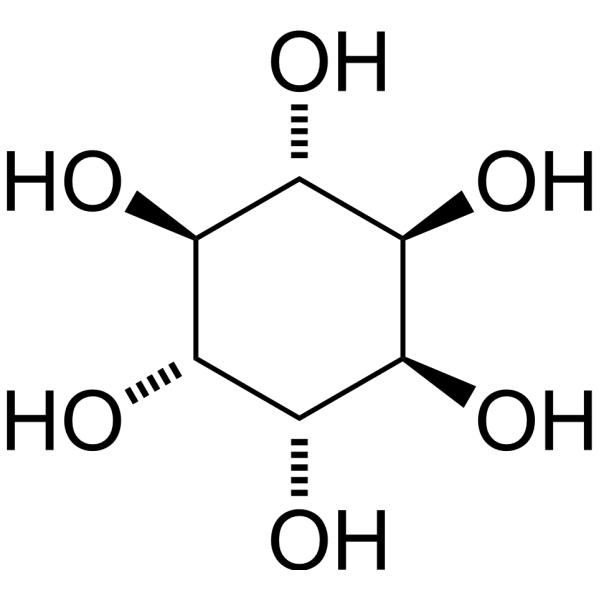
D-chiro-Inositol is a stereoisomer of inositol that exhibits activities such as improving glucose metabolism, anti-tumor effects, anti-inflammatory properties, and antioxidant activity. D-chiro-Inositol effectively alleviates cholestasis by enhancing bile acid secretion and reducing oxidative stress. D-chiro-Inositol improves insulin resistance, lowers hyperglycemia and circulating insulin levels, reduces serum androgen levels, and ameliorates some metabolic abnormalities associated with X syndrome by mimicking the action of insulin. Additionally, D-chiro-Inositol can induce a reduction in pro-inflammatory factors (such as Nf-κB) and cytokines (such as TNF-α), thereby exerting anti-inflammatory effects. D-chiro-Inositol may be used in the study of liver cirrhosis, breast cancer, type 2 diabetes, and polycystic ovary syndrome .
|
-
-
- HY-168894
-
|
|
Ferroptosis
JAK
STAT
p38 MAPK
AMPK
GSK-3
Apoptosis
HSP
TNF Receptor
|
Cardiovascular Disease
Neurological Disease
Metabolic Disease
Cancer
|
|
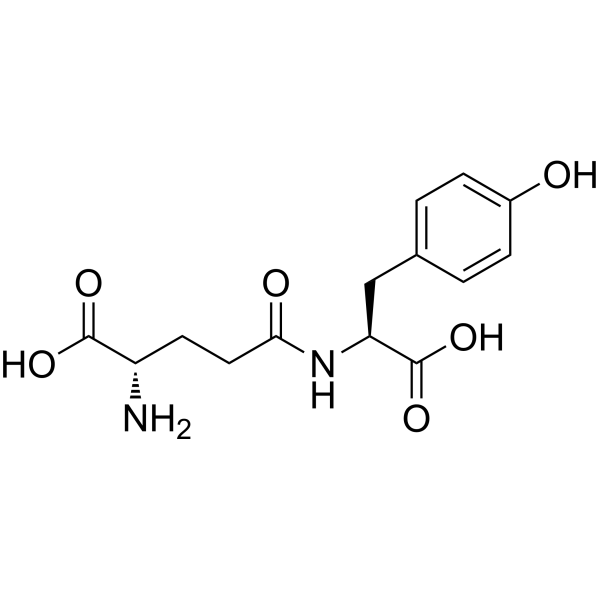
CT-1 is a secreted protein belonging to the IL-6 cytokine family. Overexpression of CT-1 enhances cell proliferation, migration and angiogenesis via the ADMA/DDAH pathway. CT-1 inhibits the growth of triple-negative breast cancer cells by simultaneously inducing Ferroptosis in N2-type tumor-associated neutrophils and cancer cells. CT-1 activates the Jak/STAT-3, p42/p44 MAPK and AMPK pathways, and inhibits GSK-3β activity through phosphorylation to induce cardiomyocyte hypertrophy. CT-1 enhances the viability of cardiomyocytes and neurons, reduces cell Apoptosis, induces the expression of heat shock proteins (HSP) and BNP, and inhibits TNF levels. CT-1 exerts anti-tumor activity in mouse models of triple-negative breast cancer. CT-1 improves cognitive impairment in mice. CT-1 is applicable to the research of ischemic heart disease, triple-negative breast cancer, myocardial hypertrophy, Parkinson's disease, hypertensive heart disease, myocardial infarction, acute Chagas cardiomyopathy, high-fat diet-induced cognitive impairment and diabetes-related cognitive impairment .
|
-
-
- HY-N15135
-
|
|
Interleukin Related
Toll-like Receptor (TLR)
Fungal
|
Metabolic Disease
|
|
Arabinoxylan Medium viscosity is an orally active Dectin-1 splice variant modulator, glucose absorption inhibitor, and chyme viscosity enhancer. Arabinoxylan Medium viscosity inhibits particulate β-glucan-induced Dectin-1A activation and mildly suppresses Dectin-1B activation. In human dendritic cells stimulated with particulate β-glucan, Arabinoxylan Medium viscosity reduces the production of IL-10 and TNF-α, and increases the production of IL-4 and IL-23. Arabinoxylan Medium viscosity also supports antifungal immune responses without activating TLR2, TLR4 or TLR5, and does not induce cytokine production when used to stimulate human dendritic cells alone. Arabinoxylan Medium viscosity increases small intestinal chyme viscosity, gets degraded in the large intestine to produce short-chain fatty acids, reduces glucose absorption and insulin response, and improves glucose homeostasis. Arabinoxylan Medium viscosity supports microbial fermentation and the growth of beneficial microbiota in the gastrointestinal tract, prevents bile acid reabsorption, and delays starch digestion. Arabinoxylan Medium viscosity can be used in research related to type 2 diabetes, impaired glucose tolerance, and metabolic syndrome .
|
-
-
- HY-118922
-
|
|
TNF Receptor
|
Neurological Disease
Inflammation/Immunology
Cancer
|
|
IW927 is a photochemically enhanced TNF-α-TNFR1 interaction inhibitor that blocks the binding of TNF-α to TNFRc1 with an IC50 value of 50 nM. IW927 binds reversibly to the TNFRc1 with weak affinity (Kd = 40-100 μM), covalently modifies the receptor via a photochemical reaction, and does not bind the related cytokine receptors TNFRc2 or CD40. IW927 disrupts TNFα-induced IκB phosphorylation with an IC50 value of 600 nM. IW927 can be used to develop light-independent inhibitors .
|
-
-
- HY-121811
-
|
Lanceolatin C
|
Glycosidase
Phosphatase
Interleukin Related
TNF Receptor
COX
Beclin1
GLUT
FAK
Akt
mTOR
p38 MAPK
Keap1-Nrf2
Apoptosis
Amyloid-β
Tau Protein
Autophagy
|
Neurological Disease
Inflammation/Immunology
Cancer
|
|
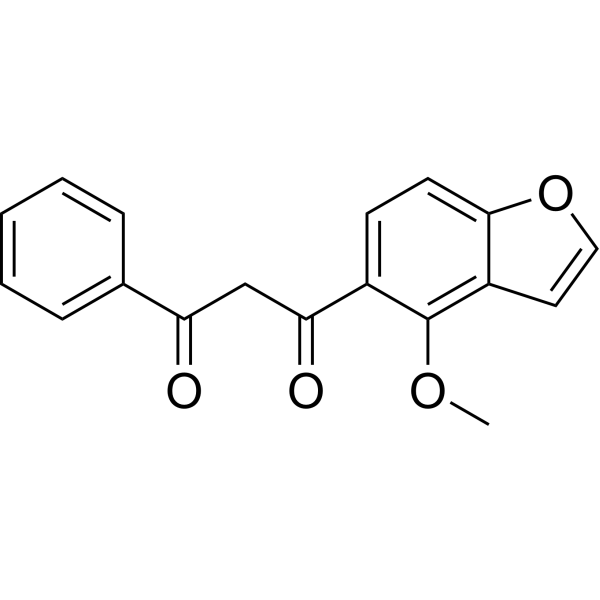
Pongamol (Lanceolatin C) is an orally active flavonoid with an IC50 of 75 μM and a Ki of 58 μM against PTPase-1B, and an IC50 of 103.5 μM against intestinal α-Glycosidase. Pongamol reduces the release of IL‑1β, TNF‑α, COX‑2 and iNOS in cells, reverses the nuclear translocation of NF‑κB, and upregulates the levels of Beclin 1 and LC3 Ⅱ/LC3 Ⅰ. Pongamol promotes glucose uptake by increasing the level of GLUT4 on the surface of skeletal muscle cells. Pongamol inhibits epithelial-mesenchymal transition by suppressing the FAK/Akt-mTOR signaling pathway. Pongamol inhibits neuronal cytotoxicity, suppresses cell apoptosis and extends the lifespan of Caenorhabditis elegans by activating the MAPKs/Nrf2 signaling pathway. Pongamol exerts hypoglycemic effects in diabetic mouse models. Pongamol exhibits antibacterial activity. Pongamol alleviates oxidative stress, neuroinflammation, Aβ deposition and excessive phosphorylation of Tau Protein, and restores autophagy function in Alzheimer's disease mouse models by inhibiting the Akt/mTOR signaling pathway. Pongamol is applicable to research related to Alzheimer's disease, type 2 diabetes, non-small cell lung cancer and postprandial hyperglycemia .
|
-
-
- HY-N11262
-
|
|
Phosphodiesterase (PDE)
Sirtuin
PGC-1α
p38 MAPK
HSP
TNF Receptor
NO Synthase
Apoptosis
|
Metabolic Disease
Inflammation/Immunology
|
|
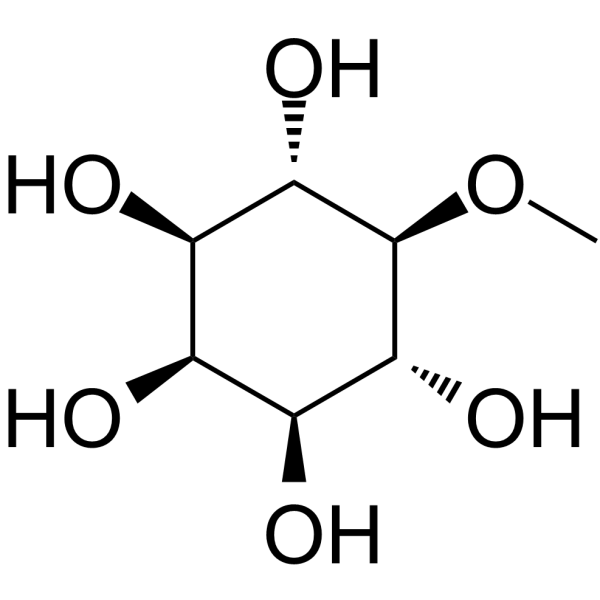
Sudachitin is an orally active compound that potently inhibits mouse PDE1C and human PDE4B, with IC50 values of 5.0 μM and 15.0 μM, respectively. Sudachitin upregulates Sirt1 and PGC‑1α expression in skeletal muscle to regulate energy metabolism and promote mitochondrial biogenesis. Sudachitin improves lipid metabolism, glucose tolerance, insulin sensitivity, energy expenditure, and fatty acid β‑oxidation. Sudachitin activates p38MAPK signaling, induces HSP27 phosphorylation and caspase‑dependent apoptosis, and blocks EGF‑driven keratinocyte migration and proliferation. Sudachitin suppresses LPS‑induced TNF‑α, NO, and iNOS expression in macrophages and shows potent anti‑inflammatory activity. Sudachitin can be used for the research of metabolic syndrome, type 2 diabetes, and psoriasis. .
|
-
-
- HY-N3021R
-
|
|
Reference Standards
Endogenous Metabolite
NF-κB
TNF Receptor
FOXO
Microtubule/Tubulin
|
Metabolic Disease
|
|
D-chiro-Inositol is a stereoisomer of inositol that exhibits activities such as improving glucose metabolism, anti-tumor effects, anti-inflammatory properties, and antioxidant activity. D-chiro-Inositol effectively alleviates cholestasis by enhancing bile acid secretion and reducing oxidative stress. D-chiro-Inositol improves insulin resistance, lowers hyperglycemia and circulating insulin levels, reduces serum androgen levels, and ameliorates some metabolic abnormalities associated with X syndrome by mimicking the action of insulin. Additionally, D-chiro-Inositol can induce a reduction in pro-inflammatory factors (such as Nf-κB) and cytokines (such as TNF-α), thereby exerting anti-inflammatory effects. D-chiro-Inositol may be used in the study of liver cirrhosis, breast cancer, type 2 diabetes, and polycystic ovary syndrome .
|
-
-
- HY-178447
-
|
|
PPAR
Glutathione Peroxidase
SOD
TNF Receptor
Interleukin Related
NF-κB
|
Infection
Metabolic Disease
Endocrinology
|
|
PPARγ agonist 20 is a potent, orally active PPAR-γ agonist. PPARγ agonist 20 effectively increases antioxidant defenses (SOD, GSH) and reduces lipid peroxidation. PPARγ agonist 20 can upregulate of Pparg, Glut4, and AdipoQ, suppresses of TNF-α, IL-6, and NF-κB p65. PPARγ agonist 20 significantly lowers fasting blood glucose, improving glucose tolerance, and restoring metabolic balance in Streptozotocin (HY-13753)-Nicotinamide (HY-B0150)-induced diabetic rats. PPARγ agonist 20 can be used for the study of type 2 diabetes .
|
-
-
- HY-N16527
-
|
|
TNF Receptor
Interleukin Related
NADPH Oxidase
Reactive Oxygen Species (ROS)
NF-κB
COX
NO Synthase
JNK
AP-1
TGF-β Receptor
|
Metabolic Disease
|
|
7-O-Galloyl-D-sedoheptulose is an orally effective polyphenolic compound. 7-O-Galloyl-D-sedoheptulose lowers the serum levels of glucose, leptin, insulin, C-peptide, resistin, TNF-α, IL-6, and increases the serum level of adiponectin. 7-O-Galloyl-D-sedoheptulose significantly reduces the levels of ROS and lipid peroxidation products (TBARS) by down-regulating the protein expression of NADPH oxidase subunit Nox-4 and p22phox. 7-O-Galloyl-D-sedoheptulose down-regulates NF-κB and related pro-inflammatory factors (COX-2, iNOS), inhibits the phosphorylation of JNK and the activity of its downstream AP-1. 7-O-Galloyl-D-sedoheptulose reduces the expression of TGF-β1 and fibronectin, indicating its potential in anti-tissue fibrosis. 7-O-Galloyl-D-sedoheptulose can be used for the study of type 2 diabetes and its hepatic and pancreatic complications .
|
-
-
- HY-123765
-
|
|
Acyltransferase
|
Metabolic Disease
|
|
JTT-553 is a DGAT1 inhibitor (IC50: 2.38 nM). JTT-553 reduces plasma concentrations of glucose, insulin, non-esterified fatty acids (NEFA), total cholesterol (TC), and hepatic triglycerides (TG). JTT-553 improves insulin-dependent glucose uptake and glucose intolerance in adipose tissue of DIO mice. JTT-553 reduces TNF-α mRNA levels and increases GLUT4 mRNA levels in adipose tissue of KK-Ay mice. JTT-553 improves adipose tissue insulin resistance and systemic glucose metabolism by reducing body weight. JTT-553 can be used in the study of obesity and type 2 diabetes mellitus (T2DM) .
|
-
-
- HY-P11736
-
|
|
NF-κB
|
Metabolic Disease
|
|
mcIRBP-9 is an orally active NF-κB inhibitor. mcIRBP-9 reduces the levels of TNF-α, IL-1β and TGF-β1 in renal tissues, and decreases LPS-induced IL-1β production. mcIRBP-9 can be used in research related to diabetic nephropathy and type 2 diabetes mellitus .
|
-
-
- HY-N17326
-
|
|
Acyltransferase
Phosphatase
Interleukin Related
|
Metabolic Disease
Inflammation/Immunology
|
|
Ilekudinol B is an inhibitor of ACAT and PTP1B, with an IC50 of 5.3 μM and a Ki of 11.6 μM against human PTP1B. Ilekudinol B inhibits the classical pathway of the complement system, with an IC50 of 51 μM. Ilekudinol B inhibits TNF-α-induced cellular IL-8 secretion, promotes glucose uptake in skeletal muscle myotubes, and acts as an insulin mimetic and insulin sensitizer. Ilekudinol B can be used in research related to type 2 diabetes, obesity, and inflammatory diseases .
|
-
-
- HY-180398
-
|
|
PPAR
PGC-1α
|
Metabolic Disease
|
|
PA-082 is a selective PPAR-γ modulator that functions as a partial agonist. PA-082 causes partial recruitment of SRC1, TIF2, SRC3 and full recruitment of PGC1-α to PPAR-γ ligand-binding domain. PA-082 prevents triglyceride accumulation during de novo adipogenesis and antagonizes Rosiglitazone (HY-17386)-induced lipid accumulation. PA-082 potentiates insulin-stimulated glucose uptake in adipocytes and protects against TNFα-induced insulin resistance. PA-082 can be used for the research of type 2 diabetes .
|
-
-
- HY-N7773
-
|
|
TNF Receptor
Interleukin Related
Caspase
SOD
|
Neurological Disease
Metabolic Disease
|
|
Hibiscetin is an orally active anti-inflammatory, antioxidant, antihyperglycemic, hypolipidemic, hepatoprotective and neuroprotective agent. Hibiscetin reduces the levels of TNF-α, IL-1β and IL-6. Hibiscetin inhibits lipid peroxidation, reduces MDA levels, and induces the activities of antioxidant enzymes CAT, GSH and SOD. Hibiscetin lowers blood glucose, reverses reduced insulin levels, regulates adipokine levels, and reduces elevated AST and ALT levels. Hibiscetin alleviates Rotenone (HY-B1756)-induced akinesia and catalepsy, normalizes neurotransmitter levels, and modulates the activities of activated caspase 3 and BDNF. Hibiscetin can be used in the research of type 2 diabetes, Parkinson's disease and Huntington's disease .
|
-
-
- HY-N17773
-
|
|
PPAR
GLUT
TNF Receptor
|
Metabolic Disease
|
|
Hydrangeic acid is an orally effective stilbene-type glycolipid metabolism regulator that lowers blood glucose and lipids. It can be isolated from processed leaves of Hydrangea macrophylla var. thunbergii. Hydrangeic acid is associated with glycolipid metabolism and insulin sensitivity regulation. Hydrangeic acid does not directly activate PPARγ or PPARα, but instead upregulates the mRNA expression of adiponectin, PPARγ2, GLUT4, and fatty acid-binding protein aP2, and downregulates TNF-α mRNA expression, promoting adipogenesis, glucose uptake, and GLUT4 translocation in 3T3-L1 cells. Simultaneously, Hydrangeic acid inhibits inflammatory factor-induced NO production, exerting activity in improving insulin resistance. Hydrangeic acid can be used in research related to type 2 diabetes and does not cause liver weight gain as a side effect.
|
-
| Cat. No. |
Product Name |
Target |
Research Area |
-
- HY-P11736
-
|
|
NF-κB
|
Metabolic Disease
|
|
mcIRBP-9 is an orally active NF-κB inhibitor. mcIRBP-9 reduces the levels of TNF-α, IL-1β and TGF-β1 in renal tissues, and decreases LPS-induced IL-1β production. mcIRBP-9 can be used in research related to diabetic nephropathy and type 2 diabetes mellitus .
|
| Cat. No. |
Product Name |
Category |
Target |
Chemical Structure |
-
- HY-N3021
-
|
|
Natural Products
Classification of Application Fields
Metabolic Disease
Endogenous metabolite
Disease Research Fields
Source Classification
|
Endogenous Metabolite
NF-κB
TNF Receptor
FOXO
Microtubule/Tubulin
|
|
D-chiro-Inositol is a stereoisomer of inositol that exhibits activities such as improving glucose metabolism, anti-tumor effects, anti-inflammatory properties, and antioxidant activity. D-chiro-Inositol effectively alleviates cholestasis by enhancing bile acid secretion and reducing oxidative stress. D-chiro-Inositol improves insulin resistance, lowers hyperglycemia and circulating insulin levels, reduces serum androgen levels, and ameliorates some metabolic abnormalities associated with X syndrome by mimicking the action of insulin. Additionally, D-chiro-Inositol can induce a reduction in pro-inflammatory factors (such as Nf-κB) and cytokines (such as TNF-α), thereby exerting anti-inflammatory effects. D-chiro-Inositol may be used in the study of liver cirrhosis, breast cancer, type 2 diabetes, and polycystic ovary syndrome .
|
-
-
- HY-N15135
-
|
|
Structural Classification
Polysaccharides
Antibiotics
Leguminosae
Pisum sativum Linn
Plants
Saccharides
Other Antibiotics
Source Classification
|
Interleukin Related
Toll-like Receptor (TLR)
Fungal
|
|
Arabinoxylan Medium viscosity is an orally active Dectin-1 splice variant modulator, glucose absorption inhibitor, and chyme viscosity enhancer. Arabinoxylan Medium viscosity inhibits particulate β-glucan-induced Dectin-1A activation and mildly suppresses Dectin-1B activation. In human dendritic cells stimulated with particulate β-glucan, Arabinoxylan Medium viscosity reduces the production of IL-10 and TNF-α, and increases the production of IL-4 and IL-23. Arabinoxylan Medium viscosity also supports antifungal immune responses without activating TLR2, TLR4 or TLR5, and does not induce cytokine production when used to stimulate human dendritic cells alone. Arabinoxylan Medium viscosity increases small intestinal chyme viscosity, gets degraded in the large intestine to produce short-chain fatty acids, reduces glucose absorption and insulin response, and improves glucose homeostasis. Arabinoxylan Medium viscosity supports microbial fermentation and the growth of beneficial microbiota in the gastrointestinal tract, prevents bile acid reabsorption, and delays starch digestion. Arabinoxylan Medium viscosity can be used in research related to type 2 diabetes, impaired glucose tolerance, and metabolic syndrome .
|
-
-
- HY-121811
-
|
Lanceolatin C
|
Structural Classification
Pongamia pinnata (L.) Pierre
Leguminosae
Ketones, Aldehydes, Acids
Derris trifoliata Lour.
Plants
Source Classification
|
Glycosidase
Phosphatase
Interleukin Related
TNF Receptor
COX
Beclin1
GLUT
FAK
Akt
mTOR
p38 MAPK
Keap1-Nrf2
Apoptosis
Amyloid-β
Tau Protein
Autophagy
|
|
Pongamol (Lanceolatin C) is an orally active flavonoid with an IC50 of 75 μM and a Ki of 58 μM against PTPase-1B, and an IC50 of 103.5 μM against intestinal α-Glycosidase. Pongamol reduces the release of IL‑1β, TNF‑α, COX‑2 and iNOS in cells, reverses the nuclear translocation of NF‑κB, and upregulates the levels of Beclin 1 and LC3 Ⅱ/LC3 Ⅰ. Pongamol promotes glucose uptake by increasing the level of GLUT4 on the surface of skeletal muscle cells. Pongamol inhibits epithelial-mesenchymal transition by suppressing the FAK/Akt-mTOR signaling pathway. Pongamol inhibits neuronal cytotoxicity, suppresses cell apoptosis and extends the lifespan of Caenorhabditis elegans by activating the MAPKs/Nrf2 signaling pathway. Pongamol exerts hypoglycemic effects in diabetic mouse models. Pongamol exhibits antibacterial activity. Pongamol alleviates oxidative stress, neuroinflammation, Aβ deposition and excessive phosphorylation of Tau Protein, and restores autophagy function in Alzheimer's disease mouse models by inhibiting the Akt/mTOR signaling pathway. Pongamol is applicable to research related to Alzheimer's disease, type 2 diabetes, non-small cell lung cancer and postprandial hyperglycemia .
|
-
-
- HY-N11262
-
|
|
Structural Classification
Flavonoids
Flavones
Rutaceae
Citrus sudachi Hort. ex Shirai.
Plants
Source Classification
|
Phosphodiesterase (PDE)
Sirtuin
PGC-1α
p38 MAPK
HSP
TNF Receptor
NO Synthase
Apoptosis
|
|
Sudachitin is an orally active compound that potently inhibits mouse PDE1C and human PDE4B, with IC50 values of 5.0 μM and 15.0 μM, respectively. Sudachitin upregulates Sirt1 and PGC‑1α expression in skeletal muscle to regulate energy metabolism and promote mitochondrial biogenesis. Sudachitin improves lipid metabolism, glucose tolerance, insulin sensitivity, energy expenditure, and fatty acid β‑oxidation. Sudachitin activates p38MAPK signaling, induces HSP27 phosphorylation and caspase‑dependent apoptosis, and blocks EGF‑driven keratinocyte migration and proliferation. Sudachitin suppresses LPS‑induced TNF‑α, NO, and iNOS expression in macrophages and shows potent anti‑inflammatory activity. Sudachitin can be used for the research of metabolic syndrome, type 2 diabetes, and psoriasis. .
|
-
-
- HY-N3021R
-
|
|
Structural Classification
Natural Products
Endogenous metabolite
Source Classification
|
Reference Standards
Endogenous Metabolite
NF-κB
TNF Receptor
FOXO
Microtubule/Tubulin
|
|
D-chiro-Inositol is a stereoisomer of inositol that exhibits activities such as improving glucose metabolism, anti-tumor effects, anti-inflammatory properties, and antioxidant activity. D-chiro-Inositol effectively alleviates cholestasis by enhancing bile acid secretion and reducing oxidative stress. D-chiro-Inositol improves insulin resistance, lowers hyperglycemia and circulating insulin levels, reduces serum androgen levels, and ameliorates some metabolic abnormalities associated with X syndrome by mimicking the action of insulin. Additionally, D-chiro-Inositol can induce a reduction in pro-inflammatory factors (such as Nf-κB) and cytokines (such as TNF-α), thereby exerting anti-inflammatory effects. D-chiro-Inositol may be used in the study of liver cirrhosis, breast cancer, type 2 diabetes, and polycystic ovary syndrome .
|
-
-
- HY-N16527
-
|
|
Structural Classification
Cornaceae
Cornus officinalis Sieb. et Zucc.
Phenols
Polyphenols
Plants
Source Classification
|
TNF Receptor
Interleukin Related
NADPH Oxidase
Reactive Oxygen Species (ROS)
NF-κB
COX
NO Synthase
JNK
AP-1
TGF-β Receptor
|
|
7-O-Galloyl-D-sedoheptulose is an orally effective polyphenolic compound. 7-O-Galloyl-D-sedoheptulose lowers the serum levels of glucose, leptin, insulin, C-peptide, resistin, TNF-α, IL-6, and increases the serum level of adiponectin. 7-O-Galloyl-D-sedoheptulose significantly reduces the levels of ROS and lipid peroxidation products (TBARS) by down-regulating the protein expression of NADPH oxidase subunit Nox-4 and p22phox. 7-O-Galloyl-D-sedoheptulose down-regulates NF-κB and related pro-inflammatory factors (COX-2, iNOS), inhibits the phosphorylation of JNK and the activity of its downstream AP-1. 7-O-Galloyl-D-sedoheptulose reduces the expression of TGF-β1 and fibronectin, indicating its potential in anti-tissue fibrosis. 7-O-Galloyl-D-sedoheptulose can be used for the study of type 2 diabetes and its hepatic and pancreatic complications .
|
-
-
- HY-N17326
-
-
-
- HY-N7773
-
|
|
Malvaceae
Structural Classification
Flavonols
Flavonoids
Hibiscus sabdariffa Linn.
Plants
Source Classification
|
TNF Receptor
Interleukin Related
Caspase
SOD
|
|
Hibiscetin is an orally active anti-inflammatory, antioxidant, antihyperglycemic, hypolipidemic, hepatoprotective and neuroprotective agent. Hibiscetin reduces the levels of TNF-α, IL-1β and IL-6. Hibiscetin inhibits lipid peroxidation, reduces MDA levels, and induces the activities of antioxidant enzymes CAT, GSH and SOD. Hibiscetin lowers blood glucose, reverses reduced insulin levels, regulates adipokine levels, and reduces elevated AST and ALT levels. Hibiscetin alleviates Rotenone (HY-B1756)-induced akinesia and catalepsy, normalizes neurotransmitter levels, and modulates the activities of activated caspase 3 and BDNF. Hibiscetin can be used in the research of type 2 diabetes, Parkinson's disease and Huntington's disease .
|
-
-
- HY-N17773
-
|
|
Structural Classification
Monophenols
Hydrangeaceae
Phenols
Plants
Source Classification
|
PPAR
GLUT
TNF Receptor
|
|
Hydrangeic acid is an orally effective stilbene-type glycolipid metabolism regulator that lowers blood glucose and lipids. It can be isolated from processed leaves of Hydrangea macrophylla var. thunbergii. Hydrangeic acid is associated with glycolipid metabolism and insulin sensitivity regulation. Hydrangeic acid does not directly activate PPARγ or PPARα, but instead upregulates the mRNA expression of adiponectin, PPARγ2, GLUT4, and fatty acid-binding protein aP2, and downregulates TNF-α mRNA expression, promoting adipogenesis, glucose uptake, and GLUT4 translocation in 3T3-L1 cells. Simultaneously, Hydrangeic acid inhibits inflammatory factor-induced NO production, exerting activity in improving insulin resistance. Hydrangeic acid can be used in research related to type 2 diabetes and does not cause liver weight gain as a side effect.
|
-
Your information is safe with us. * Required Fields.
Inquiry Information
- Product Name:
- Cat. No.:
- Quantity:
- MCE Japan Authorized Agent:

