31 Results for "

vacuoles

" in MedChemExpress (MCE) Product Catalog:
Products (31)

31 Results for "vacuoles" in MCE Product Catalog:

14
14 Publications Verification
Cat. No.: HY-D1027
CAS No.: 10121-91-2
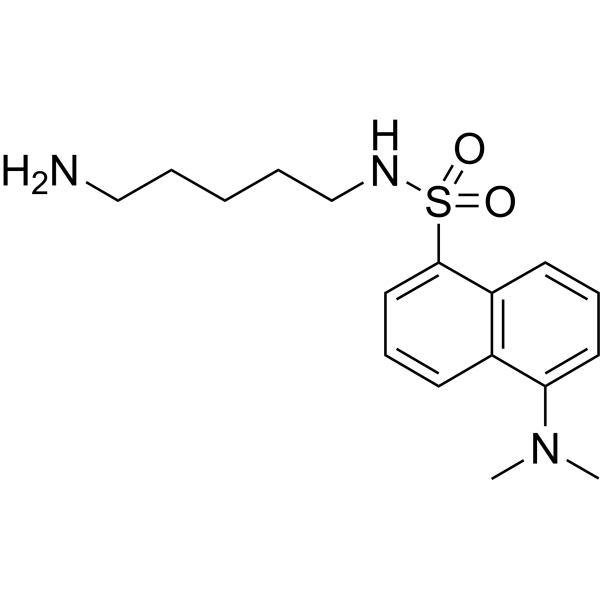
Synonyms: Monodansyl cadaverine
Target:  

Autophagy

Research Areas:  

Others

Dansylcadaverine (Monodansyl cadaverine) is an autofluorescent compound used for the labeling of autophagic vacuoles. Dansylcadaverine, a high affinity substrate of transglutaminases, can block the receptor-mediated endocytosis of many ligands .
loading...
    loading...
13
13 Cited Publications
Cat. No.: HY-118630
CAS No.: 351986-85-1
Purity:  98.93%
Target:  

PIKfyve Autophagy

Research Areas:  

Cancer

Vacuolin-1 is a potent and cell-permeable lysosomal exocytosis inhibitor. Vacuolin-1 blocks the Ca 2+-dependent exocytosis of lysosomes and prevents the release of lysosomal content without affecting the process of resealing. vacuolin‐1 is a potent and selective PIKfyve inhibitor and inhibits late‐stage autophagy by impairing lysosomal maturation. Vacuolin-1 can induce vacuole formation and increase the percentage of enucleated cells .
loading...
    loading...
2
2 Cited Publications
Cat. No.: HY-100746
CAS No.: 315702-99-9
Purity:  98.69%
Target:  

Autophagy

Research Areas:  

Cancer

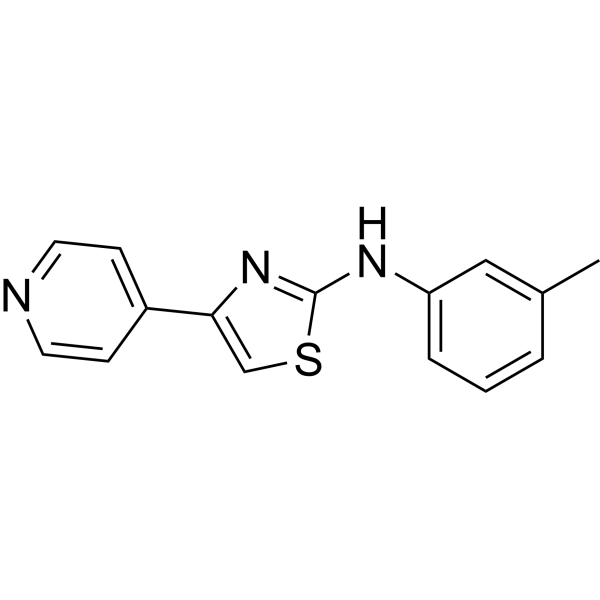
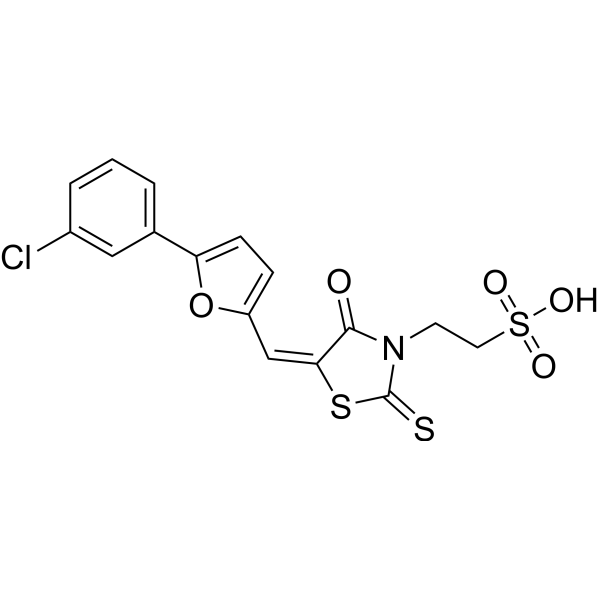
STF-62247 is an autophagy inducer that selectively cytotoxic to VHL-deficient renal cell carcinoma (IC50 of 0.625 μM and 16 μM in RCC4 and RCC4/VHL cells, respectively) .
loading...
    loading...
1
1 Cited Publications
Cat. No.: HY-146052
CAS No.: 2691054-63-2
Purity:  99.23%
Target:  

Atg8/LC3 Autophagy

Research Areas:  

Cancer

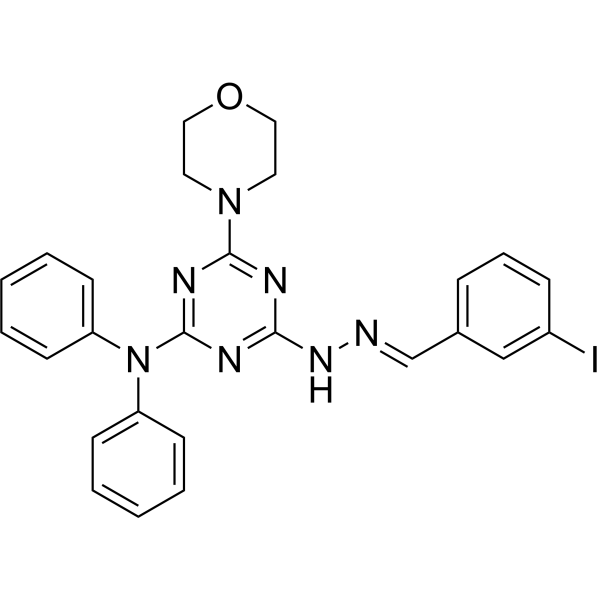
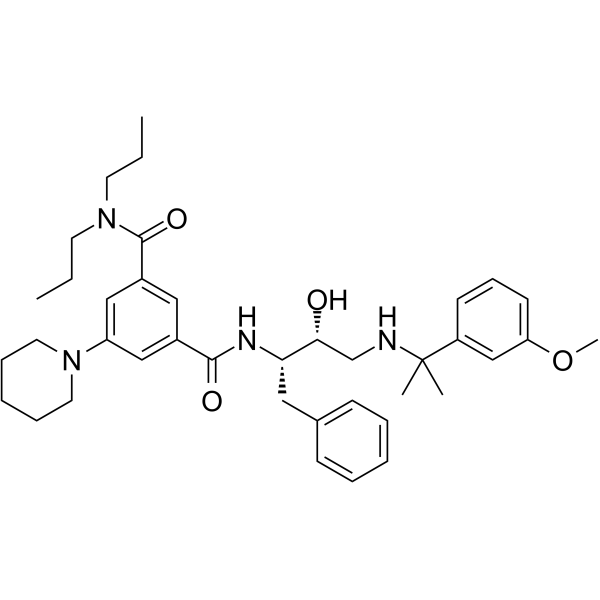
Autophagy inducer 3 has autophagy induced activity. Autophagy inducer 3 possesses robust autophagic cell death in diverse cancer cells sparing normal counterpart. Autophagy inducer 3 induces lethal autophagy by formation of characteristic autophagic vacuoles, LC3 puncta formation, upregulation of signature autophagy markers like Beclin and Atg family proteins .
loading...
    loading...
Cat. No.: HY-111974
CAS No.: 21414-42-6
Purity:  95.04%
Synonyms: ABA-GE; (S)-cis,trans-Abscisic acid glucosyl ester
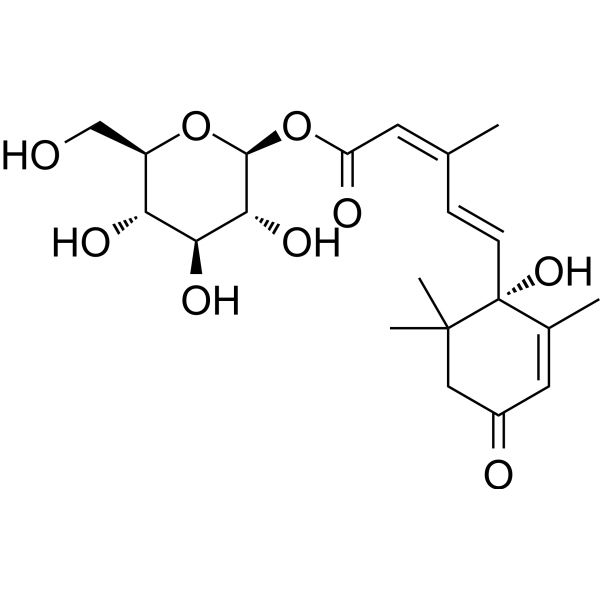
β-D-Glucopyranosyl abscisate (ABA-GE) is a hydrolyzable abscisic acid (ABA) conjugate that accumulates in the vacuole and presumably also in the endoplasmic reticulum. The deconjugation of β-D-Glucopyranosyl abscisate allows the rapid formation of free ABA in response to abiotic stress conditions such as dehydration and salt stress. β-D-Glucopyranosyl abscisate contributes to the maintenance of ABA homeostasis .
loading...
    loading...
Cat. No.: HY-D1629
CAS No.: 172646-19-4
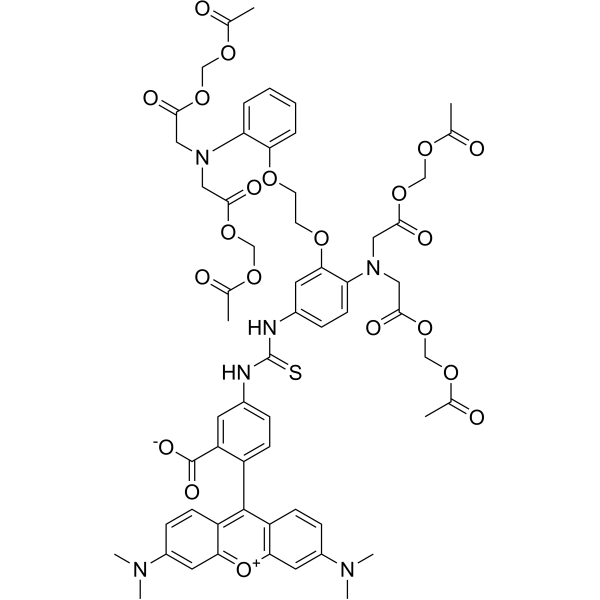
Calcium Orange AM is an intracellular calcium reporter. Specific fluorescence can be detected when free calcium binds to Calcium Orange AM (Ex/Em=549/576 nm). Calcium Orange AM does not enter the vacuoles and does not compartmentalize into acidic vesicles .
loading...
    loading...
Cat. No.: HY-148114
CAS No.: 1485521-76-3
Target:  

Autophagy

Research Areas:  

Neurological Disease Cancer

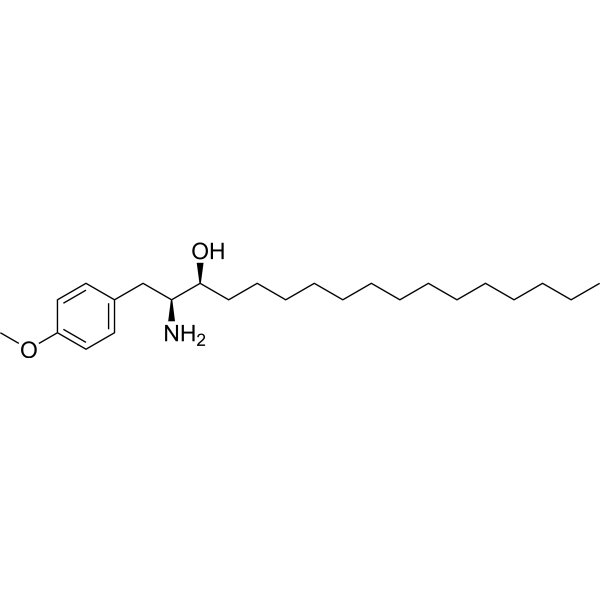
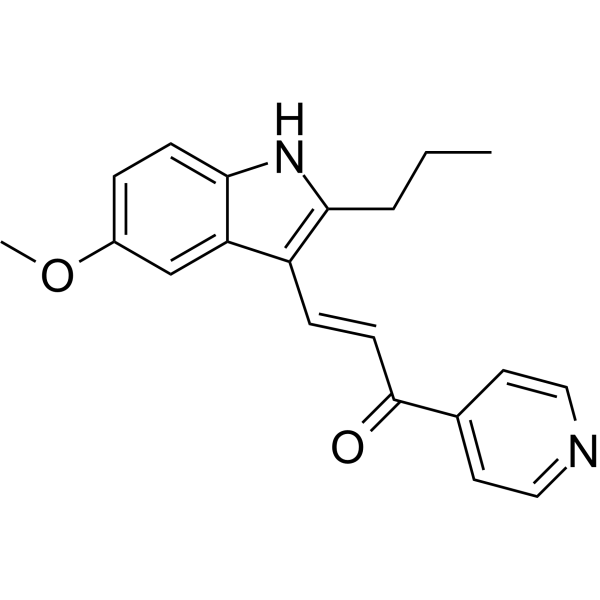
MOPIPP is a novel indolebased chalcone, and vacuolin-1, is a non-lethal vacuoleinducing 2-propyl analog of MOMIPP (HY-119624). MOPIPP induces cellular vacuolization and increases autophagosomes numbers. MOPIPP can be used for the study of glioblastoma cells .
loading...
    loading...
Cat. No.: HY-123967
CAS No.: 324579-65-9
Purity:  99.91%
Research Areas:  

Inflammation/Immunology

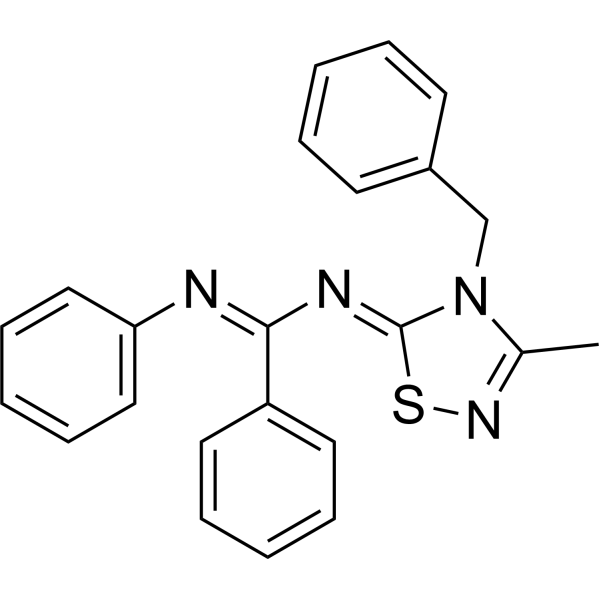
RNF5 inhibitor inh-02 is a potent inhibitor of E3 ubiquitin ligase RNF5/RMA1. RNF5 inhibitor inh-02 rescues F508del-CFTR function in F508del-CFTR-expressing immortalized cells (CFBE41o⁻, EC50 = 2.6 μM; FRT, EC 50 = 2.2 μM). RNF5 inhibitor inh-02 increases LC3IIB expression and autophagic vacuole number via reducing ATG4B ubiquitylation and promotes cell motility. RNF5 inhibitor inh-02 can be used for the study of cystic fibrosis .
loading...
    loading...
Cat. No.: HY-144820
CAS No.: 130727-21-8
Purity:  98.49%
Research Areas:  

Infection

JO146 is an anti-chlamydial agent, Antibacterial agent, and CtHtrA serine protease inhibitor, with an IC50 of 21.86 μM against CtHtrA serine protease. JO146 alters the morphology of chlamydial cells, reduces inclusion vacuoles, decreases the number of infectious progeny, and eliminates viable Chlamydia trachomatis under stress or conditions that reverse persistent infection. JO146 shows no activity against Escherichia coli, Pseudomonas aeruginosa, and Staphylococcus aureus, but exhibits bactericidal activity against Helicobacter pylori. JO146 can be used in research related to Chlamydia trachomatis infection, chlamydial infection in cattle and sheep, and Helicobacter pylori infection .
loading...
    loading...
Cat. No.: HY-E70425
CAS No.: 9030-05-1
Target:  

Glycosyltransferase

Research Areas:  

Metabolic Disease

Sucrose synthase belongs to glycosyltransferases and is a reversible catalyst present in plants, which catalyzes the conversion of sucrose into fructose and UDP-G or ADP-G. Sucrose synthase localizes to the cytoplasm, plasma membrane, cell wall, vacuole and mitochondria of plants. Sucrose synthase regulates sugar metabolism, supports the development of taproots, fruits, seeds and vascular tissues, drives the synthesis of starch, cellulose and callose, and enhances nitrogen fixation capacity. Sucrose synthase mediates signal transduction in plant meristems. Sucrose synthase is associated with plant growth, anaerobic stress tolerance, as well as shoot apical meristem and leaf morphology; overexpression of this enzyme promotes plant growth, increases xylem size, and elevates cellulose and starch contents .
loading...
    loading...
Cat. No.: HY-123601
CAS No.: 1542098-94-1
Target:  

Parasite

Research Areas:  

Infection

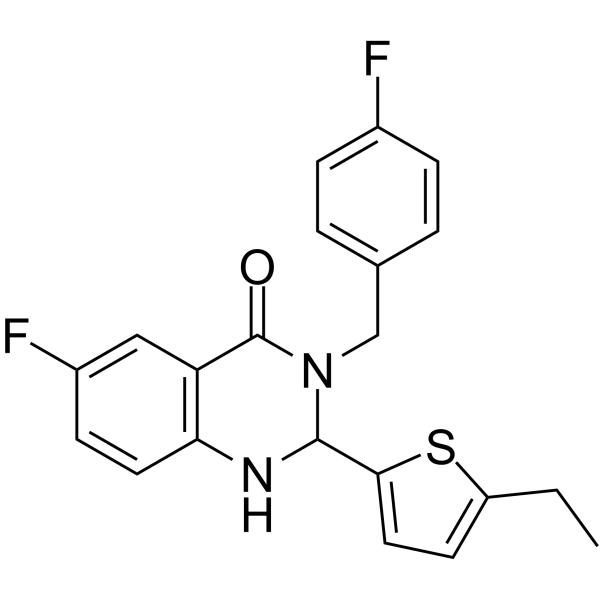
DHQZ 36 is a potent inhibitor of retrograde trafficking. DHQZ 36 inhibits Leishmania amazonensis infection in macrophages with an EC50 of 13.63 μM. DHQZ 36 has potent anti-parasite activity .
loading...
    loading...
Cat. No.: HY-N10443
CAS No.: 5224-54-4
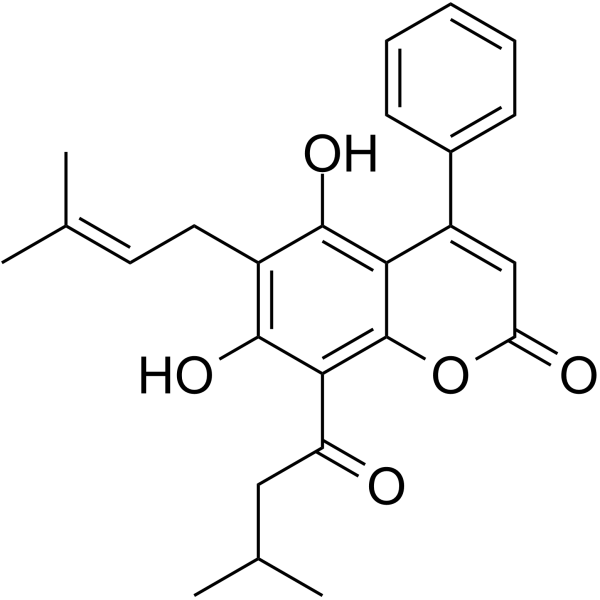
Mammea A/BA has potent activity against Trypanosoma cruzi (T. cruzi). Mammea A/BA induces mitochondrial dysfunction, reactive oxygen species (ROS) production and DNA fragmentation, and increases number of acidic vacuoles. Mammea A/BA can induce apoptosis, autophagy and necrosis. Mammea A/BA can be used for researching chagas disease .
loading...
    loading...
Cat. No.: HY-111287
CAS No.: 853136-76-2
Synonyms: DK-1-49
Target:  

Autophagy

Research Areas:  

Cancer

Autophagonizer (DK-1-49) is a small molecule autophagy inducer that results in an accumulation of autophagy-associated LC3-II and enhances levels of autophagosomes and acidic vacuoles. Autophagonizer inhibits cell viability and induces cell death in not only cancer cells but also Bax/Bak double-knockout cells with EC50 values of 3-4 μM .
loading...
    loading...
Cat. No.: HY-D1753
CAS No.: 149733-79-9
Synonyms: LYC
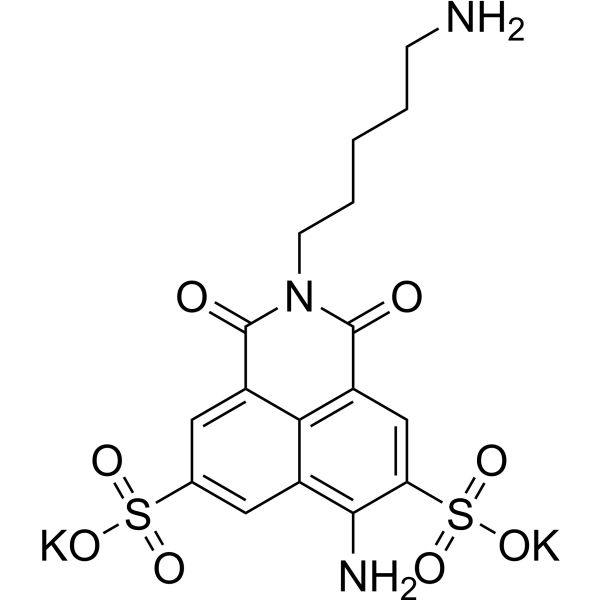
Lucifer yellow cadaverine (LYC) can be used as a cell tracer. Lucifer yellow cadaverine can be used to label endocytic vacuoles in cells .
loading...
    loading...
Cat. No.: HY-122245
CAS No.: 372972-39-9
Target:  

Fungal

Research Areas:  

Cancer

Sortin2 is a synthetic compound and a Yeast vacuolar protein sorting (vps) inhibitor . Sortin2 can affect protein targeting to the vacuole in Saccharomyces cerevisiae .
loading...
    loading...
Cat. No.: HY-148035
CAS No.: 1539276-38-4
Target:  

Parasite

Research Areas:  

Infection

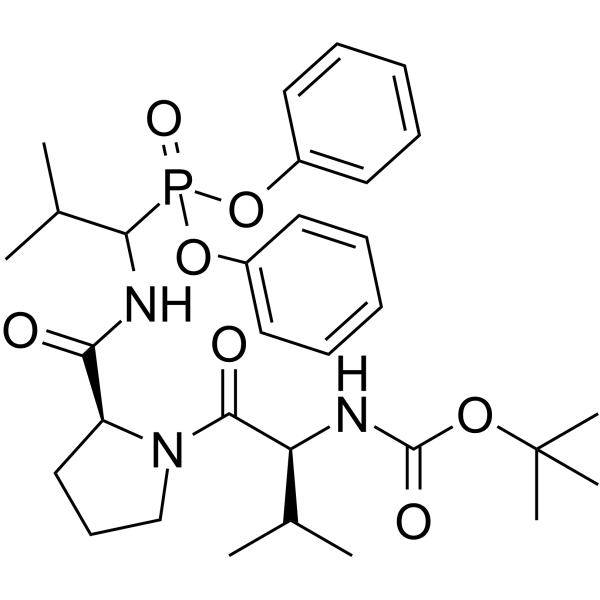
Plm IV inhibitor-2 (compound 3) is a potent digestive vacuole plasmepsins IV (Plm IV) inhibitor with IC50 values of 24 nM, 70 nM and 0.3 μM for Plm IV, II and I, respectively. Plm IV inhibitor-2 can be used to research malaria caused by Plasmodium parasites .
loading...
    loading...
Cat. No.: HY-162397
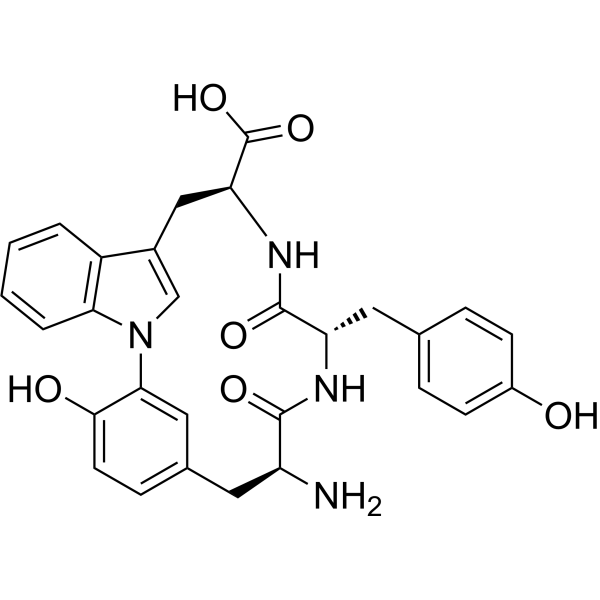
Neopetromin is a tripeptide with a rare heteroaromatic C-N cross-link between side chains of tryptophan and tyrosine. Neopetromin causes vacuole fragmentation in an actin-independent manner .
loading...
    loading...
Cat. No.: HY-DY2020
Target:  

Fluorescent Dye

Research Areas:  

Others

Neutral Red Staining Solution (for Live Cells) is a vital stain used for vital staining of peripheral blood cells, and it can also be used for staining other living cells or tissues. Neutral Red Staining Solution (for Live Cells) accumulates in cytoplasmic vacuoles, lysosomes of living cells, as well as plant/fungal vacuoles. It binds to anionic sites, suberin, lignin, cell walls, DNA and phenolic substances, and can intercalate into DNA. Neutral Red Staining Solution (for Live Cells) stains the cytoplasm of specific phytoplankton and estuarine zooplankton, while dead cells are not stained, enabling viability determination of such organisms .
loading...
    loading...
Cat. No.: HY-DY1080
CAS No.: 10121-91-2
Synonyms: Monodansyl cadaverine (solution)
Dansylcadaverine (solution) (Monodansyl cadaverine (solution)) is an autofluorescent compound used for the labeling of autophagic vacuoles. Dansylcadaverine, a high affinity substrate of transglutaminases, can block the receptor-mediated endocytosis of many ligands .
Solvent and concentration: DMSO: 10 mM
loading...
    loading...
Cat. No.: HY-182394
CAS No.: 1239953-66-2
Target:  

Parasite

Research Areas:  

Infection

DM-1157 is an orally active asymmetric bisquinoline heme inhibitor with a IC50 of 1.6 μM and a Kd of 1.7 μM. DM-1157 binds to heme dimers in solution, inhibits β-hematin formation, suppresses hemozoin formation in the digestive vacuole of Plasmodium falciparum, accumulates in the digestive vacuole of Plasmodium falciparum, induces enlargement of the digestive vacuole of Plasmodium falciparum, and inhibits the growth of Chloroquine (HY-17589A)-sensitive and resistant Plasmodium falciparum strains. DM-1157 can be used for the research of malaria and Plasmodium falciparum-type malaria .
loading...
    loading...

