



Seglitide

Based on 1 Customer Validation
Seglitide (MK-678) is an orally active, selective SSTR2 agonist and somatostatin analog. Seglitide also acts as a competitive Somatostatin receptor antagonist, with pA2 values of 6.50, 6.24 and 6.09 against SS14, SS25 and SS28, respectively. Seglitide produces only weak, transient inhibition of myocardial contractility in isolated right atria of guinea pigs. Seglitide inhibits glucagon secretion and reduces circulating insulin levels. Seglitide causes a sustained, reversible reduction in elevated systolic blood pressure in streptozotocin (HY-13753)-induced diabetic rats, but exerts no effect on spontaneously hypertensive rats. Seglitide induces membrane hyperpolarization and inhibits electrical excitability. Seglitide induces concentration-dependent contraction and significant desensitization in isolated distal colon of rats. Seglitide can be used in research related to hypertension complicated with insulin-dependent diabetes mellitus.
For research use only. We do not sell to patients.
- Purity : 99.30%
- CAS No.: 81377-02-8
- Formula: C44H56N8O7
- Molecular Weight:808.96
-
Storage:
Sealed storage, away from moisture.
Powder -80°C, 2 years , -20°C, 1 year* In solvent : -80°C, 6 months; -20°C, 1 month (sealed storage, away from moisture)


To place orders, for customer services and technical support, please contact: MedChemExpress USA
Tel: 609-228-6898 E-mail: [email protected] [email protected]


-
 Biological Activity
-
Chemical Information
- Protocols
- Purity & Documentation
- References
-
 Help & FAQs


-
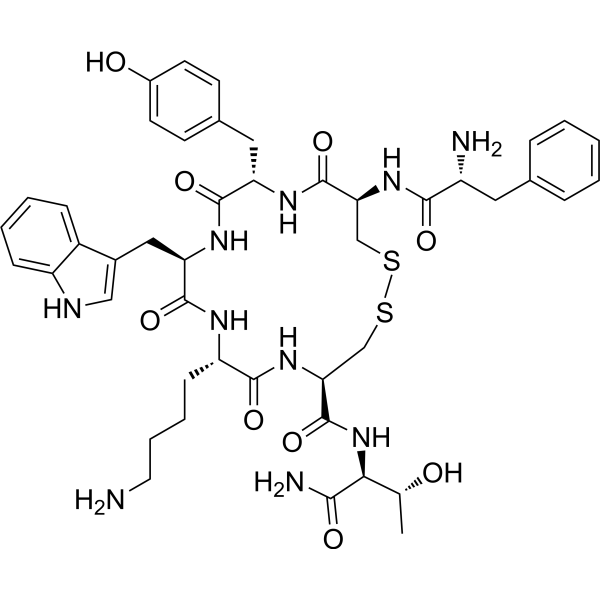
HY-105172
TT-232SSTR1/SSTR4 Agonist -
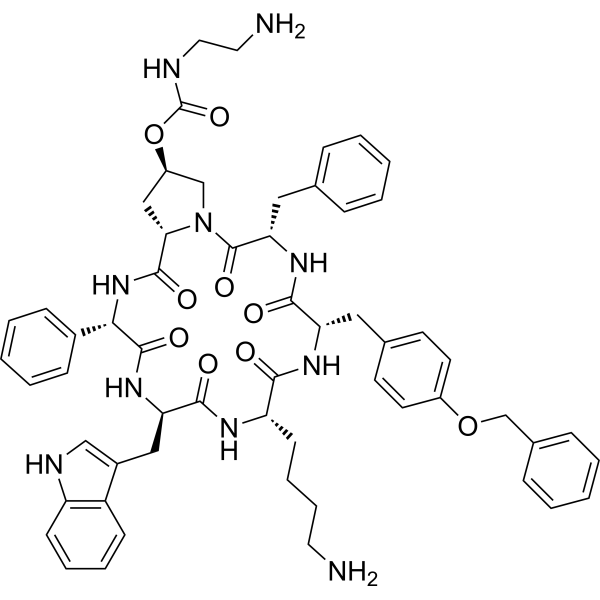
HY-16381
PasireotideSomatostatin Agonist -
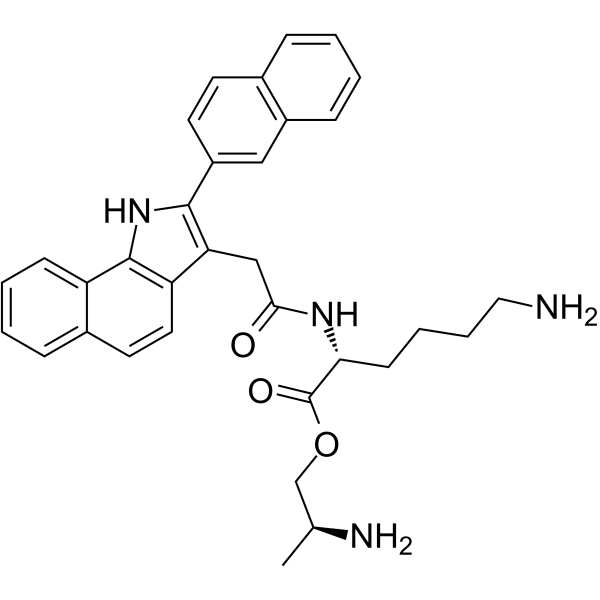
HY-108498
L-817818Somatostatin Receptor Agonist -
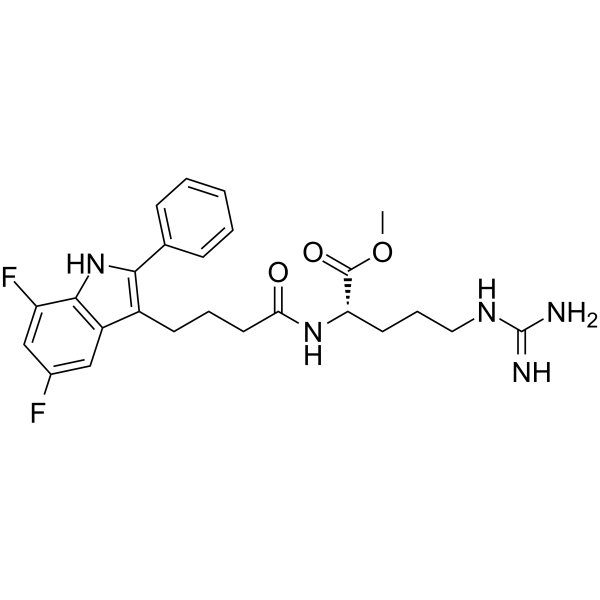
HY-108497
L-803087sst4 Receptor Agonist -
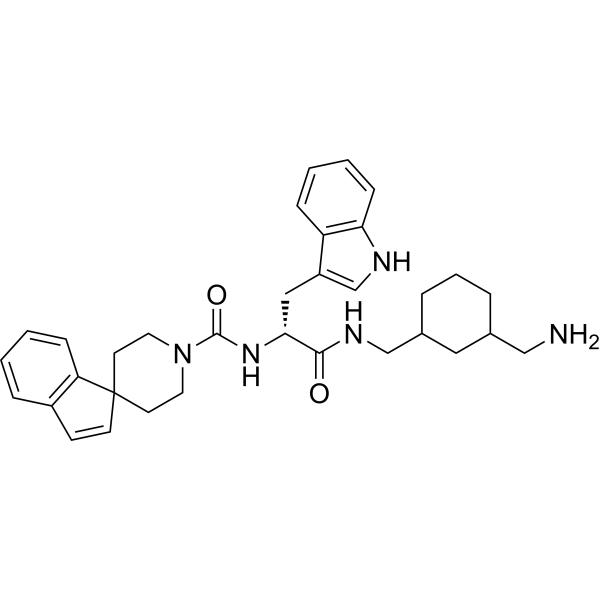
HY-108501
(1R,1'S,3'R/1R,1'R,3'S)-L-054,264sst2 Agonist -
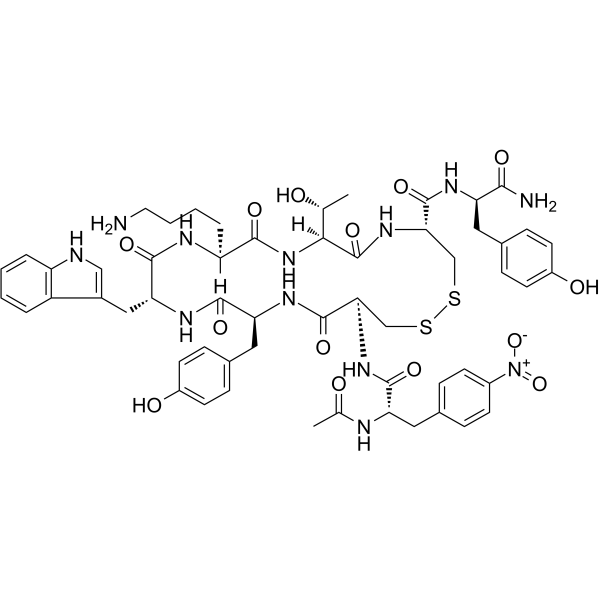
HY-P1202
CYN 154806Somatostatin SST2 Receptor Antagonist -
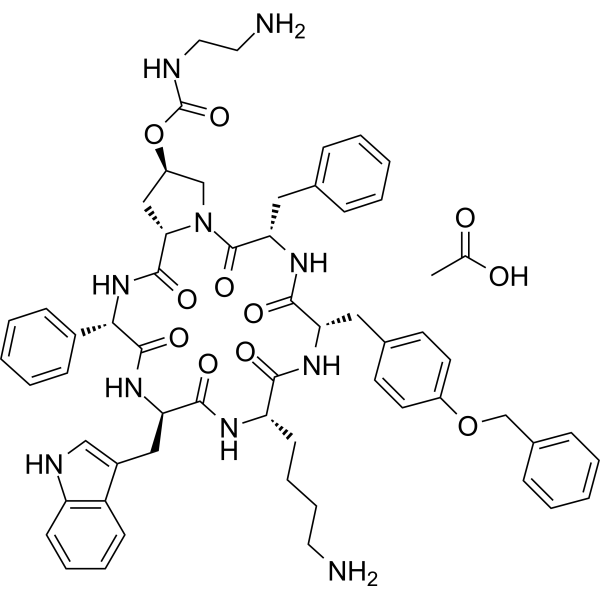
HY-16381A
Pasireotide acetateSomatostatin Agonist -
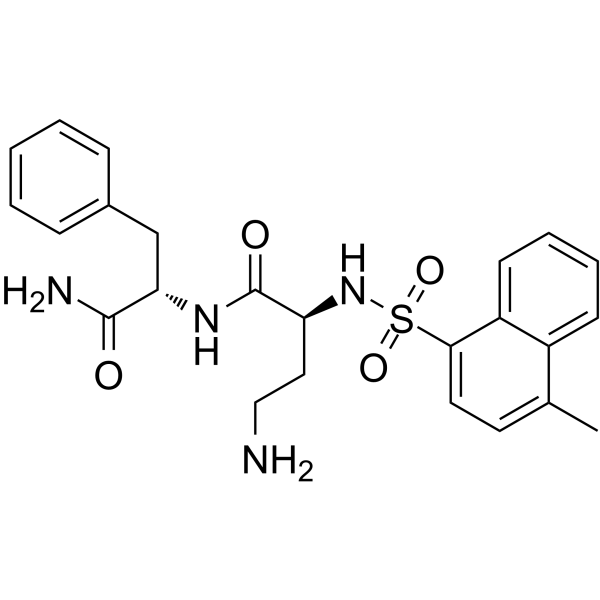
HY-111615
J-2156SST4 Receptor Agonist -
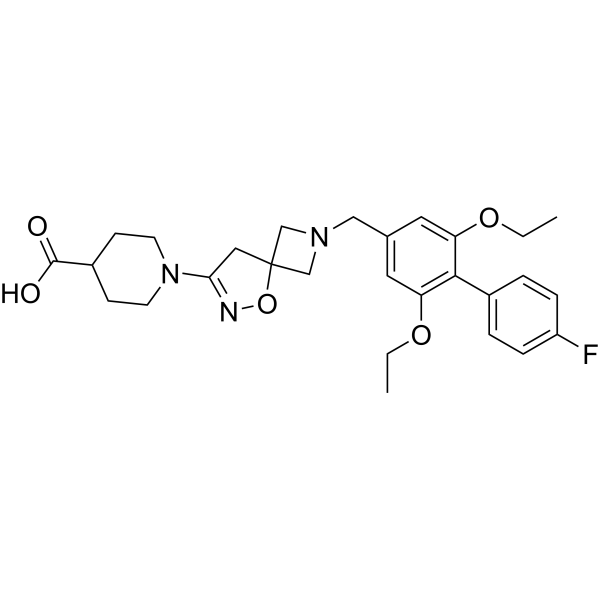
HY-102037
SSTR5 antagonist 1SSTR5 Antagonist -
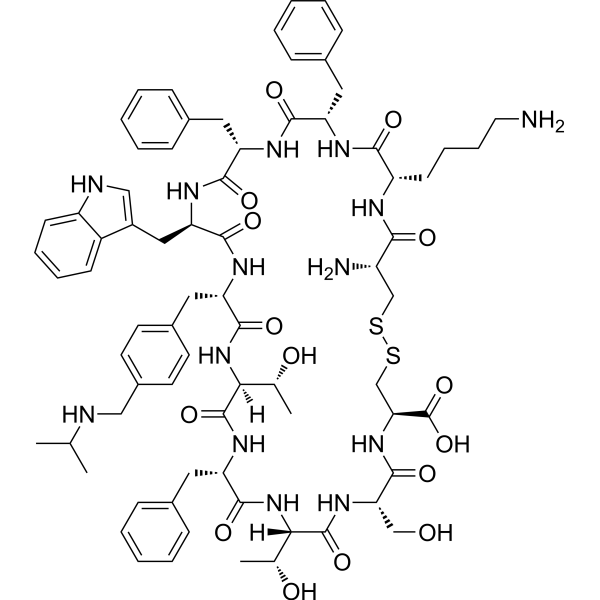
HY-P1206
CH 275SST1 Agonist -
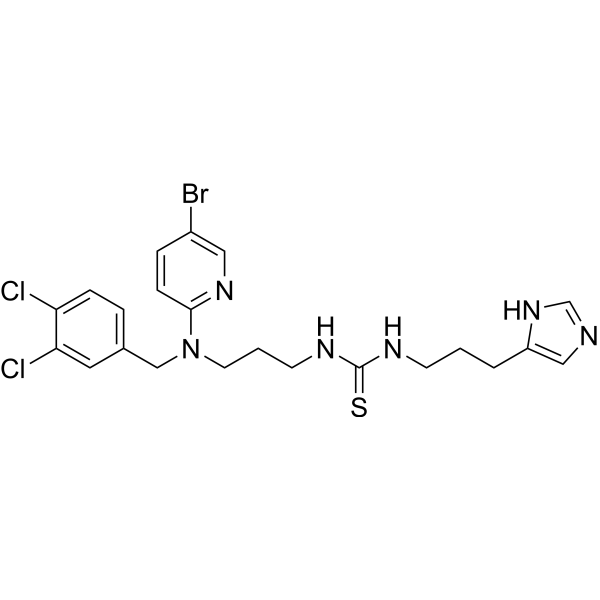
HY-108499
NNC 26-9100sst4 Agonist -
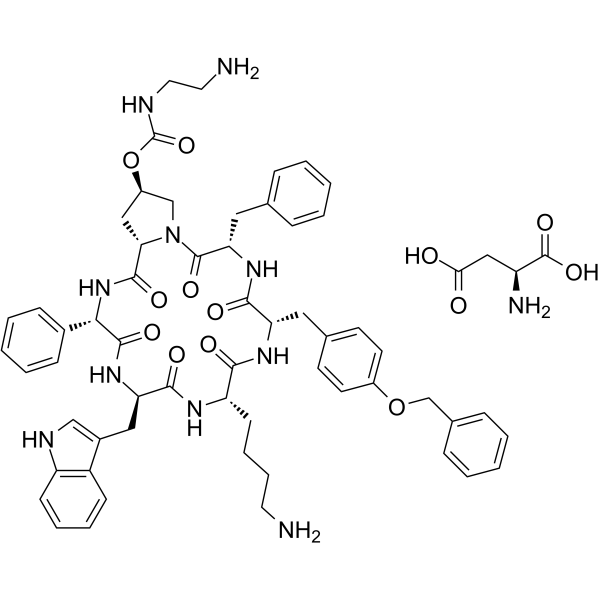
HY-79136
Pasireotide L-aspartate saltSomatostatin Agonist


Biological Activity
Description
IC50 & Target
[1]|
SSTR2 |
In Vivo
Seglitide (50-100 µg/rat/day; p.o.; daily; 49 days) produces only a transient 11% reduction in systolic blood pressure in male spontaneously hypertensive rats, with no sustained hypotensive effect, and no impact on relevant hormones, renin-angiotensin system components, blood glucose, or growth rate[2].
MedChemExpress (MCE) has not independently confirmed the accuracy of these methods. They are for reference only.
-
Animal Model:Sprague-Dawley (male, streptozotocin-induced diabetic hypertension)[2]
-
Dosage:50 µg/rat/day (days 1-20); 100 µg/rat/day (days 21-49); 1000 µg/rat/day; 100 µg (acute parenteral)
-
Administration:p.o. (via drinking water, days 1-20); p.o. (via drinking water, days 21-49); p.o. (unspecified duration); parenteral (single acute dose)
-
Result:Reduced systolic blood pressure of diabetic rats by 14% after 17 days of 50 µg/rat/day treatment (P=0.05).
Maintained systolic blood pressure significantly reduced by 11-21% relative to untreated diabetic rats over days 24-49 with 100 µg/rat/day dose, matching normotensive control levels (98-118 mmHg; repeated measures ANOVA, P<0.003 vs. untreated diabetic rats, P=0.687 vs. normal rats).
Reversed hypotensive effect 5 days after drug withdrawal, with only a 6% reduction in blood pressure (nsd).
Showed no significant effect on plasma renin activity, angiotensin converting enzyme activity, or aldosterone levels in diabetic rats.
Did not alter circulating insulin or glucagon levels in diabetic rats with 1000 µg/rat/day oral dose, but reduced circulating insulin levels by 44% with acute parenteral 100 µg dose (P<0.05).
Had no significant effect on blood glucose levels or growth rate of diabetic rats over 49 days of treatment.
-
Animal Model:Spontaneously hypertensive (SH) (male)[2]
-
Dosage:50 µg/rat/day (days 1-40); 100 µg/rat/day (days 41-49)
-
Administration:p.o. (via drinking water, days 1-40); p.o. (via drinking water, days 41-49)
-
Result:Reduced systolic blood pressure of SH rats by 11% at the 10-day time point (P<0.02), with no significant blood pressure reduction observed in subsequent measurements even after dose escalation to 100 µg/rat/day.
Showed no significant effect on plasma renin activity, angiotensin converting enzyme activity, or aldosterone levels in SH rats.
Did not alter blood glucose levels or growth rate of SH rats over 49 days of treatment.


Chemical Information
-
CAS No. 81377-02-8
-
Appearance Solid
-
Molecular Weight 808.96
-
Formula C44H56N8O7
-
Color White to off-white
-
Synonyms
MK-678; L-363586
-
Sequence
Cyclo({Ala(Me)}-Tyr-{d-Trp}-Lys-Val-Phe)
-
Sequence Shortening
Cyclo({Ala(Me)}-Y-{d-Trp}-KVF)
-
Shipping
Room temperature in continental US; may vary elsewhere.
-
Storage
Sealed storage, away from moisture
Powder -80°C 2 years -20°C 1 year * In solvent : -80°C, 6 months; -20°C, 1 month (sealed storage, away from moisture)

Protocols
-
Research Protocol for Endocrine Diseases
Endocrine diseases often arise from disrupted hormone production, hormone signaling, or target-tissue responsiveness; for diabetes-focused endocrine disease models, insulin signaling regulates glucose uptake, hepatic glucose output, lipid metabolism, and β-cell compensation. Type 2 diabetes develops through interacting defects in insulin resistance, β-cell dysfunction, adipose inflammation, hepatic glucose overproduction, altered incretin signaling, and ectopic lipid metabolism. A major unresolved question is whether endocrine dysfunction is driven primarily by target-tissue insulin resistance, intrinsic β-cell failure, immune/inflammatory stress, or combined multi-organ failure that differs by disease stage.
-
Fluorescent plasma-membrane potential dye assay
Fluorescent plasma-membrane potential dye assays measure changes in cell membrane potential using voltage-sensitive dyes whose fluorescence changes when cells depolarize or hyperpolarize. Anionic bis-oxonol dyes such as DiBAC4(3) enter depolarized cells more readily and show increased fluorescence after intracellular binding, while hyperpolarization reduces dye accumulation and fluorescence. FMP/FLIPR membrane-potential dyes are used for faster, homogeneous microplate assays of ion-channel or receptor-mediated membrane-potential changes.
-
Research Protocol for Cardiovascular Diseases
Cardiovascular disease can be modeled as maladaptive cardiac remodeling, where ischemic injury or pressure overload activates inflammatory signaling, fibroblast activation, extracellular-matrix deposition, cardiomyocyte hypertrophy, vascular remodeling, and progressive ventricular dysfunction. The TGF-β/SMAD axis is a central profibrotic pathway after myocardial injury and pressure overload, while innate immune and cytokine pathways regulate leukocyte recruitment, scar formation, and adverse remodeling. Key unresolved questions include which inflammatory signals are reparative versus harmful, when fibrosis is protective versus maladaptive, and whether pathway inhibition improves function without weakening necessary infarct healing or compensatory remodeling.
-
Research Protocol for Metabolic Diseases
AMP-activated protein kinase, AMPK, is a conserved cellular energy sensor that responds to reduced cellular energy status and coordinates metabolism by increasing ATP-generating catabolic pathways while suppressing ATP-consuming anabolic processes. In metabolic disease research, the AMPK pathway is experimentally relevant because it regulates hepatic lipid synthesis, fatty acid oxidation, glucose production, skeletal-muscle glucose disposal, mTORC1-linked biosynthesis, autophagy, mitochondrial homeostasis, and whole-body energy balance. The central pathway logic is that energy stress, metformin, exercise-like stimulation, or direct AMPK activators increase AMPKα Thr172 phosphorylation and downstream substrate phosphorylation, including ACC and RAPTOR. Phosphorylation of ACC suppresses lipogenesis and supports fatty acid oxidation, whereas phosphorylation of RAPTOR suppresses mTORC1 signaling and links cellular energy status to growth and protein synthesis control. The pathway is linked


Purity & Documentation
-
Data Sheet (264 KB)
-
SDS (252 KB)
- English - EN (252 KB)
- Français - FR (252 KB)
- Deutsch - DE (252 KB)
- Norwegian - NO (252 KB)
- Español - ES (252 KB)
- Swedish - SV (252 KB)
- Italian - IT (252 KB)
- Korean - KR (252 KB)
- Portuguese - PT (252 KB)
-
Handling Instructions (2659 KB)
References
[1]. Dimech J, et al. Antagonist effects of seglitide (MK 678) at somatostatin receptors in guinea-pig isolated right atria. Br J Pharmacol. 1993;109(4):898-899. [Content Brief]
[2]. Hartmann J, et al. Blood pressure reduction in hypertensive-diabetic rats by the somatostatin analog MK-678. Life Sci. 1989;45(3):267-274. [Content Brief]
[3]. Bhattarai JP, et al. Somatostatin inhibition of gonadotropin-releasing hormone neurons in female and male mice. Endocrinology. 2010 Jul;151(7):3258-66. [Content Brief]
[4]. McKeen ES, et al. Mediation by SRIF1 receptors of the contractile action of somatostatin in rat isolated distal colon; studies using some novel SRIF analogues. Br J Pharmacol. 1994;113(2):628-634. [Content Brief]

Calculators
Concentration (start) × Volume (start) = Concentration (final) × Volume (final)


Seglitide Related Classifications
HY-106103 Related Classifications
 Powered by Bioz
Keywords
- Seglitide
- 81377-02-8
- MK-678
- L-363586
- MK678
- MK 678
- L363586
- L 363586
- L-363586
- Somatostatin Receptor
- spontaneously hypertensive rats
- guinea-pig isolated right atria
- somatostatin receptor subtype 2
- GnRH neurons
- carbachol
- N6-cyclohexyladenosine
- streptozotocin-diabetic rats
- female mice
- male mice
- rat isolated distal colon
- Inhibitor
- inhibitor
- inhibit