



SSTR5 antagonist 2
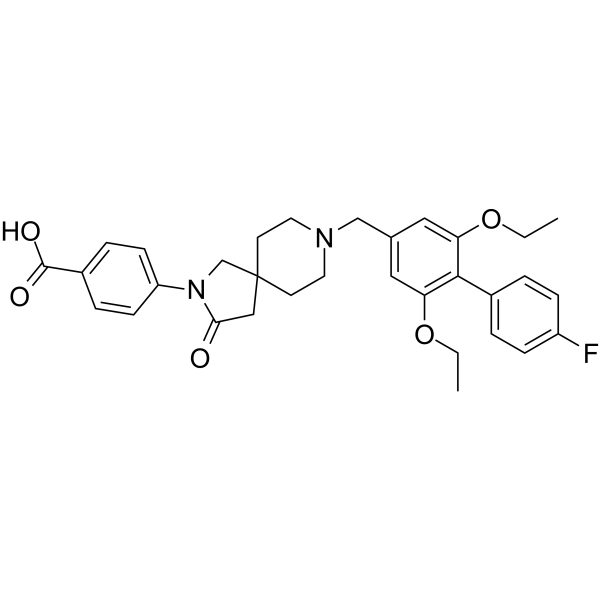
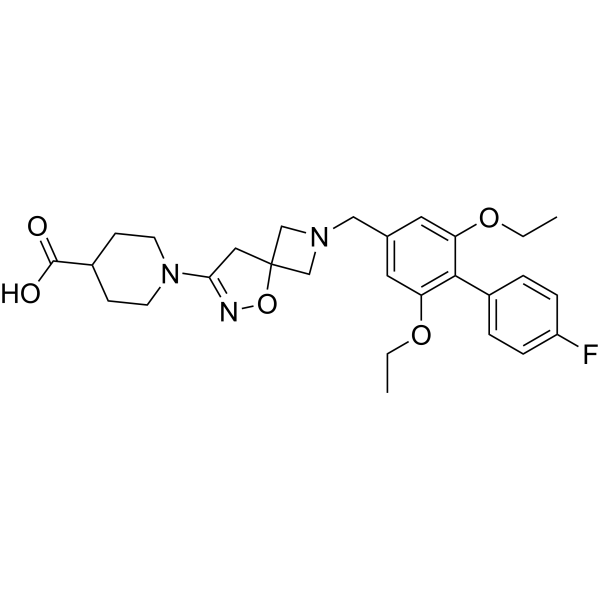
SSTR5 antagonist 2 (compound 10) is a highly potent, oral active and selective somatostatin (receptor) subtype 5 (SSTR5) antagonist and has potential for the research of treat type 2 diabetes mellitus (T2DM).
For research use only. We do not sell to patients.
- CAS No.: 1254730-81-8
- Formula: C32H35FN2O5
- Molecular Weight:546.63
-
Storage:
Please store the product under the recommended conditions in the Certificate of Analysis.

To place orders, for customer services and technical support, please contact: MedChemExpress USA
Tel: 609-228-6898 E-mail: [email protected] [email protected]


-
 Biological Activity
-
Chemical Information
- Protocols
- Purity & Documentation
- References
-
 Help & FAQs


-
HY-16381
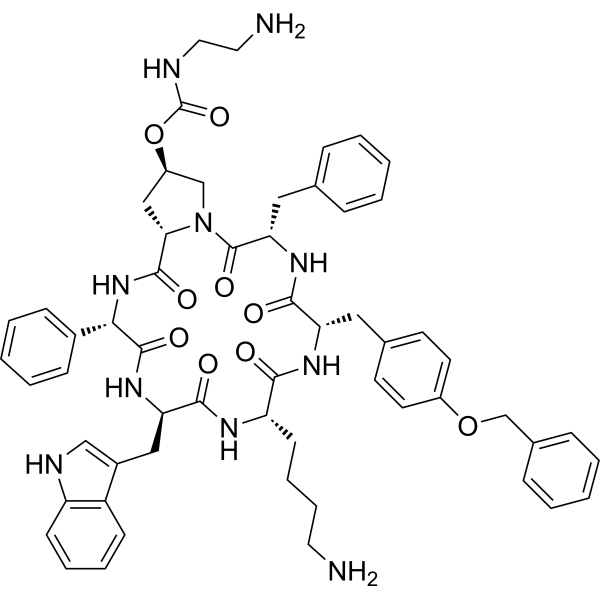
PasireotideSomatostatin Agonist -
HY-111615
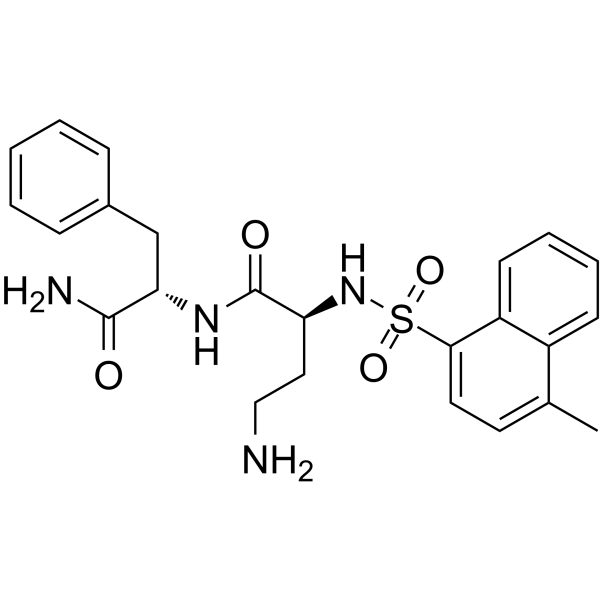
J-2156SST4 Receptor Agonist -
HY-P1202
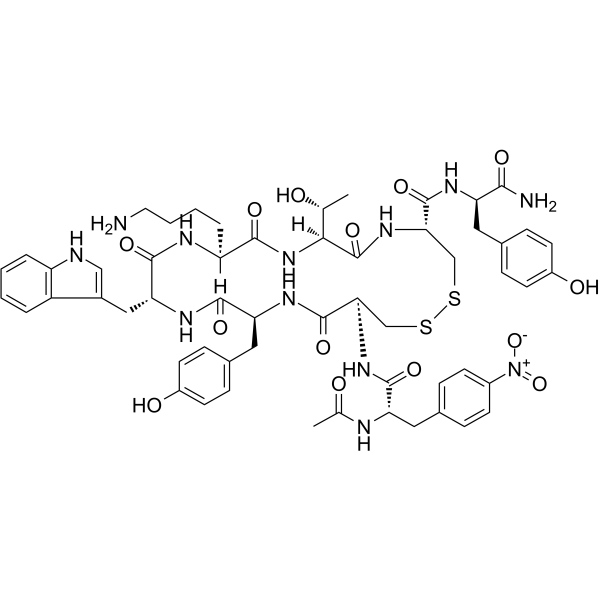
CYN 154806Somatostatin SST2 Receptor Antagonist -
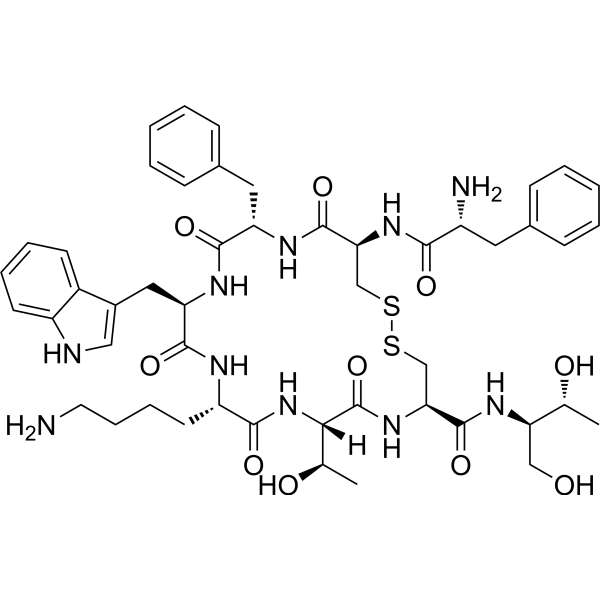
HY-P0036
OctreotideSomatostatin Receptor Agonist -
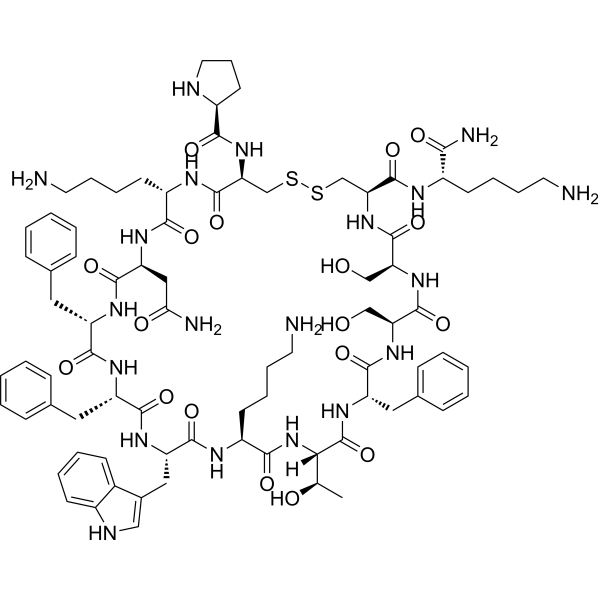
HY-P1932
Cortistatin-14Somatostatin Receptor Inhibitor -
HY-102037
SSTR5 antagonist 1SSTR5 Antagonist -
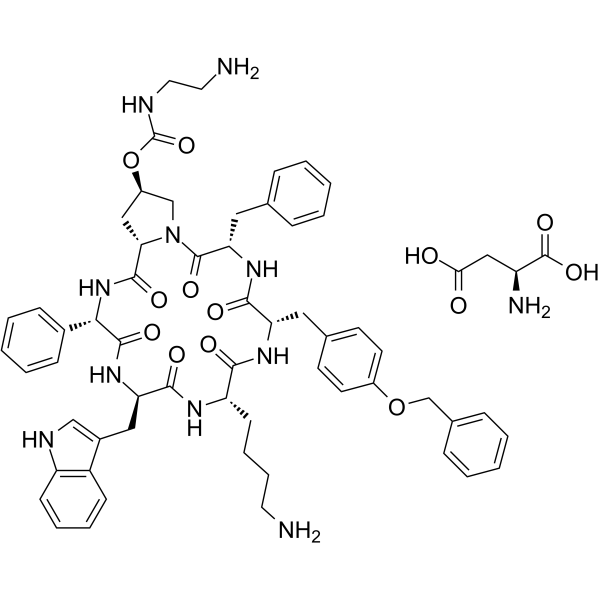
HY-79136
Pasireotide L-aspartate saltSomatostatin Agonist -
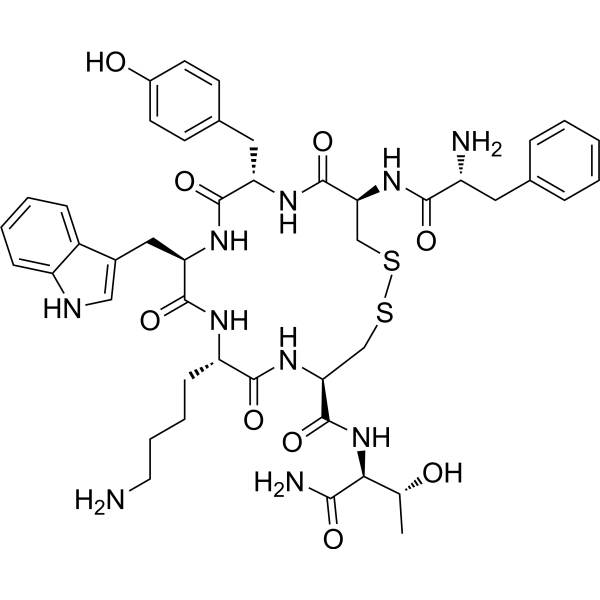
HY-105172
TT-232SSTR1/SSTR4 Agonist -
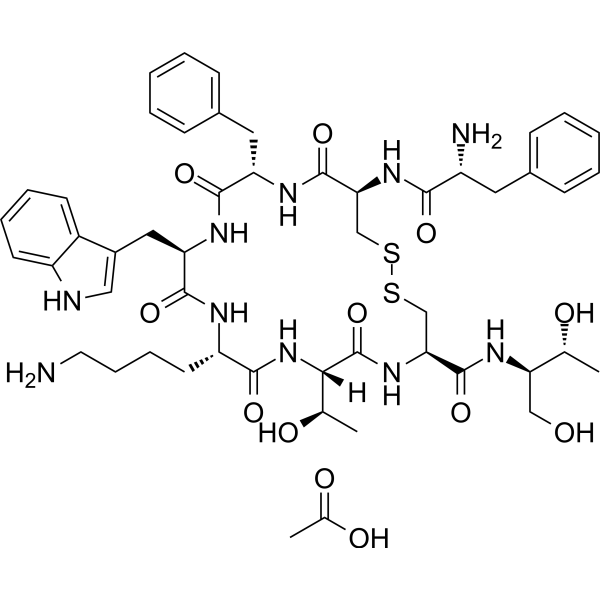
HY-17365
Octreotide acetateSomatostatin Receptor Agonist -
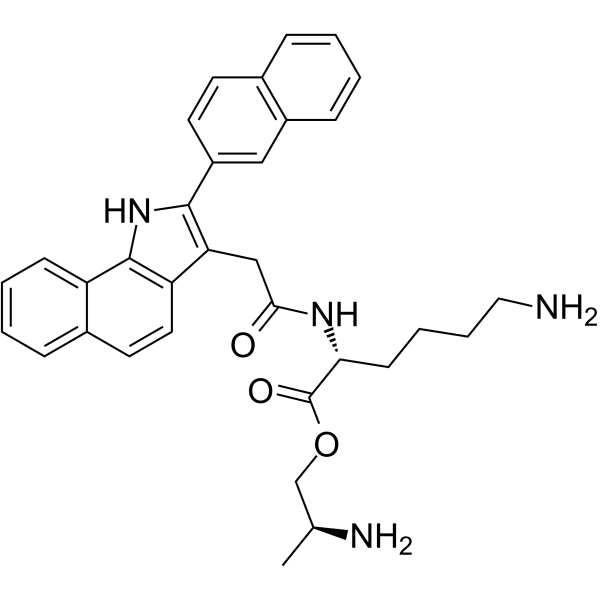
HY-108498
L-817818Somatostatin Receptor Agonist -
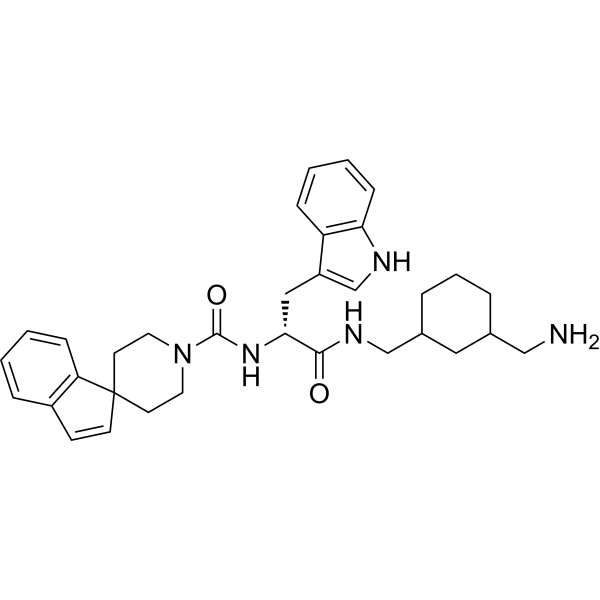
HY-108501
(1R,1'S,3'R/1R,1'R,3'S)-L-054,264sst2 Agonist -
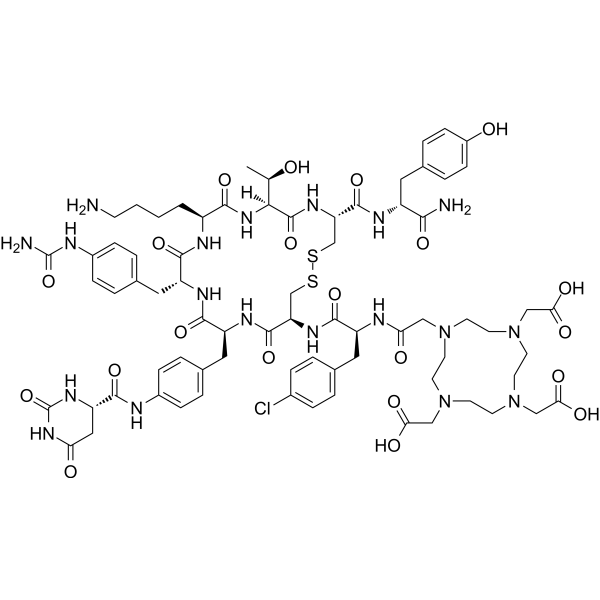
HY-P5128
DOTA-JR11Sstr2 Antagonist


Biological Activity
Description
IC50 & Target
SSTR5[1].
In Vivo
SSTR5 antagonist 2 increases pancreatic insulin secretion as well as total and active GLP1 release, and demonstrates synergistic effects in combination with DPP4 inhibitors[1].
MedChemExpress (MCE) has not independently confirmed the accuracy of these methods. They are for reference only.
-
Animal Model:Rodent diabetic model without risk of hypoglycemia[1].
-
Dosage:10 mg/kg.
-
Administration:Orally.
-
Result:Increased both total and active circulating incretin hormone GLP1 levels.


Chemical Information
-
CAS No. 1254730-81-8
-
Molecular Weight 546.63
-
Formula C32H35FN2O5
-
SMILES
FC(C=C1)=CC=C1C2=C(OCC)C=C(CN3CCC4(CN(C5=CC=C(C(O)=O)C=C5)C(C4)=O)CC3)C=C2OCC
-
Shipping
Room temperature in continental US; may vary elsewhere.
-
Storage
Please store the product under the recommended conditions in the Certificate of Analysis.

Protocols
-
Research Protocol for Metabolic Diseases
AMP-activated protein kinase, AMPK, is a conserved cellular energy sensor that responds to reduced cellular energy status and coordinates metabolism by increasing ATP-generating catabolic pathways while suppressing ATP-consuming anabolic processes. In metabolic disease research, the AMPK pathway is experimentally relevant because it regulates hepatic lipid synthesis, fatty acid oxidation, glucose production, skeletal-muscle glucose disposal, mTORC1-linked biosynthesis, autophagy, mitochondrial homeostasis, and whole-body energy balance. The central pathway logic is that energy stress, metformin, exercise-like stimulation, or direct AMPK activators increase AMPKα Thr172 phosphorylation and downstream substrate phosphorylation, including ACC and RAPTOR. Phosphorylation of ACC suppresses lipogenesis and supports fatty acid oxidation, whereas phosphorylation of RAPTOR suppresses mTORC1 signaling and links cellular energy status to growth and protein synthesis control. The pathway is linked


Purity & Documentation
References

Calculators
Concentration (start) × Volume (start) = Concentration (final) × Volume (final)


SSTR5 antagonist 2 Related Classifications
HY-114191 Related Classifications
 Powered by Bioz