



β-Cembrenediol

Based on 1 Customer Validation
β-Cembrenediol is a potent and orally active anticancer agent. β-Cembrenediol shows phytotoxic activities. β-Cembrenediol reduces the migration and colony formation. β-Cembrenediol decreases the protein expression of TDO2, IDO1. β-Cembrenediol has the potential for the research of prostate cancer.
For research use only. We do not sell to patients.
- Purity : 98.16%
- CAS No.: 57605-81-9
- Formula: C20H34O2
- Molecular Weight:306.48
-
Storage:Powder -20°C, 3 years ; In solvent -80°C, 6 months , -20°C, 1 month


To place orders, for customer services and technical support, please contact: MedChemExpress USA
Tel: 609-228-6898 E-mail: [email protected] [email protected]


-
 Biological Activity
-
Chemical Information
- Protocols
- Purity & Documentation
- References
-
 Help & FAQs


-
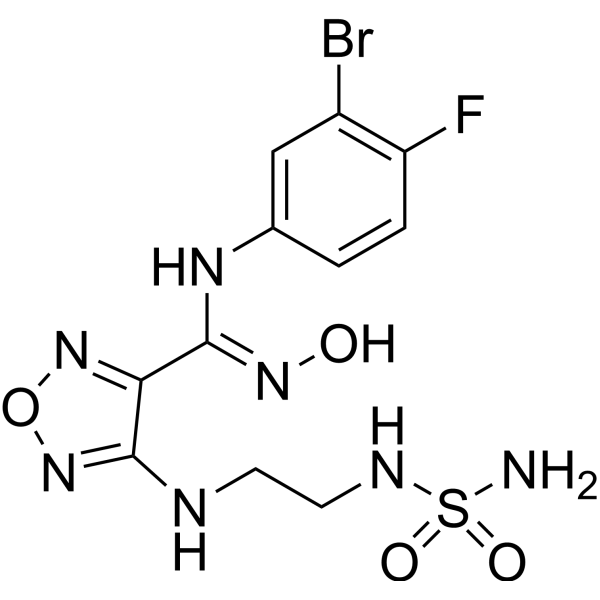
HY-15689
EpacadostatIDO1 Inhibitor -
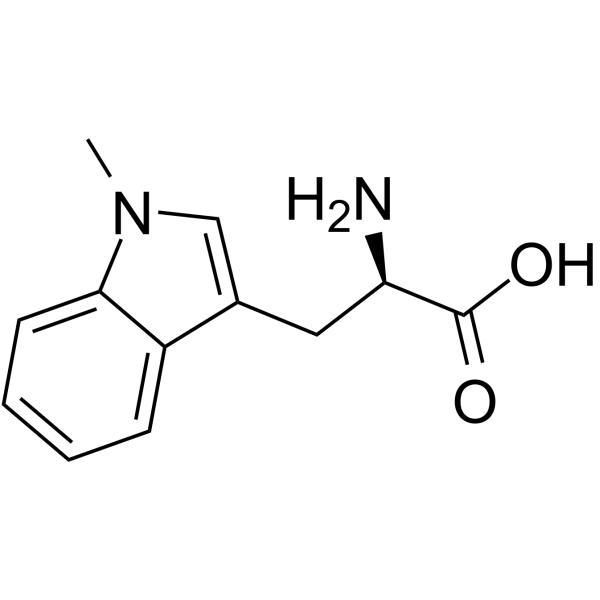
HY-16724
IndoximodIDO Inhibitor -
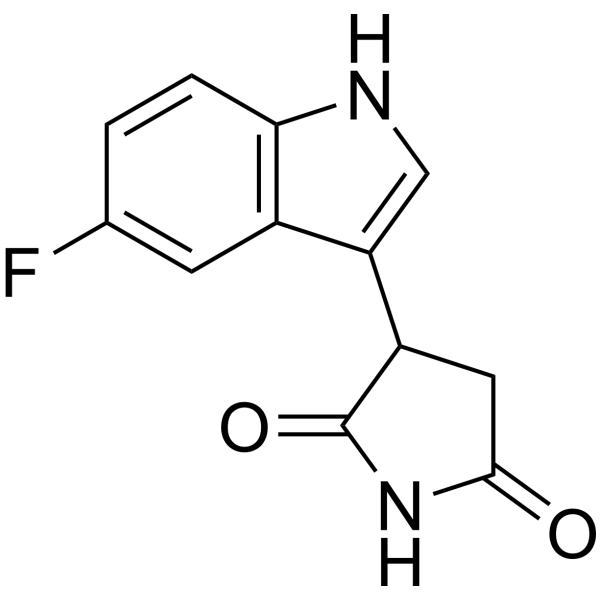
HY-101111
PF-06840003IDO-1 Inhibitor -
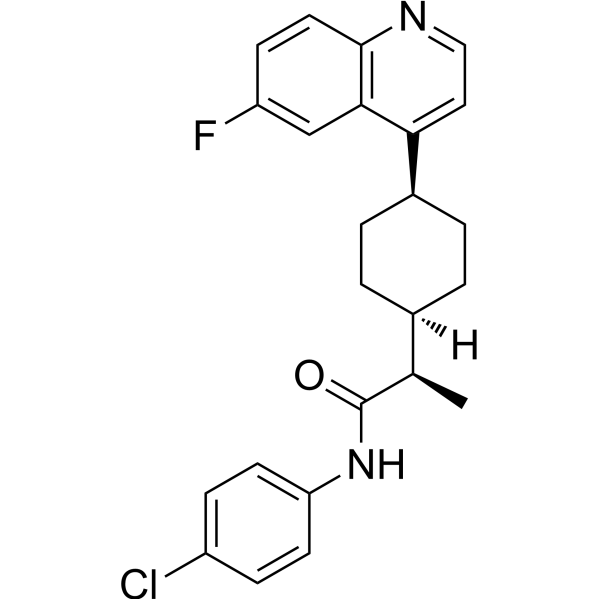
HY-101560
LinrodostatIDO1 Inhibitor -
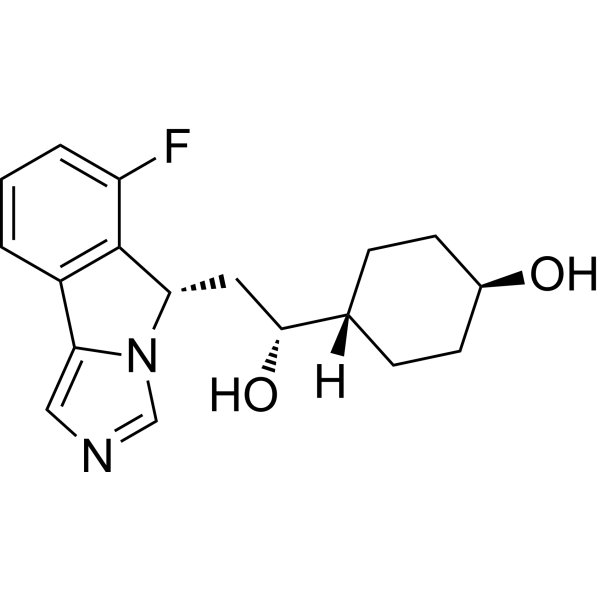
HY-18770B
NavoximodIDO Inhibitor -
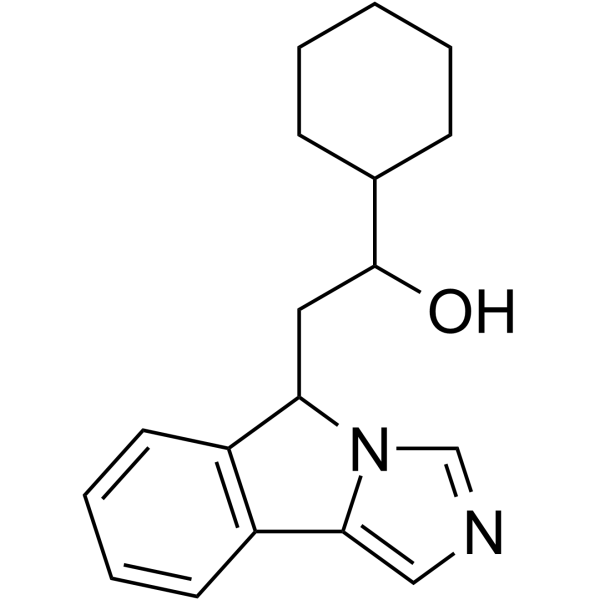
HY-13983
IDO-IN-7 -
HY-N0707
(S)-IndoximodIDO Inhibitor -

HY-15689R
Epacadostat (Standard)IDO1 Inhibitor -
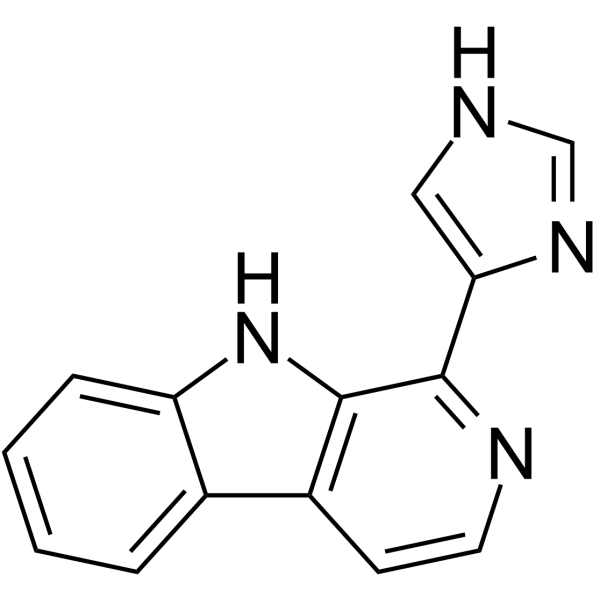
HY-151108
IDO1/TDO-IN-4IDO1/TDO Inhibitor -
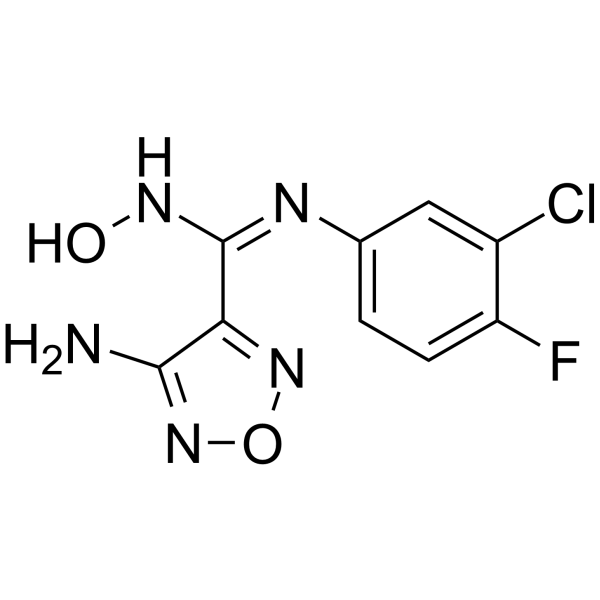
HY-15683
IDO5LIDO Inhibitor -
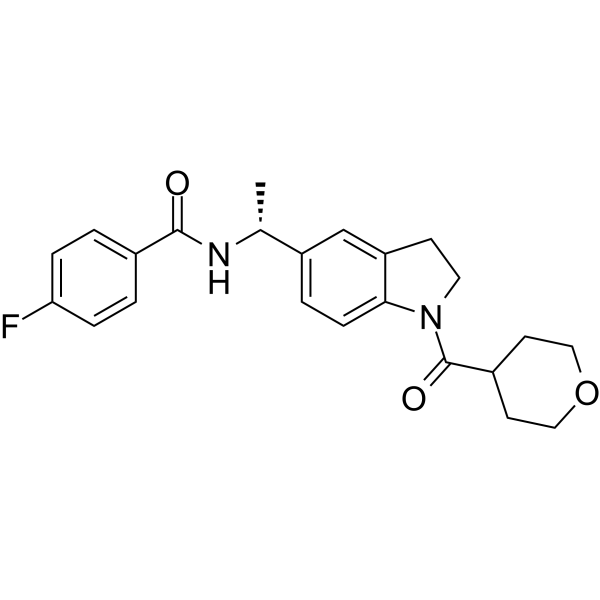
HY-111540
LY-3381916IDO1 Inhibitor -
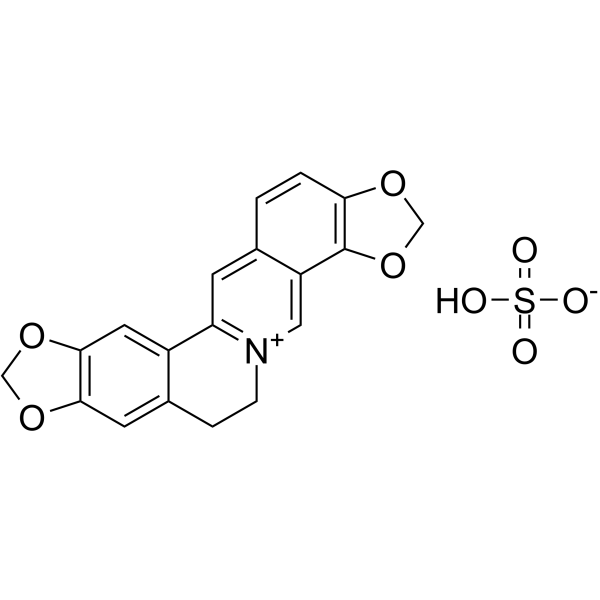
HY-N0430A
Coptisine SulfateIDO Inhibitor


Biological Activity
Description
In Vitro
β-Cembrenediol (25, 50, 100, 200 µg/mL) shows inhibition on lettuce seedling stem length and root length in a dose-dependent manner[1].
β-Cembrenediol (0, 0.2, 0.5, 1, 5, 10 µM) reduces the migration and colony formation in a dose-dependent manner[2].
β-Cembrenediol (5, 10, 20 µM; 48 h) decreases the protein expression of TDO2, IDO1 in a dose-dependent manner[2].
MedChemExpress (MCE) has not independently confirmed the accuracy of these methods. They are for reference only. Further protocols information, click here.
-
Cell Line:PC-3M cells
-
Concentration:5, 10, 20 µM
-
Incubation Time:48 h
-
Result:Decreased the protein expression of TDO2, IDO1 in a dose-dependent manner.
In Vivo
MedChemExpress (MCE) has not independently confirmed the accuracy of these methods. They are for reference only.
-
Animal Model:Male athymic nude mice (PC-3M PC cells)[2]
-
Dosage:15 mg/kg
-
Administration:P.o.; daily for 8 weeks
-
Result:Significantly suppressed the development, extended the latency, and delayed the onset of the locoregional PC-3M cell tumor recurrence, reduced mice plasma total prostate-specific antigen and plasma kynurenine level.


Chemical Information
-
CAS No. 57605-81-9
-
Appearance Solid
-
Molecular Weight 306.48
-
Formula C20H34O2
-
Color White to off-white
-
SMILES
O[C@]1(C)C[C@@H](O)/C=C(C)/CC/C=C(C)/CC[C@@H](C(C)C)/C=C/1
-
Structure Classification
-
Initial Source
-
Shipping
Room temperature in continental US; may vary elsewhere.
-
Storage
Powder -20°C 3 years In solvent -80°C 6 months -20°C 1 month

Protocols
-
RNA extraction experimental
By lysing cells, releasing RNA, and removing impurities such as proteins and DNA, high-purity RNA products are finally obtained. The commonly used traditional method is the guanidine isothiocyanate/phenol/chloroform method (Trizol), which is suitable for a variety of animal materials including animal tissues, microorganisms, cultured cells, etc., and most plant materials.
-
Western Blot
Western blotting (WB) is a commonly used experimental method in molecular biology, biochemistry, and immunogenetics for identifying and quantifying target proteins. It combines gel electrophoresis with immunoassay, enabling researchers to analyze protein expression, post-translational modifications, and molecular weight.
-
Cell migration
Cell migration is a method that plays an important role in wound healing, cell differentiation, embryonic development, etc.
-
Soft Agar Colony Formation Assay
Soft agar colony formation assay measures anchorage-independent growth, in which transformed or tumorigenic cells proliferate as colonies in a semisolid agar matrix while many non-transformed adherent cells fail to proliferate without attachment; classic studies showed that growth in semisolid medium correlates with tumorigenicity in nude mice, and later protocol papers describe the method as a stringent in vitro assay for malignant transformation. The readout is the number, size, morphology, or signal intensity of colonies formed within agar after incubation; published formats include manual colony counting after staining, 96-well or 384-well quantitative formats, DNA-binding dye detection, MTT/tetrazolium-based detection, digital image analysis, and PCR-based marker detection from soft agar cultures.
-
Colony Formation (Clonogenic) Assay
The clonogenic (colony formation) assay measures the ability of a single cell to retain reproductive viability and form a macroscopic colony, typically defined as a cluster derived from one progenitor cell after a defined growth period. This assay is widely used to evaluate cell survival after exposure to ionizing radiation or cytotoxic treatments and is considered a standard method in radiation biology for generating dose-response relationships of reproductive cell death. Colony formation reflects long-term proliferative capacity rather than short-term metabolic activity, and survival is quantified by comparing treated versus untreated conditions based on colony number and derived survival fractions.
-
Protocol For Protein Expression And Purification
Recombinant protein expression in Escherichia coli followed by purification of a His-tagged soluble protein by immobilized metal affinity chromatography (IMAC), with optional MBP fusion and TEV tag removal when the construct includes these elements. The biological readout is production of the encoded target protein, detected as an inducible band at the expected molecular mass by SDS-PAGE and quantified by total protein assay or chromatographic absorbance; the purification readout is enrichment of the target protein in elution fractions after selective binding of polyhistidine residues to immobilized Ni2+/metal-chelate resin and elution by imidazole-containing buffer. Expression is driven by an inducible bacterial expression system, commonly T7/lac-based, in which IPTG or lactose/auto-induction activates transcription and translation of the cloned gene; lower induction temperature, lower inducer concentration, induction timing, and solubility-enhancing fusion tags can influence the frac


Purity & Documentation
-
Data Sheet (276 KB)
-
SDS (252 KB)
- English - EN (252 KB)
- Français - FR (252 KB)
- Deutsch - DE (252 KB)
- Norwegian - NO (252 KB)
- Español - ES (252 KB)
- Swedish - SV (252 KB)
- Italian - IT (252 KB)
- Korean - KR (252 KB)
- Portuguese - PT (252 KB)
-
Handling Instructions (2659 KB)
References
[1]. Ren X, et al. Isolation, Identification, and Autotoxicity Effect of Allelochemicals from Rhizosphere Soils of Flue-Cured Tobacco. J Agric Food Chem. 2015 Oct 21;63(41):8975-80. [Content Brief]
[2]. Mudhish EA, et al. The Tobacco β-Cembrenediol: A Prostate Cancer Recurrence Suppressor Lead and Prospective Scaffold via Modulation of Indoleamine 2,3-Dioxygenase and Tryptophan Dioxygenase. Nutrients. 2022 Apr 4;14(7):1505. [Content Brief]

Calculators
Concentration (start) × Volume (start) = Concentration (final) × Volume (final)


β-Cembrenediol Related Classifications
HY-114319 Related Classifications
 Powered by Bioz