



1-Hydroxyphenazine

Based on 1 Customer Validation
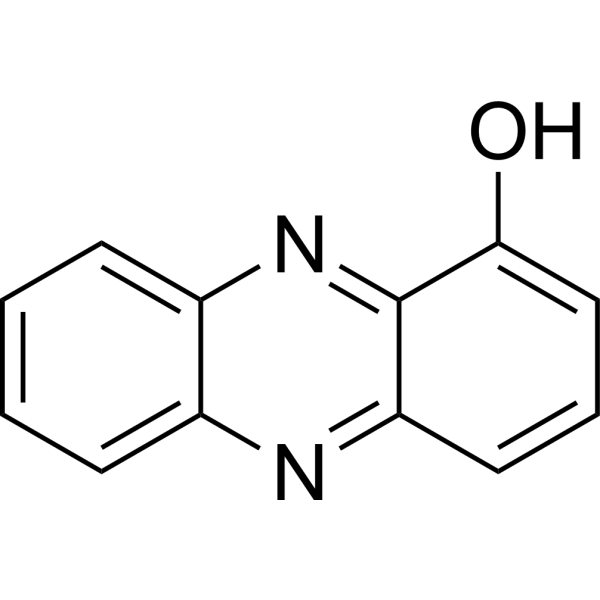
1-Hydroxyphenazine (Hemipyocyanine; 1-Phenazinol; Hemi-pyocyanin) is an inhibitor for α-Amylase with an IC50 of 3.1 μg/mL. 1-Hydroxyphenazine exhibits anticancer and anti-inflammatory activity against cells A549, 1321N1 and RAW264.7, antifungal and antibacterial activity against strains Candida albicans, Aspergillus fumigatus, Escherichia coli and Xanthomonas campestris.
For research use only. We do not sell to patients.
- Purity : 99.80%
- CAS No.: 528-71-2
- Formula: C12H8N2O
- Molecular Weight:196.20
-
Storage:
Store at room temperature, keep dry and cool.
In solvent -80°C, 1 year , -20°C, 6 months

To place orders, for customer services and technical support, please contact: MedChemExpress USA
Tel: 609-228-6898 E-mail: [email protected] [email protected]


-
 Biological Activity
-
Chemical Information
-
Solvent & Solubility
- Protocols
- Purity & Documentation
- References
-
 Help & FAQs


-
HY-111278
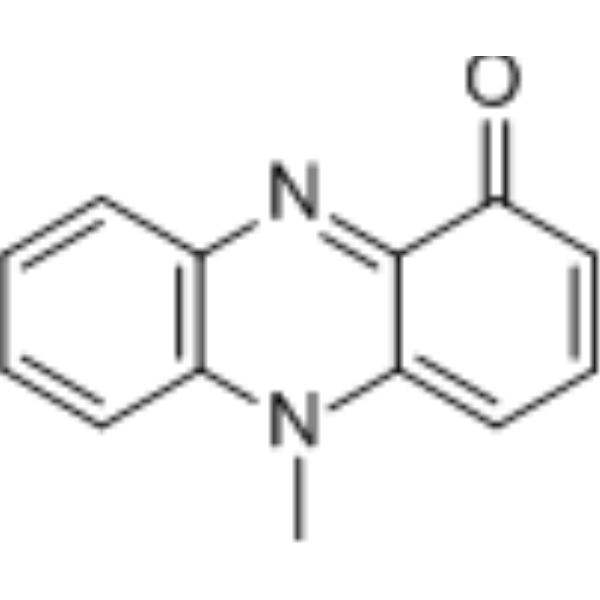
PyocyaninSecondary Metabolite -
HY-139324
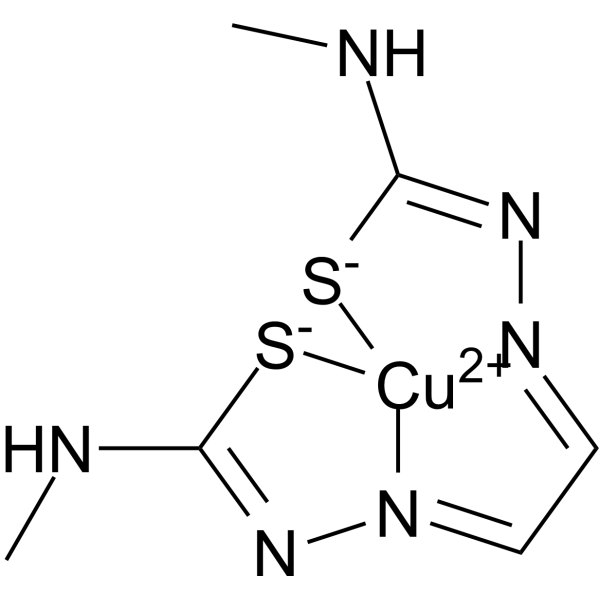
Cu(II)GTSMGSK3β/AβOs Inhibitor -
HY-122984
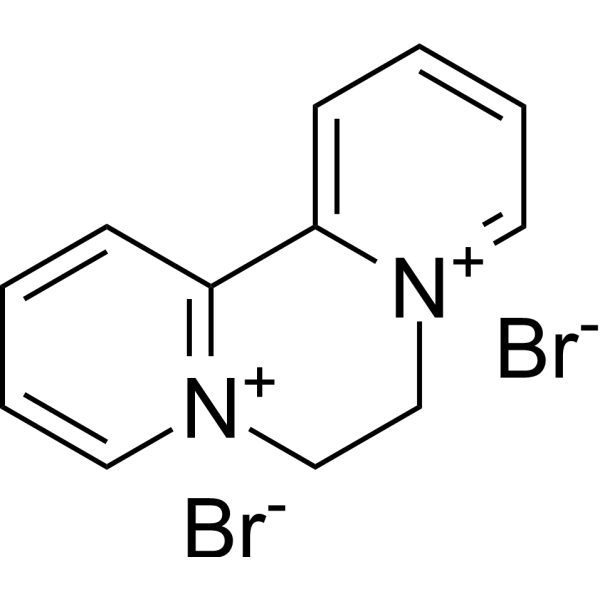
Diquat dibromideHerbicide -
HY-N0264
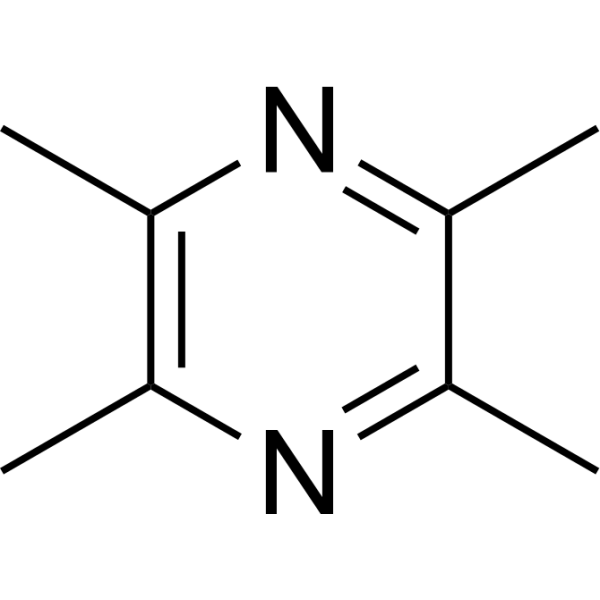
LigustrazineNeuroprotective Agent/Lipid Lowering Agent -
HY-B0271
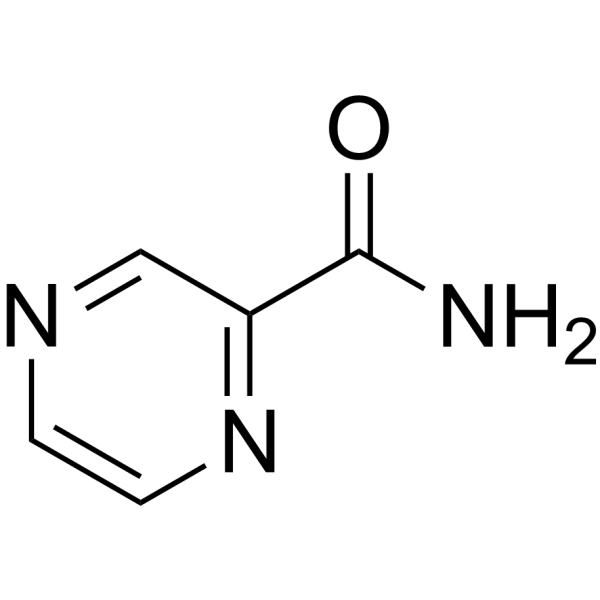
PyrazinamideAntitubercular Antibiotic -

HY-B0271R
Pyrazinamide (Standard)Antitubercular Antibiotic -

HY-W017141R
2-Isobutyl-3-methoxypyrazine (Standard)Standard of 2-Isobutyl-3-methoxypyrazine -
HY-59261
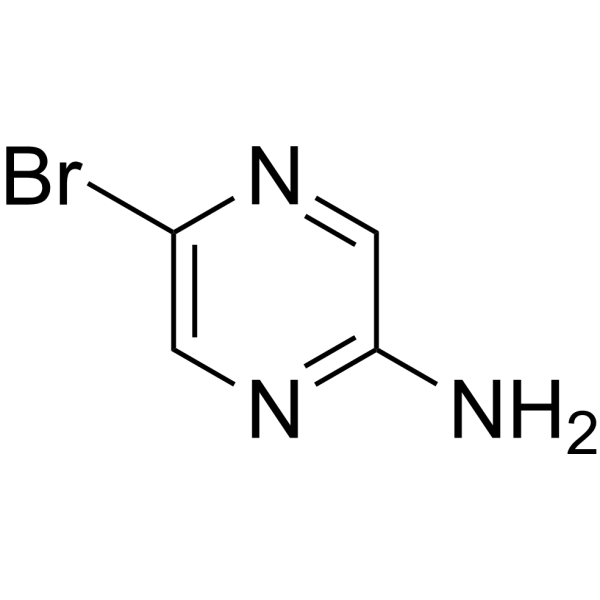
2-Amino-5-bromopyrazineOrganic Synthesis Intermediate -
HY-W017140
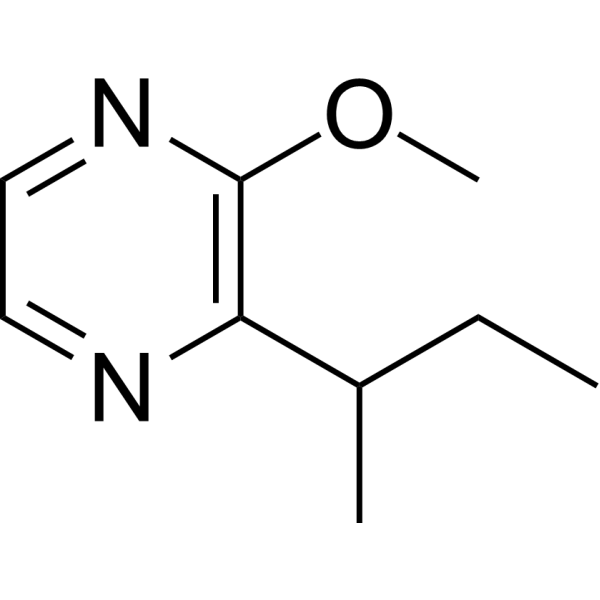
2-Sec-butyl-3-methoxypyrazineMethoxypyrazine -

HY-W037819
6-MethylpterinDerivative of B Vitamin Folic acid -
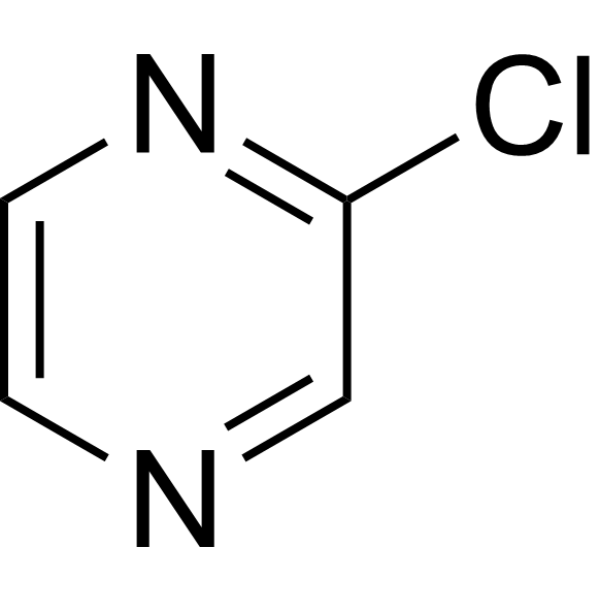
HY-Y0109
ChloropyrazinePyrazine Compound -
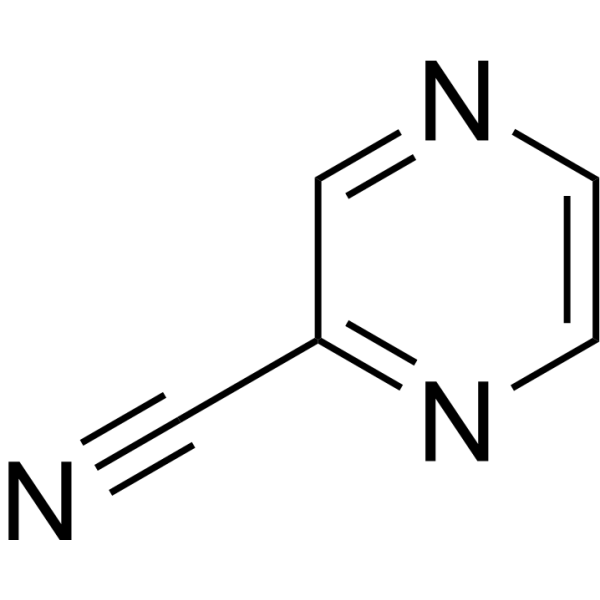
HY-Y0131
Pyrazine-2-carbonitrileAlbumin Binder, Gold Nanoparticle Binder


Biological Activity
Description
In Vitro
1-Hydroxyphenazine (0.1-100 μM) inhibits proliferation against brain astrocytoma 1321N1 cells through formation of acidic vesicular organelle, which is a hallmark of cell autophagy, exhibits potential toxicity in central nervous system (CNS)[2].
Hydroxyphenazine (0-10 μg/mL) inhibits secretion of TNF-α and M1 cell polarization, inhibits LPS induced inflammation in RAW264.7 cells without significant toxicity[3].
MedChemExpress (MCE) has not independently confirmed the accuracy of these methods. They are for reference only. Further protocols information, click here.
-
Cell Line:RAW264.7
-
Concentration:0-10 μg/mL
-
Incubation Time:24 h
-
Result:Inhibited proliferation of RAW264.7 in a dose-dependent maner.
-
Cell Line:RAW264.7
-
Concentration:0-10 μg/mL
-
Incubation Time:24 h
-
Result:Decreased levels of TNF-α, IL-1β and IL-6 mRNA expressions.


Chemical Information
-
CAS No. 528-71-2
-
Appearance Solid
-
Molecular Weight 196.20
-
Formula C12H8N2O
-
Color Yellow to orange
-
SMILES
OC1=CC=CC2=NC3=CC=CC=C3N=C21
-
Synonyms
Hemipyocyanine; 1-Phenazinol; Hemi-pyocyanin
-
Shipping
Room temperature in continental US; may vary elsewhere.
-
Storage
Store at room temperature, keep dry and cool
In solvent -80°C 1 year -20°C 6 months


Solvent & Solubility
In Vitro:
DMSO : 100 mg/mL (509.68 mM; Need ultrasonic; Hygroscopic DMSO has a significant impact on the solubility of product, please use newly opened DMSO)
Please refer to the solubility information to select the appropriate solvent. Once prepared, please aliquot and store the solution to prevent product inactivation from repeated freeze-thaw cycles.
Storage method and period of stock solution: -80°C, 1 year; -20°C, 6 months. When stored at -80°C, please use it within 1 year. When stored at -20°C, please use it within 6 months.
Please refer to the solubility information to select the appropriate solvent. Once prepared, please aliquot and store the solution to prevent product inactivation from repeated freeze-thaw cycles.
Storage method and period of stock solution: -80°C, 1 year; -20°C, 6 months. When stored at -80°C, please use it within 1 year. When stored at -20°C, please use it within 6 months.
Concentration (start) × Volume (start) = Concentration (final) × Volume (final)

Protocols
-
Research Protocol for Infectious Diseases
Infectious-disease experiments test how pathogens interact with host barriers, innate immune receptors, inflammatory signaling, pathogen replication, and tissue injury; pattern-recognition receptors such as TLRs, RIG-I-like receptors, NOD-like receptors, and inflammasomes detect microbial molecules and activate NF-κB, interferon, and cytokine responses. The central hypothesis is that infection severity reflects the balance between pathogen burden and host response: protective inflammation restricts pathogen growth, whereas excessive or mislocalized inflammation contributes to tissue damage and disease phenotype. Unresolved questions include which host pathways are protective versus pathogenic, why some infection models fail to translate to human disease, and which combined readouts best predict clinically relevant infection outcomes.
-
Cell Cytotoxicity Assay
Cytotoxicity assays are usually based on the assessment of cell membrane damage, which can also be indirectly detected by measuring cell viability. Detection methods include MTT assay, CKK-8 assay, LDH assay and ATP assay, etc.
-
Cotton Pellet Granuloma
Cotton pellet granuloma is a classical in vivo chronic inflammation model used to evaluate the anti-inflammatory potential of test substances by measuring their ability to inhibit granuloma tissue formation around an implanted foreign body (cotton pellet) in rodents. The method is based on the biological response to a sterile implanted material, which induces proliferative phase inflammation characterized by fibroblast proliferation and collagen-rich granuloma formation, and the final readout reflects the extent of chronic inflammatory tissue growth surrounding the pellet. In multiple preclinical pharmacological evaluations, inhibition of cotton pellet-induced granuloma formation has been used as an indicator of anti-inflammatory activity in both synthetic and natural product screening contexts.
-
Carrageenan-Induced Paw Edema
Carrageenan-induced paw edema is an acute inflammation model in which intraplantar injection of carrageenan induces localized inflammatory swelling characterized by vascular permeability, leukocyte infiltration, and production of inflammatory mediators such as prostaglandins and cytokines, making it widely used to evaluate anti-inflammatory agents in vivo. The resulting paw volume or thickness increase is quantified over time as a direct readout of inflammatory intensity and drug efficacy, typically reflecting cyclooxygenase-mediated prostaglandin-driven edema formation and immune cell recruitment in peripheral tissue[20].
-
Research Protocol for Inflammation-related Diseases
The NLRP3 inflammasome is a cytosolic innate immune signaling platform that integrates priming signals and danger-signal activation to promote caspase-1 activation, maturation of IL-1β and IL-18, and gasdermin D-mediated pyroptotic cell death. The core experimental logic is to determine whether inflammatory disease phenotypes are driven by increased NLRP3 expression, ASC-containing inflammasome assembly, caspase-1 cleavage, GSDMD cleavage, and extracellular release of IL-1β/IL-18 rather than by nonspecific cell injury alone. The pathway is strongly linked to inflammation-related disease phenotypes because monosodium urate crystals activate NALP3/NLRP3 inflammasome signaling in gout-like crystal inflammation, cholesterol crystals activate NLRP3 inflammasomes in atherogenesis models, and DSS-induced intestinal inflammation has been reported to involve NLRP3 inflammasome activity. However, experimental colitis studies also show context-dependent protective effects of NLRP3 inflammasome co
-
Bacterial live/dead nucleic-acid viability staining
The LIVE/DEAD bacterial viability staining method is based on differential permeability of nucleic-acid-binding fluorescent dyes, most commonly SYTO 9 and propidium iodide (PI), which enables discrimination of bacterial populations with intact versus compromised cytoplasmic membranes. SYTO 9 penetrates both intact and damaged bacterial membranes and binds nucleic acids to produce green fluorescence, whereas propidium iodide penetrates only cells with compromised membranes and fluoresces red while also reducing SYTO 9 signal through competitive binding and fluorescence interactions. The resulting fluorescence pattern is interpreted as a proxy for membrane integrity, which is widely used as an indicator of bacterial viability in microscopy, flow cytometry, and spectroscopic platforms. However, mechanistic studies show that SYTO 9 and PI interactions involve displacement and fluorescence resonance energy transfer effects, which can influence signal interpretation depending on dye ratios a


Purity & Documentation
-
Data Sheet (278 KB)
-
SDS (393 KB)
- English - EN (393 KB)
- Français - FR (393 KB)
- Deutsch - DE (393 KB)
- Norwegian - NO (393 KB)
- Español - ES (393 KB)
- Swedish - SV (393 KB)
- Italian - IT (393 KB)
- Korean - KR (393 KB)
- Portuguese - PT (393 KB)
-
Handling Instructions (2659 KB)
References
[1]. Nguyen TH, et al., Novel α-Amylase Inhibitor Hemi-Pyocyanin Produced by Microbial Conversion of Chitinous Discards. Mar Drugs. 2022 Apr 23;20(5):283. [Content Brief]
[2]. McFarland AJ, et al., Inhibition of autophagy by 3-methyladenine protects 1321N1 astrocytoma cells against pyocyanin- and 1-hydroxyphenazine-induced toxicity. Arch Toxicol. 2012 Feb;86(2):275-84 [Content Brief]
[3]. Xiao J, et al., Anti-Inflammatory Effects of an Extract from Pseudomonas aeruginosa and Its Purified Product 1-Hydroxyphenazine on RAW264.7 Cells. Curr Microbiol. 2021 Jul;78(7):2762-2773. [Content Brief]
[4]. Prabhu MS, et al., Purification and molecular and biological characterisation of the 1-hydroxyphenazine, produced by an environmental strain of Pseudomonas aeruginosa. World J Microbiol Biotechnol. 2014 Dec;30(12):3091-9. [Content Brief]
[5]. Kerr JR, et al., Pseudomonas aeruginosa pyocyanin and 1-hydroxyphenazine inhibit fungal growth. J Clin Pathol. 1999 May;52(5):385-7. [Content Brief]


Complete Stock Solution Preparation Table
Please refer to the solubility information to select the appropriate solvent. Once prepared, please aliquot and store the solution to prevent product inactivation from repeated freeze-thaw cycles.
Storage method and period of stock solution: -80°C, 1 year; -20°C, 6 months. When stored at -80°C, please use it within 1 year. When stored at -20°C, please use it within 6 months.
| Optional Solvent | Concentration Solvent Mass | 1 mg | 5 mg | 10 mg | 25 mg |
|---|---|---|---|---|---|
| DMSO | 1 mM | 5.0968 mL | 25.4842 mL | 50.9684 mL | 127.4210 mL |
| 5 mM | 1.0194 mL | 5.0968 mL | 10.1937 mL | 25.4842 mL | |
| 10 mM | 0.5097 mL | 2.5484 mL | 5.0968 mL | 12.7421 mL | |
| 15 mM | 0.3398 mL | 1.6989 mL | 3.3979 mL | 8.4947 mL | |
| 20 mM | 0.2548 mL | 1.2742 mL | 2.5484 mL | 6.3711 mL | |
| 25 mM | 0.2039 mL | 1.0194 mL | 2.0387 mL | 5.0968 mL | |
| 30 mM | 0.1699 mL | 0.8495 mL | 1.6989 mL | 4.2474 mL | |
| 40 mM | 0.1274 mL | 0.6371 mL | 1.2742 mL | 3.1855 mL | |
| 50 mM | 0.1019 mL | 0.5097 mL | 1.0194 mL | 2.5484 mL | |
| 60 mM | 0.0849 mL | 0.4247 mL | 0.8495 mL | 2.1237 mL | |
| 80 mM | 0.0637 mL | 0.3186 mL | 0.6371 mL | 1.5928 mL | |
| 100 mM | 0.0510 mL | 0.2548 mL | 0.5097 mL | 1.2742 mL |


1-Hydroxyphenazine Related Classifications
HY-W068682 Related Classifications
 Powered by Bioz