



2-Naphthaldehyde (Standard)
2-Naphthaldehyde (Standard) is the analytical standard of 2-Naphthaldehyde (HY-Y0075). This product is intended for research and analytical applications. 2-Naphthaldehyde is a naphthalene-based bi-aromatic aldehyde compound. 2-Naphthaldehyde scavenges DPPH and ABTS+ free radicals, and exerts reductive effects by donating hydrogen atoms to terminate free radical chain reactions. 2-Naphthaldehyde inhibits the growth and proliferation of colon cancer cells. 2-Naphthaldehyde serves as a substrate for NAD+-dependent salicylaldehyde dehydrogenase from Pseudomonas strain C6 and is catalytically oxidized to 2-naphthoic acid. 2-Naphthaldehyde acts as a precursor material for the chemical synthesis of antioxidant Schiff bases.
Nur für Forschungszwecke. Wir verkaufen nicht an Patienten.
- Reinheit : 95%
- CAS. Nr.: 66-99-9
- Formel: C11H8O
- Molecular Weight:156.18
-
Speicherung:
Please store the product under the recommended conditions in the Certificate of Analysis.


To place orders, for customer services and technical support, please contact: MedChemExpress USA
Tel: 609-228-6898 E-mail: [email protected] [email protected]


-
 Product Information
-
Chemical Information
- Reinheit & Dokumentation
-
 Help & FAQs


-

HY-Y0075
2-NaphthaldehydeBiochemical Assay Reagents -
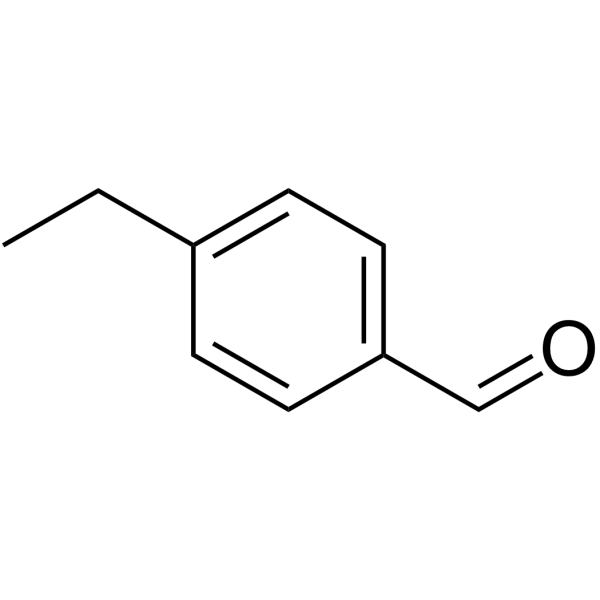
HY-W012657
4-EthylbenzaldehydeAnti-parasitic Agent -
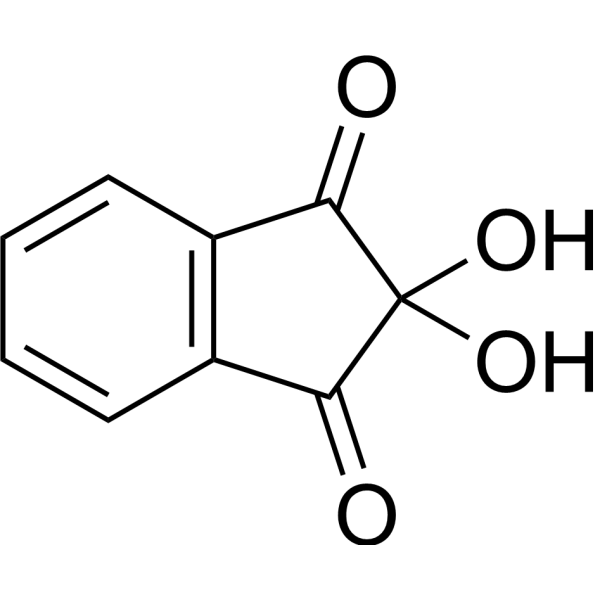
HY-D0908
NinhydrinChromogenic Probe -
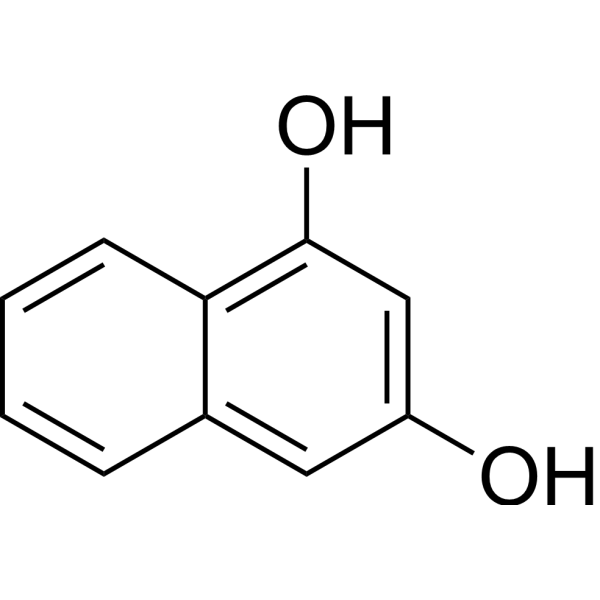
HY-D0165
NaphthoresorcinolDye -
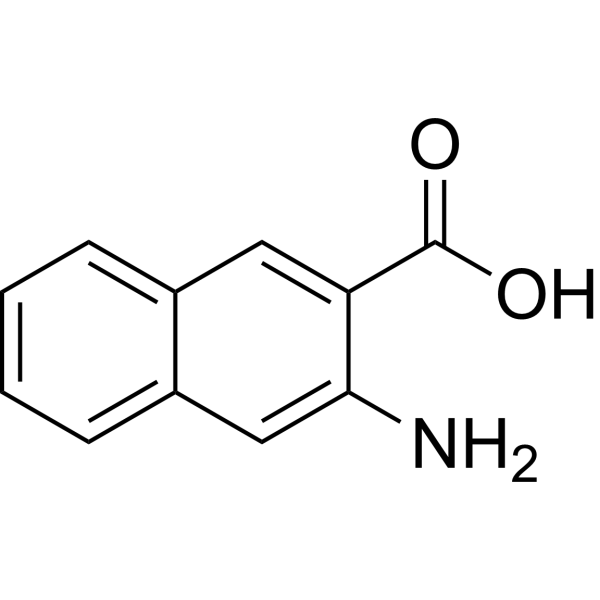
HY-W005148
3-Amino-2-naphthoic acidBiochemical Reagent -

HY-W017588
N-(2-Hydroxyethyl)maleimideMaleimide-Based Spacer -
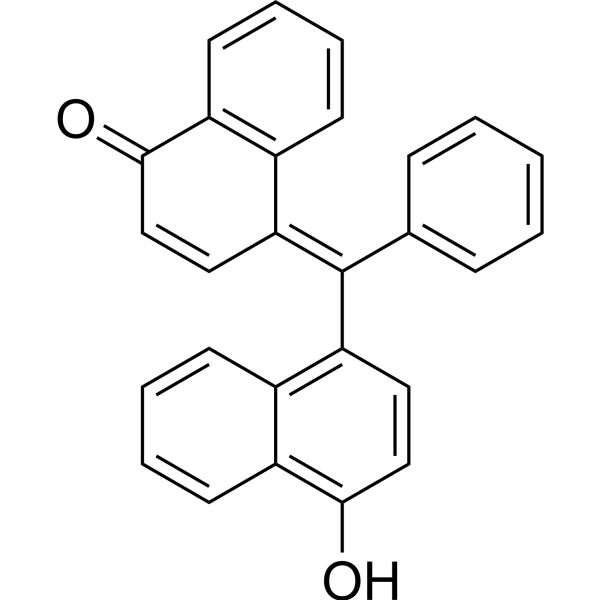
HY-125457
α-NaphtholbenzeinPH Indicator -
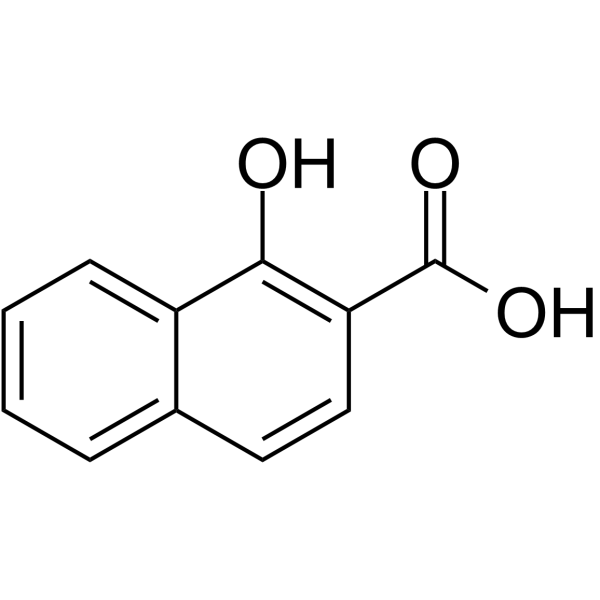
HY-W016103
1-Hydroxy-2-naphthoic acidBiochemical intermediate -

HY-W012657R
4-Ethylbenzaldehyde (Standard)Standard of 4-Ethylbenzaldehyde -

HY-W016187
2-(Naphthalen-2-yl)acetic acidPlant Growth Regulator -
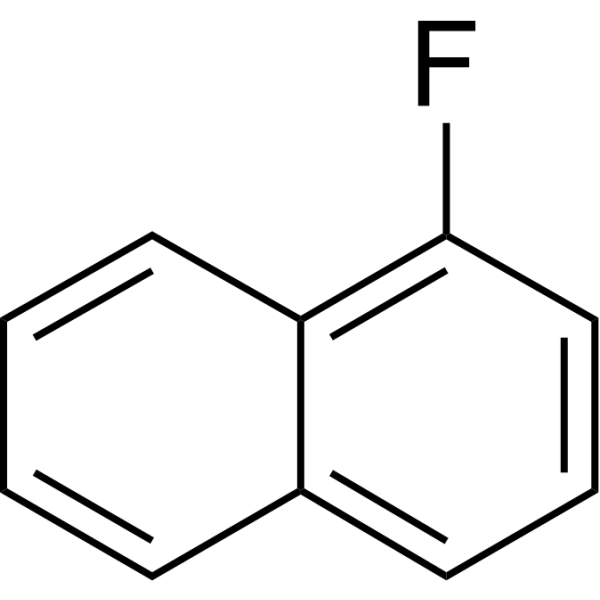
HY-32126
1-FluoronaphthaleneOrganofluorine Compound -
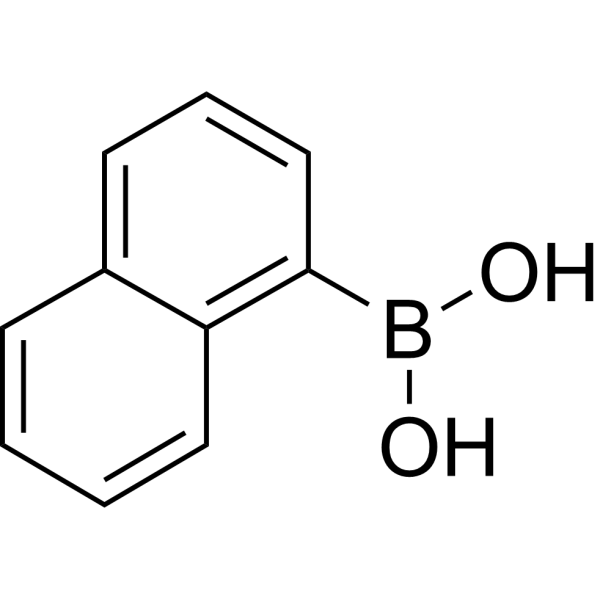
HY-78494
1-Naphthaleneboronic acidBiochemical Reagent


Product Information
Information
Anwendung
The compound is the grade of analytical standard, which is the reference standard supplied assay. It is commonly used in qualitative, quantitative and methodological research experiments in HPLC, GC and MS.


Chemical Information
-
CAS. Nr. 66-99-9
-
Molecular Weight 156.18
-
Formel C11H8O
-
SMILES
O=CC1=CC2=C(C=CC=C2)C=C1
-
Versand
Room temperature in continental US; may vary elsewhere.
-
Speicherung
Please store the product under the recommended conditions in the Certificate of Analysis.


Reinheit & Dokumentation
Verweise
[2]. Singh R, et al. Purification and characterization of NAD+ -dependent salicylaldehyde dehydrogenase from carbaryl-degrading Pseudomonas sp. strain C6. Applied biochemistry and biotechnology. 2014 Jan;172(2):806-19. [Content Brief]
[3]. Oladipo SD, et al. Antidiabetes and antioxidant potential of Schiff bases derived from 2-naphthaldehye and substituted aromatic amines: Synthesis, crystal structure, Hirshfeld surface analysis, computational, and studies. Heliyon. 2024 Jan 15;10(1):e23174. [Content Brief]

Calculators
Konzentration (Stammlösung) × Volumen (Stammlösung) = Konzentration (Ziellösung) × Volumen (Ziellösung)


2-Naphthaldehyde (Standard) Related Classifications
HY-Y0075R Related Classifications
 Powered by Bioz
Keywords