



Serenoa repens
-
Serenoa repens (5)

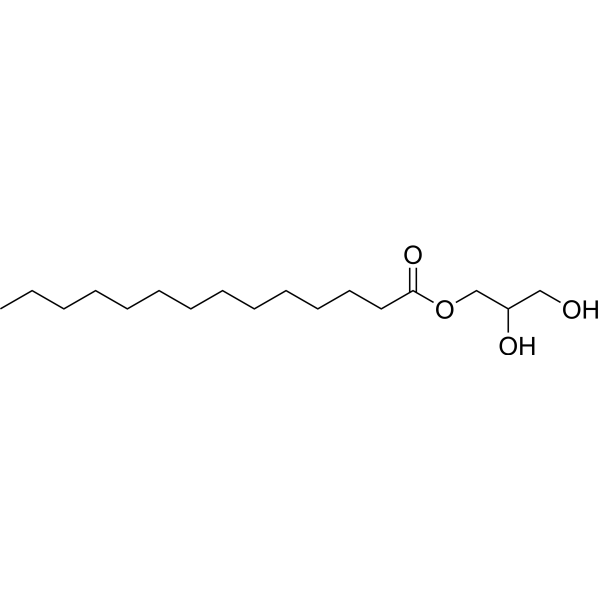
- Formula: C17H34O4
- Molecular Weight: 302.45
1-Monomyristin acts as an insecticide, enzyme inhibitor, antibacterial and antifungal agent, with an IC50 of 18 μM against rat FAAH and an IC50 of 32 μM against rat MAGL. 1-Monomyristin inhibits 2-oleoylglycerol hydrolysis via MAGL. 1-Monomyristin suppresses the growth of Staphylococcus aureus, Aggregatibacter actinomycetemcomitans and Candida albicans. 1-Monomyristin is lethal to brine shrimp. 1-Monomyristin exhibits marginal cytotoxicity against prostate cancer cells. 1-Monomyristin is applicable to research related to bacterial infections, fungal infections, renal cancer, prostate adenocarcinoma and pancreatic cancer.

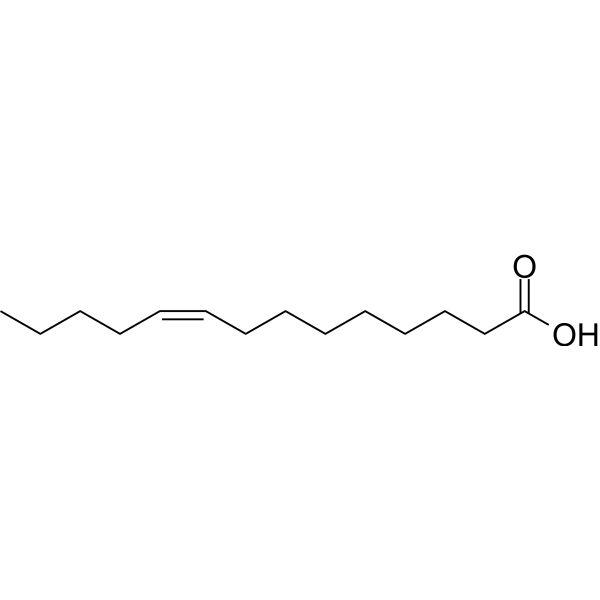
- Formula: C14H26O2
- Molecular Weight: 226.36


- Formula: C17H34O4
- Molecular Weight: 302.45
1-Monomyristin, extracted from Serenoa repens, inhibits the hydrolysis of 2-oleoylglycerol (IC50=32 μM) and fatty acid amide hydrolase (FAAH) activity (IC50=18 μM). 1-Monomyristin shows antibacterial activity against Staphylococcus aureus and Aggregatibacter actinomycetemcomitans and also antifungal activity against Candida albicans.



