



Apoptosis
Apoptosis
Apoptosis is a distinctive form of cell death exhibiting specific morphological and biochemical characteristics, including cell membrane blebbing, chromatin condensation, genomic DNA fragmentation, and exposure of specific phagocytosis signaling molecules on the cell surface. Cells undergoing apoptosis differ from those dying through necrosis. Necrotic cells are usually recognized by the immune system as a danger signal and, thus, resulting in inflammation; in contrast, apoptotic death is quiet and orderly.
There are two major pathways of apoptotic cell death induction: The intrinsic pathway, also called the Bcl-2-regulated or mitochondrial pathway, is activated by various developmental cues or cytotoxic insults, such as viral infection, DNA damage and growth-factor deprivation, and is strictly controlled by the BCL-2 family of proteins. The extrinsic or death-receptor pathway is triggered by ligation of death receptors (members of the tumor necrosis factor (TNF) receptor family, such as Fas or TNF receptor-1 (TNFR1)) that contain an intracellular death domain, which can recruit and activate caspase-8 through the adaptor protein Fas-associated death domain (FADD; also known as MORT1) at the cell surface. This recruitment causes subsequent activation of downstream (effector) caspases, such as caspase-3, -6 or -7, without any involvement of the BCL-2 family.
Studies suggest that alterations in cell survival contribute to the pathogenesis of a number of human diseases, including cancer, viral infections, autoimmune diseases, neurodegenerative disorders, and AIDS (acquired immunodeficiency syndrome). Treatments designed to specifically alter the apoptotic threshold may have the potential to change the natural progression of some of these diseases.
All Product Categories
-
Apoptosis Inhibitors
(866)
View all products
-
Apoptosis Agonists
(7)
View all products
-
Apoptosis Antagonists
(9)
View all products
-
Apoptosis Activators
(355)
View all products
-
Apoptosis Modulators
(57)
View all products
-
Apoptosis Inducers
(7663)
View all products
-
Apoptosis Degrader
(1)
View all products
-
Apoptosis Controls
(33)
View all products
-
Apoptosis Related Products (9532)
Related Products (9532)

-
Antibodies (120)
-
PMMB276
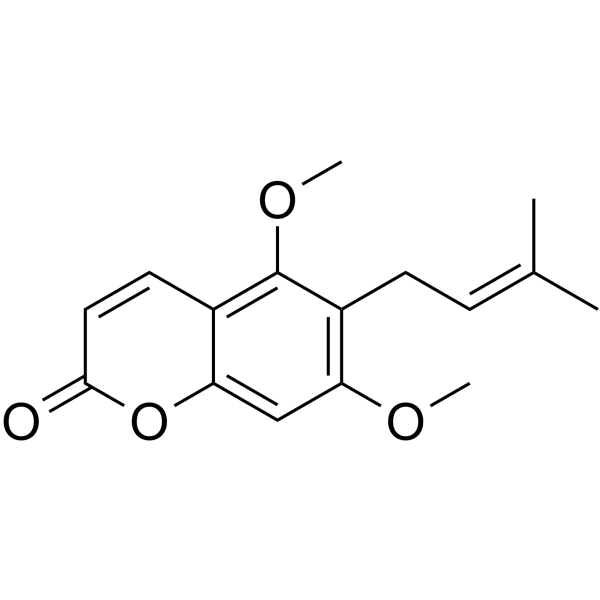
 0 ImagesPMMB276, a Shikonin (HY-N0822) derivative, is a potent Tubb3 inhibitor. PMMB276 inhibits microtubule polymerization, induces G2/M cell cycle arrest and apoptosis in TNBC cells through the Cdc20/AKT2/Bcl-2 signaling axis. PMMB276 suppresses MDA-MB-231 tumor growth in mice without causing significant toxicity. PMMB276 can be used for the study of triple-negative breast cancer (TNBC).
-
Glycocholic acid hydrate
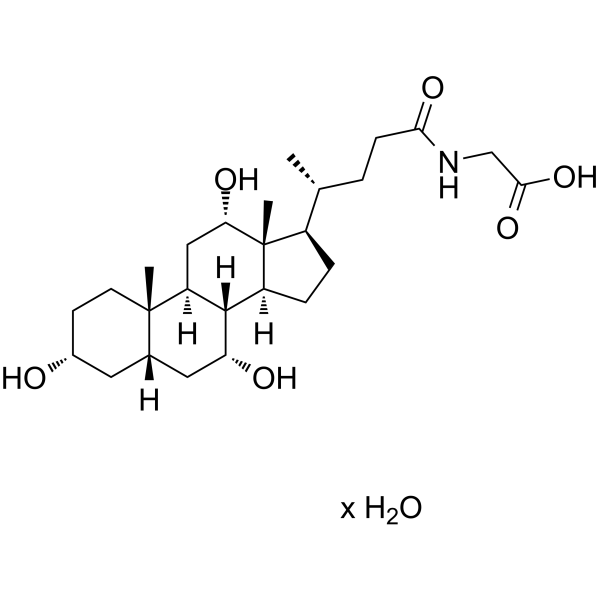 0 ImagesGlycocholic acid hydrate is a bile acid derivative. Glycocholic acid hydrate downregulates MDR1, Bcl-2, MRP1, MRP2 and FXR, upregulates Bax, p53, caspase-9, caspase-3, TGR5 and S1PR2. Glycocholic acid hydrate inhibits multidrug resistance and efflux pumps, induces mitochondrial apoptosis, and enhances chemosensitivity. Glycocholic acid hydrate modulates related bile acid receptor signaling. Glycocholic acid hydrate suppresses growth and conjugation of Enterobacteriaceae and increases their antibiotic susceptibility. Glycocholic acid hydrate can be used for the research of colon adenocarcinoma and cholangiocarcinoma (CCA).
-
TFCP2L1-IN-1
 0 ImagesTFCP2L1-IN-1 is a specific small molecule targeting TFCP2L1’s active domain with anti-cancer activity. TFCP2L1-IN-1 synergizes with Sorafenib (HY-10201) to induce Apoptosis and reduces cell proliferation, invasion, metastasis, clonal formation and sphere-forming capacity in hepatocellular carcinoma cells.
-
Taltirelin acetate
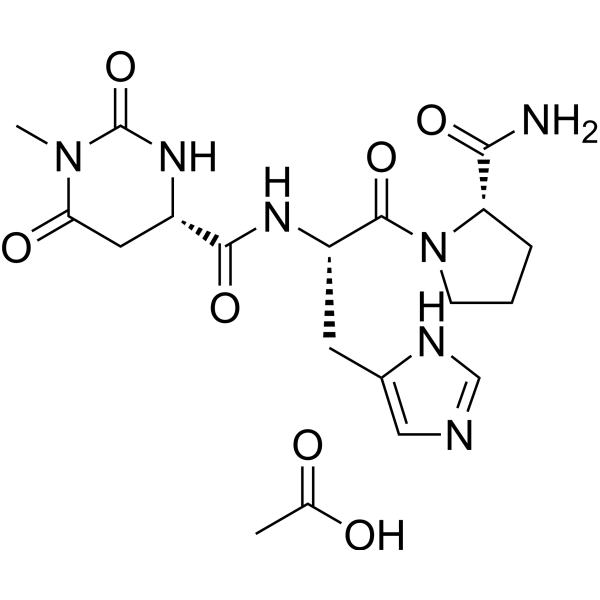 0 ImagesSynonyms: TA-0910 acetateTaltirelin acetate (TA-0910) is an acetate form of Taltirelin (TA-0910). Taltirelin (TA-0910) is an orally effective analogue of thyrotropin releasing hormone (TRH) and a TRH receptor (TRH-R) superagonist (IC50 at 910 nM). Taltirelin can cross the blood-brain barrier. Taltirelin stimulates an increase in cytosolic Ca2+ concentration (Ca2+ release) with an EC50 value of 36 nM. Taltirelin increases cell viability and reduces apoptosis in SH-SY5Y cells and primary rat mesencephalic neurons treated with MPP+ (HY-W008719) or Rotenone (HY-B1756). Taltirelin has neuroprotective effects in both cellular and animal models of Parkinson's disease. Taltirelin alleviates fatigue-like behavior in mouse models of cancer-related fatigue.
-
Taurochenodeoxycholic acid-d5 sodium
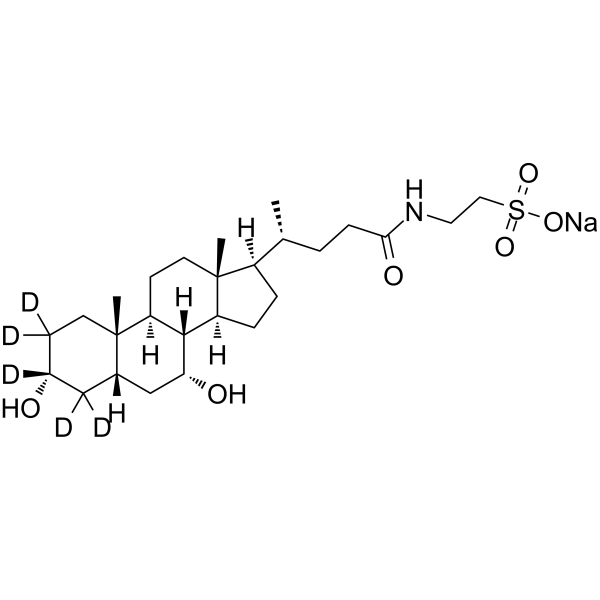 0 ImagesCat. No.: HY-N1429S1Synonyms: 12-Deoxycholyltaurine-d5 sodiumTaurochenodeoxycholic acid-d5 (sodium) is the deuterium labeled Taurochenodeoxycholic acid sodium. Taurochenodeoxycholic acid sodium salt (12-Deoxycholyltaurine sodium salt) is one of the main bioactive substances of animals' bile acid. Taurochenodeoxycholic acid induces apoptosis and shows obvious anti-inflammatory and immune regulation properties.
-
Hupehenine
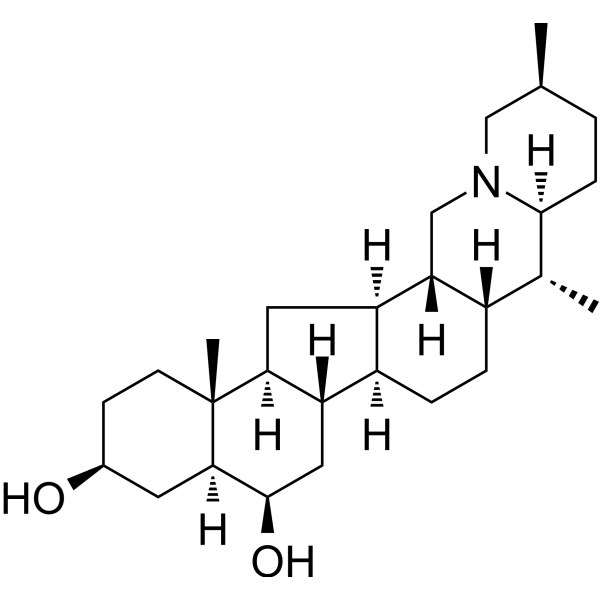 0 ImagesHupehenine is an orally active isosteroidal alkaloid that can be extracted from F. hupehensis. Hupehenine exhibits activities such as antitussive, expectorant, anticancer, and antiparasitic. In vitro, Hupehenine can also inhibit α-synuclein seeded fibril formation, making it applicable for the research of Parkinson's disease and other related disorders.
-
CQ627
 0 ImagesCQ627 is a molecular glue targeting the degradation of RIOK2. It effectively induces the degradation of RIOK2 in the MOLT4 leukemia cell line via the ubiquitin-proteasome system (UPS) by recruiting the E3 ubiquitin ligase RNF126, with a DC50 value of 410 nM. CQ627 dose-dependently induces apoptosis in MOLT4 leukemia cells, blocks their cell cycle in the G2/M phase, and exhibits antiproliferative activities in various cancer cell lines. CQ627 also demonstrates in vivo anticancer activity in a MOLT4 xenograft mouse model.
-
Tauroursodeoxycholate sodium (Standard)
 0 ImagesCat. No.: HY-19696ARCAS No.: 35807-85-3Synonyms: Tauroursodeoxycholic acid sodium (Standard); TUDCA sodium (Standard); UR 906 sodium (Standard)Tauroursodeoxycholate (sodium) (Standard) is the analytical standard of Tauroursodeoxycholate (sodium). This product is intended for research and analytical applications. Tauroursodeoxycholate (Tauroursodeoxycholic acid; TUDCA) sodium is an endoplasmic reticulum (ER) stress inhibitor. Tauroursodeoxycholate significantly reduces expression of apoptosis molecules, such as caspase-3 and caspase-12. Tauroursodeoxycholate also inhibits ERK.
-
CYD-4-61
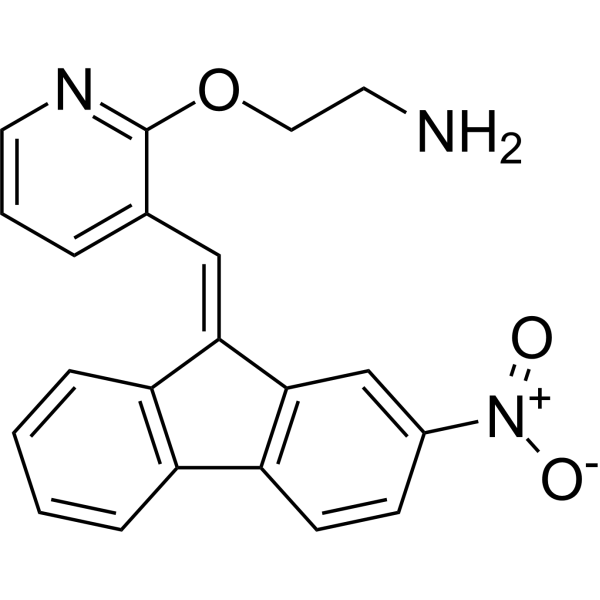 0 ImagesCYD-4-61 is a novel Bax activator used for breast cancer research. CYD-4-61 inhibits triple-negative breast cancer MDA-MB-231 and ER-positive breast cancer MCF-7 cell lines proliferation. CYD-4-61 activates Bax protein to induce cytochrome c release and regulate apoptotic biomarkers, leading to cancer cell apoptosis.
-
Tubulin/CDC5L-IN-1
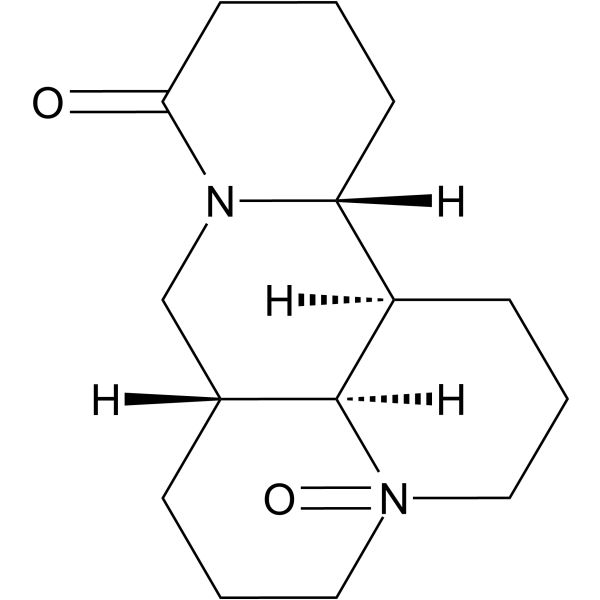
 0 ImagesTubulin/CDC5L-IN-1 is a Tubulin/CDC5L dual inhibitor. Tubulin/CDC5L-IN-1 targets to CDCL5 with a KD of 103.7 μM. Tubulin/CDC5L-IN-1 can inhibit multiple cancer cell proliferation and induce G2/M phase arrest. Tubulin/CDC5L-IN-1 induce cell apoptosis and ROS production. Tubulin/CDC5L-IN-1 exhibits antiangiogenic effects. Tubulin/CDC5L-IN-1 can be used for the research of cancer, such as colon carcinoma.
-
Afatinib (Standard)
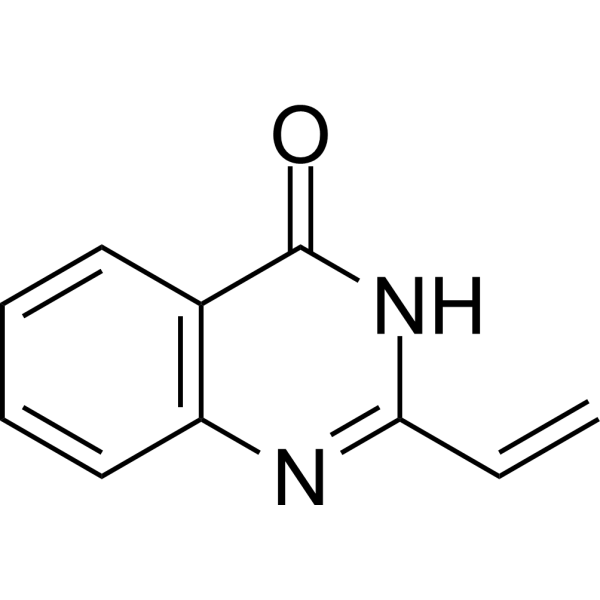
 0 ImagesCat. No.: HY-10261RCAS No.: 850140-72-6Synonyms: BIBW 2992 (Standard)Afatinib (Standard) is the analytical standard of Afatinib. This product is intended for research and analytical applications. Afatinib (BIBW 2992) is an orally active, potent and irreversible dual specificity inhibitor of ErbB family (EGFR and HER2), with IC50 values of 0.5 nM, 0.4 nM, 10 nM and 14 nM for EGFRwt, EGFRL858R, EGFRL858R/T790M and HER2, respectively. Afatinib can be used for the research of esophageal squamous cell carcinoma (ESCC), non-small cell lung cancer (NSCLC) and gastric cancer.
-
C105SR
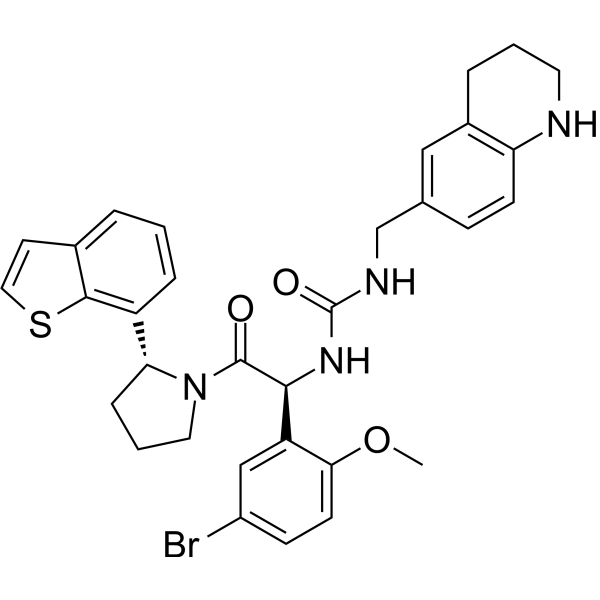 0 ImagesCat. No.: HY-157088Purity: 99.49%C105SR is a cyclophilin D (CypD) inhibitor targeting to peptidyl-prolylcis-trans isomerase (PPIase). C105SR inhibits mitochondrial permeability transition opening (mPTP) with an IC 50 of 5 nM. C105SR inhibits hypoxia and reoxygenation inudced hepatocyte apoptosis and increases the level of calcium retention capacity (CRC). C105SR exhibits hepaprotective effect in ischaemia-reperfusion injury (IRI) mouse model.
-
MMPP
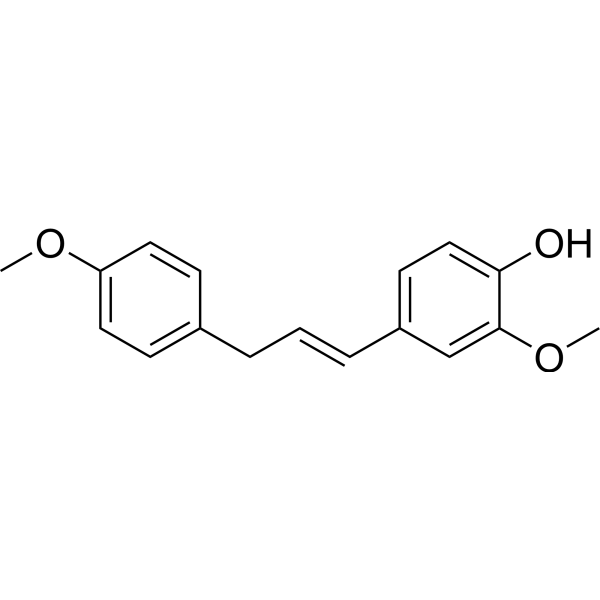 0 ImagesMMPP is an orally active inhibitor of STAT3 and VEGFR2, as well as an activator of PPARγ. MMPP blocks the VEGFR2/AKT/ERK/NF-κB signaling pathway to inhibit angiogenesis. MMPP inhibits ferroptosis and inflammation, and alleviates sepsis-induced myocardial injury. MMPP induces G1-phase cell cycle arrest and apoptosis, and inhibits the growth of non-small cell lung cancer (NSCLC) and solid tumors. MMPP promotes adipogenesis and glucose uptake. MMPP can be used in research related to NSCLC, type 2 diabetes and myocardial injury.
-
2,4-D-13C6
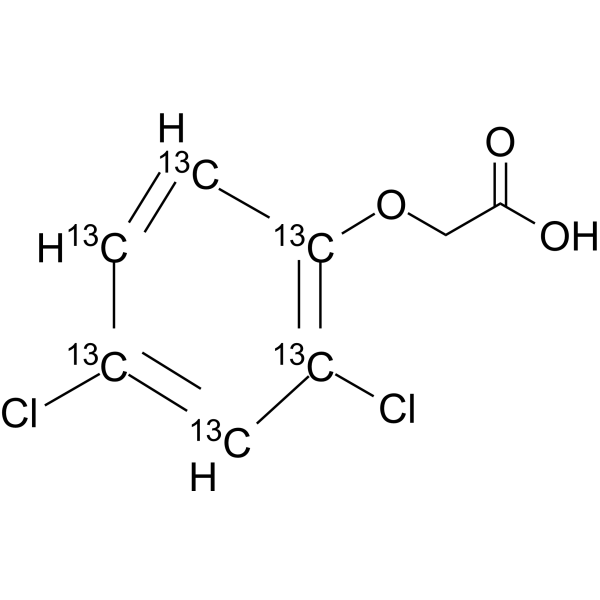 0 ImagesCat. No.: HY-18572SCAS No.: 150907-52-1Synonyms: 2,4-Dichlorophenoxyacetic acid-13C62,4-D-13C6 is the 13C-labeled 2,4-D (HY-18572). 2,4-D (2,4-Dichlorophenoxyacetic acid) is a selective systemic herbicide for the control of broad-leaved weeds. 2,4-D acts as a plant hormone, causing uncontrolled growth in the meristematic tissues. 2,4-D inhibits DNA and protein synthesis and thereby prevents normal plant growth and development.
-
Fipronil (Standard)
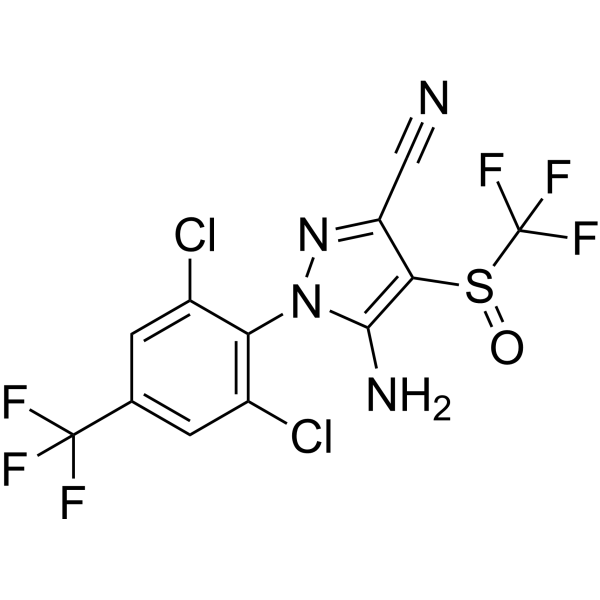 0 ImagesFipronil (Standard) is the analytical standard of Fipronil. This product is intended for research and analytical applications. Fipronil is a broad-spectrum insecticide effective against Lepidoptera species as well as thrips, locusts, ants, cockroaches, fleas and ticks. Fipronil selectively inhibits GABA receptor with IC50s of 30 nM and 1600 nM for cockroach and rat GABA receptors, respectively. Glutamate-gated chloride channels (GluCls), which are present in cockroaches but not in mammals, are sensitive to the blocking effect of Fipronil. Fipronil also induces apoptosis in HepG2 cells and promotes the expression of CYP1A1 and CYP3A4 mRNA in human hepatocytes.

-
HDAC11-IN-3
 0 ImagesHDAC11-IN-3 (Compound A9) is a selective HDAC11 inhibitor (IC50: 4.1 nM). HDAC11-IN-3 has inhibitory effects on U937 and OCI-AML2 acute myeloid leukemia (AML) cell lines (IC50: 10 μM). HDAC11-IN-3 has significant anti-AML activity, inducing apoptosis, cell cycle arrest, and differentiation. HDAC11-IN-3 upregulates the iron transporters transferrin (TF) and transferrin receptor (TFRC), and activates the p62-Keap1-Nrf2-HMOX1 pathway, which together lead to increased intracellular iron levels and induce ferroptosis in AML cells. HDAC11-IN-3 can be used alone or in combination with Cytarabine (HY-13605) for AML research.




