



Bacterial
Anything that destroys bacteria or suppresses their growth or their ability to reproduce. Heat, chemicals such as chlorine, and antibiotic drugs all have antibacterial properties. Many antibacterial products for cleaning and handwashing are sold today. Such products do not reduce the risk for symptoms of viral infectious diseases in otherwise healthy persons. This does not preclude the potential contribution of antibacterial products to reducing symptoms of bacterial diseases in the home.
All Product Categories
-
Bacterial Inhibitors
(7484)
View all products
-
Bacterial Agonists
(3)
View all products
-
Bacterial Antagonists
(9)
View all products
-
Bacterial Activators
(23)
View all products
-
Bacterial Modulators
(27)
View all products
-
Bacterial Chemicals
(2)
View all products
-
Bacterial Inducers
(7)
View all products
-
Bacterial Controls
(14)
View all products
-
Bacterial Substrates
(2)
View all products
-
Bacterial Ligand
(1)
View all products
-
Bacterial Related Products (8809)
Related Products (8809)

-
Antibodies (14)
-
Related Compound Screening Libraries (1)
-
SAAP Fraction 3
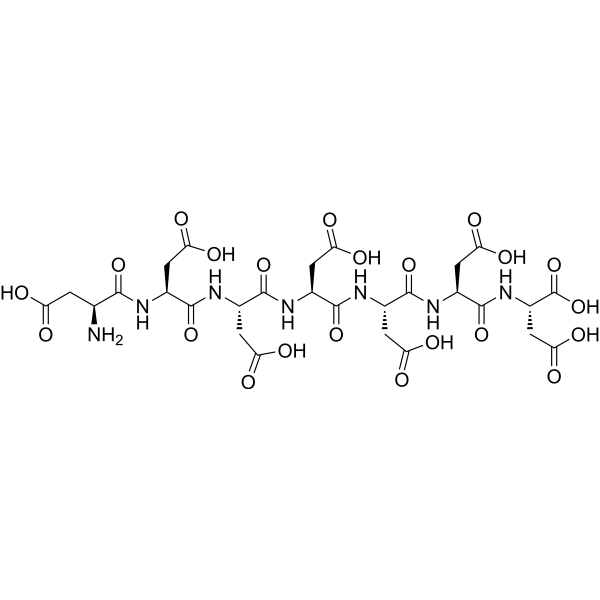 0 ImagesCat. No.: HY-P5700CAS No.: 172617-19-5SAAP Fraction 3 is an antimicrobial peptide. SAAP Fraction 3 is active against P. haemolytica in Zn-saline buffer.
-
Procyanidin A3
 0 ImagesCat. No.: HY-N4145CAS No.: 86631-39-2Synonyms: Cinnamtannin A3; Cinnamtannin IIProcyanidin A3 (Cinnamtannin A3; Cinnamtannin II) is a sub class of Proanthocyanidins (HY-N0794). Proanthocyanidin are a class of polyphenolic that are widely distributed in higher plants, consisted of an electrophilic flavanyl unit. Proanthocyanidin can be used as antioxidant and anti-cancer agent. Proanthocyanidin also exhibit anti-inflammatory, cardioprotective, antibacterial and antifungal properties, which can be used in the treatment of chronic venous insufficiency, capillary fragility, sunburn and retinopathy.
-
Antibacterial agent 262
 0 ImagesCat. No.: HY-168881CAS No.: 3034291-67-0Antibacterial agent 262 (compound A23) is a potent antibacterial agent. Antibacterial agent 262 inhibits Xanthomonas oryzae pv oryzae activity. Antibacterial agent 262 inhibits the formation of Xanthomonas oryzae pv oryzae biofilms, disrupting the integrity of bacterial cell membranes.
-
Tobramycin (Standard)
 0 ImagesSynonyms: Nebramycin Factor 6 (Standard); Deoxykanamycin B (Standard)Tobramycin (Standard) is the analytical standard of Tobramycin. This product is intended for research and analytical applications. Tobramycin (Nebramycin Factor 6) is a parenterally administered, broad spectrum aminoglycoside antibiotic that is widely used in the treatment of moderate to severe bacterial infections due to sensitive organisms.Tobramycin can be used to pneumonia research caused by Pseudomonas aeruginosa.
-
GT-055
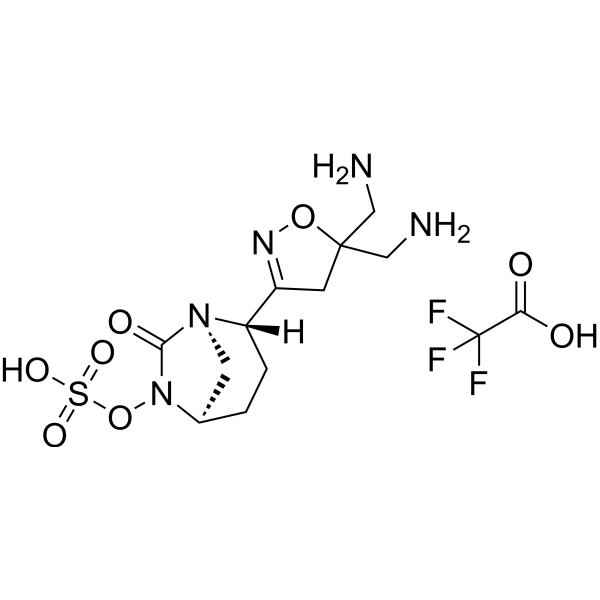 0 ImagesCat. No.: HY-139699CAS No.: 2842084-52-8Synonyms: LCB18-055GT-055 (LCB18-055) is a broad-spectrum β-lactamase inhibitor and penicillin-binding protein 2 (PBP2) inhibitor. GT-055 inactivates β-lactamase, protects GT-1 from hydrolysis, and binds tightly to PBP2, thereby inhibiting cell wall biosynthesis. GT-055 can be used for research on bacterial infections.
-
Cinerubin B
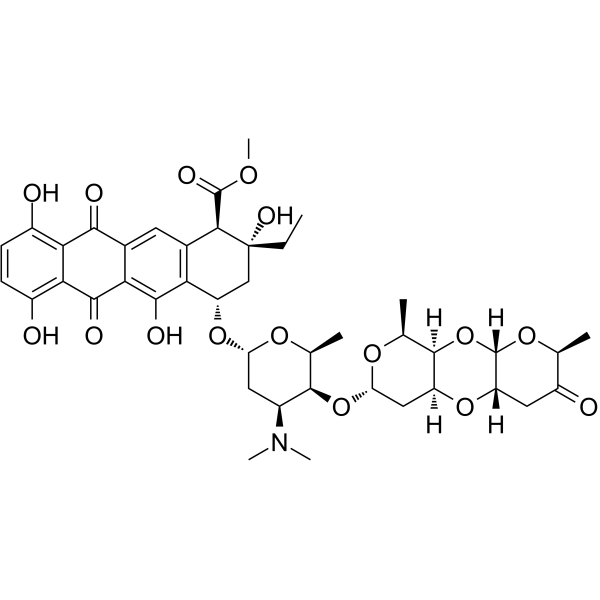 0 ImagesCat. No.: HY-131054CAS No.: 35906-51-5Cinerubin B, a glycosylated anthracycline antibiotic, is an anticancer agent from Streptomyces sp. SPB74.
-
Furomollugin
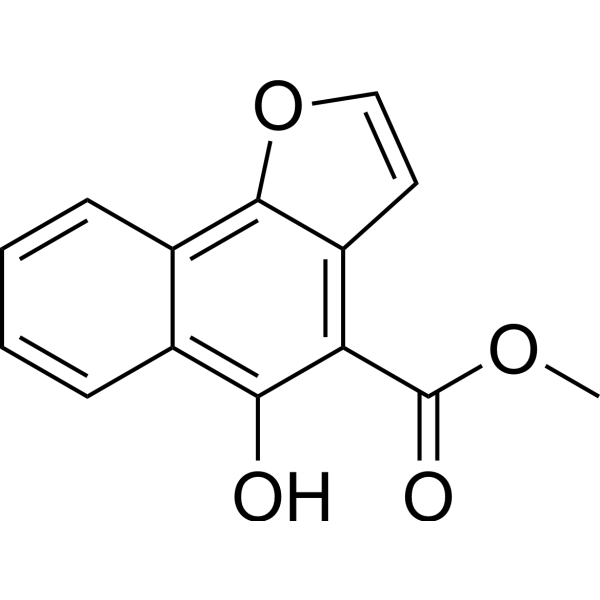 0 ImagesCat. No.: HY-N3912CAS No.: 61658-41-1Furomollugin is a natural product with antioxidant and antibacterial activities, can be isolated from Rubia cordifolia. Furomollugin lacks potent anti-tyrosinase activity, but also exhibits significant anticancer property.
-
Antimycobacterial agent-3
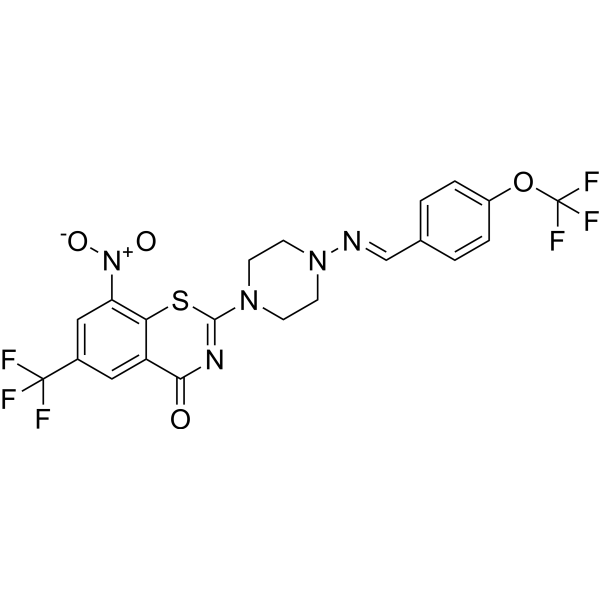 0 ImagesCat. No.: HY-147871CAS No.: 2469881-50-1Antimycobacterial agent-3 (Compound 1h) is an antimycobacterial agent against both agent-sensitive MTB strain H37Rv and drug-resistant clinical isolates (MIC: < 0.029–0.110 μM). Antimycobacterial agent-3 shows low cell cytotoxicity.

-
Antibacterial agent 278
 0 ImagesCat. No.: HY-176144CAS No.: 3081882-56-3Antibacterial agent 278 (compound B1) is an antibacterial agent. Antibacterial agent 278 exhibites potent activity against Gram-positive bacteria.
-
Norfunalenone
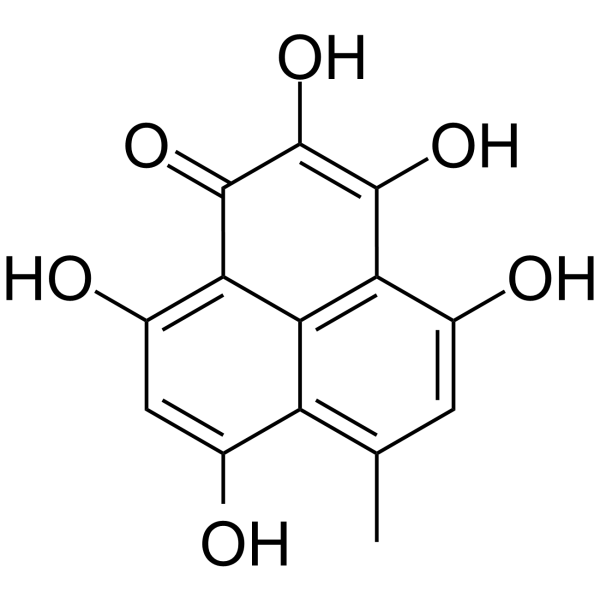 0 ImagesCat. No.: HY-N10259CAS No.: 581786-63-2Norfunalenone exhibits weak cytotoxic activity in mouse myeloma NS-1 cell line (ATCC TIB-18) with an IC50 of 70 μM. Norfunalenone also exhibits weak antibacterial activity against B. subtilis (MIC=100 μg/mL; IC50=265 μM).
-
3-Methylanisole-d3
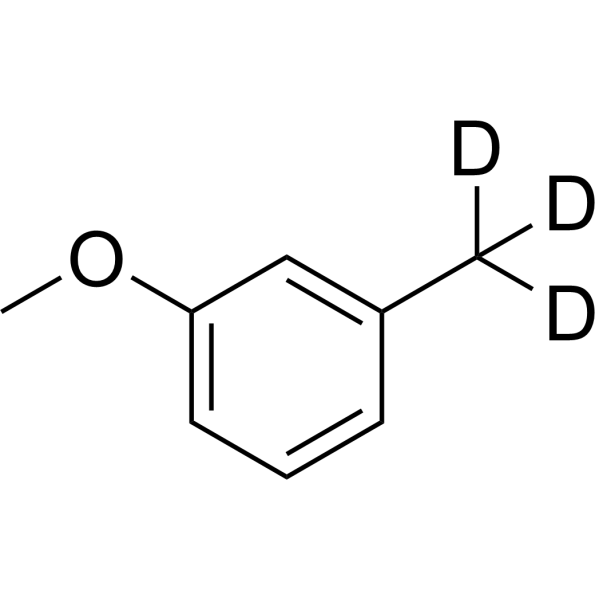 0 ImagesCat. No.: HY-115127SCAS No.: 20369-34-0Synonyms: m-Methoxytoluene-d3; m-Methylanisole-d33-Methylanisole-d3 (m-Methoxytoluene-d3; m-MetHYlanisole-d3) is the deuterium labeled 3-Methylanisole (HY-115127). Methylanisole is a volatile metabolite produced by Penicillium strains growing on barley. 3-Methylanisole serves as a precursor for the biotechnological production of vanillin.
-
Tritrpticin
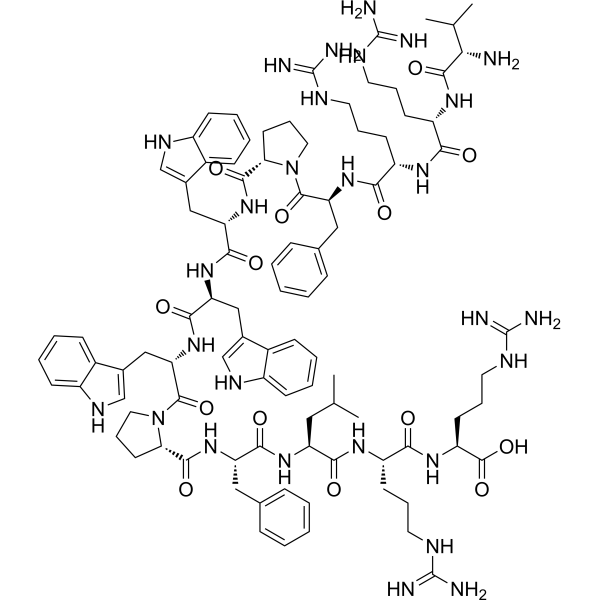 0 ImagesCat. No.: HY-P5640CAS No.: 179264-81-4Tritrpticin is a porcine-derived antimicrobial peptide with properties such as membrane disruption and hemolysis. Tritrpticin disrupts the cell membranes of bacteria, fungi and Jurkat T cell leukemia cells and induces their death. Tritrpticin also enhances the efficacy of Metronidazole (HY-B0318) against *Trichomonas vaginalis*, reduces plasma endotoxin and inflammatory cytokine levels, restricts bacterial growth in blood and visceral tissues, decreases the mortality rate of septic shock in rats and enhances the therapeutic effect of ertapenem. Tritrpticin exhibits selective cytotoxicity against Jurkat T cell leukemia cells, while showing low toxicity to normal peripheral blood mononuclear cells and red blood cells, and can serve as a template for antimicrobial peptide design. Tritrpticin can be applied to research related to bacterial infections, fungal infections, trichomoniasis, septic shock and leukemia.
-
Furaltadone L-tartrate
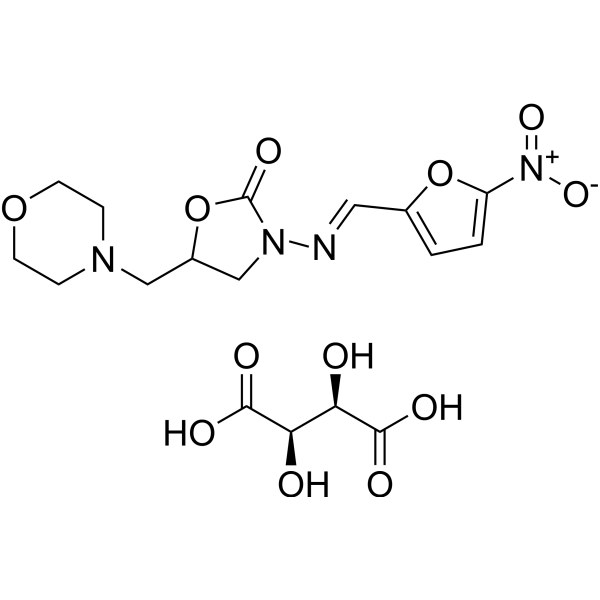 0 ImagesCat. No.: HY-B1148BCAS No.: 14343-71-6Synonyms: Altafur L-tartrateFuraltadone L-tartrate (Altafur L-tartrate), a nitrofuran agent, has the potential for the study in infections of chickens with salmonella enteritidis. Furaltadone is inhibitory and bactericidal in vitro for staphylococci .

-
Maculosin (Standard)
 0 ImagesComplanatuside (Standard) is the analytical standard of Complanatuside. This product is intended for research and analytical applications. Complanatuside is a flavonoid found in the traditional Chinese medicine Semen Astragali Complanati.
-
Antibacterial agent 105
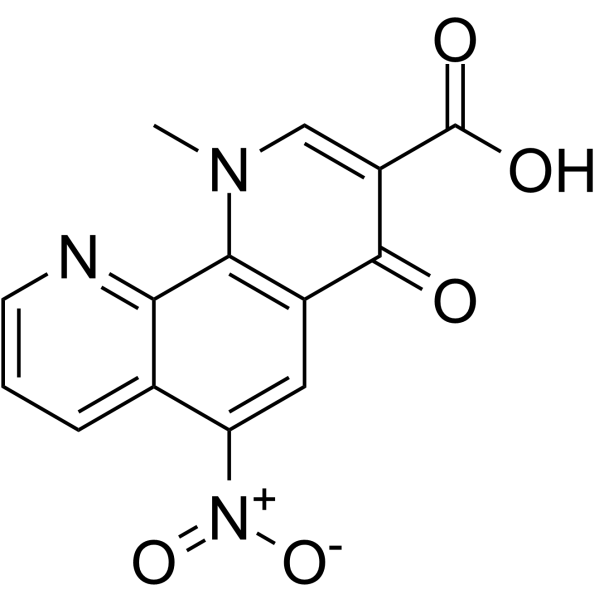 0 ImagesCat. No.: HY-146098CAS No.: 2364493-24-1Antibacterial agent 105 (Compound 17) is a phenanthrolinic analog of quinolones show antibacterial activity against M. tuberculosis with antibacterial activity (MIC90=2.64 μM). Antibacterial agent 105 exhibits antibacterial activities against different bacterial species with MIC90s of 11.18, 11.18, 0.70, 1.40, 44.70, and 22.35 μM for M. smegmatis, M. aurum, M. marinum, BCG, E. aerogenes and S. aureus, respectively.

-
Ornidazole-13C2,15N2
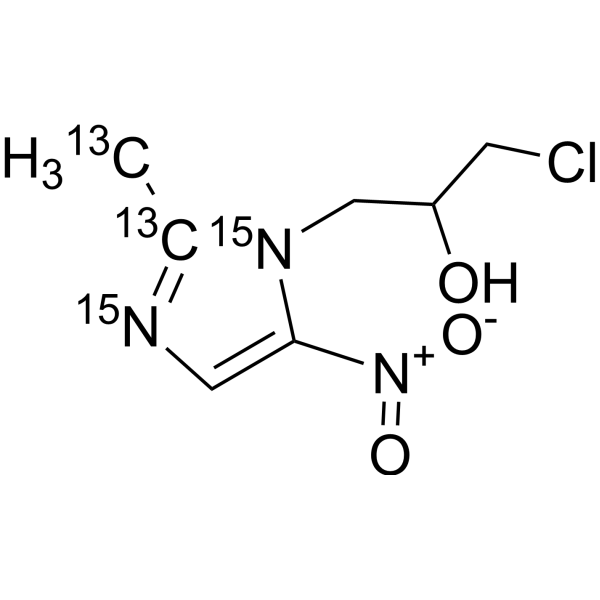 0 ImagesCat. No.: HY-B0508S1Synonyms: Ro 7-0207-13C2,15N2Ornidazole-13C2,15N2 is the 13C, 15N labeled Ornidazole. Ornidazole (Ro 7-0207) is a nitroimidazole derivative with anti-trichomonad activity and in vitro activity against a variety of anaerobic bacteria. Ornidazole inhibits Sonic hedgehog (Shh) signaling pathway, exhibits antitumor activity. Ornidazole can be used in research of Crohn’s disease.
-
dam Methyltransferase
 0 ImagesCat. No.: HY-E70207CAS No.: 69553-52-2dam Methyltransferase plays a role in the control of DNA replication in E. coli.




