



Integrin
Integrins, a family of heterodimeric adhesion receptors for diverse extracellular matrices, have consistently been implicated as crucial drivers of ovarian cancer development and progression. A number of the RGD-based members of the integrin family, including α5β1, and αvβ3 or αvβ5 integrins, are markedly elevated in aggressive ovarian tumors. These adhesion receptors appear to promote cell adhesion, survival, motility and invasion during ovarian tumor growth or metastatic progression. Importantly, the functions of these integrins are strongly dependent on the activation of focal adhesion kinase (FAK) and its downstream signaling, including the PI3K/Akt- and Ras/MAPK-dependent pathways.
Integrins are transmembrane proteins and are major receptors for cell-extracellular matrix (ECM) and cell-cell adhesion. Modulation of these molecules, particularly αv integrin family, has exhibited profound effects on fibrosis in multiple organ and disease state. Based on the several studies, the integrins αvβ3, αvβ5, αvβ6, and αvβ8 have been known to modulate the fibrotic process via activation of latent transforming growth factor (TGF)-β in pre-clinical models of fibrosis.
Each integrin is typically formed by the non-covalent pairing of one α subunit, of which, 18 types are known to exist, and one β subunit, of which 8 types are known to exist. Together, 24 distinct heterodimers have been identified to date. The αv subunit can form heterodimers with the β1, β3, β5, β6 or β8 subunits and β1 can associate with many different α subunits from α1 to α11, and αv, indicating that not all theoretically possible α and subunit pairs form. Interestingly, the activation of TGF-β appears to be a common function of multiple αv integrins.
Integrin Isoform Specific Products
-
Integrin
(384)
View all products
-
αvβ1
(7)
View all products
-
αvβ3
(35)
View all products
-
αvβ5
(13)
View all products
-
αvβ6
(25)
View all products
-
αvβ8
(11)
View all products
-
α5β1
(19)
View all products
-
α1β1
(3)
View all products
-
α2β1
(9)
View all products
-
α4β1
(22)
View all products
-
α9β1
(4)
View all products
-
αIIbβ3
(14)
View all products
-
α4β7
(18)
View all products
-
αLβ2
(3)
View all products
All Product Categories
-
Integrin Inhibitors
(253)
View all products
-
Integrin Agonists
(10)
View all products
-
Integrin Antagonists
(96)
View all products
-
Integrin Activators
(8)
View all products
-
Integrin Modulators
(6)
View all products
-
Integrin Chemicals
(2)
View all products
-
Integrin Inducers
(3)
View all products
-
Integrin Degrader
(1)
View all products
-
Integrin Controls
(4)
View all products
-
Integrin Substrate
(1)
View all products
-
Integrin Ligands
(26)
View all products
-
Integrin alpha 1 beta 1 Proteins
(2)
View all products
-
Integrin alpha V beta 3 Proteins
(5)
View all products
-
Integrin alpha V beta 5 Proteins
(4)
View all products
-
Integrin alpha V beta 6 Proteins
(8)
View all products
-
Integrin alpha V beta 8 Proteins
(8)
View all products
-
Integrin Related Products (519)
Related Products (519)

-
Recombinant Proteins (27)
-
Antibodies (31)
-
Integrin Isoform Comparison
-
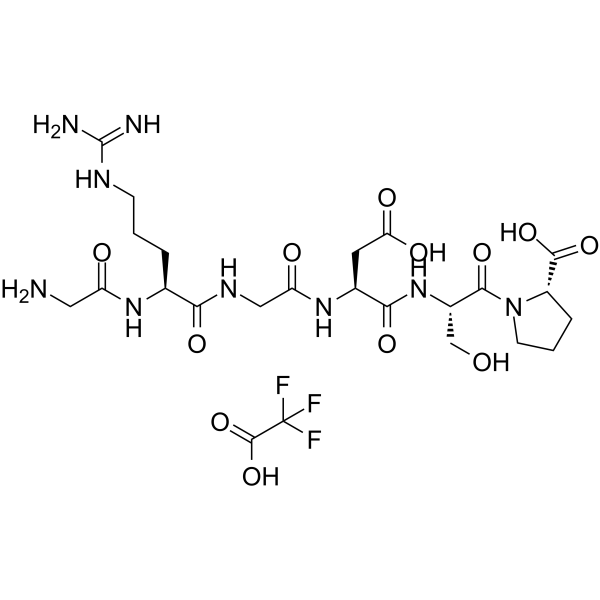
Arg-Gly-Glu-Ser TFA
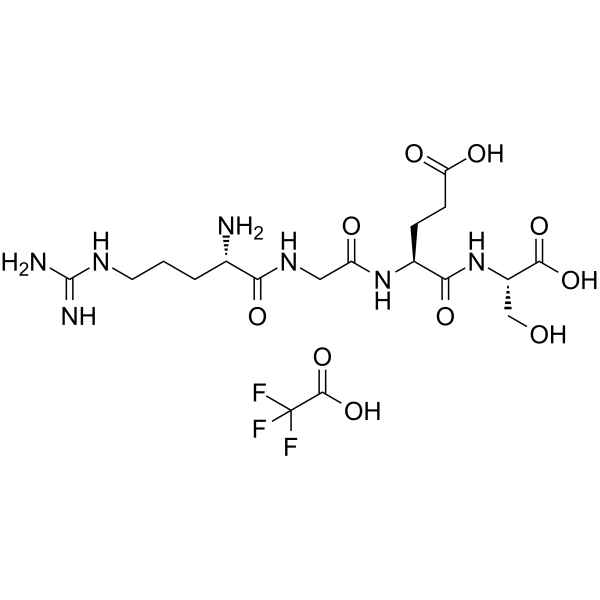 0 ImagesCat. No.: HY-P0309APurity: 99.50%Arg-Gly-Glu-Ser TFA is a polypeptide related to RGD and is a negative control for Arg-Gly-Asp-Ser (HY-12290).
-
2-Methylbutyrylcarnitine chloride
 0 ImagesCat. No.: HY-W654264Purity: 98.92%Synonyms: 2MBC chloride2-Methylbutyrylcarnitine chloride (2MBC chloride) is an orally active short-chain branched-chain acylcarnitine and a gut microbiota co-metabolite produced from 2-methylbutyric acid via branched-chain amino acid catabolism. 2-Methylbutyrylcarnitine chloride activates platelet integrin α2β1 (Kd = 10.6 μM), initiates the downstream p38‑cPLA2 signaling cascade, elevates TXA2 production, and thereby enhances platelet hyperreactivity. 2-Methylbutyrylcarnitine chloride can be used in research on atherosclerosis and thrombosis.
-
Abrilumab
 0 ImagesAbrilumab is a fully human monoclonal antibody directed against α4β7. Abrilumab selectively binds the α4β7 integrin heterodimer. Abrilumab can be used for the research of inflammatory bowel disease (IBD).
-
Echistatin TFA
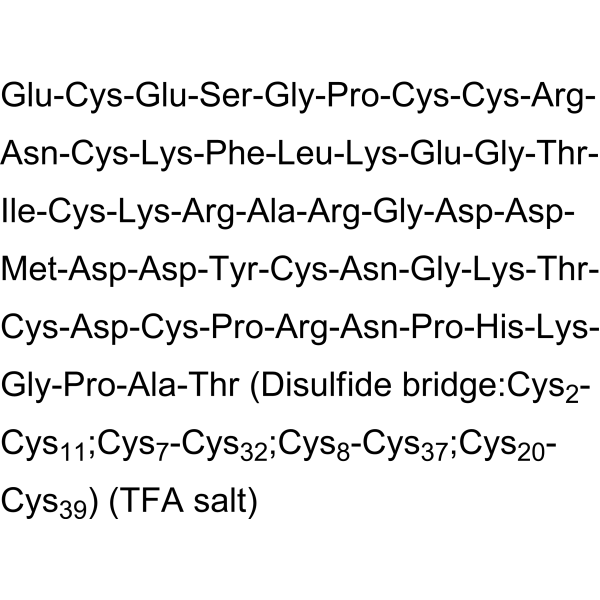 0 ImagesCat. No.: HY-P1189APurity: 99.32%Echistatin TFA is a naturally derived RGD-containing snake venom peptide. Echistatin TFA exhibits an IC50 of 0.6 nM against mouse αvβ3 integrin, and acts as an antagonist against αvβ3, αIIbβ3, α5β1 integrins, pp125FAK and paxillin. Echistatin TFA reduces the phosphorylation of pp125FAK and paxillin, inhibits the autophosphorylation and kinase activity of pp125FAK, and weakens its binding to pp60src and paxillin. Echistatin TFA disrupts the actin cytoskeleton and focal adhesions, induces melanoma cell detachment from fibronectin, and regulates cell adhesion and motility. Echistatin TFA inhibits osteoclast maturation and migration, bone resorption, platelet aggregation, bone loss, as well as adhesion and metastasis of Lewis lung cancer cells; it also increases the number of osteoclasts and bone coverage area in mice with secondary hyperparathyroidism. Echistatin TFA can be used in research related to melanoma, lung cancer and secondary hyperparathyroidism.
-
Vatelizumab
 0 ImagesSynonyms: GBR500Vatelizumab (GBR500) is a monoclonal antibody that targets the α2 subunit (CD49b) of very late antigen 2 (VLA-2). Vatelizumab can be used for research on multiple sclerosis.
-
K34c
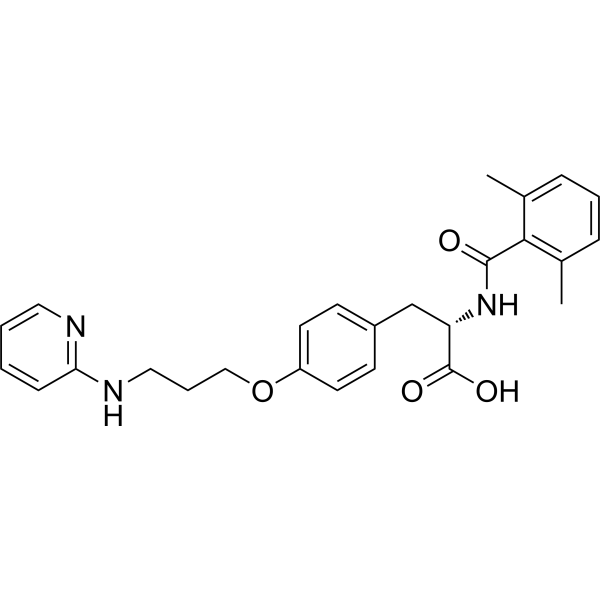 0 ImagesK34c is a potent and selective α5β1 integrin antagonist. By inhibiting α5β1 integrin, K34c reduces chemotherapy-induced premature senescence and promotes apoptosis. K34c can be used in glioblastoma research.
-
Elsibucol
 0 ImagesElsibucol is a VCAM1 inhibitor for the study of organ transplant rejection. Elsibucol is a metabolically stable propanol derivative with antioxidant, anti-inflammatory and anti-proliferative properties. Elsibucol lowers blood cholesterol levels and reduces oxidative stress and inflammatory responses in injured arteries, thereby inhibiting atherosclerosis and protecting endothelial healing after arterial injury.
-
Anti-Mouse/Human VLA-4/CD49d Antibody (PS/2)
 0 ImagesCat. No.: HY-P990144Anti-Mouse/Human VLA-4/CD49d Antibody (PS/2) is an anti-mouse/human VLA-4/CD49d IgG2b monoclonal antibody. Anti-Mouse/Human VLA-4/CD49d Antibody (PS/2) can reduce VLA-4 positive cells. Anti-Mouse/Human VLA-4/CD49d Antibody (PS/2) can inhibit the migration of Tc1 cells to tumors. Anti-Mouse/Human VLA-4/CD49d Antibody (PS/2) inhibits the retention of leukemia cells in the spleen and bone marrow by blocking VLA-4. Anti-Mouse/Human VLA-4/CD49d Antibody (PS/2) can be used for research on inflammation conditions and cancer such as experimental autoimmune encephalomyelitis (EAE), melanoma and leukemia.
-
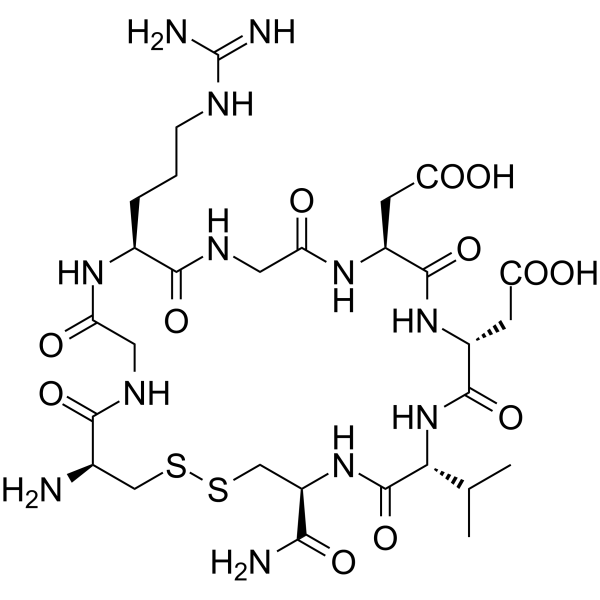
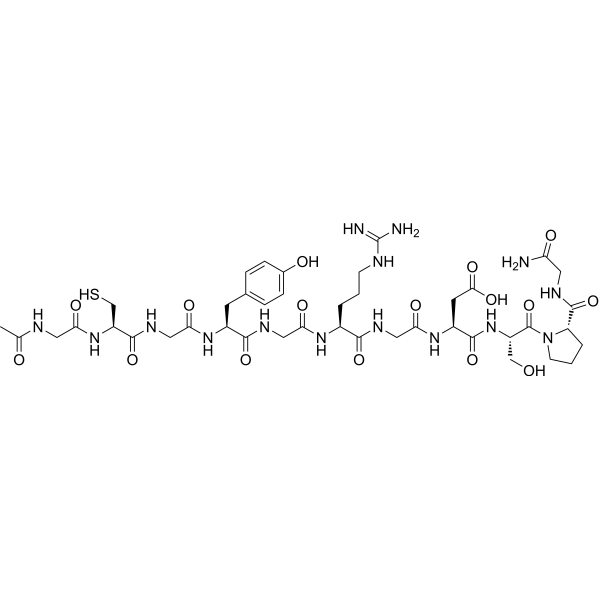
Risuteganib hydrochloride
 0 ImagesCat. No.: HY-P1930APurity: 98.64%Risuteganib hydrochloride is a synthetic RGD (arginyl-glycyl-aspartic acid)-class peptide. Risuteganib hydrochloride is an anti-integrin that downregulates oxidative stress and restores homeostasis, and targets three integrin receptors that are implicated in dry age-related macular degeneration (AMD) in order to restore homeostasis in the retina.
-
G-Pen-GRGDSPCA TFA
 0 ImagesCat. No.: HY-P3525APurity: 99.53%G-Pen-GRGDSPCA TFA is an αvβ3-inhibiting RGD peptide. G-Pen-GRGDSPCA can limit neointimal hyperplasia and lumen stenosis after vascular injury, as well as regulate the migration and proliferation of smooth muscle cells. G-Pen-GRGDSPCA TFA can be used in the study of the mechanism of vascular injury repair.
-
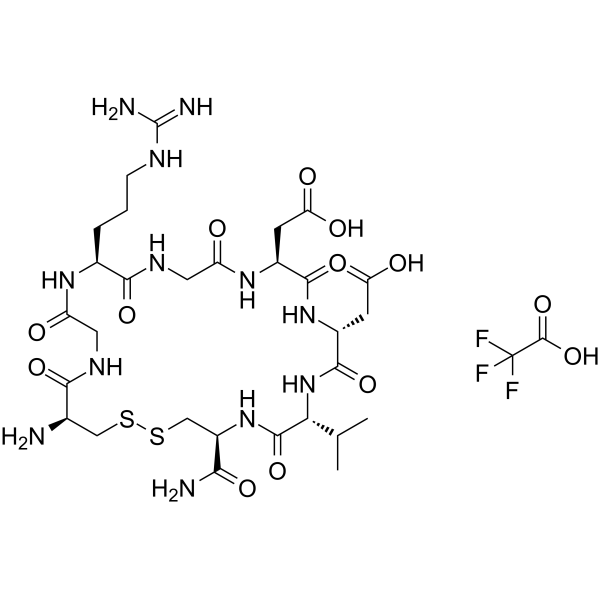
c-RGD-SH TFA
 0 ImagesCat. No.: HY-P11339APurity: 98.84%c-RGD-SH TFA is an Integrin αvβ3 ligand. c-RGD-SH TFA conjugated with core-crosslinked polymeric micelles (CCPM) can be used for synthesis a dual modality nanoparticle probe, and this probe labeled with both Cy7 and 111In can be used for SPECT and NIRF imaging of tumor.
-
E(c(RGDfK))2
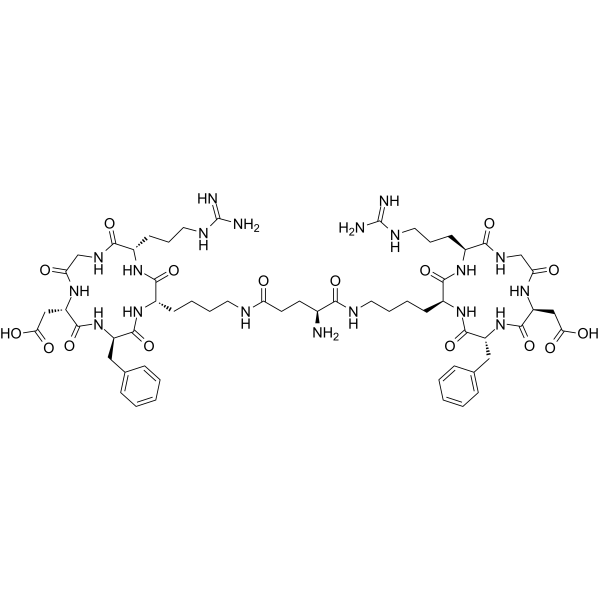 0 ImagesE (c (RGDfK)) 2 is a αvβ3 integrin ligand and tumor-targeting agent. E (c (RGDfK)) 2 binds to αvβ3 integrin, mediates receptor-mediated endocytosis of conjugated payloads, and inhibits integrin-dependent cell adhesion to fibrinogen. E (c (RGDfK)) 2 inhibits the proliferation of cancer cells and endothelial cells. E (c (RGDfK)) 2 preferentially accumulates in orthotopic mouse breast tumors and human ovarian cancer xenograft tumors. E (c (RGDfK)) 2 can be used in research related to glioblastoma, lung cancer, breast adenocarcinoma and ovarian cancer.
-
IDR 1002
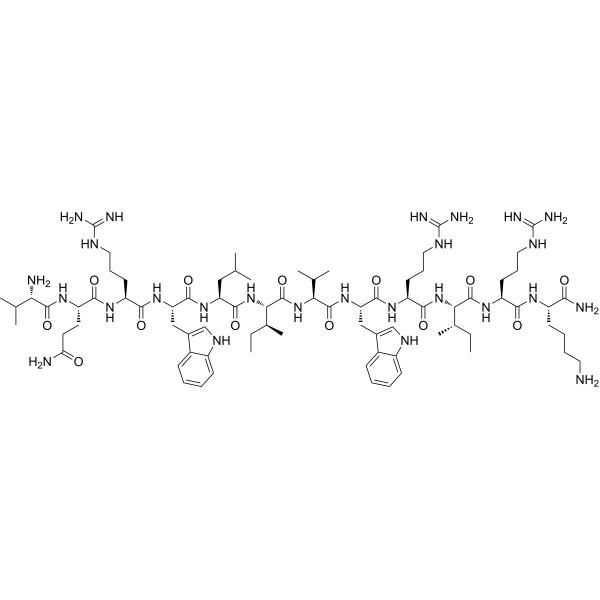 0 ImagesIDR-1002 is an anti-infective peptide that enhances the ability of human monocytes to migrate toward chemokines on fibronectin. IDR-1002 also induces adhesion and activation of β1-integrin, a mechanism that promotes monocyte recruitment.
-
Isoastragaloside I
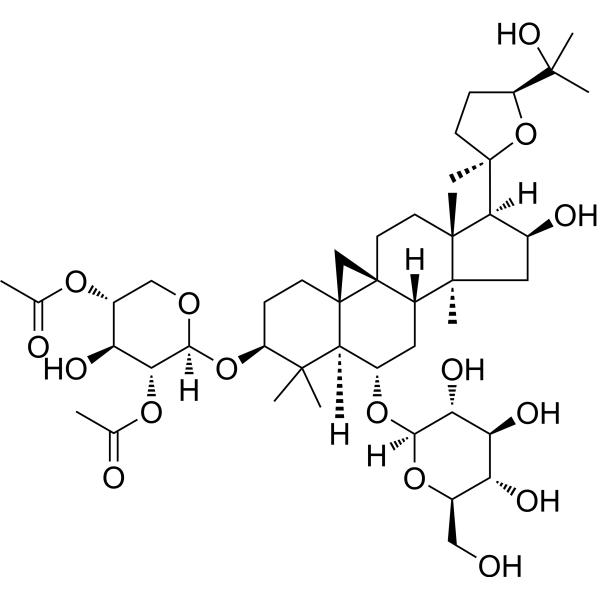 0 ImagesSynonyms: Isoastragaloside-IIsoastragaloside I is a natural compound found in Astragalus membranaceus, with oral activity and multiple biological activities such as anti-inflammatory and antioxidant properties. Isoastragaloside I inhibits Akt, NF-κB, MAPKs and PI3K, enhances the activity of hepatic FXR, regulates the TGF-β/Smads signaling pathway, and upregulates antioxidant molecules downstream of Nrf2. Isoastragaloside I inhibits the expression of NO, TNF-α, iNOS, COX-2, IL-1β and VCAM-1, and reduces intracellular ROS levels. Isoastragaloside I attenuates blood-brain barrier disruption, restores intestinal barrier function, increases β-cell mass, improves glucose homeostasis, and elevates circulating adiponectin levels. Isoastragaloside I can be used for the study of neuroinflammation-related neurodegenerative diseases, cholestatic liver disease, and diabetes.




