



Integrin
Integrins, a family of heterodimeric adhesion receptors for diverse extracellular matrices, have consistently been implicated as crucial drivers of ovarian cancer development and progression. A number of the RGD-based members of the integrin family, including α5β1, and αvβ3 or αvβ5 integrins, are markedly elevated in aggressive ovarian tumors. These adhesion receptors appear to promote cell adhesion, survival, motility and invasion during ovarian tumor growth or metastatic progression. Importantly, the functions of these integrins are strongly dependent on the activation of focal adhesion kinase (FAK) and its downstream signaling, including the PI3K/Akt- and Ras/MAPK-dependent pathways.
Integrins are transmembrane proteins and are major receptors for cell-extracellular matrix (ECM) and cell-cell adhesion. Modulation of these molecules, particularly αv integrin family, has exhibited profound effects on fibrosis in multiple organ and disease state. Based on the several studies, the integrins αvβ3, αvβ5, αvβ6, and αvβ8 have been known to modulate the fibrotic process via activation of latent transforming growth factor (TGF)-β in pre-clinical models of fibrosis.
Each integrin is typically formed by the non-covalent pairing of one α subunit, of which, 18 types are known to exist, and one β subunit, of which 8 types are known to exist. Together, 24 distinct heterodimers have been identified to date. The αv subunit can form heterodimers with the β1, β3, β5, β6 or β8 subunits and β1 can associate with many different α subunits from α1 to α11, and αv, indicating that not all theoretically possible α and subunit pairs form. Interestingly, the activation of TGF-β appears to be a common function of multiple αv integrins.
Integrin Isoform Specific Products
-
Integrin
(381)
View all products
-
αvβ1
(7)
View all products
-
αvβ3
(35)
View all products
-
αvβ5
(13)
View all products
-
αvβ6
(25)
View all products
-
αvβ8
(11)
View all products
-
α5β1
(19)
View all products
-
α1β1
(3)
View all products
-
α2β1
(9)
View all products
-
α4β1
(22)
View all products
-
α9β1
(4)
View all products
-
αIIbβ3
(13)
View all products
-
α4β7
(18)
View all products
-
αLβ2
(3)
View all products
All Product Categories
-
Integrin Inhibitors
(250)
View all products
-
Integrin Agonists
(10)
View all products
-
Integrin Antagonists
(95)
View all products
-
Integrin Activators
(8)
View all products
-
Integrin Modulators
(6)
View all products
-
Integrin Chemicals
(2)
View all products
-
Integrin Inducers
(3)
View all products
-
Integrin Degrader
(1)
View all products
-
Integrin Controls
(4)
View all products
-
Integrin Substrate
(1)
View all products
-
Integrin Ligands
(26)
View all products
-
Integrin alpha 1 beta 1 Proteins
(2)
View all products
-
Integrin alpha V beta 3 Proteins
(5)
View all products
-
Integrin alpha V beta 5 Proteins
(4)
View all products
-
Integrin alpha V beta 6 Proteins
(8)
View all products
-
Integrin alpha V beta 8 Proteins
(8)
View all products
-
Integrin Related Products (515)
Related Products (515)

-
Recombinant Proteins (27)
-
Antibodies (31)
-
Integrin Isoform Comparison
-
Eptifibatide
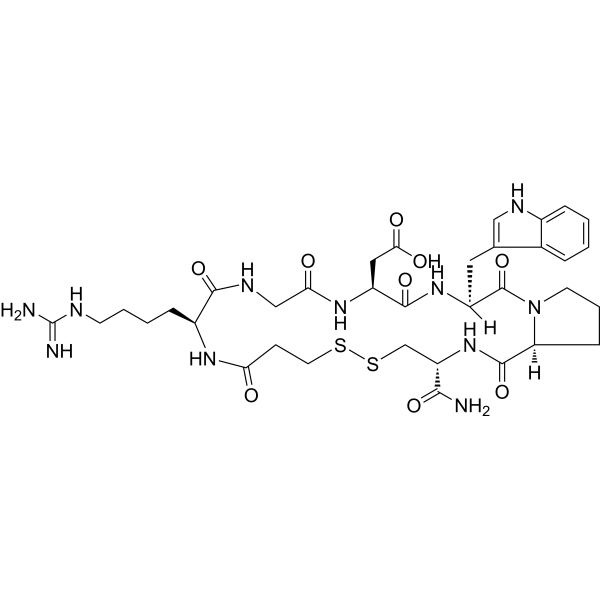 0 ImagesEptifibatide is a cyclic heptapeptide, acts as a competitive antagonist for the activated platelet glycoprotein IIb/IIIa receptor, with anti-platelet activity.
-
Caplacizumab (His Tag)
 0 ImagesSynonyms: ALX-0681; ALX-0081Caplacizumab (His Tag) is a humanized anti-von Willebrand factor (vWF) nanobody. Caplacizumab (His Tag) inhibits the binding of vWF with platelet glycoprotein (GP) Ibα. Caplacizumab (His Tag) inhibits the vWF-mediated platelet adhesion and prevents further microthrombi formation. Caplacizumab (His Tag) can be used for the research of thrombotic thrombocytopenic purpura (TTP).
-
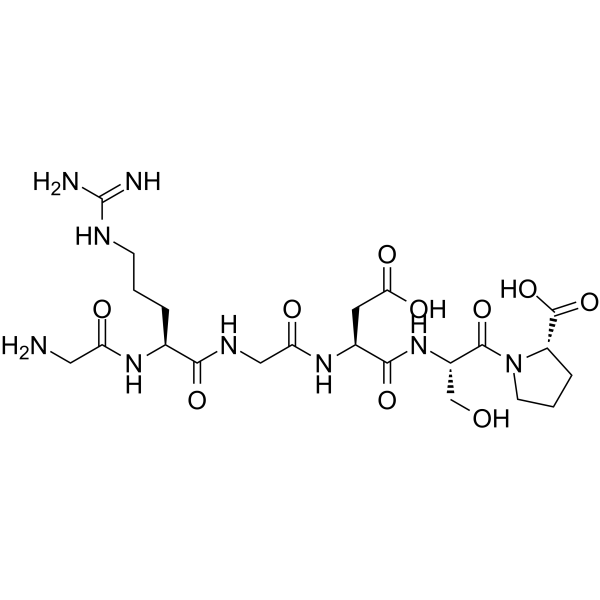
iRGD peptide
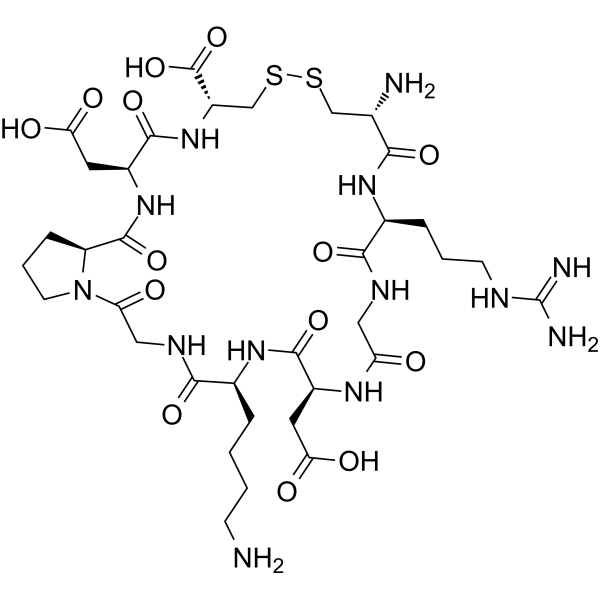 0 ImagesSynonyms: c(CRGDKGPDC)iRGD peptide is a 9-amino acid cyclic peptide, triggers tissue penetration of agents by first binding to αv-integrins, then proteolytically cleaved in the tumor to produce CRGDK/R to interact with neuropilin-1, and has tumor-targeting and tumor-penetrating properties.
-
Cilengitide TFA
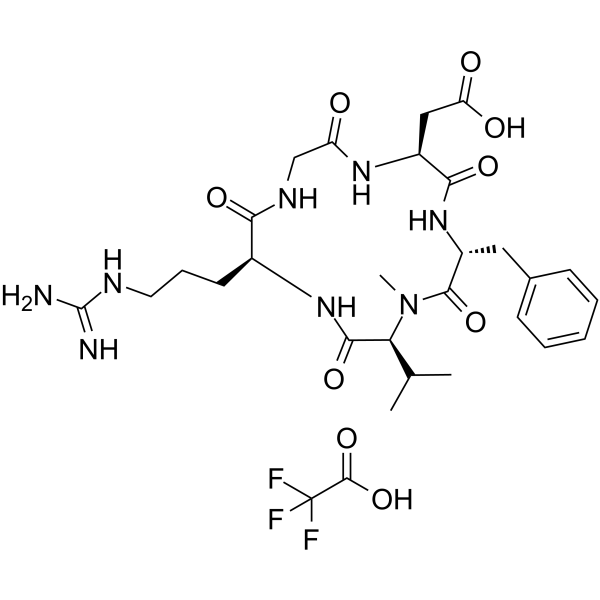 0 ImagesSynonyms: EMD 121974 TFACilengitide TFA (EMD 121974 TFA) is an integrin (integrin) inhibitor with blood-brain barrier permeability, with IC50 values against human targets as follows: 0.61 nM for αvβ3, 8.4 nM for αvβ5, 14.9 nM for α5β1, 5400 nM for αIIbβ3, 2050 nM for αvβ6, 2350 nM for αvβ8. Cilengitide TFA inhibits the binding of integrins to vitronectin, fibronectin, fibrinogen and LAP (TGF-β), and serves as an internal standard for solid-phase integrin binding assays. Cilengitide TFA inhibits tumor cell viability, induces apoptosis, reduces the phosphorylation levels of STAT3, AKT and mTOR, downregulates the expression of PD-L1, inhibits cell viability and angiogenesis, regulates anti-tumor immune responses and slows tumor growth. Cilengitide TFA can be used in research related to glioblastoma, melanoma, advanced solid tumors and refractory brain tumors.
-
Natalizumab
 0 ImagesNatalizumab (AN100226; BG00002) is a humanized monoclonal IgG4 antibody inhibitor that selectively targets α4 integrin (CD49d). It blocks the interaction of integrins such as α4β1 (VLA-4) with vascular cell adhesion molecule VCAM-1, intercellular adhesion molecule ICAM-1, and fibronectin by competitively binding to the α4 subunit. Natalizumab inhibits the adhesion, retention, and transendothelial migration of immune cells (such as CD4+ T cells), reducing the infiltration of inflammatory cells into the central nervous system or lesion sites, thus exerting anti-inflammatory and immunomodulatory activity. Natalizumab is used in the study of relapsing-remitting multiple sclerosis (RRMS) and also has applications in the study of autoimmune or inflammation-related diseases such as Crohn's disease, B-cell lymphoma, and non-infectious uveitis. Natalizumab can also prevent lymphocytes from entering the central nervous system, thereby preventing acute demyelinating relapses.
-
Endothelin-3, human, mouse, rabbit, rat TFA
 0 ImagesCat. No.: HY-P0204APurity: 99.57%Synonyms: Endothelin 3 (Rat,Human) TFAEndothelin-3, human, mouse, rabbit, rat TFA (Endothelin 3 (Rat,Human) TFA) is an adhesion stimulant. Endothelin-3, human, mouse, rabbit, rat TFA stimulates the adhesion of enteric neural crest cells to various ECM components. Endothelin-3, human, mouse, rabbit, rat TFA plays an important role in the maintenance and self-renewal of intestinal progenitor cells, participates in the migration of enteric neural crest cells, and helps maintain a suitable environment for the colonization of enteric neural crest cells. Endothelin-3, human, mouse, rabbit, rat TFA acts synergistically with the β1-integrin signaling pathway during enteric nervous system development. Endothelin-3, human, mouse, rabbit, rat TFA can be used in studies related to distal aganglionosis.
-
Volociximab
 0 ImagesSynonyms: M200; Eos 200-4Volociximab (M200) is a chimeric human/murine IgG4 antibody IIA1 targeting integrin α5β1 (EC50=0.2 nM). Integrin α5β1 is a major fibronectin receptor involved in angiogenesis. Volociximab has antiangiogenic and antitumor activities and inhibits the proliferation of human umbilical vein vascular endothelial cells (HUVECs).
-
BTT-3033
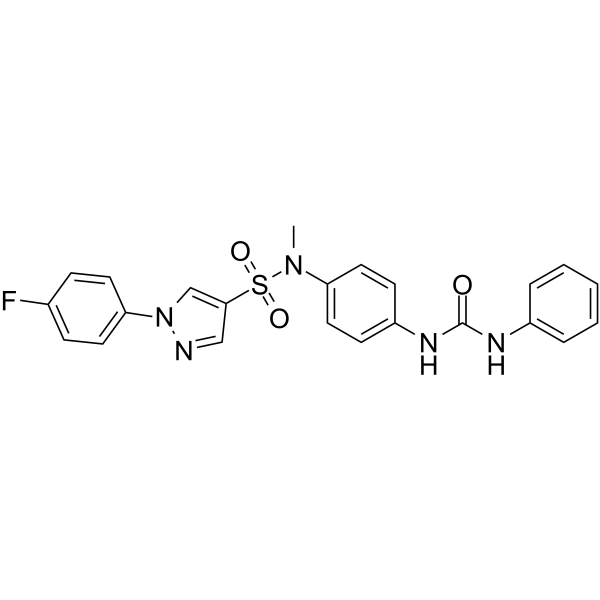 0 ImagesCat. No.: HY-110112CAS No.: 1259028-99-3BTT-3033 is an orally active conformation-selective inhibitor of α2β1 (EC50: 130 nM) by binding to the α2I domain. BTT-3033 inhibits platelet binding to collagen I and cell proliferation, and induces cell apoptosis. BTT-3033 can be used in the research of prostate cancer, inflammation and cardiovascular disease.

-
A-205804
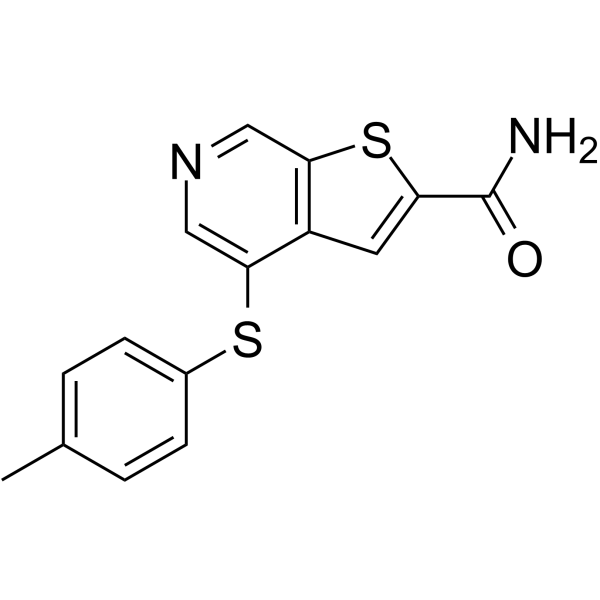 0 ImagesA-205804 is an orally bioavailable, potent and selective lead inhibitor of E-selectin and ICAM-1 expression, with an IC50 of 20 nM and 25 nM for E-selectin and ICAM-1, respectively. A-205804 can be used in the research of chronic inflammatory diseases.
-
Natalizumab (Anti-CD49d)
 0 ImagesSynonyms: AN100226; BG00002Natalizumab (Anti-CD49d) (AN100226; BG00002) Solution is a humanized monoclonal IgG4 antibody inhibitor that selectively targets α4 integrin (CD49d), blocking the interaction of integrins such as α4β1 (VLA-4) with vascular cell adhesion molecule VCAM-1, intercellular adhesion molecule ICAM-1, and fibronectin by competitively binding to the α4 subunit. Natalizumab solution inhibits the adhesion, retention, and transendothelial migration of immune cells (such as CD4+ T cells), reducing the infiltration of inflammatory cells into the central nervous system or lesion sites, thereby exerting anti-inflammatory and immunomodulatory activity. Natalizumab (Anti-CD49d) solution is used in the study of relapsing-remitting multiple sclerosis (RRMS) and is also applied in the research of autoimmune or inflammation-related diseases such as Crohn's disease, B-cell lymphoma, and non-infectious uveitis. Natalizumab (Anti-CD49d) can also prevent lymphocytes from entering the central nervous system, thus preventing acute demyelinating relapses.
-
Abciximab
 0 ImagesSynonyms: C7E3Abciximab (C7E3), a chimeric mouse/human monoclonal antibody fragment, is a glycoprotein (GP) IIb/IIIa inhibitor. Abciximab inhibits platelet aggregation and leucocyte adhesion by binding to the glycoprotein IIb/IIIa, vitronectin and Mac-1 receptors.
-
Leukadherin-1
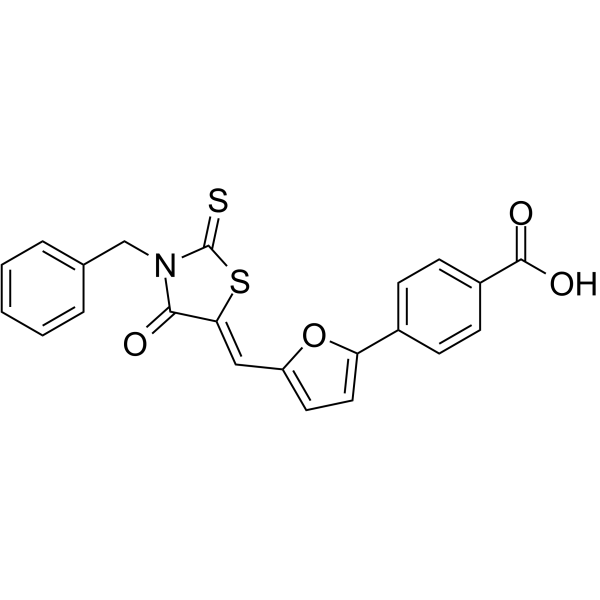 0 ImagesLeukadherin-1, a specific agonist of the leukocyte surface integrin CD11b/CD18, increases CD11b/CD18-dependent cell adhesion to fibrinogen with an EC50 of 4 μM. Leukadherin-1 enhances leukocyte adhesion to ligands (such as ICAM-1) and vascular endothelium and thus reduces leukocyte transendothelial migration and influx to the injury sites. Leukadherin-1 suppresses innate inflammatory signaling.
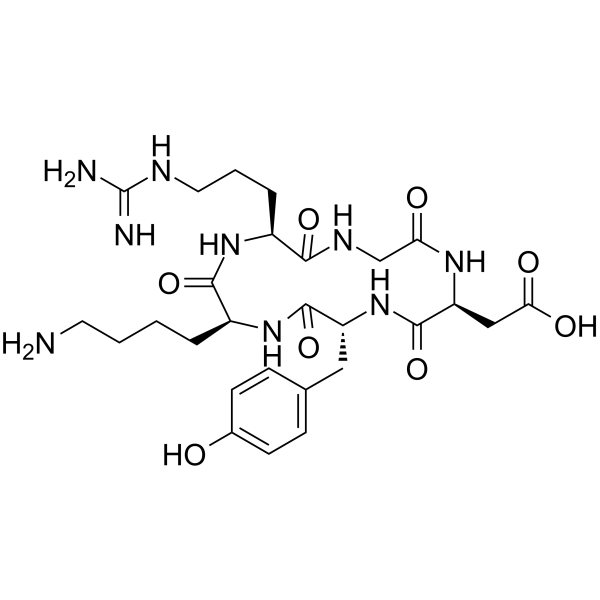
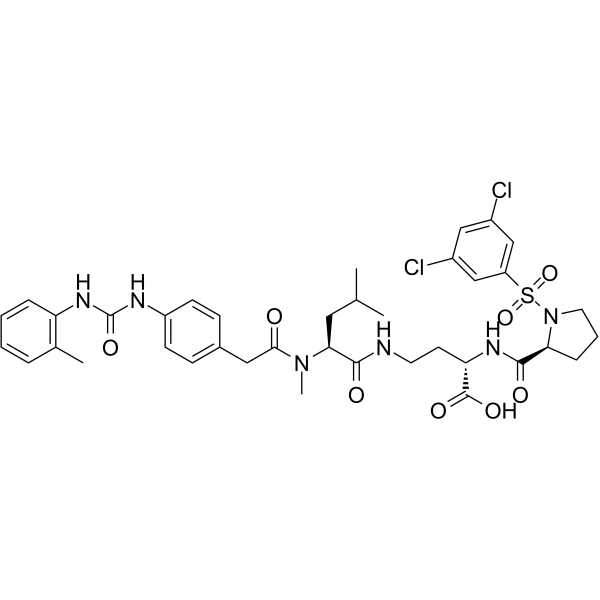
-
ABH hydrochloride
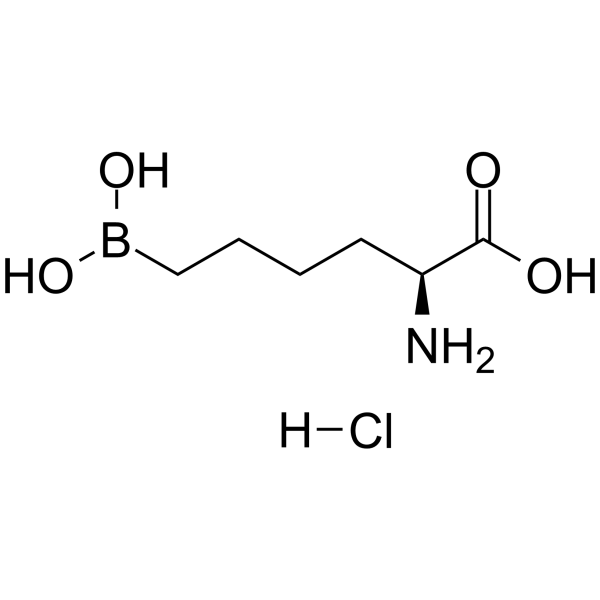 0 ImagesABH (hydrochloride) is an orally active arginase inhibitor (Ki = 8.5 nM). ABH hydrochloride promotes NO production and reduces the expression of inflammatory response-related molecules (ICAM-1, VCAM-1, MCP-1). ABH hydrochloride improves erectile function, reduces lung damage, promotes wound healing, reduces arterial blood pressure, and improves vascular fibrosis.
-
OSU-T315
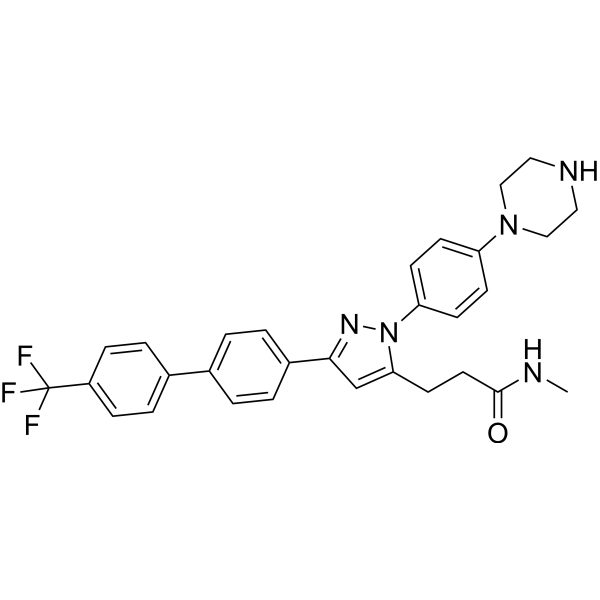 0 ImagesOSU-T315 (ILK-IN-1) is a small Integrin-linked kinase (ILK) inhibitor with an IC50 of 0.6 μM, inhibiting PI3K/AKT signaling by dephosphorylation of AKT-Ser473 and other ILK targets (GSK-3β and myosin light chain). OSU-T315 abrogates AKT activation by impeding AKT localization in lipid rafts and triggers caspase-dependent apoptosis in an ILK-independent manner. OSU-T315 causes cell death through apoptosis and autophagy.




