



JNK
c-Jun N-terminal kinase
JNK (c-Jun N-terminal kinase), a kinase subfamily belonging to the MAPK, is activated in response to various stress stimuli and possesses a wide variety of regulatory functions. The JNK family of serine/threonine protein kinases comprises three isoforms (JNK1, JNK2 and JNK3). JNKs are involved in the emergence and progression of diverse pathologies such as neurodegenerative, cardiovascular and metabolic disorders as well as inflammation and cancer.
Similar to the other MAP kinases, JNKs are activated by a phosphorylation cascade generally involving two types of upstream kinases, the so-called MAP kinase kinase kinases (MAP3K, MKKK) and the MAP kinase kinases (MAP2K; MKK). At the MAP2K level, JNKs are activated by MKK4 and MKK7, the former is a common activator of the JNK and the p38 MAP kinase signaling pathway. The JNK cascade shares various intersection points with other pathways making it a part of a complex signaling network.
JNK Isoform Specific Products
All Product Categories
-
JNK Related Products (541)
Related Products (541)

-
Antibodies (16)
-
JNK Isoform Comparison
-
Mapk9 Mouse Pre-designed siRNA Set A
 0 ImagesCat. No.: HY-RS08128
Mapk9 Mouse Pre-designed siRNA Set A contains three designed siRNAs for Mapk9 gene (Mouse), as well as a negative control, a positive control, and a FAM-labeled negative control.
-
Pulegone-d8
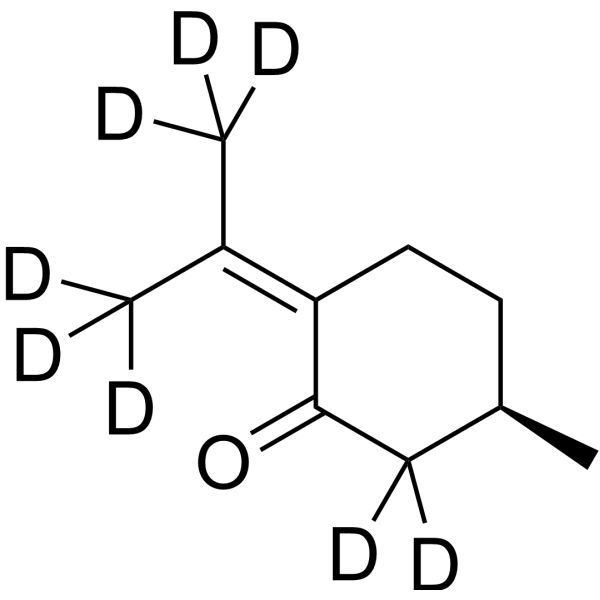 0 ImagesCat. No.: HY-N1500S1CAS No.: 62385-90-4Pulegone-d8 is deuterated labeled Pulegone (HY-N1500). Pulegone is a monoterpene ketone compound widely present in the essential oils of many plants. Pulegone can also be used as a bird repellent. Pulegone has multiple activities such as anti-inflammatory, antibacterial, antifungal, and anti-hyperalgesic effects. Pulegone is particularly effective against bacteria of the Salmonella species.
-
CLP-d2
 0 ImagesCat. No.: HY-P11617CLP-d2 is a multi-target anti-inflammatory agent, osteoclastogenesis inhibitor and immunomodulator with superior pharmacokinetic properties to Daptomycin (HY-B0108) and good safety profiles. CLP-d2 inhibits the NF-κB and MAPK signaling pathways by reducing the expression levels of c-Fos and NFATc1, and decreasing the phosphorylation levels of IκBα, p65, ERK and JNK, thereby reducing the secretion of pro-inflammatory cytokines such as IL-6, TNF-α and IL-1β to exert anti-inflammatory activity. CLP-d2 inhibits intra-articular osteoclastogenesis in mice, alleviates bone erosion and joint swelling, reduces synovial hyperplasia and inflammatory cell infiltration, and decreases serum rheumatoid factor (RF) levels. CLP-d2 is applicable to related research on rheumatoid arthritis.
-
TOPK-p38/JNK-IN-1
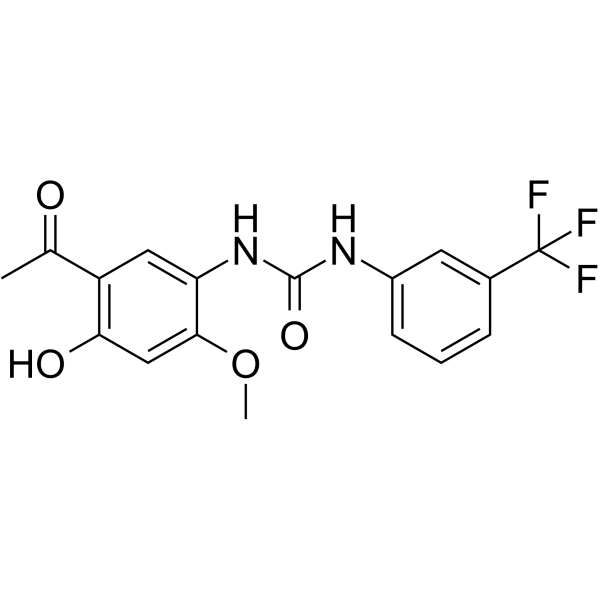 0 ImagesCat. No.: HY-144761CAS No.: 2745108-35-2TOPK-p38/JNK-IN-1 (Compound B12) is an orally active TOPK-p38/JNK signaling pathway inhibitor with the IC50 value of 2.14 µM for NO production. TOPK-p38/JNK-IN-1 shows anti-inflammatory activities. TOPK-p38/JNK-IN-1 also inhibits phosphorylate downstream related proteins and avoids degradation of TOPK.
-
Catenarin
 0 ImagesCatenarin, an anthraquinone compound, inhibits CCR5- and CXCR4-mediated chemotaxis. Catenarin reduces the phosphorylation of mitogen-activated protein kinases (p38 and JNK) and their upstream kinases (MKK6 and MKK7), and calcium mobilization. Catenarin shows anti-inflammatory effect and suppresses leukocyte migration in the diabetes. Catenarin exhibits significant inhibitory effects against Gram-positive bacteria. Catenarin prevents type 1 diabetes (T1D) in nonobese diabetic mice[1][2].

-
JNK3 inhibitor-9
 0 ImagesCat. No.: HY-168859JNK3 inhibitor-9 (Compound 24a) is a potent, selective and BBB-permeable JNK3 inhibitor with an IC50 value of 12 nM. JNK3 inhibitor-9 also potently inhibits GSK3α/β (IC50s: 14 and 35 nM, respectively) involved in Tau phosphorylation. JNK3 inhibitor-9 reduces c-Jun and APP phosphorylation. JNK3 inhibitor-9 protects neurons from Aβ1-42 toxicity.
-
Trimebutine-d5 fumarate
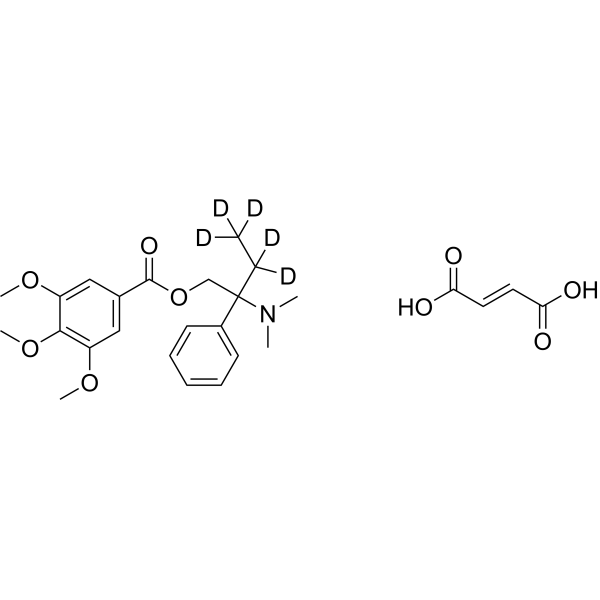 0 ImagesCat. No.: HY-B0380S1CAS No.: 2747915-18-8Trimebutine-d5 fumarate is deuterium labeled Trimebutine fumarate. Trimebutine fumarate is a multi-target inhibitor and opioid receptor agonist with antimuscarinic activity. Trimebutine fumarate inhibits L-type Ca2+ channels and large-conductance calcium-activated potassium channels (BKCa channels), thereby inhibiting extracellular calcium influx and potassium ion efflux. Trimebutine fumarate also targets Toll-like receptors, inhibits Toll-like receptor 2/4/7/8/9 signals, and inhibits LPS-induced IRAK1 activation, as well as ERK1/2, JNK and NF-κB activation, thereby exerting anti-inflammatory effects. Trimebutine fumarate also induces tumor cell apoptosis by inhibiting the AKT/ERK pathway. Trimebutine fumarate also inhibits excessive contraction of smooth muscle and can be used in the study of gastrointestinal disorders such as irritable bowel syndrome (IBS).
-
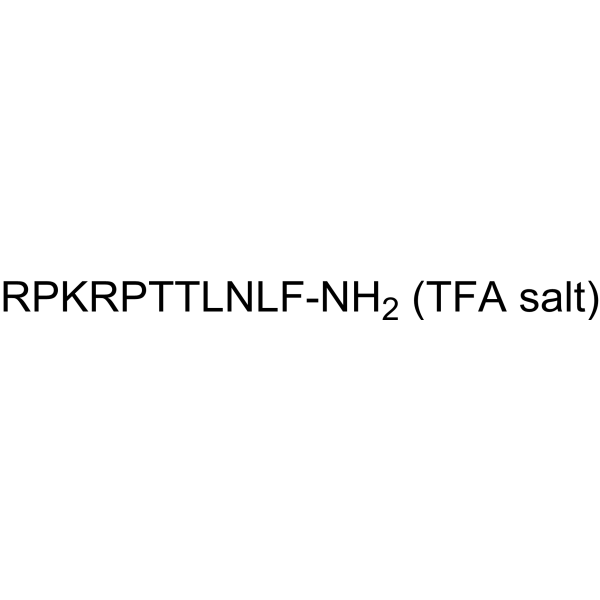
α-Neoendorphin (porcine)
 0 ImagesCat. No.: HY-P11656CAS No.: 77739-20-9α-Neoendorphin porcine is a peptide. α-Neoendorphin porcine effectively alleviates UVB-induced skin photoaging via activating mTOR-Beclin-1-mediated autophagy, reducing UVB-triggered ROS production, inhibiting the MAPK pathway and MMP activity, and promoting type I procollagen synthesis. α-Neoendorphin porcine exerts anti-aging and anti-wrinkle effects on skin cells. α-Neoendorphin porcine can be used in studies related to skin photoaging.
-
Propylparaben-d7
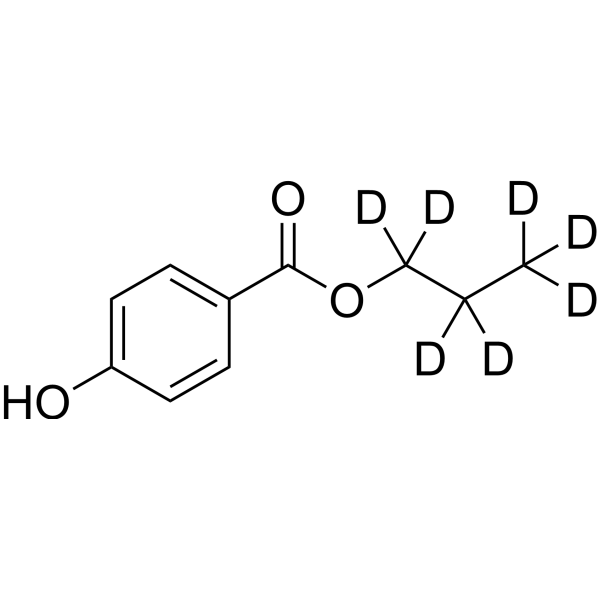 0 ImagesCat. No.: HY-N2026SCAS No.: 1246820-92-7Synonyms: Propyl parahydroxybenzoate-d7; Propyl 4-hydroxybenzoate-d7Propylparaben-d7 (Propyl parahydroxybenzoate-d7) is the deuterium labeled Propylparaben (HY-N2026). Propylparaben (Propyl parahydroxybenzoate) is an antibacterial preservative that can be produced by plants and bacteria. Propylparaben is an orally active weak estrogen receptor agonist. Propylparaben regulates the PI3K-AKT and JNK signaling pathways, and induces oxidative stress. Propylparaben is commonly used in cosmetics, pharmaceuticals and foods, and can be used in studies related to ovarian aging and myocardial ischemia-reperfusion injury.
-
Iso-AS601245 TFA
 0 ImagesCat. No.: HY-10612ACAS No.: 1644386-60-6Iso-AS601245 TFA is an orally active JNK inhibitor, with IC50 values of 0.15 μM, 0.22 μM and 0.07 μM against JNK1, JNK2 and JNK3, respectively. Iso-AS601245 TFA reduces plasma TNF-α levels in mice and inhibits IL-2 secretion in activated T cells. Iso-AS601245 TFA alleviates adjuvant-induced rheumatoid arthritis in mice. Iso-AS601245 TFA can be used in studies related to rheumatoid arthritis.


-
SR-3737
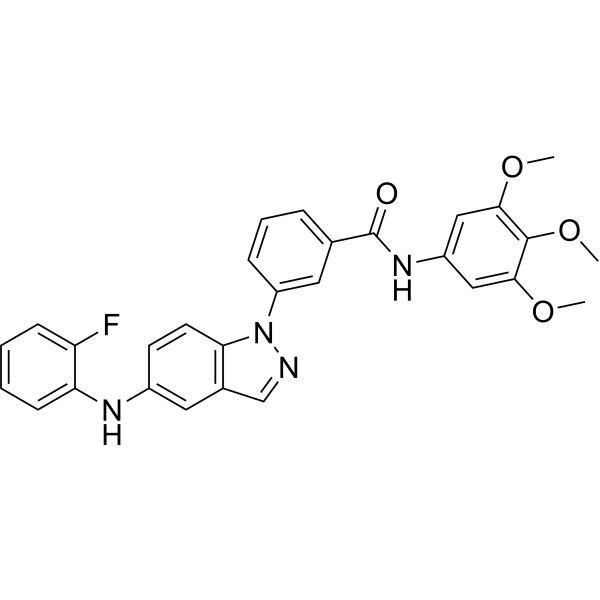 0 ImagesCat. No.: HY-117248CAS No.: 1164153-37-0SR-3737 is a JNK3 and p38 inhibitor (IC50: 12 and 3 nM).
-
Cyy-272
 0 ImagesCat. No.: HY-169052CAS No.: 2644673-01-6Cyy-272 is an orally active JNK inhibitor with IC50 values of 1.25 μM for JNK1, 1.07 μM for JNK2, and 1.24 μM for JNK3. Cyy-272 exerts anti-inflammatory effects by inhibiting JNK phosphorylation, thereby alleviating acute lung injury (ALI) induced by lipopolysaccharide (LPS, HY-D1056). Additionally, Cyy-272 significantly reduces inflammation in cardiomyocytes and cardiac tissue induced by high lipid concentrations, further mitigating cardiac hypertrophy, fibrosis, and apoptosis. Cyy-272 can be used in the study of obese cardiomyopathy.
-
PROTAC Bcl-xL degrader-4
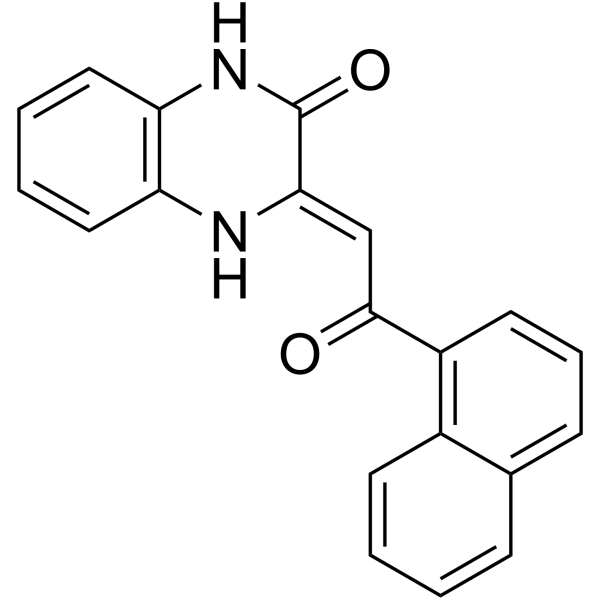
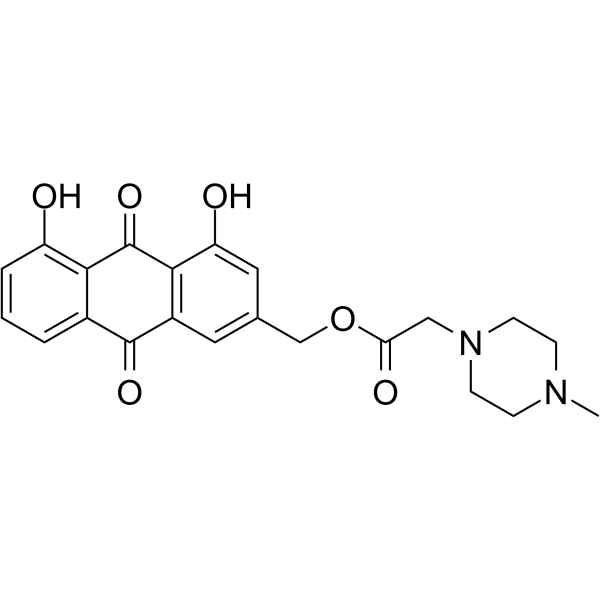
 0 ImagesCat. No.: HY-176740CAS No.: 2930759-37-6PROTAC Bcl-xL degrader-4 (Compound 2-38-III) is a Bcl-xL PROTAC degrader. PROTAC Bcl-xL degrader-4 has strong anti-tumor activity against HepG2 cells and HUVEC cells. PROTAC Bcl-xL degrader-4 induces cells apoptosis by decreasing mitochondrial membrane potential and activating the MAPK signaling pathway. PROTAC Bcl-xL degrader-4 significantly inhibits tumor growth in xenograft tumor mouse models.
-
Flavokawain A (Standard)
 0 ImagesFlavokawain A is a chalcone compound and an orally active inhibitor of PRMT5 and cytochrome P450. Flavokawain A has anti-inflammatory, anti-tumor, and immunomodulatory effects. Flavokawain A can inhibit the proliferation of tumor cells and induce apoptosis. Flavokawain A can be used in the research of diseases such as bladder cancer.




