



c-Met/HGFR
c-Met (hepatocyte growth factor receptor, HGFR) is a protein possesses tyrosine kinase activity. The primary single chain precursor protein is post-translationally cleaved to produce the alpha and beta subunits, which are disulfide linked to form the mature receptor. c-Met is a membrane receptor that is essential for embryonic development and wound healing. Hepatocyte growth factor (HGF) is the only known ligand of the c-Met receptor. c-Met is normally expressed by cells of epithelial origin, while expression of HGF is restricted to cells of mesenchymalorigin. Upon HGF stimulation, c-Met induces several biological responses that collectively give rise to a program known as invasive growth.
All Product Categories
-
c-Met/HGFR Inhibitors
(237)
View all products
-
c-Met/HGFR Agonist
(1)
View all products
-
c-Met/HGFR Activators
(4)
View all products
-
c-Met/HGFR Modulators
(3)
View all products
-
c-Met/HGFR Degraders
(11)
View all products
-
c-Met/HGFR Ligands
(4)
View all products
-
c-Met/HGFR Proteins
(48)
View all products
-
c-Met/HGFR Related Products (283)
Related Products (283)

-
Recombinant Proteins (48)
-
Antibodies (7)
-
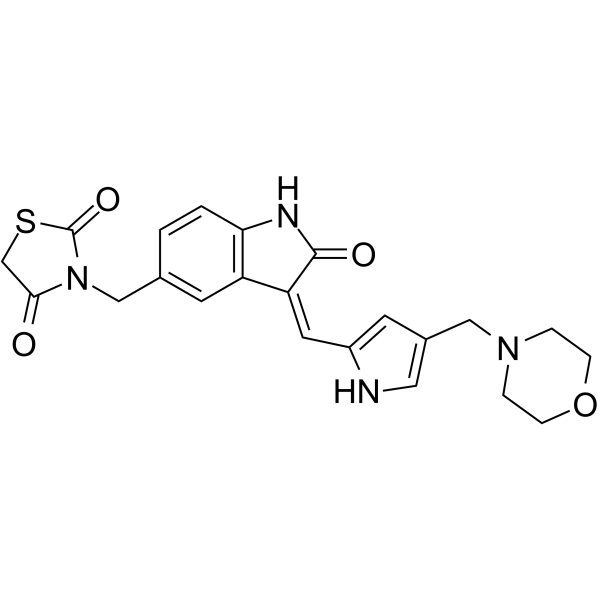
Pamufetinib mesylate
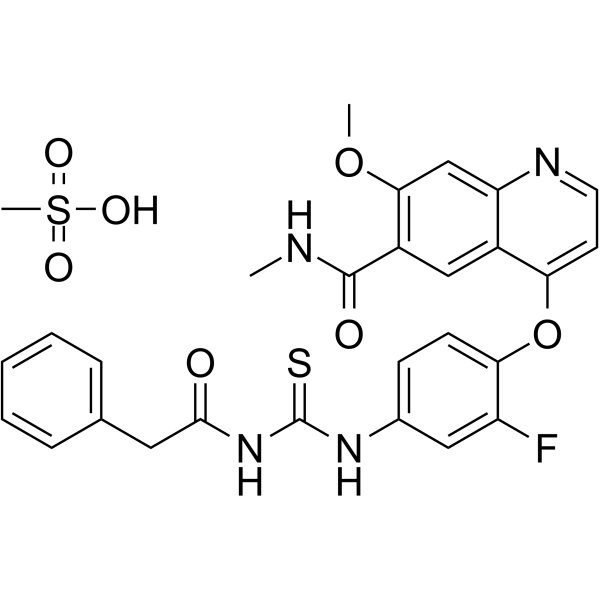 0 ImagesSynonyms: TAS-115 mesylatePamufetinib (TAS-115) mesylate is a potent VEGFRand hepatocyte growth factor receptor (c-Met/HGFR)-targeted kinase inhibitor, with IC50s of 30 and 32 nM for rVEGFR2 and rMET, respectively.
-
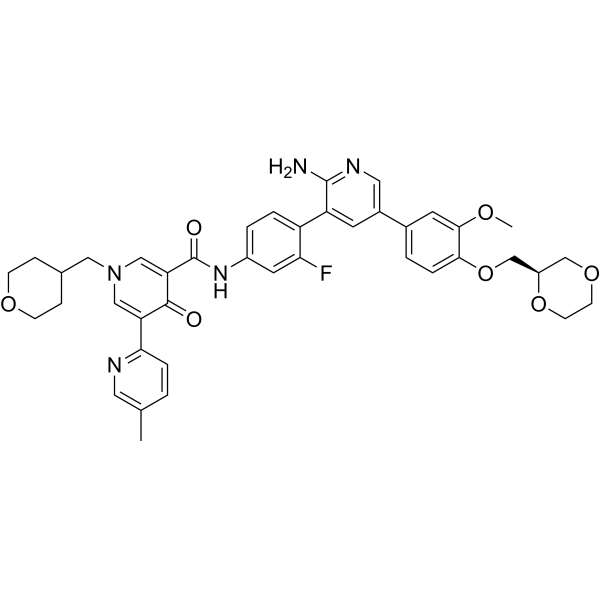
Merestinib dihydrochloride
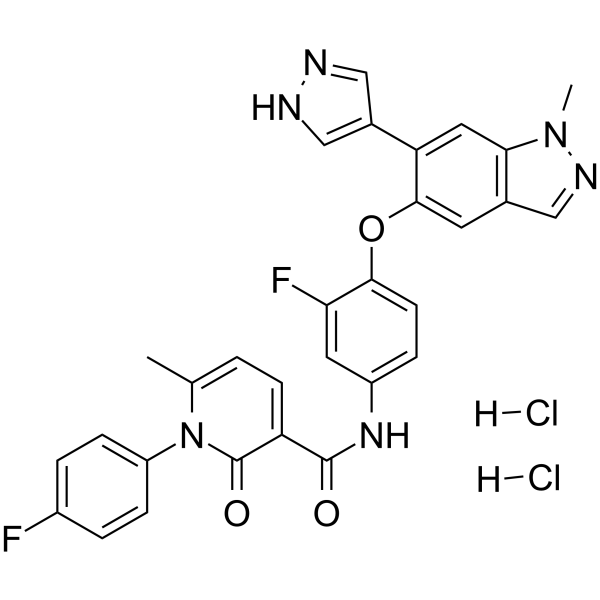 0 ImagesSynonyms: LY2801653 dihydrochlorideMerestinib dihydrochloride (LY2801653 dihydrochloride) is a potent, orally bioavailable c-Met inhibitor (Ki=2 nM) with anti-tumor activities. Merestinib dihydrochloride also has potent activity against MST1R (IC50=11 nM), FLT3 (IC50=7 nM), AXL (IC50=2 nM), MERTK (IC50=10 nM), TEK (IC50=63 nM), ROS1, DDR1/2 (IC50=0.1/7 nM) and MKNK1/2 (IC50=7 nM).
-
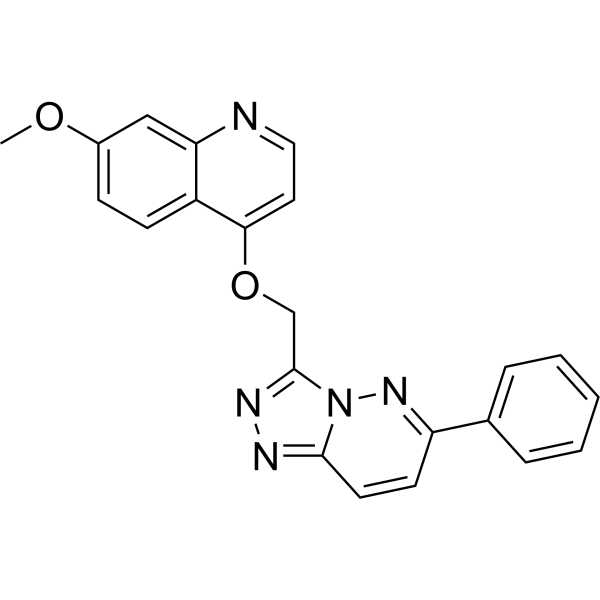
Emzeltrectinib
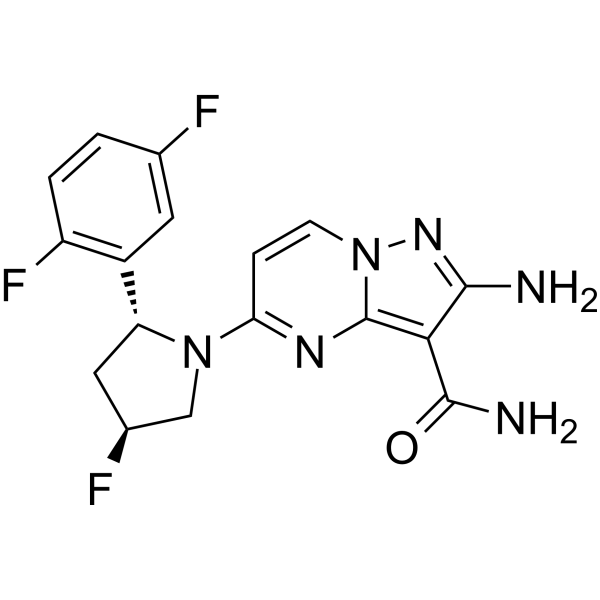 0 ImagesEmzeltrectinib is a potent tyrosine kinase inhibitor with antineoplastic activity.

-
AMG-458
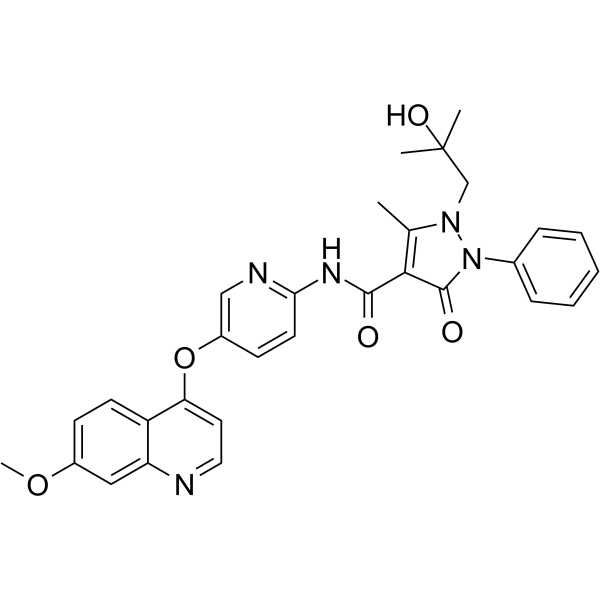 0 ImagesAMG-458 is a potent, selective and orally bioavailable c-Met inhibitor, with Ki values of 1.2 nM and 2.0 nM for human and mouse c-Met, respectively.
-
Afatinib (Standard)
 0 ImagesCat. No.: HY-10261RCAS No.: 850140-72-6Synonyms: BIBW 2992 (Standard)Afatinib (Standard) is the analytical standard of Afatinib. This product is intended for research and analytical applications. Afatinib (BIBW 2992) is an orally active, potent and irreversible dual specificity inhibitor of ErbB family (EGFR and HER2), with IC50 values of 0.5 nM, 0.4 nM, 10 nM and 14 nM for EGFRwt, EGFRL858R, EGFRL858R/T790M and HER2, respectively. Afatinib can be used for the research of esophageal squamous cell carcinoma (ESCC), non-small cell lung cancer (NSCLC) and gastric cancer.
-
Zevontabart
 0 ImagesSynonyms: MYTX-011 Antibody; Q-397Zevontabart (MYTX-011 Antibody; Q-397) is a pH-dependent anti-c-MET antibody. Zevontabart regulates the trafficking process of c-MET to reduce receptor recycling, and enhances its own endocytosis and accumulation in c-MET-expressing cells. Zevontabart induces cytotoxicity in solid tumor cells and exerts anti-tumor activity in a non-small cell lung cancer xenograft mouse model. Zevontabart can be used to synthesize ADC, such as: MYTX-011. Zevontabart can be used in studies related to non-small cell lung cancer, with its corresponding isotype control being Human IgG1 kappa, Isotype Control (HY-P99001).
-
Momordicine I
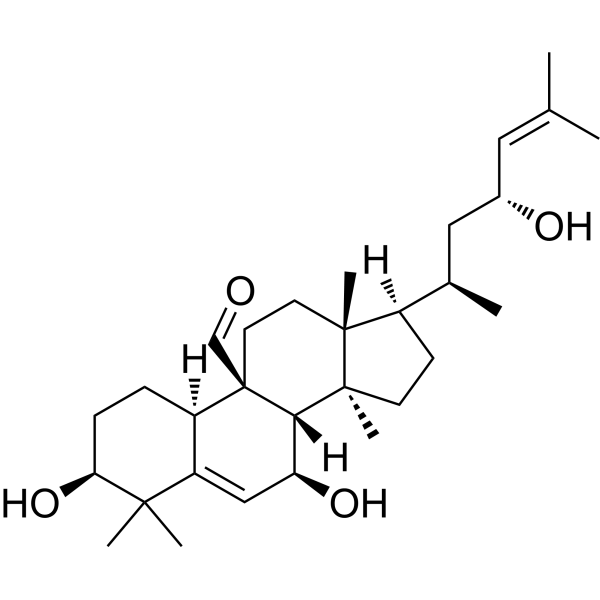 0 ImagesCat. No.: HY-122949CAS No.: 91590-76-0Momordicine I is a cucurbitane-type triterpenoids. Momordicine I suppresses glioma growth by promoting apoptosis and impairing mitochondrial oxidative phosphorylation. Momordicine I inhibits glycolysis, lipid metabolism, induces autophagy in HNC cells to suppress head and neck cancer growth. Momordicine I alleviates isoproterenol-induced cardiomyocyte hypertrophy through suppression of PLA2G6 and DGK-ζ. Momordicine I exerts its cardiovascular benefits by upregulating nitric oxide, inhibiting the activity of angiotensin-converting enzyme (ACE), activating the PI3K/Akt pathway, reducing oxidative stress and inflammation. Momordicine I inhibits AKT1, IL-6, and SRC, suggesting its potential application in type 2 diabetes.
-
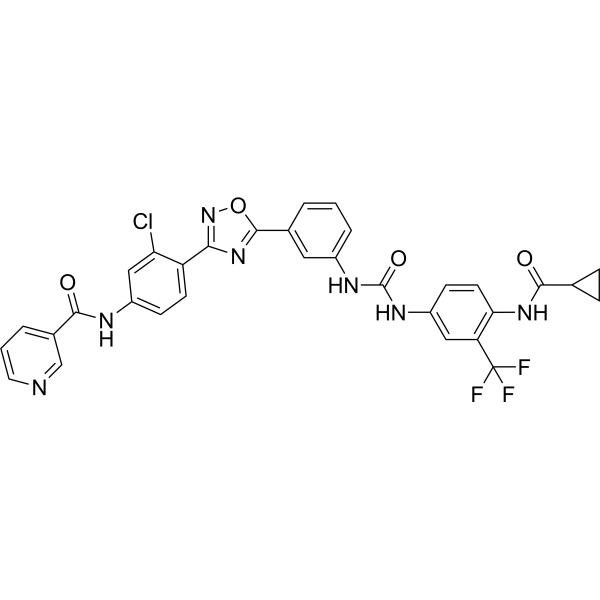
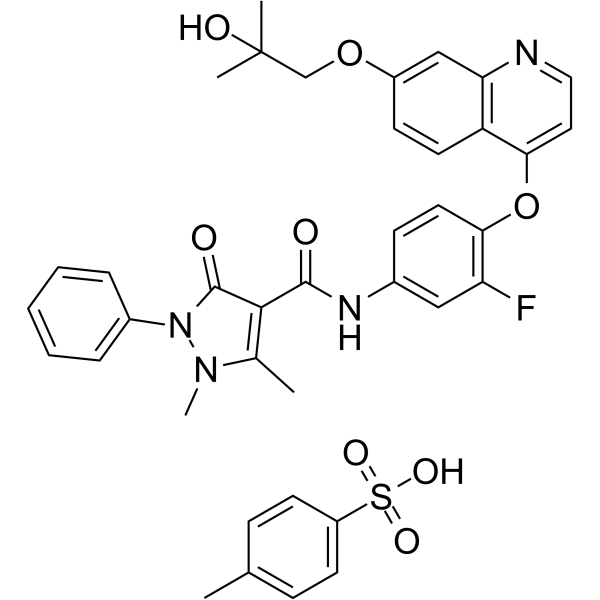
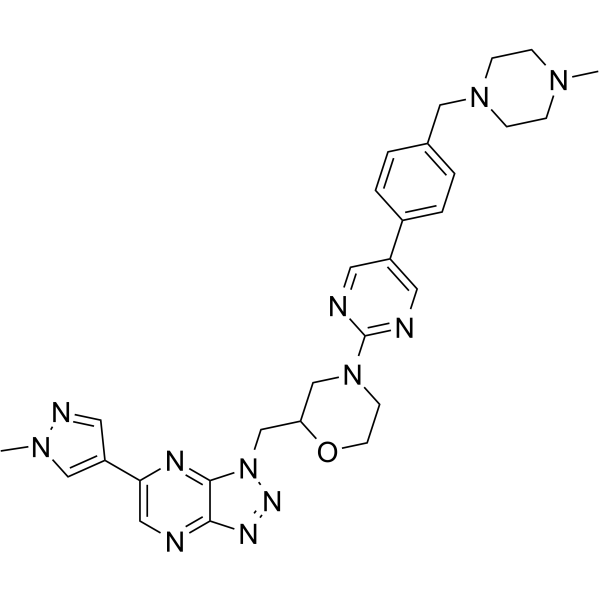
c-Met inhibitor 1
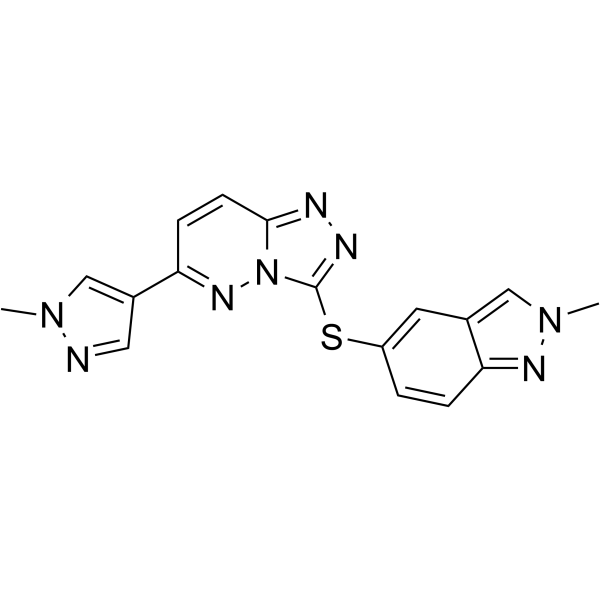 0 Imagesc-Met inhibitor 1 is an orally active c-Met inhibitor. c-Met inhibitor 1 can inhibit c-Met phosphorylation with an IC50 of 0.010 μM. c-Met inhibitor 1 has antitumor activity and can be used for the research of tumors such as gastric cancer, pancreatic cancer and malignant glioma.
-
Cabozantinib-d6
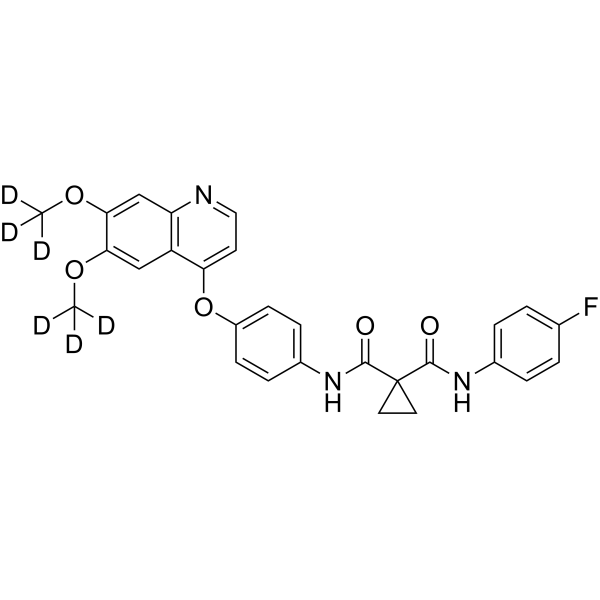 0 ImagesSynonyms: XL184-d6; BMS-907351-d6
-
BPI-9016M
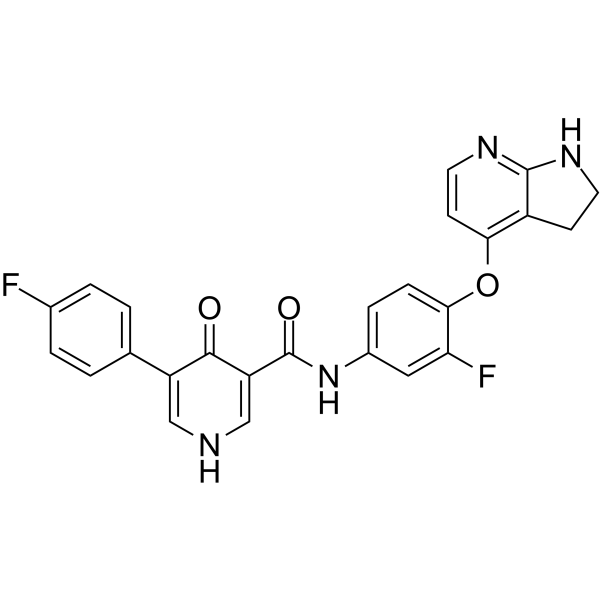 0 ImagesCat. No.: HY-114356CAS No.: 1528546-94-2BPI-9016M is a potent, orally active, and selective dual c-Met and AXL tyrosine kinases inhibitor. BPI-9016M suppresses tumor cell growth, migration and invasion of lung adenocarcinoma.
-
SCR-1481B1 free base
 0 ImagesSynonyms: Metatinib free base; c-Met inhibitor 2 free baseSCR-1481B1 free base, also known as Metatinib free base, is a small molecule receptor kinase inhibitor that targets both c-MET and vascular endothelial growth factor receptor 2 (VEGFR2).
-
Cabozantinib-d4
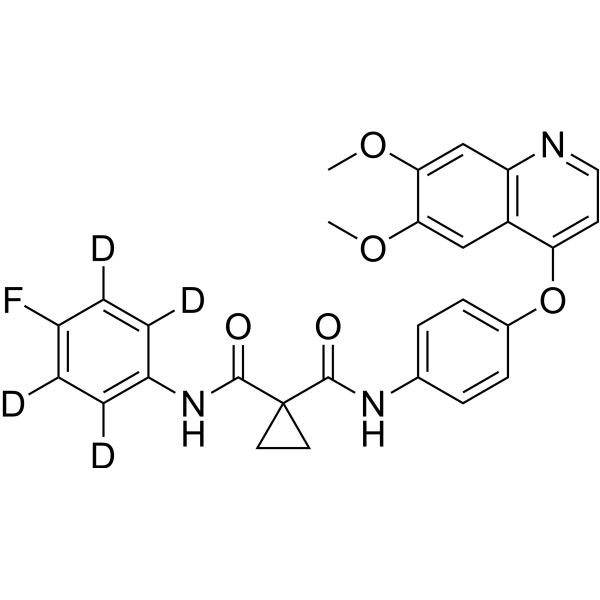 0 ImagesSynonyms: XL184-d4; BMS-907351-d4
-
Tepotinib (Standard)
 0 ImagesSynonyms: EMD-1214063 (Standard)Tepotinib (Standard) is the analytical standard of Tepotinib. This product is intended for research and analytical applications. Tepotinib (EMD-1214063) is an orally active and highly selective, reversible, ATP-competitive c-Met inhibitor with an IC50 of 3 nM, >200-fold selective for c-Met than IRAK4, TrkA, Axl, IRAK1, and Mer. Tepotinib inhibits c-Met phosphorylation. Tepotinib has antitumor effects.




