



CPT-1
Carnitine palmitoyltransferase 1 (CPT-1) is an outer mitochondrial membrane enzyme that catalyzes the formation of acylcarnitines from long-chain fatty acyl-CoA and carnitine, thereby controlling the entry of long-chain fatty acids into mitochondria for β-oxidation and serving as a key rate-limiting step in mitochondrial fatty acid oxidation[1][1]. Mechanistically, CPT-1 functions within the carnitine shuttle system and cooperates with CPT2 to support mitochondrial utilization of long-chain fatty acids for energy production[1]. The activity of CPT-1 is tightly regulated by malonyl-CoA, an endogenous inhibitor that suppresses fatty acid oxidation through inhibition of CPT-1-mediated fatty acid transport into mitochondria[2][3][4]. This regulatory axis integrates nutrient status with lipid metabolism and is a central component of the AMPK-ACC-CPT1 pathway controlling mitochondrial β-oxidation[5]. Dysregulation of CPT-1-dependent fatty acid oxidation has been implicated in metabolic disorders, insulin resistance, inherited fatty acid oxidation defects, and cancer-associated metabolic reprogramming[1][6]. Compared with related isoforms, CPT1A is predominantly expressed in liver and exhibits lower sensitivity to malonyl-CoA, whereas CPT1B is enriched in heart and skeletal muscle and displays substantially greater malonyl-CoA sensitivity[4][7]. CPT1C is primarily expressed in the nervous system and possesses distinct biological functions that differ from the canonical fatty acid oxidation roles of CPT1A and CPT1B[8]. For experimental applications, pharmacological inhibition of CPT1, including inhibition of CPT1A activity, is widely used to investigate fatty acid oxidation-dependent metabolic pathways and disease mechanisms[6].
References:
- [1]. Fan Y, et al. Itaconate transporter SLC13A3 confers immunotherapy resistance via alkylation-mediated stabilization of PD-L1. Cell Metab. 2025 Feb 4;37(2):514-526.e5. [Content Brief]
- [2]. Rasmussen BB, et al. Malonyl coenzyme A and the regulation of functional carnitine palmitoyltransferase-1 activity and fat oxidation in human skeletal muscle. J Clin Invest. 2002 Dec;110(11):1687-93. [Content Brief]
- [3]. Saggerson D. Malonyl-CoA, et al. Malonyl-CoA, a key signaling molecule in mammalian cells. Annu Rev Nutr. 2008;28:253-72. [Content Brief]
- [4]. Foster DW. Malonyl-CoA: the regulator of fatty acid synthesis and oxidation. J Clin Invest. 2012 Jun;122(6):1958-9. doi: 10.1172/jci63967. PMID: 22833869; PMCID: PMC3366419. et al. Malonyl-CoA: the regulator of fatty acid synthesis and oxidation. J Clin Invest. 2012 Jun;122(6):1958-9. [Content Brief]
- [5]. Schreurs M, et al. Regulatory enzymes of mitochondrial beta-oxidation as targets for treatment of the metabolic syndrome. Obes Rev. 2010 May;11(5):380-8. [Content Brief]
- [6]. Liang K. Mitochondrial CPT1A: Insights into structure, et al. Mitochondrial CPT1A: Insights into structure, function, and basis for drug development. Front Pharmacol. 2023 Mar 23;14:1160440. [Content Brief]
- [7]. Kim JY, et al. Evidence of a malonyl-CoA-insensitive carnitine palmitoyltransferase I activity in red skeletal muscle. Am J Physiol Endocrinol Metab. 2002 May;282(5):E1014-22. [Content Brief]
- [8]. Chen HJ, et al. The heat shock response plays an important role in TDP-43 clearance: evidence for dysfunction in amyotrophic lateral sclerosis. Brain. 2016 May;139(Pt 5):1417-32. [Content Brief]
-
CPT-1 Related Products (43)
Related Products (43)

-
Etomoxir
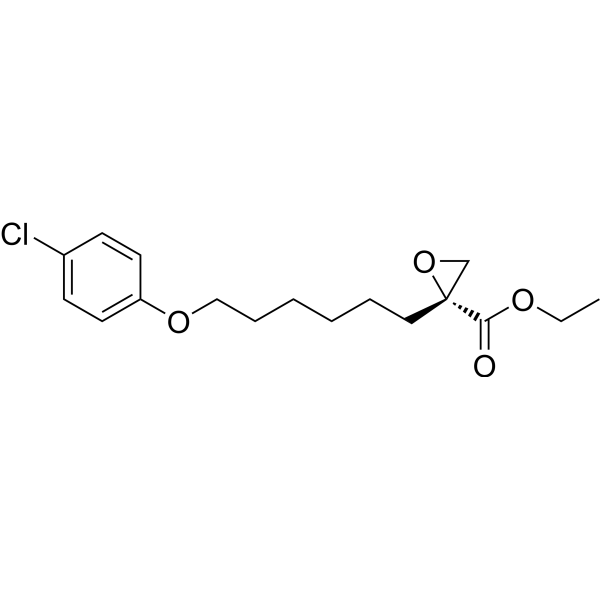 0 ImagesSynonyms: (R)-(+)-EtomoxirEtomoxir ((R)-(+)-Etomoxir) is an irreversible inhibitor of carnitine palmitoyltransferase 1a (CPT-1a), inhibits fatty acid oxidation (FAO) through CPT-1a and inhibits palmitate β-oxidation in human, rat and guinea pig.
-
C75
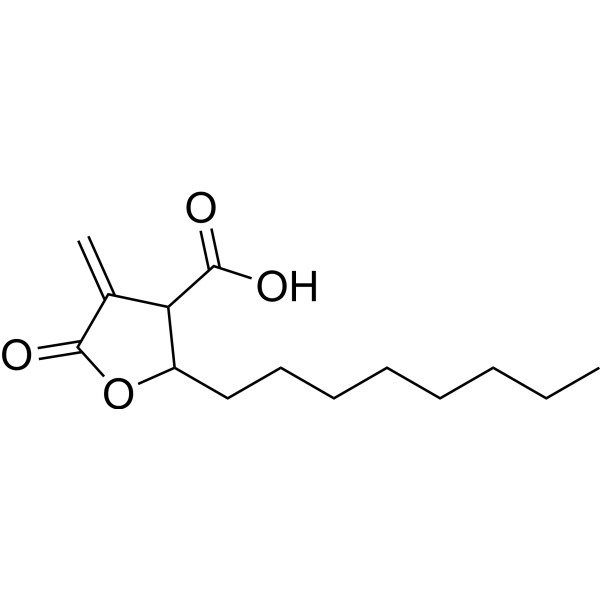 0 ImagesC75 is a synthetic fatty-acid synthase (FASN) inhibitor; inhibits prostate cancer cells PC3 with an IC50 of 35 μM. C75 is a potent CPT1A activator.
-
Etomoxir sodium salt
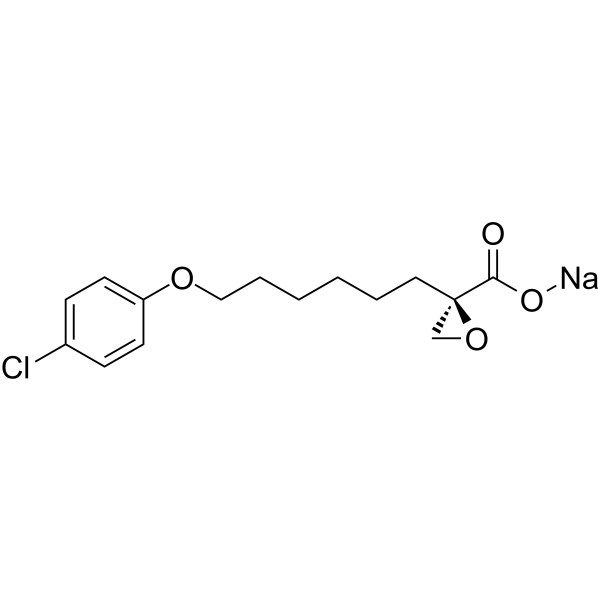 0 ImagesSynonyms: (R)-(+)-Etomoxir sodium saltEtomoxir((R)-(+)-Etomoxir) sodium salt is an irreversible inhibitor of carnitine palmitoyltransferase 1a (CPT-1a), inhibits fatty acid oxidation (FAO) through CPT-1a and inhibits palmitate β-oxidation in human, rat and guinea pig.
-
Perhexiline maleate
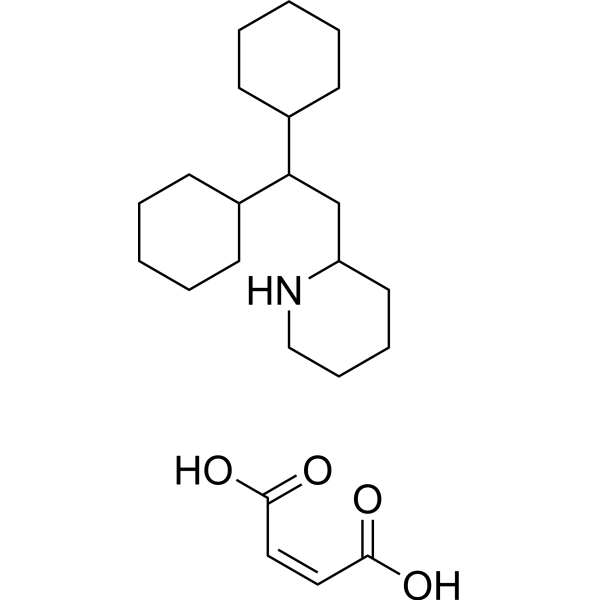 0 ImagesPerhexiline maleate is an orally active CPT1 and CPT2 inhibitor that reduces fatty acid metabolism. Perhexiline maleate induces mitochondrial dysfunction and apoptosis in hepatic cells. Perhexiline maleate can cross the blood brain barrier (BBB) and shows anti-tumor activity. Perhexiline maleate can be used in the research of cancers, and cardiovascular disease like angina.
-
Teglicar
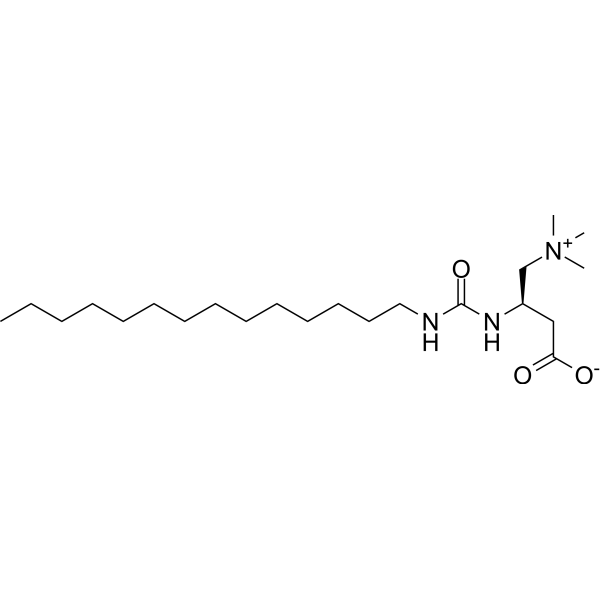 0 ImagesTeglicar is a selective and reversible orally active liver isoform of carnitine palmitoyl-transferase 1 (L-CPT1) inhibitor with an IC50 value of 0.68 μM and a Ki value of 0.36 μM. Teglicar has a potential antihyperglycemic propert. Teglicar can be used for the research of diabetes and neurodegenerative disease including Huntington's disease (HD).
-
Diphenyl Phosphate
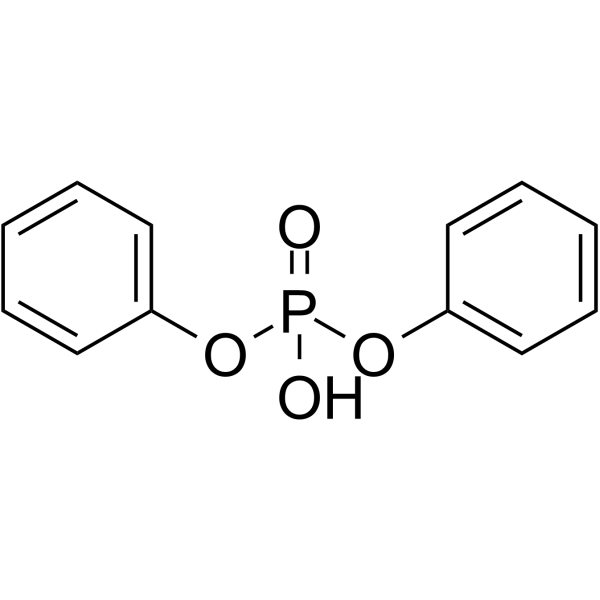 0 ImagesDiphenyl Phosphate inhibits growth and energy metabolism in zebrafish and mice in a sex-specific manner. Diphenyl Phosphate can inhibit the activity of SDH (respiratory complex II), reduce the expression of CPT1 and disrupts the integrity of the mitochondrial membrane. Diphenyl Phosphate may be used in research on metabolic diseases.
-
Baicalin (Standard)
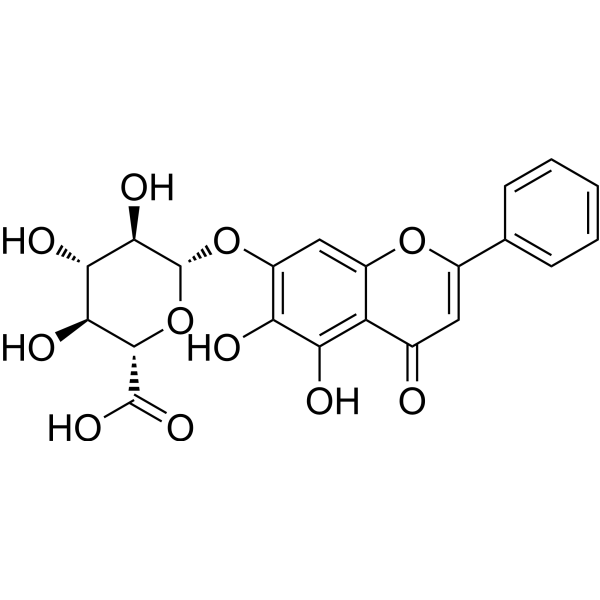
 0 ImagesSynonyms: Baicalein 7-O-β-D-glucuronide (Standard)Baicalin (Standard) is the analytical standard of Baicalin. This product is intended for research and analytical applications. Baicalin, as a flavonoid glycoside, is an allosteric carnitine palmityl transferase 1 (CPT1) activator. Baicalin reduces the expression of NF-κB.
-
Malonyl CoA lithium
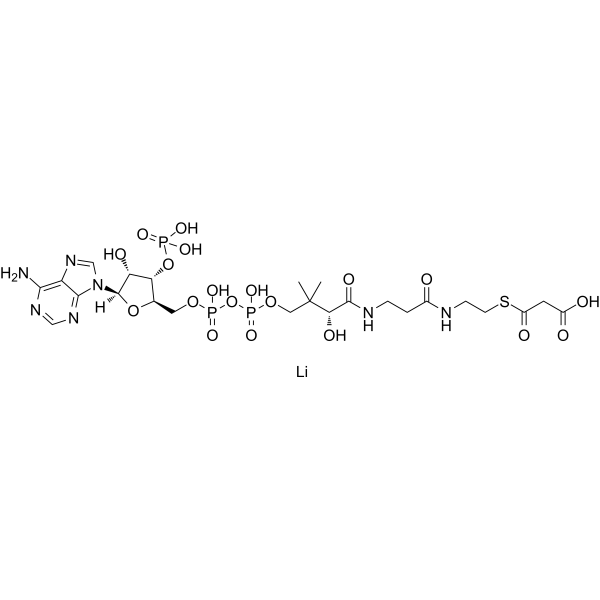 0 ImagesSynonyms: Malonyl coenzyme A lithiumMalonyl CoA (Malonyl Coenzyme A) lithium is an inhibitor of carnitine palmitoyl transferase 1 (CPT1). High Malonyl CoA lithium concentrations suppress fatty acid oxidation, while low Malonyl CoA lithium concentrations are permissive for fat oxidation.
-
Isorhapontigenin
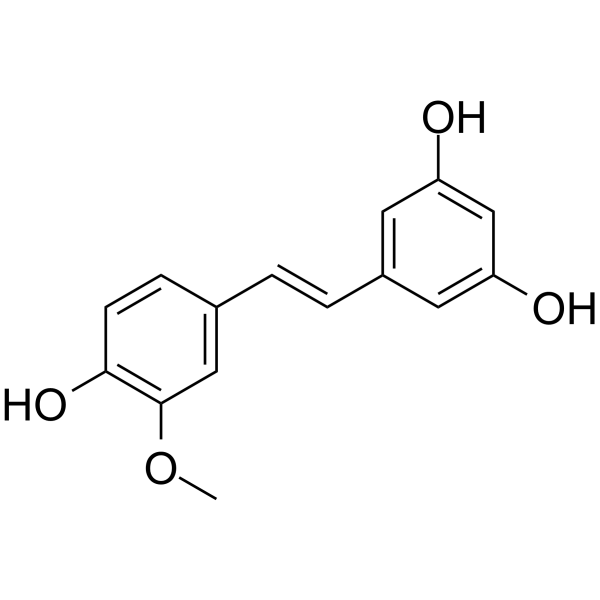 0 ImagesIsorhapontigenin is an orally active dietary polyphenol. Isorhapontigenin acts as a potent antioxidant that reduces the production of reactive oxygen species (ROS). Isorhapontigenin promotes the binding of JUN to the AP-1 site on the SESN2 promoter, induces SESN2 transcription, triggers MAPK8-dependent JUN activation, and upregulates the expression of PPAR-α, PGC-1α and CPT-1A to facilitate fatty acid oxidation. Isorhapontigenin induces autophagy, apoptosis and preadipocyte differentiation; it inhibits tumor growth, cell invasion, NF-κB transcriptional activity, the PI3K/Akt signaling pathway, STAT1 phosphorylation and MMP-2 expression. Isorhapontigenin alleviates oxidative stress, inflammatory cytokine release and triglyceride accumulation; it increases intracellular ATP levels and promotes Nrf2 nuclear translocation. Isorhapontigenin improves insulin sensitivity in adipose tissue and glucose tolerance, and reduces postprandial blood glucose, insulin and free fatty acid levels. Isorhapontigenin is applicable to research on bladder cancer, liver injury, chronic obstructive pulmonary disease, acute lung injury and type 2 diabetes.
-
Carbacyclin
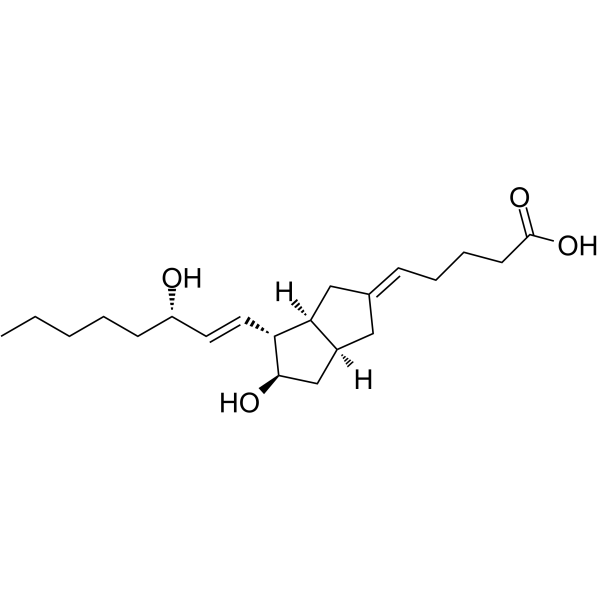 0 ImagesSynonyms: Carbaprostacyclin; Carba-PGI2Carbacyclin is a PGI2 analogue, acts as a prostacyclin (PGI2) receptor agonist and vasodilator, and potently inhibits platelet aggregation.
-
Perhexiline
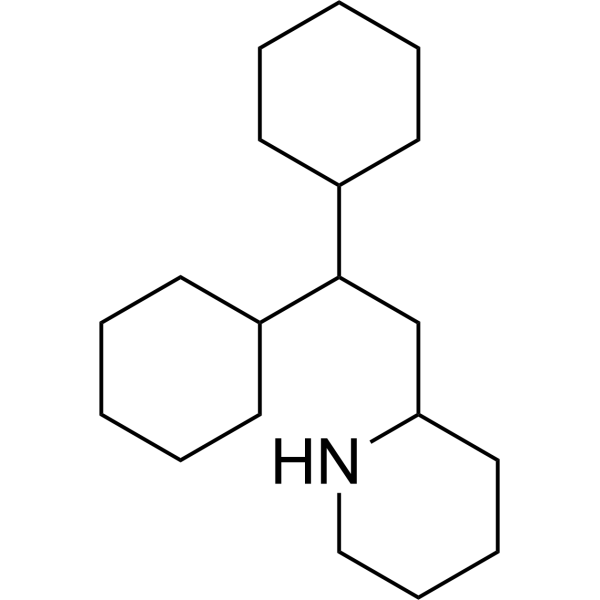 0 ImagesPerhexiline is an orally active CPT1 and CPT2 inhibitor that reduces fatty acid metabolism. Perhexiline induces mitochondrial dysfunction and apoptosis in hepatic cells. Perhexiline can cross the blood brain barrier (BBB) and shows anti-tumor activity. Perhexiline can be used in the research of cancers, and cardiovascular disease like angina.
-
DGAT-1 inhibitor 2
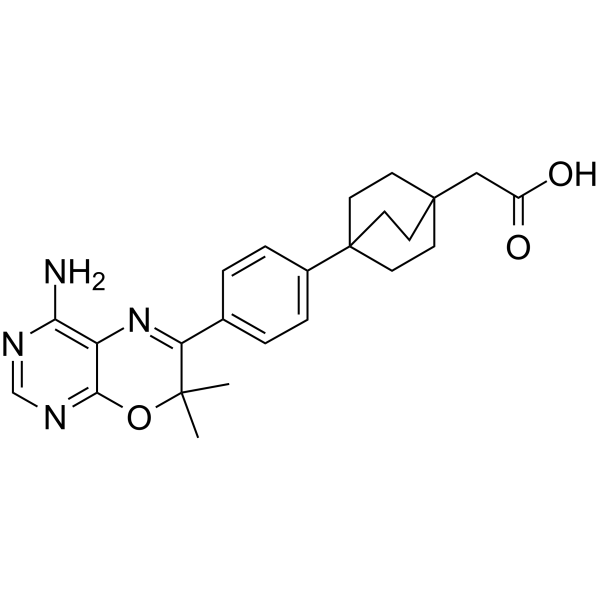 0 ImagesCat. No.: HY-50670CAS No.: 942999-61-3DGAT-1 inhibitor 2 is an orally active DGAT-1 inhibitor with IC50 values of 15 nM and 9 nM for human DGAT-1 and rat DGAT-1, respectively. DGAT-1 inhibitor 2 increases ROS concentration, GRP78, and PERK protein abundance. DGAT-1 inhibitor 2 increases SREBF1, CPT1A, and MTTP mRNA in fatty acid-treated cells. DGAT-1 inhibitor 2 improves obesity.
-
BEC2
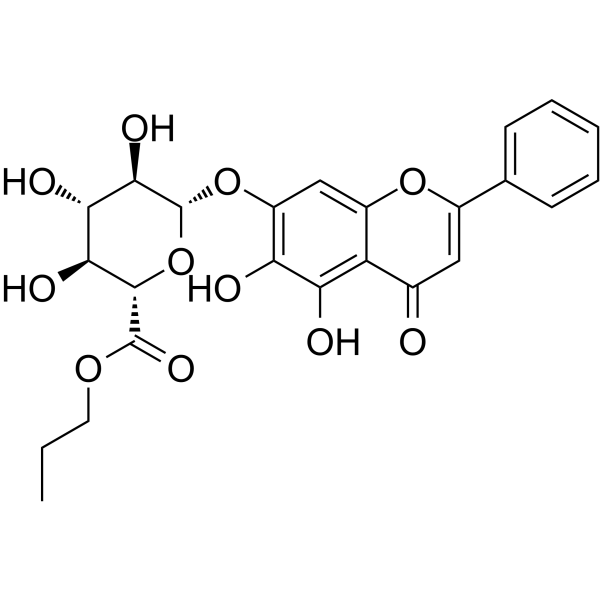 0 ImagesBEC2 is an ester derivative of Baicalin, with good lipid-lowering activity. BEC2 can direct activate the carnitine palmitoyltransferase 1A (CPT1A).
-
CPT1A Human Pre-designed siRNA Set A
 0 ImagesCat. No.: HY-RS03122
CPT1A Human Pre-designed siRNA Set A contains three designed siRNAs for CPT1A gene (Human), as well as a negative control, a positive control, and a FAM-labeled negative control.
-
4-Hydroxyphenylglyoxylate
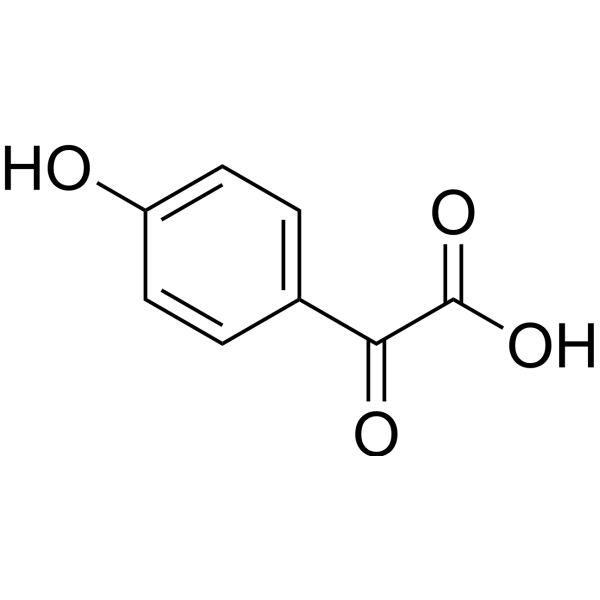 0 ImagesSynonyms: 4-Hydroxyphenylglyoxylic acid; 4-HPGA4-Hydroxyphenylglyoxylate (4-Hydroxyphenylglyoxylic acid) is an inhibitor of carnitine palmitoyltransferase I (CPT I). 4-Hydroxyphenylglyoxylate can be used to study sensitivity changes in CPT I of liver mitochondria and fatty acid oxidation by isolated hepatocytes. 4-Hydroxyphenylglyoxylate can inhibits fatty acid oxidation.
-
Tartronic acid
 0 ImagesTartronic acid, a dicarboxylic acid derive, is an inhibitor of the transformation of carbohydrates into fat under fat-deficient diet conditions. Tartronic acid promotes 3T3-L1 adipocyte differentiation by increasing the protein expression of FABP-4, PPARγ and SREBP-1. Tartronic acid promotes de novo lipogenesis and inhibits CPT-1β by upregulating acetyl-CoA and malonyl-CoA. Tartronic acid promotes weight gain and induces adipocyte hypertrophy in epididymal white adipose tissue and lipid accumulation in the livers of high-fat diet induced obese mice. Tartronic acid can be used for lipid metabolic disease research.
-
Alisol A 24-acetate
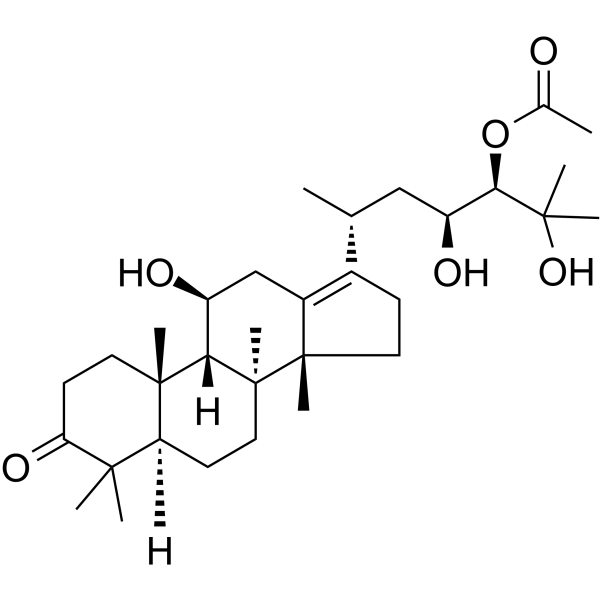 0 ImagesSynonyms: Alisol A 24-monoacetate; Alisol A monoacetateAlisol A 24-acetate (Alisol A monoacetate) is an orally active derivative of protostane-type tetracyclic triterpenoid. Alisol A 24-acetate upregulates the expression of adiponectin, AMPKα, CPT1, and ACOX1; downregulates the expression of SREBP-1c, ACC, FAS, Bcl-2, Bcl-xl, PPAR-γ, perilipin A, and NFATc1; inhibits the activity of PI3K/Akt/mTOR and HMGR; and activates the PKA and ERK signaling pathways. Alisol A 24-acetate regulates cell apoptosis (apoptosis), autophagy (Autophagy, hepatic lipid accumulation, inflammatory response, neuroprotection, MRSA membrane integrity, and osteoclast differentiation. Alisol A 24-acetate can be used in research related to non-alcoholic fatty liver disease, nephrotoxicity, obesity, global cerebral ischemia-reperfusion injury, bacterial infection, and osteoporosis.
-
McN3716
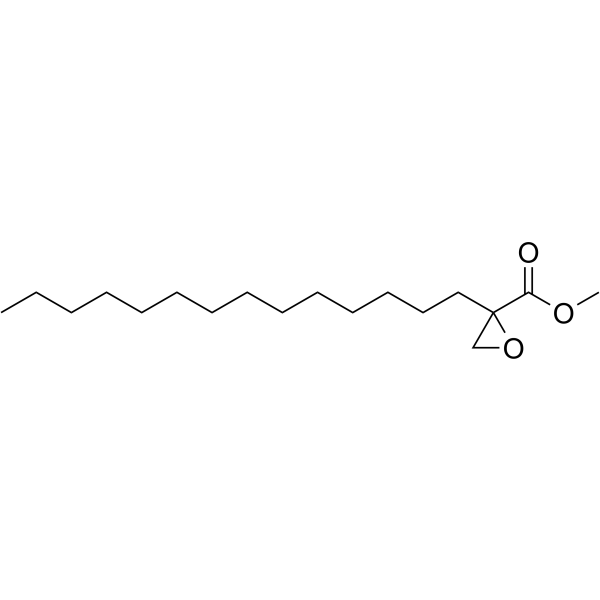 0 ImagesSynonyms: Methyl palmoxirate; NSC359682McN3716 is a carnitine palmitoyltransferase I (CPT-1) inhibitor.
-
(S)-(+)-Etomoxir
 0 Images(S)-(+)-Etomoxir is the S enantiomer of Etomoxir (HY-50202). Etomoxir is an irreversible inhibitor of carnitine palmitoyltransferase 1a (CPT-1a), inhibits fatty acid oxidation (FAO) through CPT-1a and inhibits palmitate β-oxidation in human, rat and guinea pig.



