



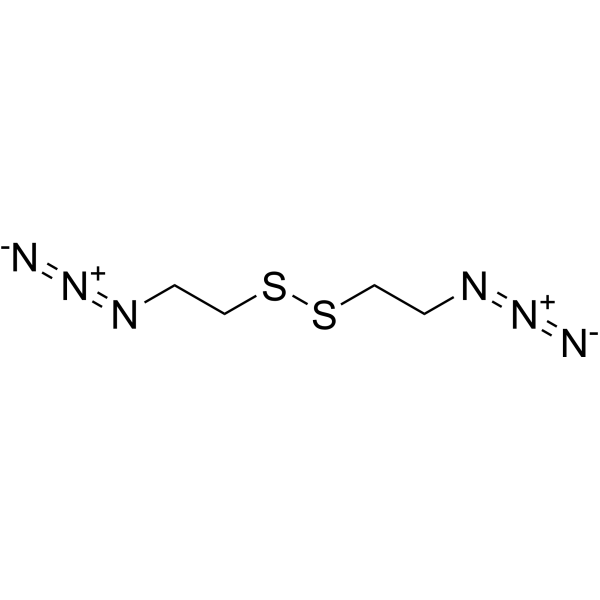
Azidoethyl-SS-ethylazide

Based on 1 Customer Validation
Azidoethyl-SS-ethylazide is a cleavable ADC linker used in the synthesis of antibody-drug conjugates (ADCs). Azidoethyl-SS-ethylazide is a click chemistry reagent, it contains an Azide group and can undergo copper-catalyzed azide-alkyne cycloaddition reaction (CuAAc) with molecules containing Alkyne groups. It can also undergo strain-promoted alkyne-azide cycloaddition (SPAAC) reactions with molecules containing DBCO or BCN groups.
For research use only. We do not sell to patients.
- Purity : 98.79%
- CAS No.: 352305-38-5
- Formula: C4H8N6S2
- Molecular Weight:204.28
-
Storage:Pure form -20°C, 3 years ; In solvent -80°C, 6 months , -20°C, 1 month

To place orders, for customer services and technical support, please contact: MedChemExpress USA
Tel: 609-228-6898 E-mail: [email protected] [email protected]


-
 Biological Activity
-
Chemical Information
- Protocols
- Purity & Documentation
- References
-
 Help & FAQs


-
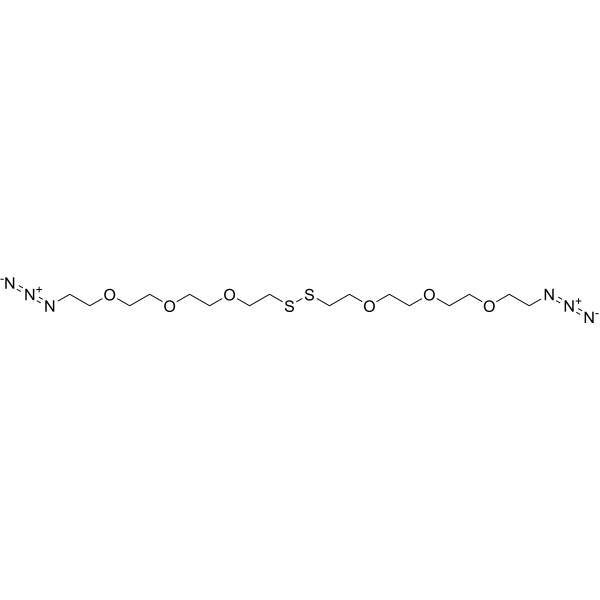
HY-140106
Azido-PEG3-SS-PEG3-azidePROTAC Linker -
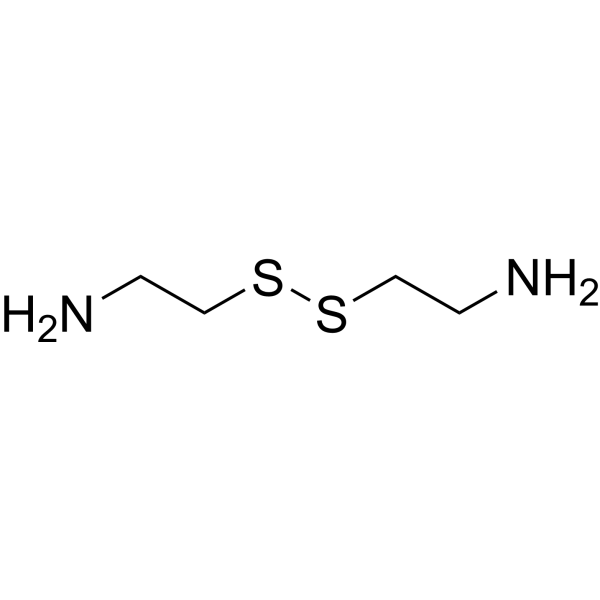
HY-124476
CystamineTgase Inhibitor -
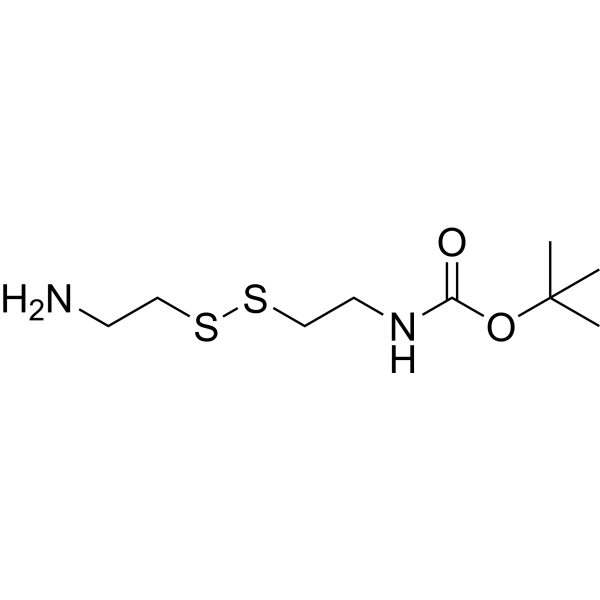
HY-140098
Boc-CystamineADC Linker -
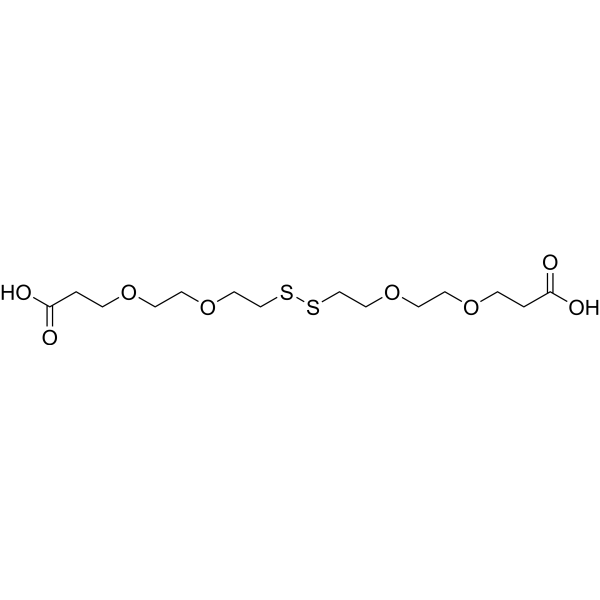
HY-140112
Acid-PEG2-SS-PEG2-acidADC Linker -
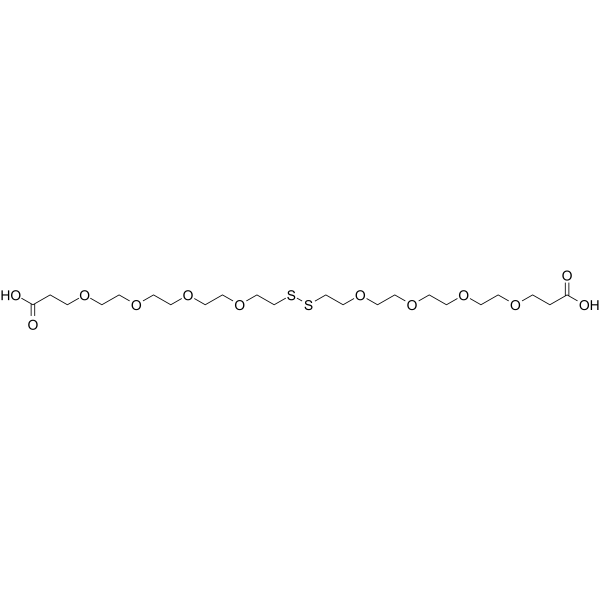
HY-140114
Acid-PEG4-S-S-PEG4-acidPROTAC Linkers -
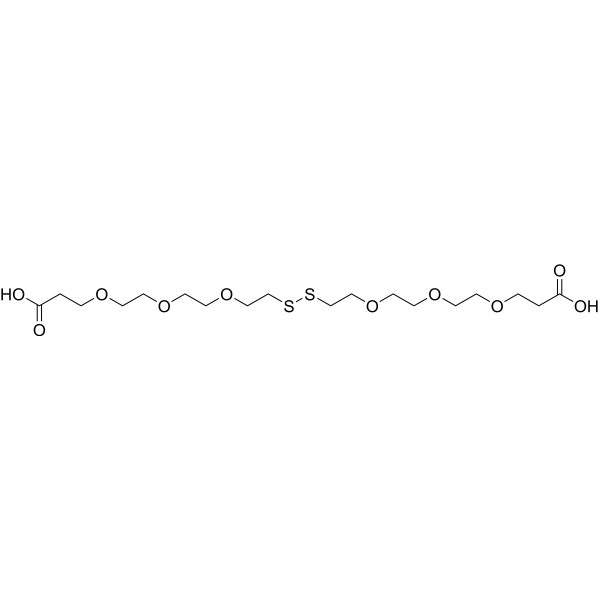
HY-140113
Acid-PEG3-SS-PEG3-acidADC Linker -
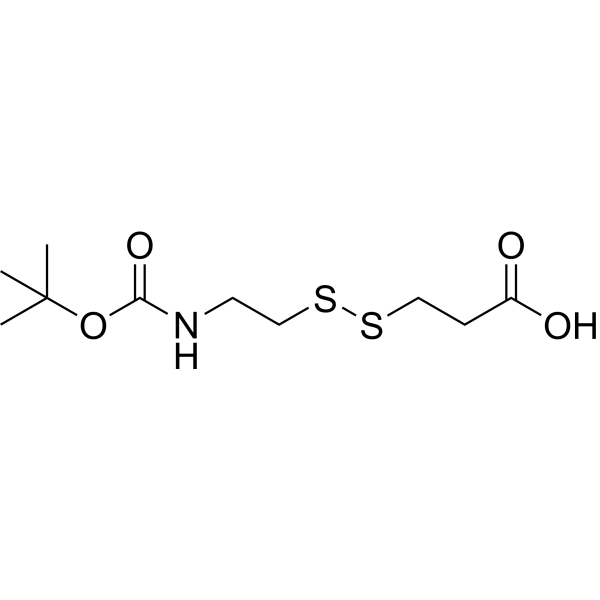
HY-140116
Boc-NH-ethyl-SS-propionic acidADC Linker -
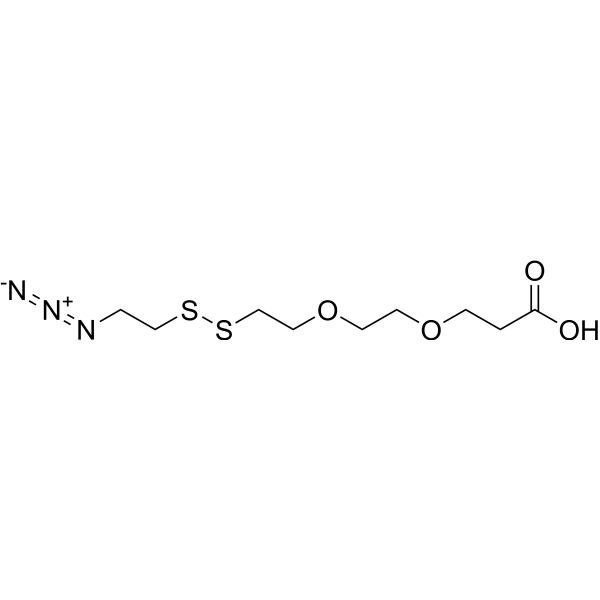
HY-140101
Azido-C2-SS-PEG2-C2-acidADC Linker -
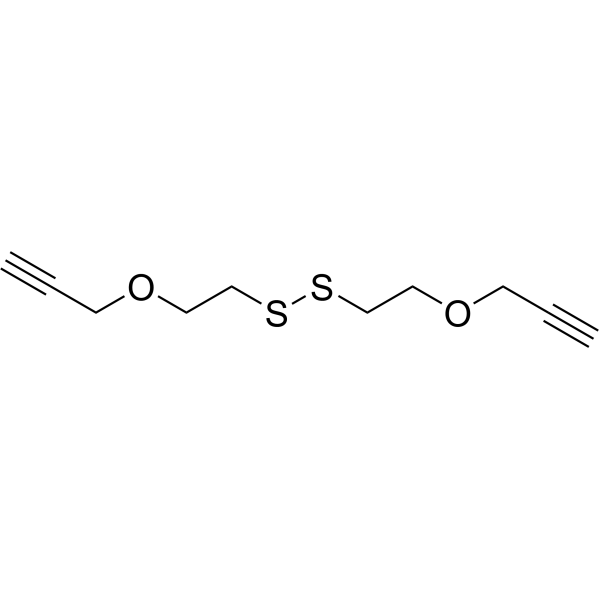
HY-140111
Propargyl-PEG1-SS-PEG1-propargylADC Linker -

HY-140115
Bis-(PEG6-acid)-SSADC Linker -
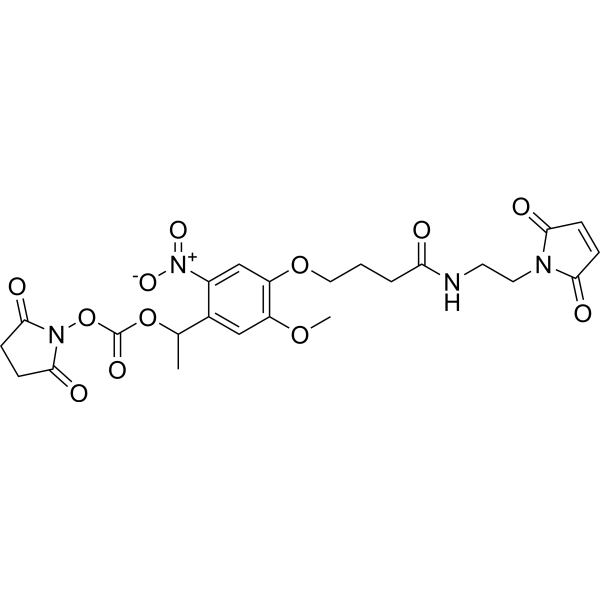
HY-140140
PC Mal-NHS carbonate esterADC Linker -
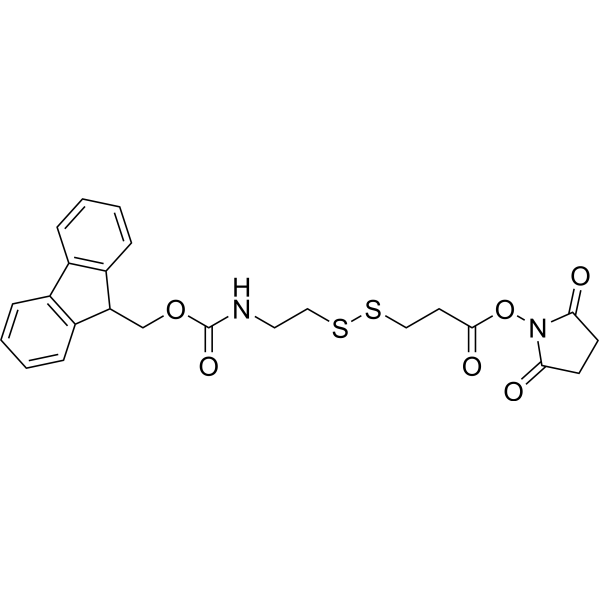
HY-140119
Fmoc-NH-ethyl-SS-propionic NHS esterADC linker


Biological Activity
Description
IC50 & Target
|
Disulfide Cleavable Linker |
Cleavable Linker |
In Vitro
ADCs are comprised of an antibody to which is attached an ADC cytotoxin through an ADC linker[1].
MedChemExpress (MCE) has not independently confirmed the accuracy of these methods. They are for reference only. Further protocols information, click here.


Chemical Information
-
CAS No. 352305-38-5
-
Appearance Liquid
-
Molecular Weight 204.28
-
Formula C4H8N6S2
-
Color Colorless to light yellow
-
SMILES
[N-]=[N+]=NCCSSCCN=[N+]=[N-]
-
Shipping
Room temperature in continental US; may vary elsewhere.
-
Storage
Pure form -20°C 3 years In solvent -80°C 6 months -20°C 1 month

Protocols
-
EdU Incorporation Assay (Click Chemistry-Based DNA Synthesis Measurement)
The EdU incorporation assay measures DNA synthesis by adding the thymidine analog 5-ethynyl-2′-deoxyuridine to cells or tissues, where it is incorporated into newly synthesized DNA during S phase. Incorporated EdU is detected by copper-catalyzed azide-alkyne cycloaddition, in which a fluorescent azide covalently reacts with the ethynyl group on EdU, allowing S-phase cells to be detected by fluorescence microscopy, flow cytometry, or high-content imaging. EdU detection does not require DNA denaturation or anti-BrdU antibody access, which preserves sample structure and improves compatibility with immunostaining and multiparameter cytometry compared with BrdU-based detection. EdU can be cytotoxic in a cell-type- and exposure-dependent manner, so pulse duration, concentration, and continuous-labeling designs should be validated for each cell type.


Purity & Documentation
-
Data Sheet (263 KB)
-
SDS (251 KB)
- English - EN (251 KB)
- Français - FR (251 KB)
- Deutsch - DE (251 KB)
- Norwegian - NO (251 KB)
- Español - ES (251 KB)
- Swedish - SV (251 KB)
- Italian - IT (251 KB)
- Korean - KR (251 KB)
- Portuguese - PT (251 KB)
-
Handling Instructions (2659 KB)
References

Calculators
Concentration (start) × Volume (start) = Concentration (final) × Volume (final)


Azidoethyl-SS-ethylazide Related Classifications
HY-140105 Related Classifications
 Powered by Bioz