



c-Met-IN-1
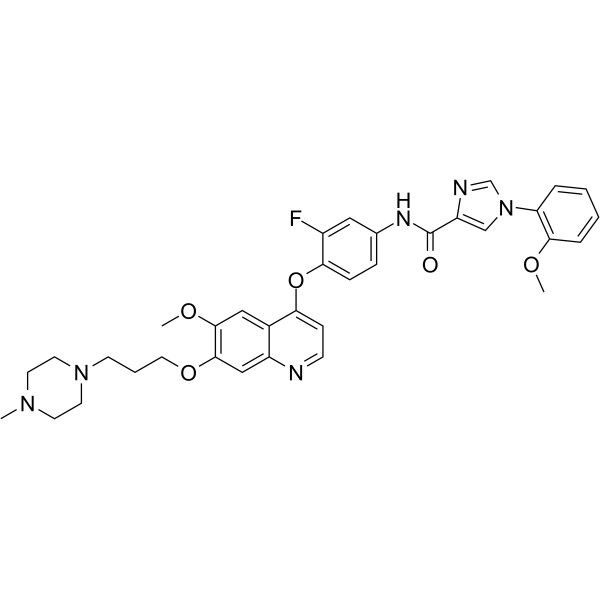
c-met-IN-1 (compound 16) is a potent and selective c-Met inhibitor, with IC50 of 1.1 nM, with antitumor activity..
For research use only. We do not sell to patients.
- CAS No.: 2084836-84-8
- Formula: C35H37FN6O5
- Molecular Weight:640.70
-
Storage:
Please store the product under the recommended conditions in the Certificate of Analysis.

To place orders, for customer services and technical support, please contact: MedChemExpress USA
Tel: 609-228-6898 E-mail: [email protected] [email protected]


-
 Biological Activity
-
Chemical Information
- Protocols
- Purity & Documentation
- References
-
 Help & FAQs


-
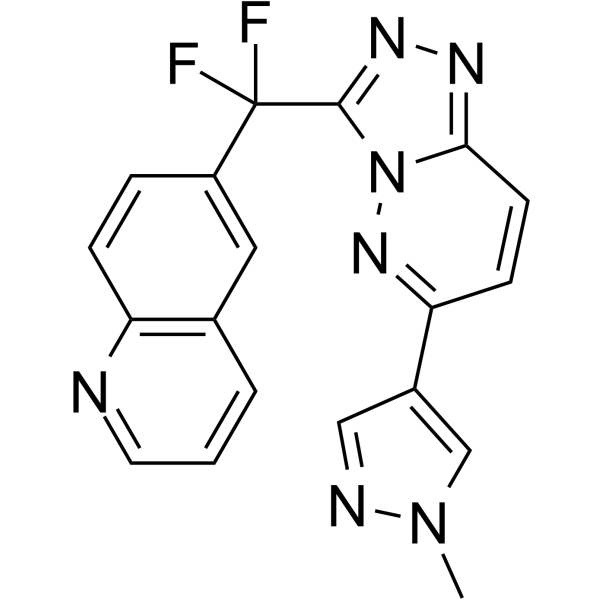
HY-50683
JNJ-38877605c-Met/HGFR Inhibitor -
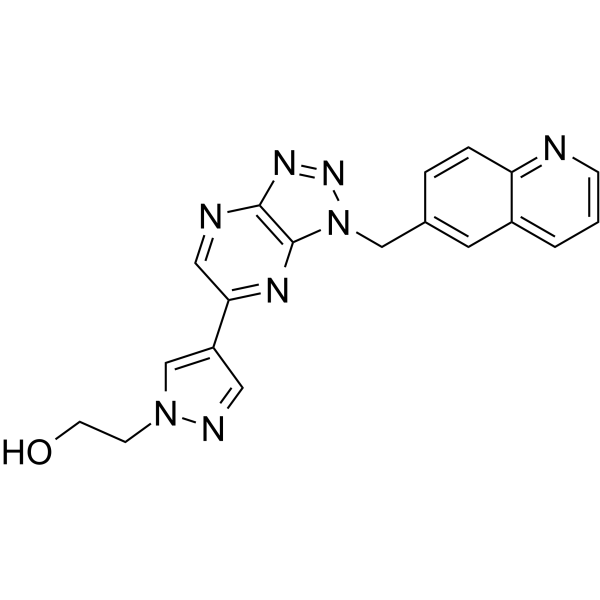
HY-12017
PF-04217903c-Met Kinase Inhibitor -
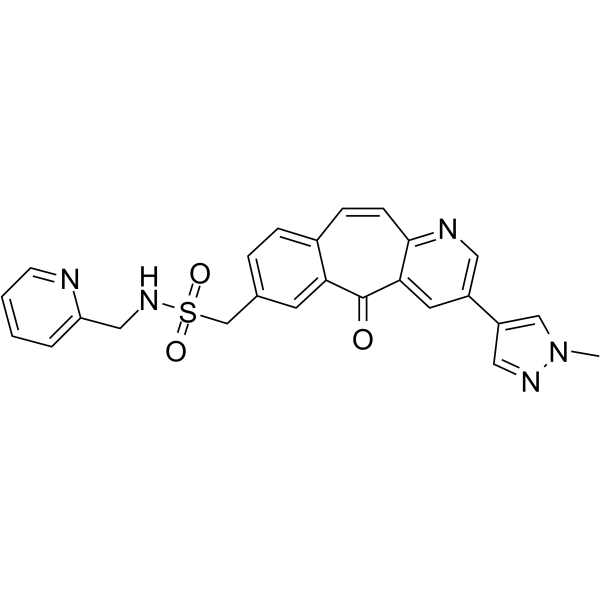
HY-13299
MK-8033c-Met/Ron Inhibitor -
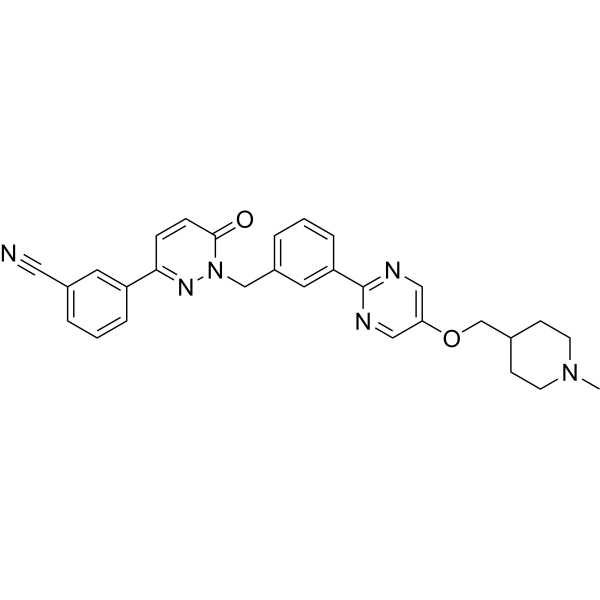
HY-14721
Tepotinibc-Met Inhibitor -
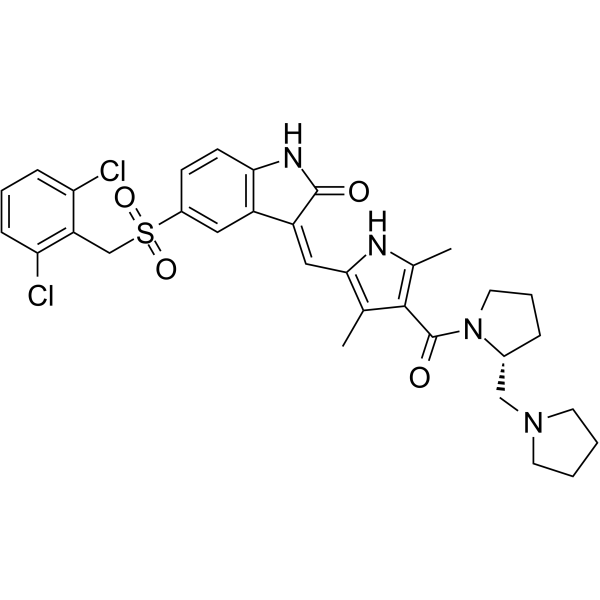
HY-11107
PHA-665752c-Met Inhibitor -
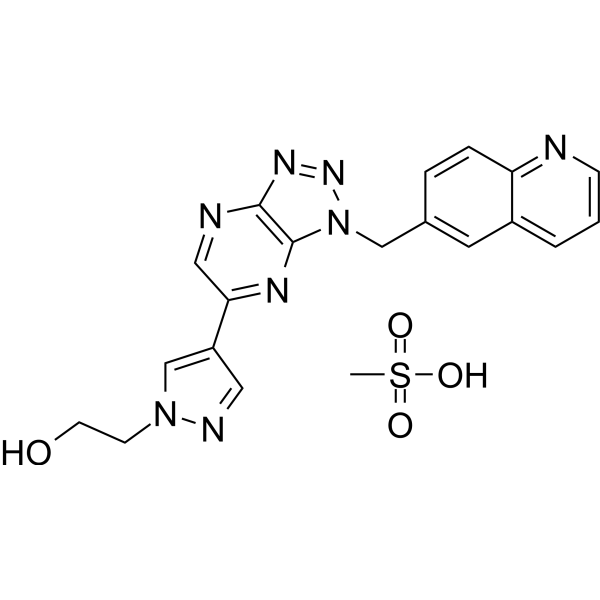
HY-12017A
PF-04217903 mesylatec-Met Kinase Inhibitor -
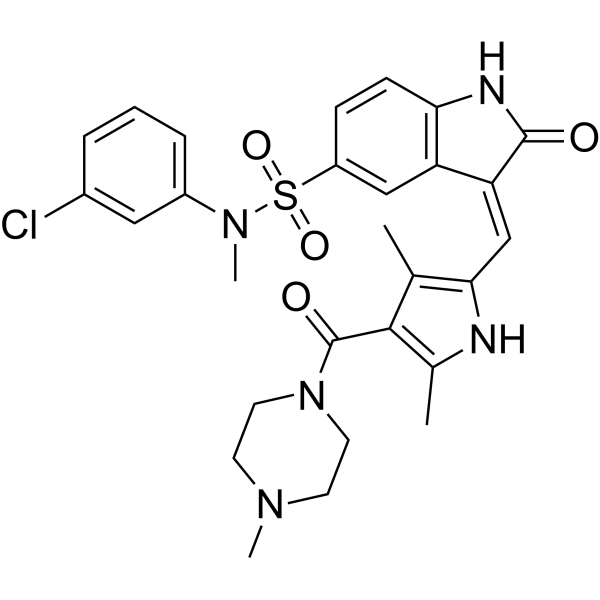
HY-12014
SU11274c-Met/HGFR Inhibitor -
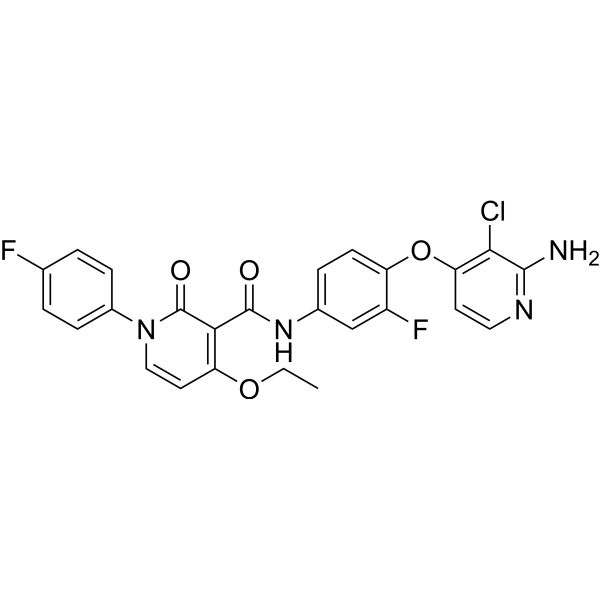
HY-12076
BMS 777607c-Met/Axl Inhibitor -
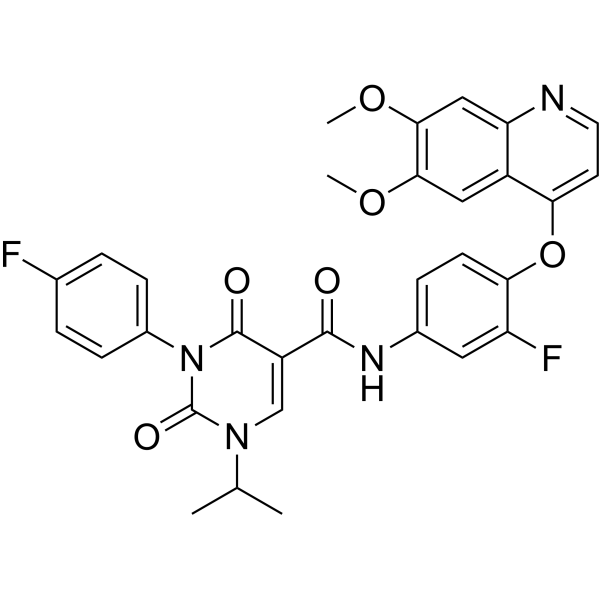
HY-100946
CEP-40783AXL/c-Met Inhibitor -
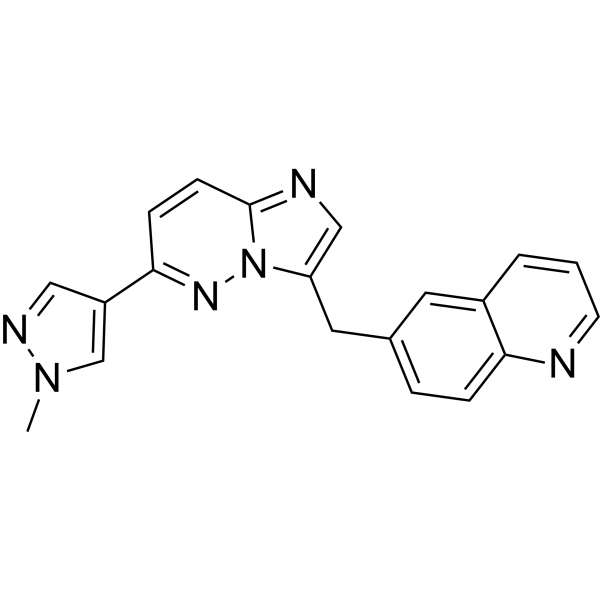
HY-15456
NVP-BVU972Met Inhibitor -
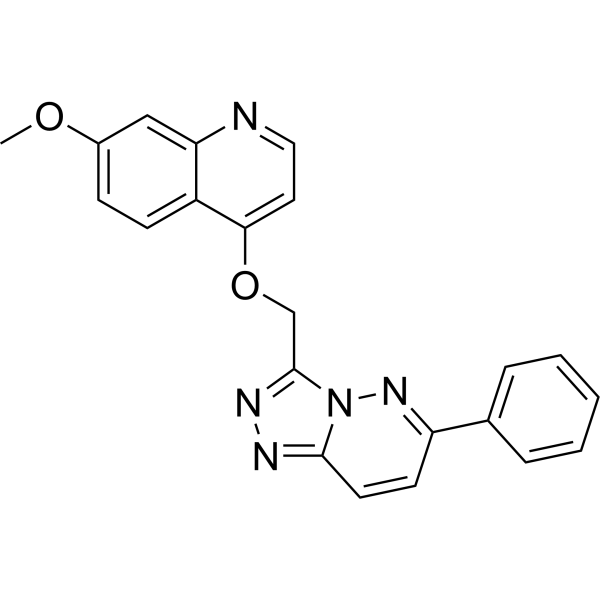
HY-12035
AMG-208c-Met/RON Inhibitor


Biological Activity
Description
IC50 & Target
IC50: 1.1 nM (c-Met)[1]
Cellular Effect
|
Cell Line

|
Type | Value | Description | References |
|---|---|---|---|---|
| A549 | IC50 |
0.07 μM
Compound: 16
|
Cytotoxicity against human A549 cells after 72 hrs by MTT assay
Cytotoxicity against human A549 cells after 72 hrs by MTT assay
|
[PMID: 28011202] |
| HT-29 | IC50 |
0.08 μM
Compound: 16
|
Cytotoxicity against human HT-29 cells after 72 hrs by MTT assay
Cytotoxicity against human HT-29 cells after 72 hrs by MTT assay
|
[PMID: 28011202] |
| MKN-45 | IC50 |
0.22 μM
Compound: 16
|
Cytotoxicity against human MKN45 cells after 72 hrs by MTT assay
Cytotoxicity against human MKN45 cells after 72 hrs by MTT assay
|
[PMID: 28011202] |
In Vitro
c-met-IN-1 (compound 16) exhibits high selectivity and remarkable cytotoxicity against HT-29, MKN-45 and A549 cells with IC50 values of 0.08 μM, 0.22 μM and 0.07 μM, respectively[1].
MedChemExpress (MCE) has not independently confirmed the accuracy of these methods. They are for reference only. Further protocols information, click here.


Chemical Information
-
CAS No. 2084836-84-8
-
Molecular Weight 640.70
-
Formula C35H37FN6O5
-
SMILES
FC1=CC(NC(C2=CN(C3=C(OC)C=CC=C3)C=N2)=O)=CC=C1OC4=CC=NC5=CC(OCCCN6CCN(C)CC6)=C(OC)C=C54
-
Shipping
Room temperature in continental US; may vary elsewhere.
-
Storage
Please store the product under the recommended conditions in the Certificate of Analysis.

Protocols
-
Cell Cytotoxicity Assay
Cytotoxicity assays are usually based on the assessment of cell membrane damage, which can also be indirectly detected by measuring cell viability. Detection methods include MTT assay, CKK-8 assay, LDH assay and ATP assay, etc.
-
Subcutaneous Cell-Line-Derived Xenograft
Subcutaneous cell-line-derived xenograft (CDX) models are established by implanting cultured human cancer cell lines into immunodeficient mice, where the injected cells form localized tumors that can be monitored in vivo as a measure of tumorigenic potential, growth kinetics, and treatment response. These models are widely used in oncology research because they allow reproducible tumor formation and enable comparative assessment of tumor growth between different cell lines or genetic manipulations in a controlled in vivo microenvironment. Subcutaneous implantation of cancer cells in immunodeficient mice is a standard approach for evaluating tumor growth behavior and therapeutic response across multiple cancer types, including prostate, esophageal, pancreatic, and colon cancer models.


Purity & Documentation
References

Calculators
Concentration (start) × Volume (start) = Concentration (final) × Volume (final)


c-Met-IN-1 Related Classifications
HY-101031 Related Classifications
 Powered by Bioz