



Dasabuvir
Based on 15 publication(s) in Google Scholar
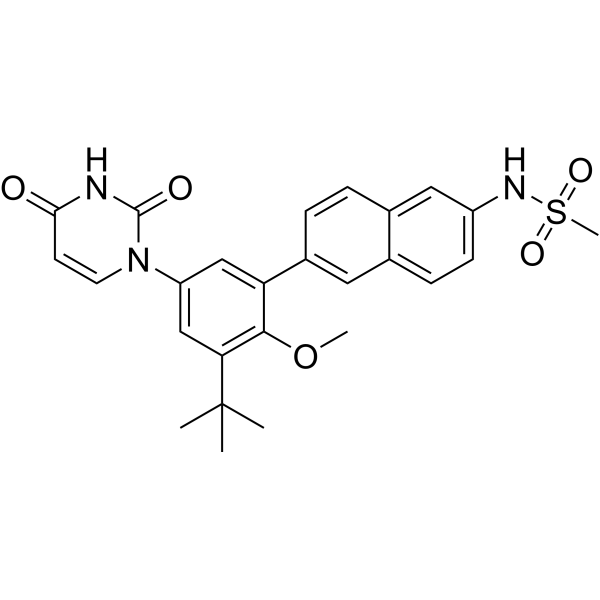
Dasabuvir (ABT-333) is a nonnucleoside hepatitis C virus (HCV) polymerase inhibitor. Dasabuvir inhibits RNA-dependent RNA polymerase encoded by the HCV NS5B gene. Dasabuvir inhibits genotype 1a (strain H77) and 1b (strain Con1) replicons, with EC50 values of 7.7 and 1.8 nM, respectively.
For research use only. We do not sell to patients.
- Purity : 98.17%
- CAS No.: 1132935-63-7
- Formula: C26H27N3O5S
- Molecular Weight:493.57
-
Storage:Powder -20°C, 3 years , 4°C, 2 years ; In solvent -80°C, 2 years , -20°C, 1 year

To place orders, for customer services and technical support, please contact: MedChemExpress USA
Tel: 609-228-6898 E-mail: [email protected] [email protected]


-
 Biological Activity
-
Chemical Information
-
Solvent & Solubility
- Purity & Documentation
- References
-
 Help & FAQs


-
HY-15005
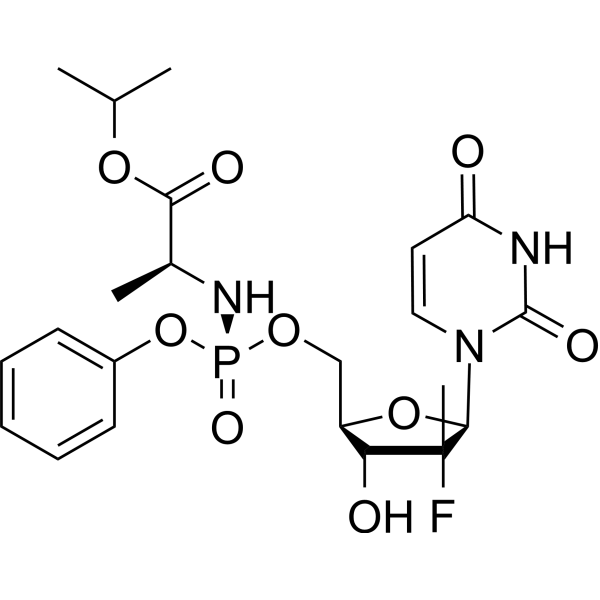
Sofosbuvir -
HY-12594
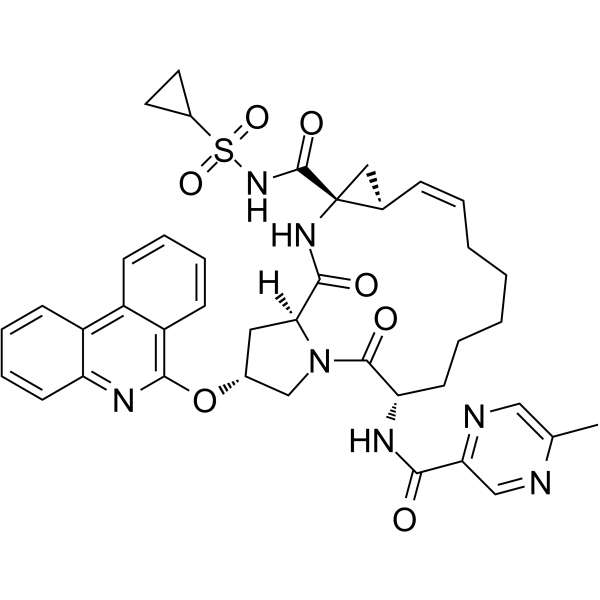
ParitaprevirNS3/4A Protease Inhibitor -
HY-10544
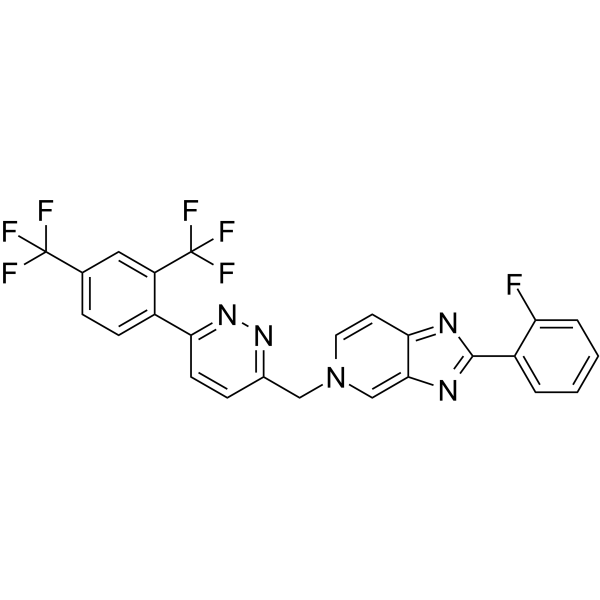
Tegobuvir -
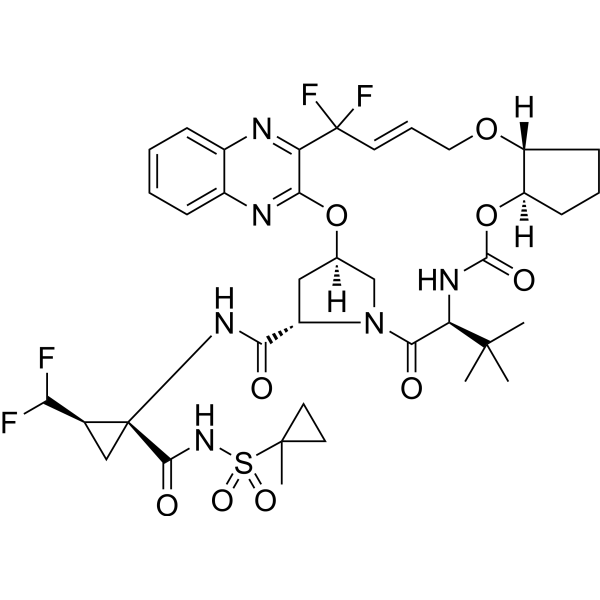
HY-17634
GlecaprevirHCV NS3/4A Protease Inhibitor -
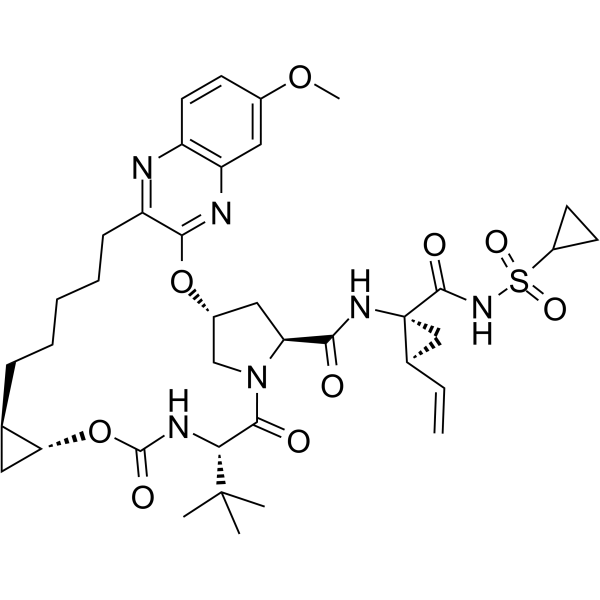
HY-15298
GrazoprevirHCV Protease Inhibitor -
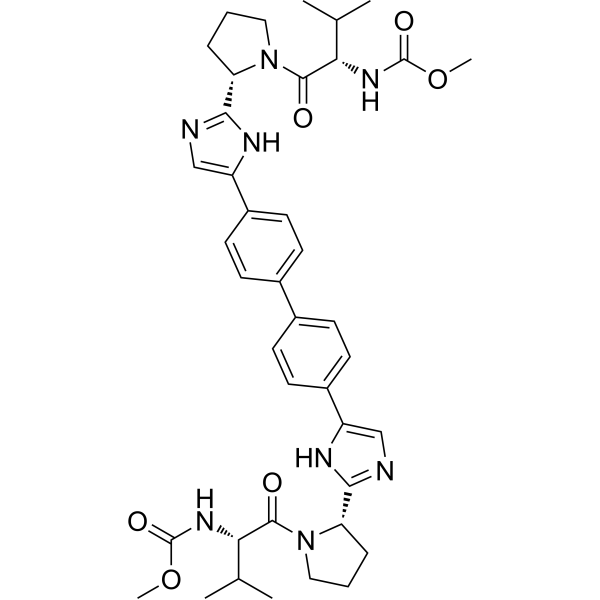
HY-10466
DaclatasvirHCV NS5A Inhibitor -
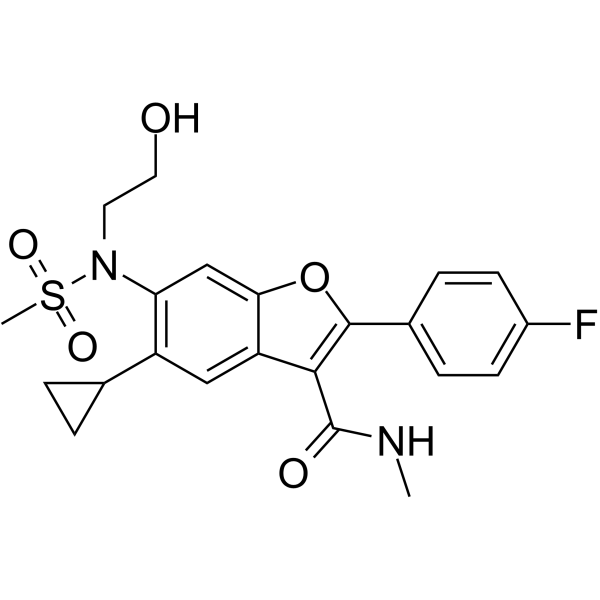
HY-14775
NesbuvirHCV Inhibitor -
HY-12429
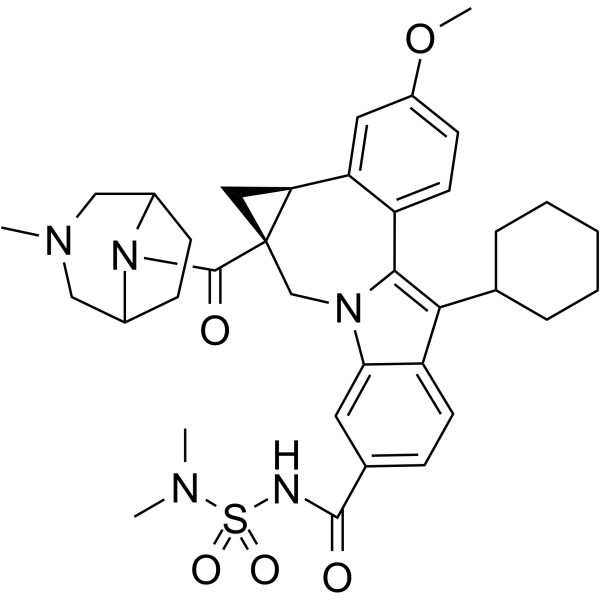
BeclabuvirHCV Inhibitor -
HY-15136
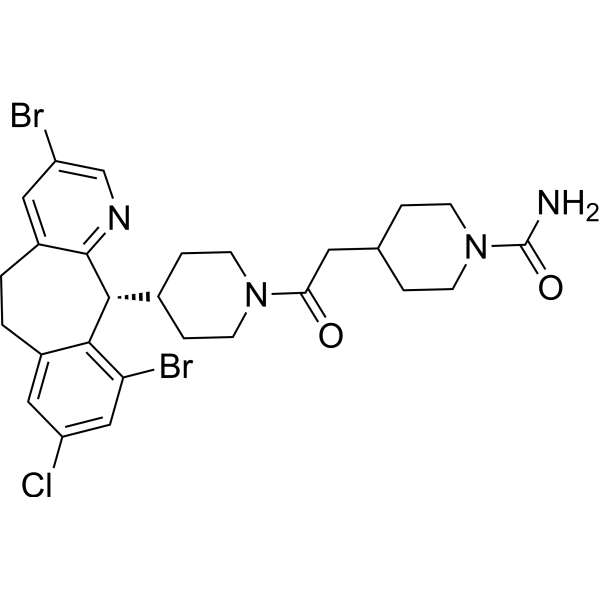
LonafarnibFarnesyltransferase Inhibitor -
HY-135853
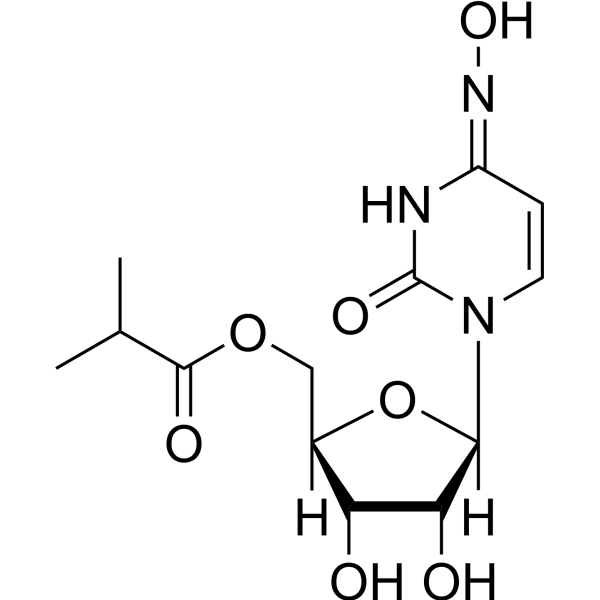
MolnupiravirCoronaviruses Inhibitor -
HY-90005
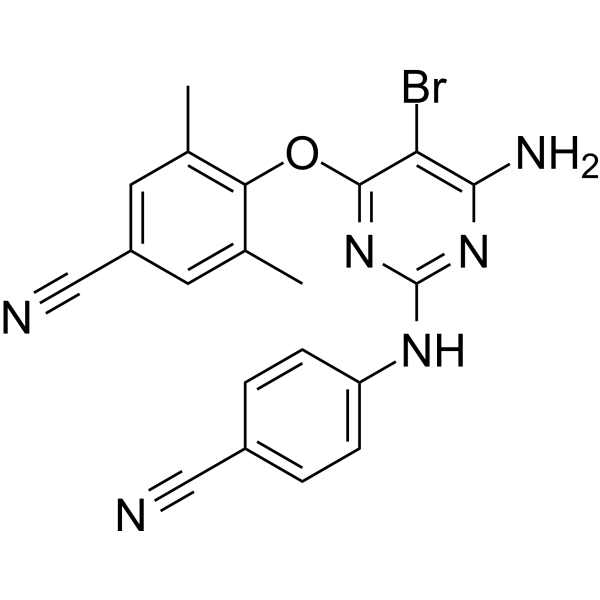
Etravirine -
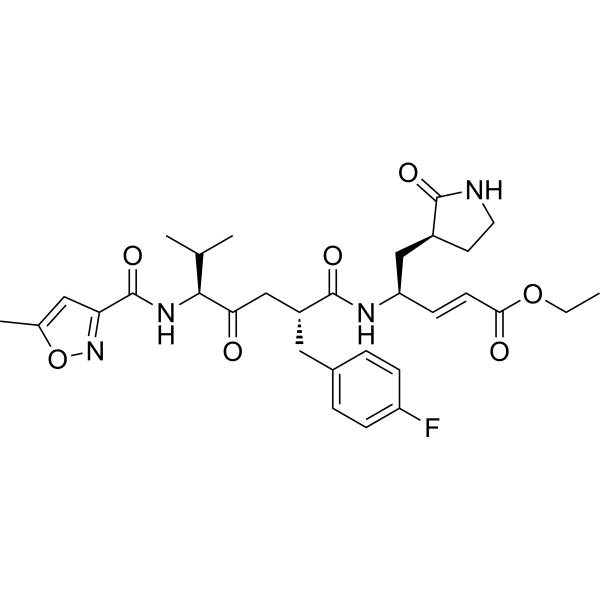
HY-106161
RupintrivirHRV 3C Protease Inhibitor
Publications Citing Use of MedChemExpress (MCE) Dasabuvir
More- Cell Rep Med. 2026 Mar 9:102646. [Abstract]
- Proc Natl Acad Sci U S A. 2017 Feb 21;114(8):1922-1927. [Abstract]
- Sci Rep. 2020 Feb 26;10(1):3521. [Abstract]
- Sci Rep. 2018 Aug 20;8(1):12469. [Abstract]
- ACS Infect Dis. 2025 Oct 30. [Abstract]
- Antiviral Res. 2019 Oct:170:104570. [Abstract]
- Antiviral Res. 2017 Mar:139:18-24. [Abstract]
- Antimicrob Agents Chemother. 2019 May 24;63(6):e00003-19. [Abstract]
- Viruses. 2017 Jun 16;9(6):151. [Abstract]
- Toxicol Lett. 2025 Apr:406:31-37. [Abstract]
- Virology. 2023 Aug:585:205-214. [Abstract]
- Biochem Biophys Res Commun. 2023 Jan 22:641:50-56. [Abstract]
- J Liq ChromaTogr R T. 2019: 1-9.
- University of Glasgow. 2024 Mar.
- Chem Cent J. 2017 Jan 3:11:1. [Abstract]
All DNA/RNA Synthesis Isoforms
More

Biological Activity
Description
IC50 & Target
|
RNA Polymerase |
In Vitro
Dasabuvir (ABT-333) is at least 7,000-fold selective for the inhibition of HCV genotype 1 polymerases over human/mammalian polymerases[1].
Dasabuvir (ABT-333) inhibits the polymerase enzymatic activity of genotype 1 laboratory strain enzymes (H77, BK, N, and Con1 strains), as well as enzymes produced from polymerase genes from HCV genotype 1-infected subjects, with IC50s between 2.2 and 10.7 nM[1].
Dasabuvir (ABT-333) inhibits replication of HCV subgenomic replicons in cell culture assays, with EC50 values of 7.7 and 1.8 nM against genotype 1a (H77) and 1b (Con1), respectively. In the presence of 40% human plasma, there is a 12- to 13-fold decrease in inhibitory potency, yielding EC50s of 99 and 21 nM for HCV genotype 1a (H77) and 1b (Con1) replicons, respectively[1].
MedChemExpress (MCE) has not independently confirmed the accuracy of these methods. They are for reference only.
Clinical Trial
| NCT Number | Sponsor | Condition | Start Date |
Phase

|
|---|---|---|---|---|
| NCT01329991 | 2011-05 | PHASE1 |


Chemical Information
-
CAS No. 1132935-63-7
-
Appearance Solid
-
Molecular Weight 493.57
-
Formula C26H27N3O5S
-
Color White to yellow
-
SMILES
CS(=O)(NC1=CC=C2C=C(C3=CC(N(C(N4)=O)C=CC4=O)=CC(C(C)(C)C)=C3OC)C=CC2=C1)=O
-
Synonyms
ABT-333
-
Shipping
Room temperature in continental US; may vary elsewhere.
-
Storage
Powder -20°C 3 years 4°C 2 years In solvent -80°C 2 years -20°C 1 year


Publications (15)
-
Journal Impact Factor
-
Most Recent
-
Cell Rep Med
Human liver-derived organoids recapitulate Oropouche virus infection and manifestation, enabling antiviral drug discovery. [Abstract]2026 Mar 9:102646. PMID: 41806841 -
Proc Natl Acad Sci U S A
Quantifying antiviral activity optimizes drug combinations against hepatitis C virus infection. [Abstract]2017 Feb 21;114(8):1922-1927. PMID: 28174263 -
Sci Rep
Development and validation of UPLC-MS/MS method for studying the pharmacokinetic interaction of dasabuvir and tamoxifen, 4-hydroxytamoxifen in Wistar rats. [Abstract]2020 Feb 26;10(1):3521. PMID: 32103133 -
Sci Rep
HA1077 displays synergistic activity with daclatasvir against hepatitis C virus and suppresses the emergence of NS5A resistance-associated substitutions in mice. [Abstract]2018 Aug 20;8(1):12469. PMID: 30127498 -
ACS Infect Dis
Targeting the Rift Valley Fever Virus Polymerase: Resistance Mechanisms and Structural Insights. [Abstract]2025 Oct 30. PMID: 41166549 -
Antiviral Res
Antiviral candidates against the hepatitis E virus (HEV) and their combinations inhibit HEV growth in in vitro. [Abstract]2019 Oct:170:104570. PMID: 31362004 -
Antiviral Res
A profiling study of a newly developed HCVcc strain PR63cc's sensitivity to direct-acting antivirals. [Abstract]2017 Mar:139:18-24. PMID: 28025084 -
Antimicrob Agents Chemother
2019 May 24;63(6):e00003-19. PMID: 30885901 -
Viruses
Biophysical Mode-of-Action and Selectivity Analysis of Allosteric Inhibitors of Hepatitis C Virus (HCV) Polymerase. [Abstract]2017 Jun 16;9(6):151. PMID: 28621755 -
Toxicol Lett
Discovery of non-steroidal aldo-keto reductase 1D1 inhibitors through automated screening and in vitro evaluation. [Abstract]2025 Apr:406:31-37. PMID: 39988211 -
Virology
Structure-based virtual screening of ROCK1 inhibitors for the discovery of Enterovirus-A71 antivirals. [Abstract]2023 Aug:585:205-214. PMID: 37384967 -
Biochem Biophys Res Commun
Sofosbuvir and its tri-phosphate metabolite inhibit the RNA-dependent RNA polymerase activity of non-structural protein 5 from the Kyasanur forest disease virus. [Abstract]2023 Jan 22:641:50-56. PMID: 36521285 -
-
-
Chem Cent J
Simultaneous determination of newly developed antiviral agents in pharmaceutical formulations by HPLC-DAD. [Abstract]2017 Jan 3:11:1. PMID: 28101128


Solvent & Solubility
In Vitro:
DMSO : 50 mg/mL (101.30 mM; Need ultrasonic; Hygroscopic DMSO has a significant impact on the solubility of product, please use newly opened DMSO)
Please refer to the solubility information to select the appropriate solvent. Once prepared, please aliquot and store the solution to prevent product inactivation from repeated freeze-thaw cycles.
Storage method and period of stock solution: -80°C, 2 years; -20°C, 1 year. When stored at -80°C, please use it within 2 years. When stored at -20°C, please use it within 1 year.
Please refer to the solubility information to select the appropriate solvent. Once prepared, please aliquot and store the solution to prevent product inactivation from repeated freeze-thaw cycles.
Storage method and period of stock solution: -80°C, 2 years; -20°C, 1 year. When stored at -80°C, please use it within 2 years. When stored at -20°C, please use it within 1 year.
Concentration (start) × Volume (start) = Concentration (final) × Volume (final)
In Vivo:
Select the appropriate dissolution method based on your experimental animal and administration route.
- For the following dissolution methods, please ensure to first prepare a clear stock solution using an In Vitro approach and then sequentially add co-solvents:
- To ensure reliable experimental results, the clarified stock solution can be appropriately stored based on storage conditions. As for the working solution for In Vivo experiments, it is recommended to prepare freshly and use it on the same day.
- The percentages shown for the solvents indicate their volumetric ratio in the final prepared solution. If precipitation or phase separation occurs during preparation, heat and/or sonication can be used to aid dissolution.
Add each solvent one by one: 10% DMSO 40% PEG300 5% Tween-80 45% Saline
Solubility: ≥ 2.5 mg/mL (5.07 mM); Clear solution
This protocol yields a clear solution of ≥ 2.5 mg/mL (saturation unknown).
Taking 1 mL working solution as an example, add 100 μL DMSO stock solution (25.0 mg/mL) to 400 μL PEG300, and mix evenly; then add 50 μL Tween-80 and mix evenly; then add 450 μL Saline to adjust the volume to 1 mL.
Preparation of Saline: Dissolve 0.9 g sodium chloride in ddH₂O and dilute to 100 mL to obtain a clear Saline solution.
Add each solvent one by one: 10% DMSO 90% (20% SBE-β-CD in Saline)
Solubility: ≥ 2.5 mg/mL (5.07 mM); Clear solution
This protocol yields a clear solution of ≥ 2.5 mg/mL (saturation unknown).
Taking 1 mL working solution as an example, add 100 μL DMSO stock solution (25.0 mg/mL) to 900 μL 20% SBE-β-CD in Saline, and mix evenly.
Preparation of 20% SBE-β-CD in Saline (4°C, storage for one week): 2 g SBE-β-CD powder is dissolved in 10 mL Saline, completely dissolve until clear.
In Vivo Dissolution Calculator
Please enter the basic information of animal experiments:
-
-
-
-
Recommended: Prepare an additional quantity of animals to account for potential losses during experiments.
Please enter your animal formula composition:
-
%DMSO +
Recommended: Keep the proportion of DMSO in working solution below 2% if your animal is weak.
-
%+
-
+%Tween-80 + +
-
%Saline +
The co-solvents required include: DMSO, . All of co-solvents are available by MedChemExpress (MCE). , Tween 80. All of co-solvents are available by MedChemExpress (MCE).
Working solution concentration: 0.22 mg/mL
Method for preparing stock solution: mg drug dissolved in μL DMSO. Stock solution concentration: mg/mL.
1. Take μL DMSO stock solution;
2. Add μL .
μL , mix evenly;
3. Then add μL Tween 80, mix evenly;
4. Then add μL
Please ensure that the stock solution in the first step is dissolved to a clear state, and add co-solvents in sequence. You can use ultrasonic heating (ultrasonic cleaner, recommended frequency 20-40 kHz), vortexing, etc. to assist dissolution.


Purity & Documentation
-
Data Sheet (274 KB)
-
SDS (396 KB)
- English - EN (396 KB)
- Français - FR (396 KB)
- Deutsch - DE (396 KB)
- Norwegian - NO (396 KB)
- Español - ES (396 KB)
- Swedish - SV (396 KB)
- Italian - IT (396 KB)
- Korean - KR (396 KB)
- Portuguese - PT (396 KB)
-
Handling Instructions (2659 KB)
References


Complete Stock Solution Preparation Table
Please refer to the solubility information to select the appropriate solvent. Once prepared, please aliquot and store the solution to prevent product inactivation from repeated freeze-thaw cycles.
Storage method and period of stock solution: -80°C, 2 years; -20°C, 1 year. When stored at -80°C, please use it within 2 years. When stored at -20°C, please use it within 1 year.
| Optional Solvent | Concentration Solvent Mass | 1 mg | 5 mg | 10 mg | 25 mg |
|---|---|---|---|---|---|
| DMSO | 1 mM | 2.0261 mL | 10.1303 mL | 20.2606 mL | 50.6514 mL |
| 5 mM | 0.4052 mL | 2.0261 mL | 4.0521 mL | 10.1303 mL | |
| 10 mM | 0.2026 mL | 1.0130 mL | 2.0261 mL | 5.0651 mL | |
| 15 mM | 0.1351 mL | 0.6754 mL | 1.3507 mL | 3.3768 mL | |
| 20 mM | 0.1013 mL | 0.5065 mL | 1.0130 mL | 2.5326 mL | |
| 25 mM | 0.0810 mL | 0.4052 mL | 0.8104 mL | 2.0261 mL | |
| 30 mM | 0.0675 mL | 0.3377 mL | 0.6754 mL | 1.6884 mL | |
| 40 mM | 0.0507 mL | 0.2533 mL | 0.5065 mL | 1.2663 mL | |
| 50 mM | 0.0405 mL | 0.2026 mL | 0.4052 mL | 1.0130 mL | |
| 60 mM | 0.0338 mL | 0.1688 mL | 0.3377 mL | 0.8442 mL | |
| 80 mM | 0.0253 mL | 0.1266 mL | 0.2533 mL | 0.6331 mL | |
| 100 mM | 0.0203 mL | 0.1013 mL | 0.2026 mL | 0.5065 mL |


Dasabuvir Related Classifications
HY-13998 Related Classifications
 Powered by Bioz