



16416-35-6
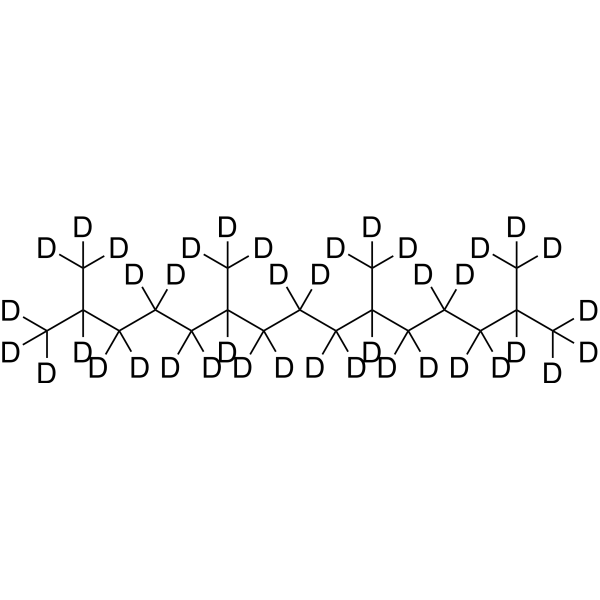
Chemical Structure
Pristane-d40
- CAS No.: 16416-35-6
- Formula:C19D40
- Molecular Weight:308.77
IUPAC Name: 2,6,10,14-tetrakis(methyl-d3)pentadecane-1,1,1,2,3,3,4,4,5,5,6,7,7,8,8,9,9,10,11,11,12,12,13,13,14,15,15,15-d28
InChIKey: XOJVVFBFDXDTEG-DZIYOUSZSA-N
SMILES: [2H]C([2H])([2H])C(C([2H])([2H])[2H])([2H])C([2H])([2H])C([2H])([2H])C([2H])([2H])C(C([2H])([2H])[2H])([2H])C([2H])([2H])C([2H])([2H])C([2H])([2H])C(C([2H])([2H])[2H])([2H])C([2H])([2H])C([2H])([2H])C([2H])([2H])C(C([2H])([2H])[2H])([2H])C([2H])([2H])[2H]
Biological Activity: Pristane-d40 is the deuterium labeled Pristane[1]. Pristane (Norphytane) is a naturally occurring hydrocarbon oil found in small quantities in many plants, in various marine organisms, and as the most active component of mineral oil[2]. Pristane is a non-antigenic adjuvant, and induces MHC class II-restricted, arthritogenic T cells in the rat[3].
| Cat. No. | Product Name | Purity | Description | Pricing | |||||||||||||||||||
|---|---|---|---|---|---|---|---|---|---|---|---|---|---|---|---|---|---|---|---|---|---|---|---|
|
|
Pristane-d40 | 98.56% | Pristane-d40 is the deuterium labeled Pristane. Pristane (Norphytane) is a naturally occurring hydrocarbon oil found in small quantities in many plants, in various marine organisms, and as the most active component of mineral oil. Pristane is a non-antigenic adjuvant, and induces MHC class II-restricted, arthritogenic T cells in the rat. | ||||||||||||||||||||
|
loading...
/
|
|||||||||||||||||||||||
|
|
Pristane (Standard) | ≥98% | Pristane (Norphytane) is a naturally occurring hydrocarbon oil found in small quantities in many plants, in various marine organisms, and as the most active component of mineral oil. Pristane is a non-antigenic adjuvant, and induces MHC class II-restricted, arthritogenic T cells in the rat. | ||||||||||||||||||||
|
loading...
/
|
|||||||||||||||||||||||
|
|
Pristane | 99.85% | Pristane (Norphytane) is a naturally occurring hydrocarbon oil found in small quantities in many plants, in various marine organisms, and as the most active component of mineral oil. Pristane is a non-antigenic adjuvant, and induces MHC class II-restricted, arthritogenic T cells in the rat. | ||||||||||||||||||||
|
loading...
/
|
|||||||||||||||||||||||
-
Similarity Score 0.91
 HY-W7168892,6,10,14-Tetramethylhexadecane
-
Similarity Score 0.85
 HY-W144704(rac)-Dihydrophytol
-
Similarity Score 0.85
 HY-W144704B(3RS,7R,11R)-Dihydrophytol
-
Similarity Score 0.84
 HY-N3074RHexahydrofarnesyl acetone (Standard)
-
Similarity Score 0.83
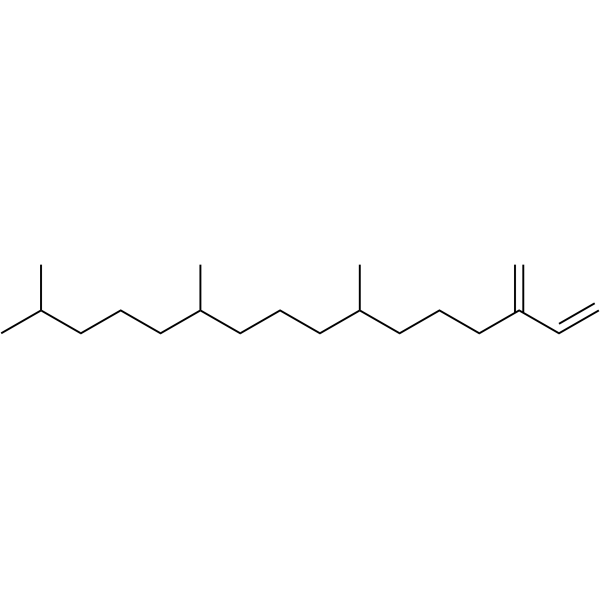 HY-N8534Neophytadiene
-
Similarity Score 0.82
 HY-W7207583,7,11-Trimethyl-1-dodecanol
-
Similarity Score 0.78
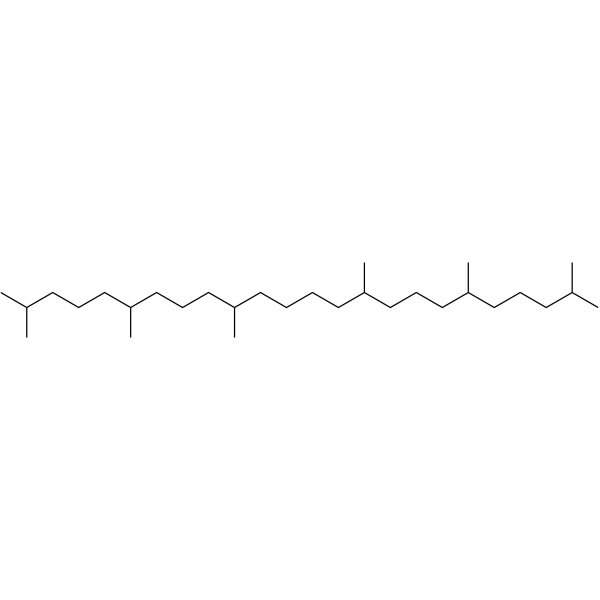 HY-N7113Squalane
-
Similarity Score 0.65
 HY-16577610-Methylhexadecanoic acid
-
Similarity Score 0.64
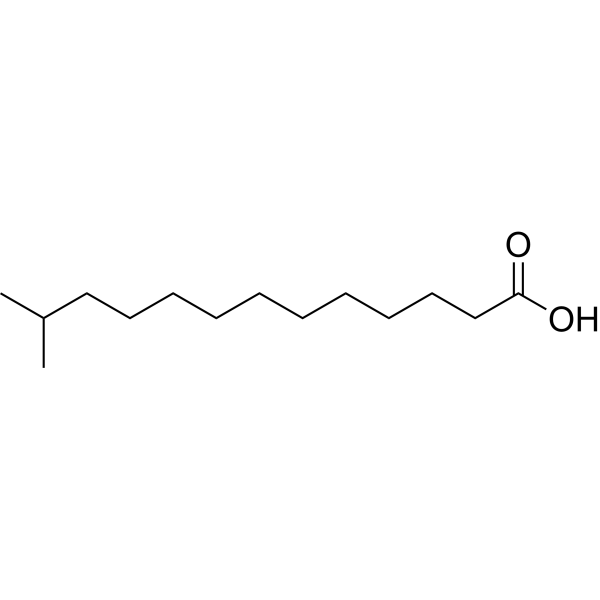 HY-13142012-Methyltridecanoic acid
-

Explore the MedChemAI to find more analogs


References
- [1]. Russak EM, et al. Impact of Deuterium Substitution on the Pharmacokinetics of Pharmaceuticals. Ann Pharmacother. 2019 Feb;53(2):211-216. [Content Brief]
- [2]. J J Turner, et al. Krypton Fluoride: Preparation by the Matrix Isolation Technique. Science. 1963 May 31;140(3570):974-5. [Content Brief]
- [3]. Jens Holmberg,et al. Pristane, a non-antigenic adjuvant, induces MHC class II-restricted, arthritogenic T cells in the rat. J Immunol. 2006 Jan 15176(2):1172-9. [Content Brief]



