



329196-48-7
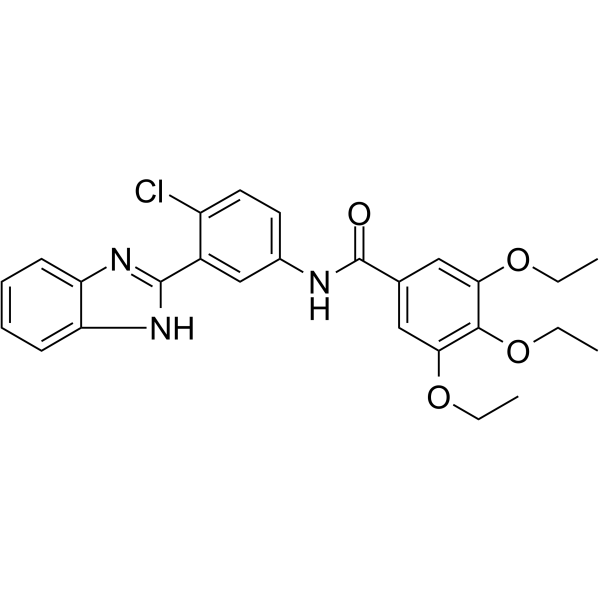
Chemical Structure
SANT 2
- CAS No.: 329196-48-7
- Formula:C26H26ClN3O4
- Molecular Weight:479.96
IUPAC Name: N-(3-(1H-benzo[d]imidazol-2-yl)-4-chlorophenyl)-3,4,5-triethoxybenzamide
InChIKey: VQOJFGFKIVFMDH-UHFFFAOYSA-N
SMILES: ClC1=CC=C(NC(C2=CC(OCC)=C(OCC)C(OCC)=C2)=O)C=C1C3=NC4=CC=CC=C4N3
Biological Activity: SANT 2 is a potent Hh-signaling pathway antagonist. SANT 2 interferes with the expression of Gli1. SANT 2 causes developmental delay in medaka embryos. SANT 2 has the potential for the research of several malignancies including Gorlin syndrome (a disorder predisposing to basal cell carcinoma, medulloblastoma and rhabdomyosarcoma), prostate, pancreatic and breast cancers[1][2].
| Cat. No. | Product Name | Purity | Description | Pricing | |||||||||||||||||||
|---|---|---|---|---|---|---|---|---|---|---|---|---|---|---|---|---|---|---|---|---|---|---|---|
|
|
SANT 2 | 99.10% | SANT 2 is a potent Hh-signaling pathway antagonist. SANT 2 interferes with the expression of Gli1. SANT 2 causes developmental delay in medaka embryos. SANT 2 has the potential for the research of several malignancies including Gorlin syndrome (a disorder predisposing to basal cell carcinoma, medulloblastoma and rhabdomyosarcoma), prostate, pancreatic and breast cancers. | ||||||||||||||||||||
|
loading...
/
|
|||||||||||||||||||||||
-
Similarity Score 0.81
 HY-122017Methoxy-SANT-2
-
Similarity Score 0.66
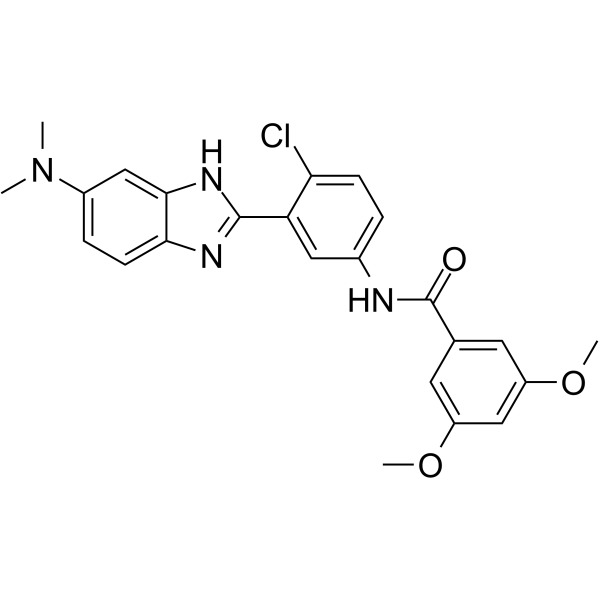 HY-15412HhAntag
-
Similarity Score 0.64
 HY-122024AZSMO-23
-
Similarity Score 0.57
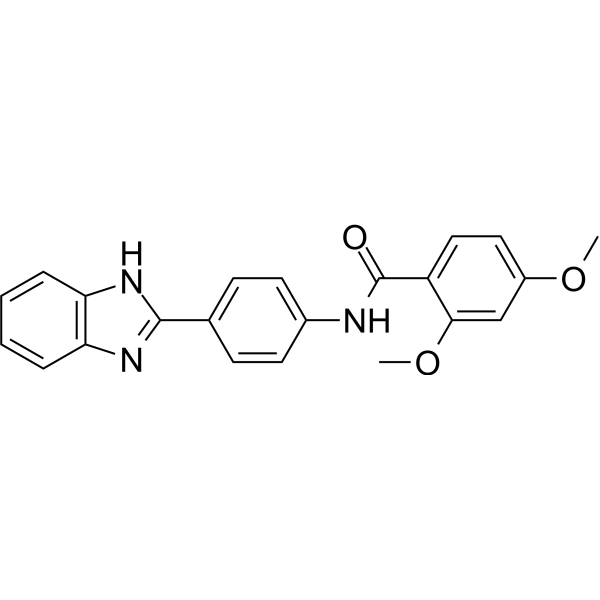 HY-155988Sirtuin modulator 6
-
Similarity Score 0.55
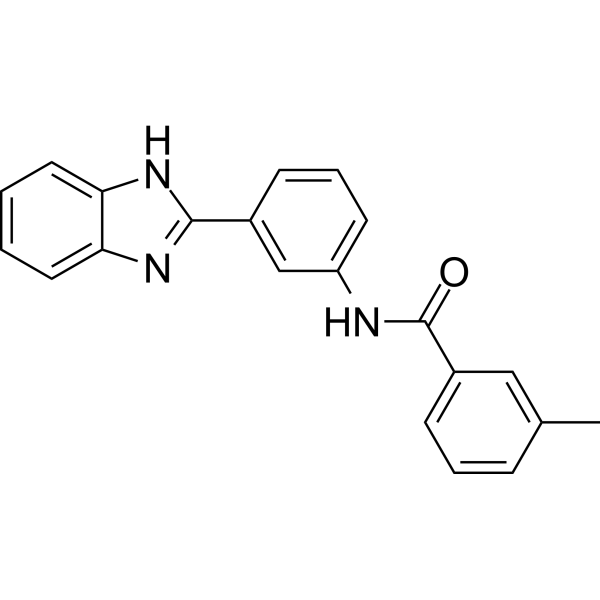 HY-148315GLUT1-IN-2
-
Similarity Score 0.53
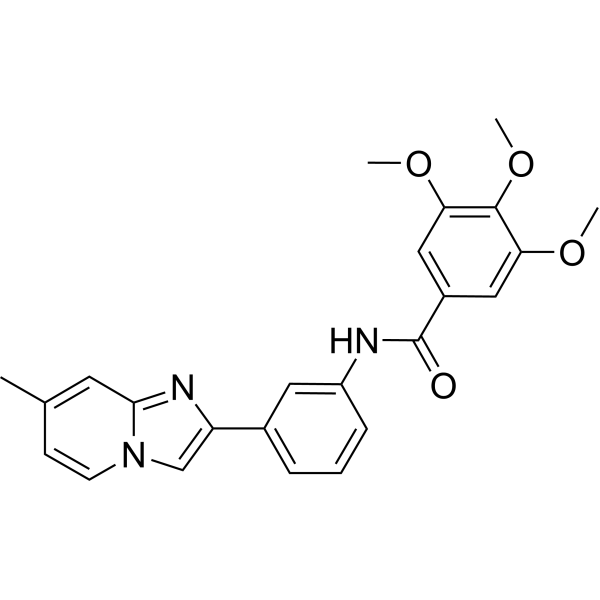 HY-Q49697Sirtuin modulator 3
-
Similarity Score 0.53
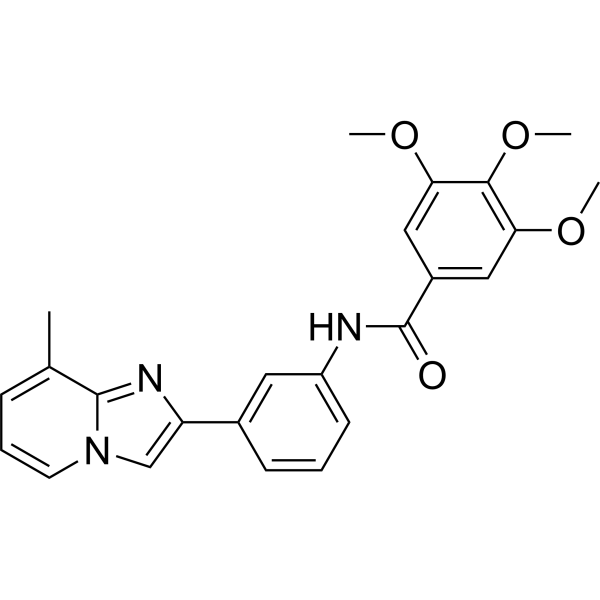 HY-148322Sirtuin modulator 5
-
Similarity Score 0.53
 HY-122904ML377
-
Similarity Score 0.52
 HY-184655Syk-IN-16
-

Explore the MedChemAI to find more analogs


References
- [1]. Büttner A, et al. Synthesis and biological evaluation of SANT-2 and analogues as inhibitors of the hedgehog signaling pathway. Bioorg Med Chem. 2009 Jul 15;17(14):4943-54. [Content Brief]
- [2]. Rominger CM, et al. Evidence for allosteric interactions of antagonist binding to the smoothened receptor. J Pharmacol Exp Ther. 2009 Jun;329(3):995-1005. [Content Brief]



