



CAY10583

Based on 1 Customer Validation
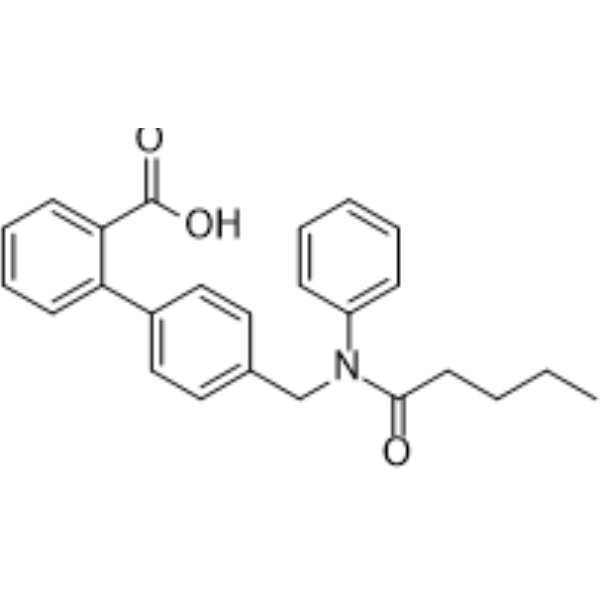
CAY10583 is a potent and selective full Leukotriene B4 receptor type 2 (BLT2) agonist. CAY10583 directly promotes keratinocyte migration in vitro and accelerates wound closure in vivo. CAY10583 is a promising pharmaceutical agent for diabetic wounds.
For research use only. We do not sell to patients.
- Purity : 99.9%
- CAS No.: 862891-27-8
- Formula: C25H25NO3
- Molecular Weight:387.47
-
Storage:Powder -20°C, 3 years ; In solvent -80°C, 6 months , -20°C, 1 month

To place orders, for customer services and technical support, please contact: MedChemExpress USA
Tel: 609-228-6898 E-mail: [email protected] [email protected]


-
 Biological Activity
-
Chemical Information
- Protocols
- Purity & Documentation
- References
-
 Help & FAQs


-
HY-112742
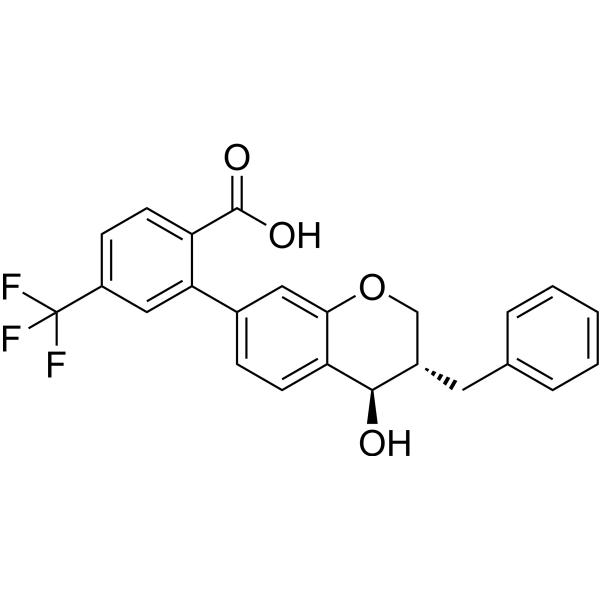
CP-195543LTB4 Antagonist -
HY-17492
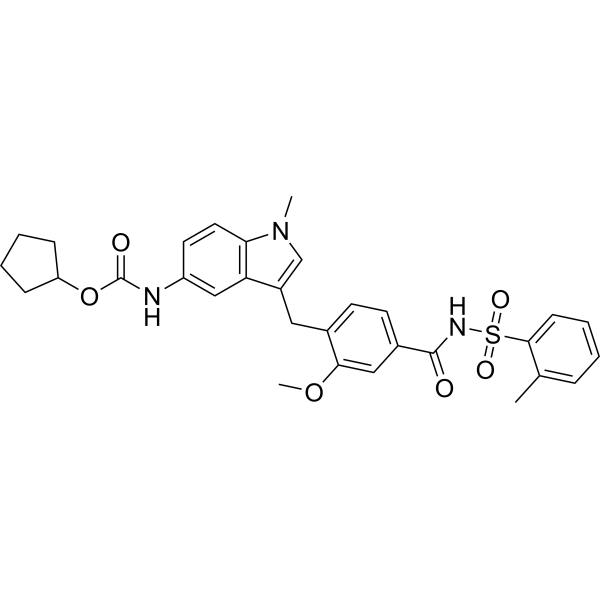
ZafirlukastLeukotriene Receptor Antagonist -
HY-105484
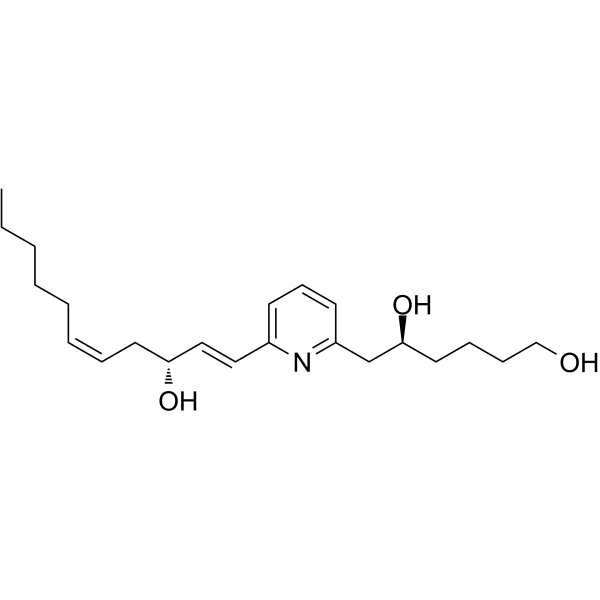
U-75302LTB4 inhibitor -
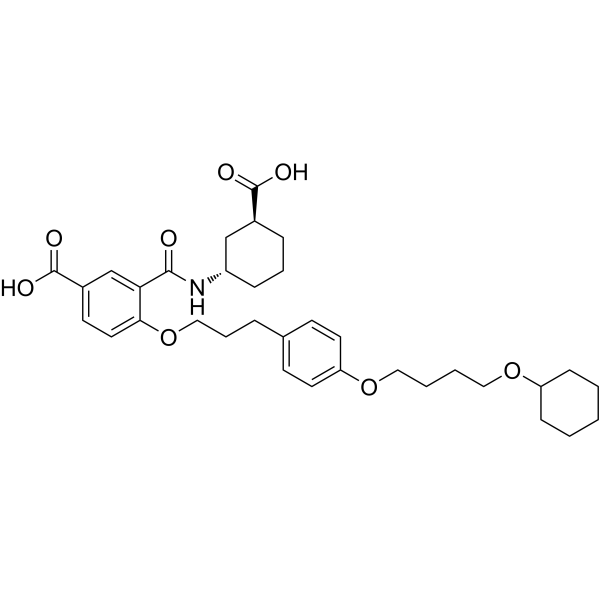
HY-112248A
HAMI 3379CysLT2 Receptor Antagonist -
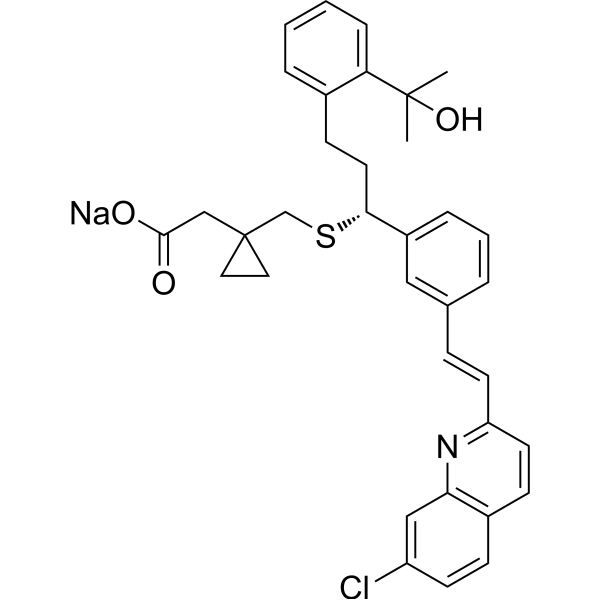
HY-13315
Montelukast sodiumCysltr1 Antagonist -
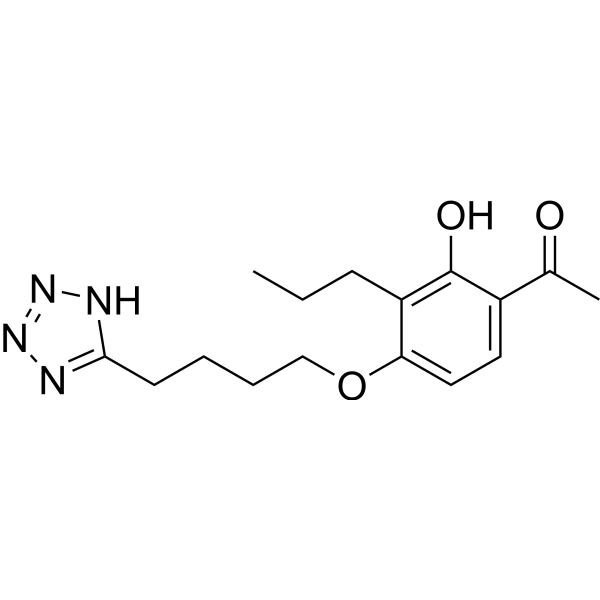
HY-111212
TomelukastLeukotriene D4/E4 Antagonist -
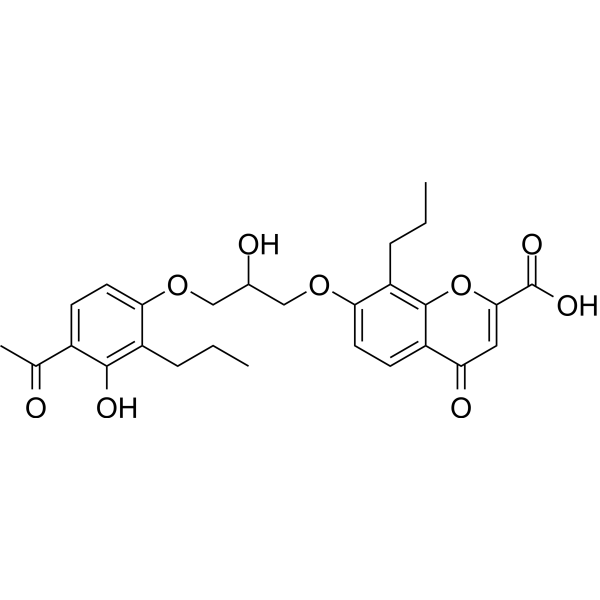
HY-107607
FPL-55712 free baseleukotriene Receptor Antagonist -

HY-17492R
Zafirlukast (Standard)Leukotriene Receptor Antagonist -
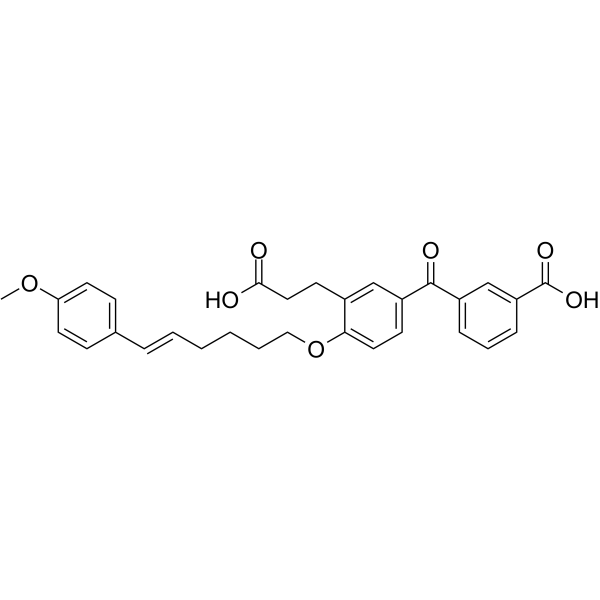
HY-112737
LY223982Leukotriene B4R Inhbitor -
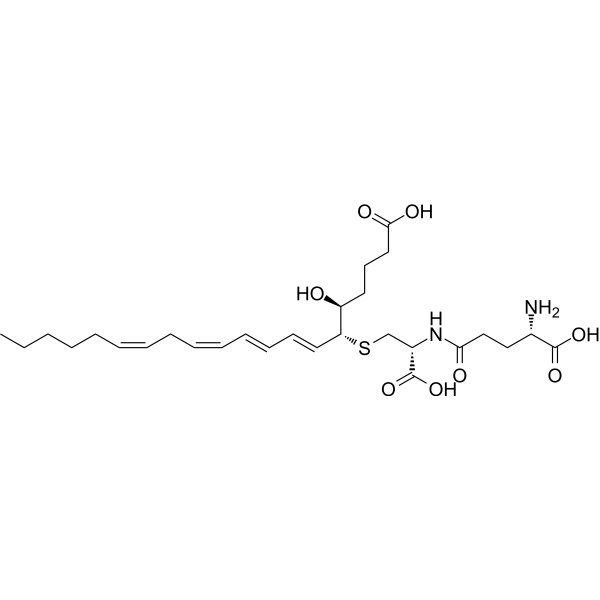
HY-130440
Leukotriene F4Arachidonic Metabolite -
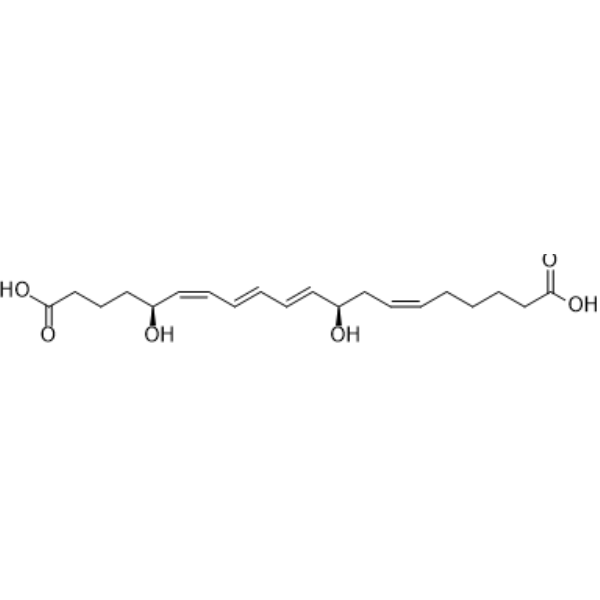
HY-113483
20-Carboxy-Leukotriene B4LTB4 Metabolite -
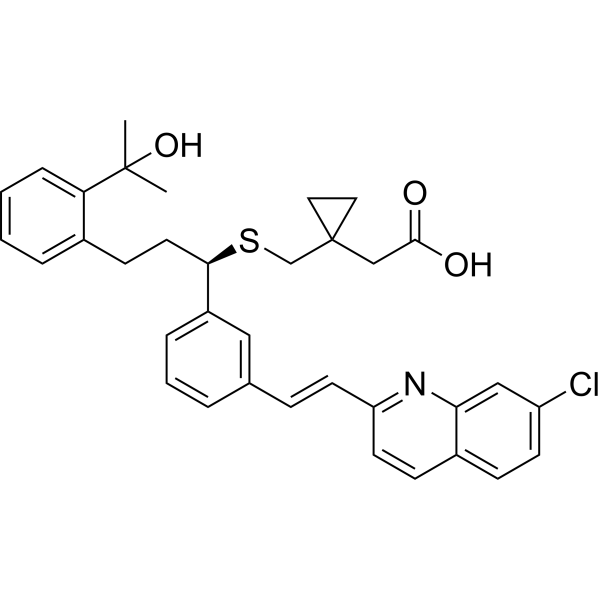
HY-13315A
MontelukastCysLT1 Antagonist
All Leukotriene Receptor Isoforms
More

Biological Activity
Description
IC50 & Target
[1]|
BLT2 |
In Vitro
CAY10583 (1 nM-1μM; 24 hours) promotes wound closure via keratinocyte migration. And CAY10583 has no significant effect of on keratinocyte proliferation[1].
MedChemExpress (MCE) has not independently confirmed the accuracy of these methods. They are for reference only. Further protocols information, click here.
In Vivo
MedChemExpress (MCE) has not independently confirmed the accuracy of these methods. They are for reference only.
-
Animal Model:Lewis rats (6-9 weeks of age, 180-220 g)[1]
-
Dosage:10 μM; 14 days
-
Administration:Administered topically to full-thickness wounds; 10 μM; 14 days
-
Result:Accelerated in vivo wound healing by topical application.


Chemical Information
-
CAS No. 862891-27-8
-
Appearance Solid
-
Molecular Weight 387.47
-
Formula C25H25NO3
-
Color White to off-white
-
SMILES
O=C(C1=CC=CC=C1C2=CC=C(C=C2)CN(C(CCCC)=O)C3=CC=CC=C3)O
-
Shipping
Room temperature in continental US; may vary elsewhere.
-
Storage
Powder -20°C 3 years In solvent -80°C 6 months -20°C 1 month

Protocols
-
Scratch/Wound-Healing Migration Assay
The scratch/wound-healing migration assay measures collective migration of adherent cells into an experimentally created cell-free gap in a confluent monolayer. The readout is generated by imaging the gap immediately after scratching and at later time points, then quantifying reduction in wound area, wound width, or percentage closure as cells move into the denuded region. Gap closure reflects cell migration but may also include cell proliferation, so interpretation should distinguish migration-focused conditions from proliferation-driven closure when possible, such as by using short assay windows, serum-controlled conditions, cell counting, or proliferation controls reported in published protocols.
-
Cell migration
Cell migration is a method that plays an important role in wound healing, cell differentiation, embryonic development, etc.


Purity & Documentation
-
Data Sheet (270 KB)
-
SDS (251 KB)
- English - EN (251 KB)
- Français - FR (251 KB)
- Deutsch - DE (251 KB)
- Norwegian - NO (251 KB)
- Español - ES (251 KB)
- Swedish - SV (251 KB)
- Italian - IT (251 KB)
- Korean - KR (251 KB)
- Portuguese - PT (251 KB)
-
Handling Instructions (2659 KB)
References

Calculators
Concentration (start) × Volume (start) = Concentration (final) × Volume (final)


CAY10583 Related Classifications
HY-122124 Related Classifications
 Powered by Bioz