



Erythropoietin/EPO Protein, Human (CHO)
Based on 2 publication(s) in Google Scholar
Erythropoietin/EPO is a renal cytokine that activates Akt and NF-κB signaling pathways by binding to erythroid progenitor cells EPOR. Erythropoietin/EPO regulates erythroid proliferation and differentiation and inhibits apoptosis. Erythropoietin/EPO also has angiogenic ability comparable to VEGF and can stimulate endothelial cell capillary sprouting. Erythropoietin/EPO can be used in the study of ischemic heart diseases such as anemia in end-stage renal disease. Erythropoietin/EPO Protein, Human (CHO) is a recombinant Erythropoietin/EPO protein expressed in CHO cells with tag-free.
- Species: Human
- Source: CHO
-
Storage:Stored at -20°C for 2 years from date of receipt. After reconstitution, it is stable at 4°C for 1 week or -20°C for longer (with carrier protein). It is recommended to freeze aliquots at -20°C or -80°C for extended storage.


To place orders, for customer services and technical support, please contact: MedChemExpress USA
Tel: 609-228-6898 E-mail: [email protected] [email protected]


-
 Biological Activity
-
Technical Parameters
-
Product Properties
- Documentation
- References
- Help & FAQs


-

HY-P70781
SCF Protein, Human -
HY-14648
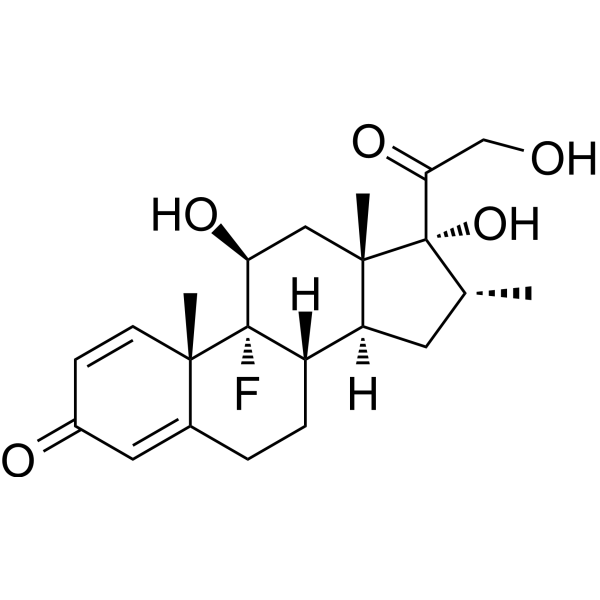
Dexamethasone -
HY-P7044
IL-6 Protein, Human -
HY-P7018
IGF-I/IGF-1 Protein, Human (70a.a) -
HY-N0583
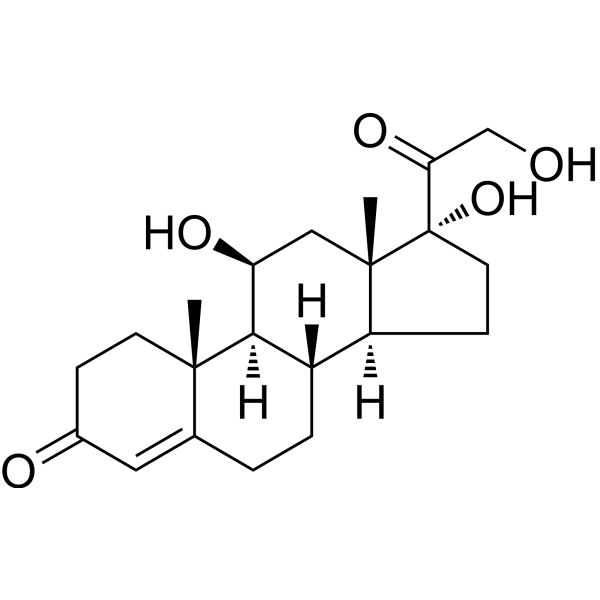
Hydrocortisone -
HY-17567A
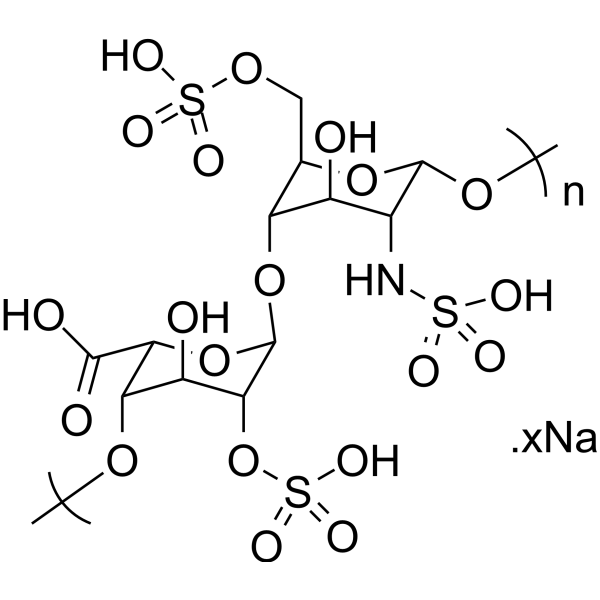
Heparin sodium salt -
HY-10431
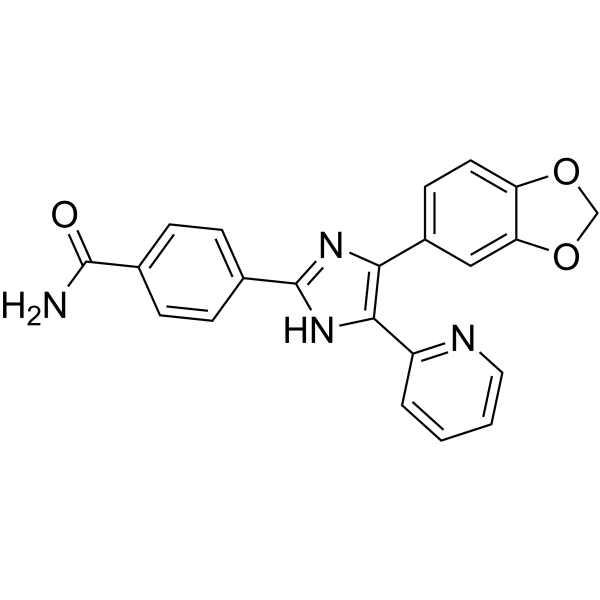
SB-431542 -
HY-10583
Y-27632 dihydrochloride -
HY-N0565
Doxycycline -
HY-17394
Cisplatin -
HY-P0035
Insulin (human) -
HY-16658B
Z-VAD-FMK


Biological Activity
Description
Erythropoietin/EPO is a renal cytokine that activates Akt and NF-κB signaling pathways by binding to erythroid progenitor cells EPOR. Erythropoietin/EPO regulates erythroid proliferation and differentiation and inhibits apoptosis. Erythropoietin/EPO also has angiogenic ability comparable to VEGF and can stimulate endothelial cell capillary sprouting. Erythropoietin/EPO can be used in the study of ischemic heart diseases such as anemia in end-stage renal disease. Erythropoietin/EPO Protein, Human (CHO) is a recombinant Erythropoietin/EPO protein expressed in CHO cells with tag-free.
Background
Erythropoietin/EPO is a glycoprotein mainly produced by the kidney and belongs to the cytokine superfamily. Erythropoietin/EPO binds to the erythropoietin receptor (EPOR) on erythroid progenitor cells (CFU-E and BFU-E), activates signaling pathways such as Akt and NF-κB, regulates erythrocyte proliferation and differentiation, promotes cell survival and inhibits apoptosis. Erythropoietin/EPO also has pro-angiogenic potential comparable to VEGF, can stimulate endothelial cell capillary sprouting, and protect tissues from ischemia-reperfusion injury by reducing apoptosis and inflammation. Clinically, recombinant human Erythropoietin/EPO (rh-EPO) can be used to study the inhibition of anemia in end-stage renal disease, and has potential application value in ischemic heart disease, nervous system damage and therapeutic angiogenesis.
Verified Bioactivity
The ED50 is <3 ng/mL as measured in a cell proliferation assay using TF-1 human erythroleukemic cells, corresponding to a specific activity of >3.33× 10⁵ units/mg.
MCE Validation Data
-
Purity - SDS-PAGE
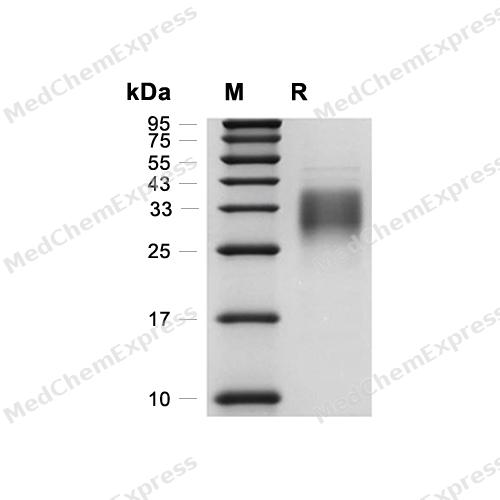
Purity - SDS-PAGE
-
Bioactivity - Cell-Based Assay
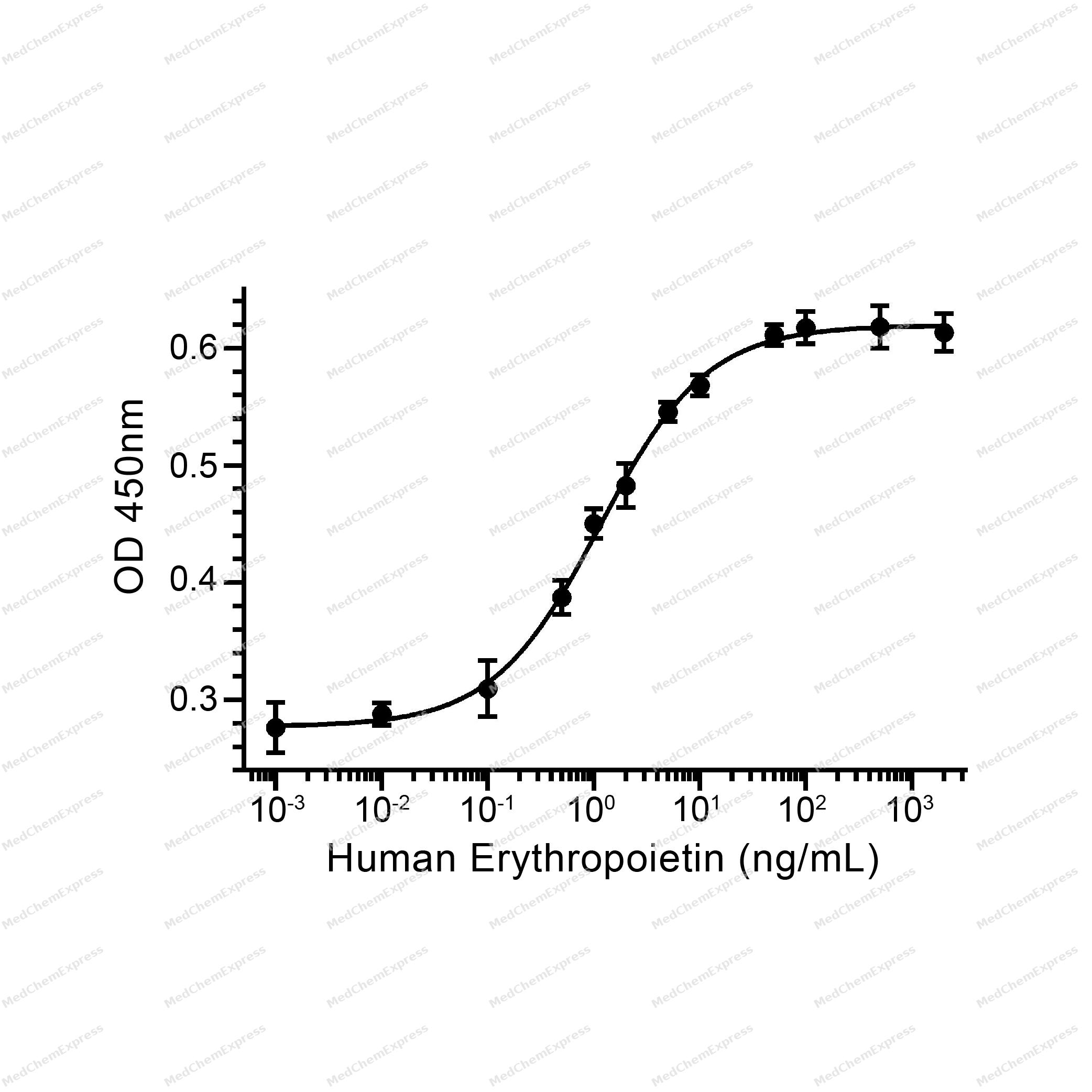
Bioactivity - Cell-Based Assay


Publications (2)
-
Journal Impact Factor
-
Most Recent
-
Sci Adv
An engineered Sox17 induces somatic to neural stem cell fate transitions independently from pluripotency reprogramming. [Abstract]2023 Aug 25;9(34):eadh2501. PMID: 37611093 -
Int Immunopharmacol
Exploring the EPO/EPOR-βCR/TLR9 pathways in sepsis-associated encephalopathy: Therapeutic implications of EPO and HBSP. [Abstract]2026 Jan 15:169:116053. PMID: 41406833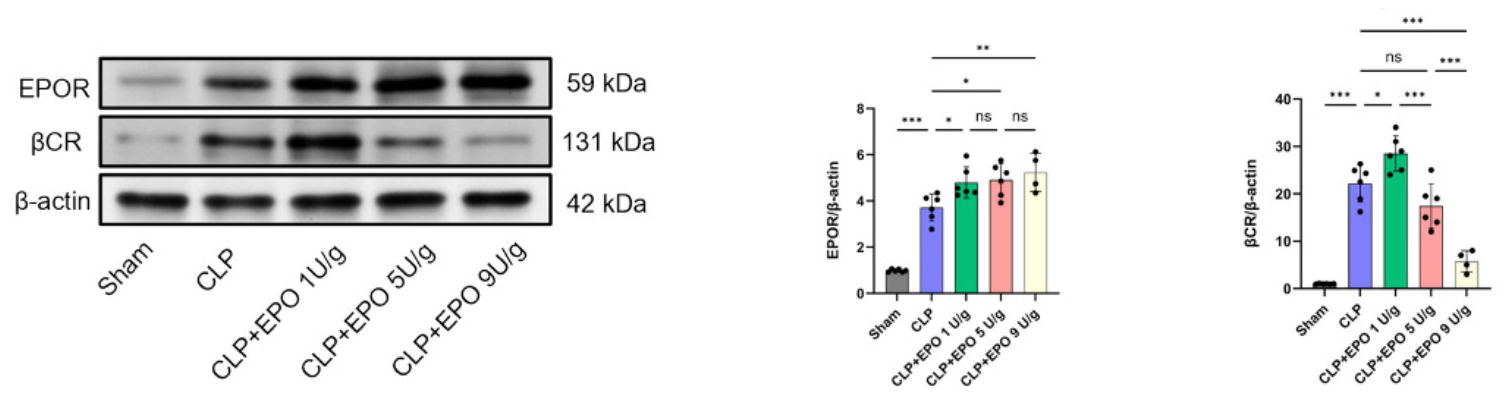
Erythropoietin/EPO Protein, Human (CHO) purchased from MedChemExpress. Usage Cited in: Int Immunopharmacol. 2026 Jan 15:169:116053. [Abstract]
Erythropoietin/EPO Protein, Human (CHO) (rhEPO) (1-9 U/g; s.c.; once daily) upregulated the expression of EPOR in the hippocampus of septic rats. Low-dose Erythropoietin/EPO Protein, Human (CHO) (rhEPO) (1 U/g) induced an additional increase of βCR, whereas high-dose Erythropoietin/EPO Protein, Human (CHO) (rhEPO) (9 U/g) displayed a significant decrease in βCR expression.
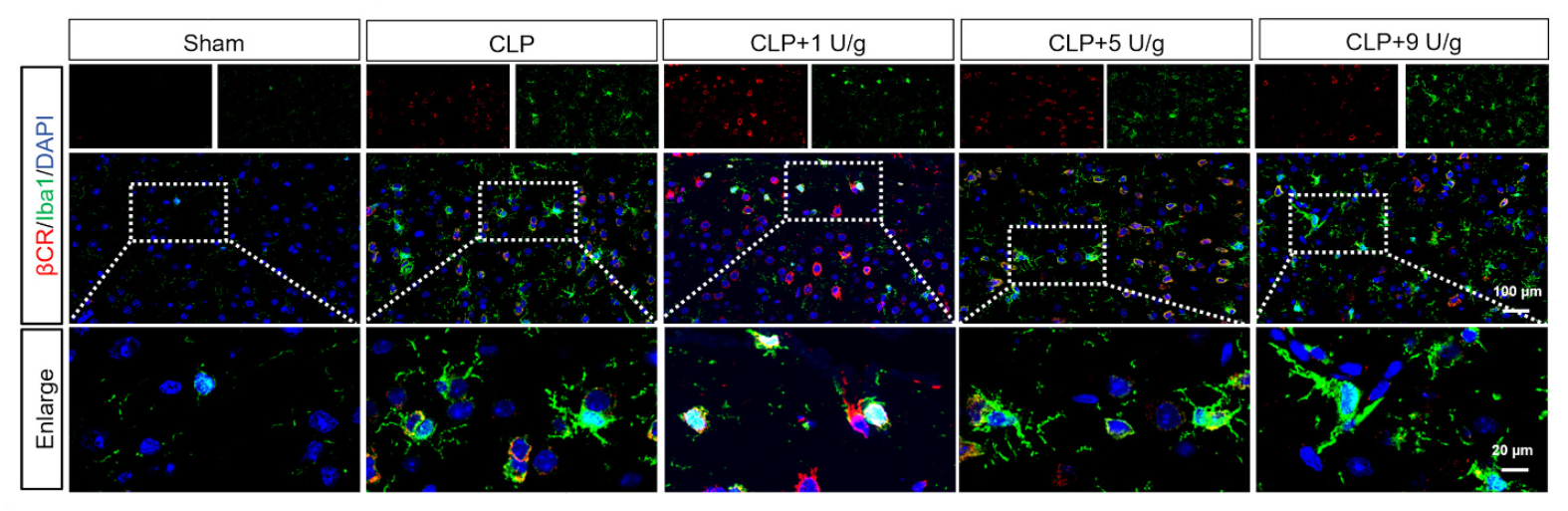
Erythropoietin/EPO Protein, Human (CHO) purchased from MedChemExpress. Usage Cited in: Int Immunopharmacol. 2026 Jan 15:169:116053. [Abstract]
Low-dose Erythropoietin/EPO Protein, Human (CHO) (rhEPO) (1-9 U/g; s.c.; once daily) significantly increased βCR expression and the number of Iba1+βCR+ cells in the hippocampus of septic rats compared to the CLP group, while high-dose Erythropoietin/EPO Protein, Human (CHO) (rhEPO) significantly decreased them.
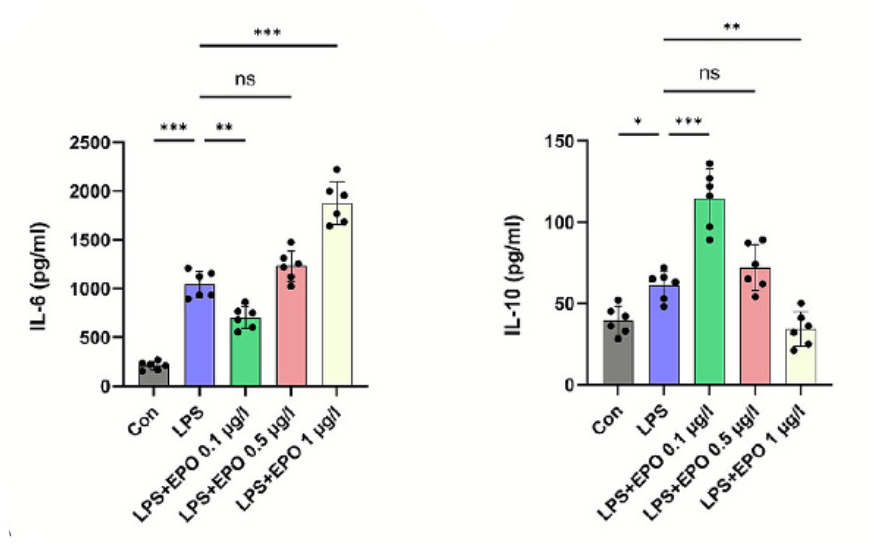
Erythropoietin/EPO Protein, Human (CHO) purchased from MedChemExpress. Usage Cited in: Int Immunopharmacol. 2026 Jan 15:169:116053. [Abstract]
Erythropoietin/EPO Protein, Human (CHO) (rhEPO) (0.1-1 μg/mL; 12 h). Low-dose Erythropoietin/EPO Protein, Human (CHO) (rhEPO) (0.1 μg/mL) significantly inhibited IL-6 release and enhanced IL-10 expression in microglial cells, while high-dose Erythropoietin/EPO Protein, Human (CHO) (rhEPO) (1 μg/mL) exhibited the opposite trend.
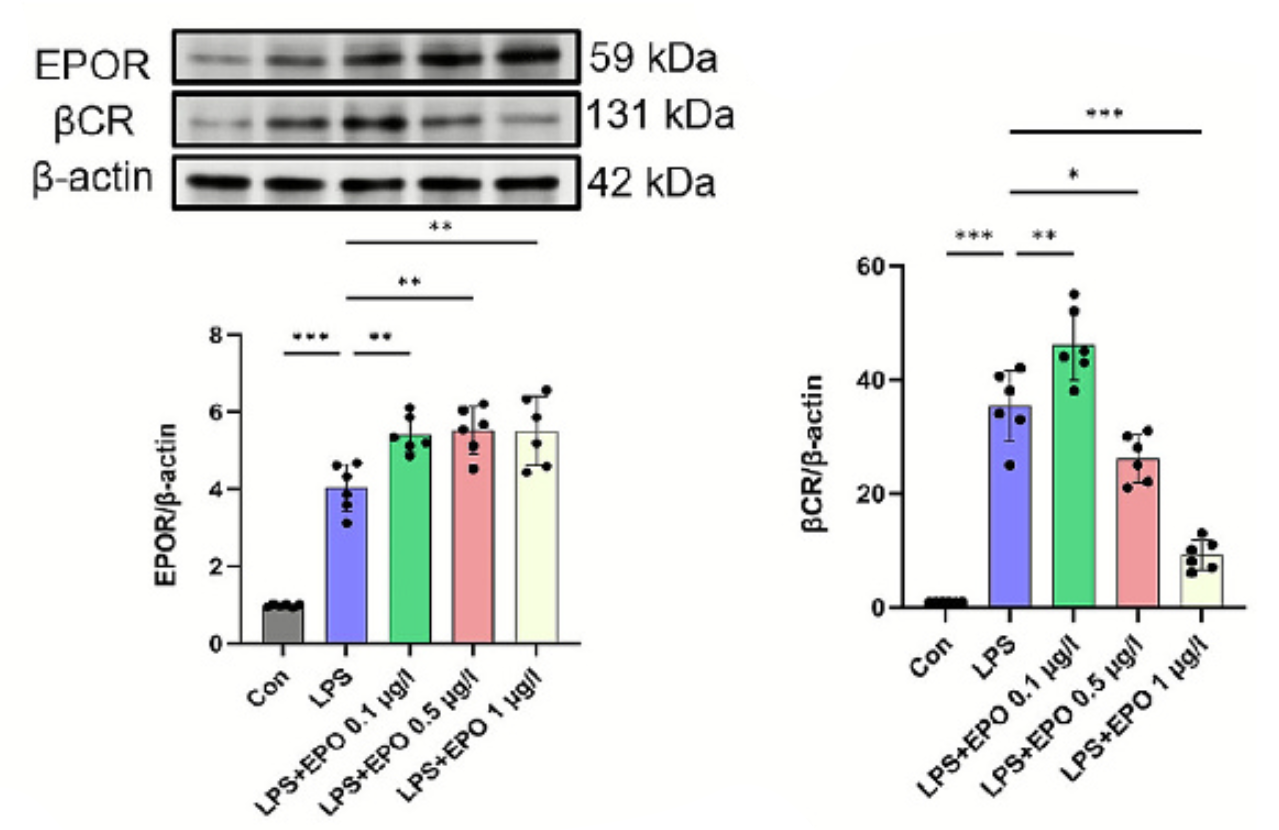
Erythropoietin/EPO Protein, Human (CHO) purchased from MedChemExpress. Usage Cited in: Int Immunopharmacol. 2026 Jan 15:169:116053. [Abstract]
Erythropoietin/EPO Protein, Human (CHO) (rhEPO) (0.1-1 μg/mL; 12 h). Low-dose Erythropoietin/EPO Protein, Human (CHO) (rhEPO) enhanced βCR and EPOR expression levels in BV2 cells. In contrast, high-dose Erythropoietin/EPO Protein, Human (CHO) (rhEPO) decreased βCR expression while exerting no significant effect on EPOR expression.
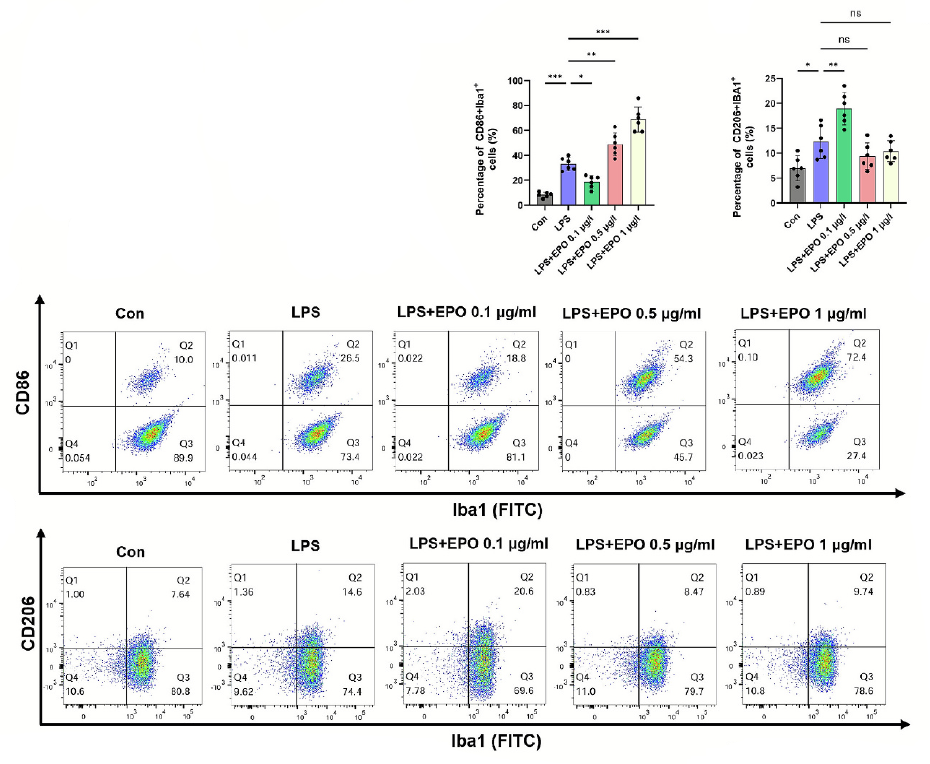
Erythropoietin/EPO Protein, Human (CHO) purchased from MedChemExpress. Usage Cited in: Int Immunopharmacol. 2026 Jan 15:169:116053. [Abstract]
Erythropoietin/EPO Protein, Human (CHO) (rhEPO) (0.1-1 μg/mL; 12 h). Low-dose Erythropoietin/EPO Protein, Human (CHO) (rhEPO) decreased the proportion of Iba1+CD86+ (M1 phenotype) cells while increasing that of Iba1+CD206+ (M2 phenotype) cells. However, high-dose Erythropoietin/EPO Protein, Human (CHO) (rhEPO) significantly promoted the M1 polarization of microglia but did not significantly affect the M2 microglia population.


Technical Parameters
-
Species Human
-
Source CHO
-
Tag Tag Free
-
Accession
P01588 (A28-R193)
-
Molecular Construction
-
N-term
-
EPO (A28-R193)
Accession # P01588 -
C-term
-
-
Protein Length
Full Length of Mature Protein
-
Synonyms
EPO; ECYT5; Erythropoietin; MVCD2; EP; DBAL; Epoetin
-
AA Sequence
APPRLICDSRVLERYLLEAKEAENITTGCAEHCSLNENITVPDTKVNFYAWKRMEVGQQAVEVWQGLALLSEAVLRGQALLVNSSQPWEPLQLHVDKAVSGLRSLTTLLRALGAQKEAISPPDAASAAPLRTITADTFRKLFRVYSNFLRGKLKLYTGEACRTGDR
-
Predicted Molecular Mass
18.4 kDa
-
Molecular Weight
Approximately 26-36 kDa, based on SDS-PAGE under reducing conditions.
-
Glycosylation
Yes
-
Purity
≥ 95%, as determined by reducing SDS-PAGE.


Product Properties
Lyophilized powder
Lyophilized from a 0.22 μm filtered solution of PBS, pH 7.4.
<0.2 EU/μg, determined by LAL method.
It is not recommended to reconstitute to a concentration less than 100 μg/mL in ddH2O. For long term storage it is recommended to add a carrier protein (0.1% BSA, 5% HSA, 10% FBS or 5% Trehalose).
Stored at -20°C for 2 years from date of receipt. After reconstitution, it is stable at 4°C for 1 week or -20°C for longer (with carrier protein). It is recommended to freeze aliquots at -20°C or -80°C for extended storage.
Room temperature in continental US; may vary elsewhere.


Documentation
-
Data Sheet (263 KB)
-
SDS (252 KB)
- English - EN (252 KB)
- Français - FR (252 KB)
- Deutsch - DE (252 KB)
- Norwegian - NO (252 KB)
- Español - ES (252 KB)
- Swedish - SV (252 KB)
- Italian - IT (252 KB)
- Korean - KR (252 KB)
- Portuguese - PT (252 KB)
-
Handling Instructions (2659 KB)


References
[1]. Calvillo L, et al. Recombinant human erythropoietin protects the myocardium from ischemia-reperfusion injury and promotes beneficial remodeling. Proc Natl Acad Sci U S A. 2003 Apr 15;100(8):4802-6. [Content Brief]
[2]. Jaquet K, et al. Erythropoietin and VEGF exhibit equal angiogenic potential. Microvasc Res. 2002 Sep;64(2):326-33. [Content Brief]
[3]. Stephenson JR, et al. Induction of colonies of hemoglobin-synthesizing cells by erythropoietin in vitro. Proc Natl Acad Sci U S A. 1971 Jul;68(7):1542-6. [Content Brief]
[4]. Kato M, et al. Pharmacokinetics and pharmacodynamics of recombinant human erythropoietin in rats. Arzneimittelforschung. 2001 Jan;51(1):91-5. [Content Brief]
[5]. Kato M, et al. Mechanism for the nonlinear pharmacokinetics of erythropoietin in rats. J Pharmacol Exp Ther. 1997 Nov;283(2):520-7. [Content Brief]

Calculators
Concentration (start) × Volume (start) = Concentration (final) × Volume (final)


 Powered by Bioz

