



ε-Poly-L-lysine (MW 3800-4200)

Based on 1 Customer Validation
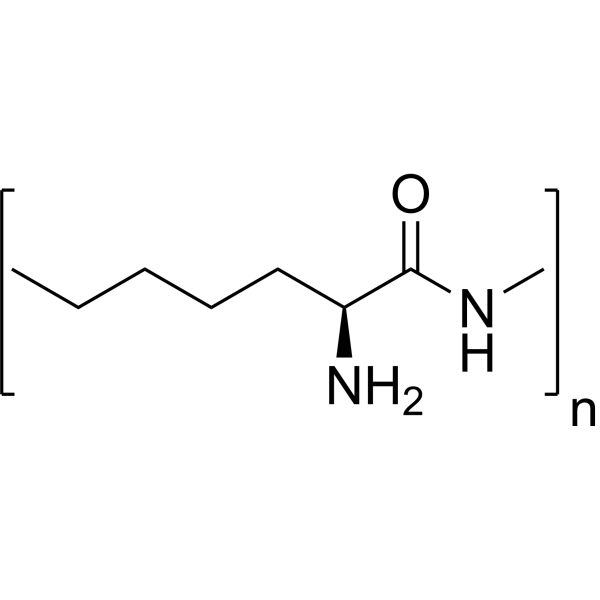
Epsilon-polylysine is an antimicrobial peptide that can be produced by bacteria such as Streptomyces. Epsilon-polylysine inhibits the growth of microorganisms such as bacteria, yeasts and molds and is therefore often used as a green food additive and preservative in various food and beverage products. Epsilon-polylysine has a variety of properties, including thermal stability, resistance to acidic conditions, and broad-spectrum antimicrobial activity. Epsilon-polylysine can be loaded on other materials to form nanoparticles or form nanofiber membranes for targeted delivery to exert sustained antibacterial efficacy. Epsilon-polylysine is also used as a liposome stabilizer.
For research use only. We do not sell to patients.
- Assay : 99%
- CAS No.: 28211-04-3
- Formula: (C6H12N2O)n
- Molecular Weight:3800-4200
-
Storage:
4°C, protect from light
* In solvent : -80°C, 6 months; -20°C, 1 month (protect from light)

To place orders, for customer services and technical support, please contact: MedChemExpress USA
Tel: 609-228-6898 E-mail: [email protected] [email protected]


-
 Biological Activity
-
Chemical Information
-
Solvent & Solubility
- Protocols
- Purity & Documentation
- References
-
 Help & FAQs


-

HY-W250308A
ε-Poly-L-lysine hydrochloride (MV 2000-5000)Antimicrobial Agent -
HY-13259
MG-132Proteasome Inhibitor -
HY-100410
FCCPOXPHOS Uncoupler -

HY-P9907
TrastuzumabHER2 Blocking Antibody -
HY-10071
Y-27632ROCK Inhibitor -
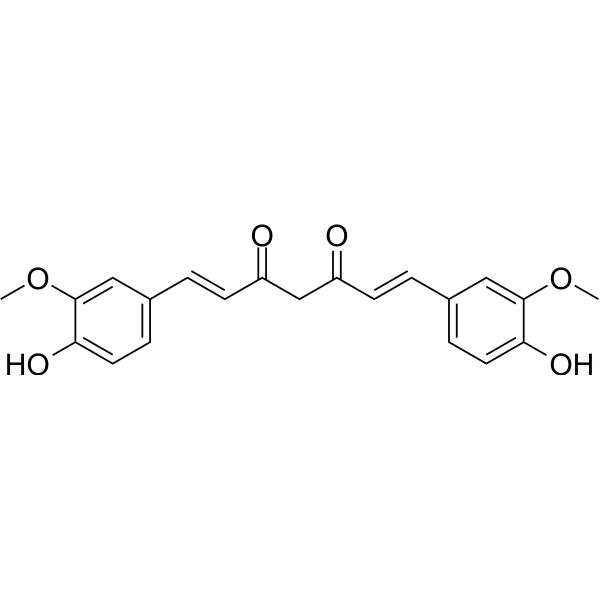
HY-N0005
Curcuminp300 Histone Acetylatransferase Inhibitor -
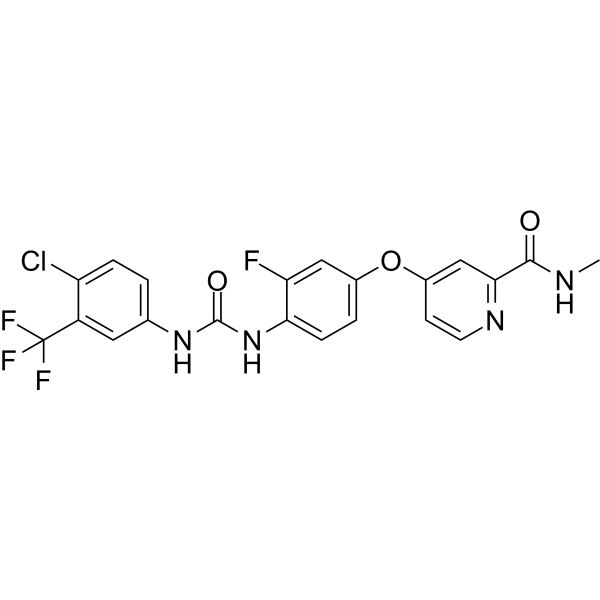
HY-10331
RegorafenibMulti-kinase Inhibitor -
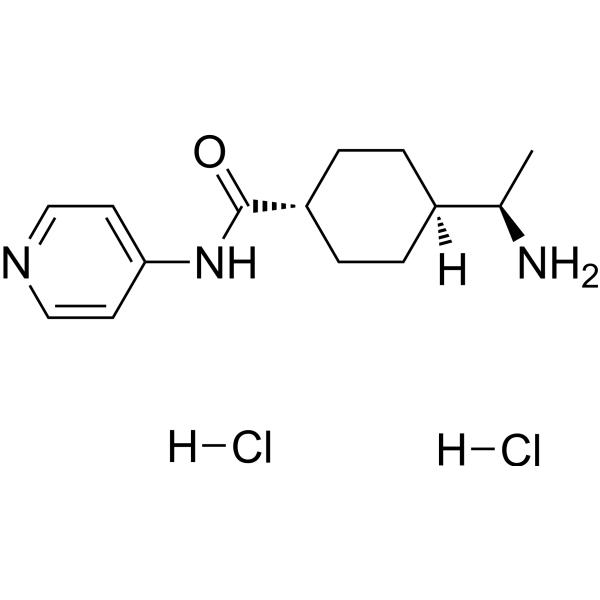
HY-10583
Y-27632 dihydrochlorideROCK Inhibitor -
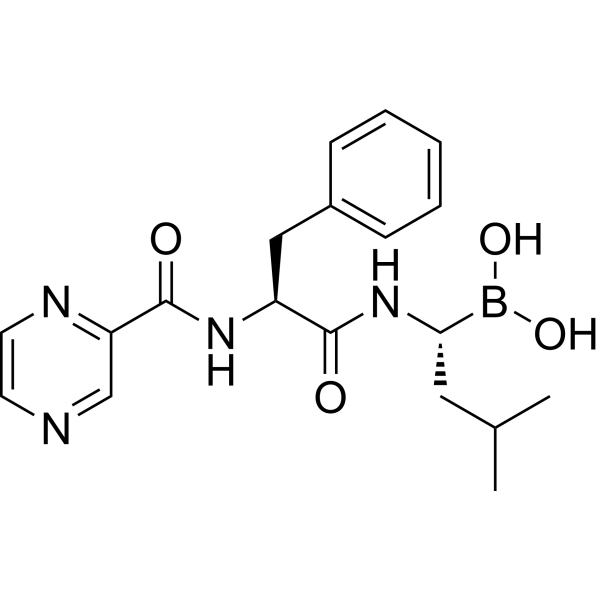
HY-10227
BortezomibProteasome Inhibitor -

HY-107910
Hyaluronidase, Bovine testesHyaluronic Acid Degrader -
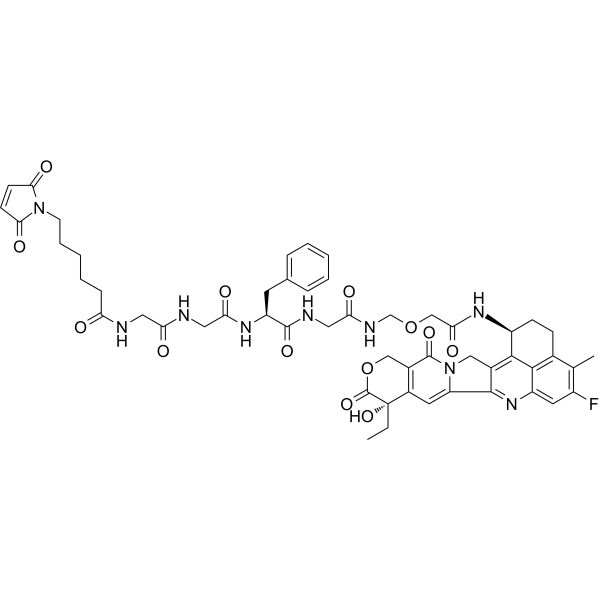
HY-13631E
DeruxtecanDrug-Linker Conjugates for ADC -
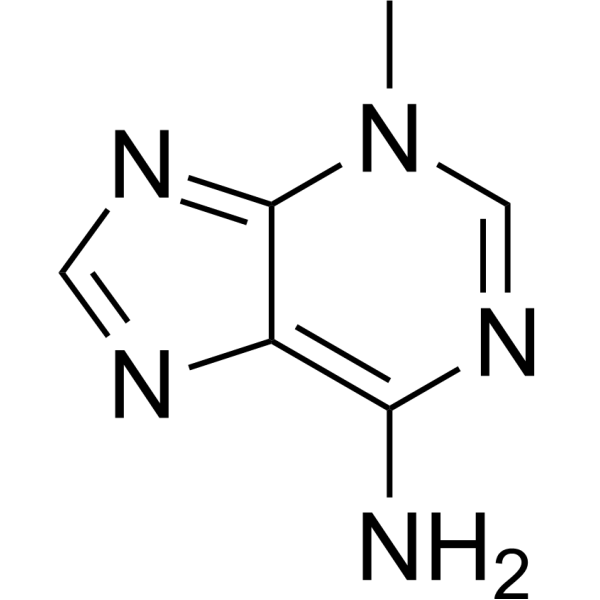
HY-19312
3-MethyladenineAutophagy/PI3K Inhibitor


Biological Activity
Description
In Vitro
ε-Poly-L-lysine (MW 3800-4200) (1000, 2000 and 4000 mg/L; 20 μL was added to the wound at the equator of each jujube fruit, after air-drying at room temperature for 1 hour, the treated fruits were placed in a plastic box filled with sterile water, maintained at 95% humidity, and stored at 22°C for 0-72 h) dose-dependently reduces the disease severity of gray mold in jujube fruit[5]. ε-Poly-L-lysine (MW 3800-4200) (0-450 mg/L; 1-4 days) dose-dependently inhibites the growth of B. cinerea hyphae[5].
MedChemExpress (MCE) has not independently confirmed the accuracy of these methods. They are for reference only. Further protocols information, click here.


Chemical Information
-
CAS No. 28211-04-3
-
Appearance Solid
-
Molecular Weight 3800-4200
-
Formula (C6H12N2O)n
-
Color White to light yellow
-
SMILES
CNC([C@H](CCCCC)N)=O.[n]
-
Synonyms
Epsilon-polylysine (MW 3800-4200); ε-Polylysine (MW 3800-4200); ε-PL (MW 3800-4200)
-
Initial Source
Streptomyces albulus
-
Shipping
Room temperature in continental US; may vary elsewhere.
-
Storage
4°C, protect from light
* In solvent : -80°C, 6 months; -20°C, 1 month (protect from light)


Solvent & Solubility
In Vitro:
H2O : 100 mg/mL (Need ultrasonic)

Protocols
-
Research Protocol for Infectious Diseases
Infectious-disease experiments test how pathogens interact with host barriers, innate immune receptors, inflammatory signaling, pathogen replication, and tissue injury; pattern-recognition receptors such as TLRs, RIG-I-like receptors, NOD-like receptors, and inflammasomes detect microbial molecules and activate NF-κB, interferon, and cytokine responses. The central hypothesis is that infection severity reflects the balance between pathogen burden and host response: protective inflammation restricts pathogen growth, whereas excessive or mislocalized inflammation contributes to tissue damage and disease phenotype. Unresolved questions include which host pathways are protective versus pathogenic, why some infection models fail to translate to human disease, and which combined readouts best predict clinically relevant infection outcomes.


Purity & Documentation
-
Data Sheet (276 KB)
-
SDS (394 KB)
- English - EN (394 KB)
- Français - FR (394 KB)
- Deutsch - DE (394 KB)
- Norwegian - NO (394 KB)
- Español - ES (394 KB)
- Swedish - SV (394 KB)
- Italian - IT (394 KB)
- Korean - KR (394 KB)
- Portuguese - PT (394 KB)
-
Handling Instructions (2659 KB)
References
[1]. Wang Z, et al. Metabolomic Analysis of Biosynthesis Mechanism of ε-Polylysine Produced by Streptomyces diastatochromogenes. Front Bioeng Biotechnol. 2021 Jul 30;9:698022. [Content Brief]
[2]. Zhou X, et al. Elaboration and characterization of ε-polylysine-sodium alginate nanoparticles for sustained antimicrobial activity. Int J Biol Macromol. 2023 Aug 16;251:126329. [Content Brief]
[3]. Yingying M, et al. pH-Sensitive ε-polylysine/polyaspartic acid/zein nanofiber membranes for the targeted release of polyphenols. Food Funct. 2022 Jun 20;13(12):6792-6801. [Content Brief]

Calculators
Concentration (start) × Volume (start) = Concentration (final) × Volume (final)


ε-Poly-L-lysine (MW 3800-4200) Related Classifications
HY-W250308 Related Classifications
 Powered by Bioz