



hMCH-1R antagonist 1
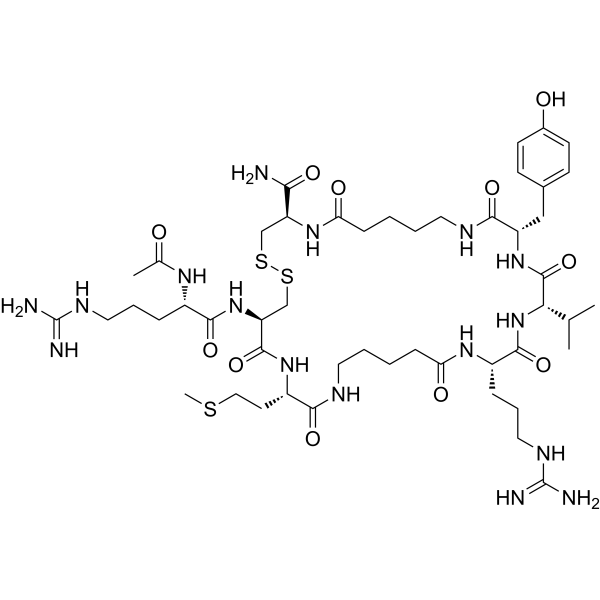
hMCH-1R antagonist 1 (Compound 30) is an effective and selective antagonist of human melanin-concentrating hormone receptor 1 (hMCHR1) with an KB value of 3.6 nM. HMCH-1R antagonist 1 can bind to hMCHR1 and hMCHR2 with IC50 values of 65 nM and 49 nM, respectively. HMCH-1R antagonistist 1 can be used for metabolic research.
For research use only. We do not sell to patients.
- CAS No.: 353487-64-6
- Formula: C49H82N16O11S3
- Molecular Weight:1167.47
-
Storage:
Please store the product under the recommended conditions in the Certificate of Analysis.

To place orders, for customer services and technical support, please contact: MedChemExpress USA
Tel: 609-228-6898 E-mail: [email protected] [email protected]


-
 Biological Activity
-
Chemical Information
- Protocols
- Purity & Documentation
- References
-
 Help & FAQs


-
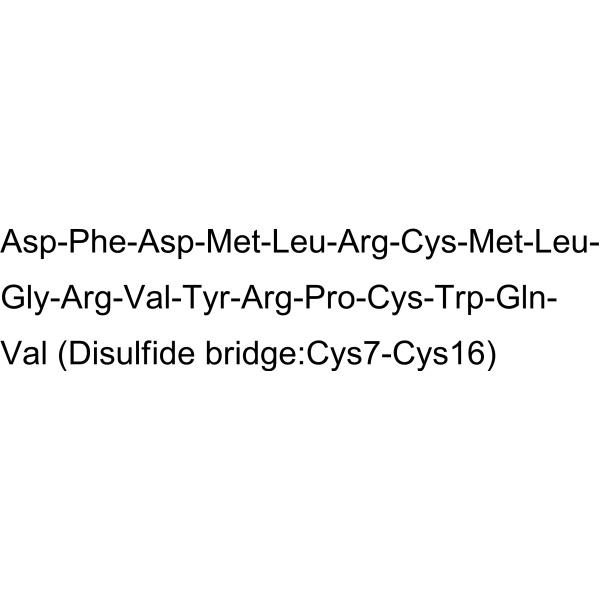
HY-P1205
MCH(human, mouse, rat)MCH-R Ligand -
![[Ala17]-MCH](https://file.medchemexpress.com/product_pic/hy-p1204.gif)
HY-P1204
[Ala17]-MCHMCHR1 Ligand -
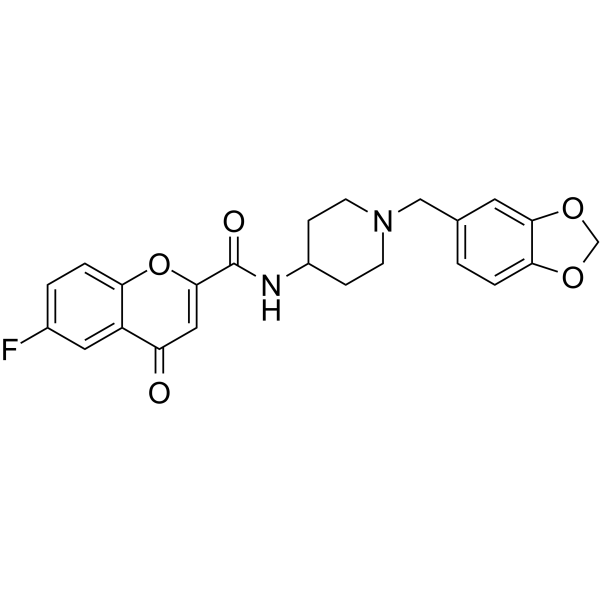
HY-100321
MCHR1 antagonist 2MCHR1 Antagonist -
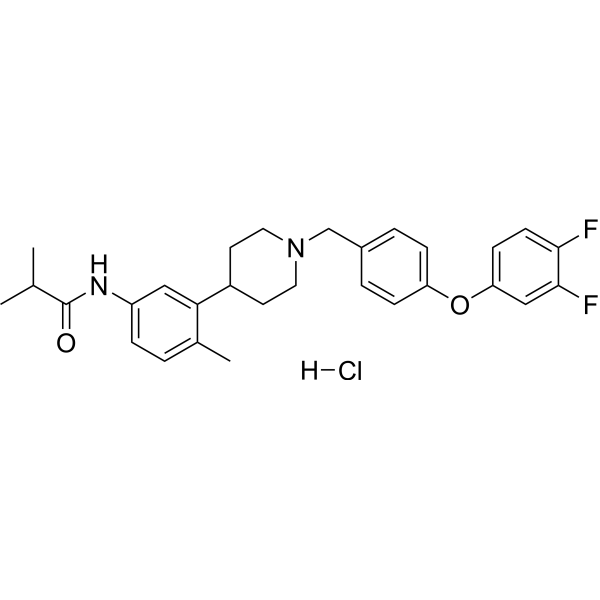
HY-107625A
SNAP 94847 hydrochlorideMCHR1 Antagonist -
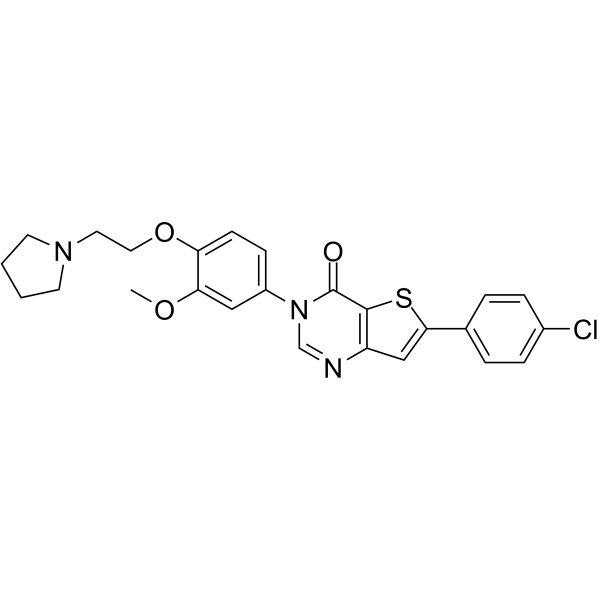
HY-11083
GW-803430MCH R1 Antagonist -
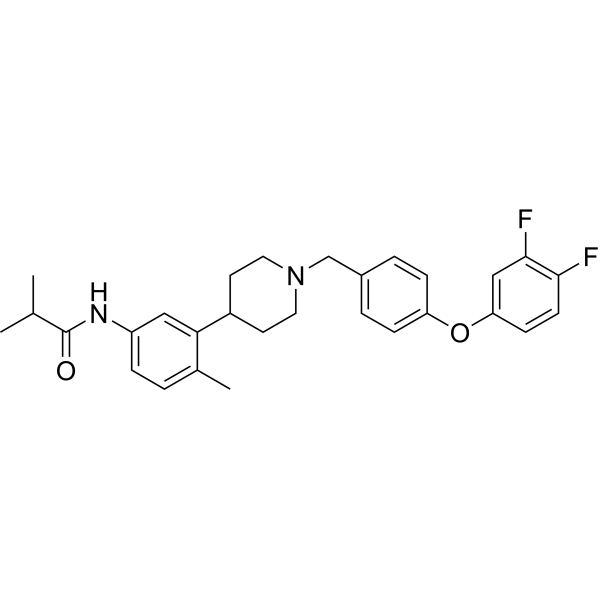
HY-107625
SNAP 94847MCHR1 Antagonist -

HY-P1869
Neuropeptide EI, rat -
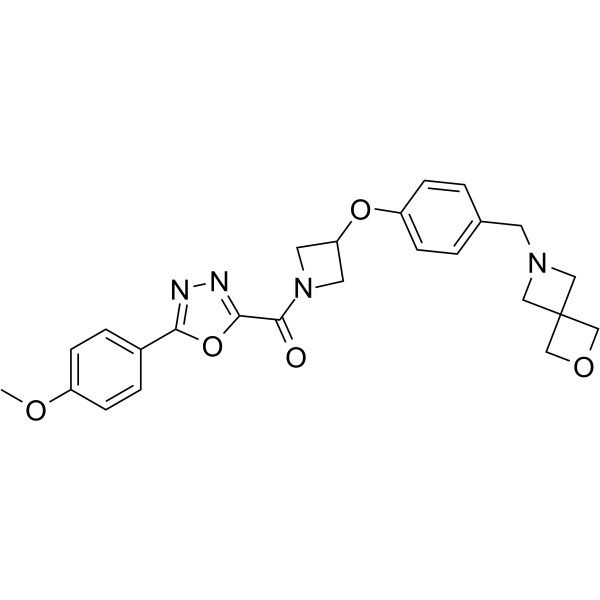
HY-U00257
AZD1979 -
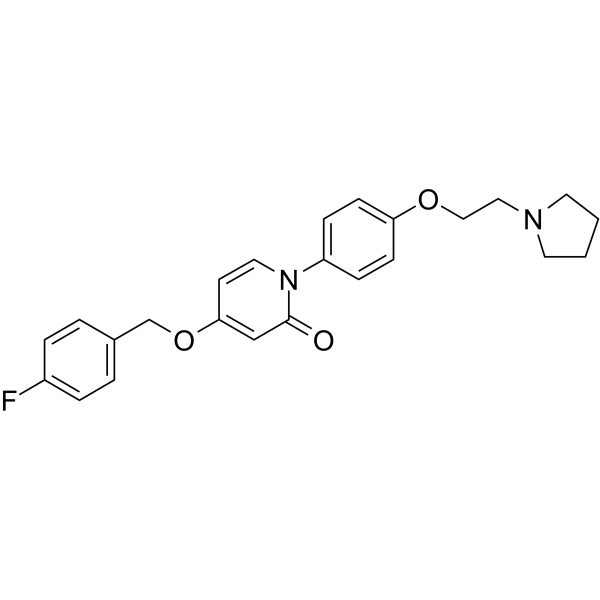
HY-107623
TC-MCH 7cSelective MCH1R Antagonist -

HY-107625AR
SNAP 94847 hydrochloride (Standard)Reference Standard


Biological Activity
Description


Chemical Information
-
CAS No. 353487-64-6
-
Molecular Weight 1167.47
-
Formula C49H82N16O11S3
-
Sequence
Ac-Arg-Cys-Met-{5-Ava}-Arg-Val-Tyr-{5-Ava}-Cys-NH2 (Disulfide bridge: Cys2-Cys9)
-
Sequence Shortening
Ac-RCM-{5-Ava}-RVY-{5-Ava}-C-NH2 (Disulfide bridge: Cys2-Cys9)
-
Shipping
Room temperature in continental US; may vary elsewhere.
-
Storage
Please store the product under the recommended conditions in the Certificate of Analysis.

Protocols
-
Cell Cytotoxicity Assay
Cytotoxicity assays are usually based on the assessment of cell membrane damage, which can also be indirectly detected by measuring cell viability. Detection methods include MTT assay, CKK-8 assay, LDH assay and ATP assay, etc.
-
Research Protocol for Endocrine Diseases
Endocrine diseases often arise from disrupted hormone production, hormone signaling, or target-tissue responsiveness; for diabetes-focused endocrine disease models, insulin signaling regulates glucose uptake, hepatic glucose output, lipid metabolism, and β-cell compensation. Type 2 diabetes develops through interacting defects in insulin resistance, β-cell dysfunction, adipose inflammation, hepatic glucose overproduction, altered incretin signaling, and ectopic lipid metabolism. A major unresolved question is whether endocrine dysfunction is driven primarily by target-tissue insulin resistance, intrinsic β-cell failure, immune/inflammatory stress, or combined multi-organ failure that differs by disease stage.


Purity & Documentation
References

Calculators
Concentration (start) × Volume (start) = Concentration (final) × Volume (final)


hMCH-1R antagonist 1 Related Classifications
HY-P4745 Related Classifications
 Powered by Bioz