



BMS-242
BMS-242 is a small molecule PD-1/PD-L1 inhibitor with the activity of inhibiting the PD-1/PD-L1 interaction. BMS-242 can bind to the hydrophobic channel pocket between PD-L1 molecules, inhibit the PD-1/PD-L1 immune checkpoint pathway, and provide a new way for cancer inhibition.
연구목적의 판매만을 진행합니다. 환자를 대상으로 한 판매는 하지 않습니다.
- CAS No.: 1675204-51-9
- 화학식: C28H35NO4
- 분자량:449.58
-
보관:
Please store the product under the recommended conditions in the Certificate of Analysis.


To place orders, for customer services and technical support, please contact: MedChemExpress USA
Tel: 609-228-6898 E-mail: [email protected] [email protected]


-
 Biological Activity
-
Chemical Information
- Protocol
- 순도&문서
- References
-
 Help & FAQs


-
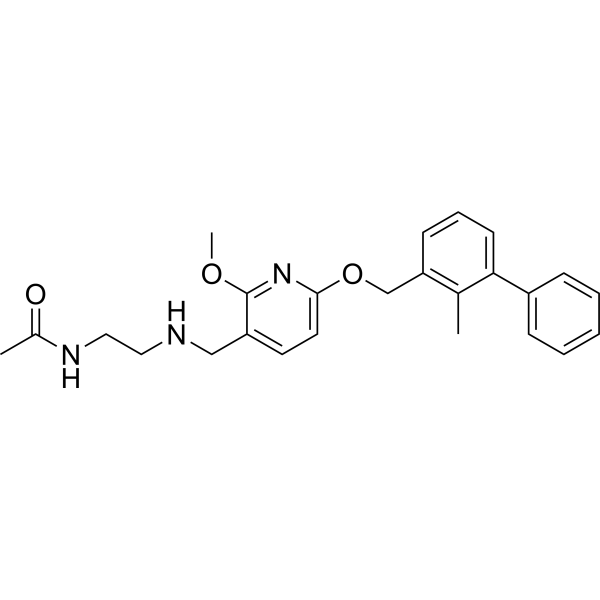
HY-19745
BMS-202 -
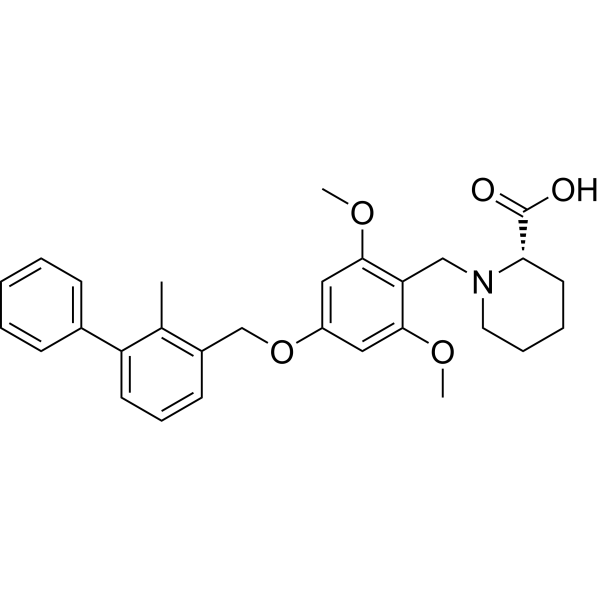
HY-19991
BMS-1PD-1/PD-L1 PPI Inhibitor -
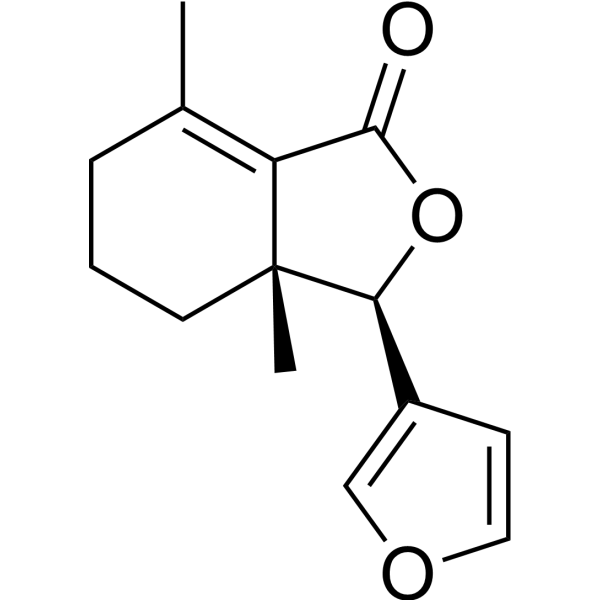
HY-N0242
FraxinelloneSTAT Inhibitor -
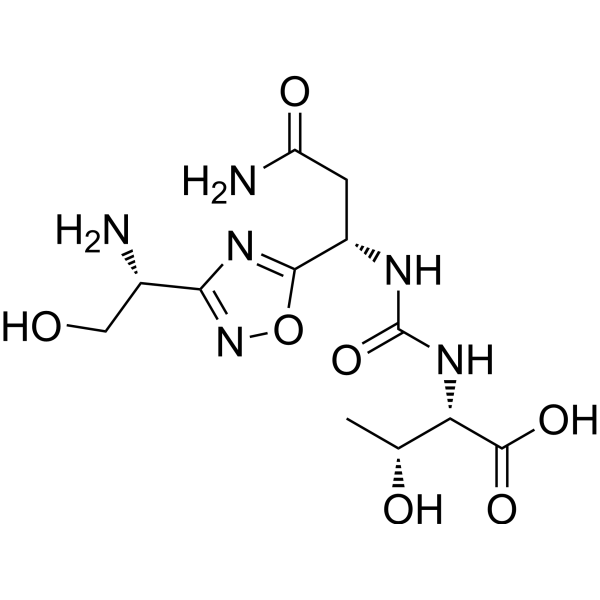
HY-101093
CA-170VISTA/PD-L1 Inhibitor -
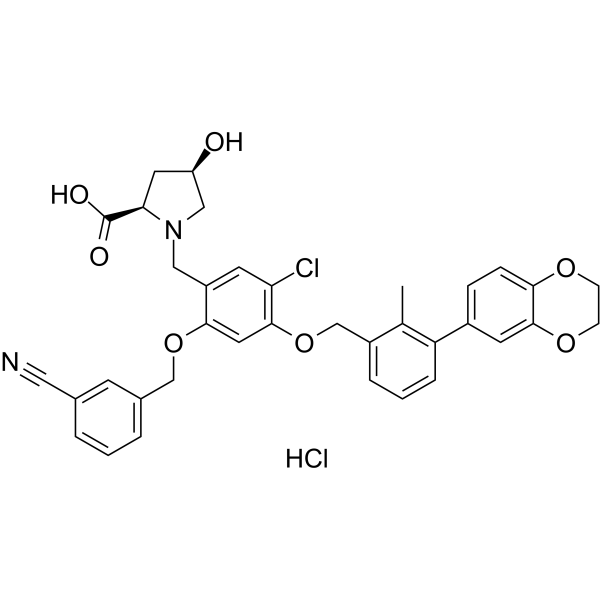
HY-102011A
BMS-1166 hydrochloridePD-1/PD-L1 Interaction Inhibitor -
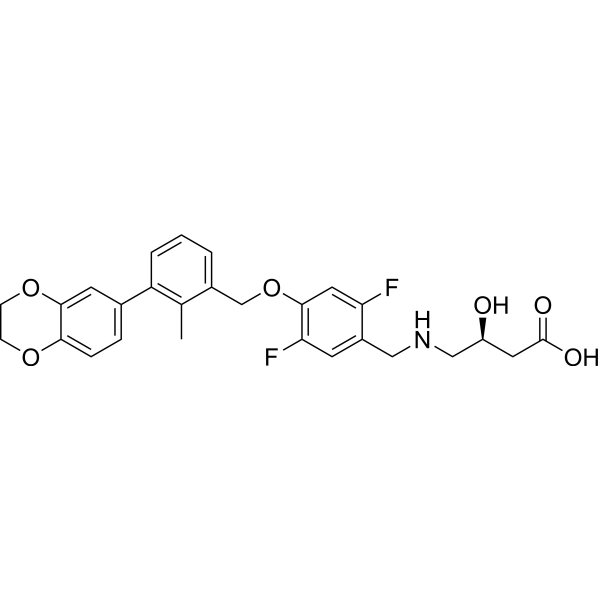
HY-120402
BMS-200PD-1/PD-L1 Interaction Inhibitor -

HY-N0242R
Fraxinellone (Standard)STAT Inhibitor -

HY-101093R
CA-170 (Standard)VISTA/PD-L1 Inhibitor


Biological Activity
제품 설명


Chemical Information
-
CAS No. 1675204-51-9
-
분자량 449.58
-
화학식 C28H35NO4
-
SMILES
CC(C)[C@@H](NCC1=C(OC)C=C(OCC2=C(C)C(C3=CC=CC=C3)=CC=C2)C=C1OC)CO
-
선적
Room temperature in continental US; may vary elsewhere.
-
보관
Please store the product under the recommended conditions in the Certificate of Analysis.

Protocol
-
Research Protocol for Cancer Immunology
Cancer immunology studies how the immune system recognizes, suppresses, edits, or fails to eliminate malignant cells through tumor antigen release, antigen presentation, T-cell priming, immune trafficking, tumor-cell killing, and feedback inhibition in the tumor microenvironment. The cancer-immunity cycle links tumor antigenicity, dendritic-cell priming, CD8+ T-cell infiltration, cytotoxic function, and immune-checkpoint regulation to tumor rejection or immune escape. Immune-checkpoint pathways such as PD-1/PD-L1 and CTLA-4 suppress antitumor T-cell activity and can be therapeutically blocked, but many tumors remain resistant because of poor antigen presentation, weak T-cell infiltration, suppressive myeloid cells, regulatory T cells, and tumor-intrinsic immune-exclusion programs. Unresolved questions include which immune-cell states predict response, how tumor-intrinsic pathways exclude immune cells, how myeloid suppression limits checkpoint blockade, and which combination strategies


순도&문서
References

Calculators
Concentration (start) × Volume (start) = Concentration (final) × Volume (final)


BMS-242 Related Classifications
HY-120646 Related Classifications
 Powered by Bioz