



Hydroxyurea (Standard)
Based on 1 publication(s) in Google Scholar
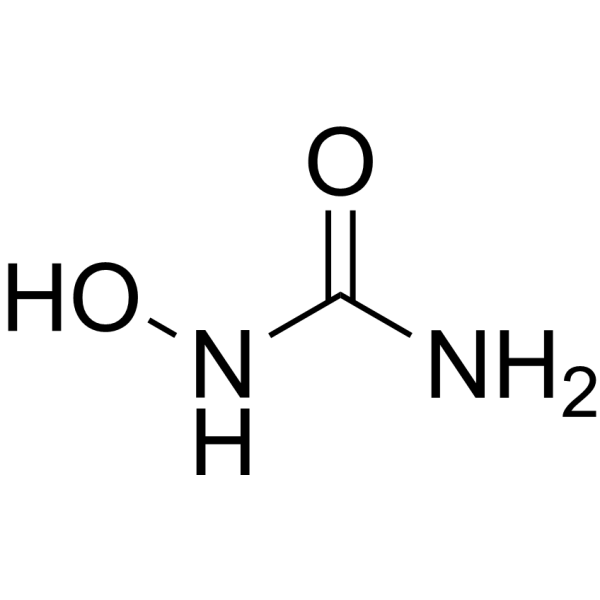
Hydroxyurea (Standard) is the analytical standard of Hydroxyurea. This product is intended for research and analytical applications. Hydroxyurea is a cell apoptosis inducer that inhibit DNA synthesis through inhibition of ribonucleotide reductase. Hydroxyurea shows anti-orthopoxvirus activity.
연구목적의 판매만을 진행합니다. 환자를 대상으로 한 판매는 하지 않습니다.
- Purity : 97.96%
- CAS No.: 127-07-1
- 화학식: CH4N2O2
- 분자량:76.05
-
보관:
Please store the product under the recommended conditions in the Certificate of Analysis.

To place orders, for customer services and technical support, please contact: MedChemExpress USA
Tel: 609-228-6898 E-mail: [email protected] [email protected]


-
 Product Information
-
Chemical Information
- 순도&문서
-
 Help & FAQs


-
HY-17394
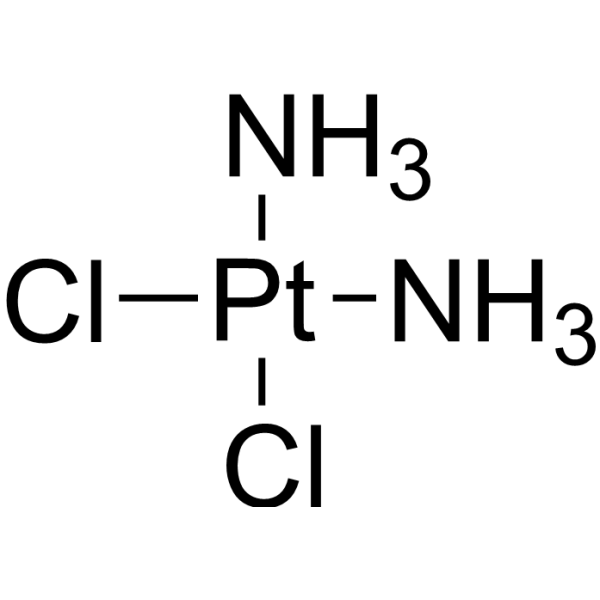
CisplatinDNA Alkylator -
HY-B0313
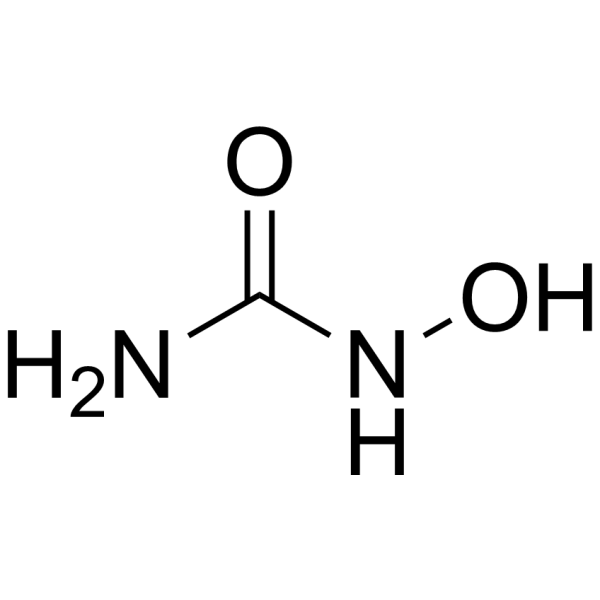
HydroxyureaRNR Inhibitor -
HY-13629
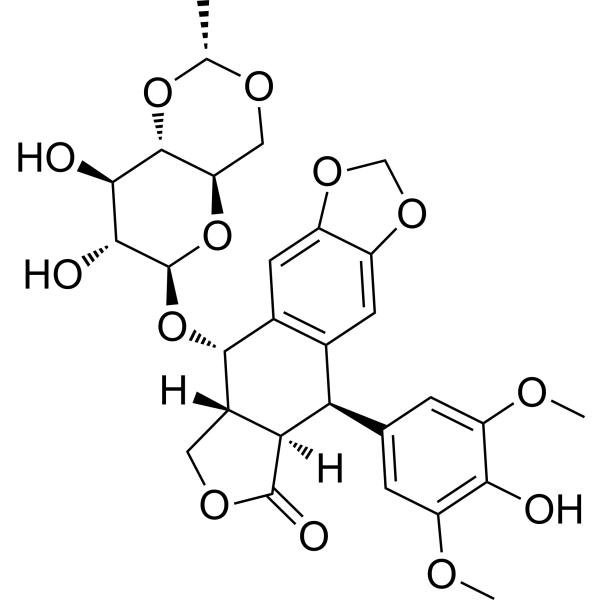
EtoposideTopoisomerase II Inhibitor -
HY-B0015
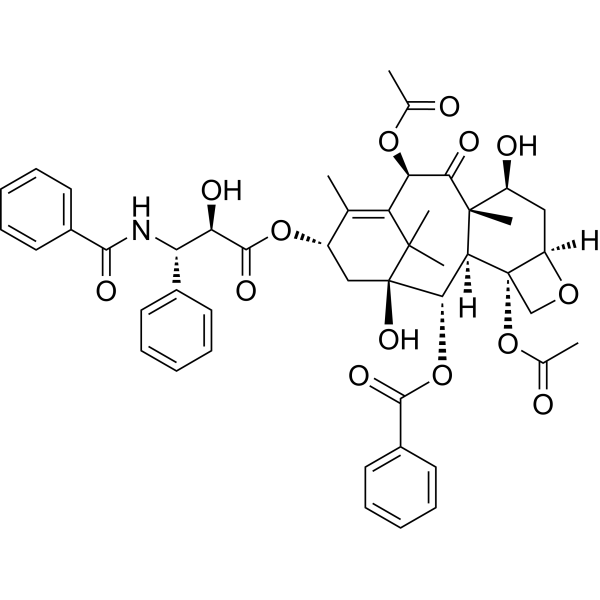
PaclitaxelAntitumor Agent -

HY-B0015R
Paclitaxel (Standard)Antitumor Agent -
HY-17393
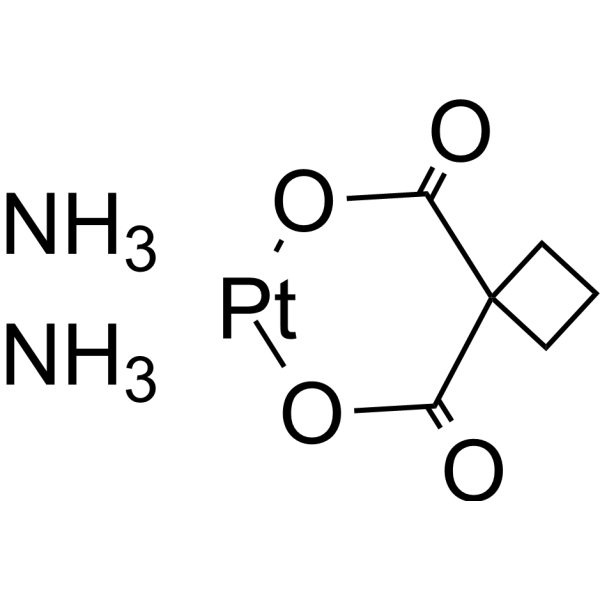
CarboplatinDNA Synthesis Inhibitor -
HY-B0075
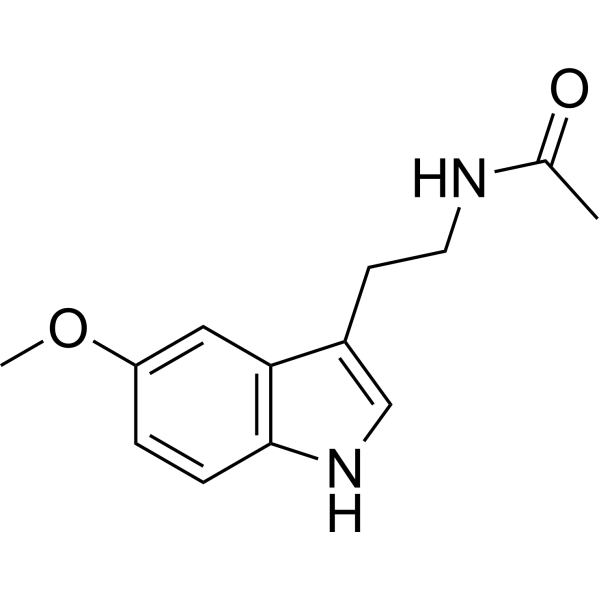
MelatoninMelatonin Receptor Activator -
HY-Y0271
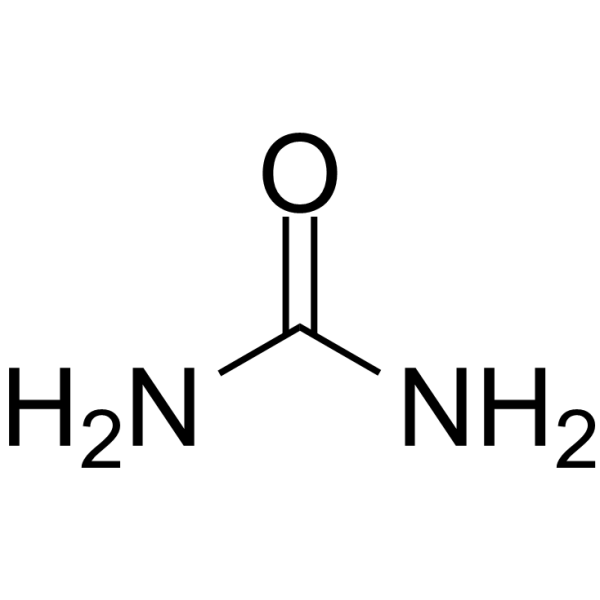
UreaProtein Denaturant -
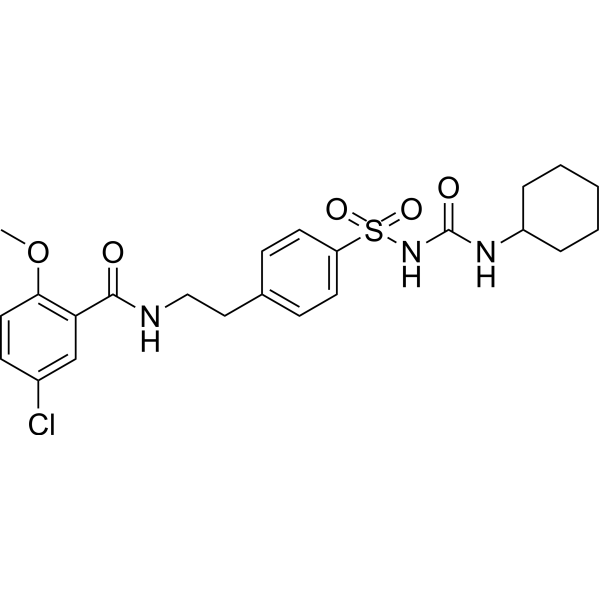
HY-15206
GlibenclamideKATP Inhibitor -
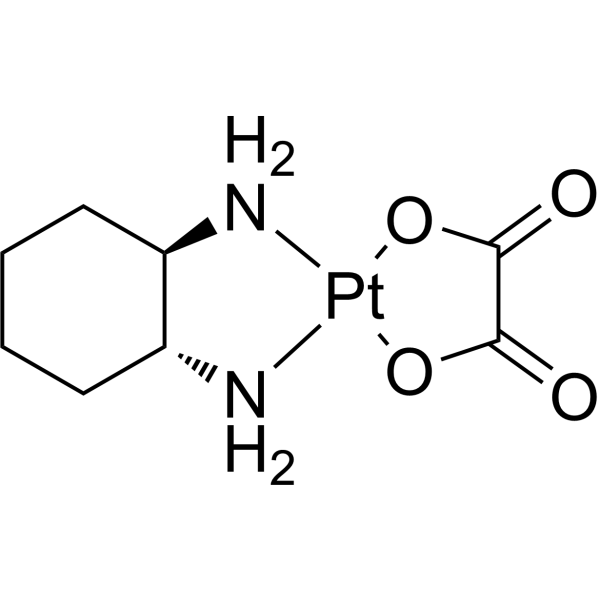
HY-17371
OxaliplatinDNA Synthesis Inhibitor -
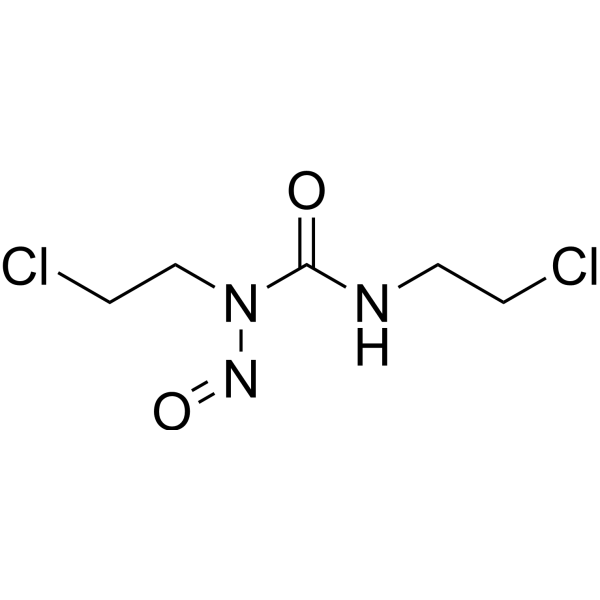
HY-13585
CarmustineDNA/RNA Alkylator
Publications Citing Use of MedChemExpress (MCE) Hydroxyurea (Standard)
More

Product Information
Information
신청
The compound is the grade of analytical standard, which is the reference standard supplied assay. It is commonly used in qualitative, quantitative and methodological research experiments in HPLC, GC and MS.


Chemical Information
-
CAS No. 127-07-1
-
Appearance Solid
-
분자량 76.05
-
화학식 CH4N2O2
-
Color White to off-white
-
SMILES
O=C(N)NO
-
Synonyms
Hydroxycarbamide (Standard)
-
선적
Room temperature in continental US; may vary elsewhere.
-
보관
Please store the product under the recommended conditions in the Certificate of Analysis.


Publications (1)
-
Journal Impact Factor
-
Most Recent


순도&문서
References
[1]. Kovacic P, et al. Hydroxyurea (therapeutics and mechanism): metabolism, carbamoyl nitroso, nitroxyl, radicals, cell signaling and clinical applications. Med Hypotheses. 2011 Jan;76(1):24-31. [Content Brief]
[2]. Watanapokasin Y, et al. In vivo and in vitro studies of fetal hemoglobin induction by hydroxyurea in beta-thalassemia/hemoglobin E patients. Exp Hematol. 2005 Dec;33(12):1486-92. [Content Brief]
[3]. Lori F, et al. Rationale for the use of hydroxyurea as an anti-human immunodeficiency virus drug. Clin Infect Dis. 2000 Jun;30 Suppl 2:S193-7. [Content Brief]
[4]. Lebensburger JD, et al. Hydroxyurea therapy requires HbF induction for clinical benefit in a sickle cell mouse model. Haematologica. 2010 Sep;95(9):1599-603. [Content Brief]
[5]. M B Slabaugh, et al. Hydroxyurea-resistant vaccinia virus: overproduction of ribonucleotide reductase. J Virol. 1986 Nov;60(2):506-14. [Content Brief]

Calculators
Concentration (start) × Volume (start) = Concentration (final) × Volume (final)


Hydroxyurea (Standard) Related Classifications
HY-B0313R Related Classifications
 Powered by Bioz