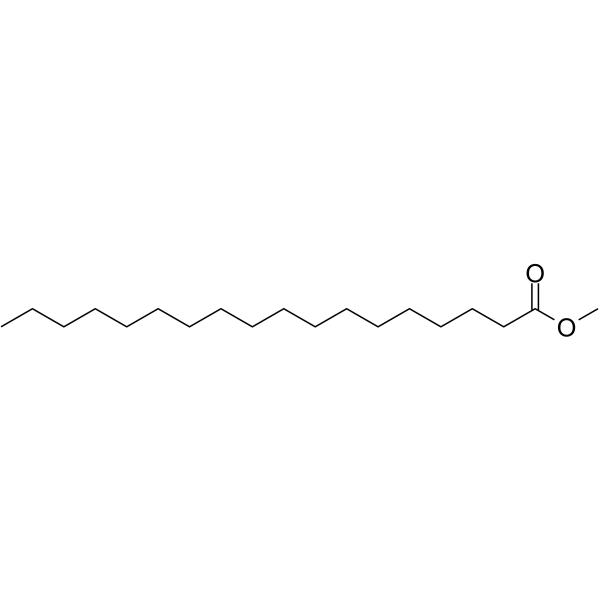
Fatty Esters
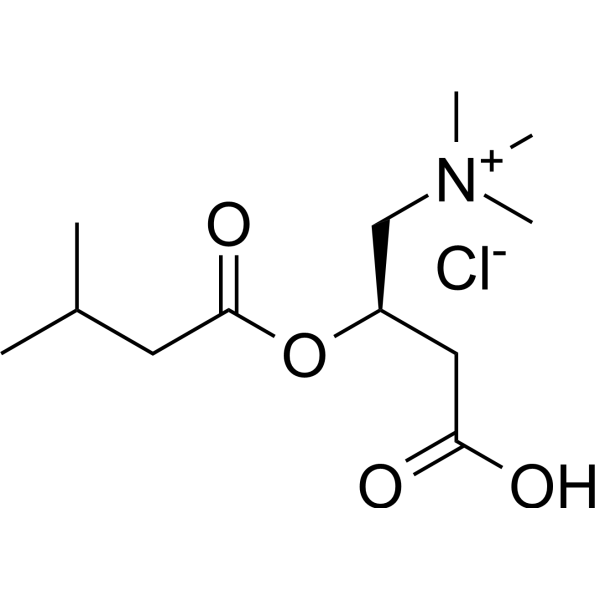
- Formula: C12H24ClNO4
- Molecular Weight: 281.78
Isovalerylcarnitine chloride is a metabolite of leucine. Isovalerylcarnitine chloride can specifically activate calpain in human neutrophils. Isovalerylcarnitine chloride inhibits tumor cell proliferation and induces apoptosis. Elevated circulating levels of Isovalerylcarnitine chloride are negatively correlated with reduced lung cancer risk.
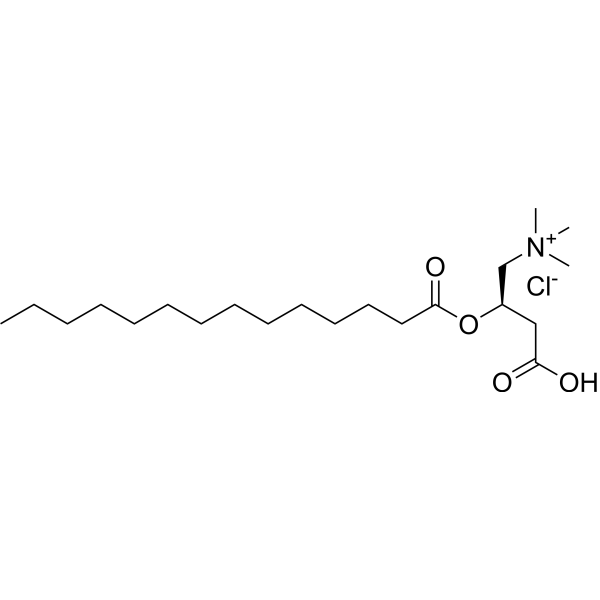
- Formula: C21H42ClNO4
- Molecular Weight: 408.02
Myristoyl-L-Carnitine Chloride is a natural long-chain glycoline, amino acid derivative.
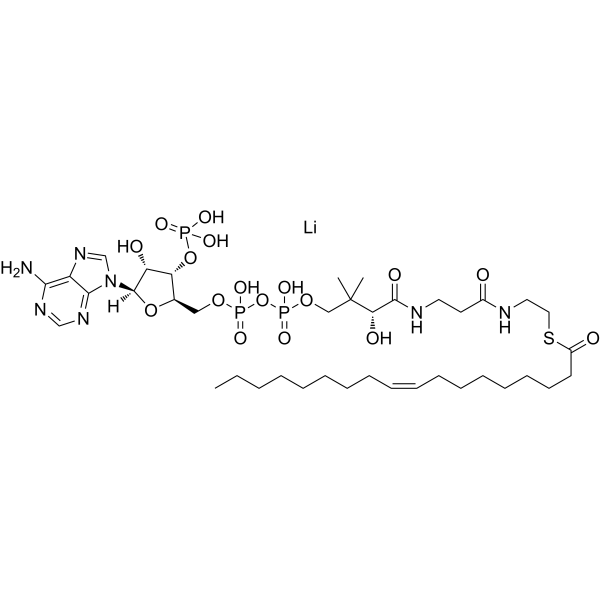
- Formula: C39H68LiN7O17P3S
- Molecular Weight: 1038.92
Oleoyl coenzyme A (Oleoyl-CoA) lithium is a thioester of oleic acid and coenzyme A. Oleoyl coenzyme A lithium has a role as an Escherichia coli metabolite and a mouse metabolite.

- Formula: C15H25NO4S
- Molecular Weight: 315.43
11-Mercaptoundecanoate-NHS is a lipid that can be used for the synthesis of Linker.
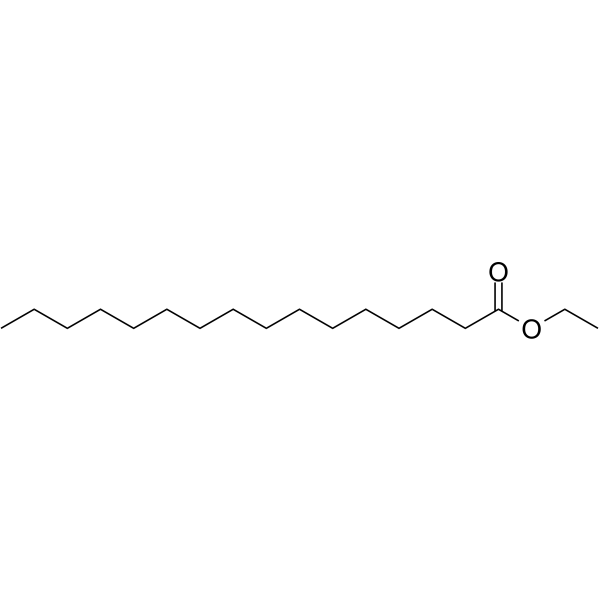
- Formula: C18H36O2
- Molecular Weight: 284.48
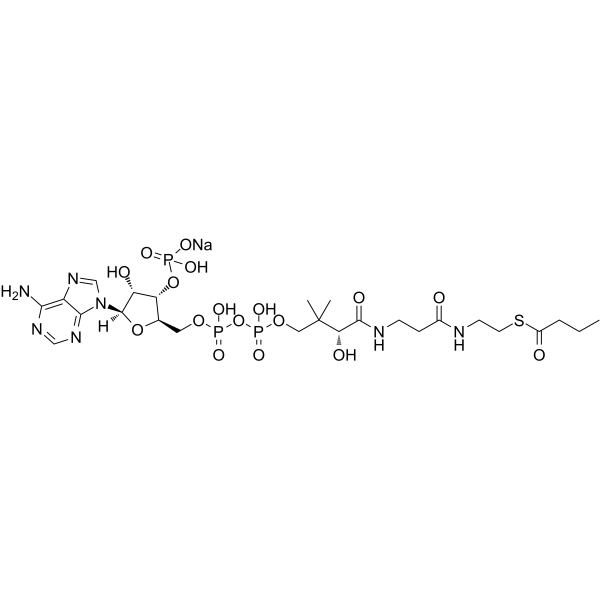
- Formula: C25H41N7NaO17P3S
- Molecular Weight: 859.61
Butyryl-Coenzyme A (Butyryl CoA) sodium is a coenzyme A-containing derivative of Butyric acid. Butyryl-Coenzyme A sodium is responsible for the final step of Butyrate production in bacteria.
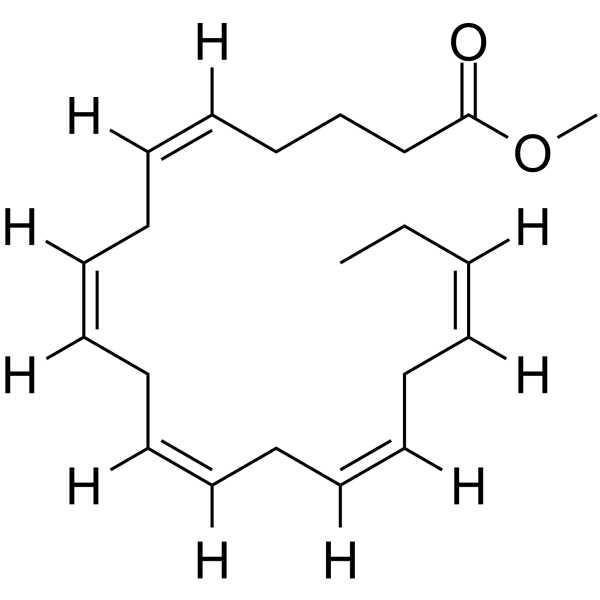
- Formula: C21H32O2
- Molecular Weight: 316.49
Eicosapentaenoic acid methyl ester is a degradation product of monogalactosyldiacylglycerol (Compound 1). Compound 1 can be isolated from the marine diatom Phaeodactylum tricornutum. Compound 1 induces Apoptosis.
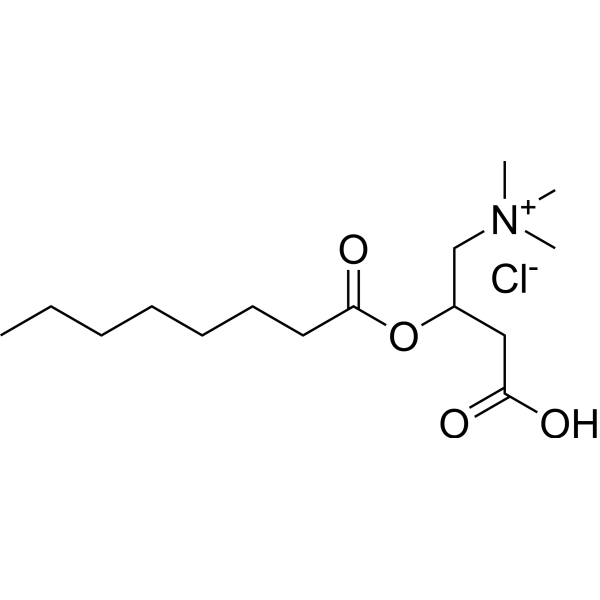
- Formula: C15H30ClNO4
- Molecular Weight: 323.86
Octanoylcarnitine chloride is a homolog of acetylcarnitine chloride. Octanoylcarnitine chloride can enhance absorption of drugs from gastrointestinal tract.
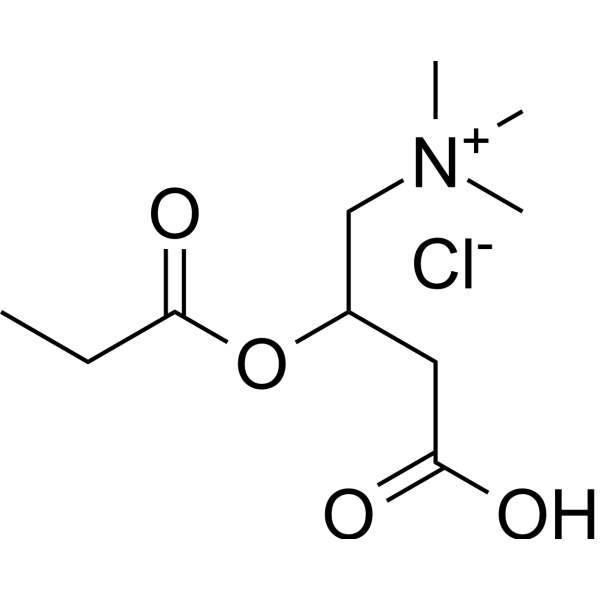
- Formula: C10H20ClNO4
- Molecular Weight: 253.72
Propionyl-DL-carnitine chloride is a carnitine derivative. Propionyl-DL-carnitine chloride can be used for the research of inflammation.
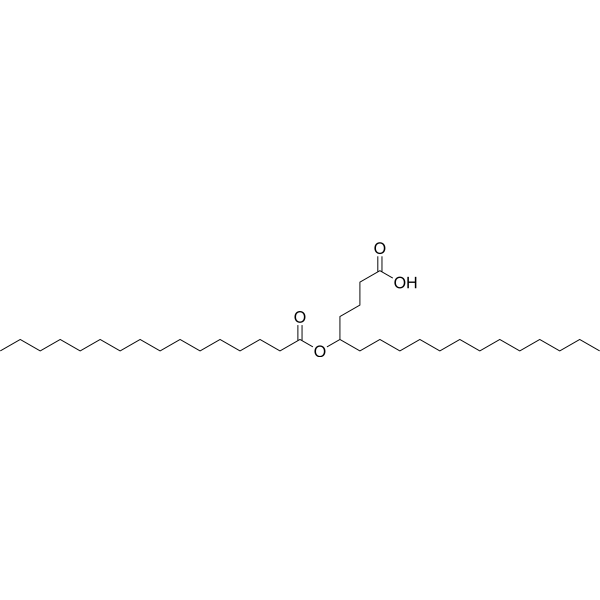
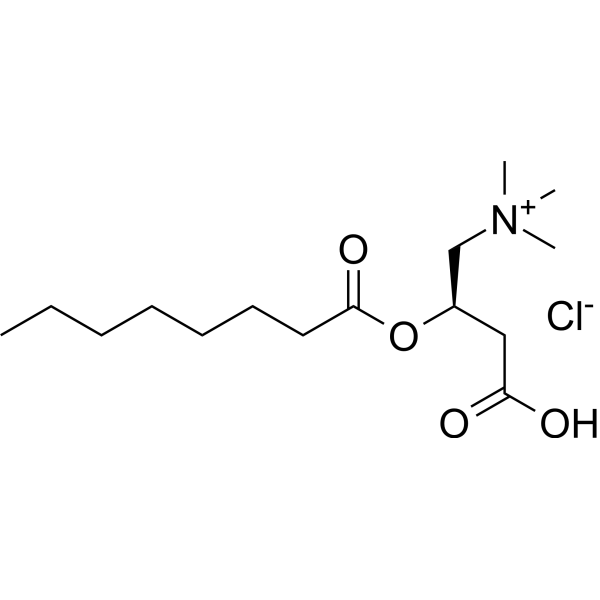
- Formula: C15H30ClNO4
- Molecular Weight: 323.86
L-Octanoylcarnitine hydrochloride is a plasma metabolite and a physiologically active form of octanoylcarnitine. L-Octanoylcarnitine hydrochloride can be used for the research of breast cancer.
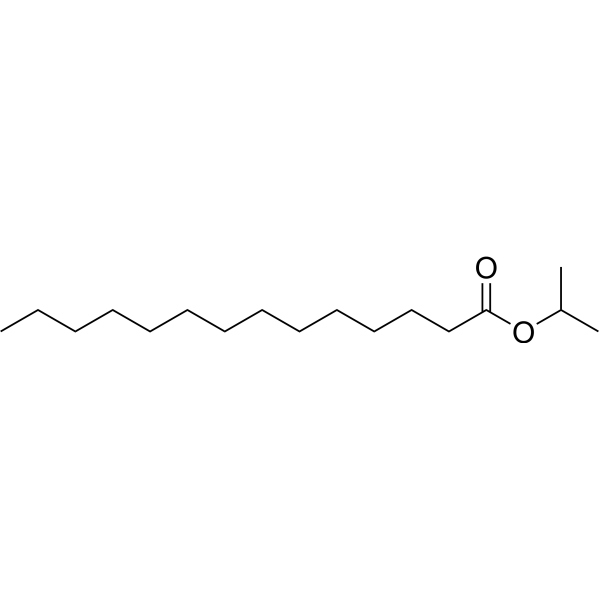
- Formula: C17H34O2
- Molecular Weight: 270.45
Isopropyl myristate (IPM) is the ester of isopropyl alcohol and myristic acid. Isopropyl myristate is used for transdermal delivery of some compounds. Isopropyl myristate is a polar emollient and is used in cosmetic and topical medicinal preparations where good absorption into the skin is desired.
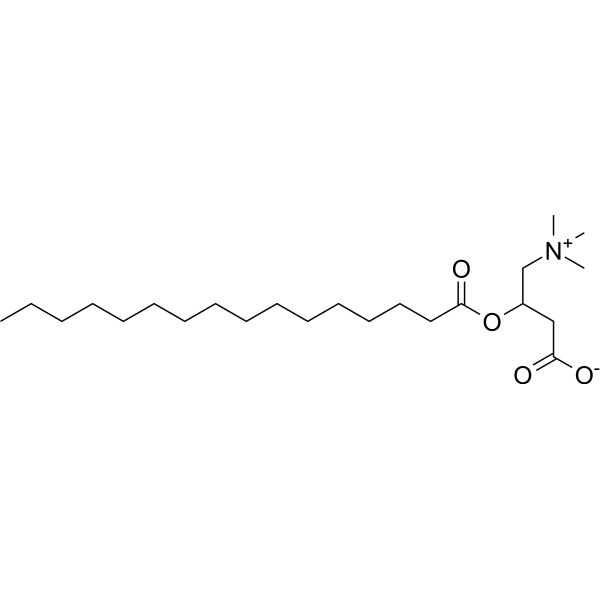
- Formula: C23H45NO4
- Molecular Weight: 399.61
Palmitoylcarnitine is a C16:0 long-chain acylcarnitine and an intermediate product of fatty acid oxidation. The level of Palmitoylcarnitine in human prostate cancer tissues is higher than that in non-cancerous tissues. Palmitoylcarnitine can be used in studies related to lipid metabolism associated with prostate cancer.

- Formula: C25H36N7Na4O17P3S
- Molecular Weight: 923.54
Crotonyl-CoA tetrasodium, a high-energy acyl donor, is an intermediate in the fermentation of butyric acid, and in the metabolism of lysine and tryptophan. Crotonyl-CoA tetrasodium is important in the metabolism of fatty acids and amino acids. Crotonyl-CoA tetrasodium acts as a substrate for p300’s histone crotonyltransferase activity, competing with acetyl-CoA for p300-mediated histone acylation reactions. Crotonyl-CoA tetrasodium regulates global and gene-specific histone crotonylation levels in cells, with cellular concentration changes altering histone crotonylation at regulatory elements of activated genes. Crotonyl-CoA tetrasodium serves as the substrate for crotonyl-CoA reductase/carboxylase (CCRC)-catalyzed NADPH-mediated reduction and carbon dioxide trapping to form unusual alkylmalonyl-CoA polyketide synthase extender units. Crotonyl-CoA tetrasodium can be used for the research of LPS-induced inflammatory response.
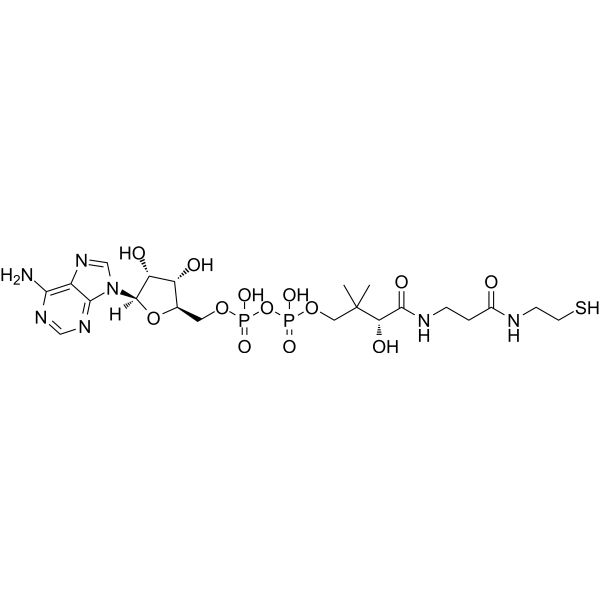
- Formula: C21H35N7O13P2S
- Molecular Weight: 687.55
Dephospho-CoA is a key intermediate in the biosynthesis of coenzyme A (CoA), which is catalyzed to form CoA by GTP-dependent Dephospho-CoA kinase (DPCK). Dephospho-CoA completes the final synthetic step of CoA via phosphorylation and participates in energy metabolism and cellular signal transduction. Dephospho-CoA can be used in studies involving cancer (e.g., regulation of cell proliferation) and metabolic diseases (e.g., mitochondrial dysfunction).

- Formula: C9H20ClNO2
- Molecular Weight: 209.71
Butyrylcholine (chloride) is a biochemical assay reagent.
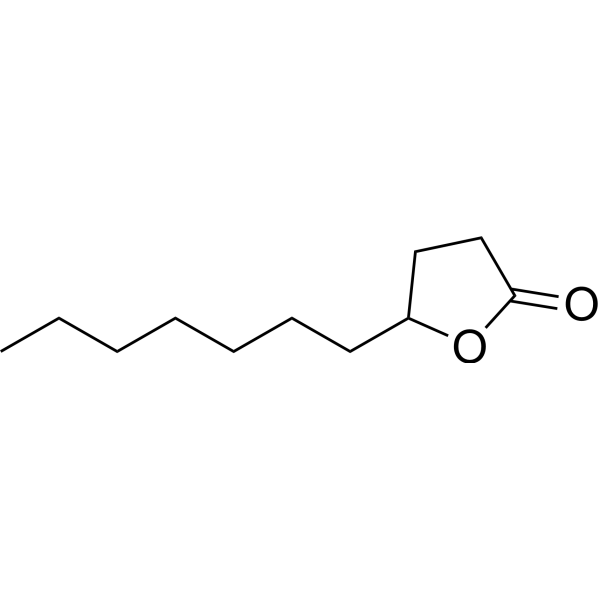
- Formula: C11H20O2
- Molecular Weight: 184.28
Gamma-undecalactone consists of a five-membered dihydrofuran ring with an ester group and a heptyl chain. This compound has a fruity smell and is commonly used as a flavor additive in various food and beverage products such as coffee, tea and baked goods.
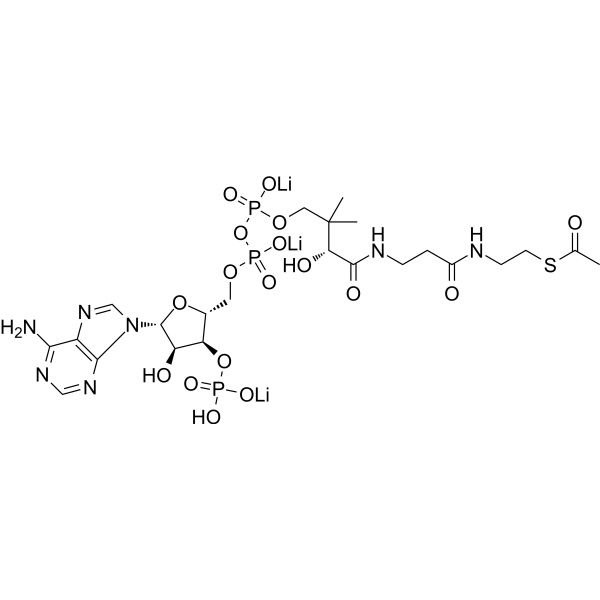
- Formula: C23H35Li3N7O17P3S
- Molecular Weight: 827.37
Acetyl-coenzyme A (Acetyl-CoA) trilithium is a membrane-impermeant central metabolic intermediate, participates in the TCA cycle and oxidative phosphorylation metabolism. Acetyl-coenzyme A trilithium regulates various cellular mechanisms by providing (sole donor) acetyl groups to target amino acid residues for post-translational acetylation reactions of proteins. Acetyl Coenzyme A trilithium is also a key precursor of lipid synthesis.