



M-CSF Protein, Mouse (HEK293, C-His)
Based on 5 publication(s) in Google Scholar
The M-CSF protein is a key orchestrator in regulating the survival, proliferation, and differentiation of hematopoietic precursor cells, particularly mononuclear phagocytes, including macrophages and monocytes. It actively promotes the release of pro-inflammatory chemokines, thereby playing a key role in innate immunity and inflammatory processes. M-CSF Protein, Mouse (HEK293, C-His) is the recombinant mouse-derived M-CSF protein, expressed by HEK293 , with C-His labeled tag.
- Species: Mouse
- Source: HEK293
-
Storage:Stored at -20°C for 2 years from date of receipt. After reconstitution, it is stable at 4°C for 1 week or -20°C for longer (with carrier protein). It is recommended to freeze aliquots at -20°C or -80°C for extended storage.


To place orders, for customer services and technical support, please contact: MedChemExpress USA
Tel: 609-228-6898 E-mail: [email protected] [email protected]


-
 Biological Activity
-
Technical Parameters
-
Product Properties
- Documentation
- Help & FAQs


-

HY-P7425
RANKL/TNFSF11 Protein, Mouse -
HY-18739
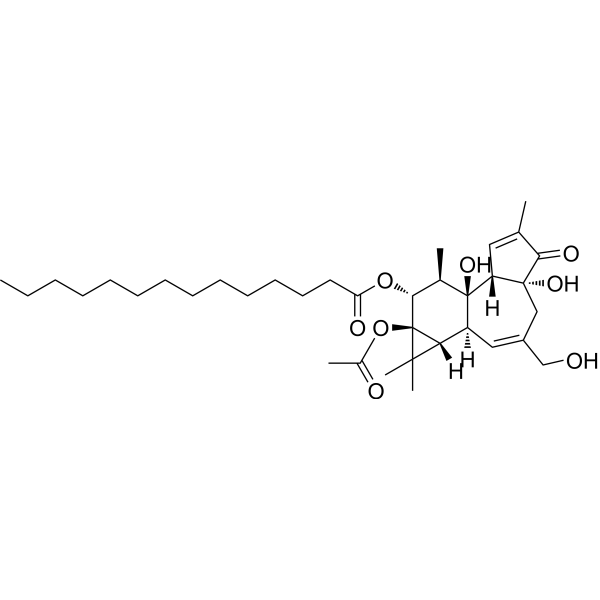
Phorbol 12-myristate 13-acetatePKC Activator -
HY-B0240
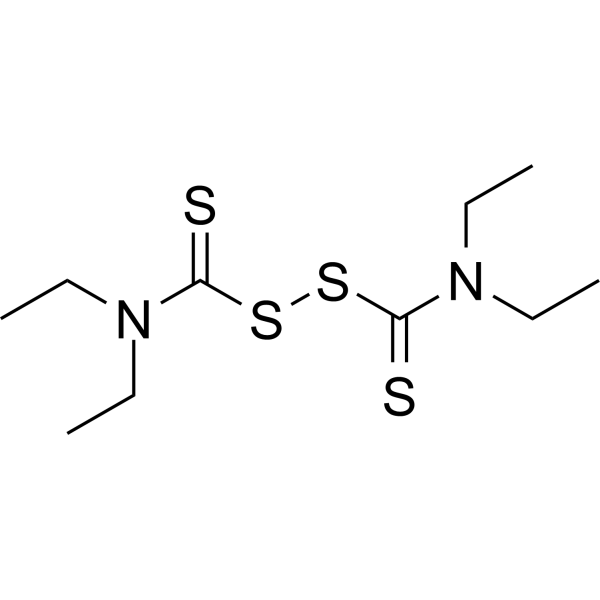
DisulfiramALDH1 Inhibitor -
HY-B0522
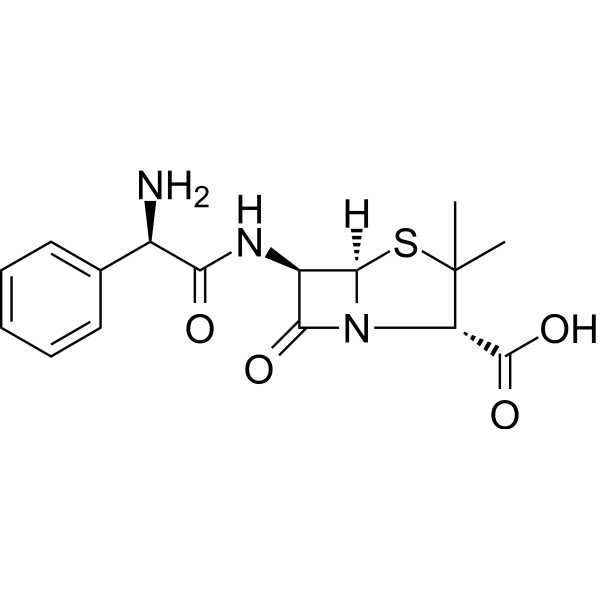
AmpicillinBacterial Inhibitor -
HY-13434
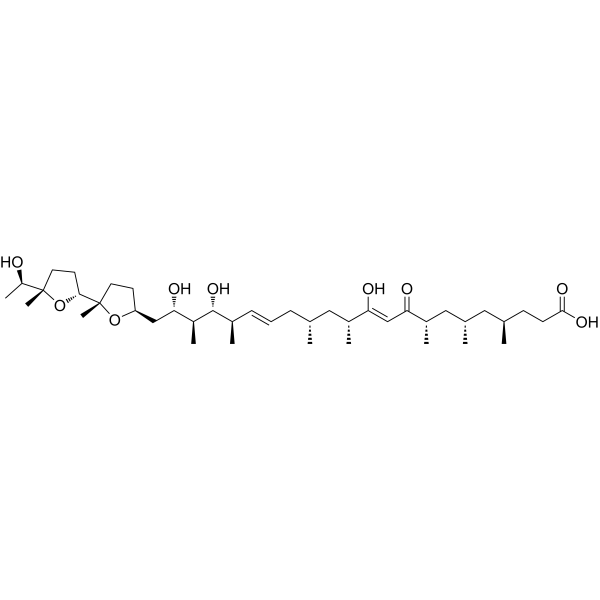
IonomycinCalcium Ionophore -
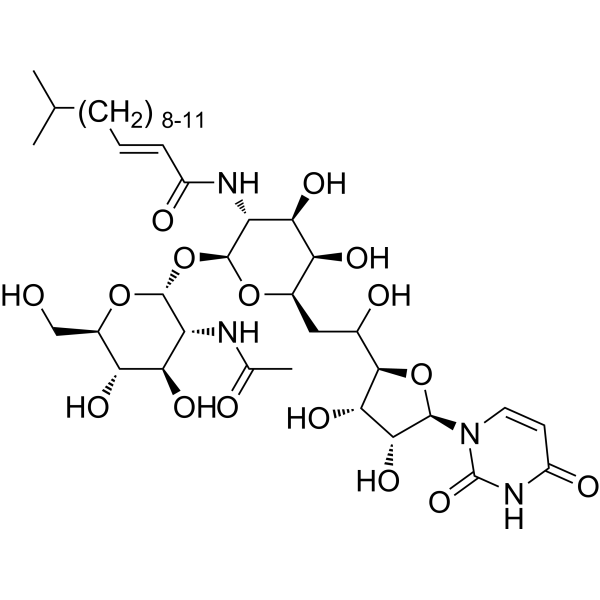
HY-A0098
TunicamycinER Stress Inducer -
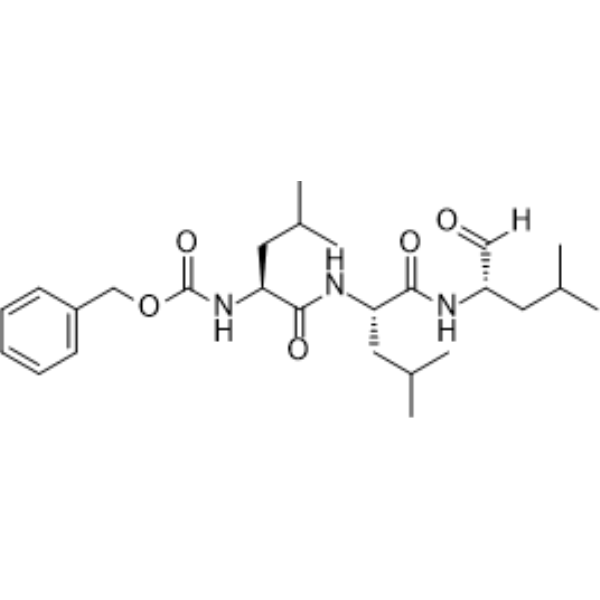
HY-13259
MG-132Proteasome Inhibitor -

HY-D1056
Lipopolysaccharides, from E. coli O55:B5Endotoxin -
HY-P7071
IFN-gamma Protein, Mouse -
HY-P7361
GM-CSF Protein, Mouse -
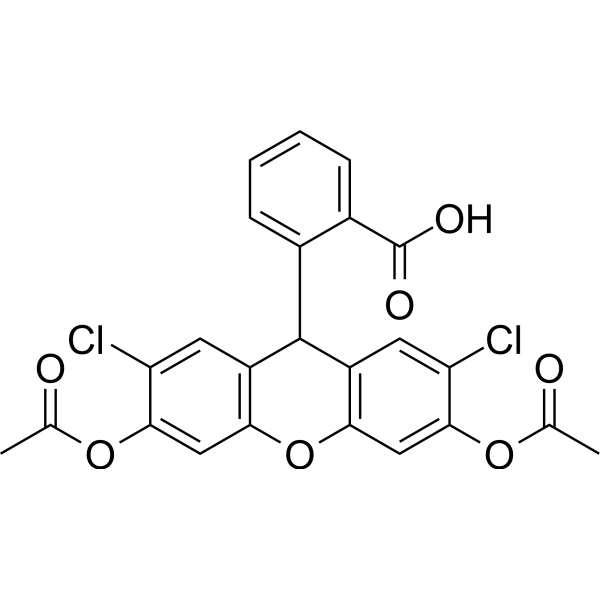
HY-D0940
H2DCFDAROS-Sensitive Probe -
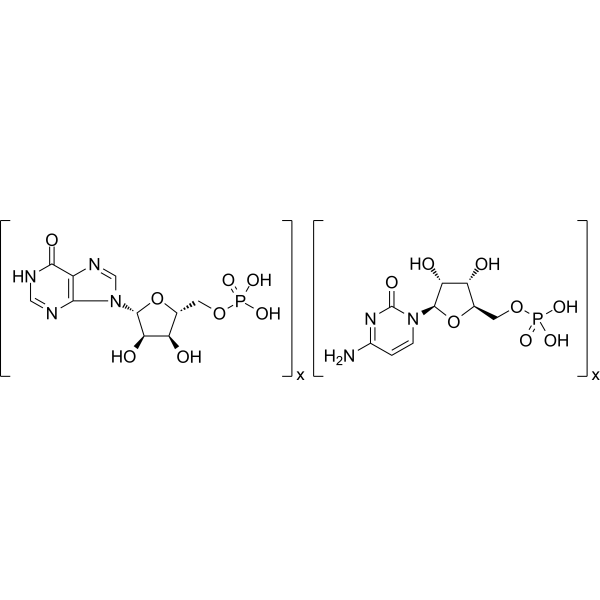
HY-107202
Polyinosinic-polycytidylic acidTLR-3 Agonist


Biological Activity
Description
The M-CSF protein is a key orchestrator in regulating the survival, proliferation, and differentiation of hematopoietic precursor cells, particularly mononuclear phagocytes, including macrophages and monocytes. It actively promotes the release of pro-inflammatory chemokines, thereby playing a key role in innate immunity and inflammatory processes. M-CSF Protein, Mouse (HEK293, C-His) is the recombinant mouse-derived M-CSF protein, expressed by HEK293 , with C-His labeled tag.
Background
M-CSF Protein is a key orchestrator in regulating the survival, proliferation, and differentiation of hematopoietic precursor cells, particularly mononuclear phagocytes, including macrophages and monocytes. It actively promotes the release of pro-inflammatory chemokines, thereby playing a pivotal role in innate immunity and inflammatory processes. Additionally, M-CSF assumes a crucial role in the regulation of osteoclast proliferation and differentiation, influencing bone resorption, and contributing to normal bone development. Beyond its skeletal impact, M-CSF is indispensable for normal male and female fertility. The cytokine also facilitates the reorganization of the actin cytoskeleton, regulates the formation of membrane ruffles, cell adhesion, and cell migration. It further plays a role in lipoprotein clearance. M-CSF exists in multiple forms, including a homodimer with two identical 150-200 kDa proteoglycan subunits, a heterodimer with a 150-200 kDa proteoglycan subunit and a truncated 43 kDa subunit, and a homodimer with two identical 43 kDa subunits. The protein's diverse functions are mediated through its interaction with the receptor CSF1R.
Verified Bioactivity
1.Measured in a cell proliferation assay using THP-1 human myeloid leukemia mononuclear cells.The ED50 for this effect is 1.325 ng/mL, corresponding to a specific activity is 7.547×10⁵ units/mg.
2.Measured in a cell proliferation assay using M-NFS-60 mouse myelogenous leukemia lymphoblast cells. The ED50 for this effect is 1.0‑2.4 ng/mL.
MCE Validation Data
-
Purity - SDS-PAGE
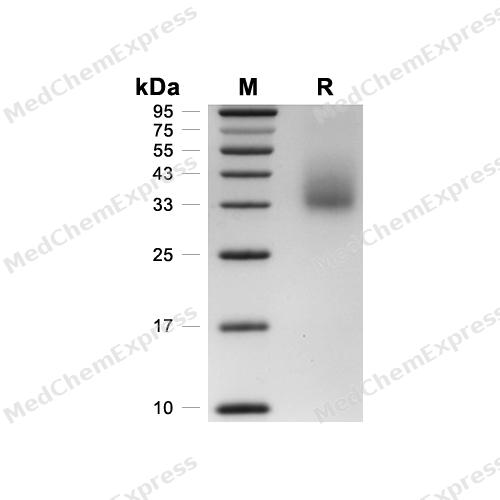
Purity - SDS-PAGE
-
Bioactivity - Cell-Based Assay
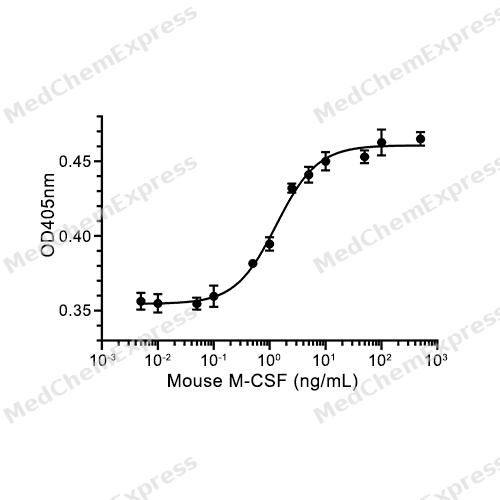
Bioactivity - Cell-Based Assay


Publications (5)
-
Journal Impact Factor
-
Most Recent
-
Cell Death Differ
Targeting MMA-induced USP36 methylmalonylation to suppress macrophage polarization and tumor progression in clear-cell renal cell carcinoma. [Abstract]2025 Dec 15. PMID: 41398045 -
Phytomedicine
Inhibiting VEGFC - mediated hepatocyte - macrophage regulatory axis contributes to protective effects of naringin against high - fat diet - induced hepatic fibrosis. [Abstract]2026 Jan:150:157682. PMID: 41447848
M-CSF Protein, Mouse (HEK293, C-His) purchased from MedChemExpress. Usage Cited in: Phytomedicine. 2026 Jan:150:157682. [Abstract]
The cells were resuspended in DMEM supplemented with 20% M-CSF Protein and cultured for 6 days in a humidified atmosphere containing 5% CO2 at 37 ℃. DMEM was successfully isolated from mouse tibiae, and macrophage differentiation was validated by flow cytometry analysis (CD11b+F4/80+ >95%).
-
Phytother Res
Activation of MTCH2 by Momordin Ic Prevents Colitis and Colitis-Associated Colorectal Cancer Through Rescuing the Mitochondrial Dysfunction of Macrophage. [Abstract]2026 Jul;40(7):3936-3954. PMID: 42007543 -
Int Immunopharmacol
Aβ impairs bone vascular homeostasis in APP/PS1 mice via disrupting the mitochondrial fission-efferocytosis axis in macrophages. [Abstract]2025 Sep 10:165:115526. PMID: 40934542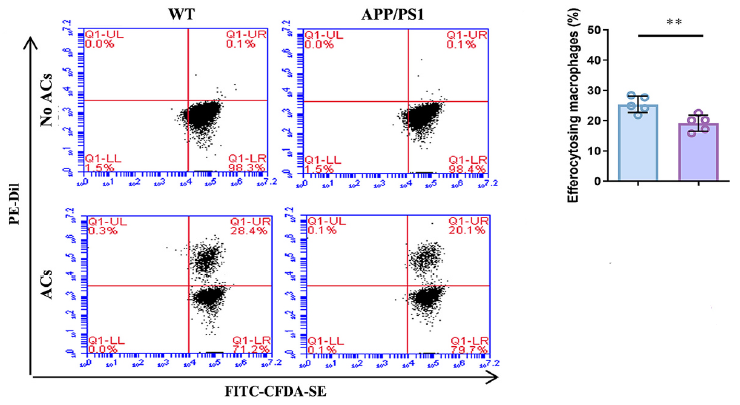
M-CSF Protein, Mouse (HEK293, C-His) purchased from MedChemExpress. Usage Cited in: Int Immunopharmacol. 2025 Sep 10:165:115526. [Abstract]
Flow cytometric analysis of efferocytosis of BMDMs towards to apoptotic ECs. BMDMs were labeled with CFDA-green, and apoptotic ECs were labeled with Dil-red. M-CSF (10 ng/mL; 5 d) in the conditioned medium induced the differentiation of cells from 5 8-month-old APP/PS1 mice and age-matched WT mice into BMDMs.
-


Technical Parameters
-
Species Mouse
-
Source HEK293
-
Tag C-6*His
-
Accession
P07141-1 (K33-E262)
-
Molecular Construction
-
N-term
-
M-CSF (K33-E262)
Accession # P07141 -
6*His
-
C-term
-
-
Protein Length
Partial Extracellular Domain
-
Synonyms
CSF1; Macrophage Colony Stimulating Factor 1; Colony Stimulating Factor 1; Lanimostim; MCSF; MGC31930; Proteoglycan Macrophage Colony-Stimulating Factor; PG-M-CSF; Macrophage Colony-Stimulating Factor 1; CSF-1; M-CSF; CSF1-HERV-LTR71B Fusion Protein; Colo
-
AA Sequence
KEVSEHCSHMIGNGHLKVLQQLIDSQMETSCQIAFEFVDQEQLDDPVCYLKKAFFLVQDIIDETMRFKDNTPNANATERLQELSNNLNSCFTKDYEEQNKACVRTFHETPLQLLEKIKNFFNETKNLLEKDWNIFTKNCNNSFAKCSSRDVVTKPDCNCLYPKATPSSDPASASPHQPPAPSMAPLAGLAWDDSQRTEGSSLLPSELPLRIEDPGSAKQRPPRSTCQTLE
-
Predicted Molecular Mass
26 kDa
-
Molecular Weight
Approximately 40 kDa, based on SDS-PAGE under reducing conditions, due to the glycosylation.
-
Glycosylation
Yes
-
Purity
≥ 95%, as determined by reducing SDS-PAGE.


Product Properties
Lyophilized powder
Lyophilized from a 0.22 μm filtered solution of 50 mM Tris-HCl, 300 mM NaCl, pH 7.4 or PBS, pH 7.4 or PBS, pH 7.4, 8% trehalose.
Note: For SPR assay, please replace the buffer. Primary amine components (e.g., Tris, imidazole) can affect protein-coupled chips.
<1 EU/μg, determined by LAL method.
It is not recommended to reconstitute to a concentration less than 100 μg/mL in ddH2O. For long term storage it is recommended to add a carrier protein (0.1% BSA, 5% HSA, 10% FBS or 5% Trehalose).
Stored at -20°C for 2 years from date of receipt. After reconstitution, it is stable at 4°C for 1 week or -20°C for longer (with carrier protein). It is recommended to freeze aliquots at -20°C or -80°C for extended storage.
Room temperature in continental US; may vary elsewhere.


Documentation
-
Data Sheet (237 KB)
-
SDS (254 KB)
- English - EN (254 KB)
- Français - FR (254 KB)
- Deutsch - DE (254 KB)
- Norwegian - NO (254 KB)
- Español - ES (254 KB)
- Swedish - SV (254 KB)
- Italian - IT (254 KB)
- Korean - KR (254 KB)
- Portuguese - PT (254 KB)
-
Handling Instructions (2659 KB)

Calculators
Concentration (start) × Volume (start) = Concentration (final) × Volume (final)


 Powered by Bioz

