3103 Results for "

Cell Signalling

" in MedChemExpress (MCE) Product Catalog:
Products (3103)

3103 Results for "Cell Signalling" in MCE Product Catalog:

Cat. No.: HY-175521
HIF-1α-IN-8 is an orally active HIF-1α inhibitor, with an IC50 of 2.02 μM. HIF-1α-IN-8 significantly suppresses the expression of inflammation factors of IL-6 and NO, reduces hypoxia-induced ROS production and apoptosis in C8-D1A cells. HIF-1α-IN-8 inhibits HIF-1α/IKKα/NF-κB signaling pathway and reduces the expression of blood-brain barrier permeability-related proteins. HIF-1α-IN-8 reduces brain water content and oxidative stress level in mice with high altitude cerebral edema (HACE) model. HIF-1α-IN-8 can be used for the study of high altitude cerebral edema (HACE) .
loading...
    loading...
Cat. No.: HY-178371
Target:  

PI3K

Research Areas:  

Metabolic Disease

PI3KC2γ-IN-1 (Compound 23) is an orally active and selective PI3KC2γ inhibitor (IC50 = 4 nM). PI3KC2γ-IN-1 downregulats the Akt2-glycogen synthase (GS) signaling pathway, ultimately inhibiting the conversion of glucose to glycogen and reduces excessive glycogen accumulation in the liver. PI3KC2γ-IN-1 can significantly inhibit insulin-induced PI(3,4)P2 accumulation in both primary hepatocytes and HepG2 liver cancer cells. PI3KC2γ-IN-1 can be used for the study of glycogen storage diseases (GSDs) .
loading...
    loading...
Cat. No.: HY-181160
JNK3/Wnt/β-catenin modulator-1 is a brain-penetrant JNK3 inhibitor and Wnt/β-catenin activator. JNK3/Wnt/β-catenin modulator-1 decreases 1-42 production and reduced ROS generation. JNK3/Wnt/β-catenin modulator-1 inhibits the activation of JNK and Puma, promotes Beclin-1 expression, reduces GSK-3β and BACE1 expression and activates Wnt/β-catenin signaling. JNK3/Wnt/β-catenin modulator-1 improves cognitive and memory performance, attenuates histopathological brain damage, preserves structure of hippocampal pyramidal cells and cerebral cortical neurons. JNK3/Wnt/β-catenin modulator-1 can be used for the research of Alzheimer's disease .
loading...
    loading...
Cat. No.: HY-183370
Research Areas:  

Inflammation/Immunology

JAK2/STAT3-IN-2 is an orally active JAK2/STAT3 inhibitor. JAK2/STAT3-IN-2 inhibits the phosphorylation of tyrosine residues in JAK2 and STAT3, blocks downstream signal transduction, disrupts the dimerization and nuclear translocation of STAT3, and suppresses pro-inflammatory transcriptional activity. JAK2/STAT3-IN-2 inhibits the expression of IL-17A and IL-17F, reduces immune cell infiltration, and inhibits the production of NO simultaneously. JAK2/STAT3-IN-2 exerts a protective effect in a mouse model of ulcerative colitis induced by DSS (HY-116282C). JAK2/STAT3-IN-2 can be used for the research of ulcerative colitis .
loading...
    loading...
Cat. No.: HY-184265
CAS No.: 1993461-76-9
Synonyms: Mito-Esc
Mito-Esculetin (Mito-Esc) is an orally active mitochondria-targeted derivative of Esculetin (HY-N0284). Mito-Esculetin inhibits LPS-induced phosphorylation of STAT3 Tyr-705, partially reverses LPS-mediated depletion of SIRT3, and enhances the AMPK-SIRT1 signaling axis. Mito-Esculetin inhibits PAI-1 activity, regulates miRNA, and induces phosphorylation of IRS and AKT. Mito-Esculetin suppresses oxidant-induced endothelial dysfunction, Ang-II (HY-13948)- and high glucose-induced atherosclerotic plaque formation, Palmitate (HY-N0830)-induced insulin resistance, as well as high glucose-mediated endothelial cell senescence and inflammatory responses. Mito-Esculetin reduces body weight and non-esterified fatty acid (NEFA) levels. Mito-Esculetin can be used in research related to acute coronary syndrome, type 2 diabetes, and hyperglycemia-induced atherosclerosis .
loading...
    loading...
Cat. No.: HY-B0380AR
CAS No.: 34140-59-5
Trimebutine maleate (Standard) is the analytical standard of Trimebutine maleate (HY-B0380A). This product is intended for research and analytical applications. Trimebutine maleate is a multi-target inhibitor and opioid receptor agonist with antimuscarinic activity. Trimebutine maleate inhibits L-type Ca 2+ channels and large-conductance calcium-activated potassium channels (BKCa channels), thereby inhibiting extracellular calcium influx and potassium ion efflux. Trimebutine maleate also targets Toll-like receptors, inhibits Toll-like receptor 2/4/7/8/9 signals, and inhibits LPS-induced IRAK1 activation, as well as ERK1/2, JNK and NF-κB activation, thereby exerting anti-inflammatory effects. Trimebutine maleate also induces tumor cell apoptosis by inhibiting the AKT/ERK pathway. Trimebutine maleate also inhibits excessive contraction of smooth muscle and can be used in the study of gastrointestinal disorders such as irritable bowel syndrome (IBS) .
loading...
    loading...
Cat. No.: HY-B0380R
CAS No.: 39133-31-8
Trimebutine (Standard) is the analytical standard of Trimebutine (HY-B0380). This product is intended for research and analytical applications. Trimebutine is a multi-target inhibitor and opioid receptor agonist with antimuscarinic activity. Trimebutine inhibits L-type Ca 2+ channels and large-conductance calcium-activated potassium channels (BKCa channels), thereby inhibiting extracellular calcium influx and potassium ion efflux. Trimebutine also targets Toll-like receptors, inhibits Toll-like receptor 2/4/7/8/9 signals, and inhibits LPS-induced IRAK1 activation, as well as ERK1/2, JNK and NF-κB activation, thereby exerting anti-inflammatory effects. Trimebutine also induces tumor cell apoptosis by inhibiting the AKT/ERK pathway. Trimebutine also inhibits excessive contraction of smooth muscle and can be used in the study of gastrointestinal disorders such as irritable bowel syndrome (IBS) .
loading...
    loading...
Cat. No.: HY-D3119
CAS No.: 2246946-49-4
Research Areas:  

Others

MitoAIE1 is a Fluorescent probe for mitochondrial viscosity detection. MitoAIE1 contains a pyridinium structural unit, which endows it with mitochondria-targeting specificity. The detection mechanism of this probe is based on aggregation-induced emission (AIE): in low-viscosity media such as PBS buffer, intramolecular rotation leads to non-radiative energy dissipation, resulting in only weak fluorescence; however, in high-viscosity environments such as the mitochondrial matrix or the vicinity of the inner mitochondrial membrane, such intramolecular motion is restricted, thereby significantly enhancing its fluorescent signal; in addition, this probe is not interfered by changes in microenvironment polarity and pH. Its emission wavelength is 625 nm, with absorption peaks at 325 nm and 450 nm; when transferred from low-viscosity PBS to high-viscosity 99% glycerol, its fluorescence intensity at 625 nm can be increased by 38-fold. It can be used to monitor changes in mitochondrial viscosity during processes such as Stauroporine (HY-15141)-induced apoptosis and starvation-induced mitophagy in live cells, and has good biocompatibility .
loading...
    loading...
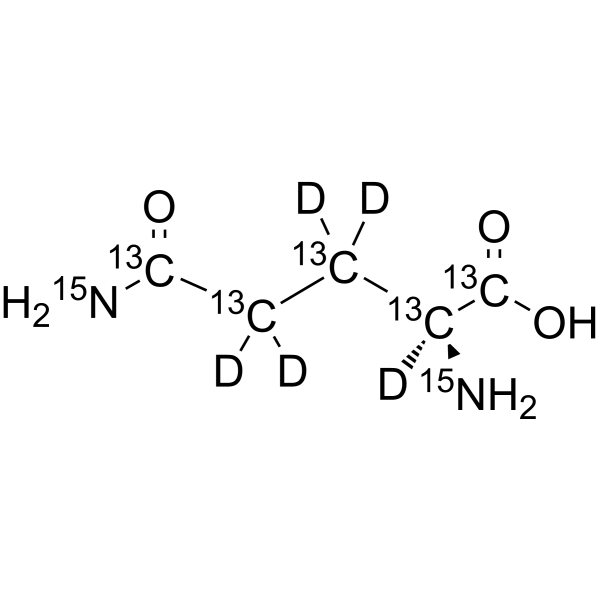
Cat. No.: HY-N0390S3
CAS No.: 2123439-02-9
Synonyms: L-Glutamic acid 5-amide-13C5,15N2,d5
L-Glutamine- 13C5, 15N2,d5 is the deuterium, 13C-, and 15N-labeled L-Glutamine (HY-N0390). L-Glutamine is an orally active nutritional agent and cellular metabolism regulator. L-Glutamine is taken up in a Na +-dependent manner and targets multiple key molecules including glutaminase, mTORC1, NF-κB, STAT-3 and HIF-1α. L-Glutamine enhances glutaminolytic catabolism, drives the conversion of glutamate to α-ketoglutarate, thereby regulating gene expression, integrating metabolic signals, mediating glutamine flux and maintaining redox homeostasis. L-Glutamine also promotes cell proliferation, osteogenic differentiation and fracture healing, exerts neuroprotective and cardioprotective effects, and inhibits osteoarthritis. L-Glutamine can be applied to research related to osteoporosis, osteoarthritis, ischemic stroke and acute cantharidin-induced cardiotoxicity .
loading...
    loading...
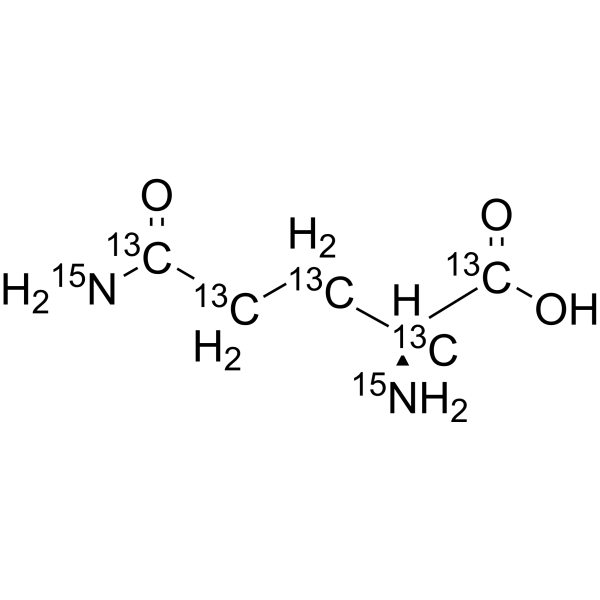
Cat. No.: HY-N0390S6
CAS No.: 285978-14-5
Synonyms: L-Glutamic acid 5-amide-13C5,15N2
L-Glutamine- 13C5, 15N2 is the 13C- and 15N-labeled L-Glutamine (HY-N0390). L-Glutamine is an orally active nutritional agent and cellular metabolism regulator. L-Glutamine is taken up in a Na +-dependent manner and targets multiple key molecules including glutaminase, mTORC1, NF-κB, STAT-3 and HIF-1α. L-Glutamine enhances glutaminolytic catabolism, drives the conversion of glutamate to α-ketoglutarate, thereby regulating gene expression, integrating metabolic signals, mediating glutamine flux and maintaining redox homeostasis. L-Glutamine also promotes cell proliferation, osteogenic differentiation and fracture healing, exerts neuroprotective and cardioprotective effects, and inhibits osteoarthritis. L-Glutamine can be applied to research related to osteoporosis, osteoarthritis, ischemic stroke and acute cantharidin-induced cardiotoxicity .
loading...
    loading...
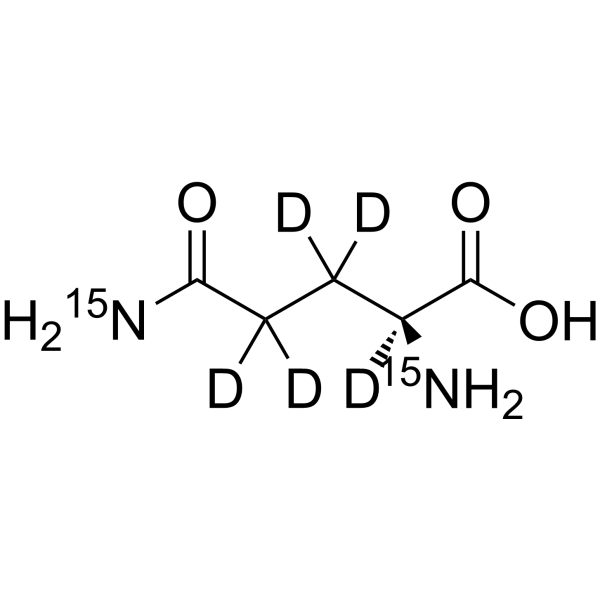
Cat. No.: HY-N0390S7
Synonyms: L-Glutamic acid 5-amide-15N2,d5
L-Glutamine- 15N2,d5 is the deuterium and 15N-labeled L-Glutamine (HY-N0390). L-Glutamine is an orally active nutritional agent and cellular metabolism regulator. L-Glutamine is taken up in a Na +-dependent manner and targets multiple key molecules including glutaminase, mTORC1, NF-κB, STAT-3 and HIF-1α. L-Glutamine enhances glutaminolytic catabolism, drives the conversion of glutamate to α-ketoglutarate, thereby regulating gene expression, integrating metabolic signals, mediating glutamine flux and maintaining redox homeostasis. L-Glutamine also promotes cell proliferation, osteogenic differentiation and fracture healing, exerts neuroprotective and cardioprotective effects, and inhibits osteoarthritis. L-Glutamine can be applied to research related to osteoporosis, osteoarthritis, ischemic stroke and acute cantharidin-induced cardiotoxicity .
loading...
    loading...
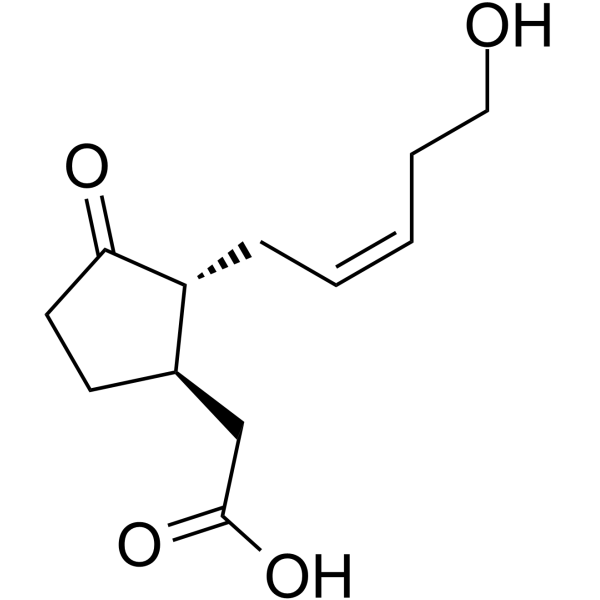
Cat. No.: HY-N1033
CAS No.: 140631-27-2
Research Areas:  

Infection

12-Hydroxyjasmonic acid is a metabolite of Jasmonic acid (HY-122464A) and an inducer of defense responses. 12-Hydroxyjasmonic acid can be isolated from potato leaflets. During the response of sugar beet plants to Cercospora beticola infection, 12-Hydroxyjasmonic acid is released through deglycosylation of its glucoside form and participates in the Jasmonic acid-mediated defense signaling pathway. 12-Hydroxyjasmonic acid mediates changes in source-sink relationships during pathogen infection, prioritizing the activation of defense processes over growth processes. 12-Hydroxyjasmonic acid serves as a substrate for salicylic acid Glycosyltransferases in tobacco and rice. 12-Hydroxyjasmonic acid can induce leaflet closure in Samanea saman. 12-Hydroxyjasmonic acid acts as a potato tuber-inducing substance. 12-Hydroxyjasmonic acid does not induce protoplast shrinkage in extensor motor cells of Samanea saman. 12-Hydroxyjasmonic acid can be used in studies related to brown spot disease .
loading...
    loading...
Cat. No.: HY-P1615
CAS No.: 1006388-38-0
Synonyms: UPARANT
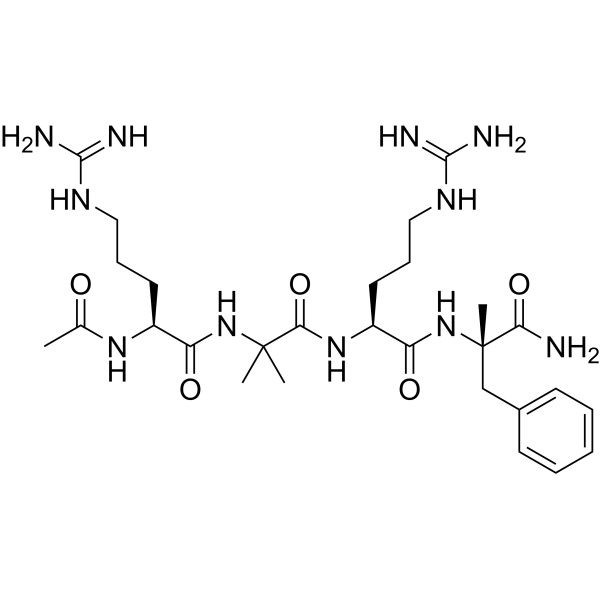
Cenupatide (UPARANT) is a uPAR and FPR antagonist with anti-angiogenic, anti-inflammatory, and vascular barrier regulatory activities, as well as high stability and resistance to enzymatic degradation in blood/plasma. Cenupatide blocks the uPAR-FPR interaction, reduces VEGF-induced phosphorylation levels of AKT, VEGFR-2, STAT3, JNK, p38 MAPK, ERK1/2, and NF-κB p65, and inhibits αvβ3 integrin activation. Cenupatide suppresses endothelial cell migration, invasion, tube formation, and angiogenic signaling pathways, restores tight junctions and blood-retinal barrier integrity, reduces pro-inflammatory marker levels, and inhibits apoptosis. Cenupatide reduces retinal neovascularization, renal fibrosis, and vascular leakage, and restores visual function in preclinical models. Cenupatide is applicable to research related to retinopathy, diabetic complications, ocular diseases, cancer, and inflammatory diseases .
loading...
    loading...
Cat. No.: HY-P1636
CAS No.: 113274-56-9
Research Areas:  

Metabolic Disease

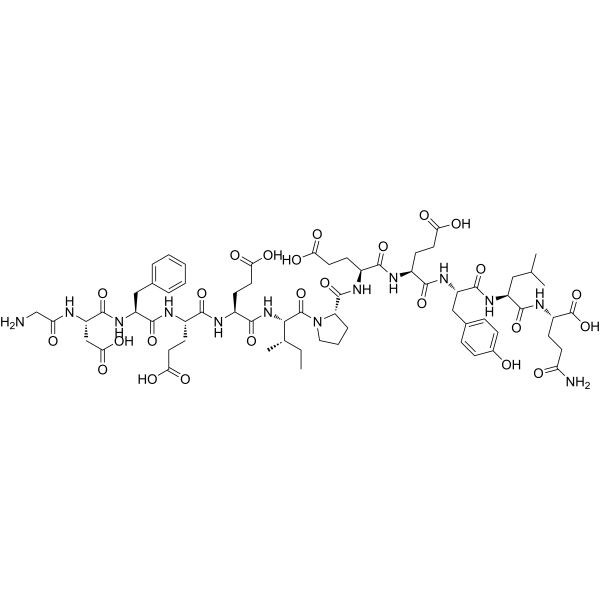
Hirudin (54-65) is a thrombin antagonist and YAP suppressor with anticoagulatory properties.Hirudin (54-65) blocks thrombin's anion binding site, acts on soluble and thrombus-bound thrombin.Hirudin (54-65) suppresses thrombin-induced profibrotic YAP activity, reduces YAP expression, nuclear translocation, and downstream effector signaling in vascular endothelial cells.Hirudin (54-65) ameliorates obstructive cholestasis, attenuates liver fibrosis symptoms, fibrosis-associated angiogenesis, and endothelial-to-mesenchymal transition.Hirudin (54-65) reduces liver inflammation and tissue hypoxia.Hirudin (54-65) promotes extracellular calcium influx through L-type calcium channels in canine coronary artery smooth muscle, mediates contraction.Hirudin (54-65) induces endothelium-independent contraction of canine coronary arterial segments; this response is not affected by indomethacin pretreatment.Hirudin (54-65) can be used for the research of liver obstructive cholestasis, liver fibrosis .
loading...
    loading...
Cat. No.: HY-L089
1,182 compounds

Mitochondria plays an important role in many vital processes in cells, including energy production, fatty-acid oxidation and the Tricarboxylic Acid (TCA) cycle, calcium signaling, permeability transition, apoptosis and heat production. At present, it is recognized that many diseases are associated with impaired mitochondrial function, such as increased accumulation of ROS and decreased OXPHOS and ATP production. Mitochondria are recognized as one of the most important targets for new drug design in cancer, cardiovascular, and neurological diseases, etc. Some small molecule drugs or biologics can act on mitochondria through various pathways, including ETC inhibition, OXPHOS uncoupling, mitochondrial Ca2+ modulation, and control of oxidative stress via decrease or increase of mitochondrial ROS accumulation.

MCE supplies a unique collection of 1,182 mitochondria-targeted compound that mainly targeting Mitochondrial Metabolism, ATP Synthase, Mitophagy, Reactive Oxygen Species, etc. MCE Mitochondria-Targeted Compound Library is a useful tool for mitochondria-targeted drug discovery and related research.

Cat. No.: HY-156466
CAS No.: 2848664-42-4
Purity:  99.95%
Research Areas:  

Inflammation/Immunology

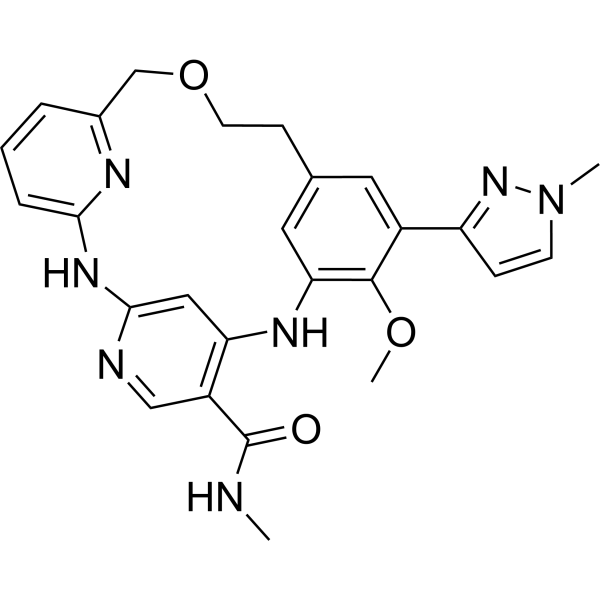
QL-1200186 is a selective, orally active, allosteric inhibitor targeting the tyrosine kinase TYK2 pseudokinase domain JH2 (IC50=0.06 nM, TYK2 JH2), with 164-fold selectivity over TYK1 JH2 (IC50=9.85 nM,TYK1 JH2). QL-1200186 first stabilizes the TYK2 JH2 conformation, inhibits the activity of the JH1 catalytic domain, and blocks the IFNα, IL-12/IL-23-mediated JAK-STAT signaling pathway. QL-1200186 can inhibit the production of Th1/Th17 cell-related cytokines (such as IFNγ, IL-23), reduce immune cell activation, and has no significant effect on JAK1/2/3 kinase activity. QL-1200186 can significantly improve skin inflammation in the Imiquimod (HY-B0180)-induced psoriasis mouse model and reduce the Psoriasis Area and Severity Index (PASI) score. QL-1200186 can be used in the study of autoimmune diseases such as psoriasis and systemic lupus erythematosus (SLE) .
loading...
    loading...
Cat. No.: HY-N7653
CAS No.: 529-51-1
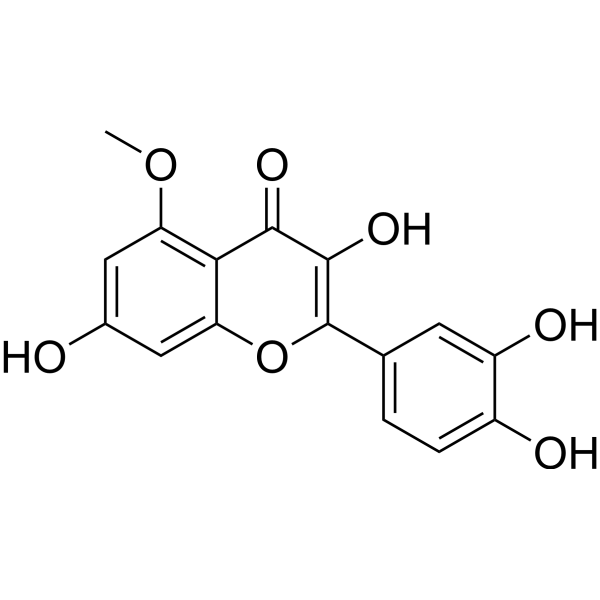
Azaleatin is an orally active inhibitor of hQC, NS2B-NS3 protease and E. coli β-glucuronidase, with IC50 values of 1.1 μM, 38.00 μg/mL and 0.57 μM, respectively. Azaleatin inhibits the activities of NF-κB, MyD88, JAK1, TLR4, STAT3, IL-1β, IL-6, COX-2, TNF-α and β-glucuronidase, blocks pro-inflammatory signaling pathways, reduces the levels of ROS, MDA and uric acid, elevates the levels of GPx, GSR, GST, SOD, CAT, HO-1 and GSH, scavenges free radicals and exerts reducing capacity. Azaleatin inhibits the expression of pro-apoptotic proteins Bax, Caspase-9 and Caspase-3, and upregulates the expression of anti-apoptotic protein Bcl-2. Azaleatin reduces the levels of cardiac injury markers, restores cardiac histological structure, inhibits aggregation, dengue protease activity, hepatic stellate cell proliferation and cancer cell growth, and also exhibits antibacterial activity. Azaleatin can be used in studies related to subchronic cardiotoxicity, Alzheimer's disease, dengue fever, hyperuricemia, liver fibrosis, gastric cancer and bacterial infections .
loading...
    loading...
Cat. No.: HY-P10414
Synonyms: KP1 (human)
Target:  

TGF-β Receptor

Research Areas:  

Infection Endocrinology

Klotho-derived peptide 1 (KP1 (human)) is a polypeptide with multiple activities including senescence inhibition and renal protection. Klotho-derived peptide 1 binds to TβR2 and ATAD3A, with a Kd value of 1.41 μM for binding to human TβR2 and a Kd value of 0.319 μM for binding to ATAD3A. By binding to TβR2, Klotho-derived peptide 1 blocks the TGF-β/Smad3 and downstream TGF-β signaling pathways, inhibits the expression of miR-223-3p, induces the expression of lncRNA-TUG1, restores endogenous Klotho at the post-transcriptional level, inhibits cellular senescence markers, fibroblast activation and renal tubular epithelial cell apoptosis, blocks cytochrome c release and caspase activation, maintains the integrity of mitochondrial ultrastructure, and restores mitochondrial protein levels. Klotho-derived peptide 1 enters renal tubular epithelial cells via endocytosis, protects against nephrotoxic and hypoxic injuries, and recapitulates the renal protective and anti-fibrotic effects of full-length Klotho. Klotho-derived peptide 1 can be used in research related to kidney diseases such as chronic kidney disease and SARS-CoV-2-associated acute kidney injury .
loading...
    loading...
Cat. No.: HY-P10414A
Synonyms: KP1 (human) hydrochloride
Target:  

TGF-β Receptor

Research Areas:  

Infection Endocrinology

Klotho-derived peptide 1 hydrochloride (KP1 (human) hydrochloride) is a polypeptide with multiple activities including senescence inhibition and renal protection. Klotho-derived peptide 1 hydrochloride binds to TβR2 and ATAD3A, with a Kd value of 1.41 μM for binding to human TβR2 and a Kd value of 0.319 μM for binding to ATAD3A. By binding to TβR2, Klotho-derived peptide 1 hydrochloride blocks the TGF-β/Smad3 and downstream TGF-β signaling pathways, inhibits the expression of miR-223-3p, induces the expression of lncRNA-TUG1, restores endogenous Klotho at the post-transcriptional level, inhibits cellular senescence markers, fibroblast activation and renal tubular epithelial cell apoptosis, blocks cytochrome c release and caspase activation, maintains the integrity of mitochondrial ultrastructure, and restores mitochondrial protein levels. Klotho-derived peptide 1 hydrochloride enters renal tubular epithelial cells via endocytosis, protects against nephrotoxic and hypoxic injuries, and recapitulates the renal protective and anti-fibrotic effects of full-length Klotho. Klotho-derived peptide 1 hydrochloride can be used in research related to kidney diseases such as chronic kidney disease and SARS-CoV-2-associated acute kidney injury .
loading...
    loading...
Cat. No.: HY-P992126
CAS No.: 3059389-31-7
Synonyms: EYE-103; MK-3000
Target:  

Wnt

Research Areas:  

Neurological Disease

Remigromig (EYE-103; MK-3000) is a humanized dual-target monoclonal antibody that targets LRP5 and FZD4. Remigromig activates the Wnt/β-catenin signaling pathway by mimicking the natural ligand Norrin, induces tight junction formation and restores blood-retinal barrier function. Administered via intravitreal injection, Remigromig reduces retinal vascular leakage, and demonstrates improvements in best-corrected visual acuity and reductions in retinal thickness in studies of diabetic macular edema. Remigromig can be used for research related to macular degeneration .
loading...
    loading...

