


87 Results for "

Embryonic development

" in MedChemExpress (MCE) Product Catalog:
Products (87)

87 Results for "Embryonic development" in MCE Product Catalog:

Cat. No.: HY-17597
CAS No.: 58306-30-2
Target:  

Parasite

Research Areas:  

Infection

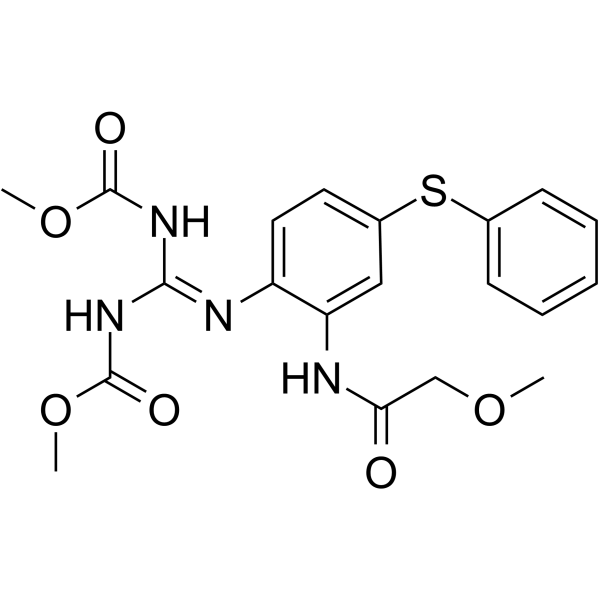
Febantel is an oral dewormer used to treat gastrointestinal nematodes in sheep, as well as roundworm and tapeworm infections in poultry and livestock, and it also inhibits the embryonic development of mouse hairworms and whipworm eggs .
loading...
    loading...
Cat. No.: HY-102067
CAS No.: 294891-81-9
Target:  

Wnt

Research Areas:  

Cancer

3289-8625 is an inhibitor of the PDZ domain of Dishevelled (Dvl) protein (Kd=10.6 μM) and has an inhibitory effect on Wnt signaling. In addition, 3289-8625 can slow the growth of prostate cancer PC-3 cells (IC50=12.5 μM). 3289-8625 can be used in the study of embryonic development and cancer .
loading...
    loading...
Cat. No.: HY-P3009
CAS No.: 9002-05-5
Bovine Factor Xa is a serine protease that plays a central role in blood coagulation, with prothrombin as its physiological substrate. Bovine Factor Xa catalyzes the conversion of prothrombin to thrombin, activates factor VIII, and hydrolyzes peptide, thioester, and amide substrates. Bovine Factor Xa cleaves protease-activated receptors 1 and 2 to activate intracellular signal transduction. Bovine Factor Xa regulates multiple cellular pathways, mediates various cellular activities, tissue remodeling and cancer cell migration, and inhibits apoptosis in some cancer cells. Bovine Factor Xa protects hippocampal neurons against glutamate-induced damage. Bovine Factor Xa participates in embryonic vascular development and regulates immune hematopoiesis; its activity is inhibited by soybean trypsin inhibitor, and cannot be enhanced by phospholipids. Bovine Factor Xa regulates immune responses and macrophage polarization, and participates in fibrosis, vascular remodeling and tumor progression through non-coagulant effects. Bovine Factor Xa can be used in research related to atherosclerosis, fibrosis, asthma, cancer, thromboinflammation, sepsis, etc .
loading...
    loading...
Cat. No.: HY-E70098
Target:  

Others

Research Areas:  

Cancer

RNase H2 is the predominant source of RNase H activity in mammalian and human cells. RNase H2 protects genome integrity. RNase H2 has been associated with ribonucleotide removal from genomic DNA in yeast and mouse, where it is required for embryonic development .
loading...
    loading...
Cat. No.: HY-W004154
CAS No.: 88-09-5
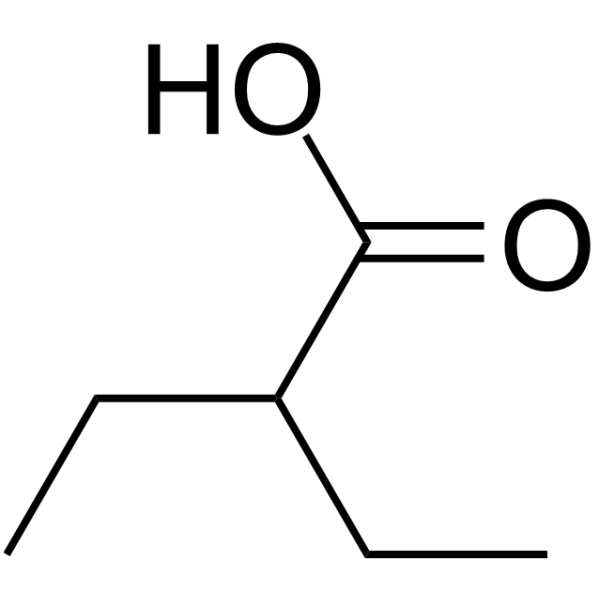
2-Ethylbutyric acid is a volatile fatty acid. 2-Ethylbutyric acid exhibits phytotoxicity. 2-Ethylbutyric acid is used as an internal standard in milk and dairy products and as an internal standard (IS) in the calibration of fecal VFA standards. 2-Ethylbutyric acid can be used in the research of embryonic development .
loading...
    loading...
Cat. No.: HY-126181
CAS No.: 4425-59-6
Target:  

Endogenous Metabolite

Research Areas:  

Others

5-Formylcytosine is a modified base, which is oxidized from 5-methylcytosine. 5-Formylcytosine is a intermediate of in the active DNA demethylation .
loading...
    loading...
Cat. No.: HY-P5351A
Hyaluronan-binding peptide, biotin labeled TFA is a biological active peptide. (This peptide is a hyaluronan-binding peptide biotinylated through a C-terminal GGGSK linker. Hyaluronan (HA) is a nonsulfated glycosaminoglycan expressed in the extracellular matrix and on cell surfaces. HA plays a role in fertilization, embryonic development, wound healing, angiogenesis, leukocyte trafficking to inflamed tissues, and cancer metastasis. This peptide has been shown to block HA binding to CD44 receptors and inhibit T cell proliferation.) .
loading...
    loading...
Cat. No.: HY-W020788
CAS No.: 98730-04-2
Synonyms: CGA 154281
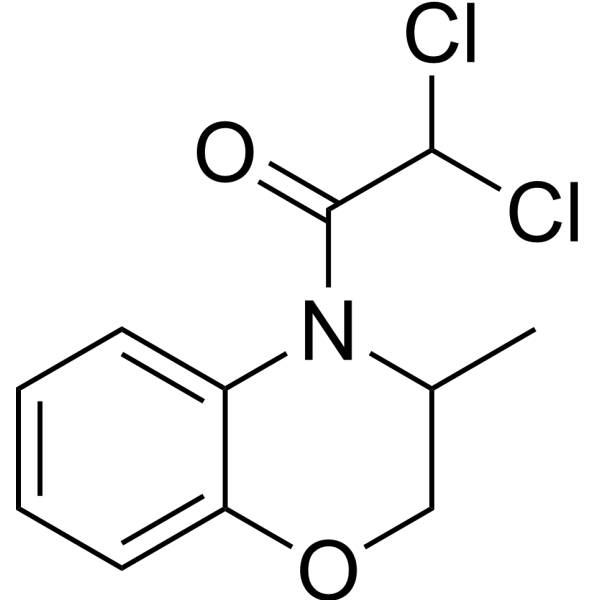
Benoxacor (CGA 154281) is a herbicide safener and xenobiotic metabolism regulator. Benoxacor protects maize from the toxicity of metolachlor mainly by inducing detoxifying enzymes such as Glutathione S-transferase. Benoxacor also activates FXR, PXR and ERRα, and inhibits aromatase (aromatase). However, Benoxacor exhibits potential subacute oral toxicity and a high risk of hepatotoxicity in animal models. Benoxacor induces reactive oxygen species accumulation, interferes with embryonic heart development, and causes increased liver and kidney weights as well as alterations in gut microbiota in mice. Benoxacor can be used in studies related to hepatic steatosis, infertility, breast cancer and developmental toxicity .
loading...
    loading...
Cat. No.: HY-B2035
CAS No.: 51218-49-6
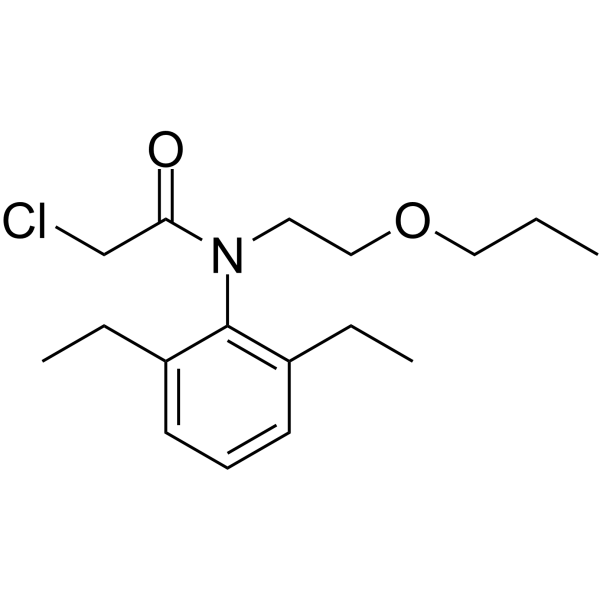
Pretilachlor is a chloroacetamide herbicide with biological activities including endocrine disruption, oxidative stress induction, apoptosis induction, and immunotoxicity. Pretilachlor exerts its effects by interfering with hormone metabolism, inducing oxidative stress, activating apoptotic pathways, and inhibiting immune functions. Pretilachlor upregulates the transcription of P53, Mdm2, and Bbc3, and increases the activities of Caspase3 and Caspase9; it upregulates the transcription of genes in the HPG/HPT axis and the activity of aromatase; it induces oxidative stress, elevates ROS levels, and upregulates CAT, SOD, and GPX. Pretilachlor downregulates the transcription of CXCL-C1C, IL-1β, and IL-8. Pretilachlor disrupts the normal physiological processes and embryonic development of fish, exhibiting significant toxicity. Pretilachlor can be used in studies related to weeding, environmental pollution, and behavioral toxicity in fish .
loading...
    loading...
Cat. No.: HY-103663A
CAS No.: 2170606-94-5
Research Areas:  

Cancer

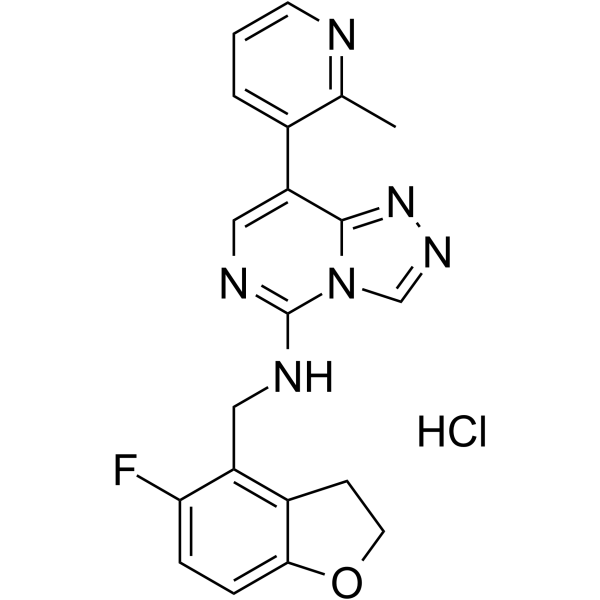
MAK683 hydrochloride is an embryonic ectoderm development (EED) inhibitor extracted from patent US20160176882 A1, compound example 2. MAK683 exhibits IC50s of 59, 89, 26 nM in EED Alphascreen binding, LC-MS and ELISA assay .
loading...
    loading...
Cat. No.: HY-130815
CAS No.: 2639882-68-9
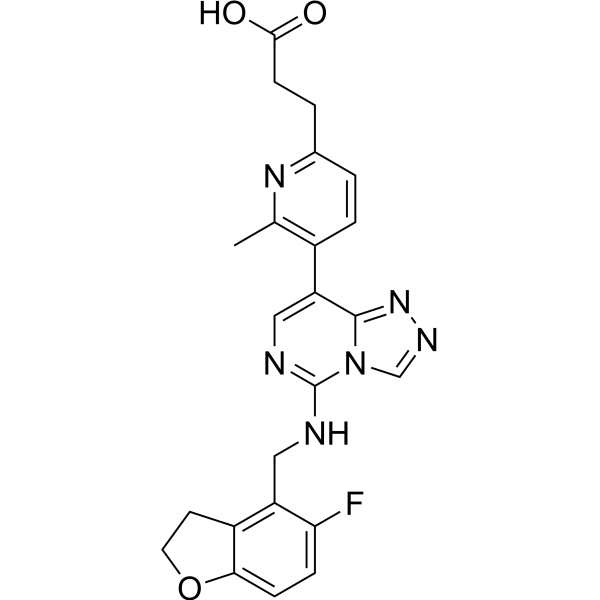
MAK683-CH2CH2COOH binds to EED (embryonic ectoderm development protein). MAK683-CH2CH2COOH and a VHL ligand for the E3 ubiquitin ligase have been used to design PROTAC EED degrader-1 (HY-130614) and PROTAC EED degrader-2 (HY-130615) .
loading...
    loading...
Cat. No.: HY-W011215S
CAS No.: 1015854-55-3
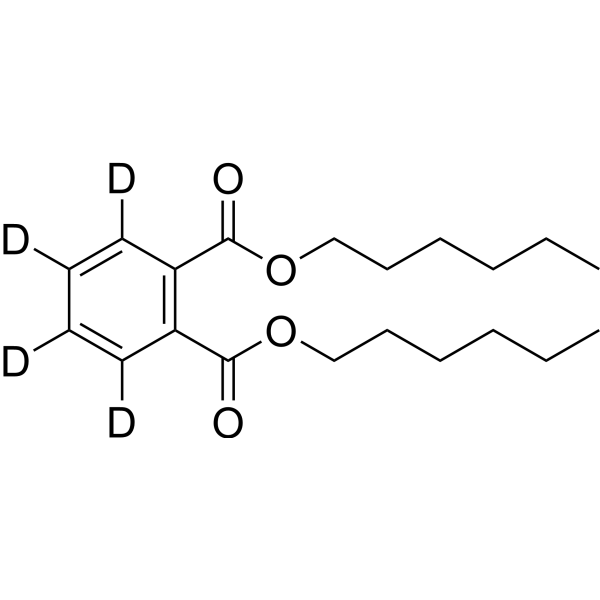
Dihexyl phthalate-3,4,5,6-d4 is the deuterated-labeled Dihexyl phthalate (HY-W011215). Dihexyl phthalate is an orally active phthalate ester (PAEs) widely used as a plasticizer, and it acts as an environmental endocrine disruptor. Dihexyl phthalate exhibits endocrine-disrupting and reproductive toxic properties, induces oxidative stress and inflammation, and ultimately causes apoptosis and damage to reproductive organs such as the testes. Dihexyl phthalate can be used in studies related to developmental toxicity, embryonic lethality, teratogenicity, and abnormal development of the male reproductive system .
loading...
    loading...
Cat. No.: HY-146272
CAS No.: 2648650-50-2
Target:  

Vasopressin Receptor

Research Areas:  

Endocrinology

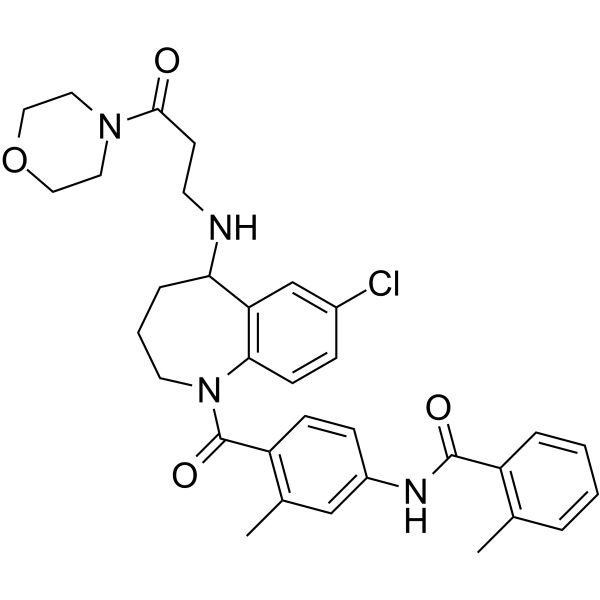
Vasopressin V2 receptor antagonist 1 is a vasopressin V2 receptor (V2R) antagonist with a Ki value of 3.8 nM. Vasopressin V2 receptor antagonist 1 inhibits renal cyst formation in embryonic renal cyst models and mouse models. Vasopressin V2 receptor antagonist 1 can be used in research related to autosomal dominant polycystic kidney disease .
loading...
    loading...
Cat. No.: HY-116603
CAS No.: 180083-49-2
Target:  

5-HT Receptor

Research Areas:  

Others

SB-236057 is an inverse agonist of the 5-HT1B receptor that exhibits strong skeletal teratogenicity in rodents and rabbits. SB-236057 affects gene expression during embryonic development through interference with the Notch signaling pathway and interaction with r-esp1. SB-236057 induces somatic patterning and tail extension defects in rat embryos during early organogenesis .
loading...
    loading...
Cat. No.: HY-W025074
CAS No.: 120533-76-8
Research Areas:  

Cancer

BML-278 is a SIRT1 activator (EC150: 1 μM). BML-278 increases H3K9 methylation and inhibits H3K9 acetylation in both the paternal and maternal pronucleus. BML-278 improves early embryonic development. BML-278 arrests the cell cycle at the G1/S phase, and reduces senescence in primary human mesenchymal cells. BML-278 reduces tubulin acetylation in U937 cells. BML-278 also increases mitochondrial density in murine C2C12 myoblasts .
loading...
    loading...
Cat. No.: HY-144869
CAS No.: 1356943-67-3
Purity:  99.83%
Target:  

FLT3

Research Areas:  

Cancer

OTS447 is a potent FLT3 inhibitor with an IC50 of 21 nM (WO2012016082A1, compound 335) .
loading...
    loading...
Cat. No.: HY-P2266
CAS No.: 1453222-26-8
Research Areas:  

Cancer

SAH-EZH2, a stable EZH2 α-helical peptide, is an EZH2/EED interaction inhibitor. SAH-EZH2 targets native embryonic ectoderm development (EED), disturbs its interactions with EZH1 and EZH2, and selectively decreases trimethylation of H3K27 .
loading...
    loading...
Cat. No.: HY-107408
CAS No.: 329196-48-7
Purity:  99.41%
Target:  

Hedgehog Gli

Research Areas:  

Metabolic Disease Cancer

SANT 2 is a potent Hh-signaling pathway antagonist. SANT 2 interferes with the expression of Gli1. SANT 2 causes developmental delay in medaka embryos. SANT 2 has the potential for the research of several malignancies including Gorlin syndrome (a disorder predisposing to basal cell carcinoma, medulloblastoma and rhabdomyosarcoma), prostate, pancreatic and breast cancers .
loading...
    loading...
Cat. No.: HY-P5351
Target:  

Inhibitory Antibodies

Research Areas:  

Others

Hyaluronan-binding peptide, biotin labeled is a biological active peptide. (This peptide is a hyaluronan-binding peptide biotinylated through a C-terminal GGGSK linker. Hyaluronan (HA) is a nonsulfated glycosaminoglycan expressed in the extracellular matrix and on cell surfaces. HA plays a role in fertilization, embryonic development, wound healing, angiogenesis, leukocyte trafficking to inflamed tissues, and cancer metastasis. This peptide has been shown to block HA binding to CD44 receptors and inhibit T cell proliferation.)
loading...
    loading...
Cat. No.: HY-W020788R
CAS No.: 98730-04-2
Synonyms: CGA 154281 (Standard)
Benoxacor (Standard) is the analytical standard of Benoxacor. This product is intended for research and analytical applications. Benoxacor (CGA 154281) is a herbicide safener and xenobiotic metabolism regulator. Benoxacor protects maize from the toxicity of metolachlor mainly by inducing detoxifying enzymes such as Glutathione S-transferase. Benoxacor also activates FXR, PXR and ERRα, and inhibits aromatase (aromatase). However, Benoxacor exhibits potential subacute oral toxicity and a high risk of hepatotoxicity in animal models. Benoxacor induces reactive oxygen species accumulation, interferes with embryonic heart development, and causes increased liver and kidney weights as well as alterations in gut microbiota in mice. Benoxacor can be used in studies related to hepatic steatosis, infertility, breast cancer and developmental toxicity .
loading...
    loading...

