

83 Results for "

degranulation

" in MedChemExpress (MCE) Product Catalog:
Products (83)

83 Results for "degranulation" in MCE Product Catalog:

Cat. No.: HY-122295
CAS No.: 36150-07-9
Purity:  99.90%
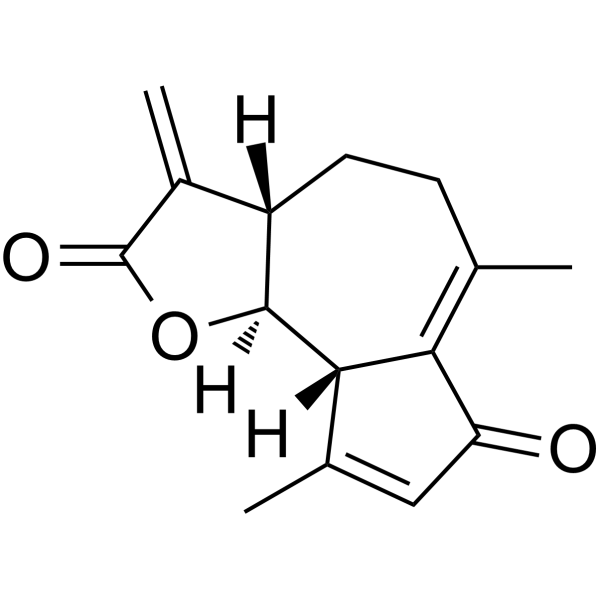
Dehydroleucodine is a sesquiterpene lactone isolated from Artemisia douglasiana. Dehydroleucodine is a mast cell stabilizer that inhibits tmast cell degranulation induced by compound 48/80. Dehydroleucodine inudces cells apoptosis, and has gastric ulcer inhibition and antileukemic effects .
loading...
    loading...
Cat. No.: HY-113483
CAS No.: 80434-82-8
Purity:  ≥98.0%
Synonyms: 20-COOH LTB4
Research Areas:  

Metabolic Disease

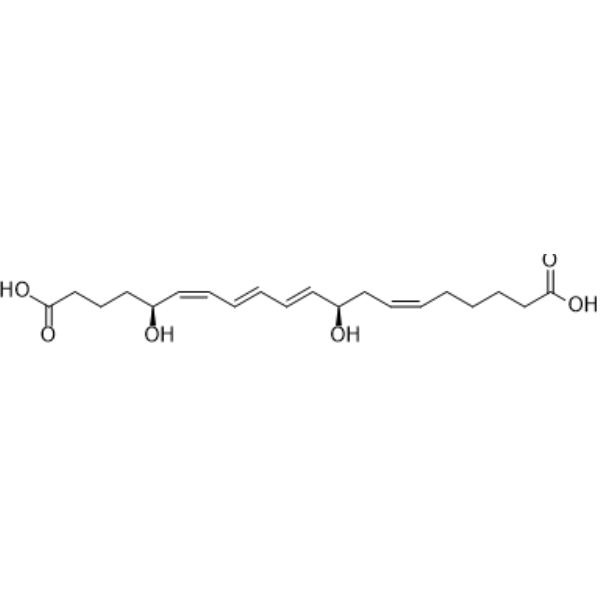
20-Carboxy-Leukotriene B4 (20-COOH LTB4) is a metabolite of Leukotriene B4 (LTB4; HY-107608). 20-Carboxy-Leukotriene B4 binds to the BLT1 receptor with high affinity. 20-Carboxy-Leukotriene B4 inhibits LTB4-mediated neutrophil responses (migration, degranulation, leukotriene biosynthesis) .
loading...
    loading...
Cat. No.: HY-W996116
CAS No.: 1933460-23-1
AZM198 is an orally active myeloperoxidase (MPO) inhibitor. AZM198 irreversibly inactivates MPO (IC50=0.015 μM) via covalent binding to the heme prosthetic group, preferentially targets extracellular MPO activity, and reduces neutrophil extracellular trap formation, reactive oxygen species production and degranulation. AZM198 increases the fibrous cap thickness of atherosclerotic plaques, reduces lesion area, ameliorates hepatic steatosis and fibrosis in non-alcoholic steatohepatitis, and alleviates proteinuria and inflammatory infiltration associated with glomerulonephritis. AZM198 also decreases circulating levels of high-sensitivity Cardiac Troponin I and IL-1β, and mitigates endothelial cell injury. Therefore, AZM198 is suitable for research on various MPO-related diseases, including atherosclerotic cardiovascular disease, myocardial infarction, ischemic stroke, non-alcoholic steatohepatitis and crescentic glomerulonephritis .
loading...
    loading...
Cat. No.: HY-160901
CAS No.: 1349637-14-4
Target:  

Complement System

Research Areas:  

Inflammation/Immunology

CP-289,503 is an inhibitor of the complement C5a receptor with an IC50 of 1 μM. C5a acts as an activator of leukocytes and phagocytes during complement system activation. The C5a receptor can bind to C5a, which can stimulate the upregulation of cell surface integrins and degranulation of inflammatory cells, leading to endothelial cell damage. C5a receptor inhibitors can block C5a signaling and inhibit a variety of inflammatory diseases .
loading...
    loading...
Cat. No.: HY-P991183

Target:  

CD28 CD38 CD3

Research Areas:  

Cancer

SAR-442257 is a trispecific T-cell engager and monoclonal antibody that binds to CD38, CD3 and CD28. SAR-442257 can target and bind to CD3 and CD28 on T cells, as well as CD38 expressed on tumor cells. SAR-442257 mediates T-cell activation, enhances T-cell activity, induces T-cell degranulation, and drives cytotoxicity against multiple myeloma cells. SAR-442257 functions via CD38 expression, and its in vitro activity correlates with CD38 expression on the surface of multiple myeloma cells. SAR-442257 can be used in studies related to multiple myeloma and relapsed/refractory multiple myeloma .
loading...
    loading...
Cat. No.: HY-P1076A
Target:  

Calmodulin

Research Areas:  

Inflammation/Immunology

CALP2 TFA is a calmodulin (CaM) antagonist (Kd of 7.9 µM) with high affinity for binding to the CaM EF-hand/Ca 2+-binding site. CALP2 TFA inhibits CaM-dependent phosphodiesterase activity and increases intracellular Ca 2+ concentrations. CALP2 TFA potently inhibits of adhesion and degranulation. CALP2 TFA is also a strong activator of alveolar macrophages .
loading...
    loading...
Cat. No.: HY-N4207
CAS No.: 14348-21-1
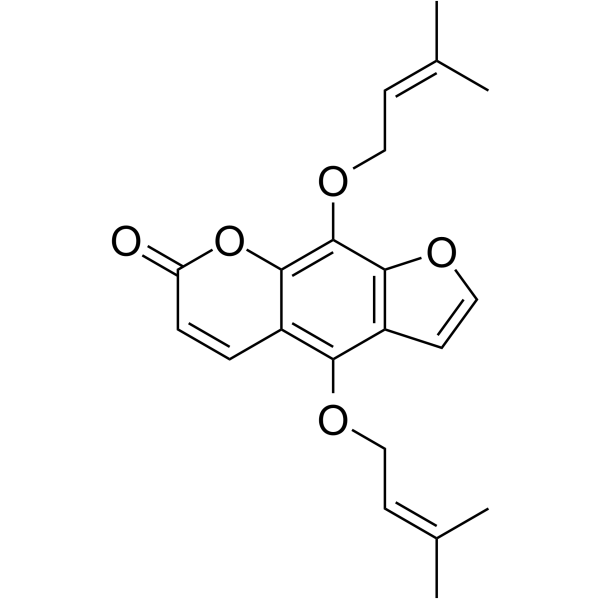
Cnidicin, a coumarin, inhibits the degranulation of mast cell and the nitric oxide (NO) generation in RAW 264.7 cells .
loading...
    loading...
Cat. No.: HY-116953
CAS No.: 98049-69-5
Synonyms: LXB4
Target:  

Endogenous Metabolite

Research Areas:  

Inflammation/Immunology

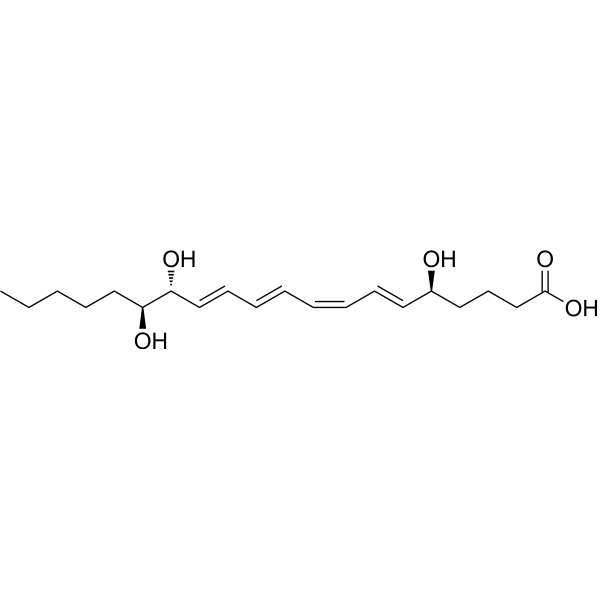
Lipoxin B4 (LXB4) is a structurally distinct product of arachidonic acid metabolism. Lipoxin B4 reduces leukocyte infiltration and mucus secretion in the nasal mucosa and decreases mast cell and eosinophil degranulation in the upper airway. Lipoxin B4 decreases airway inflammation, mucus metaplasia and hyper- responsiveness in the lower airway. Lipoxin B4 shows mucosal protective actions and has the potential for the research of allergic inflammation in the upper and lower airways .
loading...
    loading...
Cat. No.: HY-145996
CAS No.: 401513-39-1
Target:  

Others

Research Areas:  

Cardiovascular Disease Infection

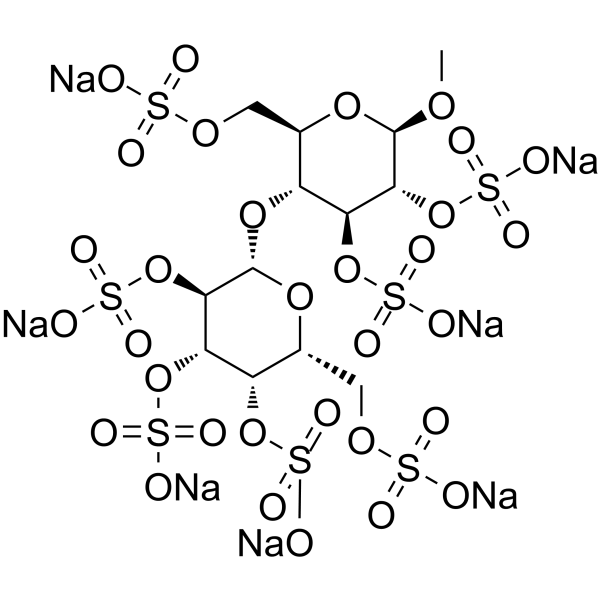
STC314 is a histone-neutralizing agent. STC314 inhibits histone-mediated cytotoxicity, blocks histone-induced erythrocyte aggregation, reduces fragility, restores deformability and inhibits histone-induced aggregation and degranulation in human erythrocytes. STC314 reduces histone-mediated tissue damage, thrombocytopenia, anemia, and cell death, and improves survival in preclinical models. STC314 can be used for the research of sepsis, ischemia-reperfusion injury, and deep-vein thrombosis .
loading...
    loading...
Cat. No.: HY-124146
CAS No.: 1319738-39-0
Target:  

Syk

Research Areas:  

Inflammation/Immunology

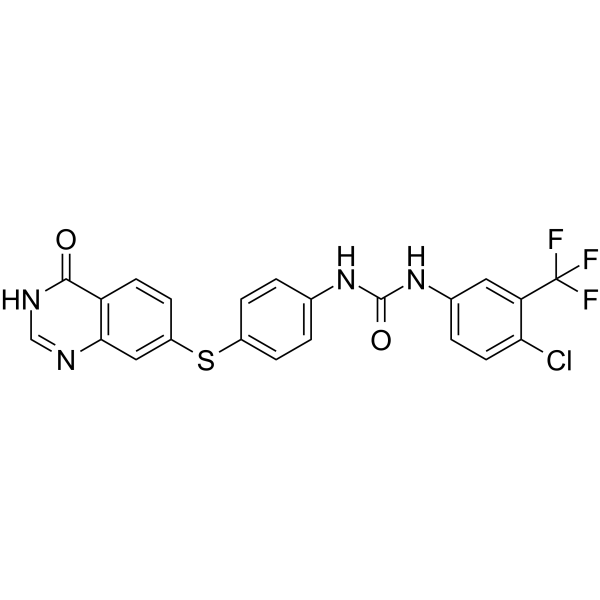
BI1002494 is an orally active, potent, and selective spleen tyrosine kinase (SYK) inhibitor. BI 1002494 exhibits an IC50 of 115 nM in inhibiting high-affinity IgE receptor-mediated mast cell and basophil degranulation. BI1002494 can be utilized in immunology reesearch .
loading...
    loading...
Cat. No.: HY-122967
CAS No.: 142115-17-1
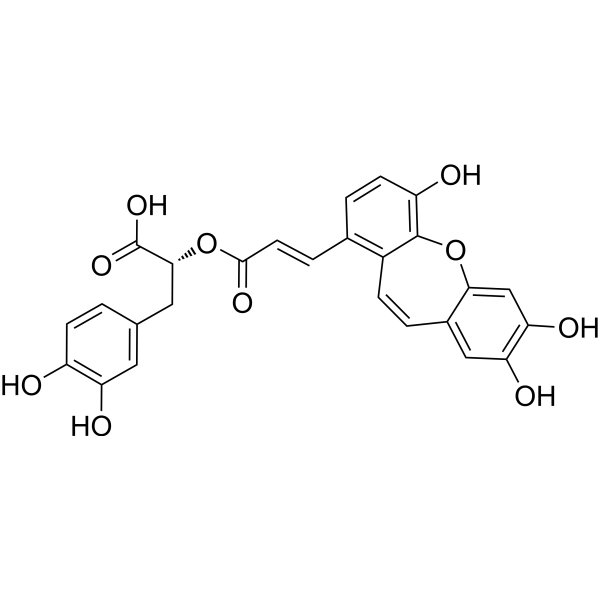
Isosalvianolic acid C is a naturally derived phenolic compound that acts as a signal modulator, antioxidant, and enzyme inhibitor. Isosalvianolic acid C induces the phosphorylation of PLC-γ, IP3R, PKC, and P38, triggering Ca 2+ mobilization, degranulation, and chemokine release. Isosalvianolic acid C activates MRGPRX2 and its murine homolog MrgprB2, leading to pseudo-allergic reactions in vivo. Isosalvianolic acid C inhibits Cu 2+-induced LDL peroxidation. Isosalvianolic acid C can be used in studies related to pseudo-allergy, diabetes, and atherosclerosis .
loading...
    loading...
Cat. No.: HY-145891
CAS No.: 2210238-26-7
Target:  

Others

Research Areas:  

Inflammation/Immunology

B10-S is a potent anti-allergic agent. B10-S can inhibit the degranulation of LAD2 induced by substance P .
loading...
    loading...
Cat. No.: HY-165528
CAS No.: 1464897-15-1
Synonyms: XC8
Target:  

CCR

Research Areas:  

Inflammation/Immunology

Histamine glutarimide (XC8) is an orally active anti-asthma agent. Histamine glutarimide blocks the maturation of chemokines (CCL2, CCL7, CCL8, CCL13) and inhibits the migration of eosinophils and the degranulation of mast cells. In asthma models induced by carrageenan and rat ovalbumin, Histamine glutarimide can reduce airway resistance and the count of eosinophils in bronchoalveolar lavage fluid. Histamine glutarimide can be used in asthma research .
loading...
    loading...
Cat. No.: HY-174452
CAS No.: 724709-67-5
BER-5 is a potent MrgX2 antagonist. BER-5 possess broad-spectrum antagonistic activity against a diverse range of MrgX2 agonists. BER-5 can inhibit Substance P (SP) (HY-P0201)-induced degranulation of LAD2 cells. BER-5 attenuates SP-induced allergic reactions in mice. BER-5 can be used for the study of allergic reactions.
loading...
    loading...
Cat. No.: HY-176767
CAS No.: 2792202-91-4
MrgprX2-IN-1 (Compound 2-10) is a selective Mas-related G-protein coupled receptor X2 (MRGPRX2) antagonist. MrgprX2-IN-1 blocks IgE-independent immune responses by inhibiting MRGPRX2-mediated mast cell degranulation and release of inflammatory mediators. MrgprX2-IN-1 is promising for research of pseudo-allergic reactions, chronic pruritus, and inflammatory diseases .
loading...
    loading...
Cat. No.: HY-176768
CAS No.: 2792205-87-7
MrgprX2-IN-2 (Compound example 12) is a selective Mas-related G-protein coupled receptor X2 (MRGPRX2) antagonist. MrgprX2-IN-2 blocks IgE-independent immune responses by inhibiting MRGPRX2-mediated mast cell degranulation and release of inflammatory mediators. MrgprX2-IN-2 is promising for research of pseudo-allergic reactions, chronic pruritus, and inflammatory diseases .
loading...
    loading...
Cat. No.: HY-P991592
CAS No.: 2755114-30-6

Target:  

Inhibitory Antibodies

Research Areas:  

Inflammation/Immunology

UB-221 is a humanized IgG1 monoclonal antibody inhibitor targeting IgE. UB-221 significantly decreases IgE synthesis by stabilization of membrane-bound CD23 on B lymphocytes and inhibits FcԑRI-mediated basophil activation and degranulation. UB-221 reduces IgE level in cynomolgus macaques and human IgE (ε, κ)-transgenic (hIGHE-knockin) mice. UB-221 can be used for asthma and chronic spontaneous urticaria (CSU) research .
loading...
    loading...
Cat. No.: HY-P5717
CAS No.: 1427516-66-2
Target:  

Inhibitory Antibodies

Research Areas:  

Infection

Peptide 12d is an antimicrobial peptide isolated from the venom of wasp. Peptide 12d mediates antimicrobial response by stimulating mast cell degranulation .
loading...
    loading...
Cat. No.: HY-N1336
CAS No.: 644967-44-2
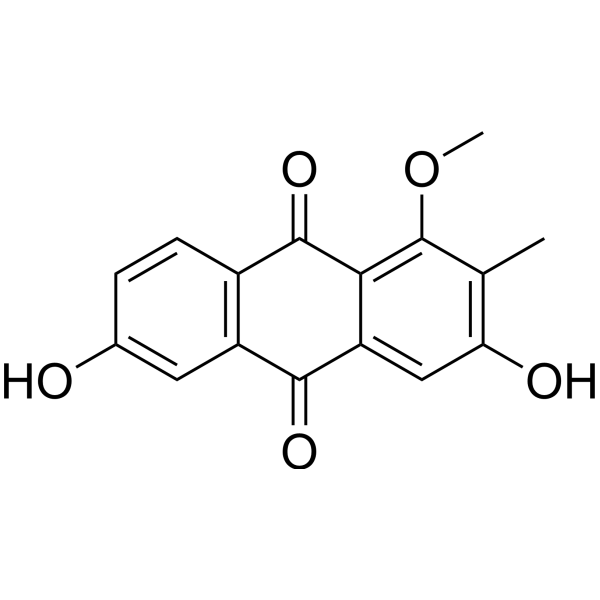
Rubianthraquinone is a anthraquinone, that can be isolated from the roots of Rubia yunnanensis. Rubianthraquinone inhibits NO production and degranulation .
loading...
    loading...
Cat. No.: HY-P1076
CAS No.: 261969-04-4
Target:  

Calmodulin

Research Areas:  

Inflammation/Immunology

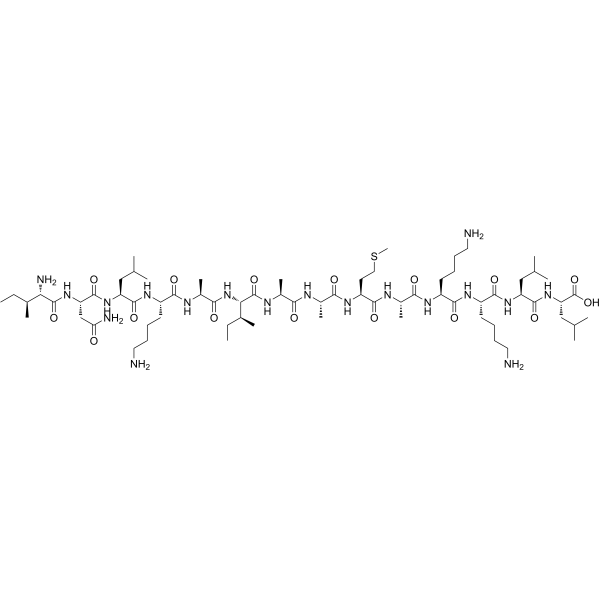
CALP2 is a calmodulin (CaM) antagonist ( (Kd of 7.9 µM)) with high affinity for binding to the CaM EF-hand/Ca 2+-binding site. CALP2 inhibits CaM-dependent phosphodiesterase activity and increases intracellular Ca 2+ concentrations. CALP2 potently inhibits of adhesion and degranulation. CALP2 is also a strong activator of alveolar macrophages .
loading...
    loading...

