675 Results for "

Reduction

" in MedChemExpress (MCE) Product Catalog:
Products (675)

675 Results for "Reduction" in MCE Product Catalog:

Cat. No.: HY-14744D
CAS No.: 884648-62-8
Levamlodipine besylate Hemipentahydrate is an orally active L-type calcium channel blocker and MMP-9 modulator with high permeability and retention properties. Levamlodipine besylate Hemipentahydrate significantly enhances plaque stability and improves lipid profiles by reducing blood pressure, decreasing systolic blood pressure variability, and inhibiting MMP-9 expression in atherosclerotic plaques. Levamlodipine besylate Hemipentahydrate not only alleviates cardiac and aortic hypertrophy and prevents renal atrophy, but also produces synergistic effects in blood pressure reduction and organ protection when combined with bisoprolol (HY-129029). Levamlodipine besylate Hemipentahydrate exerts no significant inhibitory effect on abdominal aortic intimal hyperplasia. When excessively accumulated in the epidermis, Levamlodipine besylate Hemipentahydrate may induce changes in keratin structure, impair the skin barrier and trigger inflammation; long-term use further exacerbates skin irritation caused by local administration. Levamlodipine besylate Hemipentahydrate can be used in research related to hypertension and atherosclerosis .
loading...
    loading...
Cat. No.: HY-14744S
CAS No.: 1346617-19-3
Purity:  99.74%
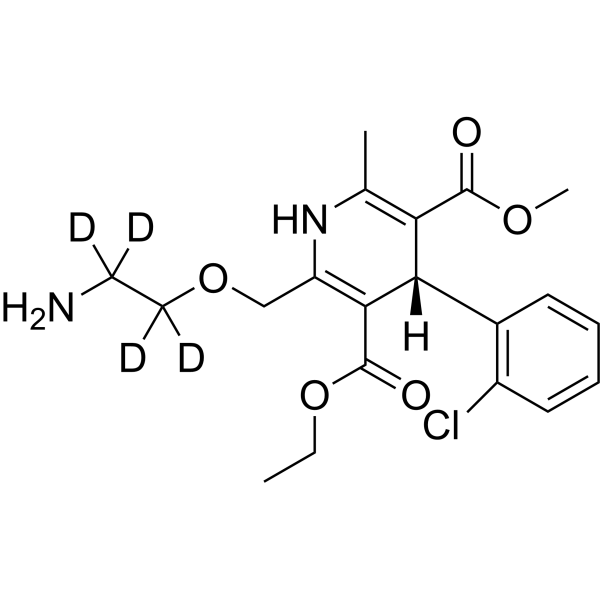
Synonyms: (S)-Amlodipine-d4; Levoamlodipine-d4
Levamlodipine-d4 is the deuterium labeled Levamlodipine. Levamlodipine ((S)-Amlodipine; Levoamlodipin) is an orally active L-type calcium channel blocker and MMP-9 modulator with high permeability and retention properties. Levamlodipine significantly enhances plaque stability and improves lipid profiles by reducing blood pressure, decreasing systolic blood pressure variability, and inhibiting MMP-9 expression in atherosclerotic plaques. Levamlodipine not only alleviates cardiac and aortic hypertrophy and prevents renal atrophy, but also produces synergistic effects in blood pressure reduction and organ protection when combined with bisoprolol (HY-129029). Levamlodipine exerts no significant inhibitory effect on abdominal aortic intimal hyperplasia. When excessively accumulated in the epidermis, Levamlodipine may induce changes in keratin structure, impair the skin barrier and trigger inflammation; long-term use further exacerbates skin irritation caused by local administration. Levamlodipine can be used in research related to hypertension and atherosclerosis .
loading...
    loading...
Cat. No.: HY-157189A
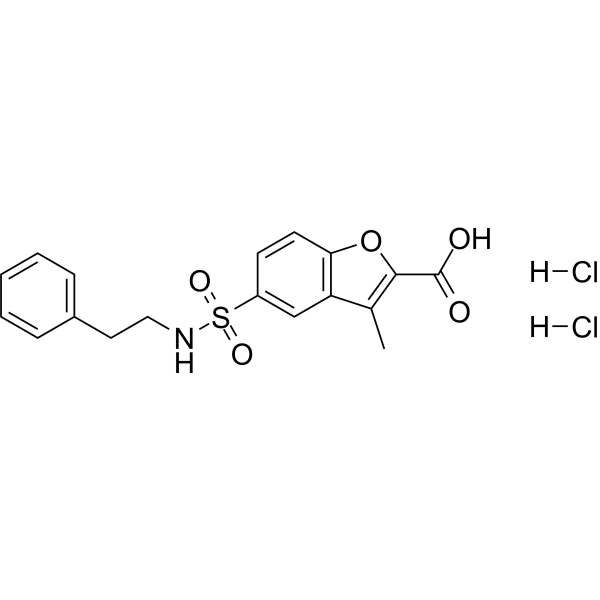
Synonyms: GPR132 antagonist 1 (dihydrocholide)
Target:  

G2A (GPR132)

Research Areas:  

Metabolic Disease

NOX-6-18 (dihydrocholide) (GPR132 antagonist 1 (diHYdrocholide)) is a GPR132 antagonist with an IC50 of 15.17 nM against the human target. NOX-6-18 (dihydrocholide) inhibits GPR132 activation via interaction with non-conserved residues, blocks activities induced by endogenous agonists and 9 (S)-HODE, and exhibits selectivity for other fatty acid-binding GPCRs. NOX-6-18 (dihydrocholide) regulates macrophage reprogramming, alleviates inflammatory responses, downregulates inflammatory markers and signaling pathways, and reduces the degree of hepatic steatosis and hepatic triglyceride levels. NOX-6-18 (dihydrocholide) regulates metabolic homeostasis, reduces weight gain, enhances glucose metabolism, improves glucose tolerance, decreases fasting blood glucose and insulin levels, and partially reverses reductions in energy expenditure and respiratory quotient. NOX-6-18 (dihydrocholide) can be used in the research of type 2 diabetes .
loading...
    loading...
Cat. No.: HY-78036
CAS No.: 498-24-8
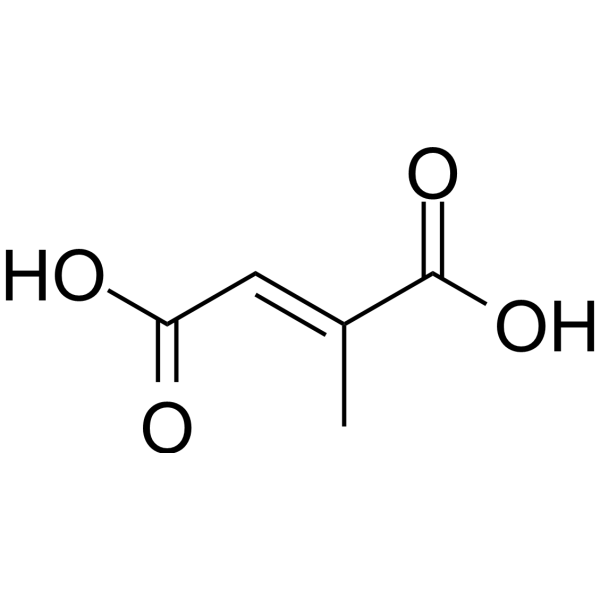
Synonyms: Citronic acid; Methylfumaric acid
Mesaconic acid (Citronic acid; Methylfumaric acid) is an orally active anti-inflammatory and antioxidant agent. Mesaconic acid reduces the level of NF-κB in colon tissues, downregulates the expression of Keap1 and Bax, upregulates the expression of Nrf2 and Bcl2, and decreases the expression of Caspase-1. Mesaconic acid reduces the levels of NLRP3, ASC and Casp-1 in colon, liver and kidney tissues. Mesaconic acid reduces pro-inflammatory cytokine levels, increases the level of the anti-inflammatory cytokine IL-10, elevates NAD + levels, regulates oxidative stress markers and antioxidant enzyme levels, and upregulates intestinal barrier proteins in colon, liver and kidney tissues. Mesaconic acid increases the abundance of beneficial gut bacteria and reduces the abundance of harmful gut bacteria in rapidly aging mice, and exhibits anti-aging properties. Mesaconic acid acts as a flame retardant and serves as a competitive inhibitor of fumarate reduction. Mesaconic acid can be used in the research of aging-related inflammation .
loading...
    loading...
Cat. No.: HY-N1989
CAS No.: 11028-00-5
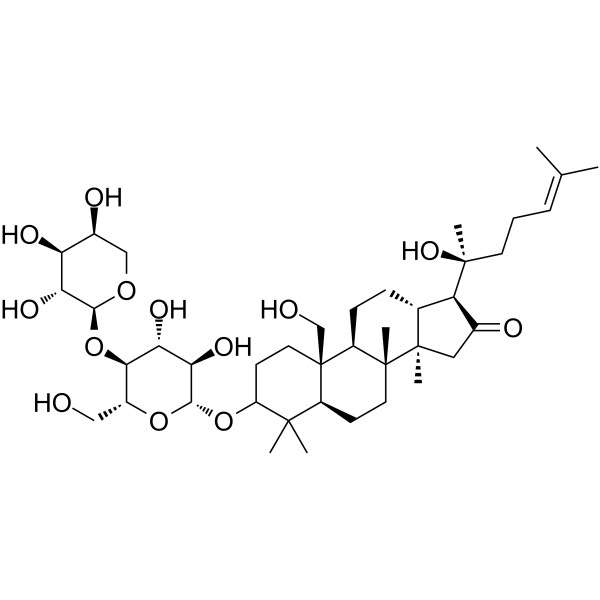
Bacoside A is an orally active, blood-brain barrier-permeable triterpenoid saponin that modulates the activities of ATPases, AChE, CaMK2A and iNOS. Derived from Bacopa monniera. Bacoside A exerts significant antioxidant, anti-inflammatory and anti-apoptotic effects by maintaining ion balance, scavenging reactive oxygen species, stabilizing cell membranes, and regulating the expression of NF-κB and apoptosis-related proteins. Bacoside A counteracts morphine-induced reductions in Na +/K +-ATPase, Ca 2+-ATPase and Mg 2+-ATPase activities, increases mitochondrial membrane potential, and decreases intracellular reactive oxygen species levels. Bacoside A specifically binds to calcium/calmodulin-dependent protein kinase IIA to trigger endoplasmic reticulum calcium release. Bacoside A exhibits non-apoptotic cytotoxicity against glioblastoma cells while protecting normal nerve cells from stress-induced damage. Bacoside A is applicable to the research of Parkinson's disease and glioblastoma multiforme .
loading...
    loading...
Cat. No.: HY-114557
CAS No.: 1041-01-6
Purity:  99.38%
Synonyms: 3,5-Diiodo-L-thyronine
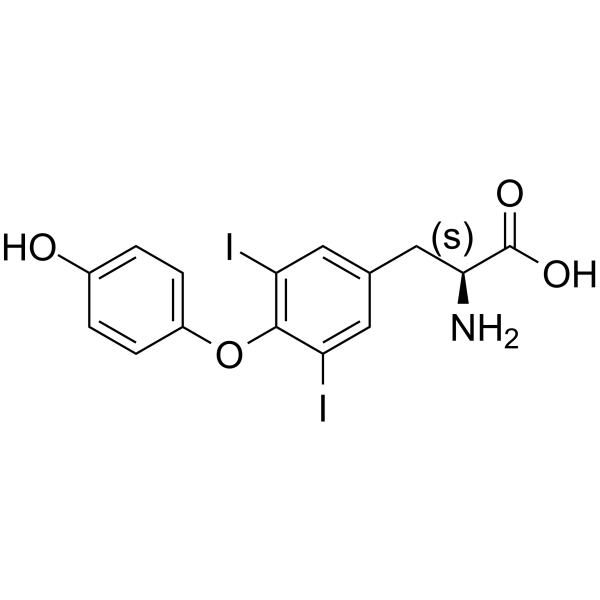
NSC 90469 (3,5-Diiodo-L-thyronine) is an orally active thyroid hormone derivative. NSC 90469 inhibits JNK phosphorylation and NF-κB acetylation, blocks SIRT1 protein expression, induces elevated PGC-1α levels, and stimulates COX activity. NSC 90469 enhances UCP1-mediated thermogenesis, increases hepatic Dio1 activity, inhibits TSH levels and hypothalamic-pituitary-thyroid axis function, enhances lipid metabolism, and regulates energy metabolism via the mitochondrial pathway. NSC 90469 prevents blood glucose reduction, reduces urinary albumin excretion, inhibits renal matrix expansion, decreases TGF-β1 expression, and reduces renal fibronectin and type Ⅳ collagen deposition. NSC 90469 also increases energy expenditure and prevents diet-induced overweight. NSC 90469 can be used in studies related to diabetic nephropathy, hypothyroidism, non-alcoholic fatty liver disease, and diet-induced obesity .
loading...
    loading...
Cat. No.: HY-12502AR
CAS No.: 111011-76-8
Synonyms: NZ-105 hydrochloride monoethanolate (Standard); (±)-Efonidipine hydrochloride monoethanolate (Standard)
Efonidipine (NZ-105) hydrochloride monoethanolate (Standard) is the analytical standard of Efonidipine hydrochloride monoethanolate (HY-12502AR). This product is intended for research and analytical applications. Efonidipine (NZ-105) hydrochloride monoethanolate is an orally active dual L-type and T-type calcium channel blocker (CCB) with IC50 values of 1.8 and 350 nM, respectively. Efonidipine hydrochloride monoethanolate inhibits SARS-CoV-2 main protease. Efonidipine hydrochloride monoethanolate modulates adrenal steroidogenesis by increasing the expression of steroidogenic acute regulatory protein (StAR), dbcAMP-or angiotensin II-induced StAR mRNA expression and DHEA-S production, while suppressing the biosynthesis of aldosterone and cortisol. Efonidipine hydrochloride monoethanolate reduces plasma aldosterone levels in vivo. Efonidipine hydrochloride monoethanolate improves cardiac function in heart failure models by inhibiting T-type calcium channels (via both tonic and use-dependent blockade), independently of blood pressure reduction. Efonidipine hydrochloride monoethanolate can be used for research in hypertension, heart failure, and disorders involving dysregulated steroid hormone synthesis .
loading...
    loading...
Cat. No.: HY-116161
CAS No.: 130273-87-9
Target:  

Drug Intermediate

Research Areas:  

Cardiovascular Disease Others

15(R)-17-phenyl trinor Prostaglandin F2α isopropyl ester (15(R)-17-phenyl trinor PGF2α isopropyl ester) is the latanoprost-related isomer containing both a double bond at 13,14 and an inverted (β) hydroxyl group at C-15. Similar to 15(S)-latanoprost, 15(R)-17-phenyl trinor PGF2α isopropyl ester is a potential impurity in most commercial preparations of the latanoprost bulk drug product. The IC50 values for the free acid forms of 15(S)-17-phenyl trinor PGF2α and 15(R)-17-phenyl trinor PGF2α were determined to be 0.71 nM and 30 nM, respectively, in a FP receptor binding assay using the cat iris sphincter muscle.1 A 3 μg dose of 15(R)-17-phenyl trinor PGF2α caused a 1.9 mmHg reduction of IOP in normotensive cynomolgus monkeys.
loading...
    loading...
Cat. No.: HY-30004
CAS No.: 22059-21-8
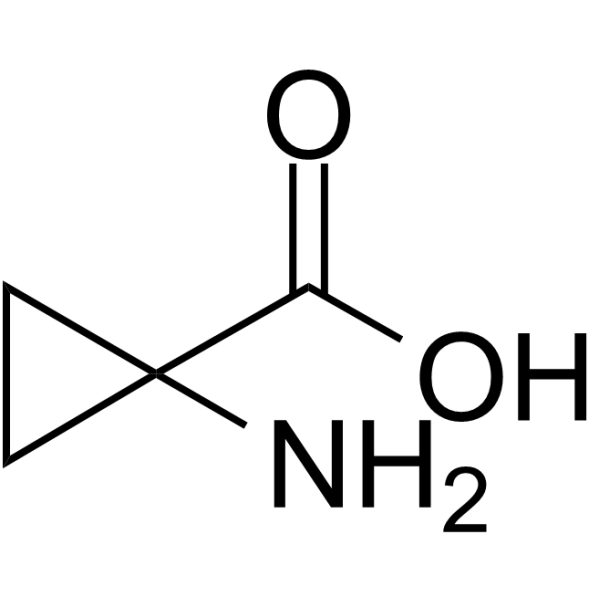
1-Aminocyclopropane-1-carboxylic acid is an endogenous metabolite. In the presence of low concentrations (1 μM) of glutamate, 1-Aminocyclopropane-1-carboxylic acid acts as a small molecule agonist of NMDA receptors with an EC50 of 0.7-0.9 μM. At high concentrations (10 μM) of glutamate, 1-Aminocyclopropane-1-carboxylic acid acts as a competitive antagonist of NMDA receptors with an EC50 of 81.6 nM. 1-Aminocyclopropane-1-carboxylic acid exerts neuroprotective activity by moderately activating NMDA receptors to prevent neuronal cell death in ischemic animal models. Additionally, 1-Aminocyclopropane-1-carboxylic acid is an antagonist of NMDA receptors, inducing blood pressure reduction and antioxidant effects in stroke-prone hypertensive rats. 1-Aminocyclopropane-1-carboxylic acid enhances object recognition memory and cognitive flexibility dependent on the prefrontal cortex, but does not affect impulsivity nor exhibit an antipsychotic-like profile. 1-Aminocyclopropane-1-carboxylic acid shows promise for research in the field of neurotoxicity. .
loading...
    loading...
Cat. No.: HY-W021016
CAS No.: 824395-67-7
Synonyms: (S,S)-Ph-BPE
Research Areas:  

Others

(+)-1,2-Bis ((2S,5S)-2,5-diphenylphospholano)ethane ((S,S)-Ph-BPE) is a chiral bisphosphine ligand and catalyst. (+)-1,2-Bis ((2S,5S)-2,5-diphenylphospholano)ethane acts as a chiral ligand in rhodium-catalyzed reductive hydroformylation of alkenyl boronic esters, enabling enantiodivergent synthesis of chiral γ-boryl alcohols. (+)-1,2-Bis ((2S,5S)-2,5-diphenylphospholano)ethane forms chiral nickel-phosphine complexes to mediate asymmetric hydrogenation of aliphatic γ- and δ-keto acids; protons promote substrate C=O bond activation and stereoselectivity control via hydrogen bonding. (+)-1,2-Bis ((2S,5S)-2,5-diphenylphospholano)ethane forms a monodentate nickel complex, which serves as the active species for asymmetric hydrogenation of aliphatic keto acids .
loading...
    loading...
Cat. No.: HY-114557R
CAS No.: 1041-01-6
Synonyms: 3,5-Diiodo-L-thyronine (Standard)
NSC 90469 (Standard) is the analytical standard of NSC 90469. This product is intended for research and analytical applications. NSC 90469 (3,5-Diiodo-L-thyronine) is an orally active thyroid hormone derivative. NSC 90469 inhibits JNK phosphorylation and NF-κB acetylation, blocks SIRT1 protein expression, induces elevated PGC-1α levels, and stimulates COX activity. NSC 90469 enhances UCP1-mediated thermogenesis, increases hepatic Dio1 activity, inhibits TSH levels and hypothalamic-pituitary-thyroid axis function, enhances lipid metabolism, and regulates energy metabolism via the mitochondrial pathway. NSC 90469 prevents blood glucose reduction, reduces urinary albumin excretion, inhibits renal matrix expansion, decreases TGF-β1 expression, and reduces renal fibronectin and type Ⅳ collagen deposition. NSC 90469 also increases energy expenditure and prevents diet-induced overweight. NSC 90469 can be used in studies related to diabetic nephropathy, hypothyroidism, non-alcoholic fatty liver disease, and diet-induced obesity .
loading...
    loading...
Cat. No.: HY-13443S
Synonyms: Exenatide (Leu-13C6,15N) TFA
Exendin-4 (Leu- 13C6, 15N) TFA (Exenatide (Leu- 13C6, 15N) TFA) is the 13C, 15N-labeled Exendin-4 (HY-13443). Exendin‑4 (Exenatide) is an orally active, blood-brain barrier-permeable glucagon-like peptide-1 receptor (GLP‑1 receptor) agonist that resists degradation mediated by dipeptidyl peptidase IV. Exendin‑4 mediates multiple glucose-regulating effects, including stimulation of glucose-dependent insulin secretion, inhibition of glucagon production, increase in β-cell mass, delay of gastric emptying, reduction of food intake, improvement of peripheral insulin sensitivity, and restoration of normal islet structure. Exendin‑4 inhibits oxidative stress, alleviates inflammatory responses, and reduces neuronal apoptosis. Exendin‑4 reduces the aggregation level of mutant huntingtin, improves motor function, prolongs survival time, and regulates the expression levels of leptin and ghrelin. Exendin‑4 can be used in research related to type 2 diabetes, acute ischemic stroke, and Huntington's disease .
loading...
    loading...
Cat. No.: HY-101480
CAS No.: 6443-50-1
Target:  

5-HT Receptor

Research Areas:  

Neurological Disease

Xylamidine is a peripheral 5-HT receptor antagonist used to investigate possible peripheral appetite suppressant effects of 5-hydroxytryptophan (5-HTP) and fenfluramine. In a 1-hour food intake test, xylamidine attenuated the decrease in food intake induced by 5-HT and 5-HTP, but had no effect on fenfluramine, suggesting that the appetite suppressant effect of 5-HTP is mediated in part through peripheral 5-HT receptors. Microstructural analysis revealed that 5-HTP and fenfluramine induced a decrease in food intake rate and a reduction in feeding batch size. Xylamidine reversed the effects of 5-HTP on food intake rate and induced a slight increase in feeding batch size itself, thus, the peripheral effect of 5-HTP appears to be to slow food intake rate. No effect of xylamidine on fenfluramine-induced changes in feeding was observed. The results suggest that the appetite suppressant effects of 5-HTP and fenfluramine are differentiated based on the peripheral effects of 5-HTP. The peripheral effects of 5-HTP are distinct from the previously reported 5-HT-induced decreases in feeding batch size and duration. Possible mechanisms underlying the differences in peripheral effects of 5-HT and 5-HTP are discussed.
loading...
    loading...
Cat. No.: HY-30004R
CAS No.: 22059-21-8
1-Aminocyclopropane-1-carboxylic acid (Standard) is the analytical standard of 1-Aminocyclopropane-1-carboxylic acid. This product is intended for research and analytical applications. 1-Aminocyclopropane-1-carboxylic acid is an endogenous metabolite. In the presence of low concentrations (1 μM) of glutamate, 1-Aminocyclopropane-1-carboxylic acid acts as a small molecule agonist of NMDA receptors with an EC50 of 0.7-0.9 μM. At high concentrations (10 μM) of glutamate, 1-Aminocyclopropane-1-carboxylic acid acts as a competitive antagonist of NMDA receptors with an EC50 of 81.6 nM. 1-Aminocyclopropane-1-carboxylic acid exerts neuroprotective activity by moderately activating NMDA receptors to prevent neuronal cell death in ischemic animal models. Additionally, 1-Aminocyclopropane-1-carboxylic acid is an antagonist of NMDA receptors, inducing blood pressure reduction and antioxidant effects in stroke-prone hypertensive rats. 1-Aminocyclopropane-1-carboxylic acid enhances object recognition memory and cognitive flexibility dependent on the prefrontal cortex, but does not affect impulsivity nor exhibit an antipsychotic-like profile. 1-Aminocyclopropane-1-carboxylic acid shows promise for research in the field of neurotoxicity. .
loading...
    loading...
Cat. No.: HY-L064
1,827 compounds

Glutamine is an important metabolic fuel that helps rapidly proliferating cells meet the increased demand for ATP, biosynthetic precursors, and reducing agents. Glutamine Metabolism pathway involves the initial deamination of glutamine by glutaminase(GLS), yielding glutamate and ammonia. Glutamate is converted to the TCA cycle intermediate α-ketoglutarate (α-KG) by either glutamate dehydrogenase (GDH) or by the alanine or aspartate transaminases (TAs), to produce both ATP and anabolic carbons for the synthesis of amino acids, nucleotides and lipids. During periods of hypoxia or mitochondrial dysfunction, α-KG can be converted to citrate in a reductive carboxylation reaction catalyzed by IDH2. The newly formed citrate exits the mitochondria where it is used to synthesize fatty acids and amino acids and produce the reducing agent, NADPH.

Cancer cells display an altered metabolic circuitry that is directly regulated by oncogenic mutations and loss of tumor suppressors. Mounting evidence indicates that altered glutamine metabolism in cancer cells has critical roles in supporting macromolecule biosynthesis, regulating signaling pathways, and maintaining redox homeostasis, all of which contribute to cancer cell proliferation and survival. Thus, intervention in glutamine metabolic processes could provide novel approaches to improve cancer treatment.

MCE owns a unique collection of 1,827 compounds targeting the mainly proteins and enzymes involved in glutamine metabolism pathway. Glutamine Metabolism compound library is a useful tool for intervention in glutamine metabolic processes.

