735 Results for "

blocking agents

" in MedChemExpress (MCE) Product Catalog:
Products (735)

735 Results for "blocking agents" in MCE Product Catalog:

Cat. No.: HY-10122S
CAS No.: 1426173-86-5
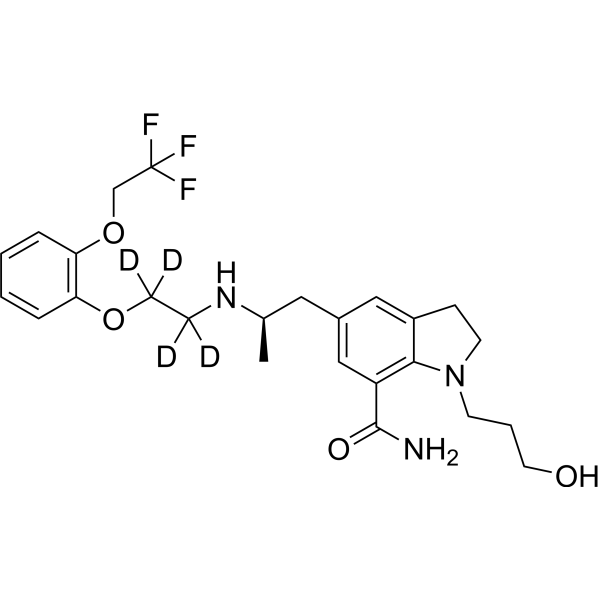
Silodosin-d4 is the deuterium labeled Silodosin. Silodosin (KAD 3213) is a potent, selective and orally active α1A-adrenergic receptor (α1A-AR) blocker. Silodosin exhibits high affinity for α1A-AR (Ki=0.036 nM), over 162-fold and 50-fold than for α1B-AR and α1D-AR with Ki values of 21 nM and 2.0 nM, respectively. Silodosin is an effective and well-tolerated agent, it can be used for the investigation of LUTS/BPH .
loading...
    loading...
Cat. No.: HY-119649R
CAS No.: 158062-67-0
Synonyms: IKI220 (Standard)
Flonicamid (Standard) (IKI220 (Standard)) is the analytical standard of Flonicamid (HY-119649). This product is intended for research and analytical applications. Flonicamid (IKI220) is an antifeedant Insecticide active against Hemiptera, Thysanoptera, and piercing-sucking pests including aphids of all species, developmental stages and morphs. Flonicamid inhibits the inward rectifier potassium channel NlKir1, blocking stylet penetration, salivation, sap feeding, honeydew secretion, and fluid secretion by isolated Malpighian tubules. Flonicamid reduces renal excretory function in female Culex pipiens pallens. Flonicamid rapidly disrupts insect feeding behavior without neurotoxic poisoning symptoms, induces irreversible starvation, and increases the mortality of nymph progeny of adult aphids exposed to this agent .
loading...
    loading...
Cat. No.: HY-121235S1
Synonyms: SCH-10304-13C,d3
Clonixin- 13C,d3 (SCH-10304- 13C,d3) is the deuterium and 13C-labeled Clonixin (HY-121235). Clonixin is an orally active non-steroidal anti-inflammatory agent (NSAID) that inhibits COX synthesis. Clonixin acts as a voltage-gated L-type calcium channel blocker, exerts vasodilatory effects by antagonizing Ca 2+ in vascular smooth muscle. Clonixin inhibits TGF-β, reduces lung coefficient, immune cell infiltration level, oxidative stress response, airway resistance, hydroxyproline content and collagen deposition. Clonixin can be used in research related to inflammation such as idiopathic pulmonary fibrosis and moderate to severe pain.
loading...
    loading...
Cat. No.: HY-131943
CAS No.: 2361327-08-2
Purity:  99.36%
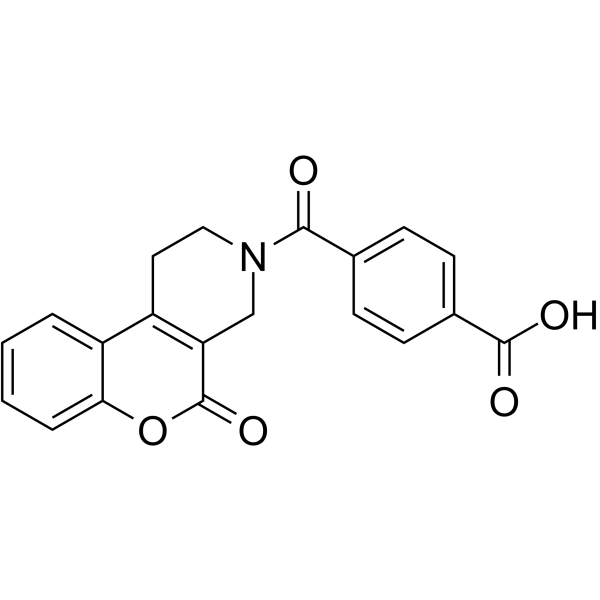
DS44960156 is a selective MTHFD2 inhibitor with moderate to low blood-brain barrier penetration (IC50=1.6 μM, Ki=1.23 μM). DS44960156 specifically binds to the active site of MTHFD2, disrupts redox homeostasis and blocks serine-mediated one-carbon metabolism, thereby increasing the NAD +/NADH ratio and ROS levels. DS44960156 not only effectively inhibits the proliferation of glioma cells, but also enhances the sensitivity of cells to glutamine starvation-induced death. DS44960156 binds to plasma proteins, shows no mutagenicity, carcinogenicity or acute oral toxicity, and serves as a research agent for glioblastoma multiforme and other cancers .
loading...
    loading...
Cat. No.: HY-17417AR
CAS No.: 465-65-6
Naloxone Standard is the analytical standard of Naloxone (HY-17417A). This product is intended for research and analytical applications. Naloxone is an opioid receptor antagonist. Naloxone attenuates spinal cord stimulation‑associated anti‑hyperalgesic effects, antagonizes physiologic effects of endogenous opioid peptides linked to central nervous system injury sequelae, functions as a pressor agent to induce modest elevations in mean arterial blood pressure, exerts neuroprotective effects to improve post‑traumatic neurologic motor function, blocks opioid receptor‑mediated amnesic pathways, enhances memory consolidation, reverses Adrenocorticotropic hormone (ACTH) (HY-106373)‑ and epinephrine‑induced amnesia, and potentiates the memory‑facilitatory effects of ACTH and epinephrine .
loading...
    loading...
Cat. No.: HY-17417AS
CAS No.: 1261079-38-2
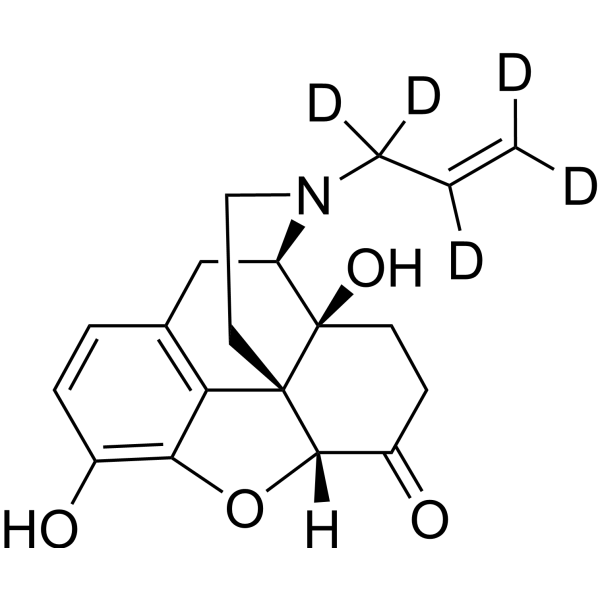
Naloxone-d5 is the deuterated-labeled Naloxone (HY-17417A). Naloxone is an orally active opioid receptor antagonist. Naloxone attenuates spinal cord stimulation‑associated anti‑hyperalgesic effects, antagonizes physiologic effects of endogenous opioid peptides linked to central nervous system injury sequelae, functions as a pressor agent to induce modest elevations in mean arterial blood pressure, exerts neuroprotective effects to improve post‑traumatic neurologic motor function, blocks opioid receptor‑mediated amnesic pathways, enhances memory consolidation, reverses Adrenocorticotropic hormone (ACTH) (HY-106373)‑ and epinephrine‑induced amnesia, and potentiates the memory‑facilitatory effects of ACTH and epinephrine .
loading...
    loading...
Cat. No.: HY-A0236AR
CAS No.: 33237-74-0
Aprindine hydrochloride (Standard) is the analytical reference standard of Aprindine hydrochloride (HY-A0236A). This product is used for research and analytical applications. Aprindine hydrochloride is an Ib-class anti-arrhythmic agent. Aprindine hydrochloride mainly exerts its effect by blocking sodium channels (INa), thereby reducing the excitability and conduction velocity of cardiac muscle cells. Aprindine hydrochloride significantly inhibits delayed potassium currents, which helps to prolong the atrial effective refractory period (AERP) and inhibit the occurrence of atrial fibrillation. Aprindine hydrochloride can also regulate intracellular calcium ion concentration by inhibiting Na +/Ca 2+ exchange current (INCX), thereby further stabilizing cardiac electrical activity. Aprindine hydrochloride can be used for the study of atrial fibrillation (AF) and ventricular arrhythmias.
loading...
    loading...
Cat. No.: HY-B1194R
CAS No.: 5086-74-8
Synonyms: (±)-Tetramisole hydrochloride (Standard); DL-Tetramisole hydrochloride (Standard); R-829 (Standard)
Tetramisole hydrochloride (Standard) is the analytical standard of Tetramisole (hydrochloride). This product is intended for research and analytical applications. Tetramisole hydrochloride is an orally active, selective inward rectifier potassium channel agonist with an EC50 of approximately 30 μM for the Kir2.1 subunit. Tetramisole hydrochloride is also an anti-nematode agent that blocks neuromuscular transmission by non-competitive depolarization. Tetramisole hydrochloride promotes the forward transport of Kir2.1 channels, hyperpolarizes the resting potential (RP), shortens the action potential duration (APD), inhibits intracellular calcium overload and the PKA signaling pathway, and exerts anti-arrhythmic and anti-myocardial remodeling activities. Tetramisole hydrochloride can be used in cardiac electrophysiology research and research related to myocardial ischemia and heart failure .
loading...
    loading...
Cat. No.: HY-N11080
CAS No.: 55903-92-9
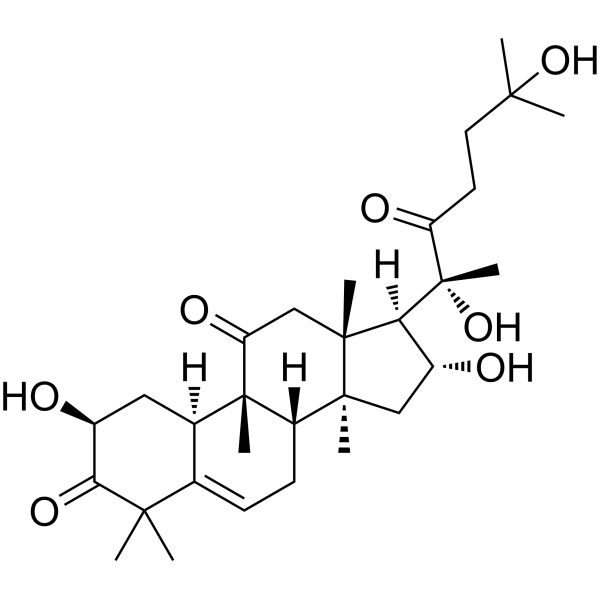
Cucurbitacin R is an orally active anti-inflammatory agent. Cucurbitacin R is isolated from the roots of Cayaponia tayuya. Cucurbitacin R inhibits Cyclooxygenase-2. Cucurbitacin R inhibits Interleukin-6-induced STAT3 activation and cytokine production, blocks NF-κB activation, and selectively prevents NFAT nuclear translocation without affecting Calcineurin activity. Cucurbitacin R inhibits TNF-α production and Nitric-oxide synthase-2 expression. Cucurbitacin R reduces joint damage, soft tissue swelling, paw edema, ear edema, inflammatory cell infiltration, and epithelial thickness. Cucurbitacin R can be used for research on arthritis and delayed-type hypersensitivity .
loading...
    loading...
Cat. No.: HY-P991543
CAS No.: 339181-10-1
Target:  

CD2

Research Areas:  

Inflammation/Immunology Cancer

BTI-322 is a human IgG1κ antibody directed against the CD2 antigen on T cells and NK cells. BTI-322 can block primary and memory alloantigen proliferative responses in vitro. BTI-322 recognizes over 90% of E-rosette-forming peripheral blood lymphocytes and T-cell leukemias. BTI-322 has immunosuppressive activity. BTI-322 effectively inhibits T cell responses in vitro to allogeneic cells. BTI-322 can be used as a T-cell deplting agent. BTI-322 can be studied in research for renal allograft rejection and steroid-refractory acute graft-versus-host disease .
loading...
    loading...
Cat. No.: HY-W016937
CAS No.: 3731-59-7
Synonyms: ABOB
Moroxydine (ABOB) is a broad-spectrum agent with multi-antiviral activities against DNA and RNA viruses, including influenza virus, herpes simplex, varicella zoster, measles, mumps disease, hepatitis C virus, etc. Moroxydine exhibits excellent antiviral activity and shows low cytotoxicity to cells infected by dsRNA viruses (grass carp reovirus, GCRV) and large DNA viruses (giant salamander iridovirus, GSIV). Moroxydine blocks the GCRV-induced cytopathic effects and eliminates nucleocapsids in ctenopharyngodon idella kidney (CIK) cells to keep the normal morphological structure. Moroxydine significantly inhibits the apoptosis, the caspase 3 activity, Bax expression and down-regulates Bcl-2 levels [1][2][3].
loading...
    loading...
Cat. No.: HY-W031757
CAS No.: 117-78-2
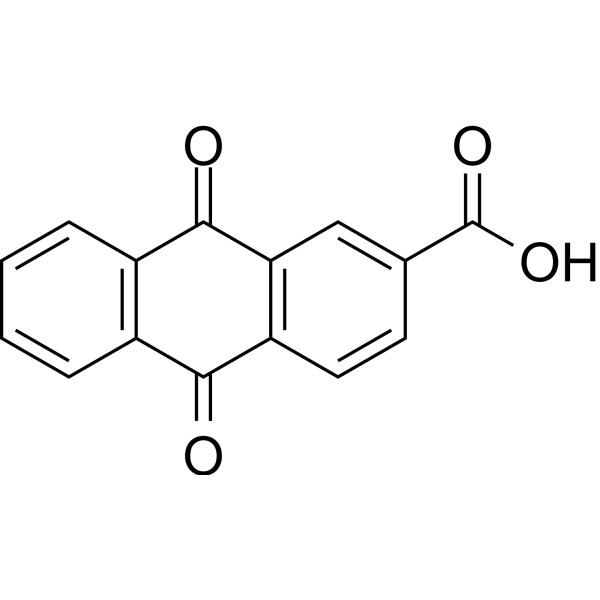
Anthraquinone-2-carboxylic acid is an orally active anthraquinone compound and Antibacterial agent. Anthraquinone-2-carboxylic acid can be isolated from Bajitian. Anthraquinone-2-carboxylic acid inhibits the activation of DPP-IV, COX-2, NF-κB and AP-1. Anthraquinone-2-carboxylic acid blocks IAV-induced activation of the RIG-I/STAT1 pathway, alleviates IAV-mediated weight loss, and protects against lethal IAV infection. Anthraquinone-2-carboxylic acid inhibits the growth of various Staphylococcus strains. It possesses potent anti-inflammatory, immunomodulatory, analgesic and antibacterial activities .\n


loading...
    loading...
Cat. No.: HY-W127776
CAS No.: 176736-49-5
Synonyms: Ethylenediaminetetraacetic acid zinc disodium tetrahydrate
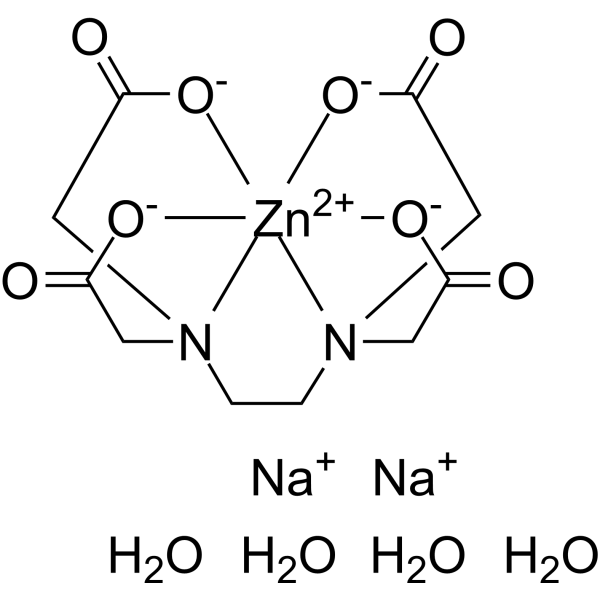
Zn(II)-EDTA (Ethylenediaminetetraacetic acid zinc) disodium tetrahydrate is a coordinating agent. Zn(II)-EDTA disodium tetrahydrate coordinates with Zn 2+ to modify its solvated structure, provides pre-synthesized EDTA-Zn complexes that release Zn 2+ to repair zinc anode defects under interfacial electric field, adsorbs onto zinc anode surface to block oxygen and water molecules, inhibits corrosion and hydrogen evolution reactions, promotes uniform Zn 2+ deposition, suppresses zinc dendrite formation, and modulates the hydrogen bonding network within the electrolyte. Zn(II)-EDTA disodium tetrahydrate acts as an electrolyte additive to enhance reversibility and stability of zinc anodes in aqueous zinc-ion batteries .
loading...
    loading...
Cat. No.: HY-L105S
867 compounds

Peptides, composed of amino acids, serve as crucial building blocks for proteins and have gained significant attention in drug development over the past decade. The advancements in production, modification, and analytical technologies have led to a surge in the potential applications of peptides in medicine. Peptides offer a number of advantages over small molecule drugs, including: greater target specificity and efficacy, more predictable metabolic profiles, easier delivery to where they are needed in the body, and fewer side effects. Peptides are increasingly appearing in all branches of medicine as components of innovative drugs, imaging agents, diagnostic agents, and other complex drugs such as peptide-drug conjugates. To date, more than 80 peptide drugs have been approved to treat a variety of diseases, including microbial infections, obesity, anti-diabetes, and cancer, as well as to develop cell targeting platforms and improve cell penetration properties.

MCE designs a unique collection of 867 peptide compounds. HY-L105S is a peptide compound library that can be provided with solution form based on HY-L105, and can be applied to peptides-based drug development.

Cat. No.: HY-100543R
CAS No.: 72795-26-7
Synonyms: ICI-118551 (Standard)
Zenidolol (ICI-118551) (Standard) is the analytical standard of Zenidolol (HY-100543). This product is intended for research and analytical applications. Zenidolol is a selective β2-adrenergic receptor antagonist with Ki values of Zenidolol for β2, β1 and β3 adrenergic receptors of 0.7, 49.5 and 611 nM, respectively. Zenidolol exerts antitumor effects via inducing apoptosis, inhibiting tumor sphere formation, and downregulating the HIF pathway by blocking β2-AR on tumor cells. Zenidolol exhibits a unique pulmonary vessel-specific vasodilatory effect in mouse models. Zenidolol can be used as an intraocular pressure-lowering agent in ophthalmic disease research.
loading...
    loading...
Cat. No.: HY-10122R
CAS No.: 160970-54-7
Synonyms: KAD 3213 (Standard); KMD 3213 (Standard)
Silodosin (Standard) is the analytical standard of Silodosin. This product is intended for research and analytical applications. Silodosin (KAD 3213; KMD 3213) is a potent, selective and orally active α1A-adrenergic receptor (α1A-AR) blocker. Silodosin exhibits high affinity for α1A-AR (Ki=0.036 nM), over 162-fold and 50-fold than for α1B-AR and α1D-AR with Ki values of 21 nM and 2.0 nM, respectively. Silodosin is an effective and well-tolerated agent, it can be used for the investigation of LUTS/BPH .
loading...
    loading...
Cat. No.: HY-119649S
CAS No.: 2483830-60-8
Purity:  ≥98.0%
Synonyms: IKI220-15N18O
Flonicamid- 15N, 18O (IKI220- 15N, 18O) is the 18O , 15N-labeled Flonicamid (HY-119649). Flonicamid (IKI220) is an antifeedant Insecticide active against Hemiptera, Thysanoptera, and piercing-sucking pests including aphids of all species, developmental stages and morphs. Flonicamid inhibits the inward rectifier potassium channel NlKir1, blocking stylet penetration, salivation, sap feeding, honeydew secretion, and fluid secretion by isolated Malpighian tubules. Flonicamid reduces renal excretory function in female Culex pipiens pallens. Flonicamid rapidly disrupts insect feeding behavior without neurotoxic poisoning symptoms, induces irreversible starvation, and increases the mortality of nymph progeny of adult aphids exposed to this agent .
loading...
    loading...
Cat. No.: HY-126929
CAS No.: 81534-36-3
Synonyms: TXN-B
Trioxacarcin B (TXN-B) is a potent cytotoxic agent and DNA-targeted inhibitor. Trioxacarcin B disrupts DNA function and induces apoptosis in cancer cells. Trioxacarcin B not only effectively inhibits the growth of various Gram-positive and Gram-negative bacteria as well as Plasmodium falciparum, but also blocks the colony formation of cancer stem cells, significantly reduces tumor volume and prolongs survival in preclinical in vivo models. The activity of Trioxacarcin B is highly dependent on its intact spiro-epoxide structure; it loses efficacy once this moiety undergoes hydrolysis, and Trioxacarcin B shows no activity against fungi, microalgae and small RNA viruses. Trioxacarcin B can be used for research on bacterial infections, malaria, and various cancers including colon cancer and melanoma .
loading...
    loading...
Cat. No.: HY-135146R
CAS No.: 2170136-65-7
Synonyms: (R)-GSK3482364 (Standard)
Research Areas:  

Cancer

GSK-3484862 (Standard) is the analytical standard of GSK-3484862 (HY-135146). This product is intended for research and analytical applications. GSK-3484862 is a highly potent non-covalent inhibitor and demethylating agent of DNMT1. GSK-3484862 induces genome-wide DNA demethylation, including the regulatory elements of DNMT3B and the promoter region of TERT, and significantly inhibits cell viability, growth, proliferation and self-renewal. GSK-3484862 blocks the transformation of young AT2 cells, induces apoptosis, and generates transcriptomic features similar to those of senescent cells. GSK-3484862 is widely used in studies related to lung cancer, oral squamous cell carcinoma and lung adenocarcinoma .
loading...
    loading...
Cat. No.: HY-13568R
CAS No.: 51234-28-7
Synonyms: LRCL 3794 (Standard)
Benoxaprofen (Standard) is the analytical standard of Benoxaprofen. This product is intended for research and analytical applications. Benoxaprofen (LRCL 3794) is a nonsteroidal anti-inflammatory agent that blocks the biosynthesis of inflammatory mediators such as leukotrienes and prostaglandins by inhibiting 5-LOX, PGH2 synthase and cytochrome P-450. Benoxaprofen exhibits significant toxicity: it not only alters cellular redox status, uncouples oxidative phosphorylation and disrupts calcium ion homeostasis, but also causes liver injury through the formation of covalent adducts between its active metabolites and hepatic proteins. Benoxaprofen shows strong phototoxicity under ultraviolet irradiation, and induces erythrocyte lysis, mast cell degranulation and histamine release. Benoxaprofen is widely used in studies of urticaria and related phototoxic mechanisms .
loading...
    loading...

