1794 Results for "

Cell labeling

" in MedChemExpress (MCE) Product Catalog:
Products (1794)

1794 Results for "Cell labeling" in MCE Product Catalog:

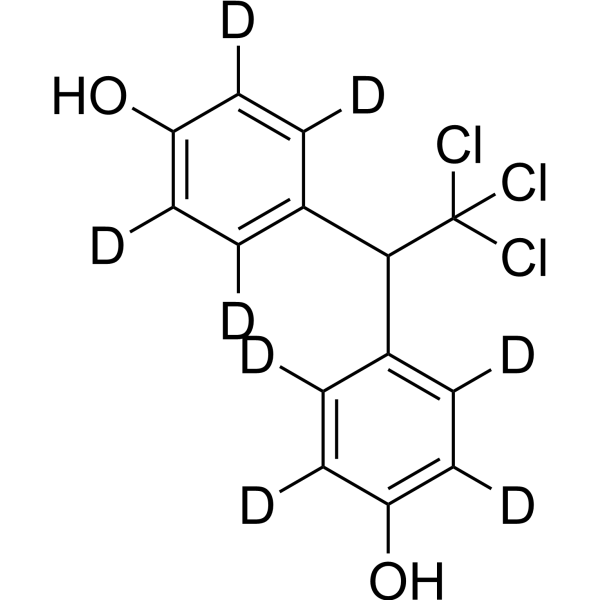
Cat. No.: HY-141764S
CAS No.: 1794780-53-2
2,2-Bis(p-hydroxyphenyl)-1,1,1-trichloroethane-d8 is the deuterated-labeled HPTE (HY-W490804). HPTE is the active in vivo metabolite of Methoxychlor (HY-B1873), and acts as an inhibitor of 3β‑HSD and 17β‑HSD3. HPTE binds to the substrate-binding pocket of 3β‑HSD in a non-competitive manner, but competitively occupies the coenzyme NAD +-binding site, thereby inhibiting the conversion of pregnenolone to progesterone. HPTE binds to the androstenedione-binding pocket (the substrate pocket) of 17β‑HSD3 in a non-competitive manner, and competitively occupies the coenzyme NADPH-binding site, thus blocking the conversion of androstenedione to testosterone. HPTE interferes with androgen biosynthesis in Leydig cells by inhibiting the activities of these two key steroidogenic enzymes. HPTE can be used in studies related to androgen biosynthesis .
loading...
    loading...
Cat. No.: HY-184620
Ferric oxide (Fe3O4) is widely used in magnetic resonance imaging (MRI), magnetic separation, targeted drug delivery, tumor hyperthermia, cell labeling and separation, and as a contrast agent and enhancement agent in retinal detachment repair surgery due to its stable material properties, good biocompatibility, high strength, and lack of toxic side effects. It is also used as a catalyst carrier, microwave absorbing material, and magnetic recording material. Xianfeng has developed numerous derivatives of ferric oxide, including oleic acid-modified ferric oxide, PEG-terminated ferric oxide, DMSA-modified ferric oxide, polylysine-modified ferric oxide, carboxylated dextran-modified ferric oxide nanoparticles, streptavidin-modified ferric oxide particles, thiol-modified ferric oxide magnetic nanoparticles, and polyethyleneimine (PEI)-modified magnetic ferric oxide nanoparticles, among others. This wide range of modifications provides numerous options for subsequent experiments.
loading...
    loading...
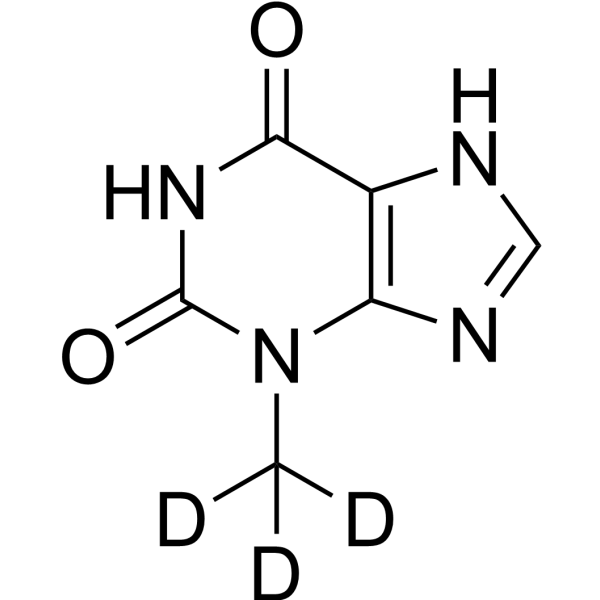
Cat. No.: HY-50723S1
3-Methylxanthine-d3 is deuterated labeled 3-Methylxanthine (HY-50723). 3-Methylxanthine is a blood-brain barrier-permeable cyclic GMP phosphodiesterase inhibitor, with an IC50 of 920 μM against guinea pig cyclic GMP phosphodiesterase. 3-Methylxanthine relaxes the spontaneous tension of isolated guinea pig tracheal smooth muscle preparations. Through a DRD1-dependent pathway, 3-Methylxanthine upregulates the expression of γH2AX and activated caspase-3, downregulates the expression of Bcl-2, and enhances Cisplatin-induced apoptosis (apoptosis) in ovarian cancer cells both in vitro and in vivo. 3-Methylxanthine induces clonic convulsions in the central nervous system. 3-Methylxanthine is the major metabolite of Theophylline (HY-B0809). 3-Methylxanthine can be used in studies related to ovarian cancer and neurotoxic convulsions .
loading...
    loading...
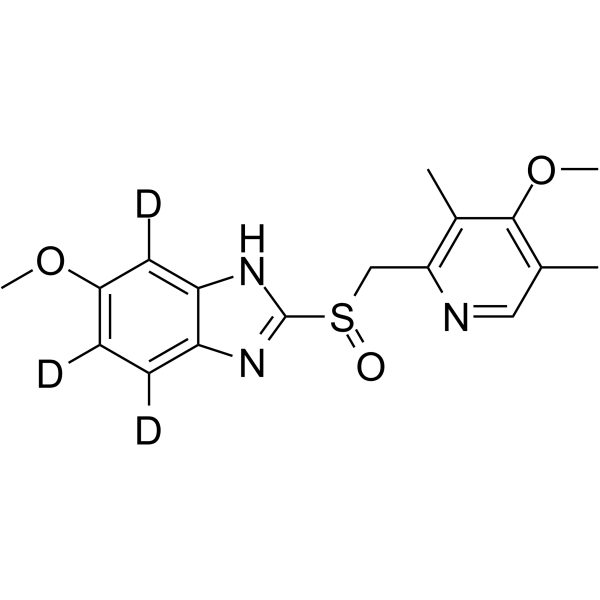
Cat. No.: HY-B0113S1
CAS No.: 934293-92-2
Synonyms: H 16868-d3-1
Omeprazole-d3-1 is the deuterium labeled Omeprazole. Omeprazole-1 (H 16868) is an orally active H +,K +-ATPase inhibitor and a proton pump inhibitor. Omeprazole-1 competitively inhibits CYP2C19, CYP3A4, and CYP2C9 activity. Omeprazole-1 inhibits gastric acid secretion and can be used for acid-related gastrointestinal disorders. Omeprazole-1 inhibits pancreatic cancer cell proliferation, induces apoptosis, autophagosome accumulation (elevated LC3-I and LC3-II levels), oxidative stress, and cytogenetic imbalance, modulates lysosomal transport, reduces inflammatory cytokines. Omeprazole-1 alters small intestinal morphology and magnesium absorption, and induces gastric mucosa morphologic changes. Omeprazole-1 also has neuroprotective and antibacterial effects .
loading...
    loading...
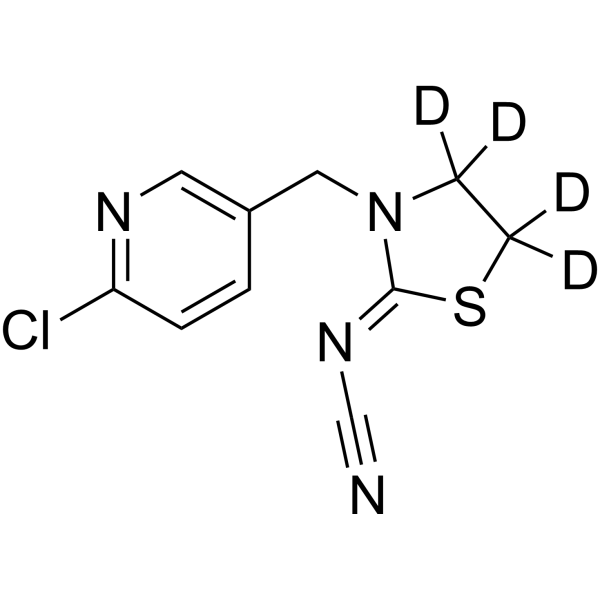
Cat. No.: HY-B1953S
CAS No.: 1793071-39-2
Thiacloprid-d4 is the deuterium labeled Thiacloprid. Thiacloprid is an orally active neurotoxic insecticide and also a nAChR agonist. Thiacloprid reduces the viability of healthy cells, depletes reduced glutathione, and increases MDA levels, thereby inducing cytotoxicity and oxidative stress damage. In practical applications, Thiacloprid has lower acute toxicity to honeybees than other compounds of the same class such as Imidacloprid (HY-B0838), but it still significantly impairs the learning and memory function, immune capacity and survival status of honeybees. Thiacloprid induces intestinal microbial dysbiosis and reduces survival rate in middle-aged honeybees, increases the risk of premature collapse in bumblebee colonies, and significantly decreases the final colony weight and reproductive output. Thiacloprid is used in broad-spectrum agricultural pest control, often alone or in combination with Deltamethrin (HY-B1971), and meets the pest management needs of various crops including potatoes, cabbages, various fruits and vegetables, and nuts .
loading...
    loading...
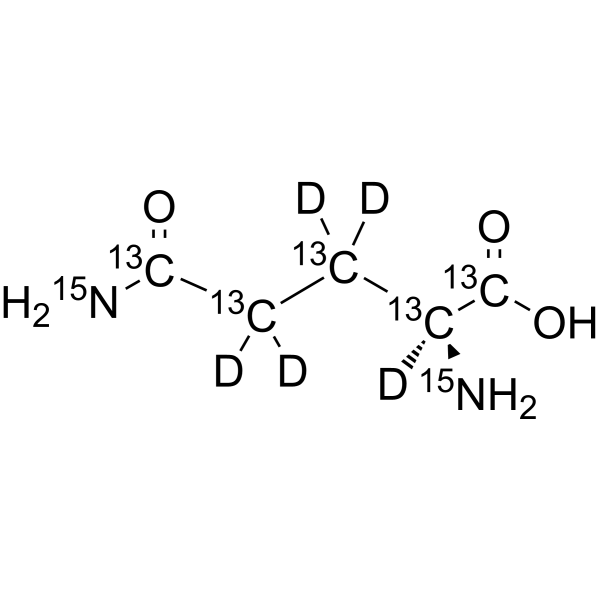
Cat. No.: HY-N0390S3
CAS No.: 2123439-02-9
Synonyms: L-Glutamic acid 5-amide-13C5,15N2,d5
L-Glutamine- 13C5, 15N2,d5 is the deuterium, 13C-, and 15N-labeled L-Glutamine (HY-N0390). L-Glutamine is an orally active nutritional agent and cellular metabolism regulator. L-Glutamine is taken up in a Na +-dependent manner and targets multiple key molecules including glutaminase, mTORC1, NF-κB, STAT-3 and HIF-1α. L-Glutamine enhances glutaminolytic catabolism, drives the conversion of glutamate to α-ketoglutarate, thereby regulating gene expression, integrating metabolic signals, mediating glutamine flux and maintaining redox homeostasis. L-Glutamine also promotes cell proliferation, osteogenic differentiation and fracture healing, exerts neuroprotective and cardioprotective effects, and inhibits osteoarthritis. L-Glutamine can be applied to research related to osteoporosis, osteoarthritis, ischemic stroke and acute cantharidin-induced cardiotoxicity .
loading...
    loading...
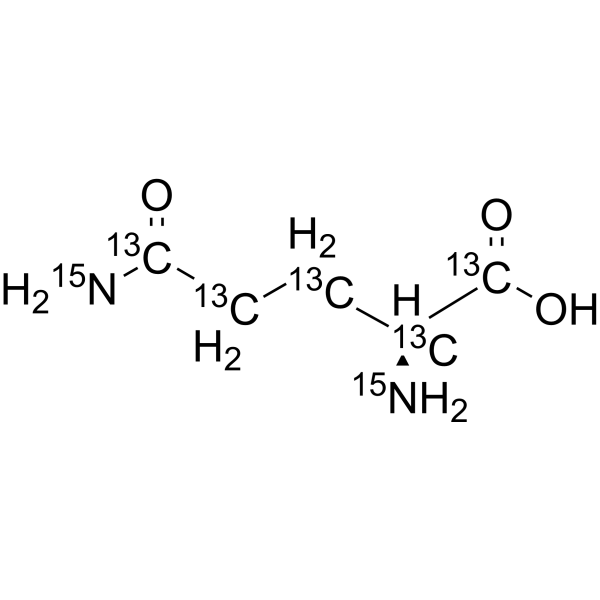
Cat. No.: HY-N0390S6
CAS No.: 285978-14-5
Synonyms: L-Glutamic acid 5-amide-13C5,15N2
L-Glutamine- 13C5, 15N2 is the 13C- and 15N-labeled L-Glutamine (HY-N0390). L-Glutamine is an orally active nutritional agent and cellular metabolism regulator. L-Glutamine is taken up in a Na +-dependent manner and targets multiple key molecules including glutaminase, mTORC1, NF-κB, STAT-3 and HIF-1α. L-Glutamine enhances glutaminolytic catabolism, drives the conversion of glutamate to α-ketoglutarate, thereby regulating gene expression, integrating metabolic signals, mediating glutamine flux and maintaining redox homeostasis. L-Glutamine also promotes cell proliferation, osteogenic differentiation and fracture healing, exerts neuroprotective and cardioprotective effects, and inhibits osteoarthritis. L-Glutamine can be applied to research related to osteoporosis, osteoarthritis, ischemic stroke and acute cantharidin-induced cardiotoxicity .
loading...
    loading...
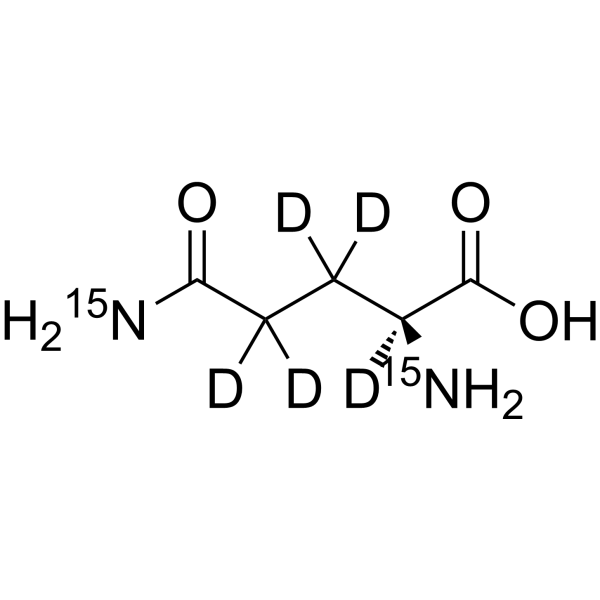
Cat. No.: HY-N0390S7
Synonyms: L-Glutamic acid 5-amide-15N2,d5
L-Glutamine- 15N2,d5 is the deuterium and 15N-labeled L-Glutamine (HY-N0390). L-Glutamine is an orally active nutritional agent and cellular metabolism regulator. L-Glutamine is taken up in a Na +-dependent manner and targets multiple key molecules including glutaminase, mTORC1, NF-κB, STAT-3 and HIF-1α. L-Glutamine enhances glutaminolytic catabolism, drives the conversion of glutamate to α-ketoglutarate, thereby regulating gene expression, integrating metabolic signals, mediating glutamine flux and maintaining redox homeostasis. L-Glutamine also promotes cell proliferation, osteogenic differentiation and fracture healing, exerts neuroprotective and cardioprotective effects, and inhibits osteoarthritis. L-Glutamine can be applied to research related to osteoporosis, osteoarthritis, ischemic stroke and acute cantharidin-induced cardiotoxicity .
loading...
    loading...
Cat. No.: HY-N7101S
Synonyms: U-76-d7,252-d7; CS-807-d7
Cefpodoxime proxetil-d7 (U-76-d7,252-d7; CS-807-d7) is the deuterium labeled Cefpodoxime Proxetil (HY-N7101). Cefpodoxime Proxetil is an orally active broad spectrum third-generation cephalosporin with potent antibacterial activity against both Gram-positive and Gram-negative bacteria including staphylococci, streptococci, Haemophilus influenzae, Neisseria gonorrhoeae, Escherichia coli, Klebsiella pnuemoniae, Citrobacter spp, and Proteus spp. Cefpodoxime Proxetil binds to penicillin binding proteins (PBPs), which inhibits peptidoglycan synthesis, finally results in interfering bacterial cell wall biosynthesis. Cefpodoxime Proxetil can be used against skin structure infections, acute otitis media, pharyngitis, tonsillitis, upper respiratory tract infection, urinary tract infections and sexually transmitted diseases .
loading...
    loading...
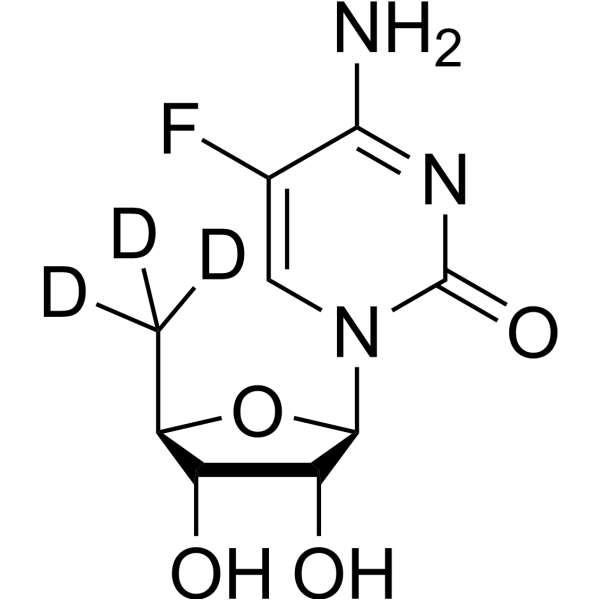
Cat. No.: HY-W009538S
Synonyms: 5-Fluoro-5'-deoxycytidine-d3
5'-Deoxy-5-fluorocytidine-d3 is deuterated labeled 5'-Deoxy-5-fluorocytidine (HY-W009538). 5'-Deoxy-5-fluorocytidine (5-Fluoro-5'-deoxycytidine) is a cytidine analog and metabolite of Capecitabine (HY-B0016). 5'-Deoxy-5-fluorocytidine is converted from Capecitabine by carboxylesterase in the liver. 5'-Deoxy-5-fluorocytidine is deaminated by cytidine deaminase to generate 5'-deoxy-5-fluorouridine, which is finally converted into 5-fluorouracil (HY-90006) by thymidine phosphorylase in tumor tissues to exert anti-tumor effects. 5'-Deoxy-5-fluorocytidine is used in the researches for solid tumors such as colorectal cancer, non-small cell lung cancer and breast cancer .
loading...
    loading...
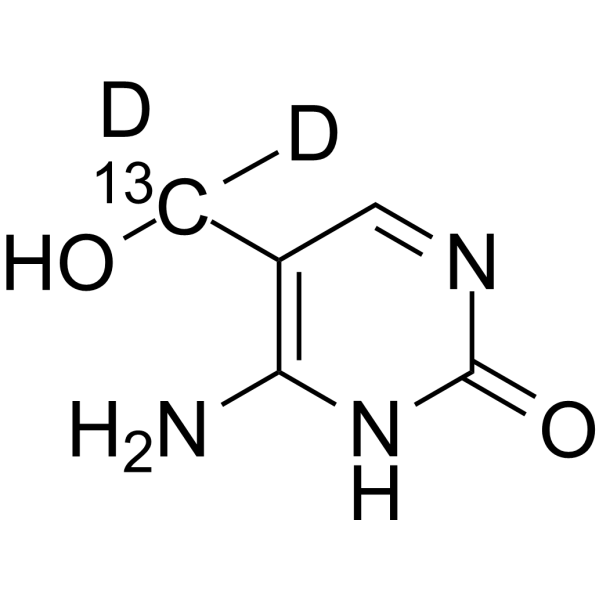
Cat. No.: HY-W018324S
Synonyms: 5hmC-13C,d2
5-Hydroxymethylcytosine- 13C,d2 is the 13C and deuterium labeled 5-Hydroxymethylcytosine (HY-W018324). 5-Hydroxymethylcytosine (5hmC) is an oxidized forms of 5-methylcytosine (5mC) in mammalian DNA. 5-Hydroxymethylcytosine is produced from 5mC in an enzymatic pathway involving three 5mC oxidases, Ten-eleven translocation (TET)1, TET2, and TET3. The conversion of 5mC into 5hmC can be the first step in a pathway leading towards DNA demethylation. 5-Hydroxymethylcytosine is associated with gene transcription and frequently used as a mark to investigate dynamic DNA methylation conversion during mammalian development. 5-Hydroxymethylcytosine can be used for the study of non-small cell lung cancer (NSCLC), neurodegenerative diseases (Alzheimer’s, Parkinson’s) and hematological malignancies (acute myeloid leukemia, myelodysplastic syndromes) .
loading...
    loading...
Cat. No.: HY-W777360
CAS No.: 1189461-56-0
Harman- 13C2, 15N is 13C and 15N labeled Harmane. Harmane is a benzodiazepine receptor inhibitor (IC50=7 μM), with IC50 values for mACh, Opioid Receptor, MAO-A/B, and α2-adrenergic receptor of 24 μM, 2.8 μM, 0.5 μM, 5 μM, and 18 μM, respectively. Harmane also inhibits haloperidol and serotonin, with IC50 values of 163 μM and 101 μM, respectively. Harmane inhibits the I1 imidazoline receptor (IC50=30 nM) to reduce blood pressure and has antidepressant, anti-anxiety, anticonvulsant, and analgesic effects. Harmane inhibits dopamine biosynthesis by decreasing tyrosine hydroxylase (TH) activity and enhancing L-DOPA-induced cytotoxicity in PC12 cells. Additionally, Harmane can increase the mutagenic effect induced by 2-acetylaminofluorene (AAF) .
loading...
    loading...
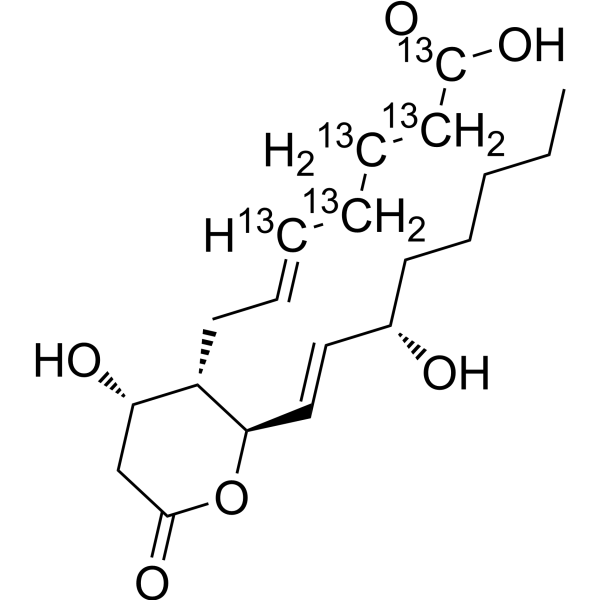
Cat. No.: HY-113420S2
11-Dehydro-thromboxane B2- 13C5 is the 13C-labeled 11-Dehydro-thromboxane B2 (HY-113420). 11-Dehydro-thromboxane B2 is a stable terminal metabolite of thromboxane A2 and an agonist of the CRTH2 receptor. 11-Dehydro-TXB2 activates human eosinophils, basophils, and CRTH2-transfected BaF/3 cells through a pertussis toxin-insensitive G protein-PLC pathway, inducing intracellular calcium mobilization, morphological changes, and chemotaxis, but does not affect platelet aggregation. 11-Dehydro-thromboxane B2 is involved in thrombosis and promotes eosinophil recruitment to the lungs in allergic inflammation, and its urinary levels are used to assess the inhibitory effect of Aspirin (HY-14654) on thromboxane production. 11-Dehydro-TXB2 serves as a biomarker for research related to asthma, atopic rhinitis, nephropathy, and coronary artery disease .
loading...
    loading...
Cat. No.: HY-W009538S1
Synonyms: 5-Fluoro-5'-deoxycytidine-13C5
5'-Deoxy-5-fluorocytidine-13C5 is the 13C labeled isotope of 5'-Deoxy-5-fluorocytidine (HY-W009538). 5'-Deoxy-5-fluorocytidine (5-Fluoro-5'-deoxycytidine) is a cytidine analog and metabolite of Capecitabine (HY-B0016). 5'-Deoxy-5-fluorocytidine is converted from Capecitabine by carboxylesterase in the liver. 5'-Deoxy-5-fluorocytidine is deaminated by cytidine deaminase to generate 5'-deoxy-5-fluorouridine, which is finally converted into 5-fluorouracil (HY-90006) by thymidine phosphorylase in tumor tissues to exert anti-tumor effects. 5'-Deoxy-5-fluorocytidine is used in the researches for solid tumors such as colorectal cancer, non-small cell lung cancer and breast cancer .
loading...
    loading...
Cat. No.: HY-W014589S
CAS No.: 1577233-55-6
Synonyms: 2,4-DTBP-d19
2,4-Di-tert-butylphenol-d19 (2,4-DTBP-d19) is the deuterium labeled 2,4-Di-tert-butylphenol (HY-W014589). 2,4-Di-tert-butylphenol (2,4-DTBP) is an orally active RXRα activator and a human estrogen receptor ligand with anti-inflammatory and antioxidant activities, which can induce apoptosis in tumor cells. 2,4-Di-tert-butylphenol can activate the RXRα subtype in LXRα/RXRα, PPARγ/RXRα, and hormone receptor β/RXRα. 2,4-Di-tert-butylphenol also has antiviral and antifungal activities and has the potential to inhibit Aβ-induced neurotoxicity. 2,4-Di-tert-butylphenol can be used as an intermediate in the preparation of antioxidants and UV stabilizers, and is also used in the manufacture of drugs and fragrances .
loading...
    loading...
Cat. No.: HY-W749327
CAS No.: 1413431-25-0
Synonyms: 2,4-DTBP-d21
2,4-Di-tert-butylphenol-d21 (2,4-DTBP-d21) is the deuterium labeled 2,4-Di-tert-butylphenol (HY-W014589). 2,4-Di-tert-butylphenol (2,4-DTBP) is an orally active RXRα activator and a human estrogen receptor ligand with anti-inflammatory and antioxidant activities, which can induce apoptosis in tumor cells. 2,4-Di-tert-butylphenol can activate the RXRα subtype in LXRα/RXRα, PPARγ/RXRα, and hormone receptor β/RXRα. 2,4-Di-tert-butylphenol also has antiviral and antifungal activities and has the potential to inhibit Aβ-induced neurotoxicity. 2,4-Di-tert-butylphenol can be used as an intermediate in the preparation of antioxidants and UV stabilizers, and is also used in the manufacture of drugs and fragrances .
loading...
    loading...
Cat. No.: HY-15651S
Synonyms: AZD9668-13C,d3
Alvelestat- 13C,d3 (AZD9668- 13C,d3) is the deuterated, 13C-labeled Alvelestat (HY-15651). Alvelestat (AZD9668) is an orally active, selective inhibitor of neutrophil elastase. Alvelestat reduces elastase activity, myeloperoxidase release, neutrophil recruitment and activation, and calcium phosphate precipitation; promotes smooth muscle cell colonization and collagen deposition; and inhibits the formation of neutrophil extracellular traps (NETs) as well as NET-derived neutrophil elastase activity. Alvelestat restores endothelial dysfunction, regulates antioxidant factors, improves the expression of endothelial tight junctions, reduces vascular leakage, and accelerates wound healing. Alvelestat prevents pulmonary hemorrhage, matrix protein degradation, airspace enlargement, and small airway wall remodeling; and alleviates cigarette-induced inflammatory responses. Alvelestat inhibits the growth of abdominal aortic aneurysms exacerbated by Porphyromonas gingivalis. Alvelestat can be used in research related to chronic obstructive pulmonary disease, abdominal aortic aneurysm, radiation-induced skin injury, and bronchiectasis .
loading...
    loading...
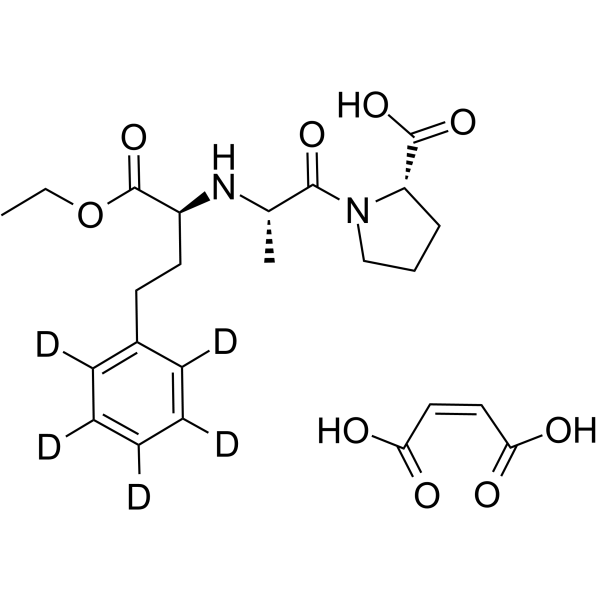
Cat. No.: HY-B0331AS
CAS No.: 349554-02-5
Synonyms: MK-421-d5maleate
Enalapril-d5 maleate (MK-421 D5 maleate) is the deuterated-labeled Enalapril maleate (HY-B0331A). Enalapril maleate is an orally active angiotensin-converting enzyme inhibitor. Enalapril maleate blocks the conversion of angiotensin I to angiotensin II, regulates the renin-angiotensin system, reduces preload and afterload, and decreases plasma angiotensin II levels. Enalapril maleate inhibits apoptosis, reduces nitric oxide metabolite levels, stabilizes endothelial cells, enhances endothelial antioxidant defense, scavenges reactive oxygen species (ROS), and alleviates neuronal damage. Enalapril maleate attenuates glutathione depletion, protein/lipid oxidation, tissue damage, and type III collagen immunolabeling in organs of diabetic rats. Enalapril maleate reduces systolic blood pressure and urinary albumin excretion, and delays the progression of diabetic cardiac/renal injury. Enalapril maleate is used in research related to asymptomatic left ventricular dysfunction, congestive heart failure, Alzheimer's disease, diabetes mellitus, acute myocardial infarction, atrial fibrillation, hypertension, cerebral ischemia, chronic heart failure, and single-ventricle physiology .
loading...
    loading...
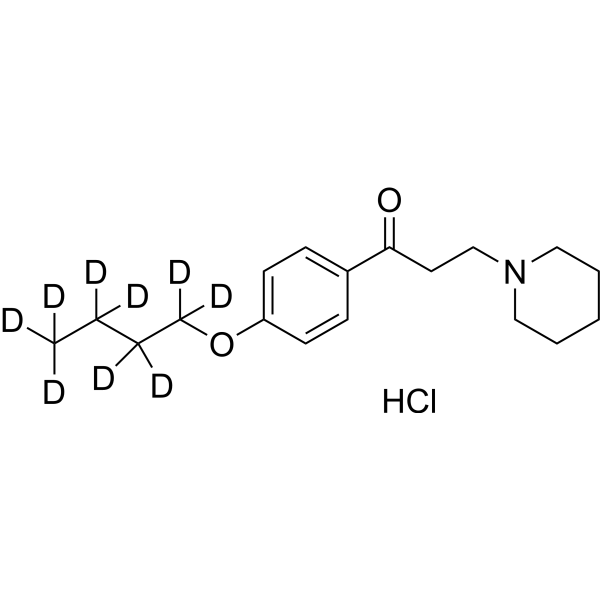
Cat. No.: HY-B0364AS
Synonyms: Dyclocaine-d9 hydrochloride
Dyclonine-d9 hydrochloride (Dyclocaine-d9 hydrochloride) is the deuterated-labeled Dyclonine hydrochloride (HY-B0364A). Dyclonine hydrochloride (Dyclocaine hydrochloride) is an orally active, blood-brain barrier-permeable piperidine phenylacetone small molecule commonly used as a local anesthetic. Dyclonine hydrochloride acts as a highly selective allosteric antagonist of TRPV3; it also reversibly inhibits G9a, ALDH2 and ALDH3A1, non-competitively blocks AChE. Dyclonine hydrochloride activates the Nrf2/ARE pathway, relieves the epigenetic silencing of FXN, blocks Aβ42 aggregation, and promotes remyelination and reparative polarization of microglia. Dyclonine hydrochloride alleviates pruritus via TRPV3 inhibition; it is used in studies of neurodegenerative disease models based on its AChE inhibitory, antioxidant and remyelinating effects; it sensitizes drug-resistant tumors through ALDH inhibition, and combined use with protease inhibitors induces more tumor cell apoptosis; it inhibits Candida albicans in vitro. Dyclonine hydrochloride can be used for research on multiple diseases including neurodegenerative diseases, cancer and pruritic dermatitis .
loading...
    loading...
Cat. No.: HY-W008806S
Synonyms: OHHL-d3; N-(3-Oxohexanoyl)homoserine lactone-d3
N-(3-Oxohexanoyl)-L-homoserine lactone-d3 (OHHL-d3) is the deuterated-labeled N-(3-Oxohexanoyl)-L-homoserine lactone (HY-W008806). N-(3-Oxohexanoyl)-L-homoserine lactone (OHHL; N-(3-Oxohexanoyl)homoserine lactone) is a specific agonist of LuxR-type transcription factor CarR with a Kd of 1.8 μM. N-(3-Oxohexanoyl)-L-homoserine lactone activates CarR by inducing protein multimerization, promoting its binding to target DNA sequences in the carR-carA intergenic region, thereby upregulating the transcription of carbapenem biosynthesis genes. N-(3-Oxohexanoyl)-L-homoserine lactone acts as a quorum sensing signal molecule, enabling bacteria to coordinate the production of carbapenem antibiotics in a cell density-dependent manner. N-(3-Oxohexanoyl)-L-homoserine lactone is used to study bacterial quorum sensing mechanisms, especially the secondary metabolism and virulence factor regulatory pathways of Erwinia carotovora and Yersinia enterocolitica .
loading...
    loading...

