1. Search Result
Search Result
Results for "

Osteoclast

" in MedChemExpress (MCE) Product Catalog:

194

Inhibitors & Agonists

1

Fluorescent Dyes

7

Biochemical Assay Reagents

11

Peptides

4

Inhibitory Antibodies

64

Natural
Products

7

Recombinant Proteins

7

Isotope-Labeled Compounds

1

Antibodies

1

GMP Molecules

Cat. No. Product Name Target Research Areas Chemical Structure
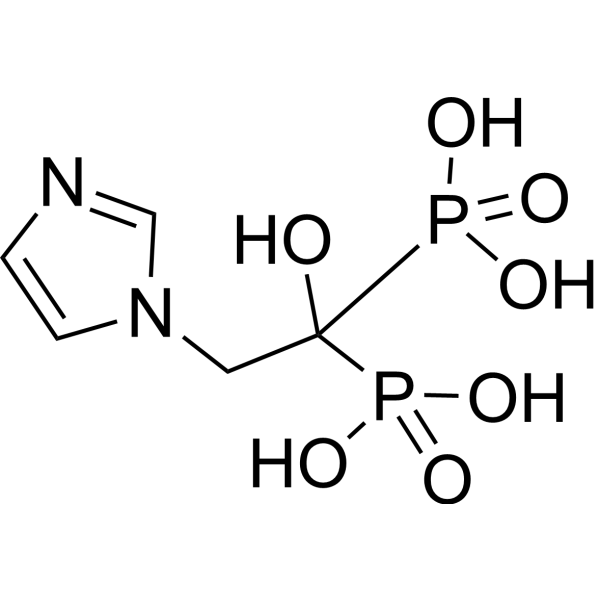
  • HY-13777
    Zoledronic Acid
    Maximum Cited Publications
    24 Publications Verification

    Zoledronate; CGP 42446; CGP42446A; ZOL 446

    Apoptosis Autophagy Bacterial Metabolic Disease Cancer
    Zoledronic Acid (Zoledronate) is a third-generation bisphosphonate (BP), with potent anti-resorptive activity. Zoledronic Acid inhibits the differentiation and apoptosis of osteoclasts. Zoledronic Acid also has anti-cancer effects .
    Zoledronic Acid
  • HY-B0631
    Alendronic acid
    5+ Cited Publications

    NF-κB Interleukin Related Metabolic Disease
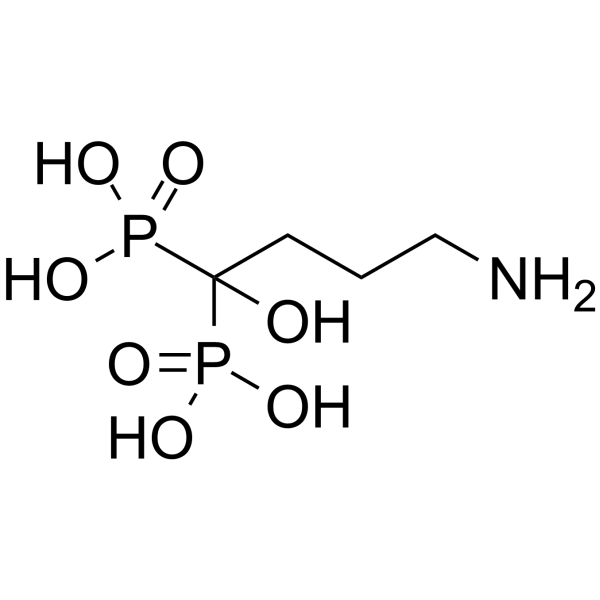
    Alendronate acid is an orally active bisphosphonate which binds to bone surfaces and inhibits bone resorption by osteoclasts. Alendronate acid induces skeletal alterations in the chicken embryonic development model. Alendronate acid can be used for osteoporosis research .
    Alendronic acid
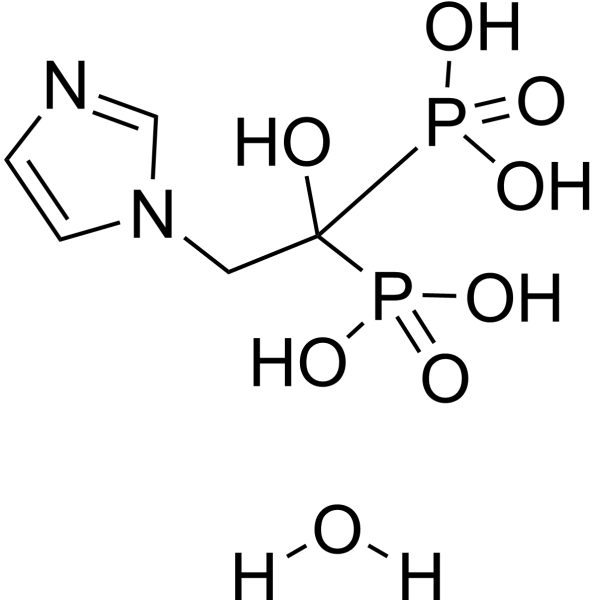
  • HY-13777A
    Zoledronic acid monohydrate
    Maximum Cited Publications
    24 Publications Verification

    Zoledronate monohydrate; CGP 42446 monohydrate; CGP42446A monohydrate; ZOL 446 monohydrate

    Apoptosis Autophagy Bacterial Metabolic Disease Cancer
    Zoledronic acid monohydrate (Zoledronate monohydrate) is a third-generation bisphosphonate (BP), with potent anti-resorptive activity. Zoledronic acid monohydrate inhibits the differentiation and apoptosis of osteoclasts. Zoledronic acid monohydrate also has anti-cancer effects .
    Zoledronic acid monohydrate
  • HY-B0657A
    Clodronic acid disodium salt
    4 Publications Verification

    Clodronate disodium salt

    Apoptosis Metabolic Disease Cancer
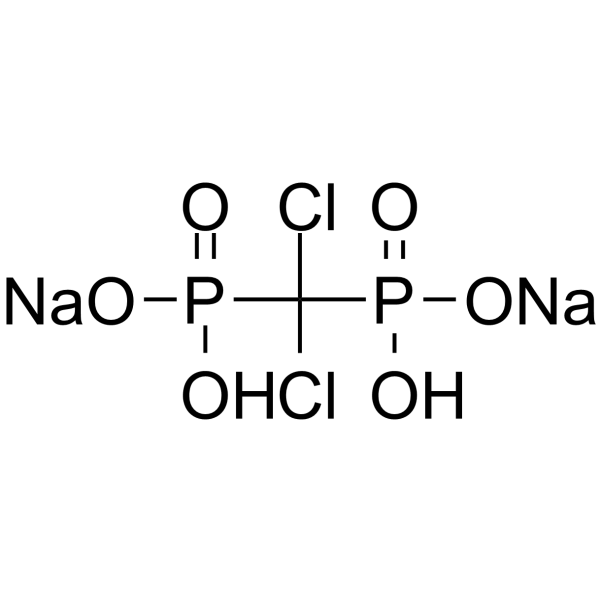
    Clodronic acid (Clodronate) disodium salt is an orally active bisphosphonate. Clodronic acid disodium salt inhibits osteoclast-mediated bone resorption. Clodronic acid disodium salt reduces skeletal event risk in malignant bone disease, impairs malignant osteolysis, blocks bone matrix growth-factor release, induces apoptosis in osteoclasts and macrophages. Clodronic acid disodium salt is effective in the maintenance or improvement of bone mineral density. Clodronic acid disodium salt can be used for the research of multiple myeloma and postmenopausal osteoporosis .
    Clodronic acid disodium salt
  • HY-108685
    Alendronate sodium
    5+ Cited Publications

    Alendronic acid monosodium salt

    NF-κB Interleukin Related Metabolic Disease
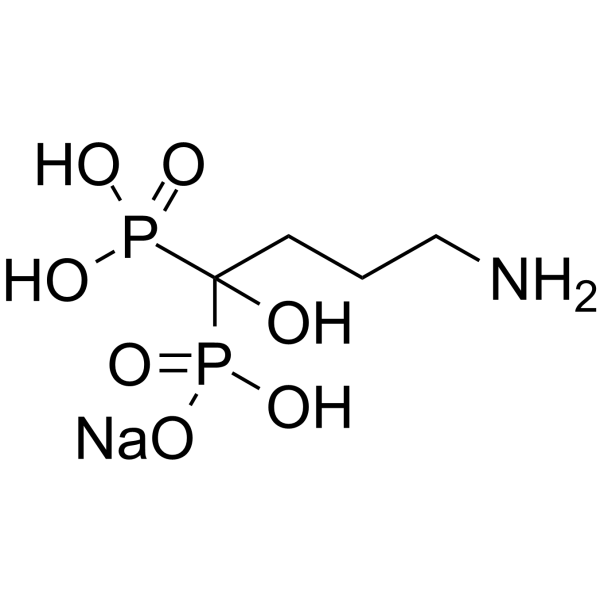
    Alendronate sodium is an orally active bisphosphonate which binds to bone surfaces and inhibits bone resorption by osteoclasts. Alendronate sodium induces skeletal alterations in the chicken embryonic development model. Alendronate sodium can be used for osteoporosis research .
    Alendronate sodium
  • HY-W012980
    Isovaleric acid
    1 Publications Verification

    Environmental Pollutants Endogenous Metabolite PKA AMPK Metabolic Disease
    Isovaleric acid is an oral active short-chain fatty acid that inhibits osteoclast differentiation by stimulating AMPK phosphorylation and promotes colonic smooth muscle relaxation by activating the cAMP/PKA pathway. Isovaleric acid can be used in research on skeletal diseases (such as osteoporosis) and intestinal disorders .
    Isovaleric acid
  • HY-130237

    Reactive Oxygen Species (ROS) NF-κB Apoptosis Metabolic Disease Cancer
    Cinnamtannin B-1 is a anthocyanidin. Cinnamtannin B-1 inhibits the osteoclast formation by inhibiting NF-kB signaling pathway and ROS generation. Cinnamtannin B-1 exhibits antioxidant, anti-inflammatory, antitumor and anti-platelet aggregation activities. Cinnamtannin B-1 is orally active .
    Cinnamtannin B-1
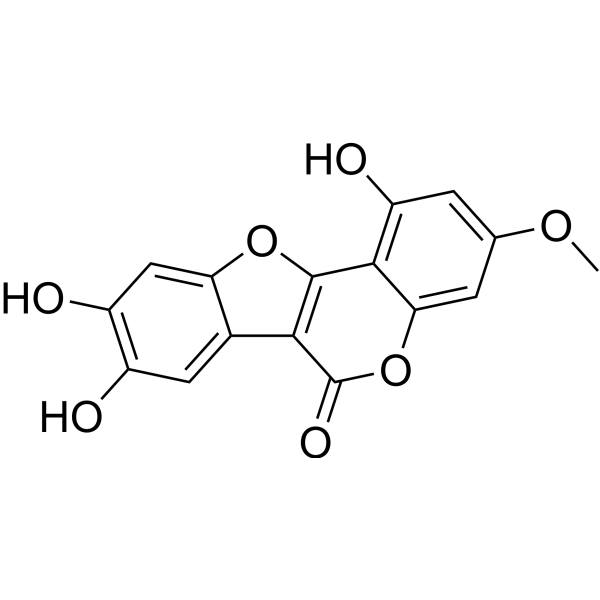
  • HY-N2532
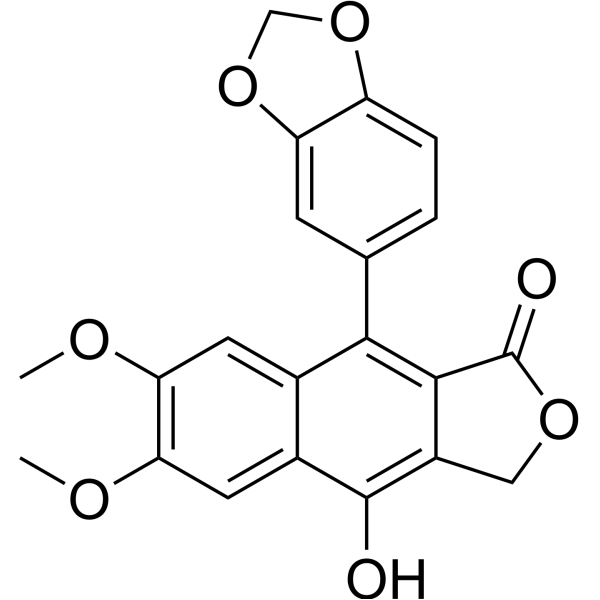
    Diphyllin
    3 Publications Verification

    VSV HIV Proton Pump Influenza Virus Infection Inflammation/Immunology Cancer
    Diphyllin is an orally active V-ATPase inhibitor (IC50=17 nM) and HIV-1 inhibitor (IC50=0.38 μM). Diphyllin blocks the acidification of osteoclast lysosomes and bone resorption lacunas (IC50=0.6 nM for acid influx inhibition), thereby inhibiting bone resorption. Diphyllin can effectively inhibit osteoclast-mediated bone resorption and has no effect on osteoblastic bone formation. Diphyllin can be used in the research of bone metabolism-related diseases and has the potential to inhibit diseases related to excessive bone resorption .
    Diphyllin
  • HY-P4373A
    Hepcidin-1 (mouse) TFA
    1 Publications Verification

    Cathepsin MMP Inflammation/Immunology
    Hepcidin-1 (mouse) TFA is an endogenous peptide hormone involved in the regulation of iron homeostasis. Hepcidin-1 (mouse) TFA upregulates mRNA levels of TRAP, cathepsin K, and MMP-9 and increases TRAP-5b protein secretion. Hepcidin-1 (mouse) TFA downregulates the level of FPN1 protein and increases intracellular iron. Hepcidin-1 (mouse) TFA facilitates osteoclast differentiation .
    Hepcidin-1 (mouse) TFA
  • HY-175416

    KC289

    Piezo Channel Calcium Channel Cardiovascular Disease Metabolic Disease
    Yoda2 (KC289), the potassium salt of Yoda1 (HY-18723), is a PIEZO1 agonist with an EC50 of 150 nM. Yoda2 evokes Ca 2+ elevation and NO-dependent relaxation. Yoda2 induces relaxation in mouse arterial and cavernous tissues. Yoda2 inhibits glucocorticoid-induced osteoclast formation and bone resorptive activity, reverses glucocorticoid-induced bone density loss and architectural deterioration, and does not induce medication-related osteonecrosis of the jaw in mice. Yoda2 can be used for the researches of hypertension and osteoporosis .
    Yoda2
  • HY-A0213A
    Tiludronate disodium
    1 Publications Verification

    Tiludronic acid disodium

    Proton Pump Inflammation/Immunology
    Tiludronate (Tiludronic Acid) disodium, an orally active bisphosphonate, can act an osteoregulator. Tiludronate is used for the research of the metabolic bone disorders. Tiludronate is a potent inhibitor of the osteoclast vacuolar H(+)-ATPase. Antiresorptive and anti-inflammatory properties .
    Tiludronate disodium
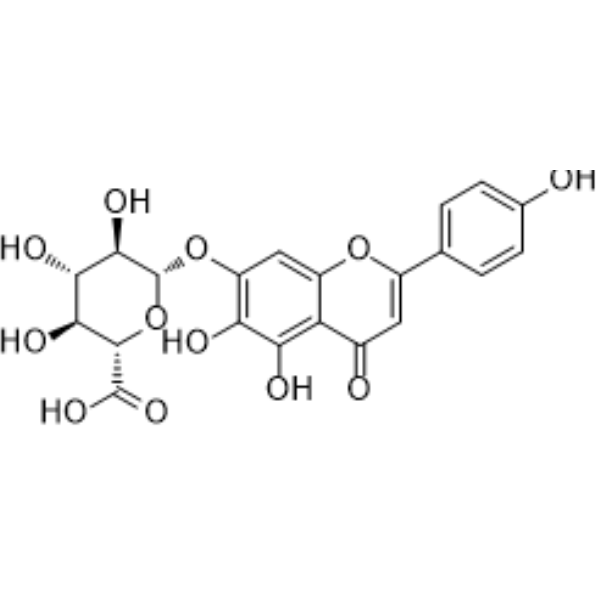
  • HY-N0778
    Isorhamnetin-3-O-neohespeidoside
    3 Publications Verification

    Xanthine Oxidase Endocrinology
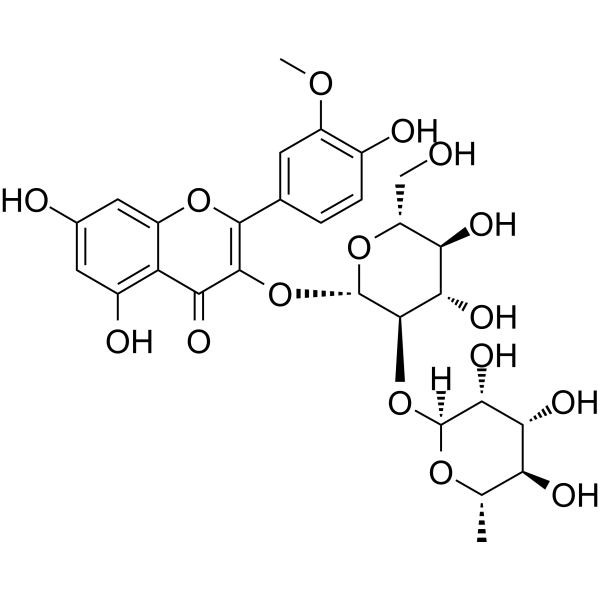
    Isorhamnetin-3-O-neohespeidoside is a flavonoid. Isorhamnetin-3-O-neohespeidoside can be isolated from Typha angustifolia. Isorhamnetin-3-O-neohespeidoside inhibits xanthine oxidase activity with an IC50 of 48.75 μg mL. Isorhamnetin-3-O-neohespeidoside has antioxidant and osteoclastogenic activities. Isorhamnetin-3-O-neohespeidoside can be used in research of bone .
    Isorhamnetin-3-O-neohespeidoside
  • HY-B2162C

    Chondroitin polysulfate (from pig)

    Endogenous Metabolite Inflammation/Immunology
    Chondroitin sulfate (from pig) (Chondroitin polysulfate (from pig)) is a sulfated linear polysaccharide extracted from pigs, which belongs to glycosaminoglycans. Chondroitin sulfate (from pig) exerts inconsistent inhibitory effects on the resorptive activity of human osteoclasts. Chondroitin sulfate (from pig) can be used in studies related to osteoarthritis .
    Chondroitin sulfate (from pig)
  • HY-N6624
    Skullcapflavone II
    2 Publications Verification

    Bacterial Inflammation/Immunology
    Skullcapflavone II, a flavonoid derived from Scutellaria baicalensis, has anti-inflammatory, anti-microbial activities. Skullcapflavone II regulates osteoclast differentiation, survival, and function. Skullcapflavone II exerts potent antimicrobial activity against M. aurum and M. bovis BCG .
    Skullcapflavone II
  • HY-B2162B

    Chondroitin polysulfate sodium (from bovine)

    Reactive Oxygen Species (ROS) Endogenous Metabolite Inflammation/Immunology
    Chondroitin sulfate (Chondroitin polysulfate) sodium (from bovine)) is a sulfated linear polysaccharide extracted from bovine sources, belonging to glycosaminoglycans. Chondroitin sulfate sodium (from bovine) inhibits osteoclast-mediated bone resorption and exhibits antioxidant activity, which is negatively correlated with molecular weight. Chondroitin sulfate sodium (from bovine) can be used in studies related to osteoarthritis .
    Chondroitin sulfate sodium (from bovine)
  • HY-175232

    Nuclear Factor of activated T Cells (NFAT) Endogenous Metabolite Endocrinology
    GL64 is a selective agonist of ADGRD1 (EC50 = 3.98 μM). GL64 has low selectivity for ADGRD2, ADGRG5, ADGRG6, CELSR1, CELSR2, CELSR3, and ADGRG4 isoforms. GL64 activates ADGRD1 by mimicking the satchel sequence. GL64 regulates osteoclast maturation through the cAMP-PKA-NFATC1 pathway. GL64 effectively inhibits osteoclastogenesis and prevents bone loss both in vitro and in vivo. GL64 is useful in the study of osteoclast-related diseases .
    GL64
  • HY-126114
    Lupeol acetate
    1 Publications Verification

    COX Interleukin Related Bacterial Fungal Parasite Infection Inflammation/Immunology Cancer
    Lupeol acetate is a derivative of Lupeol. Lupeol acetate is an anti-inflammatory, antibacterial, anti-trypanosomic and anticancer agent with oral activity. Lupeol acetate significantly improves the symptoms of rheumatoid arthritis by down-regulating the expression of inflammatory cytokines and osteoclast production. Lupeol acetate inhibits spermatogenesis in male rats and eventually led to infertility .
    Lupeol acetate
  • HY-W641445

    TRP Channel Inflammation/Immunology
    ELP-004 is a TRPC channel inhibitor and inhibtis TRPC channel-mediated Ca 2+ entry. ELP-004 is an osteoclast inhibitor and inhibits osteoclast differentiation. ELP-004 inhibits basal Ca 2+ and related NFATc1 translocation in inflammatory osteoclastogenesis. ELP-004 reduces bone erosion in a mouse model of rheumatoid arthritis .
    ELP-004
  • HY-10294

    SB-462795

    Cathepsin Metabolic Disease Cancer
    Relacatib (SB-462795) is a novel, potent, and orally active inhibitor of human cathepsins K, L, and V with Ki values of 41 pM, 68 pM, and 53 pM, respectively. Relacatib inhibits endogenous cathepsin K in situ in human osteoclasts and human osteoclast-mediated bone resorption with IC50 values of 45 nM and 70 nM, respectively. Relacatib inhibits bone resorption in vitro in human tissue as well as in cynomolgus monkeys in vivo .
    Relacatib
  • HY-B0657
    Clodronic acid
    4 Publications Verification

    Clodronate

    Apoptosis Metabolic Disease Cancer
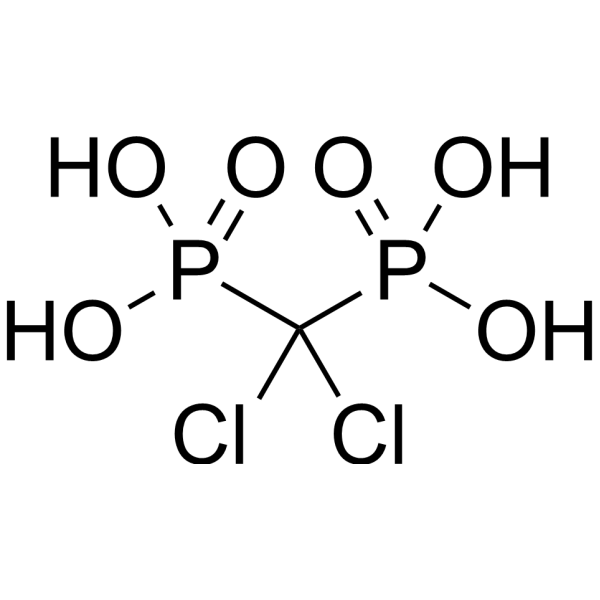
    Clodronic acid (Clodronate) is an orally active bisphosphonate. Clodronic acid inhibits osteoclast-mediated bone resorption. Clodronic acid reduces skeletal event risk in malignant bone disease, impairs malignant osteolysis, blocks bone matrix growth-factor release, induces apoptosis in osteoclasts and macrophages. Clodronic acid is effective in the maintenance or improvement of bone mineral density. Clodronic acid can be used for the research of multiple myeloma and postmenopausal osteoporosis .
    Clodronic acid
  • HY-N0805A
    Alisol B
    1 Publications Verification

    Epoxide Hydrolase CaMK Autophagy Apoptosis Metabolic Disease Inflammation/Immunology Cancer
    Alisol B is a triterpene with diverse biological activities. Alisol B binds human soluble epoxide hydrolase (sEH) with a Ki of 5.97 μM and reduces sEH activity. Alisol B inhibits RANKL-induced JNK phosphorylation, NFATc1 and c-Fos expression, osteoclast formation, mature osteoclast pit-forming and actin ring activity, and SERCA pump activity. Alisol B induces calcium mobilization, CaMKK-AMPK-mTOR pathway activation, autophagic flux, autophagosome formation, G1 phase cell cycle arrest, endoplasmic reticulum stress, unfolded protein responses, and cancer cell apoptosis. Alisol B can be used for the research of hypercalcemia, osteoporosis, rheumatoid arthritis, periodontitis, acute kidney injury, and breast cancer .
    Alisol B
  • HY-159838

    EI‐1071

    c-Fms Amyloid-β Neurological Disease Cancer
    Enrupatinib (EI‐1071) is a potent, orally active, CNS-penetrant and selective CSF1R inhibitor. Enrupatinib inhibits macrophage proliferation and osteoclast differentiation in vitro. Enrupatinib preserves microglia distal to plaques. Enrupatinib mitigates Alzheimer's disease (AD)-related pathologies by reducing neuroinflammation, preserving neuronal integrity, lowering disease-associated microglia gene expression, and enhancing cognitive function in 5xFAD and J20 mouse models. Enrupatinib reduces tumor-associated macrophage infiltration and enhances antitumor activity of anti-PD-1 antibody in murine colorectal cancer and breast cancer models. Enrupatinib can be used for the research of AD, colorectal cancer, and breast cancer .
    Enrupatinib
  • HY-W423191

    4-O-α-D-Glucopyranosyl-D-gluconic acid

    Nuclear Factor of activated T Cells (NFAT) Bacterial Infection Metabolic Disease
    Maltobionic acid (4-O-α-D-Glucopyranosyl-D-gluconic acid) is an orally active oligosaccharide and iron chelator with antibacterial activity. Maltobionic acid inhibits the expression of NFATc1, suppresses osteoclast differentiation, inhibits bone resorption, and increases serum calcitonin levels. Maltobionic acid protects mammalian cells from hydrogen peroxide (H2O2)-induced oxidative damage; resists fermentation by the gut microbiota; and exhibits anti-digestive and anti-fermentative properties. Maltobionic acid can be used in research related to osteoporosis, bacterial infections, and constipation .
    Maltobionic acid
  • HY-147369
    NFATc1-IN-1
    4 Publications Verification

    Nuclear Factor of activated T Cells (NFAT) Others
    NFATc1-IN-1 (compound A04) is a potent inhibitor of RANKL-induced osteoclast formation, with an IC50 of 1.57 μM. NFATc1-IN-1 shows anti-osteoclastogenic effects through reducing the RANKL-induced nuclear translocation of NFATc1. NFATc1-IN-1 can be used for osteoclastic diseases research .
    NFATc1-IN-1
  • HY-N10117

    RANKL/RANK Others
    2,3-Bis(3-indolylmethyl)indole significantly suppresses RANKL-induced osteoclast formation, actin ring formation, and bone resorption in a concentration-dependent manner.
    2,3-Bis(3-indolylmethyl)indole
  • HY-N2465

    Others Inflammation/Immunology
    Methylsticin is a kavalactone isolated from the Piper methysticum . Methylsticin exhibit osteoclast formation inhibitory activity .
    Methylsticin
  • HY-W012980R

    Reference Standards Endogenous Metabolite AMPK PKA Metabolic Disease
    Isovaleric acid (Standard) is the analytical standard of Isovaleric acid. This product is intended for research and analytical applications. Isovaleric acid is an oral active short-chain fatty acid that inhibits osteoclast differentiation by stimulating AMPK phosphorylation and promotes colonic smooth muscle relaxation by activating the cAMP/PKA pathway. Isovaleric acid can be used in research on skeletal diseases (such as osteoporosis) and intestinal disorders .
    Isovaleric acid (Standard)
  • HY-171274

    DOCK Metabolic Disease
    DOCK5-IN-1 (Compound 14) is the inhibitor for DOCK5 and exhibits no toxicity (100 μM) in cell RAW264.7 .
    DOCK5-IN-1
  • HY-N15723

    Others Others
    Dipsacus saponin A is an orally active triterpenoid saponin found in the roots of Dipsacus asper. Dipsacus saponin A promotes bone repair by regulating osteoblast activity and inhibiting osteoclast function. Dipsacus saponin A is promising for research of bone diseases such as fracture healing and osteoporosis .
    Dipsacus saponin A
  • HY-124478

    Ethyl 2,5-dihydroxybenzoate

    Phosphatase Metabolic Disease
    Ethyl gentisate (Ethyl 2,5-dihydroxybenzoate) is a dual modulator for cell differentiation, that enhances the osteogenic differentiation of human mesenchymal stem cells (hMSCs) and alkaline phosphatase activity, inhibits RANKL-activated osteoclastogenesis in RAW264.7 cells, and balances the bone remodeling process .
    Ethyl gentisate
  • HY-P10078

    Thyroid Hormone Receptor Apoptosis Endocrinology
    pTH (39-84) (human) is the C-terminal fragment of parathyroid hormone (PTH). pTH (39-84) (human) increases Apoptosis. pTH (39-84) (human) can stimulate osteoclast formation .
    pTH (39-84) (human)
  • HY-124081

    Apoptosis Metabolic Disease
    N-Oleoyl-L-Serine is an endogenous amide of long-chain fatty acids with ethanolamine (N-acyl amides). N-Oleoyl-L-Serine is a lipid regulator of bone remodeling and stimulates osteoclast apoptosis. N-Oleoyl-L-Serine can be used for antiosteoporotic drug discovery development .
    N-Oleoyl-L-serine
  • HY-102065

    Prostaglandin Receptor RANKL/RANK Metabolic Disease
    SC-19220 is a prostaglandin E2 receptor EP1 antagonist. SC-19220 blocks functional EP1 receptor activation, and RANK/RANKL signaling pathway. SC-19220 inhibits osteoclast formation and bone resorption by pre-existing osteoclasts. SC-19220 can be used for the research of osteoporotic disorders, inflammatory bone resorption .
    SC-19220
  • HY-N9359

    Apoptosis Cardiovascular Disease
    Toddaculin is a natural coumarin that can induce differentiation and apoptosis in leukemic cells. Toddaculin suppresses excess osteoclast activity and enhances osteoblast differentiation and mineralization. Toddaculin also exhibits anti-inflammatory activity .
    Toddaculin
  • HY-116640

    AP-1 Nuclear Factor of activated T Cells (NFAT) AMPK Autophagy Metabolic Disease Inflammation/Immunology Endocrinology
    Amorphigenin is a trothotenone compound. Amorphigenin inhibits osteoclast differentiation by suppressing the expression of c-Fos and NFATc1 in activated T cells. Amorphigenin degrades melanosome proteins by activating the AMPK-dependent autophagy pathway, but not in dependence of the mTOR pathway. Amorphigenin significantly protects bone mass and reduces bone erosion in a mouse model of inflammatory bone loss. Amorphigenin can be used to study inflammatory bone diseases, postmenopausal osteoporosis, and skin pigmentation disorders .
    Amorphigenin
  • HY-123370

    Proton Pump Metabolic Disease Cancer
    FR-167356 is a potent, orally active and selective vacuolar ATPase inhibitor with IC50 values of 170, 220, 370, and 1200 nM for osteoclast plasma membranes, macrophage microsomes, renal brush border membranes, and liver lysosomal membranes, respectively. FR-167356 inhibits bone resorption and ovariectomy-induced bone loss .
    FR-167356
  • HY-129337

    Antibiotic Fungal Apoptosis Infection Cancer
    Reveromycin A, a benzoquinoid antibiotic isolated from the genus Streptomyces, is a selective inhibitor of protein synthesis in eukaryotic cells. Reveromycin A inhibits bone resorption by inducing apoptosis specifically in osteoclasts. Reveromycin A has antiproliferative activity against tumor cell lines and antifungal activity .
    Reveromycin A
  • HY-107614G

    1-Oleoyl-sn-glycero-3-phosphate sodium; 1-Oleoyl-LPA sodium

    LPL Receptor ROCK TGF-beta/Smad TGF-β Receptor Neurological Disease Cancer
    1-Oleoyl lysophosphatidic acid sodium (GMP) is the GMP-grade form of 1-Oleoyl lysophosphatidic acid sodium (HY-107614). GMP-grade small molecules serve as auxiliary reagents in cell therapy. 1-Oleoyl lysophosphatidic acid sodium is a bioactive lipid signaling molecule. 1-Oleoyl lysophosphatidic acid sodium inhibits lysoPLD-catalyzed hydrolysis of lysophosphatidylcholine and FS-3. 1-Oleoyl lysophosphatidic acid sodium activates LPA1 and LPA2, thereby triggering calcium mobilization, NFATc1 translocation, Rho/ROCK activation, Smad2/3 phosphorylation and c-Fos expression. 1-Oleoyl lysophosphatidic acid sodium induces anxiety-like, depression-like and hypoactivity phenotypes, regulates osteoclast cytoskeleton and viability, reduces osteoclast bone resorptive activity, and drives mesenchymal stem cell differentiation into myofibroblast-like cells. 1-Oleoyl lysophosphatidic acid sodium stimulates the secretion of transforming growth factor-β1 and stromal cell-derived factor-1. 1-Oleoyl lysophosphatidic acid sodium is applicable to research related to anxiety, depression and ovarian cancer .
    1-Oleoyl lysophosphatidic acid sodium
  • HY-124003

    Endogenous Metabolite Inflammation/Immunology
    Phytomonic acid is a long-chain fatty acid containing a cyclopropane ring produced by Lactobacillus reuteri. Lactobacilli that normally produce Lactobacillic acid also have the ability to resist TNF-α .
    Phytomonic acid
  • HY-A0213

    Tiludronic acid

    Proton Pump Inflammation/Immunology
    Tiludronate (Tiludronic Acid), an orally active bisphosphonate, can act an osteoregulator. Tiludronate is used for the research of the metabolic bone disorders. Tiludronate is a potent inhibitor of the osteoclast vacuolar H(+)-ATPase. Antiresorptive and anti-inflammatory properties .
    Tiludronate
  • HY-P1288

    PKC fragment (530-558)

    PKC Others
    Protein Kinase C (530-558), a peptide fragment of protein kinase C (PKC), is a potent PKC activator. Protein Kinase C (530-558) significantly inhibits osteoclastic bone resorption .
    Protein Kinase C (530-558)
  • HY-B0631S

    Isotope-Labeled Compounds Cancer
    Alendronic acid-d6 is the deuterium labeled Alendronic acid. Alendronic acid, a bisphosphonate, is a farnesyl diphosphate synthase (FDPS) inhibitor. Alendronic acid inhibits osteoclast-mediated bone resorption. Alendronic acid shows efficacy in postmenopausal osteoporosis, malignant hypercalcemia and Paget’s disease .
    Alendronic acid-d6
  • HY-122082

    Apoptosis Inflammation/Immunology
    Methopterin inhibits osteoclasts proliferation. Methopterin inhibits the activation and bone resorption function of osteoclasts, and induced osteoclasts apoptosis .
    Methopterin
  • HY-169703
    SPA0355
    1 Publications Verification

    RANKL/RANK p38 MAPK Akt NF-κB Inflammation/Immunology
    SPA0355 is a thiourea derivative that has antioxidant and anti-inflammatory properties. SPA0355 inhibits the RANKL (receptor activator of nuclear factor κB ligand) induced osteoclast formation in primary bone marrow-derived macrophages. SPA0355 also suppresses the activation of the MAPKs, Akt, and NF-κB pathways. Additionally, SPA0355 promotes osteoblast differentiation, increases alkaline phosphatase activity, and enhances mineral nodule formation. SPA0355 can protect ovariectomized mice from bone loss by stimulating osteoblast differentiation and inhibiting osteoclast resorption, making it useful for studying postmenopausal osteoporosis .
    SPA0355
  • HY-179002

    Estrogen Receptor/ERR Inflammation/Immunology
    (S)-STO021 is a highly selective, orally effective ERβ agonist. (S)-STO021 has a dual activity of inhibiting osteoclast activity and promoting osteoblast activity. (S)-STO021 can be used for research on osteoporosis .
    (S)-STO021
  • HY-13777B

    Zoledronate disodium tetrahydrate; CGP 42446 disodium tetrahydrate; CGP42446A disodium tetrahydrate; ZOL 446 disodium tetrahydrate

    Apoptosis Autophagy Bacterial Metabolic Disease Cancer
    Zoledronic Acid (Zoledronate) disodium tetrahydrate is a third-generation bisphosphonate (BP), with potent anti-resorptive activity. Zoledronic Acid disodium tetrahydrate inhibits the differentiation and apoptosis of osteoclasts. Zoledronic Acid disodium tetrahydrate also has anti-cancer effects .
    Zoledronic acid disodium tetrahydrate
  • HY-123394

    Src Metabolic Disease
    AP22161 is a potent and selective Src SH2 domain inhibitor with an IC50 of 0.24 µM. AP22161 exhibits >120-fold selectivity over Yes SH2 (IC50 = 29.38 µM) and ZAP SH2 (IC50 = 421.86 µM). AP22161 inhibits Src-dependent cellular activity and diminishes osteoclast resorptive activity. AP22161 can be used for osteoporosis research .
    AP-22161
  • HY-125064

    Src Cancer
    AP22408 is a nonpeptide inhibitor against Src SH2 with an IC50 value of 0.3 μM. AP22408 inhibits rabbit osteoclast-mediated resorption of dentine, exhibits bone-targeting properties based on a hydroxyapatite adsorption assay and demonstrates in vivo antiresorptive activity in a parathyroid hormone-induced rat model. AP22408 is proming for rasearch of osteoporosis and other bone-related diseases such as Paget’s disease, osteolytic bone metastasis and hypercalcemia associated with malignancy .
    AP22408
  • HY-164587

    DOCK Metabolic Disease
    E197 is the inhibitor for DOCK5 that destroys the podosome belt structure of osteoclasts, thereby inhibiting the bone resorption (IC50=3.44 μM in human osteoclast). E197 inhibits the Rac in DOCK5 expressing HEK293 cell with an IC50 of 36 μM. E197 prevents the bone loss in mouse ovariectomized models .
    E197
  • HY-121282B

    Pecazine acetate

    Apoptosis MALT1 Others
    Mepazine acetate (Pecazine acetate) is a drug that has the activity to inhibit the protease activity of MALT1. Mepazine acetate is often used to study the role of MALT1 in biology. Treatment of mouse bone marrow precursor cells with mepazine acetate strongly inhibited RANK ligand (RANKL)-induced osteoclast formation. Mepazine acetate also inhibited the expression of multiple osteoclast markers such as TRAP, feline hepsin K, and calcitonin. The protective effect of mepazine acetate was not affected by MALT1 deficiency. The mechanism of action of mepazine acetate may involve MALT1-independent mechanisms, and this aspect needs to be considered in future studies .
    Mepazine acetate

Inquiry Online

Your information is safe with us. * Required Fields.

Salutation


Country or Region *

Applicant Name *


Organization Name *

Department *


Email Address *


Product Name *

Cat. No.


Requested quantity *

Phone Number *


Remarks

Inquiry Online

Inquiry Information

Product Name:
Cat. No.:
Quantity:
MCE Japan Authorized Agent:

