1. Search Result
Search Result
Results for "

ABTS radical scavenging activity

" in MedChemExpress (MCE) Product Catalog:

27

Inhibitors & Agonists

1

Peptides

17

Natural
Products

Cat. No. Product Name Target Research Areas Chemical Structure
  • HY-W047187

    Xanthine Oxidase NO Synthase TNF Receptor Others
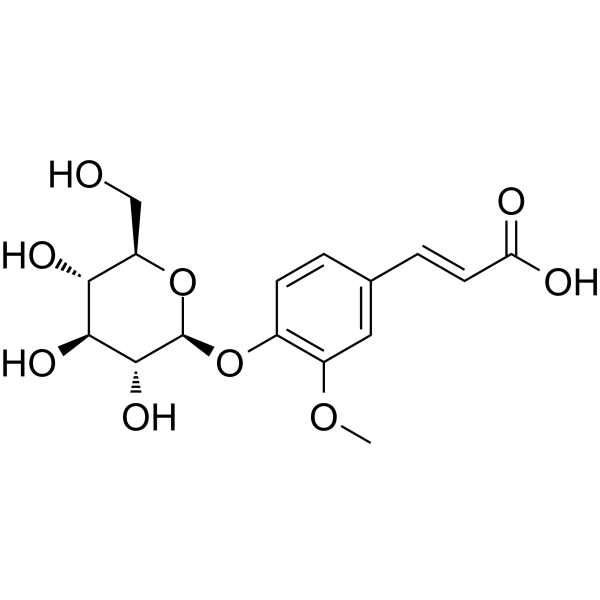
    Lavandoside is an ABTS ?+ free radical scavenger and a moderate inhibitor of xanthine oxidase (XO), with an IC50 of 71.6 μM for inhibiting NO production in LPS-induced macrophages. Lavandoside exerts its antioxidant and potential anti-inflammatory effects by directly scavenging free radicals and inhibiting XO activity, a mechanism related to the hydroxyl groups in its molecular structure. Lavandoside can be isolated from lavender and can be used in the development of natural antioxidants and in research on oxidative stress-related diseases and inflammation-related diseases .
    Lavandoside
  • HY-N7005

    EGFR Cytochrome P450 Fatty Acid Synthase (FASN) Acetyl-CoA Carboxylase HMG-CoA Reductase (HMGCR) PPAR AMPK Metabolic Disease Inflammation/Immunology Cancer
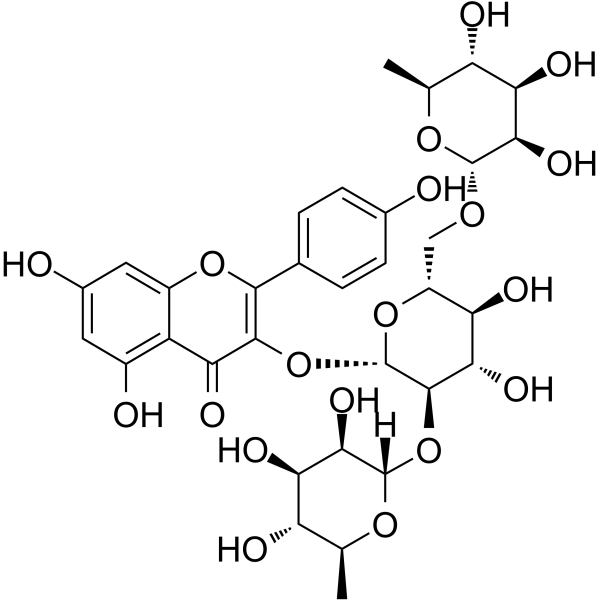
    Clitorin is an orally active flavonoid compound that can be isolated from Carica papaya. Clitorin is an inhibitor of EGFR (IC50: 89.58 nM) and aromatase (IC50: 77.41 nM). Clitorin has antioxidant and anti-tumor activities. In the DPPH and ABTS radical scavenging assays, Clitorin has IC50 values of 91.96 ppm and 250.45 ppm, respectively. In addition, Clitorin can regulate lipogenesis and fatty acid oxidation and can be used in the research of non-alcoholic fatty liver disease .
    Clitorin
  • HY-N8220

    Flidersiachromone

    Glycosidase Neurological Disease Cancer
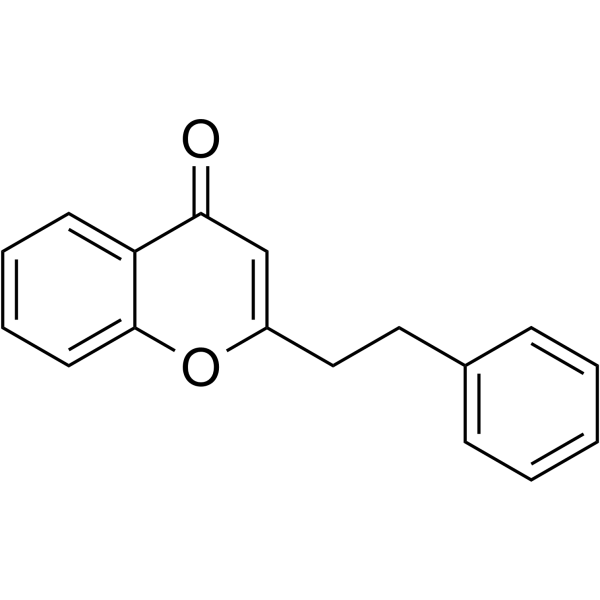
    2-(2-Phenylethyl) chromone (Flidersiachromone) is a chromone derivative and antioxidant. 2-(2-Phenylethyl) chromone scavenges ABTS· + free radicals, and its derivatives exhibit diverse activities including anti-inflammatory, neuroprotective, anti-tumor, and α-glucosidase inhibitory effects. 2-(2-Phenylethyl) chromone is applicable to experimental research in fields such as inflammation-related diseases, tumors, and neurodegenerative diseases .
    2-(2-Phenylethyl)chromone
  • HY-N2907

    Wnt Ras Endogenous Metabolite Bacterial Fungal PD-1/PD-L1 Tim3 Akt AP-1 STAT Infection Neurological Disease Inflammation/Immunology Cancer
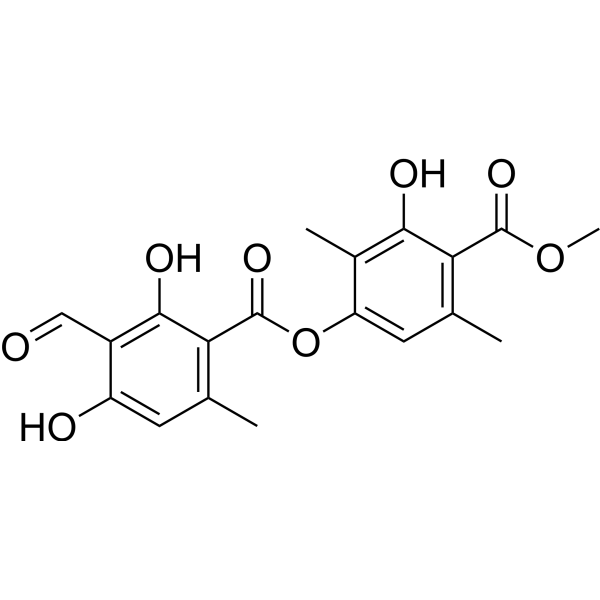
    Atranorin is a secondary metabolite of lichens and AKT inhibitor. Atranorin possesses multiple activities such as antibacterial, anti-inflammatory, antioxidant, anti-glycation, analgesic, and anti-tumor effects. Atranorin has IC50 values for scavenging DPPH and ABTS free radicals of 117 μM and less than 10 μM, respectively. Additionally, Atranorin also exhibits effects in promoting wound healing. Atranorin can be used in the research of various diseases, including myelodysplastic syndromes, tumors, and inflammatory conditions .
    Atranorin
  • HY-N7607

    Reactive Oxygen Species (ROS) Cardiovascular Disease
    Quercetin-3-O-D-glucosyl]-(1-2)-L-rhamnoside is a flavonoid glycoside with antioxidant activity and free radical scavenging activity. Quercetin-3-O-D-glucosyl]-(1-2)-L-rhamnoside can scavenge free radicals such as ABTS+ and can be used in the study of antioxidant-related diseases (such as cardiovascular diseases and neurodegenerative diseases) .
    Quercetin-3-O-D-glucosyl]-(1-2)-L-rhamnoside
  • HY-N0435

    DNA/RNA Synthesis Cancer
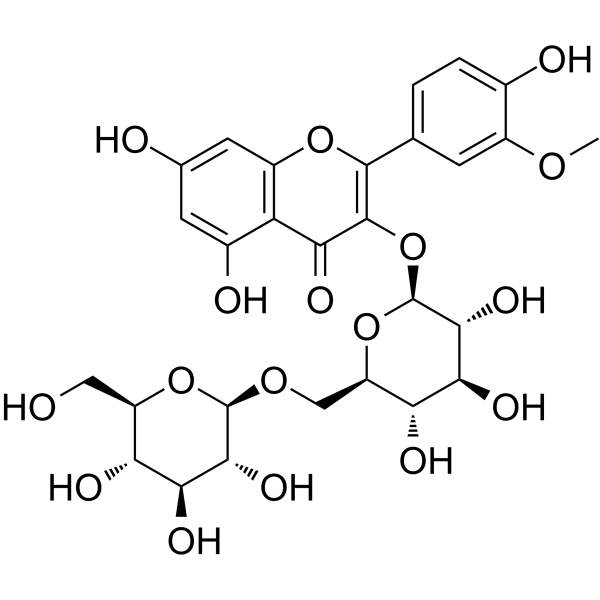
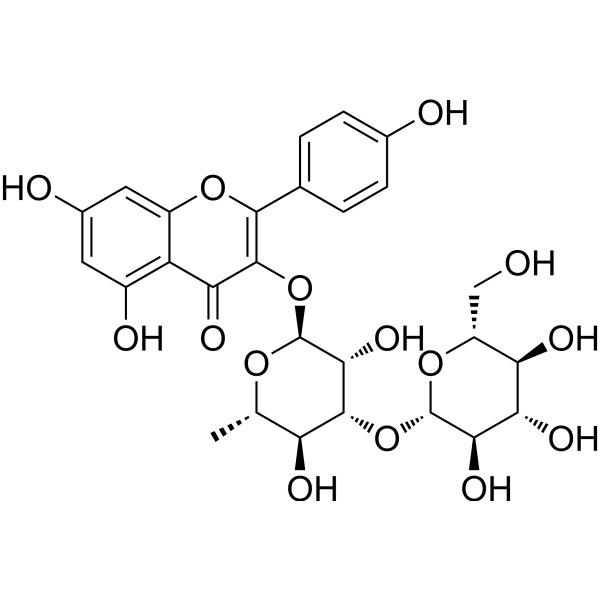
    Isorhamnetin 3-gentiobioside is a flavonoid with activity of promoting cancer cell proliferation. Isorhamnetin 3-gentiobioside is an activator of DNA synthesis in MCF-7 human breast cancer cells with an EC50 of 3.1 μg/mL. Isorhamnetin 3-gentiobioside exhibits ABTS radical scavenging activity with an IC50 of 33.43 μg/mL. The compound can be used to study the bidirectional regulatory mechanism of cancer .
    Isorhamnetin 3-gentiobioside
  • HY-N8194

    Syringetin 3-O-β-D-glucoside

    Others Neurological Disease
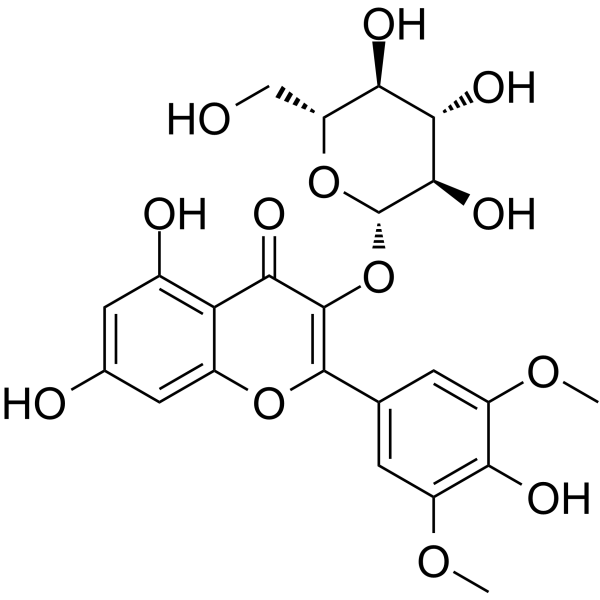
    Syringetin-3-O-glucosid (Syringetin 3-O-β-D-glucoside), a flavonol glycoside, shows relatively weak DPPH and ABTS radical scavenging activity .
    Syringetin-3-O-glucoside
  • HY-N5130

    Others Neurological Disease
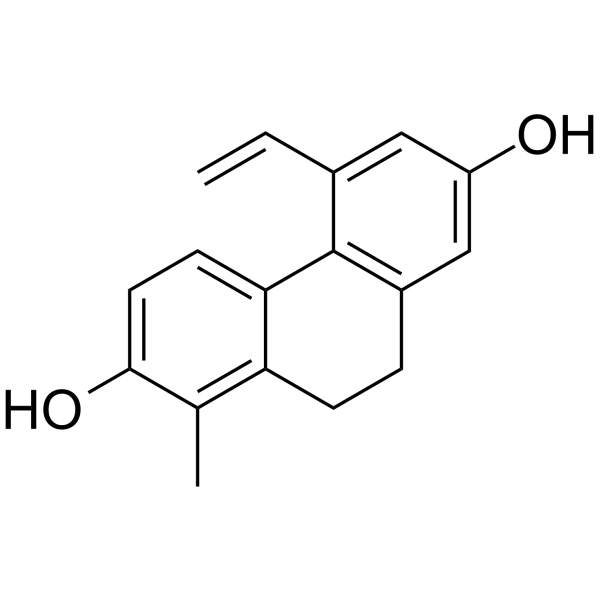
    Effusol, a phenolic constituent from Juncus effuses, exhibits potent scavenging activity for DPPH and ABTS radicals, with IC50 values of 79 μM and 2.73 μM, respectively. Effusol rescues CA1 LTP attenuated by corticosterone, defending the hippocampal function against stress-induced cognitive decline .
    Effusol
  • HY-W018643A

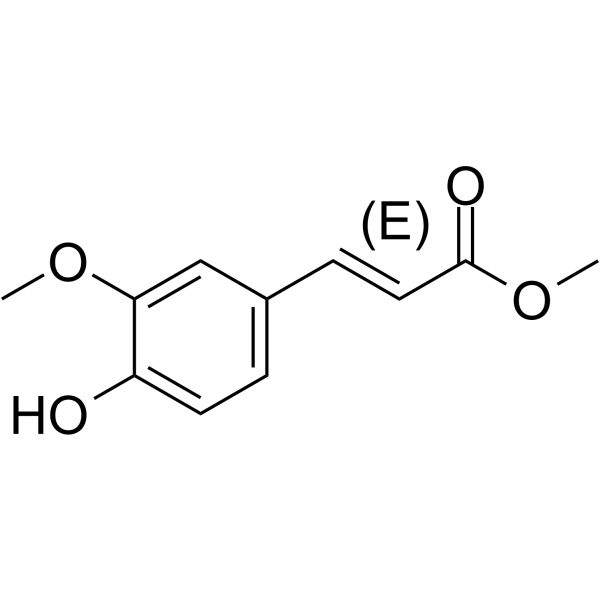
    Methyl (E)-ferulate

    COX Others
    (E)-Ferulic acid methyl ester (Methyl (E)-ferulate) exhibits strong DPPH and ABTS + radical scavenging activities .
    (E)-Ferulic acid methyl ester
  • HY-N8955

    Reactive Oxygen Species (ROS) Inflammation/Immunology
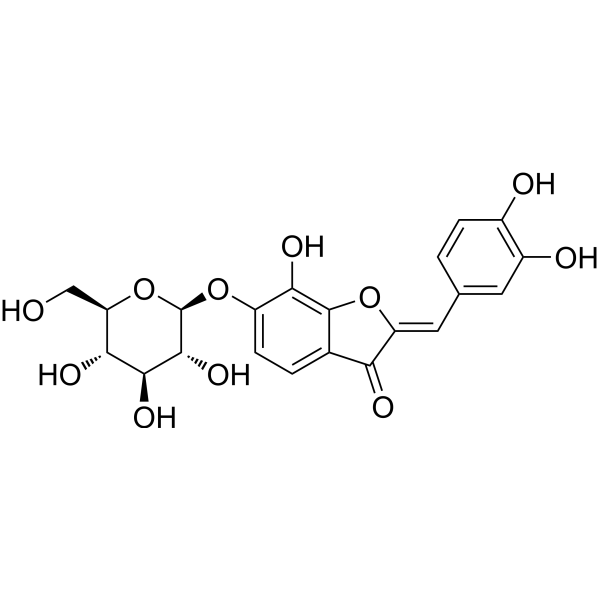
    Maritimein is an aurone glucoside and antioxidant with free radical scavenger activity, found in Coreopsis tinctoria Nutt.Maritimein scavenges ABTS•+ radical cations .
    Maritimein
  • HY-146172

    Reactive Oxygen Species (ROS) Inflammation/Immunology Cancer
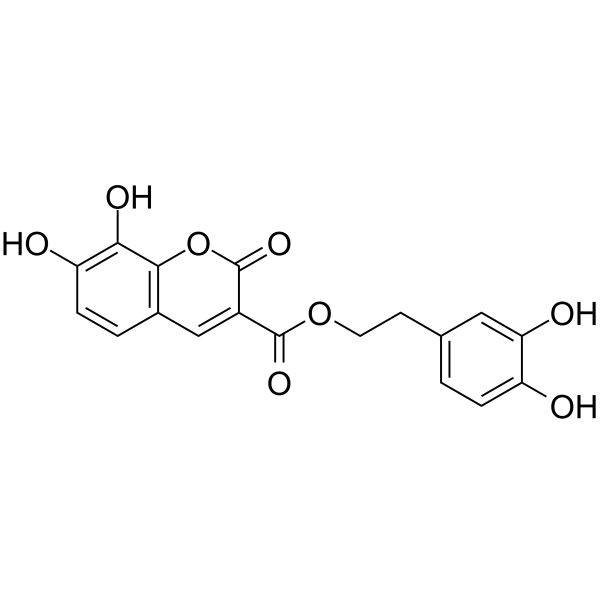
    Antioxidant agent-3 (Compound 14q), an potent antioxidant, displays potent DPPH radicals scavenging activity and ABTS + scavenging activity with IC50s of 26.58 and 30.31 μM, respectively. Antioxidant agent-3 (Compound 14q) increases reactive oxygen species (ROS), superoxide dismutase (SOD) and glutathione (GSH), and reduced lactate dehydrogenase (LDH) in H2O2-treated HepG2 cells .
    Antioxidant agent-3
  • HY-N2907R

    Wnt Reference Standards Ras Endogenous Metabolite Bacterial Fungal PD-1/PD-L1 Tim3 Akt AP-1 STAT Infection Neurological Disease Inflammation/Immunology Cancer
    Atranorin (Standard) is the analytical standard of Atranorin (HY-N2907). This product is intended for research and analytical applications. Atranorin is a secondary metabolite of lichens and AKT inhibitor. Atranorin possesses multiple activities such as antibacterial, anti-inflammatory, antioxidant, anti-glycation, analgesic, and anti-tumor effects. Atranorin has IC50 values for scavenging DPPH and ABTS free radicals of 117 μM and less than 10 μM, respectively. Additionally, Atranorin also exhibits effects in promoting wound healing. Atranorin can be used in the research of various diseases, including myelodysplastic syndromes, tumors, and inflammatory conditions .
    Atranorin (Standard)
  • HY-W207699

    Monoamine Oxidase Amylases Neurological Disease Metabolic Disease Inflammation/Immunology
    MAO-B-IN-46 (Compound 16) is a selective hMAO-B inhibitor (IC50: 26.8 nM), with weak activity against hMAO-A (IC50: 7.2054 μM). MAO-B-IN-46 (Compound 8) also acts as an α-amylase inhibitor (IC50: 19.46 μM). MAO-B-IN-46 exhibits certain neuroprotective effects and shows no significant toxicity to human gingival fibroblasts and SH-SY5Y cells. Additionally, MAO-B-IN-46 can scavenge DPPH and ABTS free radicals, with IC50 values of 17.86 μM and 17.71 μM, respectively. MAO-B-IN-46 can be used in the research of neurodegenerative diseases such as Parkinson's disease, diabetes, and diseases related to oxidative stress resistance .
    MAO-B-IN-46
  • HY-172604

    TNF Receptor Reactive Oxygen Species (ROS) Neurological Disease Inflammation/Immunology
    Neuroprotective agent 10 (Compound 11c) is a brain-penetrant neuroprotective agent. Neuroprotective agent 10 scavenges ABTS radicals (scavenging IC50: 9.20 μM), DPPH radicals (scavenging IC50: 7.09 μM) and superoxide anion radicals (inhibition percentage: 48.4%). Neuroprotective agent 10 also alleviates H2O2-induced oxidative damage and LPS-induced neuroinflammation with antiepileptic activity. Neuroprotective agent 10 is promising for research of epilepsy and neuroprotection .
    Neuroprotective agent 10
  • HY-N8254

    Others Others
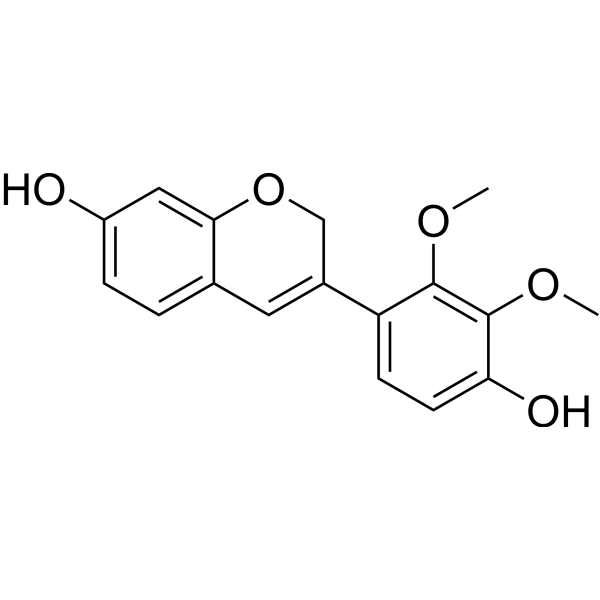
    Haginin A (compound 3)can be isolated from the EtOAc fraction of Lespedeza cyrtobotrya. Haginin A has radical scavenging activity with IC50 values of 9.0 μM and 37.7 μM in the ABTS system and DPPH system, respectively .
    Haginin A
  • HY-N11771

    Reactive Oxygen Species (ROS) Others
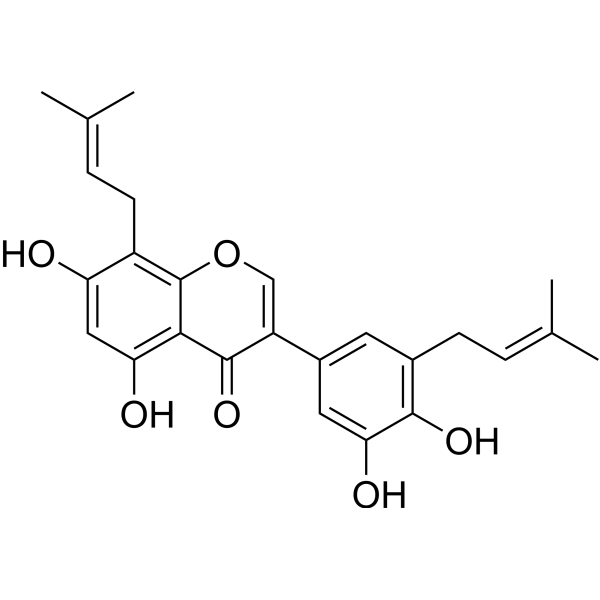
    Glyurallin B is a flavonoid, that can be isolated from licorice (Glycyrrhiza inflata and Glycyrrhiza uralensis). Glyurallin B shows ABTS + radical scavenging activity and the inhibitory activity on lipid peroxidation, with EC50 values of 11.9 ± 0.58 μM and 15.3 ± 1.26 μM, respectivley .
    Glyurallin B
  • HY-156711

    IFNAR Inflammation/Immunology
    Ternatumoside II is a flavonoid glycoside that can be isolated from R. crenulata. Ternatumoside II can stimulate IFN-γ expression. Ternatumoside II has radical-scavenging activities (IC50s: 260.5 μM and 320.2 μM for DPPH and ABTS) .
    Ternatumoside II
  • HY-176437

    Tyrosinase Metabolic Disease
    Tyrosinase-IN-42 (Compound 13t) is a tyrosinase inhibitor (IC50: 1.363 µM). Tyrosinase-IN-42 exhibits anti-browning effects on fresh-cut apples. Tyrosinase-IN-42 has antioxidant activity by scavenging DPPH and ABTS free radicals (IC50: 57.90 and 45.64 µM, respectively) .
    Tyrosinase-IN-42
  • HY-N9229

    NO Synthase Bacterial Infection Inflammation/Immunology
    Myricadenin A is an iNOS inhibitor, capable of effectively inhibiting the production of NO (EC₅₀ = 18.1 μM). Myricadenin A has moderate ABTS free radical scavenging activity (SC₅₀ = 175.4 μM) and relatively weak anti-tuberculosis activity (MIC = 80.0 μg/mL). Myricadenin A can be used in inflammation-related research .
    Myricadenin A
  • HY-168501

    Reactive Oxygen Species (ROS) Inflammation/Immunology
    Neuroprotective Agent 6 (Compound Y12) is a neuroprotective agent with antioxidant activity and capabilities in DPPH, ABTS radical scavenging. Neuroprotective Agent 6 demonstrates superior neuroprotective effects in both cellular models induced by oxygen-glucose deprivation/reoxygenation (OGD/R) and animal models induced by transient middle cerebral artery occlusion (tMCAO). Additionally, Neuroprotective Agent 6 exhibits significant metal chelating activity towards Cu 2+ .
    Neuroprotective agent 6
  • HY-183792

    Bacterial Reactive Oxygen Species (ROS) Infection
    Antibacterial agent 347 (Compound 4d) is an Antibacterial agent. Antibacterial agent 347 exhibits selective antibacterial activity against Streptococcus mutans. Antibacterial agent 347 shows moderate ABTS+ free radical scavenging activity .
    Antibacterial agent 347
  • HY-P11646

    COX Metabolic Disease Inflammation/Immunology
    Brazzein is a functional sweetener with antioxidant, anti-inflammatory, and anti-allergic activities.
    Brazzein inhibits COX-2 with an IC50 of 12.62 μM. Brazzein exhibits strong antioxidant effects, showing ABTS radical scavenging activity (IC50 = 12.55 μM) . Brazzein shows no antibacterial or antifungal activity. Brazzein can be used for the research of obesity, metabolic disorder, inflammation .
    Brazzein
  • HY-181069

    Reactive Oxygen Species (ROS) DNA/RNA Synthesis Interleukin Related Cardiovascular Disease Neurological Disease Inflammation/Immunology
    Neuroprotective agent 16 is a blood-brain barrier-permeable neuroprotective agent. Neuroprotective agent 16 effectively scavenges DPPH and ABTS radicals, with IC50 values of 7.98 μM and 5.50 μM, respectively. Neuroprotective agent 16 exhibits anti-inflammatory, antioxidant, and DNA damage-reducing activities. Neuroprotective agent 16 can be used in research on diseases such as ischemic stroke .
    Neuroprotective agent 16
  • HY-N16424

    Me cis-ferulate; cis-Ferulic acid methyl ester

    Fungal Infection
    Methyl (Z)-ferulate (Me cis-ferulate) (cis-Ferulic acid methyl ester) is an endogenous Germination self-inhibitor. Methyl (Z)-ferulate can be isolated from the leaves of Tetragonia tetragonoides. Methyl (Z)-ferulate blocks uredospores germination in rust fungi by reversibly inhibiting the digestion of the germination pore plug through the regulation of pre-existing enzyme activity. Methyl (Z)-ferulate also has antioxidant activity, effectively scavenging DPPH and ABTS + radical .
    Methyl (Z)-ferulate
  • HY-181029

    Tyrosinase Neurological Disease Inflammation/Immunology
    Tyrosinase-IN-49 (Compound 12) is a potent and mixed-type chalcone-based tyrosinase inhibitor with an IC50 of 0.19 μM. Tyrosinase-IN-49 has potent antioxidant potential with significant DPPH and ABTS radical scavenging capacity. Tyrosinase-IN-49 can chelate the binuclear copper ions in the active center of tyrosinase and reduce Cu 2+ to Cu +, thereby reducing the catalytic activity of the enzyme. Tyrosinase-IN-49 has low cytotoxicity for HEK293 cells and zebrafish embryo. Tyrosinase-IN-49 shows antibrowning effects to improve food quality and can be used for research of food preservation .
    Tyrosinase-IN-49
  • HY-181028

    Tyrosinase Neurological Disease Inflammation/Immunology
    Tyrosinase-IN-48 (Compound 3) is a potent and competitive chalcone-based tyrosinase inhibitor with an IC50 of 0.49 μM. Tyrosinase-IN-48 has potent antioxidant potential with significant DPPH and ABTS radical scavenging capacity. Tyrosinase-IN-48 can chelate the binuclear copper ions in the active center of tyrosinase and reduce Cu 2+ to Cu +, thereby reducing the catalytic activity of the enzyme. Tyrosinase-IN-48 has low cytotoxicity for HEK293 cells and zebrafish embryo. Tyrosinase-IN-48 shows antibrowning effects to improve food quality and can be used for research of food preservation .
    Tyrosinase-IN-48
  • HY-N16851

    Drug Derivative Others
    Breynioside A is a natural phenolic compound.
    Breynioside A

Inquiry Online

Your information is safe with us. * Required Fields.

Salutation


Country or Region *

Applicant Name *


Organization Name *

Department *


Email Address *


Product Name *

Cat. No.


Requested quantity *

Phone Number *


Remarks

Inquiry Online

Inquiry Information

Product Name:
Cat. No.:
Quantity:
MCE Japan Authorized Agent: