1. Search Result
Search Result
Results for "

AMPK kinase

" in MedChemExpress (MCE) Product Catalog:

68

Inhibitors & Agonists

1

Fluorescent Dyes

9

Peptides

12

Natural
Products

7

Recombinant Proteins

1

Isotope-Labeled Compounds

16

Antibodies

Targets Recommended:
Cat. No. Product Name Target Research Areas Chemical Structure
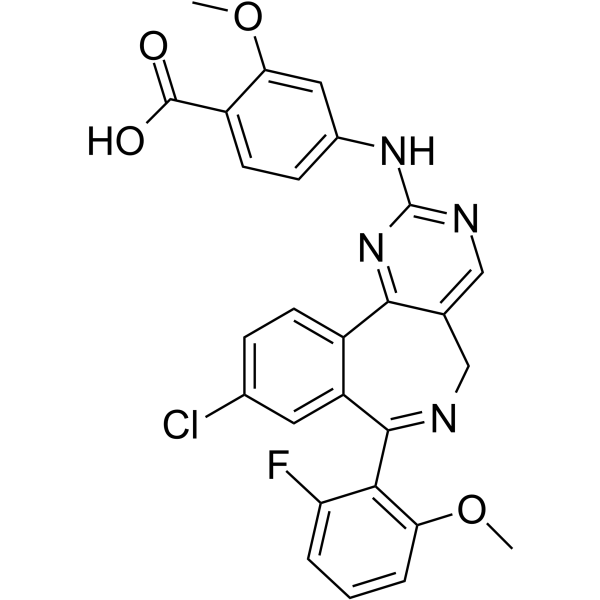
  • HY-16966
    SBI-0206965
    35+ Cited Publications

    ULK AMPK Autophagy Apoptosis Cancer
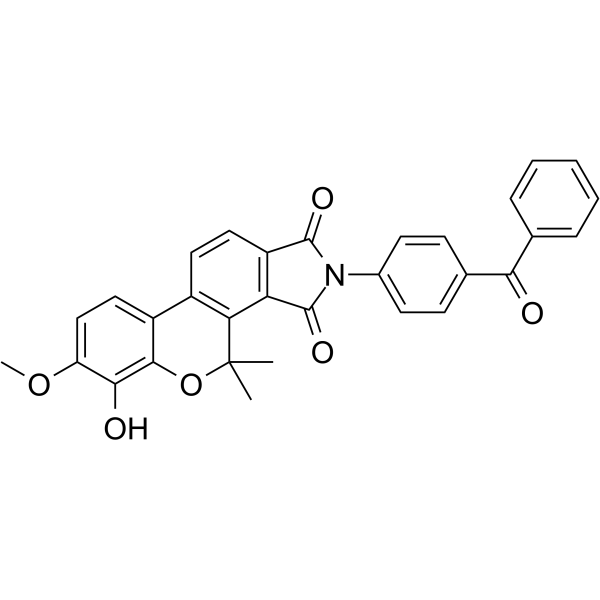
    SBI-0206965 is a potent, selective and cell permeable autophagy kinase ULK1 inhibitor with IC50s of 108 nM for ULK1 kinase and 711 nM for the highly related kinase ULK2. SBI-0206965 is also an AMPK inhibitor that can paradoxically increase Thr172 phosphorylation .
    SBI-0206965
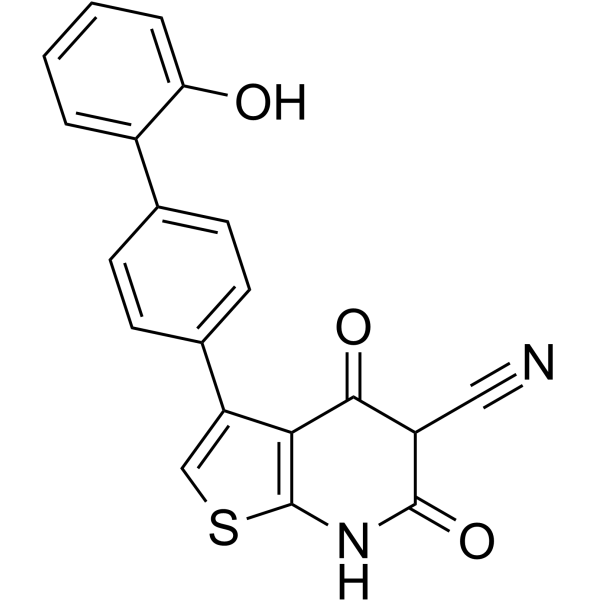
  • HY-50662
    A-769662
    40+ Cited Publications

    AMPK Metabolic Disease
    A-769662 is a AMP-activated protein kinase (AMPK) activator. A-769662 inhibits the function of the 26S proteasome by an AMPK-independent mechanism and leads to cell cycle arrest. A-769662 directly stimulates partially purified rat liver AMPK (EC50 = 0.8 μM) and inhibits fatty acid synthesis in primary rat hepatocytes (IC50 = 3.2 μM). A-769662 can alleviate the symptoms of metabolic diseases such as type 2 diabetes .
    A-769662
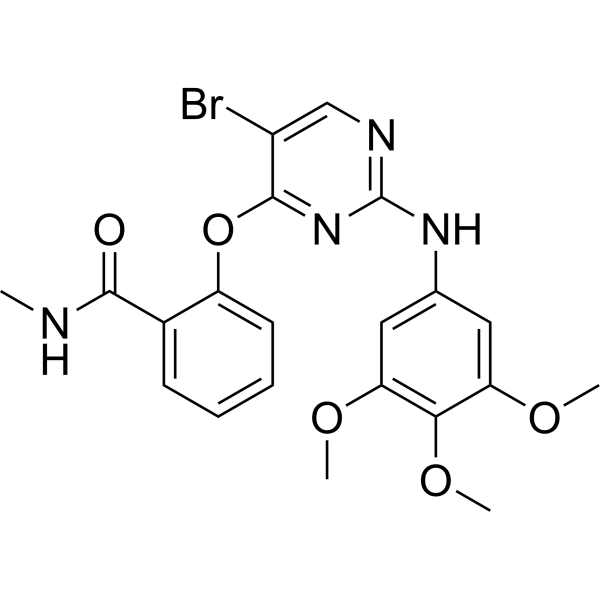
  • HY-10971
    Alisertib
    Maximum Cited Publications
    72 Publications Verification

    MLN 8237

    Aurora Kinase Autophagy Apoptosis Cancer
    Alisertib (MLN 8237) is an orally active and selective Aurora A kinase inhibitor (IC50=1.2 nM), which binds to Aurora A kinase resulting in mitotic spindle abnormalities, mitotic accumulation. Alisertib (MLN 8237) induces apoptosis and autophagy through targeting the AKT/mTOR/AMPK/p38 pathway in leukemic cells. Antitumor activity .
    Alisertib
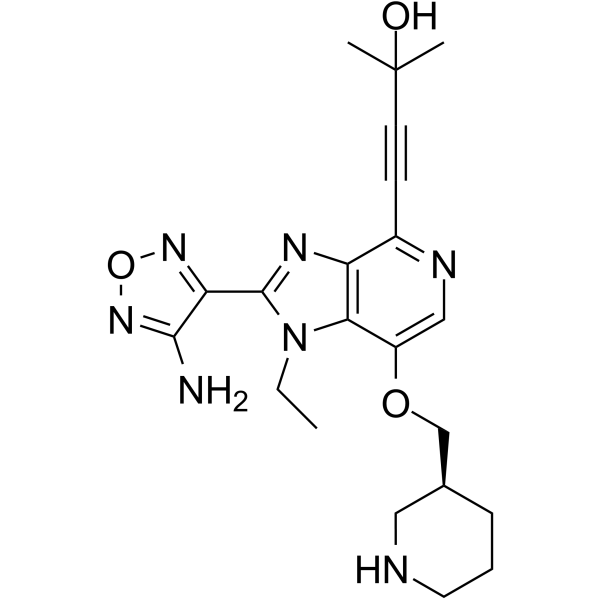
  • HY-112083
    BAY-3827
    10+ Cited Publications

    AMPK Cancer
    BAY-3827, a chemical probe, is a potent and selective AMPK inhibitor with IC50 values of 1.4 nM at low (10 μM ATP concentration) and 15 nM at high (2 mM ATP concentration). BAY-3827 shows over 500-fold selectivity for most of the 331 kinases. BAY-3827 prevents phosphorylation of acetyl-CoA carboxylase 1 and shows strongest anti-proliferative activity in androgen-dependent prostate cancer cell lines .
    BAY-3827
  • HY-112769
    EX229
    5 Publications Verification

    AMPK Metabolic Disease
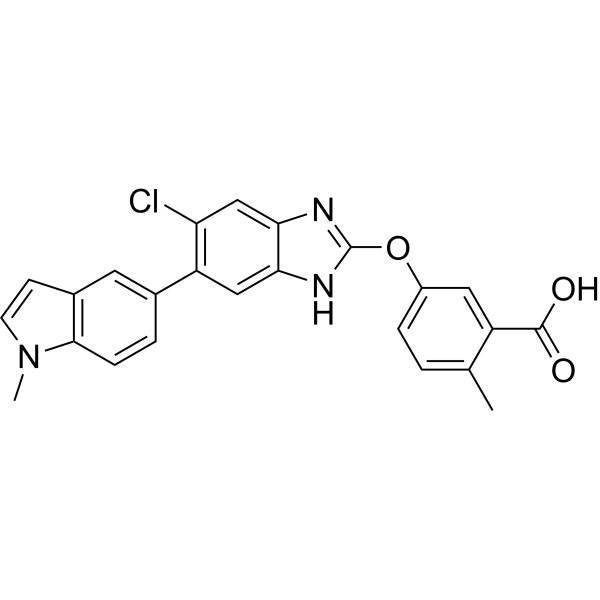
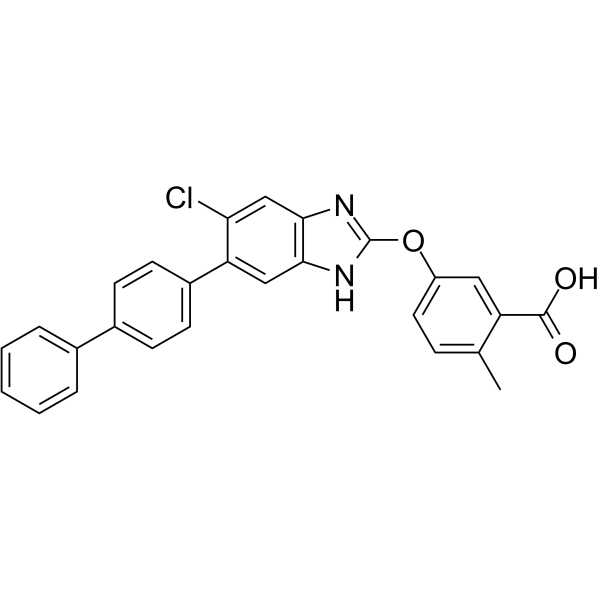
    EX229, a Benzimidazole derivative, is a potent and allosteric activator of AMP-activated protein kinase (AMPK), with Kds of 0.06 μM, 0.06 μM and 0.51 μM for α1β1γ1, α2β1γ1 and α1β2γ1 in biolayer interferometry, respectively.
    EX229
  • HY-111355B

    Sirtuin Endogenous Metabolite PKC AMPK DOCK Metabolic Disease Inflammation/Immunology Cancer
    Cholesterol sulfate sodium is a naturally occurring, orally active cholesterol derivative that is widely distributed in various tissues and body fluids. Cholesterol sulfate sodium acts as a DOCK2 inhibitor, with IC50 values of 2 μM and 2.9 μM against mouse and human targets, respectively. Cholesterol sulfate sodium restricts excessive neutrophil infiltration and alleviates intestinal inflammation and damage. Cholesterol sulfate sodium serves as an activator of protein kinase C (PKC), which promotes squamous cell differentiation and inhibits skin carcinogenesis. Cholesterol sulfate sodium regulates cholesterol homeostasis and cellular metabolism by activating the AMPK-Sirt1 pathway. Cholesterol sulfate sodium can be used in research related to actinic keratitis, ulcerative colitis, skin cancer, and other conditions .
    Cholesteryl sulfate sodium
  • HY-19330
    DASA-58
    15+ Cited Publications

    Pyruvate Kinase Metabolic Disease Cancer
    DASA-58 is a potential pyruvate kinase isozyme (PKM2) allosteric activator. DASA-58 can be used for the research of metabolism and kinds of cancer .
    DASA-58
  • HY-10249
    GSK-690693
    40+ Cited Publications

    Akt AMPK Autophagy Cancer
    GSK-690693 is an ATP-competitive pan-Akt inhibitor with IC50s of 2 nM, 13 nM, 9 nM for Akt1, Akt2 and Akt3, respectively. GSK-690693 is also an AMPK inhibitor, affects Unc-51-like autophagy activating kinase 1 (ULK1) activity and robustly inhibits STING-dependent IRF3 activation .
    GSK-690693
  • HY-N0281
    Daphnetin
    Maximum Cited Publications
    7 Publications Verification

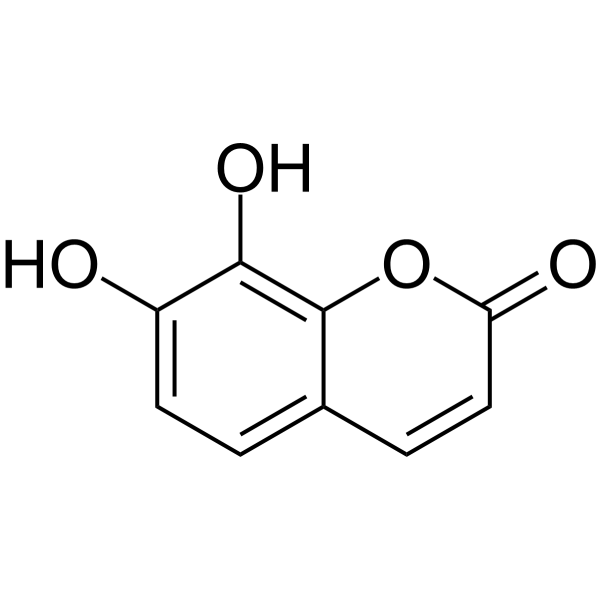
    7,8-Dihydroxycoumarin

    EGFR PKA PKC Autophagy Apoptosis AMPK Akt mTOR Reactive Oxygen Species (ROS) Caspase Bcl-2 Family PARP Parasite Cardiovascular Disease Inflammation/Immunology Cancer
    Daphnetin (7,8-dihydroxycoumarin), one coumarin derivative can be found in plants of the Genus Daphne, is a potent, oral active protein kinase inhibitor, with IC50s of 7.67 μM, 9.33 μM and 25.01 μM for EGFR, PKA and PKC in vitro, respectively. Daphnetin triggers ROS-induced cell apoptosis and induces cytoprotective autophagy by modulating the AMPK/Akt/mTOR pathway. Daphnetin has anti-inflammation activitity and inhibits TNF-α, IL-1β, ROS, and MDA production. Daphnetin has schizontocidal activity against malaria parasites. Daphnetin can be used for rheumatoid arthritis , cancer and anti-malarian research .
    Daphnetin
  • HY-148189
    Aldometanib
    5+ Cited Publications

    LXY-05-029

    Fructose-1,6-bisphosphate aldolase AMPK Metabolic Disease
    Aldometanib (LXY-05-029) is an orally active aldolase inhibitor. Aldometanib can activate lysosomal adenosine monophosphate-activated protein kinase (AMPK) and decreases blood glucose. Aldometanib can be used for the research of metabolic homeostasis .
    Aldometanib
  • HY-121705

    Endogenous Metabolite Apoptosis Bcl-2 Family NF-κB Survivin Src Akt AMPK NO Synthase Cardiovascular Disease Metabolic Disease Inflammation/Immunology
    Propionyl-L-carnitine is an orally active L-carnitine derivative. Propionyl-L-carnitine has a high affinity for muscle L-carnitine transferase. Propionyl-L-carnitine increases Apoptosis, Bax, and reduces NF-κB, VCAM-1, MCP-1, and survivin. Propionyl-L-carnitine activates Src kinase, Akt, induces p-AMPK and nitric oxide synthesis. Propionyl-L-carnitine alleviates cardiovascular disease, obesity, and colitis .
    Propionyl-L-carnitine
  • HY-111355

    Endogenous Metabolite DOCK PKC AMPK Sirtuin Metabolic Disease Inflammation/Immunology Cancer
    Cholesterol sulfate is a naturally occurring, orally active cholesterol derivative that is widely distributed in various tissues and body fluids. Cholesterol sulfate acts as a DOCK2 inhibitor, with IC50 values of 2 μM and 2.9 μM against mouse and human targets, respectively. Cholesterol sulfate restricts excessive neutrophil infiltration and alleviates intestinal inflammation and damage. Cholesterol sulfate serves as an activator of protein kinase C (PKC), which promotes squamous cell differentiation and inhibits skin carcinogenesis. Cholesterol sulfate regulates cholesterol homeostasis and cellular metabolism by activating the AMPK-Sirt1 pathway. Cholesterol sulfate can be used in research related to actinic keratitis, ulcerative colitis, skin cancer, and other conditions .
    Cholesterol sulfate
  • HY-N2055

    Toll-like Receptor (TLR) NF-κB TNF Receptor AMPK Neurological Disease Inflammation/Immunology
    Kaempferol 3-O-sophoroside is an orally active derivative of Kaempferol. It exhibits anti-inflammatory, analgesic, and antidepressant effects. Kaempferol 3-O-sophoroside is an inhibitor of the cell surface receptor toll-like receptor (TLR) 2/4 for High mobility group box 1 (HMGB1), and it also exerts anti-inflammatory effects by blocking the activation of NF-κB expression and the production of TNF-α. Kaempferol 3-O-sophoroside promotes the production of brain-derived neurotrophic factor (BDNF) and enhances autophagy by binding to AMP-activated protein kinase (AMPK), thereby exerting antidepressant effects. Kaempferol 3-O-sophoroside holds promise for research in the fields of inflammation and neurodegenerative diseases .
    Kaempferol 3-O-sophoroside
  • HY-107988
    MK-3903
    3 Publications Verification

    AMPK Metabolic Disease
    MK-3903 is a potent and selective AMP-activated protein kinase (AMPK) activator with an EC50 of 8 nM.
    MK-3903
  • HY-N6258
    Kahweol
    1 Publications Verification

    AMPK Apoptosis Metabolic Disease Cancer
    Kahweol is one of the consituents of the coffee from Coffea Arabica with anti-inflammatory anti-angiogenic, and anti-cancerous activities. Kahweol inhibits adipogenesis and increase glucose uptake by AMP-activated protein kinase (AMPK) activation. Kahweol induces apoptosis.
    Kahweol
  • HY-N7515

    2',4',6'-Trihydroxychalcone

    Bacterial AMPK Infection Metabolic Disease Inflammation/Immunology
    Pinocembrin chalcone (2',4',6'-Trihydroxychalcone) is an antibacterial compound from Helichrysum Trilineatum. Pinocembrin chalcone facilitates AMP-activated protein kinase (AMPK) activation, improves glucose tolerance, increases muscle FAO and reduces fat accumulation in the liver and skeletal muscles in high-fat diet-induced (HFD) diabetic mice. Pinocembrin chalcone is promising for research of gastric ulcers and diabetes .
    Pinocembrin chalcone
  • HY-160004

    AMPK Cardiovascular Disease Neurological Disease Metabolic Disease Inflammation/Immunology Cancer
    PXL770 is an orally active, direct allosteric AMP-activated protein kinase (AMPK) activator. PXL770 decreases C26:0 levels, improves mitochondrial respiration, reduces expression of proinflammatory genes and induces expression of compensatory transporters (ABCD2/3) in ALD fibroblasts/lymphocytes. PXL770 normalizes plasma VLCFA levels, significantly reduces elevated VLCFA levels in brain and spinal cord in Abcd1 KO mice. PXL770 improves glycemia, dyslipidemia, and insulin resistance in ob/ob and high-fat diet (HFD)-fed mice. PXL770 can be used for the study of X-linked adrenoleukodystrophy (ALD), autosomal dominant polycystic kidney disease and nonalcoholic steatohepatitis (NASH) .
    PXL770
  • HY-N0772
    Isomangiferin
    4 Publications Verification

    VEGFR NOD-like Receptor (NLR) NF-κB Bacterial AMPK Acetyl-CoA Carboxylase Apoptosis Reactive Oxygen Species (ROS) HSV Drug Derivative Infection Metabolic Disease Inflammation/Immunology Cancer
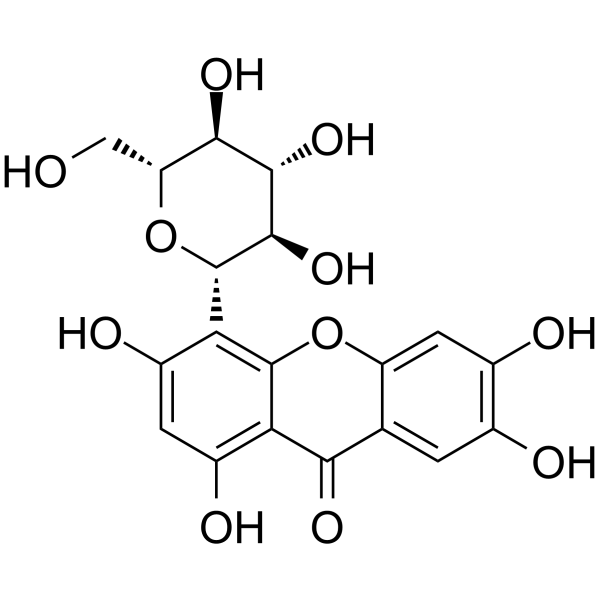
    Isomangiferin is an orally active xanthone C-glucoside, and its chemical structure is similar to Mangiferin (HY-N0290). Isomangiferin is an effective VEGFR-2 kinase inhibitor, which can induces cell apoptosis, inhibit the growth, metastasis and angiogenesis of breast cancer. Isomangiferin exerts anti-inflammatory effects by inhibiting the HMGB1/NLRP3/NF-κB signaling pathway, thereby improving the renal function indicators of diabetic mice. Isomangiferin exhibits inhibitory effects on various bacteria and herpes simplex virus type 1 (HSV-1). Isomangiferin promotes the migration and osteogenic differentiation of bone marrow mesenchymal stem cells (BMSCs) and reduces cell apoptosis and the production of ROS by activating the AMPK/ACC pathway, thereby facilitating fracture healing .
    Isomangiferin
  • HY-12831
    Ampkinone
    3 Publications Verification

    AMPK Metabolic Disease
    Ampkinone is an indirect AMP-activated protein kinase (AMPK) activator.
    Ampkinone
  • HY-103238
    RSVA405
    1 Publications Verification

    AMPK STAT Autophagy Neurological Disease Metabolic Disease Inflammation/Immunology
    RSVA405 is a potent, orally active activator of AMPK, with an EC50 of 1 μM. RSVA405 facilitates CaMKKβ-dependent activation of AMPK, inhibits mTOR, and promotes autophagy to increase Aβ degradation. RSVA405 has anti-inflammatory effects through the inhibition of STAT3 function. RSVA405 can also be used for the research of obesity .
    RSVA405
  • HY-141645

    WS070117

    AMPK TGF-β Receptor NF-κB JNK AP-1 Cardiovascular Disease Metabolic Disease Inflammation/Immunology
    IMM-H007 (WS070117) is an orally active and potent AMPK (AMP-activated protein kinase) activator and TGFβ1 (transforming growth factor β1) antagonist. IMM-H007 has protective effects in cardiovascular diseases via activation of AMPK. IMM-H007 negatively regulates endothelium inflammation through inactivating NF-κB and JNK/AP1 signaling. IMM-H007 inhibits ABCA1 degradation. IMM-H007 resolves hepatic steatosis in HFD-fed hamsters by the regulation of lipid metabolism. IMM-H007 can be used for the research of nonalcoholic fatty liver disease (NAFLD) and inflammatory atherosclerosis .
    IMM-H007
  • HY-115463
    EB-3D
    2 Publications Verification

    AMPK Apoptosis Cancer
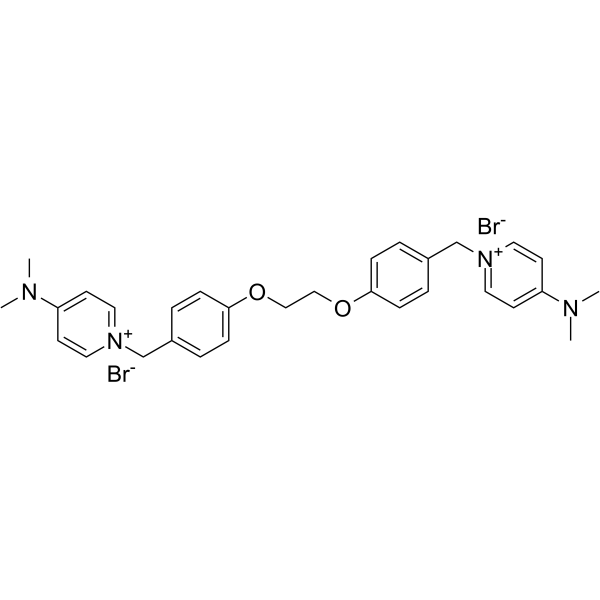
    EB-3D is a potent and selective choline kinase α (ChoKα) inhibitor, with an IC50 of 1 μM for ChoKα1. EB-3D exerts effects on ChoKα expression, AMPK activation, apoptosis, endoplasmic reticulum stress and lipid metabolism. EB-3D exhibits a potent antiproliferative activity in a panel of T-leukemia cell lines. Anti-cancer activity .
    EB-3D
  • HY-P0136
    SAMS
    2 Publications Verification

    AMPK Metabolic Disease
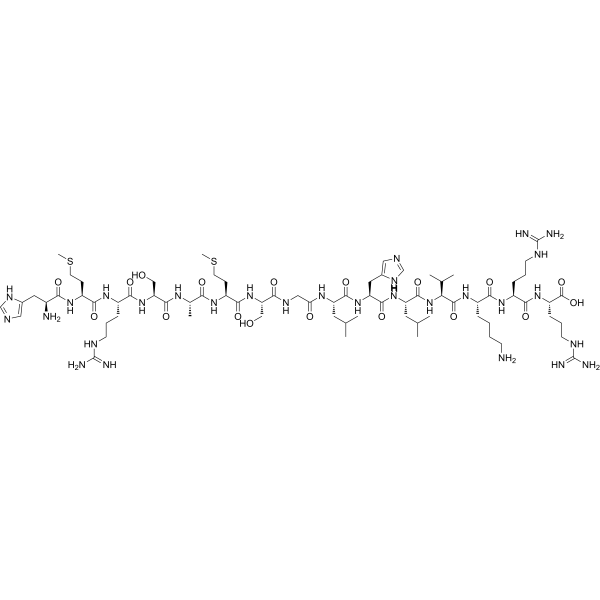
    SAMS peptide is a specific substrate for the AMP-activated protein kinase (AMPK).
    SAMS
  • HY-N6631
    7-Methoxyisoflavone
    4 Publications Verification

    AMPK Metabolic Disease Cancer
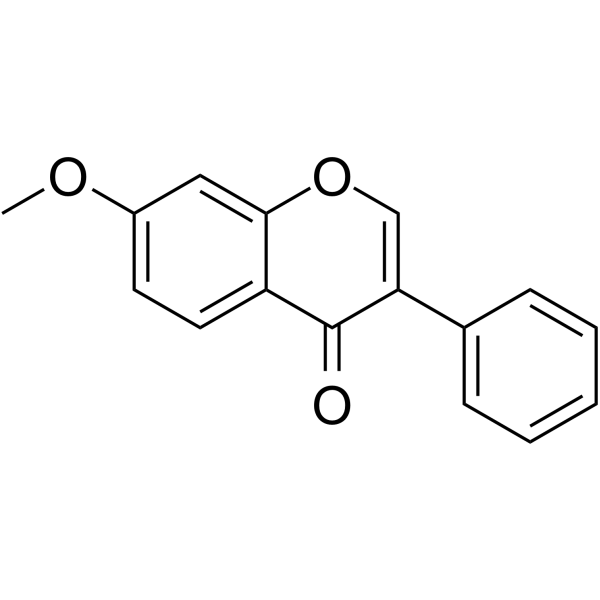
    7-Methoxyisoflavone is an isoflavone derivative and also an activator of adenosine monophosphate-activated protein kinase (AMPK).
    7-Methoxyisoflavone
  • HY-115570
    GW406108X
    1 Publications Verification

    GW108X

    Kinesin ULK Autophagy Cancer
    GW406108X is a specific Kif15 (Kinesin-12) inhibitor with an IC50 of 0.82 uM in ATPase assays. GW406108X, a potent autophagy inhibitor, shows ATP competitive inhibition against ULK1 with a pIC50 of 6.37 (427 nM). GW406108X inhibits ULK1 kinase activity and blocks autophagic flux, without affecting the upstream signaling kinases mTORC1 and AMPK .
    GW406108X
  • HY-130479

    Adiponectin Receptor PPAR PGC-1α Sirtuin AMPK Metabolic Disease
    AdipoR agonist 1 (Compound 112254) is an agonist for adiponectin receptor (AdipoR), which activates the transcriptional regulators like peroxisome proliferator-activated receptors (PPARs), peroxisome proliferator-activated receptor gamma coactivator 1α (PGC-1α), sirtuin 1 (SIRT1), and adenylate-activated protein kinase (AMPK). AdipoR agonist 1 is utilized in preventive doping research .
    AdipoR agonist 1
  • HY-164595

    Hippo (MST) Apoptosis AMPK Metabolic Disease
    IHMT-MST1-39 is an orally active inhibitor for MST kinase, with IC50 of 42, 109, 286, 159 nM for MST1, MST2, MST3, MST4. IHMT-MST1-39 activates the AMPK signaling pathway in liver cells, reduces apoptosis of pancreatic β-cells. IHMT-MST1-39 can be used for the studies of type 1 diabetes (T1D) and type 2 diabetes (T2D) .
    IHMT-MST1-39
  • HY-P1576A

    Salt-inducible Kinase (SIK) AMPK Others
    AMARA peptide (TFA) is a substrate for salt-inducible kinase (SIK) and adenosine monophosphate activated protein kinase (AMPK).
    AMARA peptide TFA
  • HY-168905

    Calmodulin Cancer
    SGC-CAMKK2-1, a chemical probe, is the selective, inhibitor for calcium/calmodulin-dependent protein kinase kinase 2 (CAMKK2) with an IC50 of 30 nM. SGC-CAMKK2-1 inhibits AMPK phosphorylation in cell C4-2 with an IC50 of 1.6 μM .
    SGC-CAMKK2-1
  • HY-P5435

    Ser/Thr Kinase Others
    LKBtide is a biological active peptide. (This is a peptide substrate that is phosphorylated by Serine/Threonine kinase 11 (STK11), also known as LKB1. LKBtide is derived from sucrose non-fermenting 1 (SNF1) protein kinase, which is normally activated by the LKB1/AMP-activated protein kinase (AMPK) signaling pathway.)
    LKBtide
  • HY-P0136AF

    Fluorescent Dye Others
    FAM-SAMS TFA is a 5-FAM (HY-66022) labeled SAMS (HY-P0136). SAMS peptide is a specific substrate for the AMP-activated protein kinase (AMPK) .
    FAM-SAMS TFA
  • HY-124822
    COH-SR4
    2 Publications Verification

    AMPK Metabolic Disease Cancer
    COH-SR4 is an AMPK activator. COH-SR4 shows potent anti-proliferative activities against leukemia, melanoma, breast and lung cancers. COH-SR4 inhibits adipocyte differentiation via AMPK activation. COH-SR4 can be used for the research of obesity and related metabolic disorders .
    COH-SR4
  • HY-E70648

    AMPK Cancer
    AMPK is an αβγ heterotrimeric serinethreonine kinase activated by decreasing concentrations of adenosine triphosphate (ATP) and increasing AMP concentrations. AMPK alpha 1 Recombinant Human Active Protein Kinase is obtained by co-expressing AMPKα1 proteins .
    AMPK alpha 1 Recombinant Human Active Protein Kinase
  • HY-111355S

    Isotope-Labeled Compounds Sirtuin Endogenous Metabolite PKC AMPK DOCK Metabolic Disease Inflammation/Immunology Cancer
    Cholesterol sulfate sodium-d7 is the deuterium labeled Cholesterol sulfate sodium. Cholesterol sulfate sodium is a naturally occurring, orally active cholesterol derivative that is widely distributed in various tissues and body fluids. Cholesterol sulfate sodium acts as a DOCK2 inhibitor, with IC50 values of 2 μM and 2.9 μM against mouse and human targets, respectively. Cholesterol sulfate sodium restricts excessive neutrophil infiltration and alleviates intestinal inflammation and damage. Cholesterol sulfate sodium serves as an activator of protein kinase C (PKC), which promotes squamous cell differentiation and inhibits skin carcinogenesis. Cholesterol sulfate sodium regulates cholesterol homeostasis and cellular metabolism by activating the AMPK-Sirt1 pathway. Cholesterol sulfate sodium can be used in research related to actinic keratitis, ulcerative colitis, skin cancer, and other conditions.
    Cholesterol sulfate-d7 sodium
  • HY-10971A

    MLN 8237 sodium

    Aurora Kinase Autophagy Apoptosis Cancer
    Alisertib (MLN 8237) sodium is an orally active and selective Aurora A kinase inhibitor (IC50=1.2 nM), which binds to Aurora A kinase resulting in mitotic spindle abnormalities, mitotic accumulation. Alisertib sodium induces apoptosis and autophagy through targeting the AKT/mTOR/AMPK/p38 pathway in leukemic cells. Antitumor activity .
    Alisertib sodium
  • HY-147038

    AMPK Metabolic Disease
    AMPK activator 8 (compound 2) is an AMP-activated protein kinase (AMPK) activator with EC50s of 11, 27, 4, 2, and 4 nM for rAMPK α1β1γ1, rAMPK α2β1γ1, rAMPK α1β2γ1, rAMPK α2β2γ1, rAMPK α2β2γ3, respectively. AMPK activator 8 can be used for the research of type 2 diabetes .
    AMPK activator 8
  • HY-E70793

    AMPK Cancer
    AMPK is an αβγ heterotrimeric serinethreonine kinase activated by decreasing concentrations of adenosine triphosphate (ATP) and increasing AMP concentrations. Biotin-AMPKα1β1γ1 Recombinant Human Active Protein Kinase is obtained by co-expressing AMPKα1, AMPKβ1, and AMPKγ1 proteins and is biotinylated .
    Biotin-AMPKα1β1γ1 Recombinant Human Active Protein Kinase
  • HY-154973

    Oxidative Phosphorylation Mitochondrial Metabolism AMPK Metabolic Disease Cancer
    AMPK activator 11 is an AMP-activated protein kinase (AMPK) activator with nanomolelevel antiproliferation activities against several CRCs. AMPK activator 11 selectively inhibits the RKO xenograft growth along by activating AMPK and upregulating oxidative phosphorylation (OXPHOS) ( mitochondrial metabolism ) and can be used for anti-tumor and metabolic disease research .
    AMPK activator 11
  • HY-N6077

    AMPK Apoptosis Cancer
    Thalidezine is a novel activator of AMP-activated protein kinase (AMPK). Thalidezine can eliminate anti-apoptotic cancer cells through energy-mediated autophagy death. Thalidezine can be used to study apoptosis intervention .
    Thalidezine
  • HY-174157

    Autophagy AMPK Neurological Disease Metabolic Disease
    AR493 is an autophagy activator acting on AMPK (adenosine monophosphate-activated protein kinase). AR493 regulates pathways related to cellular energy sensing and increases autophagy levels. AR493 is promising for research of aging-associated diseases (such as diabetes, neurodegenerative diseases) and autophagy regulation .
    AR493
  • HY-163315

    Keap1-Nrf2 AMPK Metabolic Disease
    YPLP is a yeast-derived peptide Tyr-Pro-Leu-Pro, which exhibits activity in anti fatigue mechanisms through the nuclear factor erythroid-2-related factor 2 (Nrf2)- and AMP-activated protein kinase (AMPK) pathway. YPLP is orally active .
    YPLP
  • HY-E70787

    AMPK Cancer
    AMPK is an αβγ heterotrimeric serinethreonine kinase activated by decreasing concentrations of adenosine triphosphate (ATP) and increasing AMP concentrations. AMPK α1β1γ1 Recombinant Human Active Protein Kinase is an ortholog of AMPK. AMPK α1β1γ1 Recombinant Human Active Protein Kinase is obtained by co-expressing AMPKα1, AMPKβ1, and AMPKγ1 proteins .
    AMPK α1β1γ1 Recombinant Human Active Protein Kinase
  • HY-N0281R

    7,8-Dihydroxycoumarin (Standard)

    Reference Standards EGFR PKA PKC Autophagy Apoptosis AMPK Akt mTOR Reactive Oxygen Species (ROS) Caspase Bcl-2 Family PARP Parasite Inflammation/Immunology Cancer
    Daphnetin (Standard) is the analytical standard of Daphnetin. This product is intended for research and analytical applications. Daphnetin (7,8-dihydroxycoumarin), one coumarin derivative can be found in plants of the Genus Daphne, is a potent, oral active protein kinase inhibitor, with IC50s of 7.67 μM, 9.33 μM and 25.01 μM for EGFR, PKA and PKC in vitro, respectively. Daphnetin triggers ROS-induced cell apoptosis and induces cytoprotective autophagy by modulating the AMPK/Akt/mTOR pathway. Daphnetin has anti-inflammation activitity and inhibits TNF-α, IL-1 , ROS, and MDA production. Daphnetin has schizontocidal activity against malaria parasites. Daphnetin can be used for rheumatoid arthritis , cancer and anti-malarian research .
    Daphnetin (Standard)
  • HY-E70796

    AMPK Cancer
    AMPK is an αβγ heterotrimeric serinethreonine kinase activated by decreasing concentrations of adenosine triphosphate (ATP) and increasing AMP concentrations. Biotin-AMPKα2β1γ1 Recombinant Human Active Protein Kinase is obtained by co-expressing AMPKα2, AMPKβ1, and AMPKγ1 proteins and is biotinylated .
    Biotin-AMPKα2β1γ1 Recombinant Human Active Protein Kinase
  • HY-E70795

    AMPK Cancer
    AMPK is an αβγ heterotrimeric serinethreonine kinase activated by decreasing concentrations of adenosine triphosphate (ATP) and increasing AMP concentrations. Biotin-AMPKα1β2γ1 Recombinant Human Active Protein Kinase is obtained by co-expressing AMPKα1, AMPKβ2, and AMPKγ1 proteins and is biotinylated .
    Biotin-AMPKα1β2γ1 Recombinant Human Active Protein Kinase
  • HY-170931

    AMPK Acetyl-CoA Carboxylase Neurological Disease Metabolic Disease
    AMPK activator 16 (compound 6) is a AMP-activated protein kinase (AMPK) inhibitor. AMPK activator 16 shows the most efficient interactions with the key residues of AMPK and demonstrates significant activation of AMPK. AMPK activator 16 increases the expression of phosphorylated AMPK (p-AMPK) and its downstream signaling proteins, such as phosphorylated ACC (Acetyl-CoA Carboxylase) (p-ACC) and phosphorylated raptor (p-raptor), in N2a cells .
    AMPK activator 16
  • HY-E70858

    AMPK Cancer
    QIK belongs to the AMPK/SNF1 kinase family. It is a ubiquitously expressed protein and is upregulated rapidly after a hormone-regulated form of Qin is activated. QIK Recombinant Human Active Protein Kinase is a recombinant QIK protein that can be used to study QIK-related functions .
    QIK Recombinant Human Active Protein Kinase
  • HY-P10367

    MAPKAPK2 (MK2) Checkpoint Kinase (Chk) AMPK Others
    Ziptide is a substrate for MAPK activated protein kinase 2 (MAPKAPK2, Km = 5 μM), MAPKAPK3 (Km = 30 μM), PARK (Km = 40 μM), checkpoint kinase 1 (Chk1, Km = 5 μM), AMP-activated protein kinase (AMPK, Km = 75 μM), and calcium/calmodulin-dependent protein kinase II (CamKII, Km = 300 μM) .
    Ziptide
  • HY-P0136F

    AMPK Others
    FAM-SAMS is a 5-FAM (HY-66022) labeled SAMS (HY-P0136). SAMS peptide is a specific substrate for the AMP-activated protein kinase (AMPK) .
    FAM-SAMS
  • HY-E70851

    AMPK Cancer
    NUAK2 is a member of the SNF1/AMP kinase (AMPK) family (serine/threonine kinases) that is regulated by the putative tumor suppressor LKB1 (20-23) and also by death receptor signaling through NF-κB. Nuak2 Recombinant Human Active Protein Kinase is a recombinant Nuak2 protein that can be used to study Nuak2-related functions .
    Nuak2 Recombinant Human Active Protein Kinase

Inquiry Online

Your information is safe with us. * Required Fields.

Salutation


Country or Region *

Applicant Name *


Organization Name *

Department *


Email Address *


Product Name *

Cat. No.


Requested quantity *

Phone Number *


Remarks

Inquiry Online

Inquiry Information

Product Name:
Cat. No.:
Quantity:
MCE Japan Authorized Agent:

