

1. Search Result
Search Result
Results for "

Aedes aegypti

" in MedChemExpress (MCE) Product Catalog:

29

Inhibitors & Agonists

3

Biochemical Assay Reagents

13

Natural
Products

1

Isotope-Labeled Compounds

Cat. No. Product Name Target Research Areas Chemical Structure
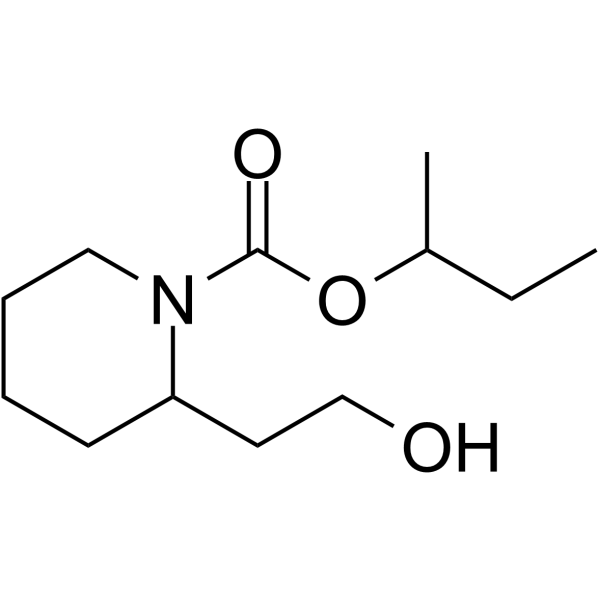
  • HY-116144
    Picaridin
    3 Publications Verification

    Lcaridin

    Environmental Pollutants Parasite Infection
    Picaridin (Lcaridin) is a broad spectrum arthropod repellent. Picaridin interacts with mosquito and tick olfactory receptor proteins. Picaridin repels Aedes aegypti. Picaridin exhibits considerable antibacterial, anticandidal and antifungal properties .
    Picaridin
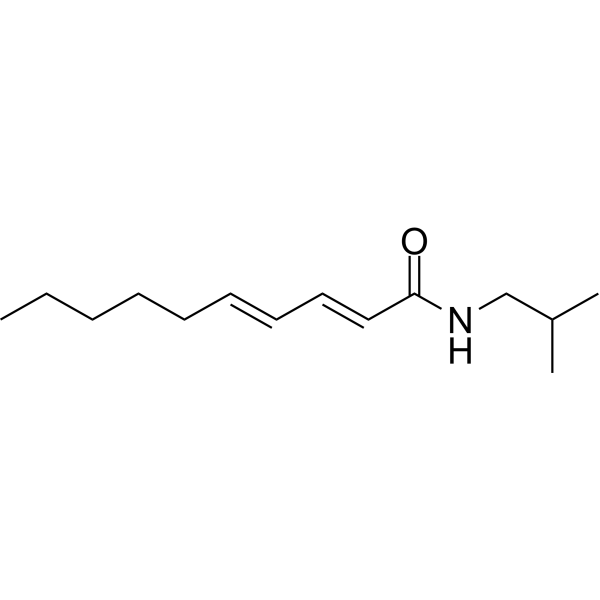
  • HY-N3097

    TRP Channel Amyloid-β Toll-like Receptor (TLR) Keap1-Nrf2 Heme Oxygenase (HO) Dihydroorotate Dehydrogenase Ferroptosis PAI-1 NF-κB ERK Proton Pump Glutathione Peroxidase Thrombin Insecticide Bacterial Infection Cardiovascular Disease Neurological Disease Inflammation/Immunology Cancer
    Pellitorine is a bioactive natural amide compound. Pellitorine can competitively antagonize the activation of TRPV1 by Capsaicin (HY-10448), thereby reducing pain signal transmission. Pellitorine improves cognitive dysfunction by upregulating the BDNF-ERK1/2-CREB and Nrf2-HO-1 pathways. Pellitorine exerts anti-inflammatory and anti-sepsis effects by inhibiting the release of high mobility group protein B1 (HMGB1) and the expression of RAGE/TLR4. Pellitorine exerts its antithrombotic effect by prolonging the clotting time, inhibiting the activity of clotting factors and thrombin. Pellitorine inhibits lipid peroxidation and resists ferroptosis by upregulating GPX4 and DHODH. Pellitorine kills Aedes aegypti mosquito larvae by inhibiting V-type H⁺-ATPase and aquaporin 4 (AaAQP4). Pellitorine exhibits anti-cancer activity (e.g., leukemia and breast cancer) and has inhibitory effects on certain bacteria .
    Pellitorine
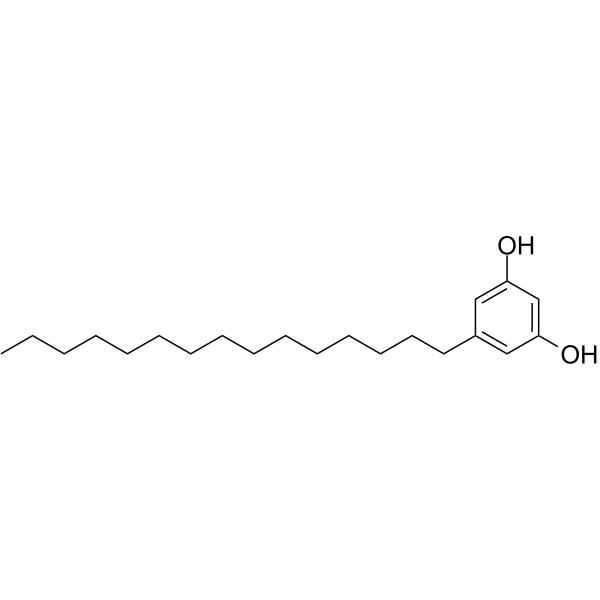
  • HY-116934
    5-Pentadecylresorcinol
    1 Publications Verification

    Adipostatin A

    Insecticide Infection Cancer
    5-Pentadecylresorcinol (Adipostatin A) is a glycerol-3-phosphate dehydrogenase (GPDH) inhibitor with an IC50 of 4.1 μM. Adipostatin A shows good larvicidal activity against Aedes aegypti .
    5-Pentadecylresorcinol
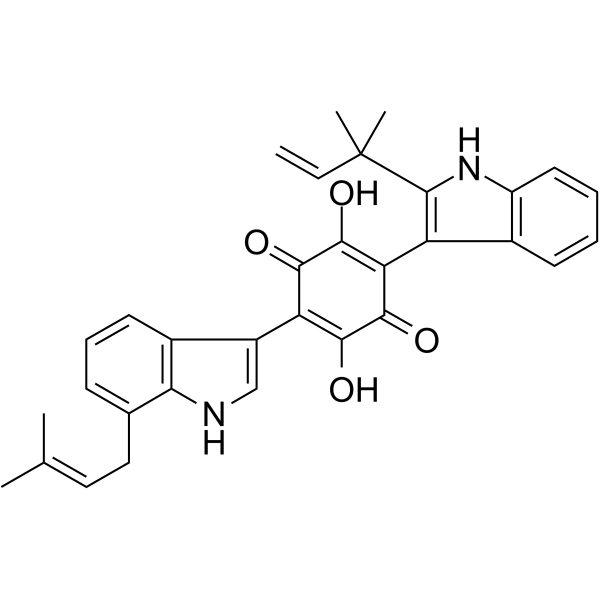
  • HY-107586

    DAQ B1; L-783281; Dimethylasterriquinone

    Insulin Receptor Akt NO Synthase NADPH Oxidase JAK STAT FOXO DNA/RNA Synthesis ERK Flavivirus Cardiovascular Disease Infection Metabolic Disease Inflammation/Immunology
    Demethylasterriquinone B1 (DAQ B1; L-783281) is an orally active insulin receptor (insulin receptor) agonist and AKT activator. By activating AKT, Demethylasterriquinone B1 upregulates the expression and activity of eNOS to increase NO production, while downregulating the expression of the NADPH oxidase subunit p22phox to reduce oxidative stress and improve vascular endothelial dysfunction in hypertensive rats. Demethylasterriquinone B1 combind with an AKT inhibitor targets the insulin signaling pathway to activate two antiviral pathways, RNA interference and JAK/STAT, in mosquitoes, thereby reducing Zika virus infection .
    Demethylasterriquinone B1
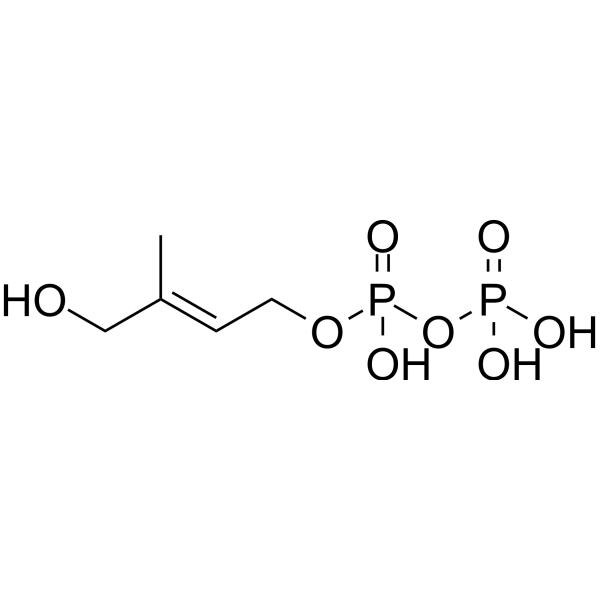
  • HY-134891

    (E)-4-Hydroxy-3-methyl-but-2-enyl diphosphate lithium

    Nuclear Factor of activated T Cells (NFAT) Infection Inflammation/Immunology
    HMBPP lithium is an intermediate in isoprenoid biosynthesis that can be produced by bacteria and protozoa that use the non-mevalonate pathway for isoprenoid biosynthesis. HMBPP lithium is a ligand of the internal domain of BTN3A1 and is an activator for human Vγ9/Vδ2 T cells. HMBPP lithium exhibits phagostimulant property in mosquitos .
    HMBPP lithium
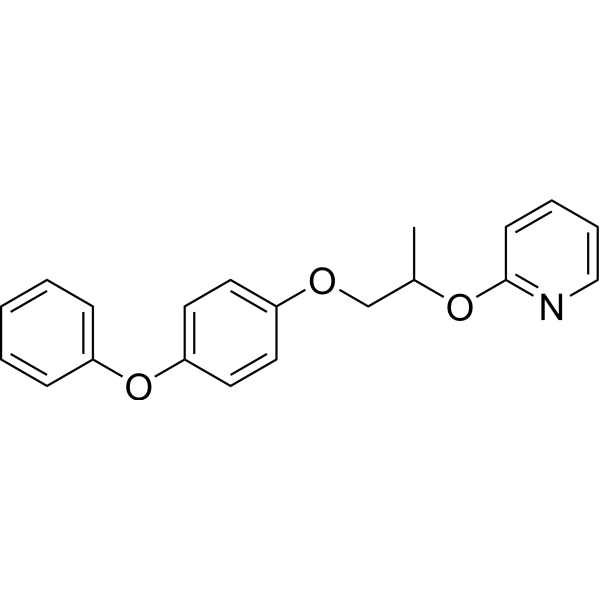
  • HY-B2031
    Pyriproxyfen
    1 Publications Verification

    S-31183

    Autophagy Parasite Infection
    Pyriproxyfen (S-31183) is a juvenile hormone analog and insect growth regulator. Pyriproxyfen is used in research related to dengue fever and malaria .
    Pyriproxyfen
  • HY-W002270

    Propyl laurate

    Insecticide Infection
    Propyl dodecanoate (Propyl laurate) is a synthetic dodecanoic acid ester, exhibiting biting deterrent activity against Aedes aegypti mosquitoes. Propyl dodecanoate can be used for the research of mosquito-borne disease vectors (Aedes aegypti) .
    Propyl dodecanoate
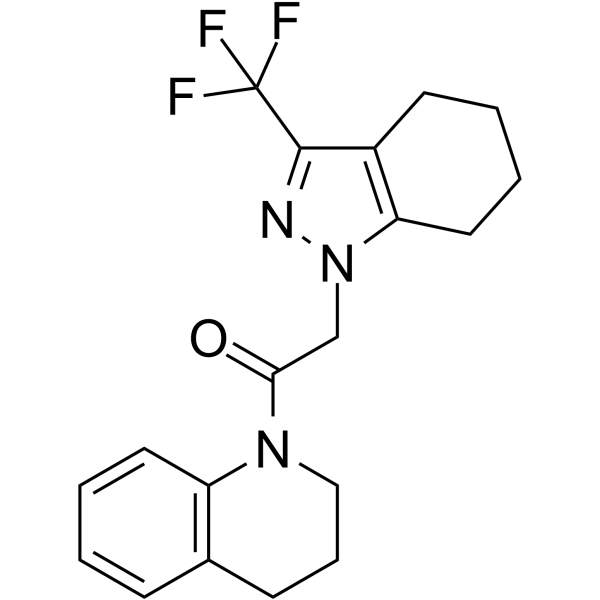
  • HY-118607

    Potassium Channel Parasite Infection
    VU041 is a first submicromolar-affinity inhibitor of Anopheles (An.) gambiae and Aedes (Ae.) aegypti inward rectifier potassium 1 (Kir1) channels with IC50 values of 2.5 μM and 1.7 μM, respectively. VU041 inhibits appreciably is mammalian Kir2.1 (IC50 of 12.7 μM), and has less inhibitory effect on mammalian Kir1.1, Kir4.1, Kir6.2/SUR1, and Kir7.1. VU041 also induces impaired Malpighian tubule function .
    VU041
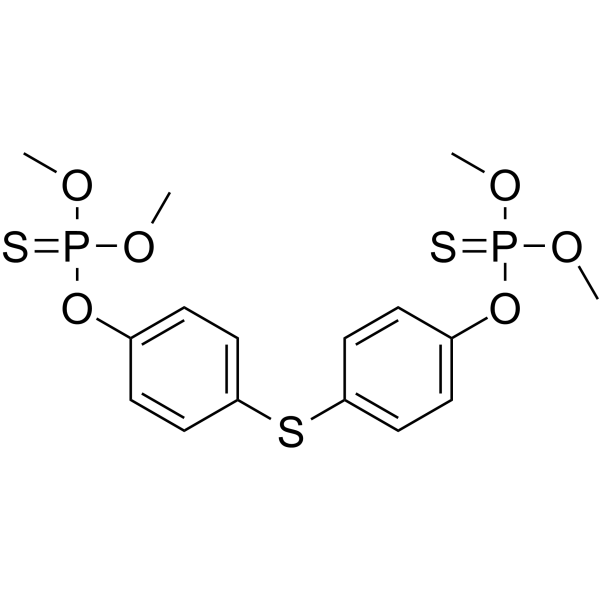
  • HY-B1120
    Temephos
    2 Publications Verification

    Temefos

    Insecticide Cholinesterase (ChE) Dengue Virus Flavivirus Infection
    Temephos (Temefos) is an orally active, blood-brain barrier-permeable organophosphate insecticide and AChE inhibitor. By irreversibly inhibiting AChE to induce cholinergic overactivation, Temephos effectively blocks larval development of Aedes aegypti (yellow fever mosquito) and Aedes albopictus (Asian tiger mosquito), and is commonly used in studies related to Dengue Virus, Zika Virus and other relevant pathogens. Temephos exhibits genotoxicity and neurodevelopmental toxicity, and may also cause liver injury, reproductive system abnormalities and cholinergic poisoning symptoms in mammals. Temephos tends to accumulate in adipose tissues and aquatic organisms, and is excreted via feces after metabolism through oxidation and hydrolysis. Note that CYP-mediated metabolic detoxification may reduce the actual larvicidal efficacy of Temephos against some mosquito species. Temephos can be used in research related to dengue fever, Zika virus disease, chikungunya and dracunculiasis .
    Temephos
  • HY-N11654

    Cardol monoene

    Insecticide Infection Cancer
    Bilobol is a potent insecticide against Aedes aegypti with a LC50 of 7.67 mg/L. Bilobol also has antitumor activity .
    Bilobol
  • HY-114633
    VU625
    2 Publications Verification

    Potassium Channel Others
    VU625 is an inhibitor for potassium channel, that selectively inhibits mosquito Aedes aegypti inward rectifier potassium channel 1 (AeKir), with IC50 of 96.8 nM in HEK293 cell. VU625 can be used in development of insecticide .
    VU625
  • HY-W013715B

    dTTP trisodium,100 mM Solution,PCR Grade

    DNA/RNA Synthesis Nucleoside Antimetabolite/Analog Endogenous Metabolite Others
    Deoxythymidine-5'-triphosphate (dTTP) trisodium, 100 mM Solution, PCR Grade is one of the raw materials used by DNA polymerase to synthesize long DNA strands during DNA replication. Deoxythymidine-5'-triphosphate trisodium, 100 mM Solution, PCR Grade is used in polymerase chain reaction (PCR) for DNA amplification. This product is supplied as an aqueous solution.
    Deoxythymidine-5'-triphosphate trisodium,100 mM Solution,PCR Grade
  • HY-W320276

    Endogenous Metabolite Bacterial Parasite Infection Others
    Dill apiole is an aromatic ether, which is an important aroma component in herbs and spices such as dill (Anethum graveolens), parsley (Petroselinum crispum) and basil (Perilla frutescens). Dill apiole exhibits antimicrobial activity against Aspergillus parasiticus and Aedes aegypti .
    Dill apiole
  • HY-W127493

    Ceryl Alcohol

    Biochemical Assay Reagents Infection
    1-Hexacosanol can be used as an inhibitor of acetylcholinesterase (AChE). 1-Hexacosanol has larvicidal activity and can inhibit the acetylcholinesterase activity of Culex quinquefasciatus, Aedes aegypti and Chironomus riparius, exerting neurotoxic effects .
    1-Hexacosanol
  • HY-W100043

    Insecticide Infection
    p-Menthane-3,8-diol is an insect repellent. p-Menthane-3,8-diol can be used to repel Aedes aegypti .
    p-Menthane-3,8-diol
  • HY-W142258

    Parasite Infection
    6-Undecanone is a ligand of Odorant-binding protein 22 (OBP22) with a weak bind capacity. -Undecanone can be used as a negative control for Aedes aegypti mosquito infection research .
    6-Undecanone
  • HY-N2976

    Betulafolianediol 3-acetate; Cabraleadiol 3-acetate

    Others Infection
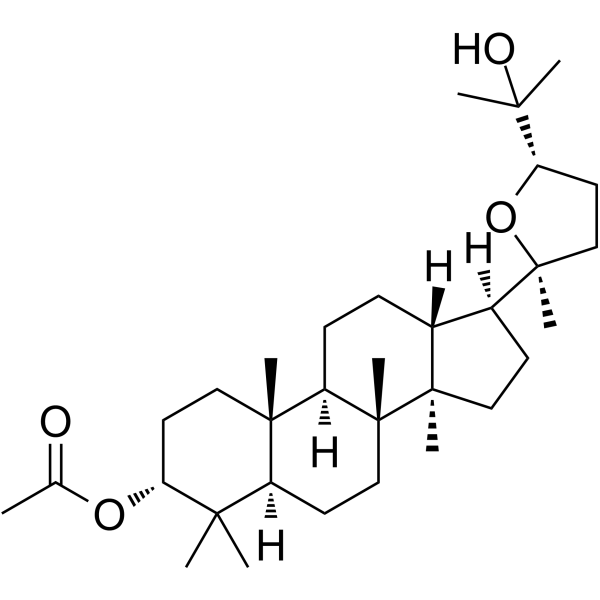
    Cabraleadiol monoacetate is a compound isolated from the lichen Pyxine consocians Vainio. Cabraleadiol monoacetate shows mosquito larvicidal activity against the second instar larvae of Aedes aegypti .
    Cabraleadiol monoacetate
  • HY-116934R

    Adipostatin A (Standard)

    Reference Standards Others Infection Cancer
    5-Pentadecylresorcinol (Standard) is the analytical standard of 5-Pentadecylresorcinol. This product is intended for research and analytical applications. 5-Pentadecylresorcinol (Adipostatin A) is a glycerol-3-phosphate dehydrogenase (GPDH) inhibitor with an IC50 of 4.1 μM. Adipostatin A shows good larvicidal activity against Aedes aegypti .
    5-Pentadecylresorcinol (Standard)
  • HY-W127493R

    Ceryl Alcohol (Standard)

    Biochemical Assay Reagents Reference Standards Infection
    1-Hexacosanol (Standard) is the analytical standard of 1-Hexacosanol. This product is intended for research and analytical applications. 1-Hexacosanol can be used as an inhibitor of acetylcholinesterase (AChE). 1-Hexacosanol has larvicidal activity and can inhibit the acetylcholinesterase activity of Culex quinquefasciatus, Aedes aegypti and Chironomus riparius, exerting neurotoxic effects.
    1-Hexacosanol (Standard)
  • HY-B1120R

    Temefos (Standard)

    Reference Standards Insecticide Cholinesterase (ChE) Dengue Virus Flavivirus Infection
    Temephos (Standard) is the analytical standard of Temephos. This product is intended for research and analytical applications. Temephos (Temefos) is an orally active, blood-brain barrier-permeable organophosphate insecticide and AChE inhibitor. By irreversibly inhibiting AChE to induce cholinergic overactivation, Temephos effectively blocks larval development of Aedes aegypti (yellow fever mosquito) and Aedes albopictus (Asian tiger mosquito), and is commonly used in studies related to Dengue Virus, Zika Virus and other relevant pathogens. Temephos exhibits genotoxicity and neurodevelopmental toxicity, and may also cause liver injury, reproductive system abnormalities and cholinergic poisoning symptoms in mammals. Temephos tends to accumulate in adipose tissues and aquatic organisms, and is excreted via feces after metabolism through oxidation and hydrolysis. Note that CYP-mediated metabolic detoxification may reduce the actual larvicidal efficacy of Temephos against some mosquito species. Temephos can be used in research related to dengue fever, Zika virus disease, chikungunya and dracunculiasis .
    Temephos (Standard)
  • HY-B1120S

    Temefos-d12

    Cholinesterase (ChE) Dengue Virus Flavivirus Parasite Infection
    Temephos-d12 is the deuterium labeled Temephos. Temephos (Temefos) is an orally active, blood-brain barrier-permeable organophosphate insecticide and AChE inhibitor. By irreversibly inhibiting AChE to induce cholinergic overactivation, Temephos effectively blocks larval development of Aedes aegypti (yellow fever mosquito) and Aedes albopictus (Asian tiger mosquito), and is commonly used in studies related to Dengue Virus, Zika Virus and other relevant pathogens. Temephos exhibits genotoxicity and neurodevelopmental toxicity, and may also cause liver injury, reproductive system abnormalities and cholinergic poisoning symptoms in mammals. Temephos tends to accumulate in adipose tissues and aquatic organisms, and is excreted via feces after metabolism through oxidation and hydrolysis. Note that CYP-mediated metabolic detoxification may reduce the actual larvicidal efficacy of Temephos against some mosquito species. Temephos can be used in research related to dengue fever, Zika virus disease, chikungunya and dracunculiasis .
    Temephos-d12
  • HY-N3097R

    Reference Standards TRP Channel Amyloid-β Toll-like Receptor (TLR) Keap1-Nrf2 Heme Oxygenase (HO) Dihydroorotate Dehydrogenase Ferroptosis PAI-1 NF-κB Proton Pump Glutathione Peroxidase Thrombin Insecticide Bacterial Infection Cardiovascular Disease Neurological Disease Inflammation/Immunology Cancer
    Pellitorine (Standard) is the analytical standard of Pellitorine (HY-N3097). Pellitorine is a bioactive natural amide compound. Pellitorine can competitively antagonize the activation of TRPV1 by Capsaicin (HY-10448), thereby reducing pain signal transmission. Pellitorine improves cognitive dysfunction by upregulating the BDNF-ERK1/2-CREB and Nrf2-HO-1 pathways. Pellitorine exerts anti-inflammatory and anti-sepsis effects by inhibiting the release of high mobility group protein B1 (HMGB1) and the expression of RAGE/TLR4. Pellitorine exerts its antithrombotic effect by prolonging the clotting time, inhibiting the activity of clotting factors and thrombin. Pellitorine inhibits lipid peroxidation and resists ferroptosis by upregulating GPX4 and DHODH. Pellitorine kills Aedes aegypti mosquito larvae by inhibiting V-type H⁺-ATPase and aquaporin 4 (AaAQP4). Pellitorine exhibits anti-cancer activity (e.g., leukemia and breast cancer) and has inhibitory effects on certain bacteria.
    Pellitorine (Standard)
  • HY-N13754

    Parasite Infection
    Leptostachyol acetate is a lignan compound that can be isolated from the roots of Phryma leptostachya var. asiatica. Leptostachyol acetate exhibits larvicidal activity against mosquito larvae, with LC50 values of 0.41, 2.1, and 2.3 ppm against third instar larvae of Culex pipiens pallens, Aedes aegypti, and Ocheratatos togoi, respectively. Leptostachyol acetate can be used for research on mosquito larval control .
    Leptostachyol acetate
  • HY-180460

    Insecticide Others
    SCPI-1 is a potent and competitive mosquito sterol carrier protein-2 (SCP-2) inhibitor (AeSCP-2 IC50 = 0.347 µM; AeSCP-x IC50 = 0.527 µM). SCPI-1 exhibits physiological effects on cholesterol metabolism in cultured insect cells (IC50 of 5.53 µM in Aag-2 cells). SCPI-1 shows insecticidal activity against Aedes aegypti with a LD50 of 4.8 µM .
    SCPI-1
  • HY-180500

    Insecticide Others
    SCPI-3 is a potent and competitive mosquito sterol carrier protein-2 (SCP-2) inhibitor (AeSCP-2 IC50 = 0.159 µM; AeSCP-x IC50 = 0.285 µM). SCPI-3 exhibits physiological effects on cholesterol metabolism in cultured insect cells (IC50 of 3.09 µM in Aag-2 cells). SCPI-3 shows insecticidal activity against Aedes aegypti with a LD50 of 12.3 µM .
    SCPI-3
  • HY-N17963

    Glutathione S-transferase Influenza Virus Interleukin Related IFNAR STAT Infection
    Cappariloside A is a larvicide that exhibits larvicidal activity against Aedes aegypti larvae and reduces larval glutathione-S-transferase activity. Cappariloside A also possesses antiviral activity, decreases the level of phosphorylated STAT1 in cells, inhibits the replication of influenza viruses H1N1, H3N2, PIV3 and ADV, and downregulates the expression of IL-6, IP-10, MIG, RANTES/CCL-5, IFN-β and IL-29. Cappariloside A suppresses the inflammatory response induced by mouse lung-adapted influenza virus strains. Cappariloside A can be used in studies related to larvicidal applications and influenza virus infection .
    Cappariloside A
  • HY-180141

    Insecticide Cholinesterase (ChE) SOD Infection
    AF03 is a larvicide against Aedes aegypti Vector Larvae with a LC50 of 41.6 μg/mL. AF03 binds stably to the sterol carrier protein-2 (AeSCP-2) of Aedes aegypti, interfering with lipid metabolism in larvae. AF03 can increase acetylcholinesterase (AChE) activity in the zebrafish brain, slightly elevate catalase (CAT) activity in the liver and heart, and increased superoxide dismutase (SOD) activity in the brain. AF03 can be used for the research of arboviruses infection, such as Dengue .
    AF03
  • HY-N11234A

    Insecticide Infection
    (Z)-γ-Bisabolene is a monocyclic bisabolane-type sesquiterpene hydrocarbon found in the essential oil of Galinsoga parviflora, acting as a mosquito larvicide and oviposition deterrent. (Z)-γ-Bisabolene induces acute toxicity in larvae of six mosquito species. (Z)-γ-Bisabolene deters oviposition in gravid females of six mosquito species. (Z)-γ-Bisabolene can be used for the research of malaria, dengue, japanese encephalitis, zika virus .
    (Z)-γ-Bisabolene
  • HY-N14120

    Opopanax oil

    Insecticide Others
    Opoponax oil is an effective insecticide against mosquito larvae .
    Opoponax oil

Inquiry Online

Your information is safe with us. * Required Fields.

Salutation


Country or Region *

Applicant Name *


Organization Name *

Department *


Email Address *


Product Name *

Cat. No.


Requested quantity *

Phone Number *


Remarks

Inquiry Online

Inquiry Information

Product Name:
Cat. No.:
Quantity:
MCE Japan Authorized Agent:

