1474 Results for "

Anti-inflammatory active

" in MedChemExpress (MCE) Product Catalog:
Products (1474)

1474 Results for "Anti-inflammatory active" in MCE Product Catalog:

86
86 Publications Verification
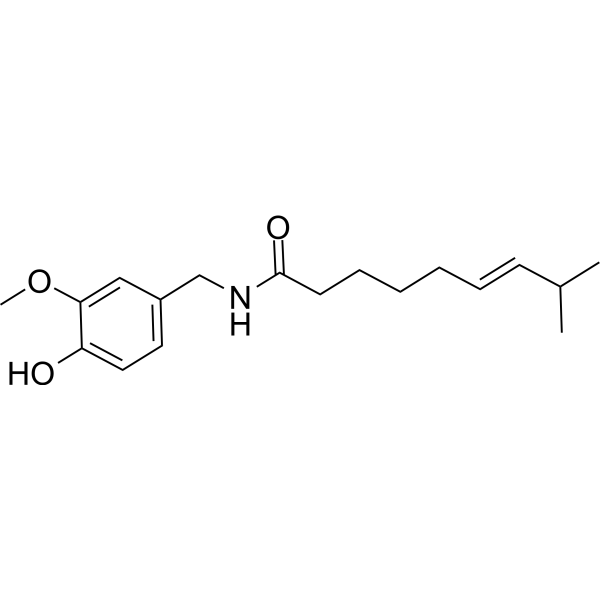
Cat. No.: HY-10448
CAS No.: 404-86-4
Purity:  99.79%
Synonyms: (E)-Capsaicin
Capsaicin ((E)-Capsaicin), an active component of chili peppers, is a TRPV1 agonist. Capsaicin induces a nociceptive response by binding to its receptors. Capsaicin has analgesic effects on neurological disorders. Capsaicin has antioxidant, anti-inflammatory, anti-cancer effects .
loading...
    loading...
77
77 Cited Publications
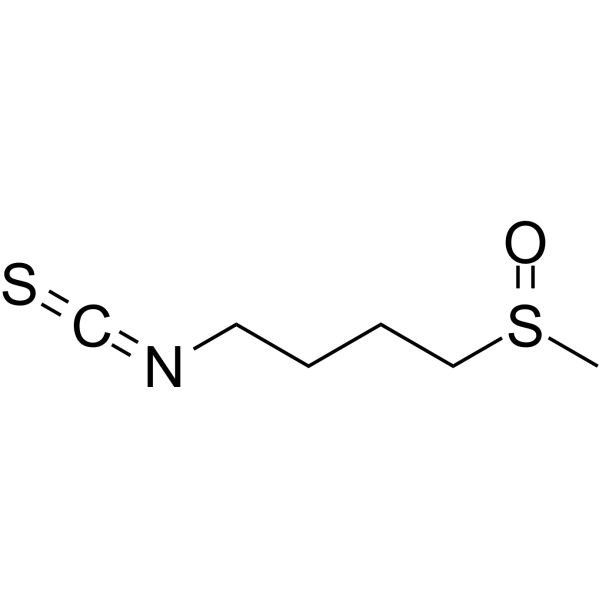
Cat. No.: HY-13755
CAS No.: 4478-93-7
Purity:  98.87%
Sulforaphane is an orally active inducer of the Keap1/Nrf2/ARE pathway. Sulforaphane promotes the transcription of tumor-suppressing proteins and effectively inhibits the activity of HDACs. Through the activation of the Keap1/Nrf2/ARE pathway and further induction of HO-1 expression, Sulforaphane protects the heart. Sulforaphane suppresses high glucose-induced pancreatic cancer through AMPK-dependent signal transmission. Sulforaphane exhibits both anticancer and anti-inflammatory properties .
loading...
    loading...
73
73 Cited Publications
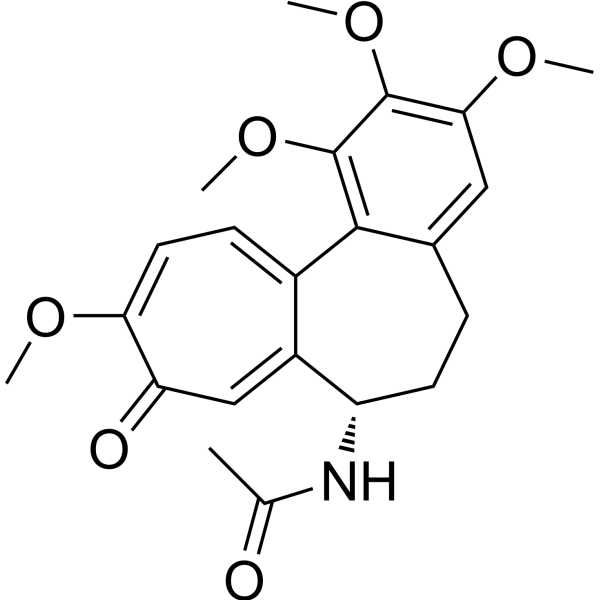
Cat. No.: HY-16569
CAS No.: 64-86-8
Colchicine, an orally active alkaloid, is a potent tubulin inhibitor and a microtubule disrupting agent. Colchicine inhibits microtubule polymerization with an IC50 of 3 nM. Colchicine is also a competitive antagonist of the α3 glycine receptors (GlyRs). Colchicine prevents non-steroidal anti-inflammatory drug (NSAID)-induced small intestinal injury by inhibiting activation of the NLRP3 inflammasome. Colchicine has extensive anti-inflammatory, immunosuppressive and strong anti-fibrosis effects and has the potential for gouty arthritis research .
loading...
    loading...
72
72 Cited Publications
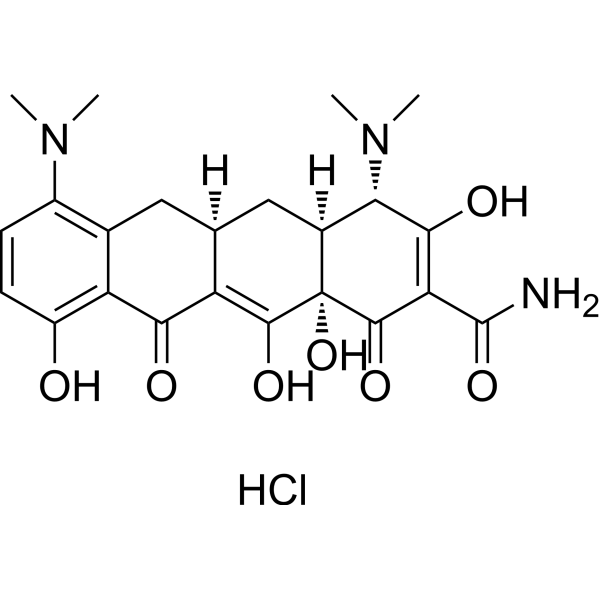
Cat. No.: HY-17412
CAS No.: 13614-98-7
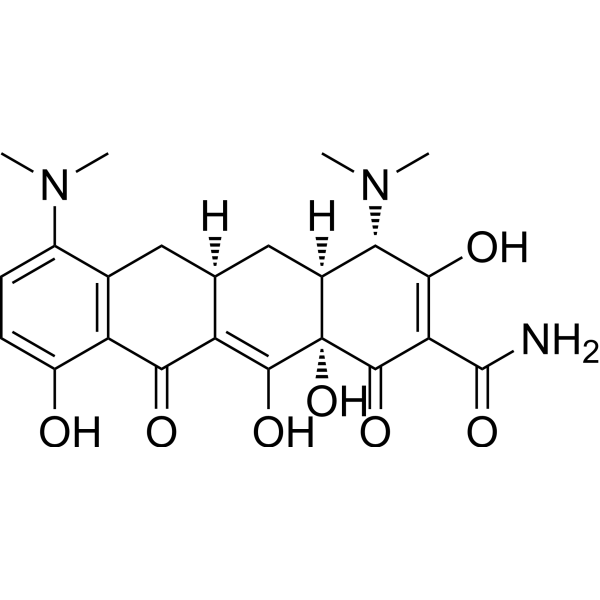
Minocycline hydrochloride is an orally active, potent and BBB-penetrated semi-synthetic tetracycline antibiotic. Minocycline hydrochloride is a hypoxia-inducible factor (HIF)-1α inhibitor. Minocycline hydrochloride shows anti-cancer, anti-inflammatory, and glutamate antagonist effects. Minocycline hydrochloride reduces glutamate neurotransmission and shows neuroprotective properties and antidepressant effects. Minocycline hydrochloride inhibits bacterial protein synthesis through binding with the 30S subunit of the bacterial ribosome, resulting in a bacteriostatic effect .
loading...
    loading...
72
72 Cited Publications
Cat. No.: HY-17412A
CAS No.: 10118-90-8
Minocycline is an orally active, potent and BBB-penetrated semi-synthetic tetracycline antibiotic. Minocycline is a hypoxia-inducible factor (HIF)-1α inhibitor. Minocycline shows anti-cancer, anti-inflammatory, and glutamate antagonist effects. Minocycline reduces glutamate neurotransmission and shows neuroprotective properties and antidepressant effects. Minocycline inhibits bacterial protein synthesis through binding with the 30S subunit of the bacterial ribosome, resulting in a bacteriostatic effect .
loading...
    loading...
49
49 Cited Publications
Cat. No.: HY-W404916
CAS No.: 23795-03-1
Probenecid sodium is an orally active, blood-brain barrier-permeable Pannexin 1 channel inhibitor. Probenecid sodium exhibits anti-inflammatory, antiviral, and neuroprotective activities. Probenecid sodium can be used in research related to multiple sclerosis, focal cerebral ischemic injury, influenza virus infection, and nephropathy .
loading...
    loading...
49
49 Cited Publications
Cat. No.: HY-B0568
CAS No.: 30652-11-0
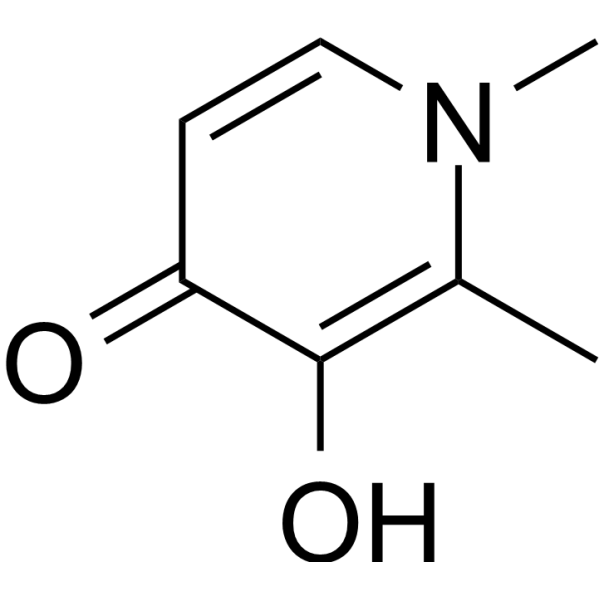
Deferiprone is a potent, orally active, brain-penetrant, cell-penetrant, skin-permeable, free iron chelating agent. Deferiprone inhibits the proliferation and migration, and stimulates apoptosis in tumor cell. Deferiprone can inhibit KDM. Deferiprone has antianemic, neuroprotective, anti-inflammatory, antioxidant, and antidotal activity. Deferiprone can be used in cancer, cardiovascular disease, infection, inflammation, and neurological disease study .
loading...
    loading...
42
42 Cited Publications
Cat. No.: HY-13324
CAS No.: 218600-53-4
Purity:  98.92%
Synonyms: RTA 402; NSC 713200; CDDO Methyl ester
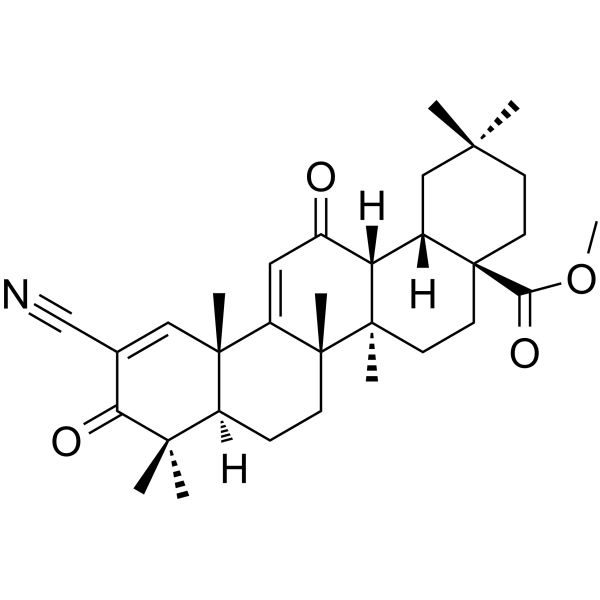
Bardoxolone methyl (RTA 402) is an orally active and blood-brain-barrier-penetrant activator of Nrf2 and an inhibitor of SARS-CoV-2 3CL protease. Bardoxolone methyl inhibits SARS-CoV-2 replication in Vero cells with an EC50 value of 0.29 μM. Bardoxolone methyl increases levels of pNrf2 and HO-1, inhibits inflammatory mediators like pNFκB and MCP-1. Bardoxolone methyl activates the Nrf2 pathway to enhance antioxidant and anti-inflammatory responses, inhibits viral replication, and improves mitochondrial function. Bardoxolone methyl can be used in research on chemotherapy-induced neuropathic pain (CINP), COVID-19, and chronic kidney disease (CKD) .
loading...
    loading...
36
36 Cited Publications
Cat. No.: HY-N0055
CAS No.: 327-97-9
Synonyms: 3-O-Caffeoylquinic acid; Heriguard; NSC-407296
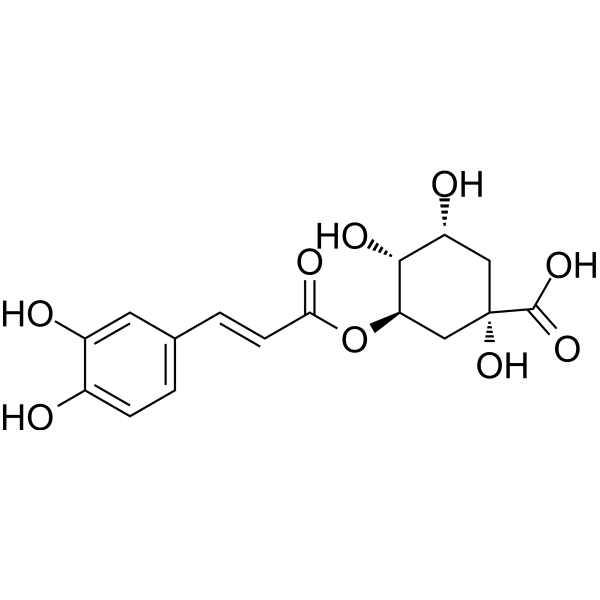
Chlorogenic acid is a major phenolic compound in Lonicera japonica Thunb. It is an orally active antioxidant activity, antibacterial, hepatoprotective, cardioprotective, anti-inflammatory, antipyretic, neuroprotective, anti-obesity, antiviral, anti-microbial, anti-hypertension compound .
loading...
    loading...
30
30 Cited Publications
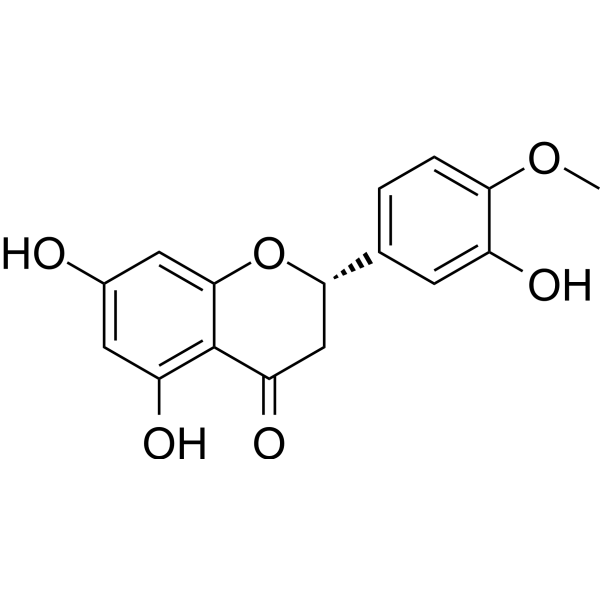
Cat. No.: HY-N0168
CAS No.: 520-33-2
Hesperetin is a natural flavanone that can be found in citrus, and acts as a potent and orally active broad-spectrum inhibitor against human UGT activity. Hesperetin induces apoptosis via p38 MAPK activation. Hesperetin displays a range of bioactivities including antioxidant, anti-inflammatory, and anti-cancer. Hesperetin is found to induce cell-cycle arrest at G2/M phase. Hesperetin can reduce Bcl-2 and enhance BaxM. Hesperetin induces apoptosis through inhibiting NF-κB receptor .
loading...
    loading...
29
29 Cited Publications
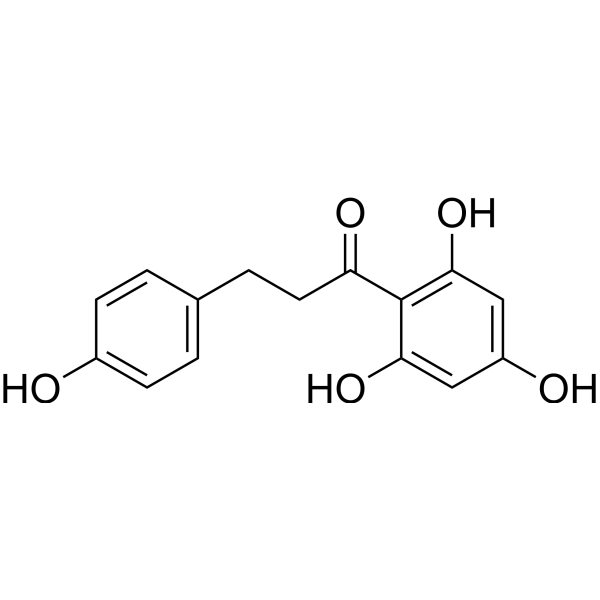
Cat. No.: HY-N0142
CAS No.: 60-82-2
Synonyms: NSC 407292; RJC 02792
Phloretin (NSC 407292; RJC 02792) is a flavonoid extracted from Malus pumila Mill.,has anti-inflammatory activities. Phloridzin is a specific,competitive and orally active inhibitor of sodium/glucose cotransporters in the intestine (SGLT1) and kidney (SGLT2). Phloretin inhibits Yeast-made GLUT1 as well as Human erythrocyte GLUT1 with IC50values of 49 μM and 61 μM,respectively .Phloretin has the potential for the treatment of rheumatoid arthritis (RA) and allergic airway inflammation .
loading...
    loading...
23
23 Cited Publications
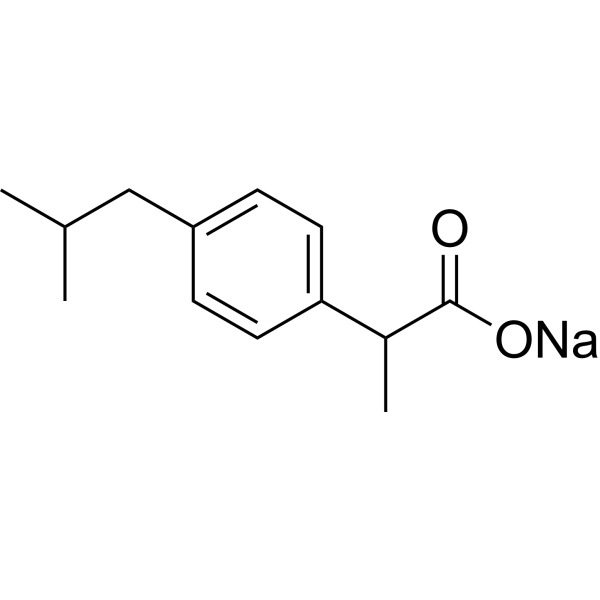
Cat. No.: HY-78131C
CAS No.: 31121-93-4
Synonyms: (±)-Ibuprofen sodium
Ibuprofen ((±)-Ibuprofen) sodium is an orally active, selective COX-1 inhibitor with an IC50 value of 13 μM. Ibuprofen sodium inhibits cell proliferation, angiogenesis, and induces cell apoptosis. Ibuprofen sodium is a nonsteroidal anti-inflammatory agent and a nitric oxide (NO) donor. Ibuprofen sodium can be used in the research of pain, swelling, inflammation, infection, immunology, cancers .
loading...
    loading...
23
23 Cited Publications
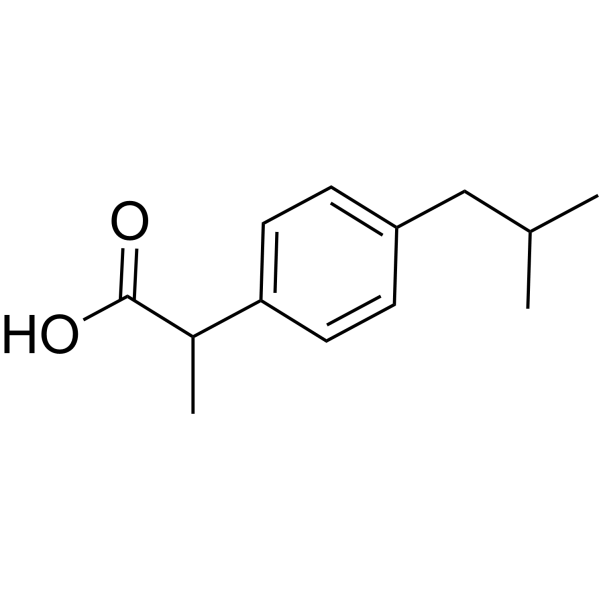
Cat. No.: HY-78131
CAS No.: 15687-27-1
Synonyms: (±)-Ibuprofen
Ibuprofen ((±)-Ibuprofen) is a potent, orally active, selective COX-1 inhibitor with an IC50 value of 13 μM. Ibuprofen inhibits cell proliferation, angiogenesis, and induces cell apoptosis. Ibuprofen is a nonsteroidal anti-inflammatory agent and a nitric oxide (NO) donor. Ibuprofen ((±)-Ibuprofen) can be used in the research of pain, swelling, inflammation, infection, immunology, cancers .
loading...
    loading...
23
23 Cited Publications
Cat. No.: HY-100586
CAS No.: 57469-77-9
Purity:  99.91%
Synonyms: (±)-Ibuprofen L-lysine
Target:  

COX Apoptosis Parasite

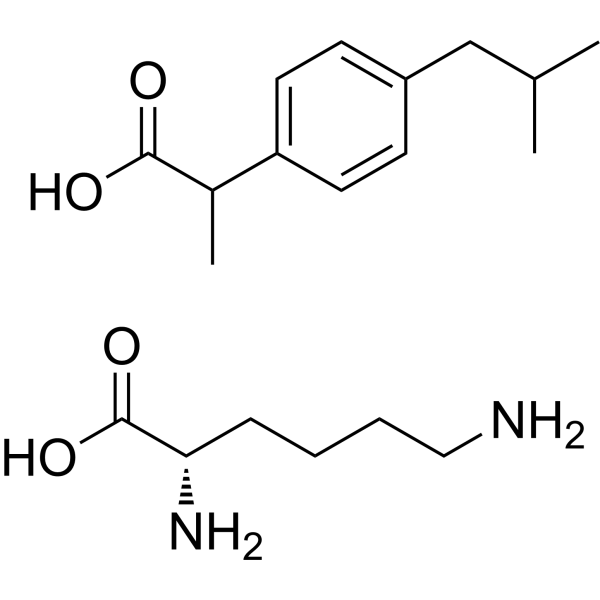
Ibuprofen ((±)-Ibuprofen) L-lysine is a potent orally active, selective COX-1 inhibitor with an IC50 value of 13 μM. Ibuprofen L-lysine inhibits cell proliferation, angiogenesis, and induces cell apoptosis. Ibuprofen L-lysine is a nonsteroidal anti-inflammatory agent and a nitric oxide (NO) donor. Ibuprofen L-lysine can be used in the research of pain, swelling, inflammation, infection, immunology, cancers .
loading...
    loading...
23
23 Cited Publications
Cat. No.: HY-N0171
CAS No.: 83-46-5
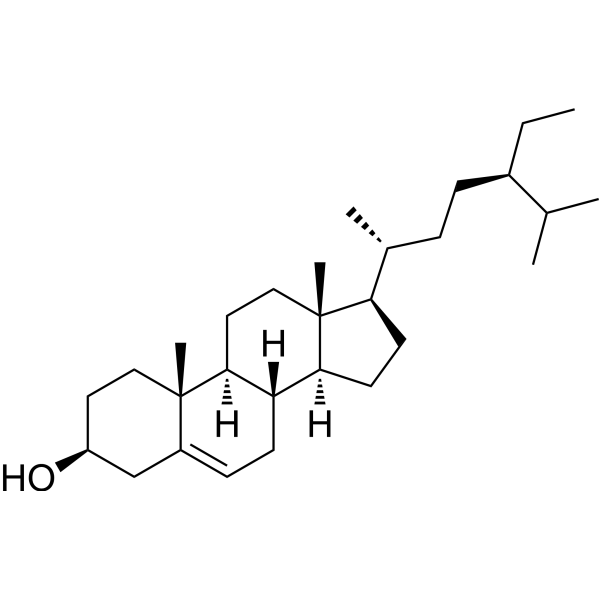
Beta-Sitosterol (purity≥80%) is orally active. Beta-Sitosterol exhibits multiple activities, including anti-inflammatory, anticancer, antioxidant, antimicrobial, antidiabetic, antioxidant enzyme, and analgesic. Beta-Sitosterol inhibits inflammation and impaired adipogenesis in bovine mammary epithelial cells by reducing levels of ROS, TNF-α, IL-1β, and NF-κB p65 and restoring the activity of the HIF-1α/mTOR signaling pathway. Beta-Sitosterol induces apoptosis in cancer cells through ROS-mediated mitochondrial dysregulation and p53 activation. Beta-Sitosterol exerts its anticancer effects in cancer cells by activating caspase-3, caspase-8, and caspase-9, mediating PARP inactivation, MMP loss, altered Bcl-2-Bax ratio, and cytochrome c release. Beta-Sitosterol modulates macrophage polarization and reduces rheumatoid inflammation in mice. Beta-Sitosterol inhibits tumor growth in multiple mouse cancer models. Beta-Sitosterol can be used in the research of arthritis, lung cancer, breast cancer and other cancers, diabetes, etc .
loading...
    loading...
23
23 Cited Publications
Cat. No.: HY-N0171A
CAS No.: 83-46-5
Synonyms: β-Sitosterol (purity>98%); 22,23-Dihydrostigmasterol (purity>98%)
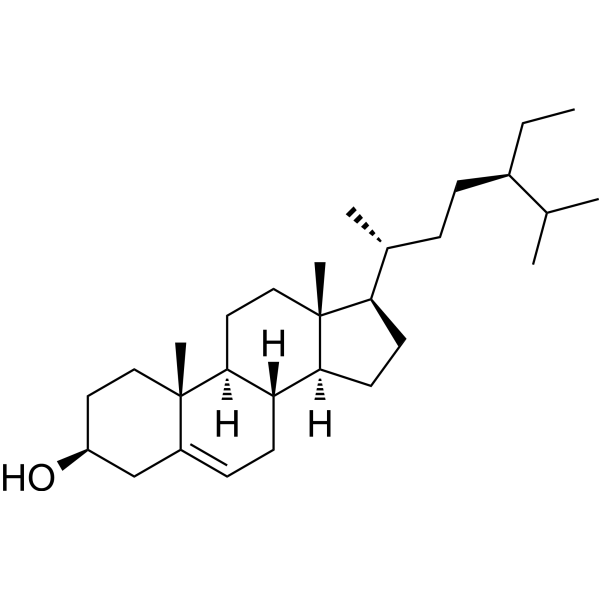
Beta-Sitosterol (purity>98%) is orally active. Beta-Sitosterol exhibits multiple activities, including anti-inflammatory, anticancer, antioxidant, antimicrobial, antidiabetic, antioxidant enzyme, and analgesic. Beta-Sitosterol inhibits inflammation and impaired adipogenesis in bovine mammary epithelial cells by reducing levels of ROS, TNF-α, IL-1β, and NF-κB p65 and restoring the activity of the HIF-1α/mTOR signaling pathway. Beta-Sitosterol induces apoptosis in cancer cells through ROS-mediated mitochondrial dysregulation and p53 activation. Beta-Sitosterol exerts its anticancer effects in cancer cells by activating caspase-3, caspase-8, and caspase-9, mediating PARP inactivation, MMP loss, altered Bcl-2-Bax ratio, and cytochrome c release. Beta-Sitosterol modulates macrophage polarization and reduces rheumatoid inflammation in mice. Beta-Sitosterol inhibits tumor growth in multiple mouse cancer models. Beta-Sitosterol can be used in the research of arthritis, lung cancer, breast cancer and other cancers, diabetes, etc .
loading...
    loading...
19
19 Cited Publications
Cat. No.: HY-N0662
CAS No.: 1617-53-4
Synonyms: Didemethyl-ginkgetin
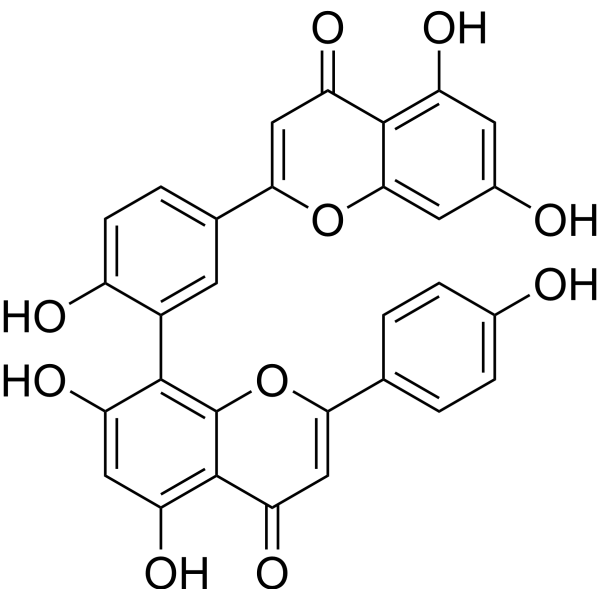
Amentoflavone (Didemethyl-ginkgetin) is a potent and orally active GABA(A) negative modulator. Amentoflavone also shows anti-inflammatory, antioxidative, anti-viral, anti-tumor, anti-radiation, anti-fungal, antibacterial activity. Amentoflavone induces apoptosis and cell cycle arrest at sub-G1 phase .
loading...
    loading...
19
19 Cited Publications
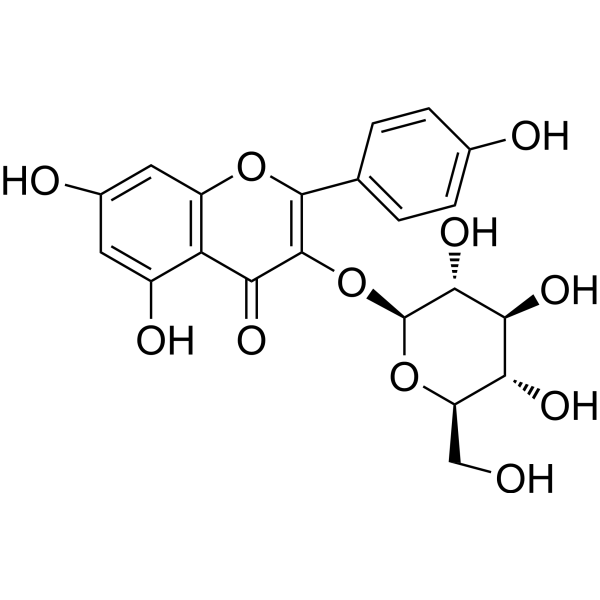
Cat. No.: HY-N0015
CAS No.: 480-10-4
Synonyms: Astragaline; 3-Glucosylkaempferol; Kaempferol 3-β-D-glucopyranoside
Astragalin (Astragaline) a flavonoid with anti-inflammatory, antioxidant, anticancer, bacteriostatic activity. Astragalin inhibits cancer cells proliferation and migration, induces apoptosis. Astragalin is orally active and provides nerve and heart protection, and resistance against and osteoporosis .
loading...
    loading...
18
18 Cited Publications
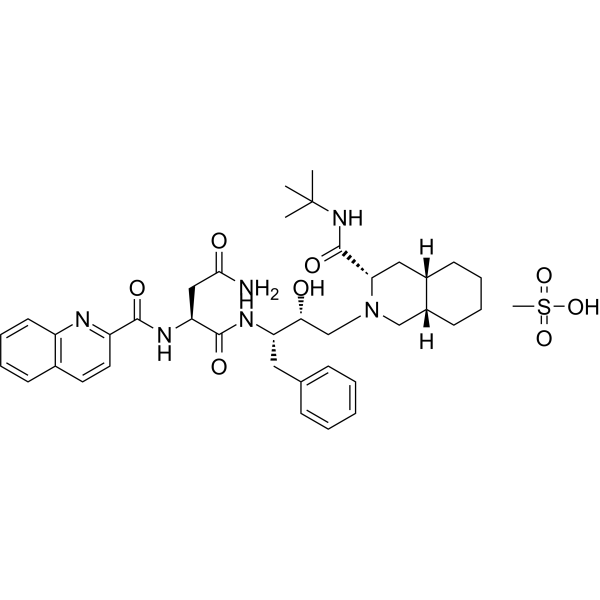
Cat. No.: HY-17003
CAS No.: 149845-06-7
Synonyms: Ro 31-8959/003
Saquinavir (Ro 31-8959) mesylate is an orally active HIV protease inhibitor that can be used in the research of AIDS. Saquinavir mesylate also has anti-inflammatory activity and can induce apoptosis of human red blood cells .
loading...
    loading...
18
18 Cited Publications
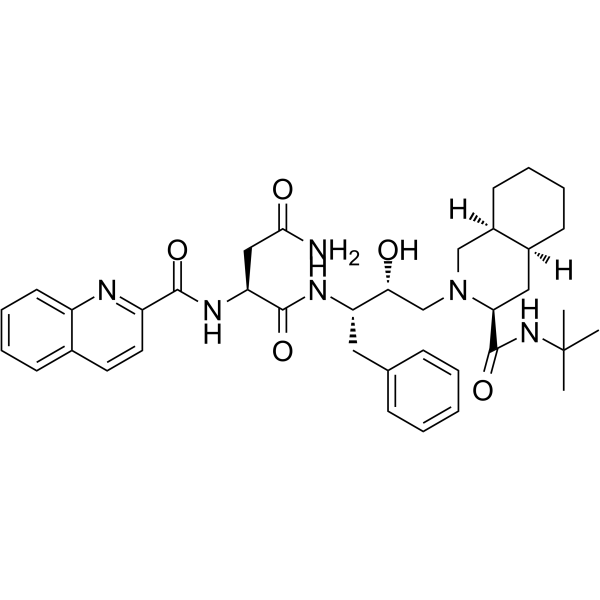
Cat. No.: HY-17007
CAS No.: 127779-20-8
Synonyms: Ro 31-8959
Saquinavir (Ro 31-8959) is an orally active HIV protease inhibitor that can be used in the research of AIDS. Saquinavir also has anti-inflammatory activity and can induce apoptosis of human red blood cells .
loading...
    loading...

