1. Search Result
Search Result
Pathways Recommended: Apoptosis
Results for "

Apoptosis. Nrf2.

" in MedChemExpress (MCE) Product Catalog:

133

Inhibitors & Agonists

4

Biochemical Assay Reagents

5

Peptides

87

Natural
Products

6

Isotope-Labeled Compounds

Cat. No. Product Name Target Research Areas Chemical Structure
  • HY-N0162
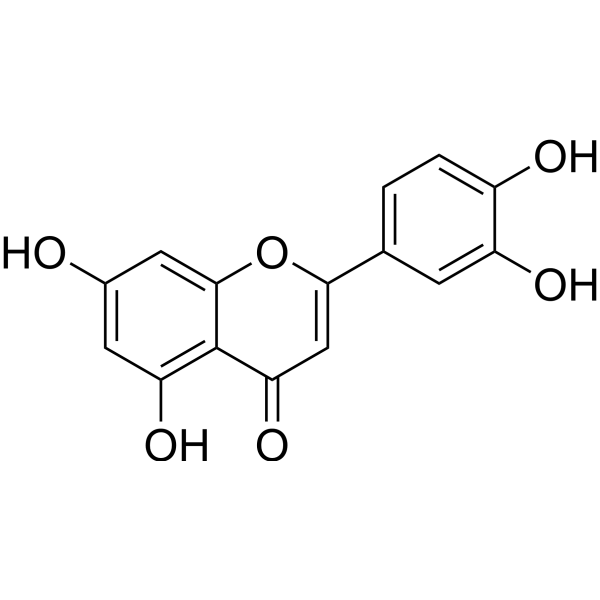
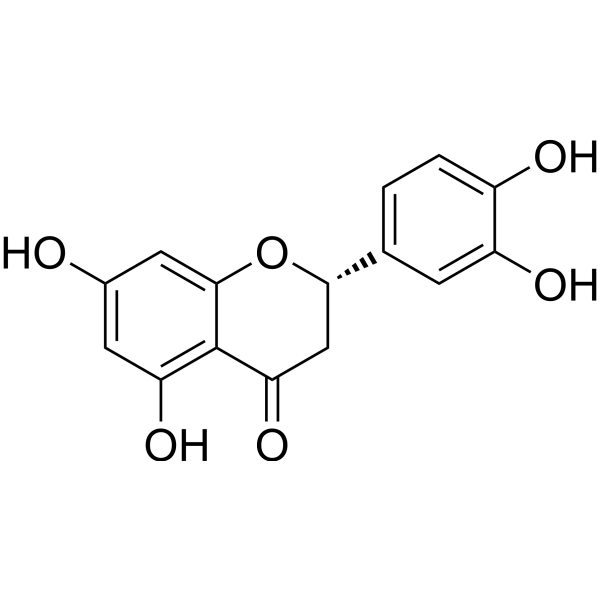
    Luteolin
    Maximum Cited Publications
    89 Publications Verification

    Luteoline; Luteolol; Digitoflavone

    Keap1-Nrf2 Apoptosis Autophagy Endogenous Metabolite Inflammation/Immunology Cancer
    Luteolin (Luteoline), a flavanoid compound, is a potent Nrf2 inhibitor. Luteolin has anti-inflammatory, anti-cancer properties, including the induction of apoptosis and cell cycle arrest, and the inhibition of metastasis and angiogenesis, in several cancer cell lines, including human non-small lung cancer cells .
    Luteolin
  • HY-19543
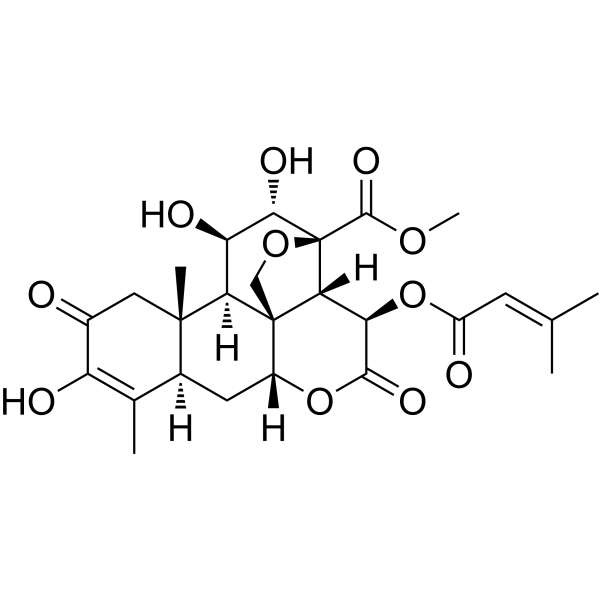
    Brusatol
    35+ Cited Publications

    NSC 172924

    Keap1-Nrf2 Apoptosis Cancer
    Brusatol (NSC 172924) is a unique inhibitor of the Nrf2 pathway that sensitizes a broad spectrum of cancer cells to Cisplatin and other chemotherapeutic agents. Brusatol enhances the efficacy of chemotherapy by inhibiting the Nrf2-mediated defense mechanism. Brusatol can be developed into an adjuvant chemotherapeutic agent . Brusatol increases cellular apoptosis .
    Brusatol
  • HY-N0415
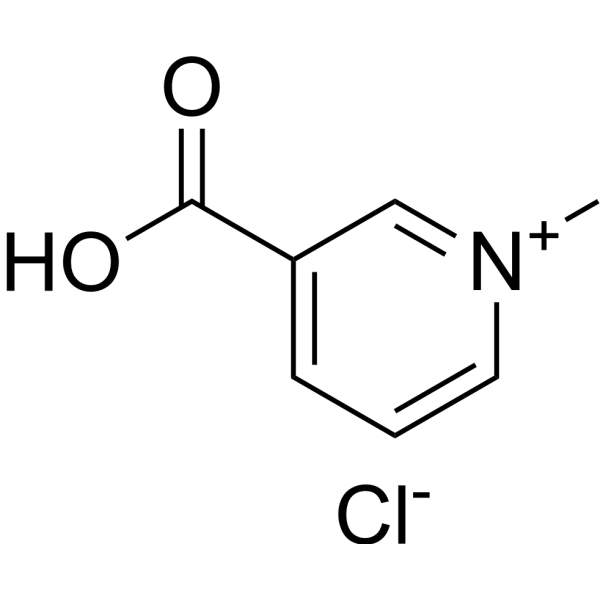
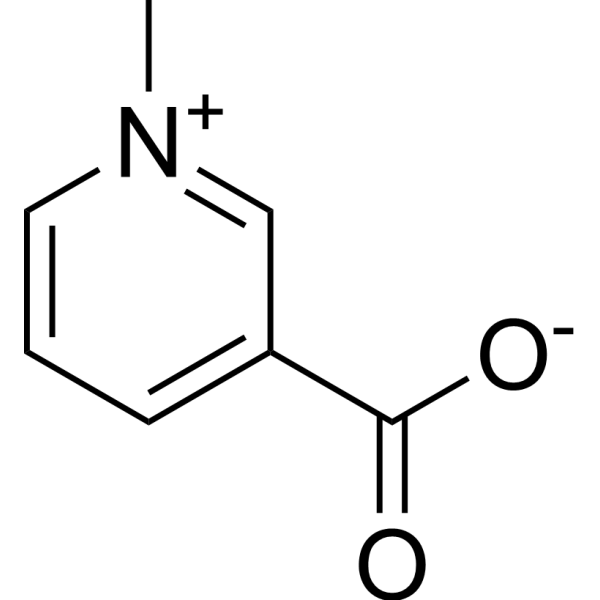
    Trigonelline chloride
    5+ Cited Publications

    Trigonelline hydrochloride

    Endogenous Metabolite Ferroptosis Apoptosis HIV Bacterial Fungal Infection Metabolic Disease Cancer
    Trigonelline chloride is an alkaloid with potential antidiabetic activity that can be isolated from Trigonella foenum-graecum L or Leonurus artemisia. Trigonelline chloride is a potent Nrf2 inhibitor that blocks Nrf2-dependent proteasome activity, thereby enhancing apoptosis in pancreatic cancer cells. Trigonelline chloride also has anti-HSV-1, antibacterial, and antifungal activity, and induces ferroptosis.
    Trigonelline chloride
  • HY-D0885
    Phosphocreatine
    3 Publications Verification

    Creatine phosphate; Creatinephosphoric acid

    Endogenous Metabolite MAP3K Akt Mitochondrial Metabolism ERK Apoptosis ROS Kinase Metabolic Disease
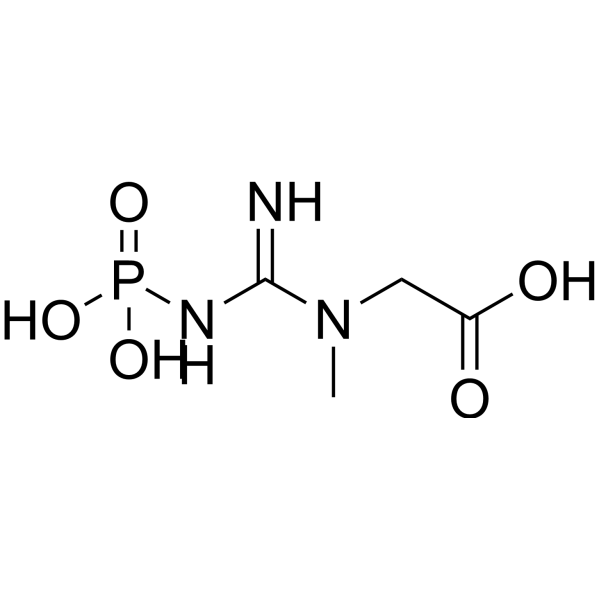
    Phosphocreatine (creatine phosphate) is an organic compound found in vertebrate skeletal muscles. Phosphocreatine enhances antioxidant activity, and activates the TAK1 pathway to protect the heart. Phosphocreatine normalizing mitochondrial function and reducing oxidative stress via Akt mediated Nrf2/HO-1 pathway. Phosphocreatine provides renal protection by suppressing Apoptosis and ROS (Reactive Oxygen Species) generation through ERK mediated mediated Nrf-2/HO-1 pathway. .
    Phosphocreatine
  • HY-14909
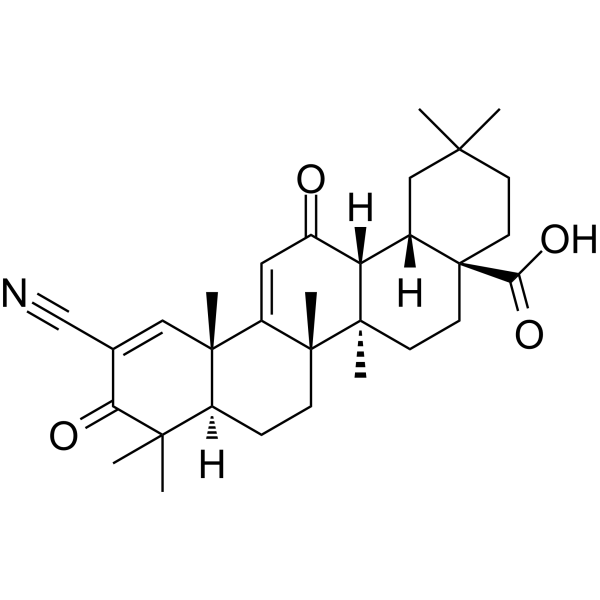
    Bardoxolone
    20+ Cited Publications

    CDDO; RTA 401

    Keap1-Nrf2 NF-κB SARS-CoV Apoptosis Reactive Oxygen Species (ROS) Glutathione Peroxidase Necroptosis Infection Neurological Disease Inflammation/Immunology Cancer
    Bardoxolone (CDDO; RTA 401) is a Nrf2 activator. Bardoxolone shows anti-SARS-CoV-2 3CLpro with IC50 of 27.99 μM. Bardoxolone activates the Nrf2 pathway and inhibits the NF-κB pathway. Bardoxolone can induce cells differentiation, apoptosis and shows antiproliferative activity against cancer cells. Bardoxolone can increase ROS and decrease intracellular GSH levels. Bardoxolone inhibits Z-VAD-FMK (HY-16658B)-induced necroptosis. Bardoxolone can be used for the research of cancer, inflammation and infection, such as SARS-CoV infection and glioblastoma .
    Bardoxolone
  • HY-N0414
    Trigonelline
    5+ Cited Publications

    Trigenolline

    Endogenous Metabolite Ferroptosis Apoptosis HIV Bacterial Fungal Metabolic Disease Cancer
    Trigonelline is an alkaloid with potential antidiabetic activity that can be isolated from Trigonella foenum-graecum L or Leonurus artemisia. Trigonelline is a potent Nrf2 inhibitor that blocks Nrf2-dependent proteasome activity, thereby enhancing apoptosis in pancreatic cancer cells. Trigonelline also has anti-HSV-1, antibacterial, and antifungal activity and induces ferroptosis.
    Trigonelline
  • HY-N0394
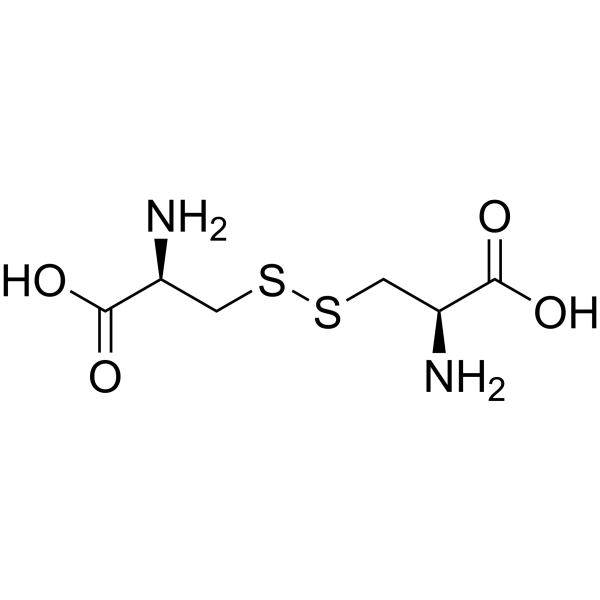
    L-Cystine
    4 Publications Verification

    Endogenous Metabolite Ferroptosis ROS Kinase Keap1-Nrf2 Reactive Oxygen Species (ROS) Metabolic Disease Inflammation/Immunology Cancer
    L-Cystine is an orally active extracellular form of L-Cysteine (HY-Y0337), occurring in proteins of plants and animals. L-Cystine elevates Nrf2 protein expression and activates Nrf2 transcription factor. L-cystine reduces ROS generation and protects against oxidant- or Doxorubicin (HY-15142A)-induced apoptosis. L-Cystine combined with L-theanine (HY-15121) enhances the production of antigen-specific IgG by increasing glutathione (GSH) levels and T helper 2 (Th2) mediated responses in mice. L-Cystine is promising for research of cystinuria and kidney stones
    L-Cystine
  • HY-N0568
    Madecassoside
    3 Publications Verification

    Asiaticoside A

    Endogenous Metabolite Apoptosis Autophagy Keap1-Nrf2 p38 MAPK Caspase Cardiovascular Disease Others Neurological Disease Inflammation/Immunology Endocrinology Cancer
    Madecassoside is a pentacyclic triterpene isolated from Centella asiatica and has anti-inflammatory properties. Antioxidant and anti-aging effects. Madecassoside is a pentacyclic triterpene isolated from Centella asiatica. Madecassoside is orally active and has inhibitory properties against inflammation, oxidation, apoptosis and autophagy. Madecassosid inhibits activities of p38 MAPK and NF-kB , exhibits an anti-apopototic property, activates Nrf2 expression to reduce the neurotoxicity . Madecassoside can be used in endocrine diseases, cardiovascular diseases, skin diseases and other diseases.
    Madecassoside
  • HY-D0885B
    Phosphocreatine disodium
    3 Publications Verification

    Disodium creatine phosphate

    Endogenous Metabolite MAP3K Akt Mitochondrial Metabolism ERK Apoptosis ROS Kinase Metabolic Disease
    Phosphocreatine (disodium) is an organic compound found in vertebrate skeletal muscles. Phosphocreatine (disodium) enhances antioxidant activity, and activates the TAK1 pathway to protect the heart. Phosphocreatine (disodium) normalizing mitochondrial function and reducing oxidative stress via Akt mediated Nrf2/HO-1 pathway. Phosphocreatine (disodium) provides renal protection by suppressing Apoptosis and ROS (Reactive Oxygen Species) generation through ERK mediated mediated Nrf-2/HO-1 pathway. .
    Phosphocreatine disodium
  • HY-N1437
    Hydroxycitric acid
    1 Publications Verification

    Apoptosis Ferroptosis mTOR DNA/RNA Synthesis Keap1-Nrf2 Ribosomal S6 Kinase (RSK) NF-κB ATP Citrate Lyase AMPK Cardiovascular Disease Metabolic Disease Cancer
    Hydroxycitric acid is an orally active, multi-target, multi-bioactive organic acid. activates Nrf2 and its downstream molecule GPX4, increases glutathione levels, and thereby inhibits ferroptosis. Hydroxycitric acid activates the Nrf2/Keap1 and ACLY/NF-κB signaling pathways, upregulates the activities of antioxidant enzymes such as superoxide dismutase, reduces MDA content, thereby alleviating oxidative stress and renal tubular epithelial cell apoptosis, and improves pulmonary vascular and right ventricular remodeling. Hydroxycitric acid activates both the AMPK and mTORC1/S6K pathways, triggers the unfolded protein response, arrests the cancer cell cycle, and induces DNA fragmentation .
    Hydroxycitric acid
  • HY-W009203
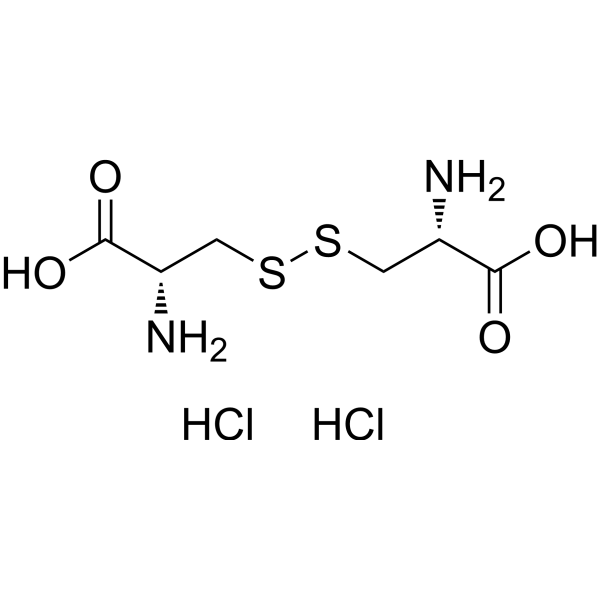
    L-Cystine dihydrochloride
    4 Publications Verification

    Endogenous Metabolite Apoptosis Keap1-Nrf2 Reactive Oxygen Species (ROS) Ferroptosis Metabolic Disease Inflammation/Immunology Cancer
    L-Cystine dihydrochloride is the dihydrochloride salt form of L-Cystine (HY-N0394). L-Cystine dihydrochloride elevates Nrf2 protein expression and activates Nrf2 transcription factor. L-cystine dihydrochloride reduces ROS generation and protects against oxidant- or Doxorubicin (HY-15142A)-induced apoptosis. L-Cystine dihydrochloride combined with L-theanine (HY-15121) enhances the production of antigen-specific IgG by increasing glutathione (GSH) levels and T helper 2 (Th2) mediated responses in mice. L-Cystine dihydrochloride is promising for research of cystinuria and kidney stones
    L-Cystine dihydrochloride
  • HY-129960
    L-Selenocystine
    2 Publications Verification

    Keap1-Nrf2 p62 Autophagy Apoptosis Reactive Oxygen Species (ROS) Caspase Bcl-2 Family Inflammation/Immunology Cancer
    L-Selenocystine is a selenium-containing amino acid. L-Selenocystine has redox properties. L-Selenocystine is cytotoxic to various tumor cells and can induce the production of ROS and apoptosis. L-Selenocystine can block the Nrf2 and autophagy pathways. L-Selenocystine has anti-tumor activity .
    L-Selenocystine
  • HY-B1971
    Deltamethrin
    2 Publications Verification

    Decamethrin

    Environmental Pollutants Calcium Channel Caspase Bcl-2 Family NF-κB Interleukin Related Endogenous Metabolite Apoptosis Neurological Disease Inflammation/Immunology Cancer
    Deltamethrin (Decamethrin) is an orally active synthetic pyrethroid insecticide. Deltamethrin induces oxidative stress and results in inflammation and apoptosis via inhibiting Nrf2/HO-1 pathway. Deltamethrin has an anticancer effect by inducing apoptosis. Deltamethrin can be used extensively in pest control .
    Deltamethrin
  • HY-N0028
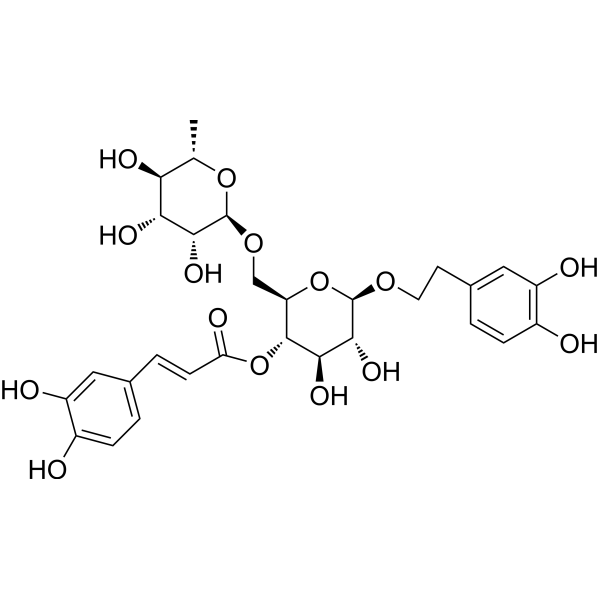
    Forsythiaside A
    5 Publications Verification

    Others Inflammation/Immunology
    Forsythiaside A is an orally active phenylethanoid glycoside isolated from the dried fruits of Forsythia suspensa. Forsythiaside A is also an inhibitor of COX-2 and has anti-inflammatory, antioxidant and neuroprotective effects. Forsythiaside A prevents neuroinflammation and apoptosis caused by Aβ25-35 damage and may be used in Alzheimer's disease (AD) research. Forsythiaside A also activates the Nrf2/HO-1 signaling pathway and inhibits OVA-induced asthma in mice. Forsythiaside A inhibits the interaction between KLRB1 and CLEC2D .
    Forsythiaside A
  • HY-N1913
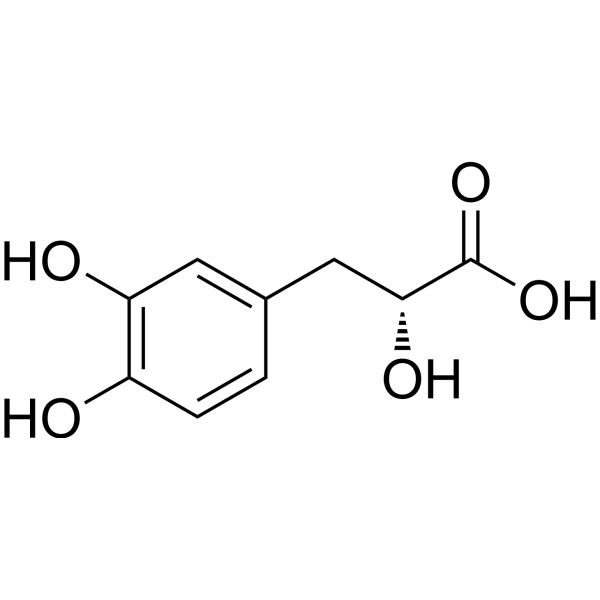
    Danshensu
    5+ Cited Publications

    Dan shen suan A; Salvianic acid A

    Keap1-Nrf2 NF-κB Reactive Oxygen Species (ROS) SARS-CoV Apoptosis Infection Cardiovascular Disease Inflammation/Immunology Cancer
    Danshensu (Dan shen suan A), an orally active phenolic compound, can induce Nrf2/HO-1 activation and inhibition of NF-κB pathway. Danshensu reduces reactive oxygen species (ROS) production, upregulates antioxidant defense mechanism and inhibits intrinsic apoptotic pathway. Danshensu displays a potent antiviral activity against SARS-CoV-2 with EC50 of 0.97 μM. Danshensu has anti-oxidation, anti-apoptosis, anti-lung inflammatory and has the potential for COVID-19, cardiovascular and cerebrovascular diseases research .
    Danshensu
  • HY-N0103
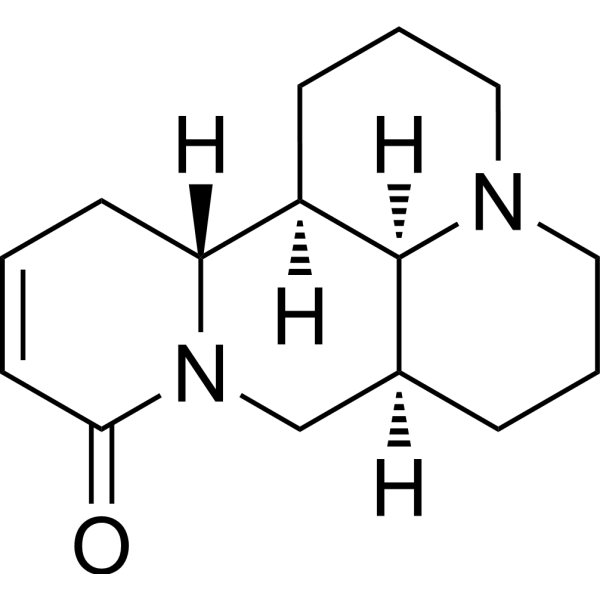
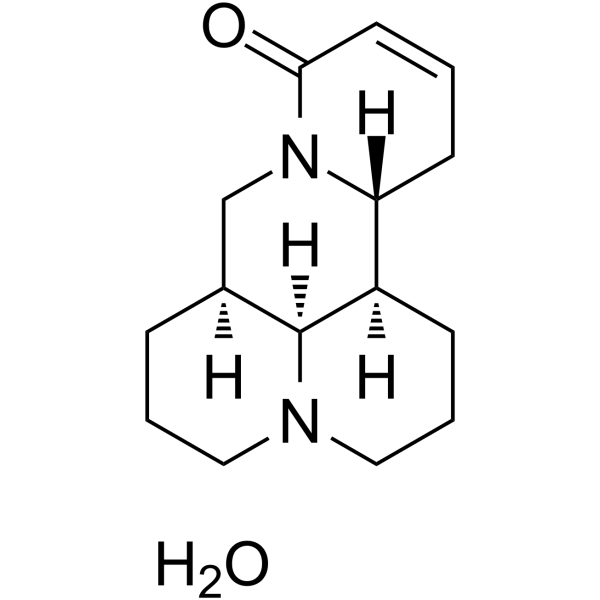
    Sophocarpine
    10+ Cited Publications

    Autophagy Apoptosis NF-κB PI3K Akt MEK ERK PTEN Cardiovascular Disease Inflammation/Immunology Cancer
    Sophocarpine is a PTEN activator and an inhibitor of PI3K/Akt, MEK/ERK, and NF-κB signaling pathways. Sophocarpine upregulates PTEN expression and inhibits PI3K/Akt phosphorylation, arrests tumor cell cycle and induces apoptosis. Sophocarpine inhibits MEK/ERK phosphorylation and VEGF secretion, reducing tumor cell migration. Sophocarpine can also inhibit NF-κB activation and p38 and JNK phosphorylation, reduce the expression of inflammatory factors such as iNOS and COX-2, and activate the Nrf2/HO-1 pathway to reduce oxidative stress. Sophocarpine has anti-tumor, anti-inflammatory, antioxidant and anti-apoptotic effects, and can be used in the research of cancers such as glioblastoma and colorectal cancer, inflammation-related diseases, and Doxorubicin (HY-15142A)-induced cardiac damage .
    Sophocarpine
  • HY-N0806
    Sweroside
    3 Publications Verification

    Keap1-Nrf2 AMPK Sirtuin NF-κB NOD-like Receptor (NLR) Pyroptosis Apoptosis Autophagy PARP Cardiovascular Disease Metabolic Disease Inflammation/Immunology Cancer
    Sweroside is an iridoid glycoside that targets multiple targets, including the Keap1/Nrf2 axis, NLRP3 inflammasome, SIRT1, NF-κB, AMPK/mTOR pathway, and caspase family. Sweroside promotes Nrf2 nuclear translocation by competitively binding to Keap1. Sweroside also inhibits oxidative stress and NLRP3-mediated pyroptosis by activating Nrf2, inhibits NF-κB inflammatory pathway by activating SIRT1, and promotes autophagy and induces caspase-dependent apoptosis via the AMPK/mTOR pathway. Sweroside has antioxidant, anti-inflammatory, anti-apoptotic, and lipid metabolism regulating activities, and can be used in the research of myocardial ischemia-reperfusion injury, leukemia, acute lung injury, non-alcoholic fatty liver disease, and other fields .
    Sweroside
  • HY-D0205A

    Carbocysteine

    NF-κB PERK Keap1-Nrf2 Apoptosis Infection Inflammation/Immunology
    Carbocisteine is an orally active mucolytic agent. Carbocisteine attenuates the phosphorylation of NF-κB p65 and ERK1/2. Carbocisteine modulates Nrf2/HO-1 and NFκB interplay. Carbocisteine inhibits Apoptosis. Carbocisteine is used in chronic obstructive pulmonary disease (COPD) research .
    Carbocisteine
  • HY-116152

    Ciprofol; HSK3486

    GABA Receptor Sirtuin Keap1-Nrf2 Apoptosis Cardiovascular Disease Neurological Disease Metabolic Disease Inflammation/Immunology Cancer
    Cipepofol (Ciprofol), a novel 2,6-disubstituted phenol derivative, is a positive allosteric modulator and direct agonist of the GABAA receptor. Cipepofol can cause the central nerve inhibition and promote sleep based on the structural modification of Propofol (HY-B0649). Cipepofol can activate the sirtuin1 (Sirt1)/Nrf2 pathway. Cipepofol protects the heart against Isoproterenol (ISO; HY-B0468)-induced myocardial infarction by reducing cardiac oxidative stress, inflammatory response and cardiomyocyte apoptosis .
    Cipepofol
  • HY-B1065

    α-N-Acetyl-L-glutamine; N2-Acetylglutamine

    Keap1-Nrf2 Akt ASK1 Apoptosis Neurological Disease
    Aceglutamide (α-N-Acetyl-L-glutamine; N2-Acetylglutamine) is a neuroprotectant that can penetrate the blood-brain barrier. Aceglutamide can enhance the antioxidant systems of glutathione (GSH), thioredoxin (Trx) and Nrf2. Aceglutamide also inhibits ASK1 and TRAF1, activates the Akt/Bcl-2 anti-apoptotic pathway, enhances the activity of antioxidant enzymes and reduces oxidative damage. Aceglutamide can improve neurological deficits after cerebral ischemia, reduce infarct volume, and inhibit neuronal apoptosis, especially substantia nigra dopaminergic neurons. Aceglutamide can reduce cerebral ischemia/reperfusion injury, improve motor dysfunction, and is used in ischemic stroke-related research .
    Aceglutamide
  • HY-N5060

    4-Allylanisole

    Environmental Pollutants Parasite Apoptosis Keap1-Nrf2 NF-κB Infection Neurological Disease Inflammation/Immunology
    Estragole (4-Allylanisole) is a relatively nontoxic volatile terpenoid ether and major component of the essential oil from many plants. Estragole significantly triggers Apoptosis, suppresses LPS-induced intracellular ROS production. Estragole activats Nrf-2 and regulates NF-κB. Estragole has anti-toxoplasma, anti-inflammatory, anti-edema, antioxidant and immunomodulatory properties. Estragole blocks DRG neuron excitability. Estragole has improves gastric ulcer activity .
    Estragole
  • HY-W016412
    Coenzyme Q0
    2 Publications Verification

    CoQ0

    Apoptosis Autophagy EGFR Akt mTOR Caspase Bcl-2 Family Reactive Oxygen Species (ROS) PARP COX NO Synthase TNF Receptor Interleukin Related MMP NF-κB Neurological Disease Inflammation/Immunology Cancer
    Coenzyme Q0 (CoQ0) is a potent, oral active ubiquinone compound can be derived from Antrodia cinnamomea. Coenzyme Q0 induces apoptosis and autophagy, suppresses of HER-2/AKT/mTOR signaling to potentiate the apoptosis and autophagy mechanisms. Coenzyme Q0 regulates NFκB/AP-1 activation and enhances Nrf2 stabilization in attenuation of inflammation and redox imbalance. Coenzyme Q0 has anti-angiogenic activity through downregulation of MMP-9/NF-κB and upregulation of HO-1 signaling .
    Coenzyme Q0
  • HY-Y1325I

    Environmental Pollutants Biochemical Assay Reagents Apoptosis NO Synthase p38 MAPK Heme Oxygenase (HO) Keap1-Nrf2 Wnt β-catenin Metabolic Disease Inflammation/Immunology Cancer
    Sodium acetate trihydrate, 99.5% is a short-chain fatty acid salt with multiple biological activities. Sodium acetate trihydrate, 99.5% serves as a direct precursor of acetyl-CoA, and it extensively affects gene expression by promoting histone acetylation. Sodium acetate trihydrate, 99.5% can activate the p38 MAPK pathway to induce cancer cell apoptosis. Sodium acetate trihydrate, 99.5% can activate the Wnt/β-catenin signaling pathway to stimulate the proliferation and migration of cecal epithelial cells, thereby improving intestinal health. Sodium acetate trihydrate, 99.5% alleviates lead accumulation and oxidative damage by upregulating the testosterone-dependent eNOS/NO/cGMP signaling pathway, as well as activating the Nrf2/HO-1 pathway and its downstream antioxidant enzymes .
    Sodium acetate trihydrate, 99.5%
  • HY-N0745

    Caspase ERK Keap1-Nrf2 Heme Oxygenase (HO) Apoptosis Neurological Disease Inflammation/Immunology
    Senkyunolide I is an orally active, blood-brain barrier-permeable metabolite of Z-ligustilide (HY-N0401A) . Senkyunolide I is isolated from Ligusticum chuanxiong. Senkyunolide I upregulates p-Erk1/2 and Nrf2/HO-1, and inhibits Caspase 3. Senkyunolide I alleviates Apoptosis. Senkyunolide I increases the pain threshold in mice and reduces acetic acid-induced writhing responses in mice. Senkyunolide I improves neurological deficits, reduces infarct volume and alleviates cerebral edema in rats with focal cerebral ischemia-reperfusion injury. Senkyunolide I protects renal function and structural integrity in a mouse model of renal ischemia-reperfusion injury. Senkyunolide I is applicable to research related to focal cerebral ischemia-reperfusion injury, migraine, and renal ischemia-reperfusion injury .
    Senkyunolide I
  • HY-N0106

    (Rac)-Danshensu sodium; (Rac)-Tanshinol sodium

    Keap1-Nrf2 NF-κB Mitochondrial Metabolism Apoptosis Infection Cardiovascular Disease Inflammation/Immunology
    (Rac)-Salvianic acid A sodium is the racemic form of Salvianic acid A (HY-N1913). Salvianic acid A is an orally active phenolic compound that induces Nrf2/HO-1 activation and inhibits the NF-κB pathway, and it also activates the mitochondrial antioxidant defense system (Mitochondrial Metabolism). Salvianic acid A exhibits anti-inflammatory, antioxidant, and anti-apoptotic properties (Apoptosis), demonstrating potential for research into inflammation and cardiovascular diseases .
    (Rac)-Salvianic acid A sodium
  • HY-N3121

    PERK Keap1-Nrf2 Apoptosis Cardiovascular Disease Neurological Disease Metabolic Disease Cancer
    Pachypodol is an orally active methoxyflavonoid compound. Pachypodol activates the ERK-dependent Nrf2 pathway and inhibits Apoptosis. Pachypodol exhibits activities such as antioxidant, cytoprotective, anti-inflammatory effects. Pachypodol improves cognition. Pachypodol exerts protective effects against cardiac and liver damage. Pachypodol has anticancer activity against colon cancer .
    Pachypodol
  • HY-133114

    EZM-K

    Keap1-Nrf2 Autophagy Cardiovascular Disease Metabolic Disease Inflammation/Immunology Cancer
    Ezetimibe ketone is an orall active Nrf2 activator and ROS inhibitor. Ezetimibe ketone attenuates H2O2-induced reactive oxygen species production and reduces H2O2-induced apoptosis in renal tubular epithelial cells. Ezetimibe ketone suppresses renal tubular injury and inflammation .
    Ezetimibe ketone
  • HY-N0648
    Monotropein
    2 Publications Verification

    Interleukin Related Keap1-Nrf2 Heme Oxygenase (HO) NF-κB Apoptosis Inflammation/Immunology
    Monotropein is an iridoid glycoside that can be isolated from the roots of Morinda officinalis. Monotropein inhibits the expression of inflammatory mediators in dextran sulfate sodium (DSS)-induced colitis mouse model. Monotropein exerts protective effects against IL-1β-induced apoptosis and catabolic responses on osteoarthritis chondrocytes. Monotropein has cartilage protective activity. Monotropein can alleviate Cisplatin (HY-17394)-induced acute kidney injury by inhibiting oxidative damage, inflammation and apoptosis through activation of Nrf2/HO-1 pathway and inhibition of NF-κB signaling. Monotropein can be studied in research for osteoarthritis, acute kidney injury and acute lung injury .
    Monotropein
  • HY-123581
    Quinocetone
    1 Publications Verification

    Antibiotic Bacterial ATF6 DAPK Autophagy NF-κB NO Synthase Apoptosis Reactive Oxygen Species (ROS) Keap1-Nrf2 Heme Oxygenase (HO) Infection Inflammation/Immunology
    Quinocetone is an orally active animal feed additive used to increase the meat production of livestock and poultry. Quinocetone exhibits antibacterial activity against a variety of pathogenic microorganisms. Quinocetone exhibits tissue-specific (liver, lymphocyte) toxicity. Quinocetone induces autophagy in cells through the ATF6/DAPK1 pathway. Quinocetone activates the NF-κB and iNOS pathways, leading to cell apoptosis, hepatocyte vacuolar degeneration and fibrosis. Quinocetone can inhibit Nrf2/HO-1 and induce the generation of reactive oxygen species (ROS), leading to oxidative stress and DNA damage .
    Quinocetone
  • HY-N0818
    Chikusetsusaponin Iva
    2 Publications Verification

    Calenduloside F

    Keap1-Nrf2 Infection Metabolic Disease Endocrinology Cancer
    Chikusetsusaponin IVa is an orally active protein kinase activator. Chikusetsusaponin IVa binds to YAP with a KD value of 0.388 mM. Chikusetsusaponin IVa reduces inflammatory mediators (IL-6, IL-10, COX-2) expression, NO production, promotes ROS generation, induces Apoptosis, inhibits MAPK, TAZ, and regulates Nrf2, JAK/STAT. Chikusetsusaponin Iva has anti-H9N2 AIV and anti-endometrial cancer activities. Chikusetsusaponin Iva shows anti-inflammatory, hepatoprotective and osteoprotective effects .
    Chikusetsusaponin Iva
  • HY-131592
    Tricetin
    1 Publications Verification

    Apoptosis Keap1-Nrf2 Neurological Disease Inflammation/Immunology Cancer
    Tricetin is a potent competitive inhibitor of the Keap1-Nrf2 Protein Protein Interaction (PPI). Tricetin protects against 6-OHDA-induced neurotoxicity in Parkinson's disease model by activating Nrf2/HO-1 signaling pathway and preventing mitochondria-dependent apoptosis pathway .
    Tricetin
  • HY-N1970
    5,7-Dihydroxychromone
    2 Publications Verification

    Keap1-Nrf2 Caspase PARP Fungal Infection Neurological Disease Metabolic Disease Inflammation/Immunology Cancer
    5,7-Dihydroxychromone is a flavonoid compound with antioxidant properties. 5,7-Dihydroxychromone induces Nrf2 nuclear translocation, increases Nrf2/ARE binding activity, and up-regulates Nrf2-dependent antioxidant genes HO-1, NQO1, GCLc. 5,7-Dihydroxychromone attenuates excessive ROS generation, inhibits activated caspase-3, caspase-9, cleaved PARP expression, and prevents neuronal apoptosis and cell death. 5,7-Dihydroxychromone increases LXRα and PPARγ mRNA expression, induces preadipocyte differentiation, and regulates blood glucose levels. 5,7-Dihydroxychromone inhibits radial growth of soil pathogenic fungi, radicle elongation of select seedlings, and transiently inhibits Bradyrhizobium sp. growth in high mannitol medium. 5,7-Dihydroxychromone can be used for the research of Parkinson’s disease, type 2 diabetes mellitus and pathogenic fungal infection .
    5,7-Dihydroxychromone
  • HY-W338584
    Hydroxycitric acid tripotassium
    1 Publications Verification

    Keap1-Nrf2 Ferroptosis Apoptosis mTOR NF-κB ATP Citrate Lyase AMPK Ribosomal S6 Kinase (RSK) DNA/RNA Synthesis Cardiovascular Disease Metabolic Disease Endocrinology Cancer
    Tripotassium hydroxycitrate is an orally active, multi-target, multi-bioactive organic acid. Tripotassium hydroxycitrate activates Nrf2 and its downstream molecule GPX4, increases glutathione levels, and thereby inhibits ferroptosis. Tripotassium hydroxycitrate activates the Nrf2/Keap1 and ACLY/NF-κB signaling pathways, upregulates the activities of antioxidant enzymes such as superoxide dismutase, reduces MDA content, thereby alleviating oxidative stress and renal tubular epithelial cell apoptosis, and improves pulmonary vascular and right ventricular remodeling. Tripotassium hydroxycitrate activates both the AMPK and mTORC1/S6K pathways, triggers the unfolded protein response, arrests the cancer cell cycle, and induces DNA fragmentation .
    Hydroxycitric acid tripotassium
  • HY-N0162R
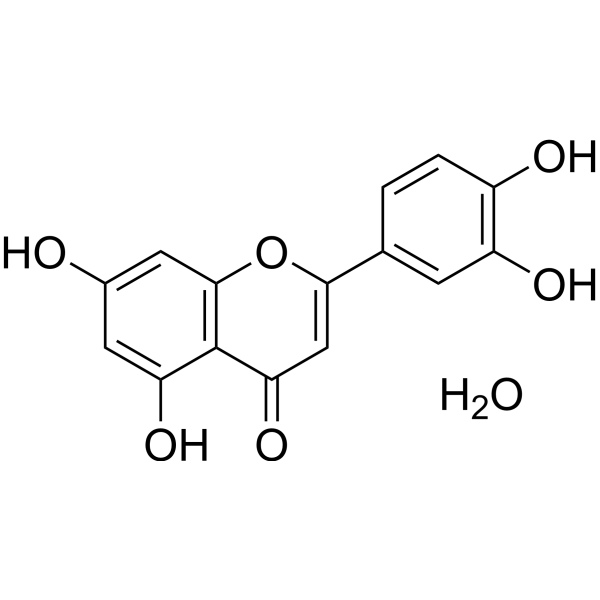
    Luteolin (Standard)
    Maximum Cited Publications
    89 Publications Verification

    Luteoline(Standard); Luteolol(Standard); Digitoflavone (Standard)

    Reference Standards Keap1-Nrf2 Apoptosis Autophagy Endogenous Metabolite Inflammation/Immunology Cancer
    Luteolin (Standard) is the analytical standard of Luteolin. This product is intended for research and analytical applications. Luteolin (Luteoline), a flavanoid compound, is a potent Nrf2 inhibitor. Luteolin has anti-inflammatory, anti-cancer properties, including the induction of apoptosis and cell cycle arrest, and the inhibition of metastasis and angiogenesis, in several cancer cell lines, including human non-small lung cancer cells .
    Luteolin (Standard)
  • HY-N0381
    Maackiain
    1 Publications Verification

    DL-​Maackiain

    Keap1-Nrf2 p38 MAPK NOD-like Receptor (NLR) NF-κB mTOR Monoamine Oxidase Nuclear Factor of activated T Cells (NFAT) PKC Apoptosis Pyroptosis Autophagy Dengue Virus Infection Neurological Disease Metabolic Disease
    Maackiain (DL-Maackiain) is an orally active multi-target inhibitor with anti-tumor activity and neuroprotective effects. Maackiain activates the AMPK, NLRP3 and Nrf2/HO-1 pathways, and inhibits key targets such as NF-κB, mTOR, MAO-B, NFATc1 and PKCδ, thereby precisely regulating processes including apoptosis, autophagy and pyroptosis. Maackiain also effectively inhibits microglial activation, osteoclast formation, and proliferation and invasion of tumor cells, and protects dopaminergic neurons from damage. Maackiain is applicable to the research of various diseases such as Alzheimer's disease, osteoporosis, sepsis and dengue fever 。
    Maackiain
  • HY-Y1177

    Phenyl disulfide

    PI3K Akt mTOR Ferroptosis Apoptosis Autophagy Glutathione Peroxidase Keap1-Nrf2 Cancer
    Diphenyl disulfide (Phenyl disulfide) is an organic disulfide compound. Diphenyl disulfide inhibits the PI3K/AKT/mTOR pathway, and induces ferroptosis (ferroptosis), apoptosis (apoptosis) and autophagy (autophagy) in cancer cells. Diphenyl disulfide downregulates GPX4 expression, inhibits NRF2 phosphorylation, induces lipid peroxidation, promotes xCT ubiquitination, induces proteolytic cleavage of p21 Bax into p18 Bax, and suppresses cell proliferation and viability. Diphenyl disulfide can be used in research related to melanoma and breast cancer .
    Diphenyl disulfide
  • HY-N1775

    3,4-DHAP

    Tyrosinase Reactive Oxygen Species (ROS) Keap1-Nrf2 PARP Autophagy Apoptosis Cardiovascular Disease Neurological Disease Metabolic Disease Inflammation/Immunology Cancer
    3',4'-Dihydroxyacetophenone (3,4-DHAP) is a phenolic compound with oral bioavailability, possessing potent antioxidant, anti-inflammatory, anticancer and cardiovascular protective activities. 3',4'-Dihydroxyacetophenone inhibits mushroom Tyrosinase activity with an IC50 of 10 μM, thereby suppressing melanogenesis . 3',4'-Dihydroxyacetophenone inhibits platelet aggregation in platelet-rich plasma. 3',4'-Dihydroxyacetophenone reduces ROS levels in human umbilical vein endothelial cells treated with high glucose, upregulates the expression of Nrf2, HO-1 and PARP-1 in cells, and promotes the nuclear translocation of Nrf2 . 3',4'-Dihydroxyacetophenone induces autophagy and apoptosis. 3',4'-Dihydroxyacetophenone inhibits seed germination/growth in most plants. 3',4'-Dihydroxyacetophenone can be used in the research of cancer, neurodegenerative diseases, non-alcoholic steatohepatitis, diabetes, obesity, skin pigmentation disorders, and cardiovascular and cerebrovascular diseases .
    3',4'-Dihydroxyacetophenone
  • HY-N1244

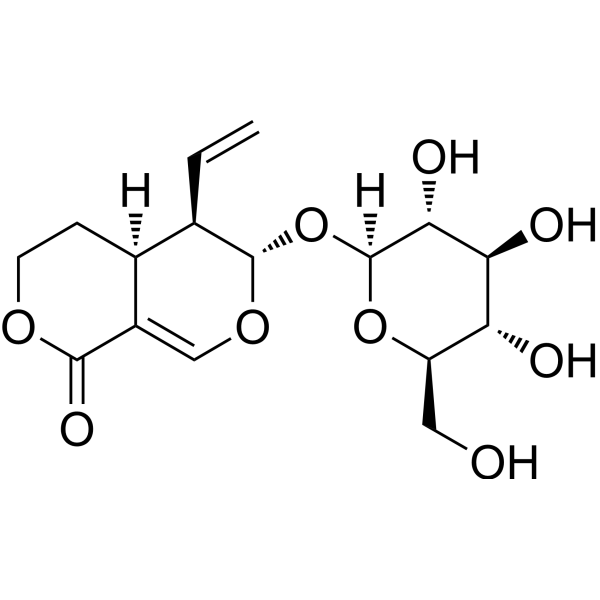
    Sarmentosine; Sarmentosine (glycoside)

    Keap1-Nrf2 mTOR Apoptosis Cancer
    Sarmentosin is an activator of Nrf2. Sarmentosin inhibits mTOR signaling and induces autophagy-dependent apoptosis in human HCC cells .
    Sarmentosin
  • HY-D0885D
    Phosphocreatine disodium hydrate
    3 Publications Verification

    Endogenous Metabolite MAP3K Akt Mitochondrial Metabolism ERK Apoptosis ROS Kinase Metabolic Disease
    Phosphocreatine (disodium hydrate) is an organic compound found in vertebrate skeletal muscles. Phosphocreatine (disodium hydrate) enhances antioxidant activity, and activates the TAK1 pathway to protect the heart. Phosphocreatine (disodium hydrate) normalizing mitochondrial function and reducing oxidative stress via Akt mediated Nrf2/HO-1 pathway. Phosphocreatine (disodium hydrate) Phosphocreatine (disodium hydrate) provides renal protection by suppressing Apoptosis and ROS (Reactive Oxygen Species) generation through ERK mediated mediated Nrf-2/HO-1 pathway. .
    Phosphocreatine disodium hydrate
  • HY-B0854

    Environmental Pollutants Lactate Dehydrogenase Apoptosis Fungal Cytochrome P450 Keap1-Nrf2 Infection Metabolic Disease Cancer
    Mancozeb is a widely used fungicide that is effective against fungal diseases in most cereals, vegetables, fruits and ornamental plants. In addition, Mancozeb can cause liver damage in mice by activating the Keap1/Nrf2 signaling pathway. Mancozeb upregulates lactate dehydrogenase and cytochrome c to alter cell metabolism and induce cell death. Mancozeb has reproductive toxicity and can induce apoptosis in ovarian cells .
    Mancozeb
  • HY-147855
    ACA-28
    1 Publications Verification

    ERK Apoptosis Reactive Oxygen Species (ROS) Keap1-Nrf2 Cancer
    ACA-28 is a potent ERK MAPK signaling modulator. ACA-28 selectively inhibits cancer cell growth and induces apoptosis. ACA-28 can activate nuclear factor erythroid 2-related factor 2 (Nrf2) signaling via inducing ROS production. ACA-28 can be used for the research of cancer, such as melanoma .
    ACA-28
  • HY-145532

    Apoptosis NF-κB Keap1-Nrf2 Inflammation/Immunology Cancer
    S-allylmercaptocysteine, an organic sulfur compound extracted from garlic, has anti-inflammatory and anti-oxidative effects for various pulmonary diseases. S-allylmercaptocysteine achieves its anti-cancer effect through a variety of pathways such as inducing the apoptosis of cancer cells through the TGF-β signaling pathway, or reducing the NF-κB activity and up-regulating Nrf2 to achieve the effects of anti-inflammation and anti-oxidation .
    S-Allylmercaptocysteine
  • HY-N8210

    Drug Metabolite Autophagy Apoptosis Reactive Oxygen Species (ROS) Keap1-Nrf2 MMP Caspase PARP MDM-2/p53 Neurological Disease Inflammation/Immunology Cancer
    Homoeriodictyol is an orally active, bitter-tasting flavanone that can penetrate the blood-brain barrier. Homoeriodictyol enhances synaptic-related protein expression through NCOA4-mediated ferritin autophagy. Homoeriodictyol improves memory impairment in mice by inhibiting the NLRP3 inflammasome. Homoeriodictyol protects human endothelial cells from oxidative damage by activating Nrf2 and inhibiting mitochondrial dysfunction. Homoeriodictyol enhances ROS activity and induces apoptosis, exhibiting anticancer effects. Homoeriodictyol inhibits the survival and migration of androgen-resistant prostate cancer cells in vitro. Homoeriodictyol exerts antinociceptive activity in mice in vivo .
    Homoeriodictyol
  • HY-124834

    Keap1-Nrf2 Apoptosis Cancer
    Nrf2 activator-10 (Compound AI-1) is a PI3K-dependent inducer for antioxidant response element (ARE) (EC50 is 2.7 μM) and an activator for Nrf2. Nrf2 activator-10 modifies Keap1, blocks Cul3-Keap1 ubiquitin ligase complex, activates the transcription of Nrf2. Nrf2 activator-10 protects cells from H2O2-induced apoptosis.
    Nrf2 activator-10
  • HY-B1971R

    Decamethrin (Standard)

    Reference Standards Endogenous Metabolite Calcium Channel Caspase Apoptosis Bcl-2 Family NF-κB Interleukin Related Neurological Disease Inflammation/Immunology Cancer
    Deltamethrin (Standard) is the analytical standard of Deltamethrin. This product is intended for research and analytical applications. Deltamethrin (Decamethrin) is an orally active synthetic pyrethroid insecticide. Deltamethrin induces oxidative stress and results in inflammation and apoptosis via inhibiting Nrf2/HO-1 pathway. Deltamethrin has an anticancer effect by inducing apoptosis. Deltamethrin can be used extensively in pest control .
    Deltamethrin (Standard)
  • HY-N1913A
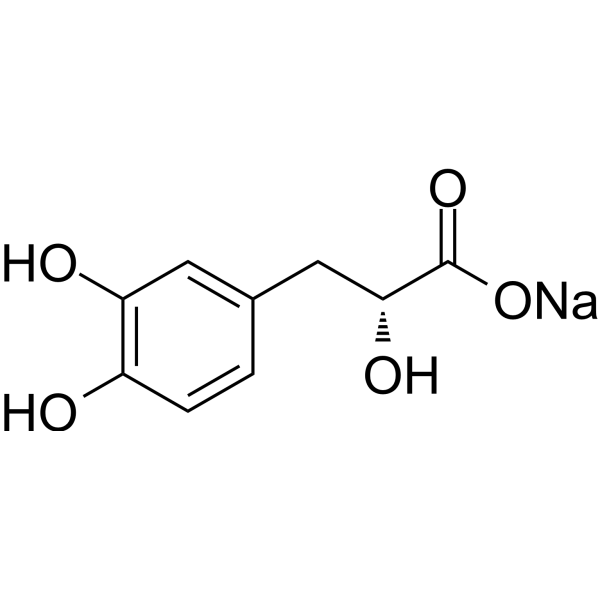
    Danshensu sodium
    5+ Cited Publications

    Dan shen suan A sodium; Salvianic acid A sodium

    Keap1-Nrf2 NF-κB Reactive Oxygen Species (ROS) SARS-CoV Apoptosis Infection Cardiovascular Disease Inflammation/Immunology Cancer
    Danshensu (Dan shen suan A) sodium, an orally active phenolic compound, can induce Nrf2/HO-1 activation and inhibition of NF-κB pathway. Danshensu sodium reduces reactive oxygen species (ROS) production, upregulates antioxidant defense mechanism and inhibits intrinsic apoptotic pathway. Danshensu sodium displays a potent antiviral activity against SARS-CoV-2 with EC50 of 0.97 μM. Danshensu sodium has anti-oxidation, anti-apoptosis, anti-lung inflammatory and has the potential for COVID-19, cardiovascular and cerebrovascular diseases research .
    Danshensu sodium
  • HY-N5060S

    4-Allylanisole-d4

    Parasite Isotope-Labeled Compounds Neurological Disease
    Estragole-d4 is deuterated labeled Estragole (HY-N5060). Estragole (4-Allylanisole) is a relatively nontoxic volatile terpenoid ether and major component of the essential oil from many plants. Estragole significantly triggers Apoptosis, suppresses LPS-induced intracellular ROS production. Estragole activats Nrf-2 and regulates NF-κB. Estragole has anti-toxoplasma, anti-inflammatory, anti-edema, antioxidant and immunomodulatory properties. Estragole blocks DRG neuron excitability. Estragole has improves gastric ulcer activity [10] .
    Estragole-d4
  • HY-103435
    Vialinin A
    2 Publications Verification

    Terrestrin A

    Deubiquitinase TNF Receptor E1/E2/E3 Enzyme Keap1-Nrf2 Inflammation/Immunology Cancer
    Vialinin A (Terrestrin A) is a p-terphenyl compound that can be derived from a Chinese edible mushroom. Vialinin A is an inhibitor of ubiquitin-specific peptidase 4 (USP4) and has anti-inflammatory and antioxidant properties. Vialinin A can alleviate cerebral ischaemia-reperfusion injury-induced neurological deficits and neuronal apoptosis. Vialinin A promotes activation of Keap1-Nrf2-ARE signaling pathway and increases the protein degradation of Keap1. Vialinin A possesses various pharmacological activities in cancer, Kawasaki disease, asthma, and pathological scarring. Vialinin A is a potent inhibitor of TNF-α, USP4, USP5, and sentrin/SUMO-specific protease 1 (SENP1). Vialinin A can be studied in reseach for autoimmune diseases, cancer and ischaemic stroke .
    Vialinin A
  • HY-N0568R

    Asiaticoside A (Standard)

    Reference Standards Endogenous Metabolite Apoptosis Autophagy Keap1-Nrf2 p38 MAPK Caspase Cardiovascular Disease Others Neurological Disease Inflammation/Immunology Endocrinology Cancer
    Madecassoside (Standard) is the analytical standard of Madecassoside. This product is intended for research and analytical applications. Madecassoside is a pentacyclic triterpene isolated from Centella asiatica and has anti-inflammatory properties. Antioxidant and anti-aging effects. Madecassoside is a pentacyclic triterpene isolated from Centella asiatica. Madecassoside is orally active and has inhibitory properties against inflammation, oxidation, apoptosis and autophagy. Madecassosid inhibits activities of p38 MAPK and NF-kB , exhibits an anti-apopototic property, activates Nrf2 expression to reduce the neurotoxicity[10]. Madecassoside can be used in endocrine diseases, cardiovascular diseases, skin diseases and other diseases.
    Madecassoside (Standard)
  • HY-N0414R

    Trigenolline (Standard)

    Endogenous Metabolite Ferroptosis Apoptosis HIV Bacterial Fungal Reference Standards Metabolic Disease Cancer
    Trigonelline (Standard) is the analytical standard of Trigonelline. This product is intended for research and analytical applications. Trigonelline is an alkaloid with potential antidiabetic activity that can be isolated from Trigonella foenum-graecum L or Leonurus artemisia. Trigonelline is a potent Nrf2 inhibitor that blocks Nrf2-dependent proteasome activity, thereby enhancing apoptosis in pancreatic cancer cells. Trigonelline also has anti-HSV-1, antibacterial, and antifungal activity and induces ferroptosis.
    Trigonelline (Standard)

Inquiry Online

Your information is safe with us. * Required Fields.

Salutation


Country or Region *

Applicant Name *


Organization Name *

Department *


Email Address *


Product Name *

Cat. No.


Requested quantity *

Phone Number *


Remarks

Inquiry Online

Inquiry Information

Product Name:
Cat. No.:
Quantity:
MCE Japan Authorized Agent:

