1. Search Result
Search Result
Results for "

Bax:Bcl-2 ratio

" in MedChemExpress (MCE) Product Catalog:

26

Inhibitors & Agonists

9

Natural
Products

Cat. No. Product Name Target Research Areas Chemical Structure
  • HY-N1440

    Bcl-2 Family Inflammation/Immunology Cancer
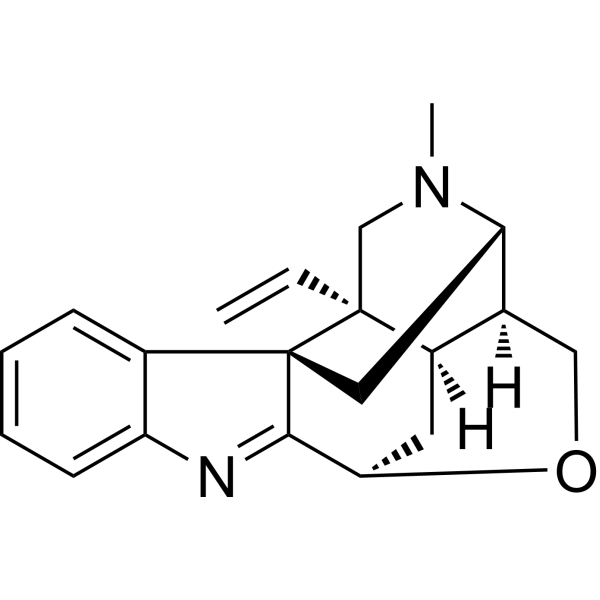
    Koumine is an alkaloid separated from Gelsemium elegans, shows potent anti-tumor activity. Koumine up-regulates the Bax/Bcl-2 ratio and caspase-3 expression in human breast cancer cells . Koumine has anxiolytic, antistress, antipsoriatic, and analgesic activities , protects against the development of arthritis in Rheumatoid arthritis (RA) animal models .
    Koumine
  • HY-N0307

    Bcl-2 Family NF-κB DNA/RNA Synthesis Apoptosis Cardiovascular Disease Neurological Disease
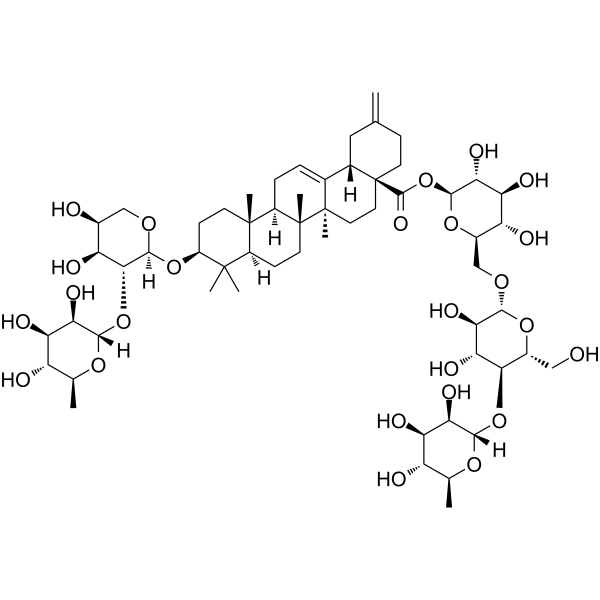
    Ciwujianoside B is an orally active, blood-brain barrier penetrable radioprotective agent and memory enhancer. Ciwujianoside B reduces radiation-induced DNA damage, cell cycle arrest and apoptosis, downregulates NF-κB and the Bax/Bcl-2 ratio, and enhances the proliferative capacity of bone marrow cells. Ciwujianoside B enhances object recognition memory in normal mice and induces dendritic extension in primary cultured cortical neurons. Ciwujianoside B can be used in studies related to hematopoietic system radiation injury and memory enhancement .
    Ciwujianoside B
  • HY-119979

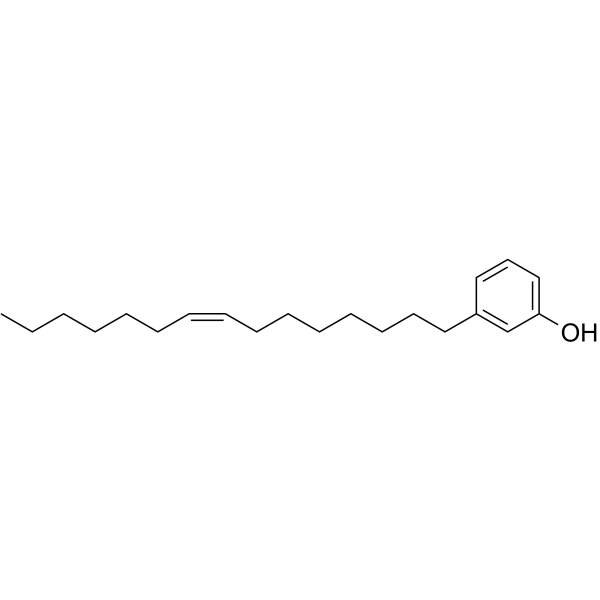
    Cardanol C15:1

    Apoptosis Reactive Oxygen Species (ROS) Mitochondrial Metabolism MMP CDK Caspase Bcl-2 Family PARP MDM-2/p53 Cholinesterase (ChE) Infection Inflammation/Immunology Cancer
    Cardanol monoene (Cardanol C15:1) is a phenolic compound which can be found in cashew nut shell liquid. Cardanol monoene can inhibit cancer cells proliferation, migration, cause S phase arrest, induce apoptosis, ROS production and mitochondrial depolarization. Cardanol monoene downregulates MMP-2, MMP-9, cyclinA1 expression, regulates CDK2, p53, Bax, cytochrome c, cleaved caspase-3, cleaved PARP, Apaf-1 expression and Bax/Bcl-2 ratio. Cardanol monoene shows weak DPPH radical scavenging activity and AChE inhibition activity. Cardanol monoene is lethal to Artemia salina nauplii. Cardanol monoene. Cardanol monoene can be used for the research of cancer, infection and inflamation .
    Cardanol monoene
  • HY-147785
    Pim-1 kinase inhibitor 2
    1 Publications Verification

    Pim Caspase Bcl-2 Family Apoptosis Cancer
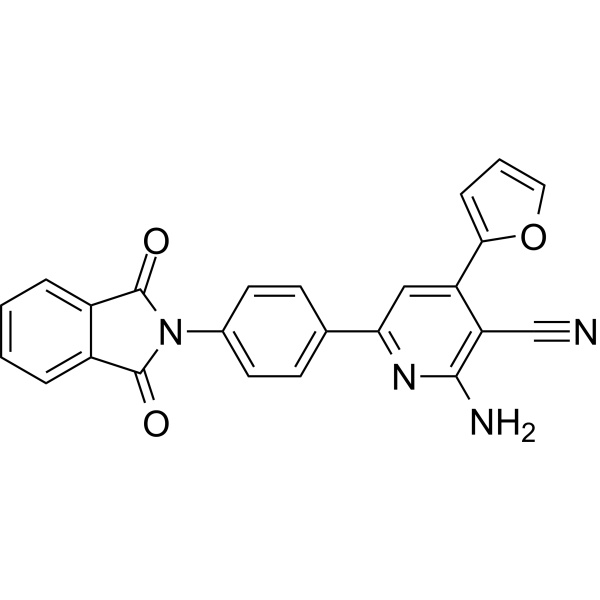
    Pim-1 kinase inhibitor 2 is a PIM-1 kinase inhibitor with a human IC50 of 0.63 μM. Pim-1 kinase inhibitor 2 exhibits high selectivity for cancer cells over normal cells. Pim-1 kinase inhibitor 2 induces apoptosis, increases active caspase-3 levels, upregulates BAX, downregulates Bcl-2, and elevates the Bax/Bcl-2 ratio. Pim-1 kinase inhibitor 2 suppresses cancer cell proliferation and induces cell cycle arrest. Pim-1 kinase inhibitor 2 can be used for the research of prostate carcinoma, hepatocellular carcinoma, and breast adenocarcinoma .
    Pim-1 kinase inhibitor 2
  • HY-111329
    JGB1741
    1 Publications Verification

    ILS-JGB-1741

    Sirtuin Apoptosis Cancer
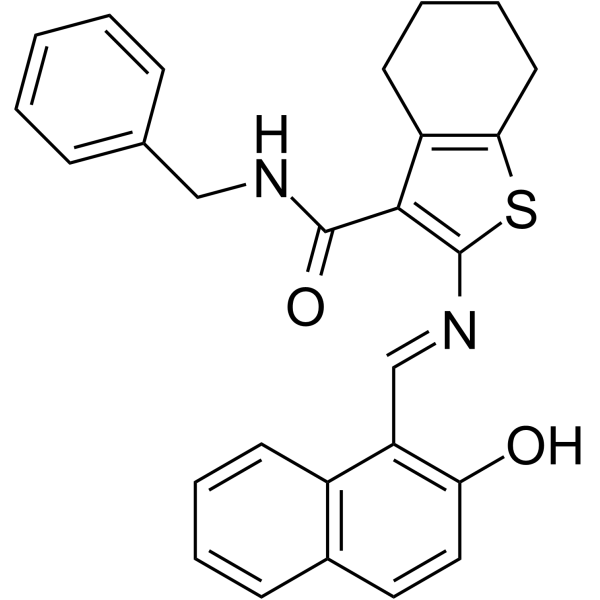
    JGB1741 (ILS-JGB-1741) is a potent and specific SIRT1 activity inhibitor with an IC50 of ∼15 μM. JGB1741 is a weak SIRT2 and SIRT3 inhibitor with an all IC50>100 μM. JGB1741 increases the acetylated p53 levels leading to p53-mediated apoptosis with modulation of Bax/Bcl2 ratio, cytochrome c release and PARP cleavage. JGB1741 has the potential for breast cancer research .
    JGB1741
  • HY-124122

    VEGFR Checkpoint Kinase (Chk) Apoptosis Caspase Bcl-2 Family Cancer
    BPTQ is a potent inhibitor against VEGFR1 and CHK2 with IC50 values of 0.54 and 1.70 µmol/L, respectively. BPTQ is also an intercalator of DNA with anticancer activities. BPTQ inhibits the proliferation of HL-60 cells by arresting cells at S and G2/M phase with an IC50 value of 12 µmol/L. BPTQ also activates the mitochondria-mediated Apoptosis pathway by a decrease in mitochondrial membrane potential, increase in the Bax:Bcl-2 ratio and activation of caspases .
    BPTQ
  • HY-167825

    MMP Apoptosis Bcl-2 Family Reactive Oxygen Species (ROS) Neurological Disease Inflammation/Immunology Cancer
    Barakol is a major compound found in Cassia siamea. Barakol inhibits MMP-3 activity. Barakol potentiates the anti-metastatic effect of Doxorubicin (HY-15142). Barakol induces apoptosis, with ROS generation, increase in expression ratio of Bax/Bcl-2, and caspase-9 activation. Barakol has laxative, anxiolytic, CNS depressant, and antioxidant, anticancer effects .
    Barakol
  • HY-N15449

    HSP Caspase Apoptosis Reactive Oxygen Species (ROS) Bcl-2 Family Cancer
    Vicanicin is a depsidone compound found in lichens. Vicanicin inhibits the expression of Hsp70, regulates the redox-sensitive mechanisms within cells, promotes the increase of reactive oxygen species (ROS) in cancer cells, changes the Bax/Bcl-2 ratio, activates caspase-3, and triggers apoptosis. Vicanicin inhibits cell growth and induces apoptosis in androgen-sensitive (LNCaP) and androgen-insensitive (DU-145) human prostate cancer cells. Vicanicin is promising for research of prostate cancer .
    Vicanicin
  • HY-175034

    Topoisomerase Apoptosis MDM-2/p53 Bcl-2 Family Caspase Cancer
    Topoisomerase I/II-IN-1 is a dual inhibitor of topoisomerase I/II. Topoisomerase I/II-IN-1 induces G2/M arrest and apoptosis in cancer cells by upregulating p53, p21, and Bax mRNA levels, caspase-3 protein levels, and the Bax/Bcl-2 ratio, while downregulating Bcl-2. Topoisomerase I/II-IN-1 is useful in the study of various cancers, including melanoma, renal cancer, colorectal cancer, and breast cancer .
    Topoisomerase I/II-IN-1
  • HY-178099

    Apoptosis Caspase PARP Bcl-2 Family Cancer
    Apoptosis inducer 45 is an apoptosis inducer. Apoptosis inducer 45 is cytotoxically active against the MCF-7 cell line. Apoptosis inducer 45 elicits MCF-7 cell apoptosis via the mitochondrial pathway (increases the Bax/Bcl-2 ratio) by activating cleavage of caspase-9, thereby inducing the fragmentation of DNA repair protein PARP. Apoptosis inducer 45 also can induce caspase-8 cleavage, subsequently initiating cleavage of caspase-3 and its downstream protein PARP to culminate in the extrinsic apoptosis. Apoptosis inducer 45 can be used in the research of breast cancer .
    Apoptosis inducer 45
  • HY-175021

    HDAC Carbonic Anhydrase Microtubule/Tubulin PARP Apoptosis Bcl-2 Family Caspase Cancer
    HDAC-IN-91 is a multiple inhibitor of HDAC (IC50 = 134.22 nM for HDAC1, 66.29 nM for HDAC2), carbonic anhydrase (CA) (Ki = 72.03 nM for CA IX, 50.76 nM for XII), and tubulin polymerization ( IC50 = 2.56 μM). HDAC-IN-91 inhibits PARP1 and increases the Bax/Bcl-2 ratio. HDAC-IN-91 blocks the cell cycle at the G2/M phase and induces apoptosis through a mitochondrial apoptosis activation mechanism. HDAC-IN-91 can exert potent cytotoxic activity through tubulin polymerization inhibition. HDAC-IN-91 can be used in breast, colorectal, cervical and lung cancer research .
    HDAC-IN-91
  • HY-175588

    EGFR Apoptosis Bcl-2 Family Cancer
    EGFR-IN-170 (Compound 5c) is an EGFR inhibitor with an IC50 of 5.17 μM. EGFR-IN-170 induces apoptosis by inhibiting Bcl2 expression and activating Bax expression with a significantly increased ratio of Bax/Bcl2. EGFR-IN-170 has potent anticancer activity and inhibits the cell growth of resistant lung cancer cells .
    EGFR-IN-170
  • HY-N1440R

    Reference Standards Bcl-2 Family Inflammation/Immunology Cancer
    Koumine (Standard) is the analytical standard of Koumine. This product is intended for research and analytical applications. Koumine is an alkaloid separated from Gelsemium elegans, shows potent anti-tumor activity. Koumine up-regulates the Bax/Bcl-2 ratio and caspase-3 expression in human breast cancer cells . Koumine has anxiolytic, antistress, antipsoriatic, and analgesic activities , protects against the development of arthritis in Rheumatoid arthritis (RA) animal models .
    Koumine (Standard)
  • HY-159938

    p38 MAPK Apoptosis Bcl-2 Family MDM-2/p53 Caspase Cancer
    p38α inhibitor 6 (compound 19) is a p38α inhibitor with the IC50 of 0.68 μM. p38α inhibitor 6 induces cell apoptosis and arrests cell cycle at G0 and G2/M phase. p38α inhibitor 6 decreases the TNF-α concentration as well as increased the expression of tumor suppressor gene p53, Bax/BCL-2 ratio and caspase 3/7 .
    p38α inhibitor 6
  • HY-178911

    Thymidylate Synthase Apoptosis Reactive Oxygen Species (ROS) Bcl-2 Family Caspase Cancer
    TS-IN-8 is a potent thymidylate synthase (TS) inhibitor. TS-IN-8 can induce apoptosis and cause cell cycle arrest at the G2/M in MCF-7 cells. TS-IN-8 can induce nuclear morphological changes. TS-IN-8 can increase intracellular reactive oxygen species (ROS) levels. TS-IN-8 can activate intrinsic apoptosis pathways by regulating apoptosis-related proteins such as the bax/bcl-2 ratio and caspase activation. TS-IN-8 can be used for the study of breast cancer .
    TS-IN-8
  • HY-170929

    Bcl-2 Family Cytochrome P450 Apoptosis Caspase Cancer
    EMT inhibitor-3 (compound 11i) is a epithelial-mesenchymal transition (EMT) inhibitor. EMT inhibitor-3 inhibits neuroblastoma SK-N-SH cells with an IC50 of 2.5 μM. EMT inhibitor-3 inhibits SK-N-SH cell proliferation, migration, and invasion. EMT inhibitor-3 increases the Bax/Bcl-2 protein expression ratio, promotes Cytochrome C ( HY-125857) release from mitochondria, and activates caspases 9 and caspases 3, inducing mitochondria-mediated endogenous tumor cell Apoptosis. EMT inhibitor-3 is potential for cancer research .
    EMT inhibitor-3
  • HY-N0307R

    Reference Standards Bcl-2 Family NF-κB DNA/RNA Synthesis Apoptosis Cardiovascular Disease Neurological Disease
    Ciwujianoside B (Standard) is the analytical standard of Ciwujianoside B. This product is intended for research and analytical applications. Ciwujianoside B is an orally active, blood-brain barrier penetrable radioprotective agent and memory enhancer. Ciwujianoside B reduces radiation-induced DNA damage, cell cycle arrest and apoptosis, downregulates NF-κB and the Bax/Bcl-2 ratio, and enhances the proliferative capacity of bone marrow cells. Ciwujianoside B enhances object recognition memory in normal mice and induces dendritic extension in primary cultured cortical neurons. Ciwujianoside B can be used in studies related to hematopoietic system radiation injury and memory enhancement.
    Ciwujianoside B (Standard)
  • HY-N10091

    Apoptosis Others
    2,3-Dihydro-3α-methoxynimbolide is a limonoid compound isolated from the extracts of bark, leaves, roots, and seeds of Azadirachta indica A. Juss. var. siamensis Valeton. 2,3-Dihydro-3α-methoxynimbolide exhibits potent cyto-toxicities against one or more cell lines. 2,3-Dihydro-3α-methoxynimbolide activates caspases-3, -8, and -9, while increases the ratio of Bax/Bcl-2. 2,3-Dihydro-3α-methoxynimbolide induces apoptosis via both mitochondrial and death receptor pathways in AZ521 .
    2,3-Dihydro-3α-methoxynimbolide
  • HY-147826

    EGFR Apoptosis Cancer
    EGFR-IN-60 (Compound 7d) shows obvious inhibition of EGFR WT, EGFR T790M, EGFR L858R and JAK3 with IC50s of 83, 26, 53, and 69 nM, respectively. EGFR-IN-60 potently inhibits the growth of H1975 cells harboring EGFR T790M mutation (IC50=1.32 µM) over A431 cells overexpressing EGFR WT (IC50=4.96 µM). EGFR-IN-60 exhibits good oral absorption, potent and safe antitumor activity. EGFR-IN-60 induces cell death through apoptosis supported by increased Bax/Bcl-2 ratio .
    EGFR-IN-60
  • HY-174855

    PI3K mTOR Apoptosis Bcl-2 Family MDM-2/p53 Caspase Cancer
    PI3K/mTOR-IN-17 is a dual PI3K and mTOR inhibitor with IC50 values of 1.21 μM (PI3K), and 0.21 μM (mTOR). PI3K/mTOR-IN-17 induces cells caspase-mediated apoptosis by arresting their growth in the G1-phase. PI3K/mTOR-IN-17 upregulates the levels of caspases-3, 7, 8, and 9, p53 expression and Bax/Bcl-2 ratio. PI3K/mTOR-IN-17 suppresses the PI3K/mTOR signaling pathway. PI3K/mTOR-IN-17 can be used for research of cancer, such as non-small cell lung cancer (NSCLC) .
    PI3K/mTOR-IN-17
  • HY-N15136

    Apoptosis Cancer
    Isomorellinol is a xanthone with an anticancer potency. Isomorellinol induces apoptosis in cholangiocarcinoma cells. Isomorellinol increases the Bax/Bcl-2 protein expression ratio and decreases survivin protein expression in cholangiocarcinoma cells .
    Isomorellinol
  • HY-N16929

    Keap1-Nrf2 Apoptosis Reactive Oxygen Species (ROS) Heme Oxygenase (HO) Bcl-2 Family Inflammation/Immunology
    Gymnoside II is one of the main bioactive constituents isolated from Bletilla striata. Gymnoside II inhibits nano SiO2-induced A549 cell viability reduction, apoptosis, and ROS generation by activating Nrf2. Gymnoside II upregulates HO-1 and γ-GCSc, while downregulating the Bax/Bcl-2 ratio. Gymnoside II is applicable for research on nano SiO2-induced pulmonary injury .
    Gymnoside II
  • HY-181060

    Apoptosis DNA/RNA Synthesis Caspase Bcl-2 Family MDM-2/p53 Cancer
    Apoptosis inducer 56 is an apoptosis inducer. Apoptosis inducer 56 induces DNA damage (upregulation of γH2AX and p-ATM expression) by minor groove binding. Apoptosis inducer 56 induces intrinsic apoptosis (upregulation of p53 and Bax/Bcl-2 ratio, cleaved caspase-7) via S-phase cell cycle arrest. Apoptosis inducer 56 shows selectivity for cancer cells over normal breast epithelial cells. Apoptosis inducer 56 can be used for the research of breast cancer .
    Apoptosis inducer 56
  • HY-182060

    Phosphodiesterase (PDE) Bcl-2 Family NO Synthase Apoptosis Inflammation/Immunology
    PDE4B/D-IN-5 (Compound P32) is a peripherally restricted, oral active inhibitor of PDE4B and PDE4D with extremely low blood-brain barrier penetration, with IC50 values of 3.4 nM and 2.2 nM, respectively. PDE4B-IN-8 inhibits the production of TNF-α. PDE4B/D-IN-5 significantly reduces the Bax/Bcl2 ratio, and alleviates oxidative stress by decreasing MPO activity and NO levels. PDE4B/D-IN-5 exhibits anti-inflammatory, antioxidant, and anti-apoptotic activities. PDE4B/D-IN-5 can be used for the research of acute lung injury .
    PDE4B/D-IN-5
  • HY-179485

    EGFR VEGFR COX Caspase Apoptosis Bcl-2 Family Cancer
    EGFR/VEGFR2-IN-10 is a selective EGFR, VEGFR2 and COX2 inhibitor with IC50s of 8.5, 68 and 158 nM, respectively. EGFR/VEGFR2-IN-10 induces G1-phase cell cycle arrest in MCF-7 cells. EGFR/VEGFR2-IN-10 increases the Bax/Bcl-2 ratio, upregulates caspase-8, and elevates caspase-9 protein levels, confirming activation of the intrinsic apoptotic pathway. EGFR/VEGFR2-IN-10 demonstrates exceptional therapeutic potential by simultaneously inhibiting tumor proliferation, angiogenesis, and inflammation pathways while maintaining a favorable selectivity profile. EGFR/VEGFR2-IN-10 can be used as a research tool for cervical, liver, colon, and breast cancer studies .
    EGFR/VEGFR2-IN-10
  • HY-182284

    Reactive Oxygen Species (ROS) Apoptosis Bcl-2 Family Caspase SHMT Methylenetetrahydrofolate Dehydrogenase (MTHFD) Cytochrome P450 Cancer
    Anticancer agent 310 is an antitumor agent. Anticancer agent 310 releases nitric oxide to induce mitochondrial ROS burst, triggers mitochondrial dysfunction and activates the Bax/Bcl-2-Cyt c-Caspase-9/Caspase-3 apoptotic pathway. Anticancer agent 310 also reduces the levels of SHMT2 and MTHFD2, decreases the ratios of NADPH/NADP + and GSH/GSSG, thereby disrupting redox homeostasis and exacerbating intracellular ROS accumulation. Anticancer agent 310 can be used in research related to gastric cancer .
    Anticancer agent 310

Inquiry Online

Your information is safe with us. * Required Fields.

Salutation


Country or Region *

Applicant Name *


Organization Name *

Department *


Email Address *


Product Name *

Cat. No.


Requested quantity *

Phone Number *


Remarks

Inquiry Online

Inquiry Information

Product Name:
Cat. No.:
Quantity:
MCE Japan Authorized Agent:

