1. Search Result
Search Result
Results for "

Calmodulin

" in MedChemExpress (MCE) Product Catalog:

126

Inhibitors & Agonists

1

Fluorescent Dye

1

Biochemical Assay Reagents

38

Peptides

19

Natural
Products

22

Recombinant Proteins

1

Isotope-Labeled Compounds

20

Antibodies

Targets Recommended:
Cat. No. Product Name Target Research Areas Chemical Structure
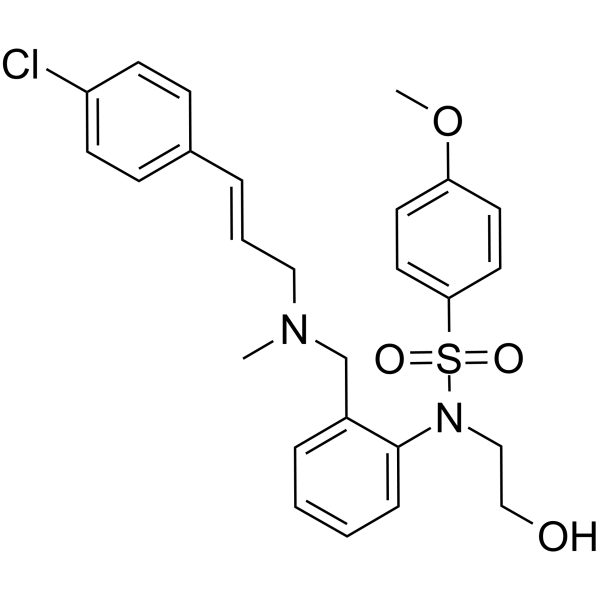
  • HY-15465
    KN-93
    Maximum Cited Publications
    95 Publications Verification

    CaMK Autophagy Cancer
    KN-93 is a cell-permeable, reversible and competitive inhibitor calmodulin-dependent kinase type II (CaMKII) with a Ki of 370 nM.
    KN-93
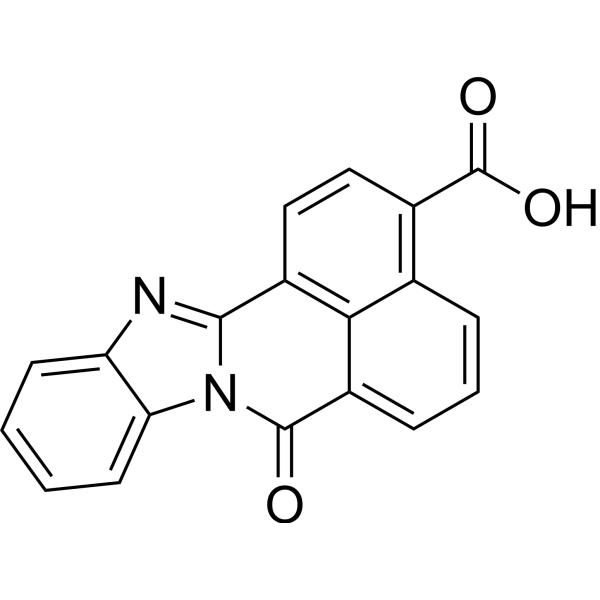
  • HY-19805
    STO-609
    30+ Cited Publications

    CaMK AMPK Autophagy Metabolic Disease
    STO-609 is a selective and cell-permeable inhibitor of the Ca 2+/calmodulin-dependent protein kinase kinase (CaM-KK), with Ki values of 80 and 15 ng/mL for recombinant CaM-KKα and CaM-KKβ, respectively. STO-609 inhibits AMP-activated protein kinase kinase (AMPKK) activity in HeLa cell lysates with an IC50 ~0.02 g/ml.
    STO-609
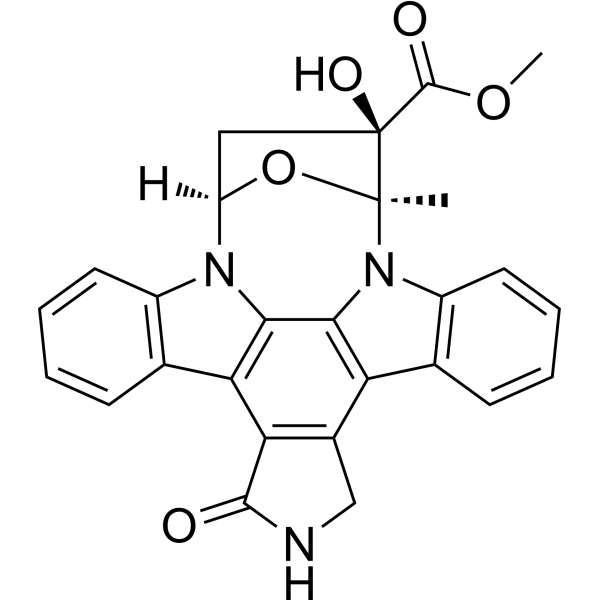
  • HY-N6732
    K-252a
    25+ Cited Publications

    SF2370; Antibiotic K 252a; Antibiotic SF 2370

    Autophagy PKA PKC Trk Receptor CaMK Infection Inflammation/Immunology
    K-252a, a staurosporine analog, inhibits protein kinase, with IC50 values of 470 nM, 140 nM, 270 nM, and 1.7 nM for PKC, PKA, Ca 2+/calmodulin-dependent kinase type II, and phosphorylase kinase, respectively . K-252a is a potent inhibitor (IC50 of 3 nM) of the tyrosine protein kinase (TRK) activity of the NGF receptor gp140trk, the product of the trk protooncogene .
    K-252a
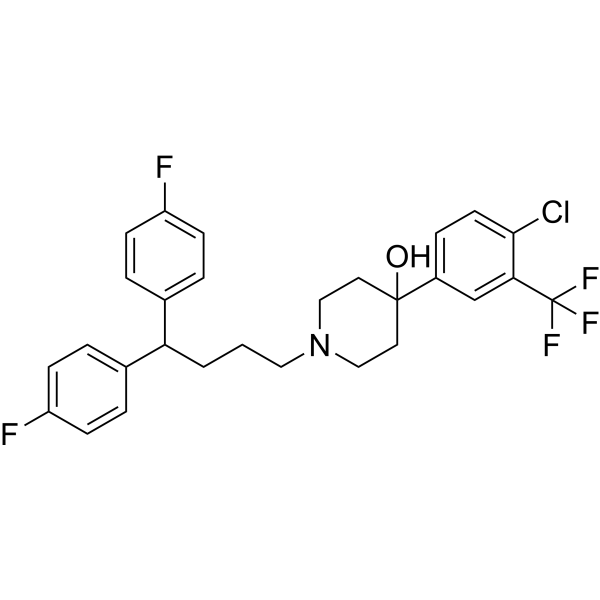
  • HY-B1077
    Penfluridol
    5+ Cited Publications

    R-16341

    Calcium Channel Dopamine Receptor Autophagy Apoptosis Neurological Disease Inflammation/Immunology Cancer
    Penfluridol (R-16341) is a potent, long-acting, first-generation, oral diphenylbutylpiperidine antipsychotic agent by targeting D2-like dopamine receptor. Penfluridol effectively inhibits TNFα-induced NF-κB activation and alleviates the severity of arthritis and colitis in vivo. Penfluridol is a Ca2+-calmodulin inhibitor. Penfluridol induces apoptosis and autophagy. Penfluridol is used for chronic schizophrenia, acute psychosis, Tourette syndrome and autoimmune diseases. Penfluridol inhibites the growth of E. faecalis planktonic cells with the MIC of 7.81 μg/ml .
    Penfluridol
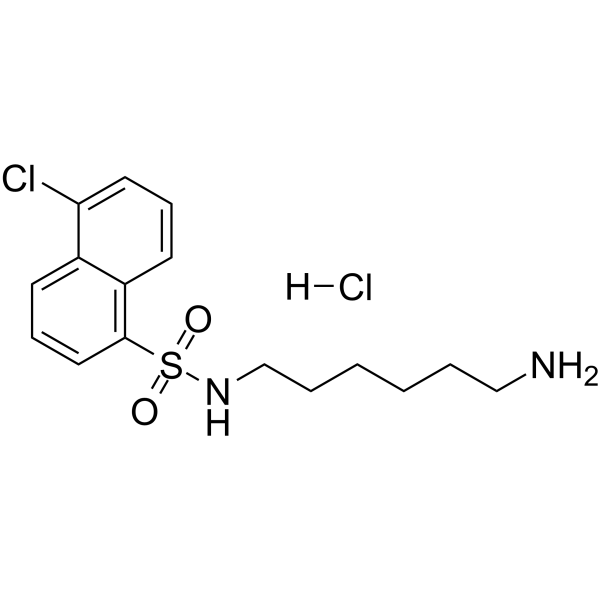
  • HY-100912
    W-7 hydrochloride
    5+ Cited Publications

    Phosphodiesterase (PDE) Myosin Apoptosis Calmodulin Potassium Channel Cancer
    W-7 hydrochloride is a selective calmodulin antagonist. W-7 hydrochloride inhibits the Ca 2+-calmodulin-dependent phosphodiesterase and myosin light chain kinase with IC50 values of 28 μM and 51 μM, respectively. W-7 hydrochloride induces apoptosis and has antitumor and vascular relaxing activity. W-7 hydrochloride is a blocker of Kv4.3 and can be used for research of arrhythmias .
    W-7 hydrochloride
  • HY-103319
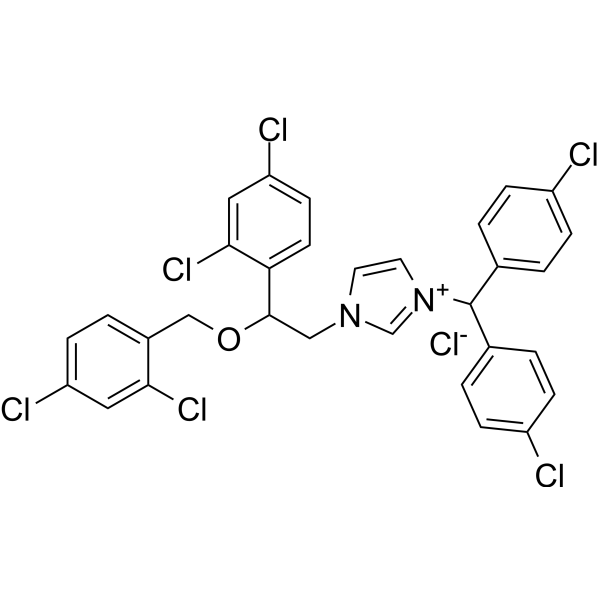
    Calmidazolium chloride
    4 Publications Verification

    R 24571

    Autophagy Calmodulin Neurological Disease Cancer
    Calmidazolium chloride (R 24571) is a calmodulin antagonist, antagonizing CaM-dependent phosphodiesterase and calmodulin-induced activation of erythrocyte Ca2+-transporting ATPase with IC50s of 0.15 and 0.35 μM, respectively . Also in anti-cancer research . Calmidazolium binds to calmodulin with a Kd of 3 nM.
    Calmidazolium chloride
  • HY-13290
    KN-62
    10+ Cited Publications

    CaMK P2X Receptor Metabolic Disease Cancer
    KN-62 is a selective and reversible inhibitor of calmodulin-dependent protein kinase II (CaMK-II) with a Ki of 0.9 μM for rat brain CaMK-II. KN-62 directly binds to the calmodulin binding site of CaMK-II. KN-62 displays noncompetitive antagonism at P2X7 receptors in HEK293 cells, with an IC50 value of approximately 15 nM.
    KN-62
  • HY-D0987

    Calmodulin Others
    Stains-All, a cationic carbocyanine dye, is a convenient probe to study the structural features of the individual calcium-binding sites of calmodulin (CaM) and related calcium-binding proteins (CaBP) .
    Stains-All
  • HY-B0532
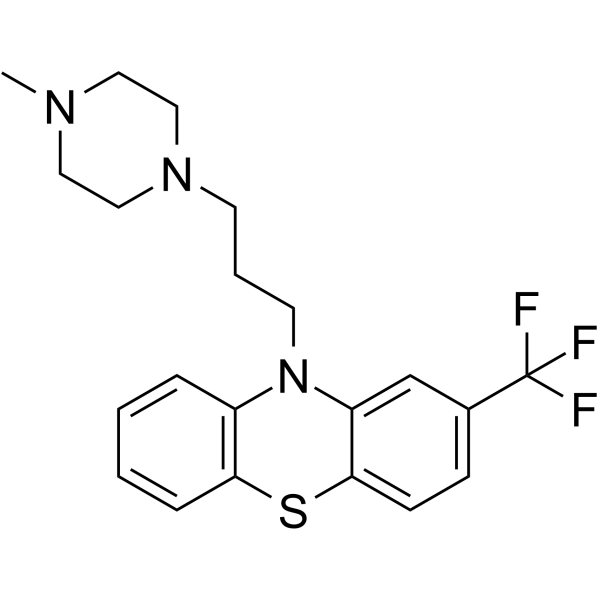
    Trifluoperazine
    5+ Cited Publications

    Dopamine Receptor Adrenergic Receptor P-glycoprotein CaMK Influenza Virus Autophagy Neurological Disease
    Trifluoperazine, an antipsychotic agent, acts by blocking central dopamine receptors. Trifluoperazine is a potent α1-adrenergic receptor antagonist. Trifluoperazine is a potent NUPR1 inhibitor exerting anticancer activity. Trifluoperazine is a calmodulin inhibitor, and also inhibits P-glycoprotein. Trifluoperazine can be used for the research of schizophrenia. Trifluoperazine acts as a reversible inhibitor of influenza virus morphogenesis .
    Trifluoperazine
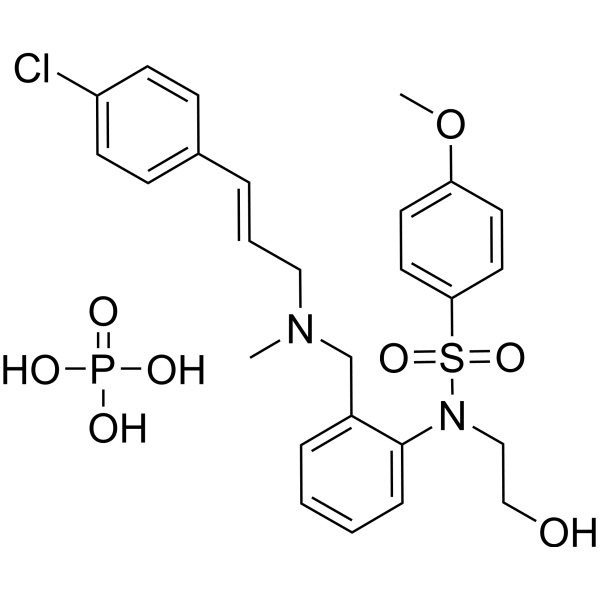
  • HY-15465B
    KN-93 phosphate
    Maximum Cited Publications
    95 Publications Verification

    CaMK Autophagy Cancer
    KN-93 phosphate is a cell-permeable, reversible and competitive inhibitor calmodulin-dependent kinase type II (CaMKII) with a Ki of 370 nM .
    KN-93 phosphate
  • HY-B0532A
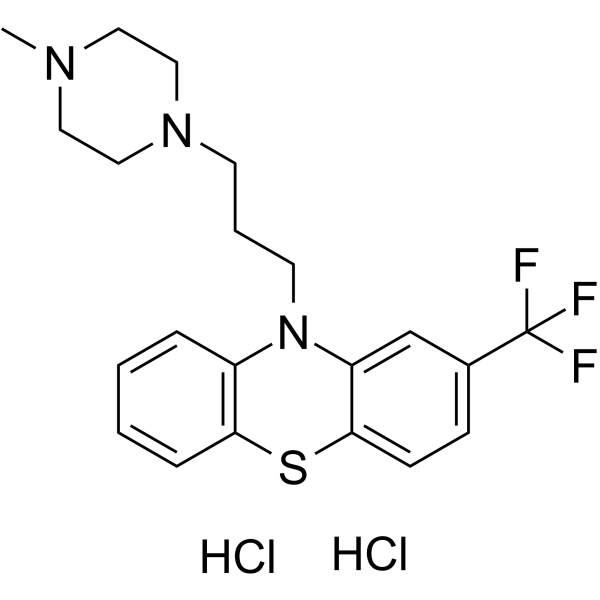
    Trifluoperazine dihydrochloride
    5+ Cited Publications

    Dopamine Receptor Adrenergic Receptor CaMK P-glycoprotein Influenza Virus Autophagy Neurological Disease Cancer
    Trifluoperazine dihydrochloride, an antipsychotic agent, acts by blocking central dopamine receptors. Trifluoperazine dihydrochloride is a potent α1-adrenergic receptor antagonist. Trifluoperazine dihydrochloride is a potent NUPR1 inhibitor exerting anticancer activity. Trifluoperazine dihydrochloride is a calmodulin inhibitor, and also inhibits P-glycoprotein. Trifluoperazine dihydrochloride can be used for the research of schizophrenia. Trifluoperazine dihydrochloride acts as a reversible inhibitor of influenza virus morphogenesis .
    Trifluoperazine dihydrochloride
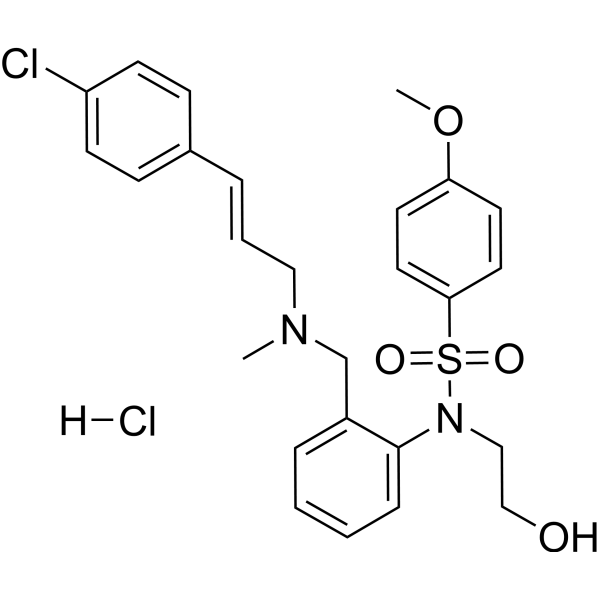
  • HY-15465A
    KN-93 hydrochloride
    Maximum Cited Publications
    95 Publications Verification

    CaMK Autophagy Cancer
    KN-93 hydrochloride is a cell-permeable, reversible and competitive inhibitor calmodulin-dependent kinase type II (CaMKII) with a Ki of 370 nM.
    KN-93 hydrochloride
  • HY-N6781

    Phosphodiesterase (PDE) Infection Cancer
    Ophiobolin A, a fungal metabolite and a phytotoxin, is a potent and irreversibly inhibitor of calmodulin-activated cyclic nucleotide phosphodiesterase, with an IC50 value of 9 μM. Ophiobolin A antimicrobial and anticancer activity .
    Ophiobolin A
  • HY-115719

    Ser/Thr Kinase Neurological Disease
    NR162 is a selective CASK (Ca 2+/calmodulin-dependent Ser/Thr kinase) inhibitor with an IC50 of 80 nM and a Kd of 22 nM. NR162 shows about 50-fold selectivity for CASK than TYRO3. NR162 targets the unique GFG motif of CASK and has excellent shape complementarity to the CASK ATP binding pocket. NR162 can be used for the research of neurological diseases .
    NR162
  • HY-P1077
    CALP1
    3 Publications Verification

    mGluR Phosphodiesterase (PDE) Apoptosis Calmodulin Inflammation/Immunology
    CALP1 is a calmodulin (CaM) agonist (Kd of 88 µM) with binding to the CaM EF-hand/Ca 2+-binding site. CALP1 blocks calcium influx and apoptosis (IC50 of 44.78 µM) through inhibition of calcium channel opening. CALP1 blocks glutamate receptor channels and blocks a store-operated nonselective cation channel. CALP1 activates CaM-dependent phosphodiesterase activity .
    CALP1
  • HY-105118A

    CGS-9343B; KW 5617

    Calmodulin Neurological Disease Metabolic Disease Inflammation/Immunology
    Zaldaride maleate (CGS-9343B) is a potent, orally active and selective inhibitor of calmodulin. Zaldaride maleate inhibits CaM (calmodulin)-stimulated cAMP phosphodiesterase activity, with an IC50 of 3.3 nM . Zaldaride maleate prevents estrogen-induced transcription activation by ER, reversibly blocks voltage-activated Na +, Ca 2+ and K + currents in PC12 cells and inhibits nAChR .
    Zaldaride maleate
  • HY-110140

    CaMK Cardiovascular Disease Neurological Disease
    (E)-KN-93 phosphate is a Ca 2+/calmodulin-dependent protein kinase II (CaMKII) inhibitor with IC50 values of 9 μM and 3 μM against CaMKIIδMonomer and CaMKIIδDodecamer, respectively. (E)-KN-93 phosphate can be used in research on epilepsy, depression, and arrhythmias. .
    (E)-KN-93 phosphate
  • HY-P1805

    Calmodulin Neurological Disease
    Calmodulin Binding Peptide 1 is a high-affinity (pM) CaM-binding peptide derived from smooth muscle myosin light chain kinase (MLCK peptide). The interface of the complex formed by Calmodulin Binding Peptide 1 and Ca 2+-CaM can be specifically bound by small-molecule inhibitors, serving as a key target for selective regulation of smooth muscle contraction and development of anti-CaM drugs .
    Calmodulin Binding Peptide 1
  • HY-P1077A
    CALP1 TFA
    3 Publications Verification

    mGluR Phosphodiesterase (PDE) Apoptosis Calmodulin Inflammation/Immunology
    CALP1 TFA is a calmodulin (CaM) agonist (Kd of 88 µM) with binding to the CaM EF-hand/Ca 2+-binding site. CALP1 TFA blocks calcium influx and apoptosis (IC50 of 44.78 µM) through inhibition of calcium channel opening. CALP1 TFA blocks glutamate receptor channels and blocks a store-operated nonselective cation channel. CALP1 TFA activates CaM-dependent phosphodiesterase activity .
    CALP1 TFA
  • HY-P1075
    CALP3
    2 Publications Verification

    Calcium Channel Neurological Disease Cancer
    CALP3, a Ca 2+-like peptide, is a potent Ca 2+ channel blocker that activates EF hand motifs of Ca 2+-binding proteins. CALP3 can functionally mimic increased [Ca 2+]i by modulating the activity of Calmodulin (CaM), Ca 2+ channels and pumps. CALP3 has the potential in controlling apoptosis in diseases such as AIDS or neuronal loss due to ischemia .
    CALP3
  • HY-P0225

    Autocamtide II

    CaMK Autophagy Neurological Disease
    Autocamtide 2 is a highly selective peptide substrate of calcium/calmodulin-dependent protein kinase II (CaMKII). It can be used in the CaMKII activity assay.
    Autocamtide 2
  • HY-100910

    CaMK Cancer
    W-13 hydrochloride is a calmodulin antagonist. W-13 hydrochloride can inhibit Tamoxifen (HY-13757A)-resistant human breast cancer cell growth .
    W-13 hydrochloride
  • HY-100779

    SMP 114

    CaMK Autophagy Metabolic Disease
    Rimacalib (SMP 114) is a Ca 2+/calmodulin-dependent protein kinase II (CaMKII) inhibitor, with IC50s of ~1 μM for CaMKIIα to ~30 μM for CaMKIIγ .
    Rimacalib
  • HY-W039943

    Molecular Glues Cancer
    Acetyl-cyclosporin A aldehyde is an acetylated Cyclosporin A (HY-B0579) derivative with a reducing aldehyde group. Cyclosporin A is a potent calmodulin inhibitor and cyclophilin binder that can target the nuclear translocation of NF-AT and cause mitochondrial damage.
    Acetyl-cyclosporin A aldehyde
  • HY-P1247

    Phosphatase Neurological Disease
    Calcineurin autoinhibitory peptide is a selective inhibitor of Ca 2+/calmodulin-dependent protein phosphatase (calcineurin), with an IC50 of ~10 μM. Calcineurin autoinhibitory peptide could protect neurons from excitatory neuronal death .
    Calcineurin autoinhibitory peptide
  • HY-100913

    Calmodulin Cancer
    W-7 isomer hydrochloride is an isomer of W-7 hydrochloride (HY-100912). W-7 hydrochloride is a selective calmodulin antagonist .
    W-7 isomer hydrochloride
  • HY-B1726

    Holocaine

    Phosphodiesterase (PDE) Metabolic Disease
    Phenacaine (Holocaine) is a local agent that can suppress or relieve pain. Phenacaine inhibits the specific calmodulin-dependent stimulation of erythrocyte Ca 2+-ATPase and cyclic nucleotide phosphodiesterases from brain and heart .
    Phenacaine
  • HY-100911

    Calmodulin Neurological Disease
    W-5 hydrochloride is a calmodulin antagonist. W-5 hydrochloride inhibits phosphodiesterase activation with an IC50 value of 240 µM. W-5 hydrochloride can be used as a negative control for W-7 (HY-100912) .
    W-5 hydrochloride
  • HY-168905

    Calmodulin Cancer
    SGC-CAMKK2-1, a chemical probe, is the selective, inhibitor for calcium/calmodulin-dependent protein kinase kinase 2 (CAMKK2) with an IC50 of 30 nM. SGC-CAMKK2-1 inhibits AMPK phosphorylation in cell C4-2 with an IC50 of 1.6 μM .
    SGC-CAMKK2-1
  • HY-N10772

    Calcium Channel Calmodulin Adenylate Cyclase Neurological Disease Inflammation/Immunology
    Albanin A, a flavonoid, suppresses glutamate release by decreasing Ca 2+/calmodulin/adenylate Cyclase 1 (AC1) activation in synaptosomes and exerts neuroprotective effect in vivo. Albanin A has anti-inflflammatory activity .
    Albanin A
  • HY-120997

    Berbamine p-nitrobenzoate

    Calmodulin Myosin Phosphodiesterase (PDE) Cardiovascular Disease Cancer
    E6 Berbamine (Berbamine p-nitrobenzoate) is a potent calmodulin (CaM) antagonist. E6 Berbamine inhibits the activities of calmodulin-dependent myosin light chain kinase (MLCK) and phosphodiesterase (PDE). E6 Berbamine exhibits anti-leukemic activity. E6 Berbamine can be used in research related to cardiovascular abnormalities and chronic myeloid leukemia .
    E6 Berbamine
  • HY-P1076A

    Calmodulin Inflammation/Immunology
    CALP2 TFA is a calmodulin (CaM) antagonist (Kd of 7.9 µM) with high affinity for binding to the CaM EF-hand/Ca 2+-binding site. CALP2 TFA inhibits CaM-dependent phosphodiesterase activity and increases intracellular Ca 2+ concentrations. CALP2 TFA potently inhibits of adhesion and degranulation. CALP2 TFA is also a strong activator of alveolar macrophages .
    CALP2 TFA
  • HY-N7503

    Histamine Receptor Calcium Channel Calmodulin Infection Metabolic Disease Cancer
    Psoralenoside is a benzofuran glycoside from Psoralea corylifolia . Psoralenoside exhibits high binding affinities against histaminergic H1, calmodulin, and voltage-gated L-type calcium channels (E-value≥-6.5 Kcal/mol) . Psoralenoside shows estrogen-like activity, osteoblastic proliferation accelerating activity, antitumor effects and antibacterial activity .
    Psoralenoside
  • HY-130368
    W-7
    5+ Cited Publications

    Calmodulin Potassium Channel Phosphodiesterase (PDE) Myosin Apoptosis Cardiovascular Disease
    W-7 is a selective calmodulin antagonist. W-7 inhibits the Ca 2+-calmodulin-dependent phosphodiesterase and myosin light chain kinase with IC50 values of 28 μM and 51 μM, respectively. W-7 induces apoptosis and has antitumor and vascular relaxing activity. W-7 is a blocker of Kv4.3 and can be used for research of arrhythmias .
    W-7
  • HY-P3811A

    CaMK Neurological Disease
    Autocamtide-3 acetate, a 13-amino-acid peptide containing Thr287, is a selective CaMKII (Ca 2+/calmodulin-dependent kinase II) (CaMK) substrate .
    Autocamtide-3 acetate
  • HY-P0271A
    Syntide 2 TFA
    2 Publications Verification

    CaMK Neurological Disease
    Syntide 2 (TFA), a Ca 2+- and calmodulin (CaM)-dependent protein kinase II (CaMKII) substrate peptide, selectively inhibits the gibberellin (GA) response, leaving constitutive and abscisic acid-regulated events unaffected .
    Syntide 2 TFA
  • HY-146268

    CaMK Neurological Disease
    CaMKIIα-IN-1 (Compound 4d) is an orally active Ca 2+/calmodulin-dependent protein kinase II α (CaMKIIα) inhibitor with a KD of 219 nM for CaMKIIα WT hub. CaMKIIα-IN-1 has good metabolic stability .
    CaMKIIα-IN-1
  • HY-W013857

    CaMK EGFR Src Cancer
    Lavendustin C is a potent Ca 2+ calmodulin-dependent kinase II (CaMK II) inhibitor with an IC50 of 0.2 µM. Lavendustin C inhibits EGFR-associated tyrosine kinase (IC50=0.012 µM) and pp60 c-src(+) kinase (IC50=0.5 µM) .
    Lavendustin C
  • HY-19230

    Calmodulin NO Synthase CaMK Calcineurin Proteasome Caspase Cardiovascular Disease
    DY-9760e is a calmodulin (CaM) inhibitor. DY-9760e selectively inhibits the activity of various calmodulin-dependent enzymes by antagonizing the Ca²⁺/CaM complex, exhibiting the strongest inhibitory activity against nNOS, CaM kinase II, and calcineurin (Ki: 0.9, 1.4, and 2.0 μM, respectively). DY-9760e inhibits excessive nitric oxide production and protein tyrosine nitration, as well as the activation of calpain and caspase-3. DY-9760e reduces infarct size, improves cardiac function, and inhibits oxidative stress and cell death. DY-9760e can be used in research on the treatment of myocardial infarction, cerebral ischemia, and other diseases .
    DY-9760e
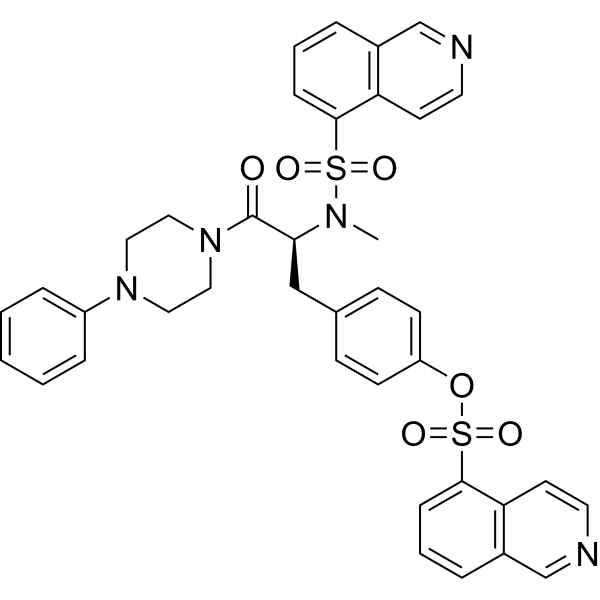
  • HY-100263

    Methophenazine

    Autophagy Calmodulin Neurological Disease
    Metofenazate is a selective calmodulin inhibitor.
    Metofenazate
  • HY-115745

    Calmodulin Cardiovascular Disease
    Calmodulin antagonist-1 (A-5) is a calmodulin (CaM) antagonist. Calmodulin antagonist-1 inhibits calmodulin-activated Ca 2+-phosphodiesterase (PDE) (IC50=66 μM). Calmodulin antagonist-1 also inhibits trypsin-treated Ca 2+-PDE (IC50=560 μM) in a competitive fashion with respect to cyclic GMP .
    Calmodulin antagonist-1
  • HY-114928

    L 3937; Dideiodo Amiodarone

    Drug Intermediate Others
    Deiodoamiodarone (L 3937; Dideiodo Amiodarone) is an intermediate of amiodarone. Amiodarone is a potent calmodulin antagonist .
    Deiodoamiodarone
  • HY-133782

    SKF-7171A hydrochloride

    Calmodulin Neurological Disease
    Fluphenazine-N-2-chloroethane (SKF-7171A) hydrochloride is a potent irreversible calmodulin antagonist .
    Fluphenazine-N-2-chloroethane hydrochloride
  • HY-W170020

    CaMK Metabolic Disease
    PTCA is a potent Ca2+/calmodulin-dependent protein kinase II α (CaMKIIα) ligand with a pKi value of 7.2 .
    PTCA
  • HY-125957

    PKA Casein Kinase CaMK PKC Others
    A-3 hydrochloride is a potent, cell-permeable, reversible, ATP-competitive non-selective antagonist of various kinases. It against PKA (Ki=4.3 µM), casein kinase II (Ki=5.1 µM) and myosin light chain kinase (MLCK) (Ki=7.4 µM). A-3 hydrochloride also inhibits PKC and casein kinase I with Ki values of 47 µM and 80 µM, respectively .
    A-3 hydrochloride
  • HY-19805A

    CaMK AMPK Autophagy Metabolic Disease
    STO-609 acetate is a selective and cell-permeable inhibitor of the Ca 2+/calmodulin-dependent protein kinase kinase (CaM-KK), with Ki values of 80 and 15 ng/mL for recombinant CaM-KKα and CaM-KKβ, respectively. STO-609 acetate inhibits AMP-activated protein kinase kinase (AMPKK) activity in HeLa cell lysates with an IC50 ~0.02 g/ml.
    STO-609 acetate
  • HY-P1479

    Autophagy CaMK Neurological Disease
    Calmodulin-Dependent Protein Kinase II (290-309) is a potent CaMK antagonist with an IC50 of 52 nM for inhibition of Ca2+/calmodulin-dependent protein kinase II .
    Calmodulin-Dependent Protein Kinase II (290-309)
  • HY-P10316

    Calmodulin-Dependent Protein Kinase I (299-320) Binding Domain

    CaMK Others
    CaMKI (299-320) refers to a peptide consisting of residues 299-320 of Calcium/calmodulin-dependent protein kinase I (CaMKI). CaMKI (299-320), as a protein kinase, has a high affinity interaction with Ca 2+-CAM (Kd≤1 nM≤1 nM), which can phosphorylate specific substrate proteins, thereby regulating their activity. CaMKI (299-320) contains the CAM-binding domain and the self-inhibition domain, and CaMKI (299-320) can be used to study cell physiological processes, including cell proliferation, differentiation, and apoptosis .
    CaMKI(299-320)
  • HY-100914

    Ophobolin A

    Calmodulin Cancer
    A-7 hydrochloride (Ophobolin A) is a calmodulin antagonist and can be used for the research of cancer .
    A-7 hydrochloride
  • HY-19025

    Calmodulin Inflammation/Immunology
    CV-159 is a unique dihydropyridine Ca 2+ antagonist with an anti-calmodulin (CaM) action, and has antiinflammatory activities.
    CV-159

Inquiry Online

Your information is safe with us. * Required Fields.

Salutation


Country or Region *

Applicant Name *


Organization Name *

Department *


Email Address *


Product Name *

Cat. No.


Requested quantity *

Phone Number *


Remarks

Inquiry Online

Inquiry Information

Product Name:
Cat. No.:
Quantity:
MCE Japan Authorized Agent:

