1. Search Result
Search Result
Results for "

Cardioprotective effects

" in MedChemExpress (MCE) Product Catalog:

72

Inhibitors & Agonists

1

Fluorescent Dyes

3

Biochemical Assay Reagents

4

Peptides

1

Inhibitory Antibodies

25

Natural
Products

12

Isotope-Labeled Compounds

1

Click Chemistry

1

GMP Molecules

Cat. No. Product Name Target Research Areas Chemical Structure
  • HY-N0390S1
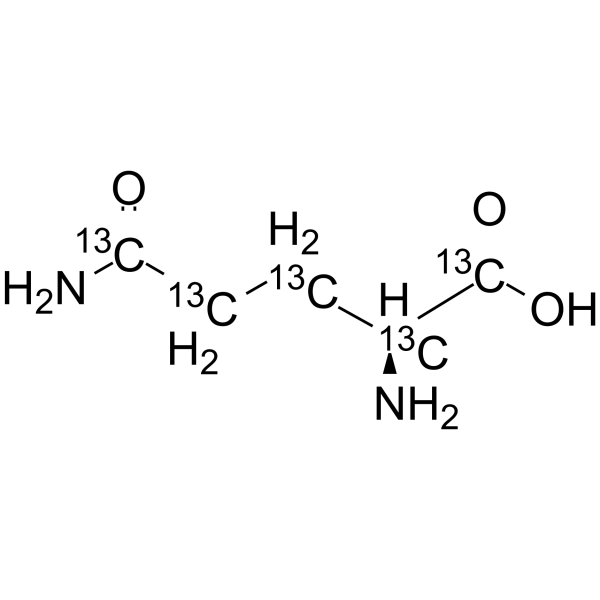
    L-Glutamine-13C5
    Maximum Cited Publications
    9 Publications Verification

    L-Glutamic acid 5-amide-13C5

    Isotope-Labeled Compounds mGluR Ferroptosis Environmental Pollutants Endogenous Metabolite HIF/HIF Prolyl-Hydroxylase mTOR STAT NF-κB Cardiovascular Disease Neurological Disease Metabolic Disease Inflammation/Immunology
    L-Glutamine- 13C5 is the 13C-labeled L-Glutamine (HY-N0390). L-Glutamine is an orally active nutritional agent and cellular metabolism regulator. L-Glutamine is taken up in a Na +-dependent manner and targets multiple key molecules including glutaminase, mTORC1, NF-κB, STAT-3 and HIF-1α. L-Glutamine enhances glutaminolytic catabolism, drives the conversion of glutamate to α-ketoglutarate, thereby regulating gene expression, integrating metabolic signals, mediating glutamine flux and maintaining redox homeostasis. L-Glutamine also promotes cell proliferation, osteogenic differentiation and fracture healing, exerts neuroprotective and cardioprotective effects, and inhibits osteoarthritis. L-Glutamine can be applied to research related to osteoporosis, osteoarthritis, ischemic stroke and acute cantharidin-induced cardiotoxicity .
    L-Glutamine-13C5
  • HY-12403
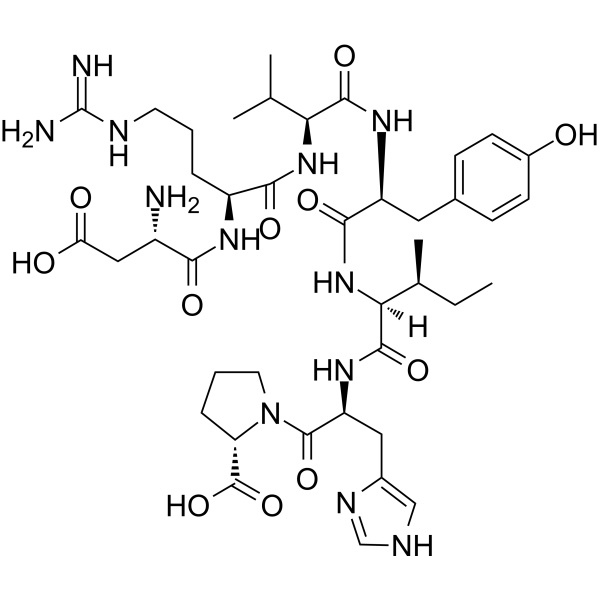
    Talfirastide
    15+ Cited Publications

    TXA127; Angiotensin (1-7); Ang-(1-7)

    Angiotensin Receptor Angiotensin-converting Enzyme (ACE) Endogenous Metabolite Cardiovascular Disease Inflammation/Immunology Endocrinology Cancer
    Angiotensin 1-7 (Ang-(1-7)) is an endogenous heptapeptide from the renin-angiotensin system (RAS) with a cardioprotective role due to its anti-inflammatory and anti-fibrotic activities in cardiac cells. Angiotensin 1-7 inhibits purified canine ACE activity (IC50=0.65 μM). Angiotensin 1-7 acts as a local synergistic modulator of kinin-induced vasodilation by inhibiting ACE and releasing nitric oxide. Angiotensin 1-7 blocks Ang II-induced smooth muscle cell proliferation and hypertrophy and shows antiangiogenic and growth-inhibitory effects on the endothelium. Angiotensin 1-7 shows anti-inflammatory activity .
    Talfirastide
  • HY-154848
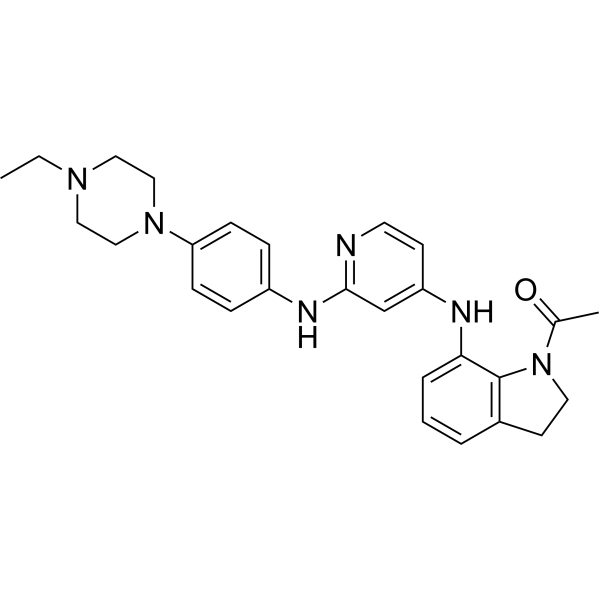
    UCL-TRO-1938
    3 Publications Verification

    PI3K Akt Cardiovascular Disease Neurological Disease Cancer
    UCL-TRO-1938 is a potent small molecule allosteric activator of PI3Kα with an EC50 value of approximately 60 μM. UCL-TRO-1938 can induce cell proliferation and has cardioprotective effects from ischaemia reperfusion injury and enhances nerve regeneration following nerve crush .
    UCL-TRO-1938
  • HY-130413

    Neuroprotectin D1; NPD1

    Endogenous Metabolite PI3K Akt HIF/HIF Prolyl-Hydroxylase Reactive Oxygen Species (ROS) Caspase Interleukin Related MicroRNA Cardiovascular Disease Neurological Disease Inflammation/Immunology
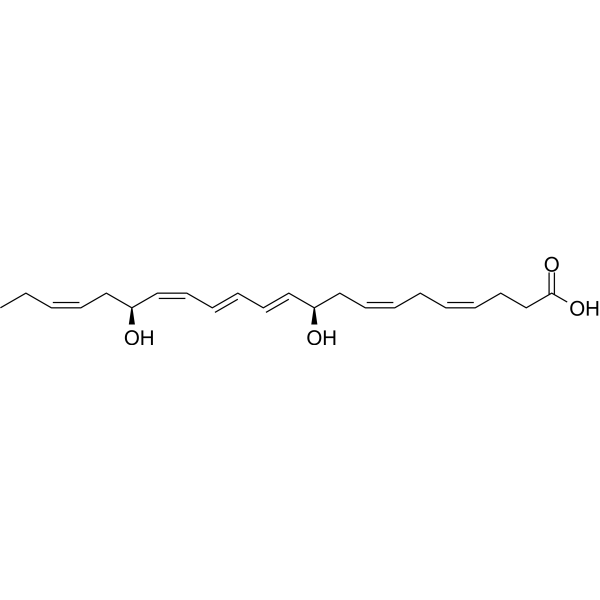
    Protectin D1, a neuroprotectin D1 produced by neuronal cells, is a member of a newly discovered family of bioactive products derived from docosahexaenoic acid. Protectin D1 also serves as a specialized pro-resolving mediator, exhibiting effective in vivo pro-resolving activity in various human disease models. Additionally, Protectin D1 is an inhibitor of NALP3 inflammasomes and regulates the PI3K/AKT and HIF-1α signaling pathways. Protectin D1 exerts anti-inflammatory effects by reducing ROS levels, inhibiting the expression of NALP3, ASC, and Caspase-1, and consequently decreasing the release of pro-inflammatory cytokines IL-1β and IL-18. Furthermore, Protectin D1 enhances miRNA-210 expression, activates the PI3K/AKT signaling pathway, and exerts cardioprotective effects. Protectin D1 holds promise for research in cardiovascular diseases and inflammatory disorders .
    Protectin D1
  • HY-N0390S
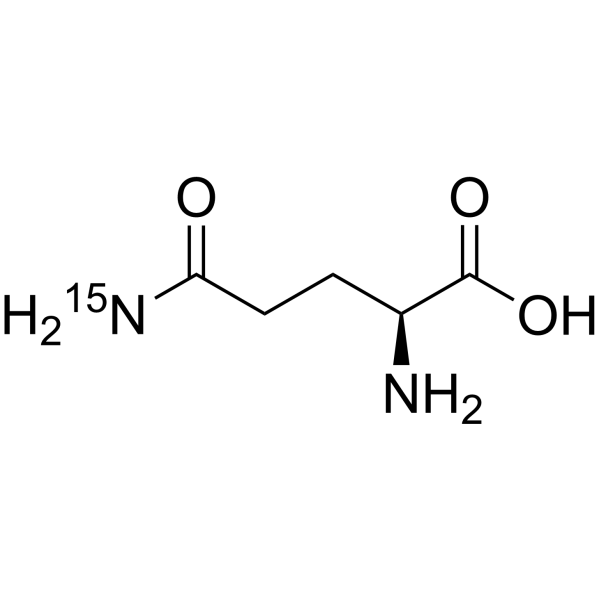
    L-Glutamine-15N
    3 Publications Verification

    L-Glutamic acid 5-amide-15N

    Isotope-Labeled Compounds mGluR Ferroptosis Environmental Pollutants Endogenous Metabolite HIF/HIF Prolyl-Hydroxylase mTOR STAT NF-κB Cardiovascular Disease Neurological Disease Metabolic Disease Inflammation/Immunology
    L-Glutamine- 15N is the 15N-labeled L-Glutamine (HY-N0390). L-Glutamine is an orally active nutritional agent and cellular metabolism regulator. L-Glutamine is taken up in a Na +-dependent manner and targets multiple key molecules including glutaminase, mTORC1, NF-κB, STAT-3 and HIF-1α. L-Glutamine enhances glutaminolytic catabolism, drives the conversion of glutamate to α-ketoglutarate, thereby regulating gene expression, integrating metabolic signals, mediating glutamine flux and maintaining redox homeostasis. L-Glutamine also promotes cell proliferation, osteogenic differentiation and fracture healing, exerts neuroprotective and cardioprotective effects, and inhibits osteoarthritis. L-Glutamine can be applied to research related to osteoporosis, osteoarthritis, ischemic stroke and acute cantharidin-induced cardiotoxicity .
    L-Glutamine-15N
  • HY-N0390S8
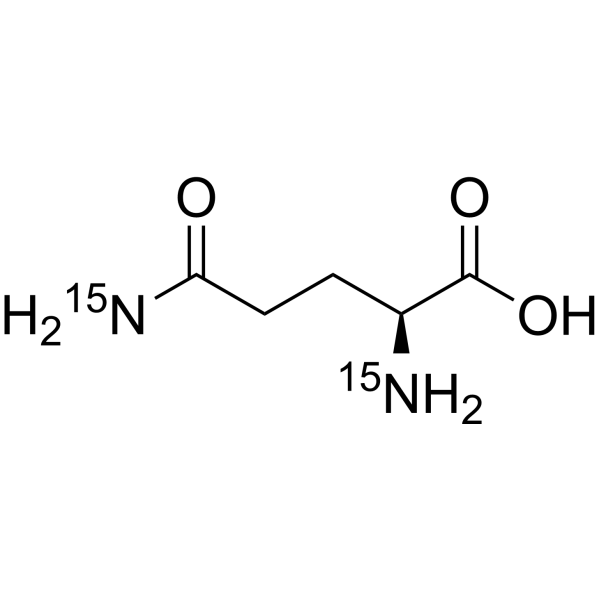
    L-Glutamine-15N2
    1 Publications Verification

    L-Glutamic acid 5-amide-15N2

    Isotope-Labeled Compounds mGluR Ferroptosis Environmental Pollutants Endogenous Metabolite HIF/HIF Prolyl-Hydroxylase mTOR STAT NF-κB Cardiovascular Disease Neurological Disease Metabolic Disease Inflammation/Immunology
    L-Glutamine- 15N2 is the 15N-labeled L-Glutamine (HY-N0390). L-Glutamine is an orally active nutritional agent and cellular metabolism regulator. L-Glutamine is taken up in a Na +-dependent manner and targets multiple key molecules including glutaminase, mTORC1, NF-κB, STAT-3 and HIF-1α. L-Glutamine enhances glutaminolytic catabolism, drives the conversion of glutamate to α-ketoglutarate, thereby regulating gene expression, integrating metabolic signals, mediating glutamine flux and maintaining redox homeostasis. L-Glutamine also promotes cell proliferation, osteogenic differentiation and fracture healing, exerts neuroprotective and cardioprotective effects, and inhibits osteoarthritis. L-Glutamine can be applied to research related to osteoporosis, osteoarthritis, ischemic stroke and acute cantharidin-induced cardiotoxicity .
    L-Glutamine-15N2
  • HY-N0390S9
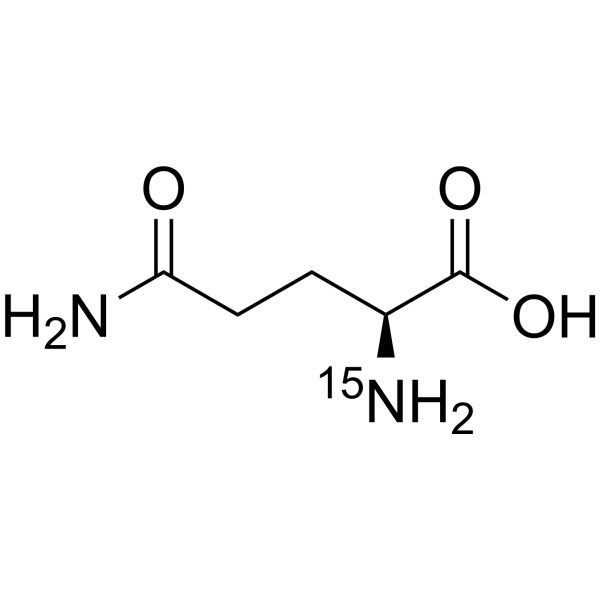
    L-Glutamine-15N-1
    3 Publications Verification

    L-Glutamic acid 5-amide-15N-1

    Isotope-Labeled Compounds mGluR Ferroptosis Environmental Pollutants Endogenous Metabolite HIF/HIF Prolyl-Hydroxylase mTOR STAT NF-κB Cardiovascular Disease Neurological Disease Metabolic Disease Inflammation/Immunology
    L-Glutamine- 15N-1 is the 15N-labeled L-Glutamine (HY-N0390). L-Glutamine is an orally active nutritional agent and cellular metabolism regulator. L-Glutamine is taken up in a Na +-dependent manner and targets multiple key molecules including glutaminase, mTORC1, NF-κB, STAT-3 and HIF-1α. L-Glutamine enhances glutaminolytic catabolism, drives the conversion of glutamate to α-ketoglutarate, thereby regulating gene expression, integrating metabolic signals, mediating glutamine flux and maintaining redox homeostasis. L-Glutamine also promotes cell proliferation, osteogenic differentiation and fracture healing, exerts neuroprotective and cardioprotective effects, and inhibits osteoarthritis. L-Glutamine can be applied to research related to osteoporosis, osteoarthritis, ischemic stroke and acute cantharidin-induced cardiotoxicity .
    L-Glutamine-15N-1
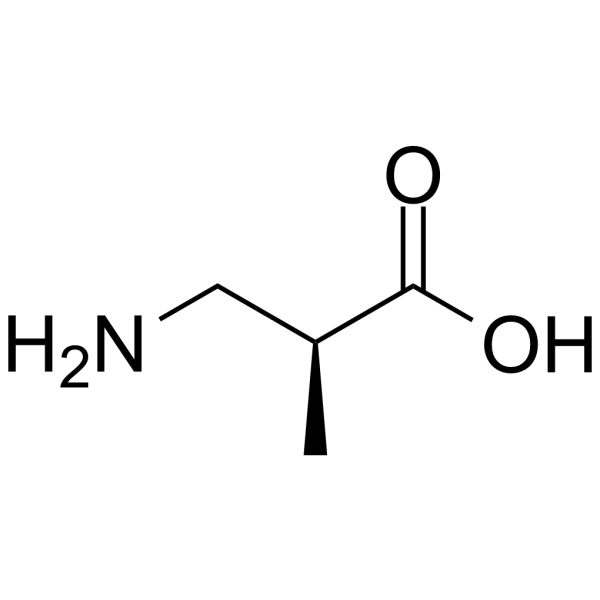
  • HY-113380
    (S)-β-Aminoisobutyric acid
    1 Publications Verification

    Endogenous Metabolite Drug Isomer Apoptosis AMPK Cardiovascular Disease Metabolic Disease Inflammation/Immunology
    (S)-β-Aminoisobutyric acid is an orally active S-isomer of β-Aminoisobutyric acid (HY-W012974). (S)-β-Aminoisobutyric acid can be produced through the catabolism of thymine and valine. (S)-β-Aminoisobutyric acid reduces apoptosis and increases the ratio of p-AMPK. (S)-β-Aminoisobutyric acid has cardioprotective effects. (S)-β-Aminoisobutyric acid is associated with acute aerobic exercise .
    (S)-β-Aminoisobutyric acid
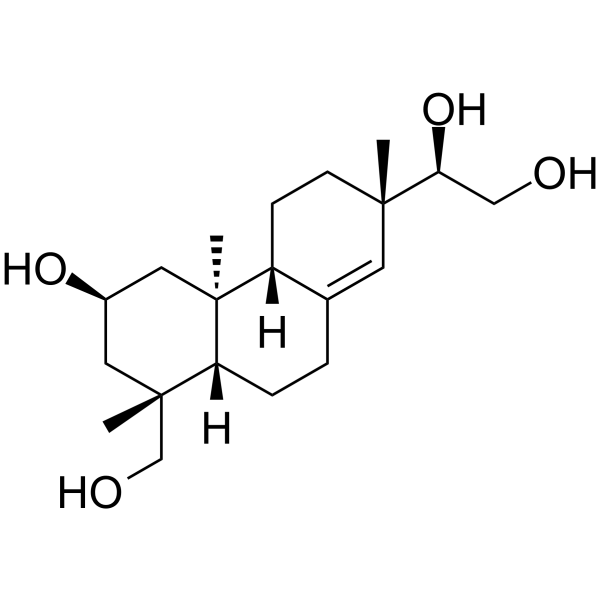
  • HY-N0559
    Kirenol
    1 Publications Verification

    Casein Kinase Apoptosis AMPK Akt NF-κB TGF-beta/Smad Cardiovascular Disease Neurological Disease Metabolic Disease Inflammation/Immunology Cancer
    Kirenol is a diterpenoid compound, an orally active apoptosis inducer and signaling pathway regulator, with a Kd value of 5.47 μM against the target CK2. Kirenol promotes the cleavage of Bid into tBid, regulates the protein levels/phosphorylation of Bax, Bcl-2, p53 and p21, and induces caspase-independent apoptosis, S-phase cell cycle arrest, ROS accumulation and cytotoxicity in cancer cells. Kirenol activates the CK2/AKT and AMPK-mTOR-ULK1 pathways, inhibits the signaling of NF-κB, TGF-β/Smads and NLRP3 inflammasome, and regulates the GSK3β, BMP and Wnt/β-catenin pathways. Kirenol induces autophagy, mitophagy and osteoblast differentiation, promotes mitochondrial fusion, and exerts antioxidant, anti-inflammatory, antifibrotic, renoprotective, cardioprotective, neuroprotective and analgesic effects. Kirenol is applicable to research related to chronic myeloid leukemia, ischemic stroke, diabetic nephropathy, heart failure, acute lung injury and osteoporosis .
    Kirenol
  • HY-N6605
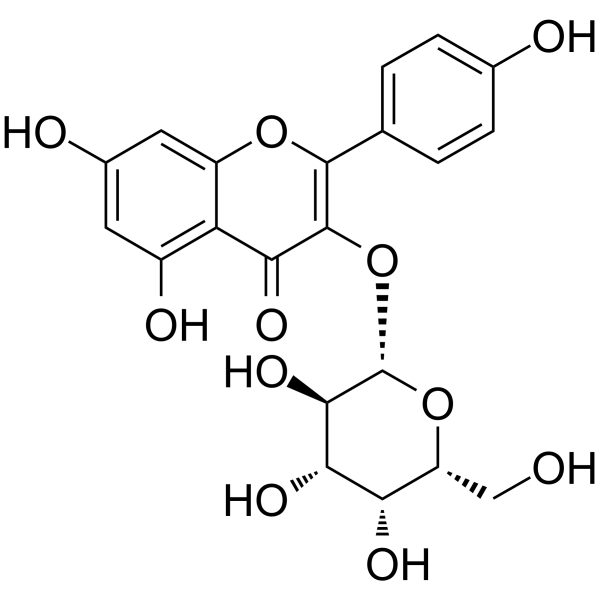
    Kaempferol 3-O-β-D-galactopyranoside
    1 Publications Verification

    Trifolin

    Apoptosis Cardiovascular Disease Cancer
    Kaempferol 3-O-β-D-galactopyranoside (Trifolin) is an orally active flavonoid derivative that can be found in the aerial parts of Consolida oliverana. Kaempferol 3-O-β-D-galactopyranoside exhibits antitumor and cardioprotective effects .
    Kaempferol 3-O-β-D-galactopyranoside
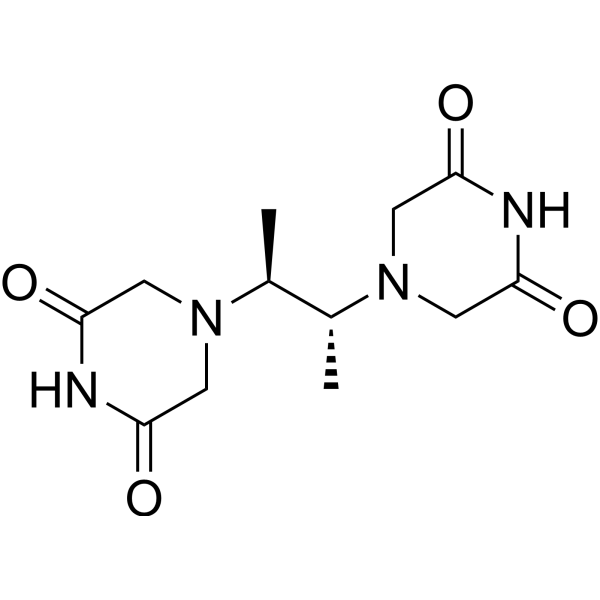
  • HY-118590
    ICRF-193
    2 Publications Verification

    Topoisomerase DNA/RNA Synthesis Apoptosis Fungal Infection Cardiovascular Disease Inflammation/Immunology Cancer
    ICRF-193 is a DNA Topoisomerase II inhibitor. (S,S)- and (R,R)-isomers ICRF-193 make up an racemic mixture, ICRF-196 (HY-118590A). ICRF-193 can inhibit DNA syntheses and induces apoptosis. ICRF-193 exhibits anti-cancer and anti-inflammation effects. ICRF-193 shows cardioprotective effect against anthracycline toxicity to cardiomyocytes. ICRF-193 can be used for the researches of cancer, infection, inflammation and cardiovascular disease, such as acute promyelocytic leukemia .
    ICRF-193
  • HY-N0447
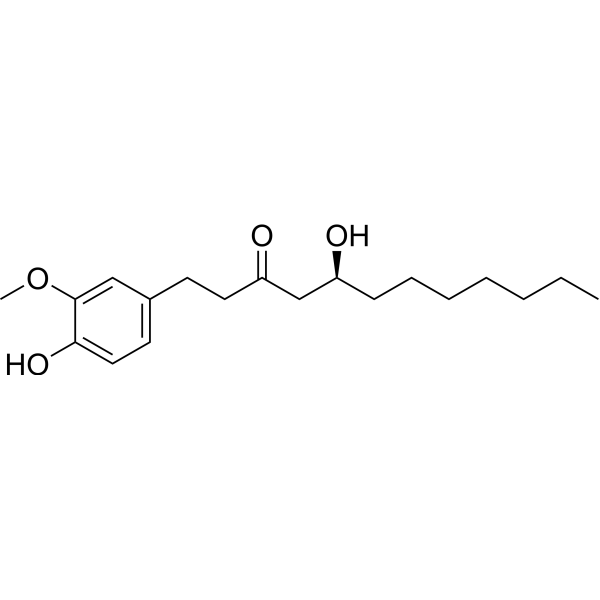
    8-Gingerol
    5 Publications Verification

    TRP Channel Bacterial Apoptosis Autophagy STAT PERK EGFR PI3K Akt mTOR Caspase MMP Infection Cardiovascular Disease Inflammation/Immunology Cancer
    8-Gingerol can be found in the rhizome of ginger (Z. officinale) and has oral bioactivity. It activates TRPV1, with an EC50 value of 5.0 µM. 8-Gingerol inhibits COX-2 and also suppresses the growth of H. pylori in vitro. Additionally, 8-Gingerol exhibits anticancer, antioxidant, and anti-inflammatory properties by inhibiting the epidermal growth factor receptor (EGFR) and modulating its downstream STAT3/ERK pathway to suppress the proliferation, migration, and invasion of colorectal cancer cells. 8-Gingerol also exerts immunosuppressive effects by inhibiting oxidative stress, inducing cell cycle arrest, promoting apoptosis, and regulating autophagy. Furthermore, 8-Gingerol has cardioprotective effects. 8-Gingerol is promising for research in the fields of cancer, infection, immunosuppression, and cardiovascular diseases.
    8-Gingerol
  • HY-N0390S2
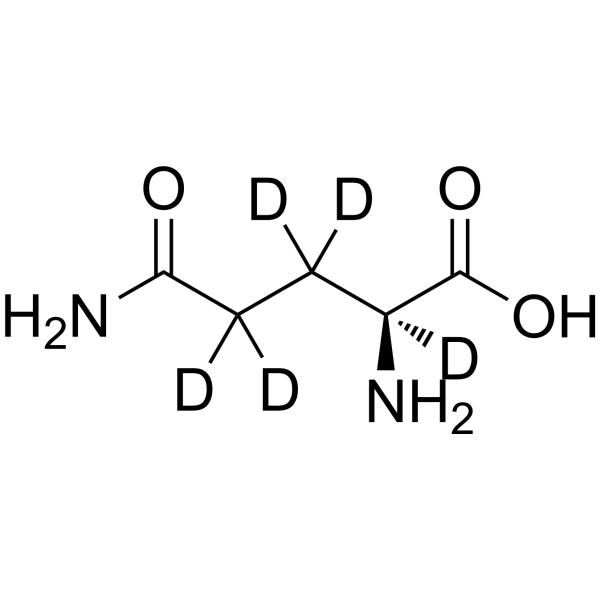
    L-Glutamine-d5
    1 Publications Verification

    L-Glutamic acid 5-amide-d5

    Isotope-Labeled Compounds mGluR Ferroptosis Environmental Pollutants Endogenous Metabolite HIF/HIF Prolyl-Hydroxylase mTOR STAT NF-κB Cardiovascular Disease Neurological Disease Metabolic Disease Inflammation/Immunology
    L-Glutamine-d5 is the deuterium labeled L-Glutamine (HY-N0390). L-Glutamine is an orally active nutritional agent and cellular metabolism regulator. L-Glutamine is taken up in a Na +-dependent manner and targets multiple key molecules including glutaminase, mTORC1, NF-κB, STAT-3 and HIF-1α. L-Glutamine enhances glutaminolytic catabolism, drives the conversion of glutamate to α-ketoglutarate, thereby regulating gene expression, integrating metabolic signals, mediating glutamine flux and maintaining redox homeostasis. L-Glutamine also promotes cell proliferation, osteogenic differentiation and fracture healing, exerts neuroprotective and cardioprotective effects, and inhibits osteoarthritis. L-Glutamine can be applied to research related to osteoporosis, osteoarthritis, ischemic stroke and acute cantharidin-induced cardiotoxicity .
    L-Glutamine-d5
  • HY-N0390S6

    L-Glutamic acid 5-amide-13C5,15N2

    Isotope-Labeled Compounds mGluR Ferroptosis Environmental Pollutants Endogenous Metabolite HIF/HIF Prolyl-Hydroxylase mTOR STAT NF-κB Cardiovascular Disease Neurological Disease Metabolic Disease Inflammation/Immunology
    L-Glutamine- 13C5, 15N2 is the 13C- and 15N-labeled L-Glutamine (HY-N0390). L-Glutamine is an orally active nutritional agent and cellular metabolism regulator. L-Glutamine is taken up in a Na +-dependent manner and targets multiple key molecules including glutaminase, mTORC1, NF-κB, STAT-3 and HIF-1α. L-Glutamine enhances glutaminolytic catabolism, drives the conversion of glutamate to α-ketoglutarate, thereby regulating gene expression, integrating metabolic signals, mediating glutamine flux and maintaining redox homeostasis. L-Glutamine also promotes cell proliferation, osteogenic differentiation and fracture healing, exerts neuroprotective and cardioprotective effects, and inhibits osteoarthritis. L-Glutamine can be applied to research related to osteoporosis, osteoarthritis, ischemic stroke and acute cantharidin-induced cardiotoxicity .
    L-Glutamine-13C5,15N2
  • HY-B0341
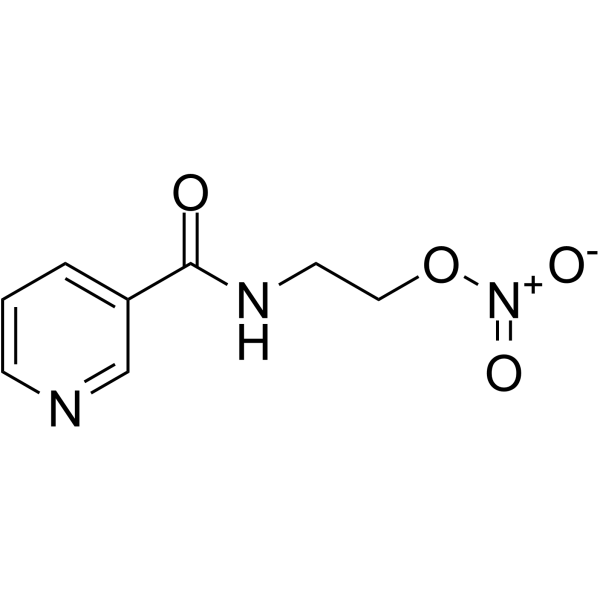
    Nicorandil
    1 Publications Verification

    SG-75

    Potassium Channel Cardiovascular Disease
    Nicorandil (SG-75) is a potent potassium channel activator and targets vascular nucleoside diphosphate-dependent K + channels and cardiac ATP-sensitive K + channels (KATP). Nicorandil is a nicotinamide ester with vasodilatory and cardioprotective effects and has the potential for angina and forischemic heart diseases .
    Nicorandil
  • HY-N1482

    Environmental Pollutants Parasite Inflammation/Immunology
    Methyl palmitate is a naturally occurring fatty acid ester. Methyl palmitate is a potent inhibitor of ΙκB phosphorylation. Methyl palmitate modulates macrophage activity and down-regulates pro-inflammatory mediators such as TNF-α and nitric oxide (NO). Methyl palmitate possesses anti-inflammatory and antifibrotic effects. Methyl palmitate can inhibit LPS (HY-D1056)-induced Kupffer cells and rat peritoneal macrophages. Methyl palmitate is able to inhibit the phagocytic function of RAW cells. Methyl palmitate is antagonistic to muscarinic receptors. Methyl palmitate exerts cardioprotective effects against ischemia/reperfusion injury in vivo. Methyl palmitate is highly toxic against adult T. cinnabarinus .
    Methyl palmitate
  • HY-N0120

    (E/Z)-Piceid

    Drug Isomer Cardiovascular Disease Metabolic Disease Inflammation/Immunology Cancer
    (E/Z)-Polydatin ((E/Z)-Piceid) is a mixture of the E/Z configurations of Polydatin (HY-N0120A). Polydatin can be isolated from Polygonum cuspidatum, grapes, peanuts, red wine, hop pellets, cocoa-containing products and chocolate products. Polydatin exhibits multiple biological properties, such as anti-platelet aggregation, anti-low-density lipoprotein oxidation, cardioprotective activity, anti-inflammatory and immunomodulatory functions. Polydatin shows favorable cytotoxic effects against various tumor cell lines, including cervical cancer cells, liver cancer cells, and nasopharyngeal carcinoma cells .
    (E/Z)-Polydatin
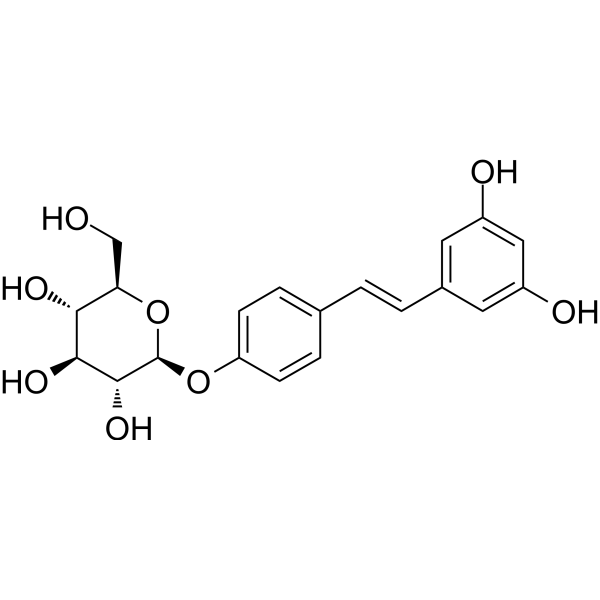
  • HY-N4195
    Resveratroloside
    2 Publications Verification

    Resveratrol glycoside; trans-Resveratrol 4'-O-β-D-glucopyranoside

    Glycosidase Cardiovascular Disease Metabolic Disease
    Resveratroloside (Resveratrol glycoside) is an orally active competitive inhibitor of α-glucosidase. Resveratroloside has hypoglycemic and cardioprotective effects. Resveratroloside can be used for the research of diabetes and heart system diseases .
    Resveratroloside
  • HY-B0655
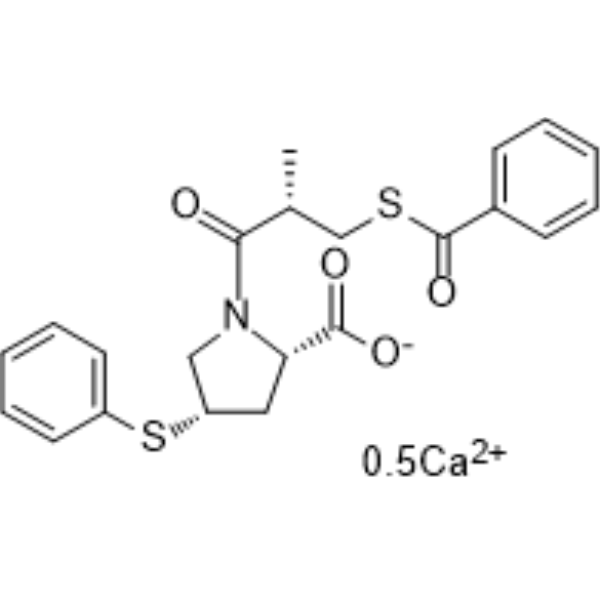
    Zofenopril calcium
    1 Publications Verification

    SQ26991

    Angiotensin-converting Enzyme (ACE) Reactive Oxygen Species (ROS) Cardiovascular Disease
    Zofenopril Calcium (SQ26991) is an orally active angiotensin-converting enzyme (ACE) inhibitor with antioxidant activity and cardioprotective effects. Zofenopril Calcium reduces ROS production and GSH consumption and helps inhibit foam cell formation, thus slowing the progression of atherosclerosis. Zofenopril Calcium prevents cardiac damage caused by chronic Doxorubicin (HY-15142A) .
    Zofenopril calcium
  • HY-161929

    Glutathione Peroxidase Ferroptosis Cardiovascular Disease
    GPX4 activator 2 is a GPX4 activator with a Ka value of 0.426 μM for human GPX4. GPX4 activator 2 reduces lipid hydroperoxide levels, prevents lipid peroxide accumulation, and inhibits ferroptosis. GPX4 activator 2 rescues cell death induced by Erastin (HY-15763). GPX4 activator 2 exerts cardioprotective effects in a mouse model of doxorubicin (HY-15142A)-induced myocardial injury .
    GPX4 activator 2
  • HY-N0390R
    L-Glutamine (Standard)
    Maximum Cited Publications
    27 Publications Verification

    L-Glutamic acid 5-amide (Standard)

    Reference Standards mGluR Ferroptosis Environmental Pollutants Endogenous Metabolite HIF/HIF Prolyl-Hydroxylase mTOR STAT NF-κB Cardiovascular Disease Neurological Disease Metabolic Disease Inflammation/Immunology
    L-Glutamine (Standard) is the analytical standard of L-Glutamine (HY-N0390). This product is intended for research and analytical applications. L-Glutamine is an orally active nutritional agent and cellular metabolism regulator. L-Glutamine is taken up in a Na +-dependent manner and targets multiple key molecules including glutaminase, mTORC1, NF-κB, STAT-3 and HIF-1α. L-Glutamine enhances glutaminolytic catabolism, drives the conversion of glutamate to α-ketoglutarate, thereby regulating gene expression, integrating metabolic signals, mediating glutamine flux and maintaining redox homeostasis. L-Glutamine also promotes cell proliferation, osteogenic differentiation and fracture healing, exerts neuroprotective and cardioprotective effects, and inhibits osteoarthritis. L-Glutamine can be applied to research related to osteoporosis, osteoarthritis, ischemic stroke and acute cantharidin-induced cardiotoxicity .
    L-Glutamine (Standard)
  • HY-124546
    Necrostatin-5
    1 Publications Verification

    Nec-5

    Necroptosis RIP kinase Neurological Disease
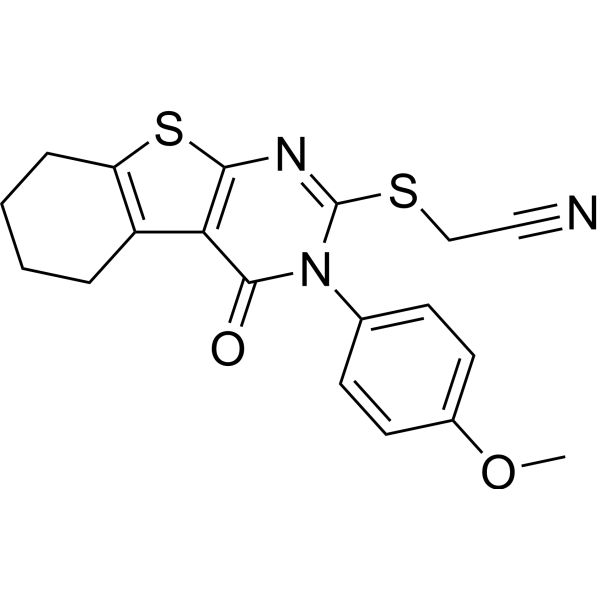
    Necrostatin-5 (Nec-5) is a potent necroptosis inhibitor with an EC50 value of 0.24 µM. Necrostatin-5 also is a RIP1 inhibitor. Necrostatin-5 shows cardioprotective effects .
    Necrostatin-5
  • HY-12403A
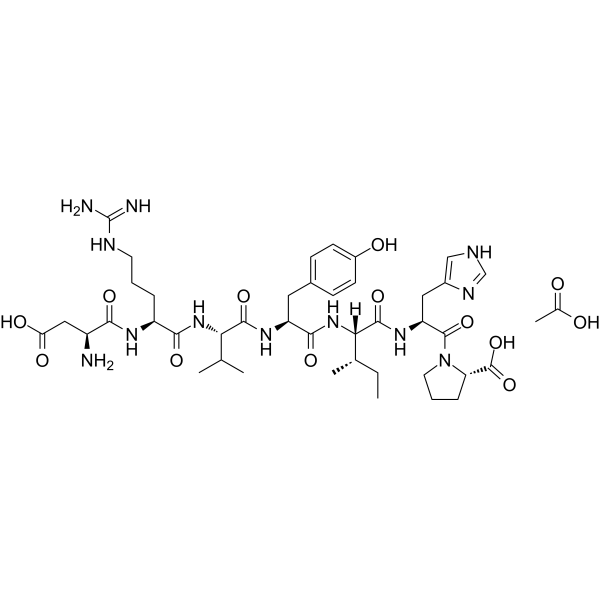
    Talfirastide acetate
    15+ Cited Publications

    TXA127 acetate; Angiotensin (1-7) acetate; Ang-(1-7) acetate

    Angiotensin Receptor Angiotensin-converting Enzyme (ACE) Endogenous Metabolite Cardiovascular Disease Inflammation/Immunology Endocrinology Cancer
    Angiotensin 1-7 (Ang-(1-7)) acetate is an endogenous heptapeptide from the renin-angiotensin system (RAS) with a cardioprotective role due to its anti-inflammatory and anti-fibrotic activities in cardiac cells. Angiotensin 1-7 acetate inhibits purified canine ACE activity (IC50=0.65 μM). Angiotensin 1-7 acetate acts as a local synergistic modulator of kinin-induced vasodilation by inhibiting ACE and releasing nitric oxide. Angiotensin 1-7 acetate blocks Ang II-induced smooth muscle cell proliferation and hypertrophy and shows antiangiogenic and growth-inhibitory effects on the endothelium .
    Talfirastide acetate
  • HY-N0542

    Bacterial Cardiovascular Disease Infection Neurological Disease Cancer
    Pseudoginsenoside RT5 is an orally active ocotillol-type ginsenoside and Antibacterial agent. Pseudoginsenoside RT5 can be isolated from American ginseng, transgenic American ginseng crown gall tumors and Panax japonicus. Pseudoginsenoside RT5 exerts cardioprotective effects against myocardial injury, and also possesses antibacterial and antitumor activities. Pseudoginsenoside RT5 can be used in research related to Alzheimer's disease, myocardial injury, tumors and bacterial infections .
    Pseudoginsenoside RT5
  • HY-151483

    Wnt Histone Demethylase Cardiovascular Disease
    TK-129 is an orally active, low-toxicity, potent KDM5B inhibitor (with high affinity; IC50=44 nM). TK-129 exerts cardioprotective effects by inhibiting KDM5B and blocking the KDM5B-associated Wnt pathway. TK-129 reduces ang II-induced activation of cardiac fibroblasts in vitro and reduces isoprenaline-induced myocardial remodelling and fibrosis in vivo. TK-129 can be used in studies of cardiovascular disease .
    TK-129
  • HY-N9362

    EmodAN

    Ferroptosis Antibiotic Cardiovascular Disease Infection
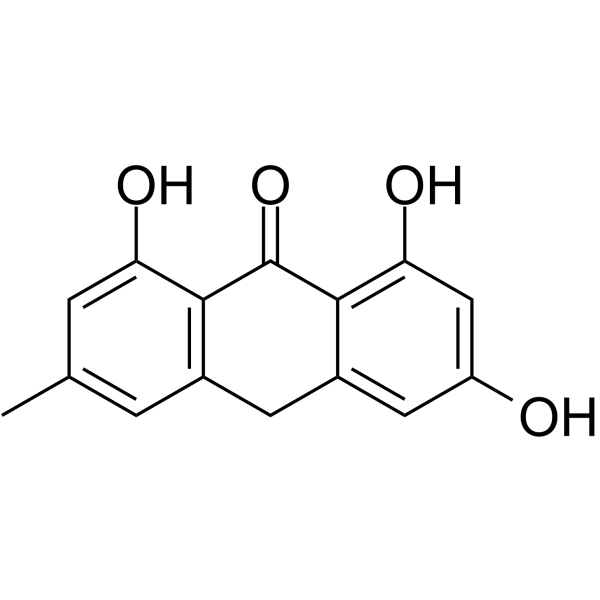
    Emodinanthrone (EmodAn) is a MARCH7 stabilizer that inhibits ferroptosis (EC50=70 nM). Emodinanthrone is also a precursor to Emodin (HY-14393) and possesses antibiotic activity. Emodinanthrone directly binds to MARCH7 and blocks its ubiquitination-mediated degradation at the K608 site; this action enhances MARCH7-mediated K48 ubiquitination and degradation of NCOA4, as well as its regulation of the intracellular localization of TFR1 via K63 ubiquitination, thereby reducing the intracellular labile iron pool and blocking ferroptosis. Emodinanthrone demonstrates in vivo cardioprotective effects and exhibits a favorable safety profile. Emodinanthrone is applicable to research on ferroptosis-related cardiovascular diseases, including Doxorubicin (HY-15142A)-induced cardiomyopathy and myocardial ischemia-reperfusion injury .
    Emodinanthrone
  • HY-N0390S5
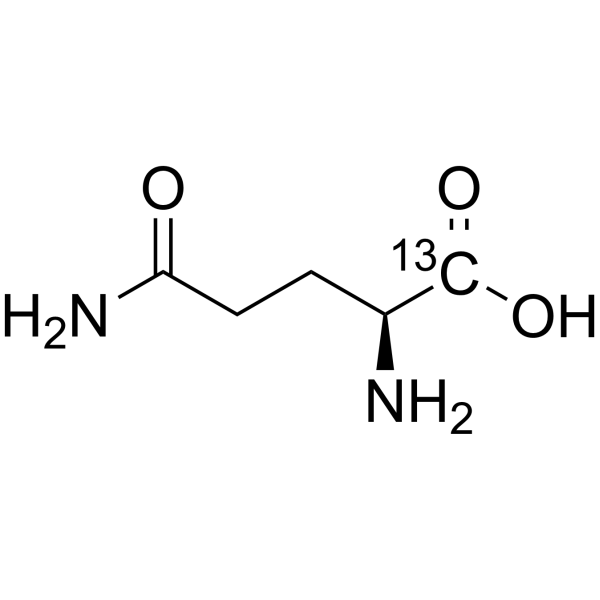
    L-Glutamine-1-13C
    1 Publications Verification

    L-Glutamic acid 5-amide-1-13C

    Isotope-Labeled Compounds mGluR Ferroptosis Environmental Pollutants Endogenous Metabolite HIF/HIF Prolyl-Hydroxylase mTOR STAT NF-κB Cardiovascular Disease Neurological Disease Metabolic Disease Inflammation/Immunology
    L-Glutamine-1- 13C is the 13C-labeled L-Glutamine (HY-N0390). L-Glutamine is an orally active nutritional agent and cellular metabolism regulator. L-Glutamine is taken up in a Na +-dependent manner and targets multiple key molecules including glutaminase, mTORC1, NF-κB, STAT-3 and HIF-1α. L-Glutamine enhances glutaminolytic catabolism, drives the conversion of glutamate to α-ketoglutarate, thereby regulating gene expression, integrating metabolic signals, mediating glutamine flux and maintaining redox homeostasis. L-Glutamine also promotes cell proliferation, osteogenic differentiation and fracture healing, exerts neuroprotective and cardioprotective effects, and inhibits osteoarthritis. L-Glutamine can be applied to research related to osteoporosis, osteoarthritis, ischemic stroke and acute cantharidin-induced cardiotoxicity .
    L-Glutamine-1-13C
  • HY-N0390S4

    L-Glutamic acid 5-amide-5-13C

    Isotope-Labeled Compounds mGluR Ferroptosis Environmental Pollutants Endogenous Metabolite HIF/HIF Prolyl-Hydroxylase mTOR STAT NF-κB Cardiovascular Disease Neurological Disease Metabolic Disease Inflammation/Immunology
    L-Glutamine-5- 13C is the 13C-labeled L-Glutamine (HY-N0390). L-Glutamine is an orally active nutritional agent and cellular metabolism regulator. L-Glutamine is taken up in a Na +-dependent manner and targets multiple key molecules including glutaminase, mTORC1, NF-κB, STAT-3 and HIF-1α. L-Glutamine enhances glutaminolytic catabolism, drives the conversion of glutamate to α-ketoglutarate, thereby regulating gene expression, integrating metabolic signals, mediating glutamine flux and maintaining redox homeostasis. L-Glutamine also promotes cell proliferation, osteogenic differentiation and fracture healing, exerts neuroprotective and cardioprotective effects, and inhibits osteoarthritis. L-Glutamine can be applied to research related to osteoporosis, osteoarthritis, ischemic stroke and acute cantharidin-induced cardiotoxicity .
    L-Glutamine-5-13C
  • HY-135735A

    Adrenergic Receptor Cardiovascular Disease
    Levomedetomidine hydrochloride is an isomer of Medetomidine (HY-17034), and a cardioprotective agent with sedative and analgesic effects .
    Levomedetomidine hydrochloride
  • HY-12184

    Prostaglandin Receptor Endogenous Metabolite Cardiovascular Disease
    ONO-AE 248 is a selective EP3 receptor agonist with cardioprotective activity. ONO-AE 248 reduces myocardial infarction size by selectively binding to the EP3α receptor in mice. The cardioprotective effect of ONO-AE 248 is independent of hemodynamic effects. The mechanism of ONO-AE 248 may involve activation of protein kinase C and opening of K(ATP) channels .
    ONO-AE 248
  • HY-W414915

    CGP 48933 methyl ester

    Drug Derivative Angiotensin Receptor Cardiovascular Disease Cancer
    Valsartan (CGP 48933) methyl ester is the methyl ester derivative of Valsartan (HY-18204). Valsartan is a selective and orally active angiotensin II type 1 (AT1) receptor blocker (ARB) with potent antihypertensive and cardioprotective effects. Valsartan competitively binds to AT1 receptors, inhibiting the binding of angiotensin II to AT1 receptors, thereby blocking angiotensin II-mediated vasoconstriction, sodium retention, and myocardial hypertrophy signaling pathways. Valsartan reduces systolic blood pressure in L-NAME-induced hypertensive rats. Valsartan can be used for the study and treatment of arterial hypertension, hypertensive heart disease, and heart failure .
    Valsartan methyl ester
  • HY-118778

    Na+/H+ Exchanger (NHE) Cardiovascular Disease
    KR-32568 is a sodium/hydrogen exchanger-1 (NHE-1) inhibitor with an IC50 of 230 nM. KR-32568 has cardioprotective effects .
    KR-32568
  • HY-N0390S3

    L-Glutamic acid 5-amide-13C5,15N2,d5

    Isotope-Labeled Compounds mGluR Ferroptosis Environmental Pollutants Endogenous Metabolite HIF/HIF Prolyl-Hydroxylase mTOR STAT NF-κB Cardiovascular Disease Neurological Disease Metabolic Disease Inflammation/Immunology
    L-Glutamine- 13C5, 15N2,d5 is the deuterium, 13C-, and 15N-labeled L-Glutamine (HY-N0390). L-Glutamine is an orally active nutritional agent and cellular metabolism regulator. L-Glutamine is taken up in a Na +-dependent manner and targets multiple key molecules including glutaminase, mTORC1, NF-κB, STAT-3 and HIF-1α. L-Glutamine enhances glutaminolytic catabolism, drives the conversion of glutamate to α-ketoglutarate, thereby regulating gene expression, integrating metabolic signals, mediating glutamine flux and maintaining redox homeostasis. L-Glutamine also promotes cell proliferation, osteogenic differentiation and fracture healing, exerts neuroprotective and cardioprotective effects, and inhibits osteoarthritis. L-Glutamine can be applied to research related to osteoporosis, osteoarthritis, ischemic stroke and acute cantharidin-induced cardiotoxicity .
    L-Glutamine-13C5,15N2,d5
  • HY-B0341S

    Isotope-Labeled Compounds Potassium Channel Cardiovascular Disease
    Nicorandil-d4 (SG-75-d4) is the deuterium labeled Nicorandil. Nicorandil (SG-75) is a potent potassium channel activator and targets vascular nucleoside diphosphate-dependent K+ channels and cardiac ATP-sensitive K+ channels (KATP). Nicorandil is a nicotinamide ester with vasodilatory and cardioprotective effects and has the potential for angina and forischemic heart diseases .
    Nicorandil-d4
  • HY-W795960

    Biochemical Assay Reagents Calcium Channel Phospholipase Neurological Disease Metabolic Disease
    D-myo-inositol 1,4,5-trisphosphate sodium salt is a widely distributed intracellular second messenger. D-myo-inositol 1,4,5-trisphosphate sodium salt acts as a potent agonist of the Ins (1,4,5) P3 receptor with an EC50 of 0.12 μM and inhibits bovine PLC-δ1, with an IC50 of 5.4 μM for binding and an IC50 of 12.4 μM for hydrolysis. D-myo-inositol 1,4,5-trisphosphate sodium saltis metabolized into Ins (1,4) P2 and Ins (1,3,4,5) P4. D-myo-inositol 1,4,5-trisphosphate sodium salt mediates various cellular processes, including growth, development, fertilization, secretion, contraction and neuromodulation. D-myo-inositol 1,4,5-trisphosphate sodium salt inhibits PIP2 hydrolysis and Ca 2+-ATPase activity. D-myo-inositol 1,4,5-trisphosphate sodium salt is used for cardiac preconditioning, exerts cardioprotective effects and mimics ischemic preconditioning. D-myo-inositol 1,4,5-trisphosphate sodium salt is applied in studies related to intracellular calcium and phosphoinositol signaling pathways .
    D-myo-Inositol 1,4,5-trisphosphate sodium salt
  • HY-106303

    Adenosine Receptor Cardiovascular Disease
    YT 146 is a potent agonist of A2 adenosine receptor (A2 AR) agonist. YT 146 causes a concentreation dependent cAMP accumulation, with the EC50 of 1.5 nM. YT 146 has cardioprotective effects .
    YT 146
  • HY-133829

    Angiotensin-converting Enzyme (ACE) NO Synthase Reactive Oxygen Species (ROS) Cardiovascular Disease
    Zofenoprilat is an angiotensin-converting enzyme (ACE) inhibitor with an IC50 of 1.7 nM. Zofenoprilat exerts cardioprotective and renoprotective effects by inhibiting angiotensin II expression and lowering blood pressure. Zofenoprilat promotes NO production and reduces endothelin-1 (ET-1) expression. Zofenoprilat decreases TNFα-induced ROS production and protects vascular endothelial function. Zofenoprilat regulates oxidative stress-related molecules and possesses antioxidant activity. Zofenoprilat can be used in studies related to hypertension and congestive heart failure .
    Zofenoprilat
  • HY-W145695

    Biochemical Assay Reagents Apoptosis Interleukin Related IFNAR Cardiovascular Disease Inflammation/Immunology
    Chitoheptaose is an orally active chitooligosaccharide (degree of polymerization = 7). Chitoheptaose can be extracted from the exoskeletons of crustaceans, such as the shells of crabs, shrimps and lobsters. Chitoheptaose reduces pro-inflammatory cytokines while increasing the levels of anti-inflammatory cytokines (decreasing the levels of pro-inflammatory cytokines IL-1β, IL-17A and IFN-γ, and increasing the level of the anti-inflammatory cytokine IL-10). Chitoheptaose possesses antioxidant, anti-inflammatory and anti-Apoptotic activities. Chitoheptaose improves cardiac parameters, alleviates myocarditis injury, and exerts cardioprotective effects in a rat model of myocarditis. Chitoheptaose can be used in studies related to myocarditis .
    Chitoheptaose
  • HY-P3199

    PKC Inflammation/Immunology
    PKCβII Peptide Inhibitor I is a PKCβII inhibitor. PKCβII Peptide Inhibitor I shows cardioprotective effects in rat cardiac Ischemia/reperfusion injury model. PKCβII Peptide Inhibitor I also prevents vascular endothelial dysfunction .
    PKCβII Peptide Inhibitor I
  • HY-110312

    K201 fumarate

    Calcium Channel Cardiovascular Disease
    JTV-519 fumarate (K201 fumarate) is a Ca 2+-dependent blocker of sarcoplasmic reticulum Ca 2+-stimulated ATPase (SERCA) and a partial agonist of ryanodine receptors in striated muscle. JTV-519 fumarate is a cardioprotective agent with antiarrhythmic effects .
    JTV-519 fumarate
  • HY-118590A

    Topoisomerase DNA/RNA Synthesis Apoptosis Fungal Infection Cardiovascular Disease Inflammation/Immunology Cancer
    ICRF-196 is an racemic mixture of the (S,S)- and (R,R)-isomers of ICRF-193 (HY-118590). ICRF-193 is a DNA Topoisomerase II inhibitor. ICRF-193 can inhibit DNA syntheses and induces apoptosis. ICRF-193 exhibits anti-cancer and anti-inflammation effects. ICRF-193 shows cardioprotective effect against anthracycline toxicity to cardiomyocytes. ICRF-193 can be used for the researches of cancer, infection, inflammation and cardiovascular disease, such as acute promyelocytic leukemia .
    ICRF-196
  • HY-19216

    SKP 450

    Potassium Channel Cardiovascular Disease
    KR-30450 (SKP 450) is a potent K +ATP opener, and a potassium channel activator. KR-30450 exerts more potent cardioprotective effects than Lemakalim (HY-14255). KR-30450 significantly improves reperfusion cardiac function. KR-30450 significantly attenuates reperfusion contracture and lactate dehydrogenase release .
    KR-30450
  • HY-111273

    Mas-related G-protein-coupled Receptor (MRGPR) Cardiovascular Disease
    AR244555 is a malate-aspartate shuttle (MAS) inverse agonist with IC50s of 186 nM and 348 nM in human and rat inositol phosphatase (IP) Gq coupling assays respectively. AR244555 has cardioprotective effects .
    AR244555
  • HY-159169

    COX Epoxide Hydrolase Lipoxygenase Inflammation/Immunology
    5-LOX/sEH-IN-1 (Compound 8o) is a dual 5-LOX/sEH-IN-1 inhibitor with cardioprotective effects, exhibiting IC50 values of 3.05 μM and 2.20 nM respectively, and 5-LOX/sEH-IN-1 can also inhibit the activity of COX-2 (IC50=10.50 μM). 5-LOX/sEH-IN-1 has analgesic and anti-inflammatory effects, while reducing ulcer pathogenicity, and can be used to develop anti-inflammatory agents with fewer gastrointestinal and cardiovascular side effects .
    5-LOX/sEH-IN-1
  • HY-122397

    Others Cardiovascular Disease
    Rubrolone is an alkaloid natural product from Streptomyces. Rubrolone has cardioprotective effects .
    Rubrolone
  • HY-16213

    CRE 319

    Calcium Channel Cardiovascular Disease
    FURNIDIPINE, an orally active cardio-protective agent, possesses anti-arrhythmic and antihypertensive effects .
    FURNIDIPINE
  • HY-122525A

    BIIB 722 hydrochloride

    Na+/H+ Exchanger (NHE) Cardiovascular Disease Neurological Disease
    Sabiporide hydrochloride is a NHE-1 inhibitor (Ki: 50 nM). Sabiporide hydrochloride has cardioprotective and neuroprotective effects. Sabiporide hydrochloride inhibits glutamate- or NMDA-induced neuronal cell death .
    Sabiporide hydrochloride
  • HY-119306

    Potassium Channel Cardiovascular Disease
    MCC-134, a blocker of mitochondrial and opener of surface ATP-sensitive K+ (KATP) channels, abrogates cardioprotective effects of chronic hypoxia. MCC-134 is a vasorelaxing agent .
    MCC-134
  • HY-135175

    Adrenergic Receptor Cardiovascular Disease Neurological Disease
    Phenoprolamine hydrochloride is an adrenergic α1 receptor antagonist that exhibits potent antihypertensive effects. Phenoprolamine hydrochloride demonstrates neuroprotective and cardioprotective properties. Phenoprolamine hydrochloride inhibits CYP2D and CYP3A activities while down-regulating their mRNA transcription.
    Phenoprolamine hydrochloride
  • HY-106193

    NO Synthase Cardiovascular Disease
    RC-552 is a novel synthetic glycolipid related in chemical structure to MLA. RC-552 induces delayed cardioprotective effects via an iNOS-dependent pathway. RC-552 attenuates myocardial stunning .
    RC-552

Inquiry Online

Your information is safe with us. * Required Fields.

Salutation


Country or Region *

Applicant Name *


Organization Name *

Department *


Email Address *


Product Name *

Cat. No.


Requested quantity *

Phone Number *


Remarks

Inquiry Online

Inquiry Information

Product Name:
Cat. No.:
Quantity:
MCE Japan Authorized Agent:

