
3797 Results for "

Endocrinology

" in MedChemExpress (MCE) Product Catalog:
Products (3797)

3797 Results for "Endocrinology" in MCE Product Catalog:

825
825 Publications Verification
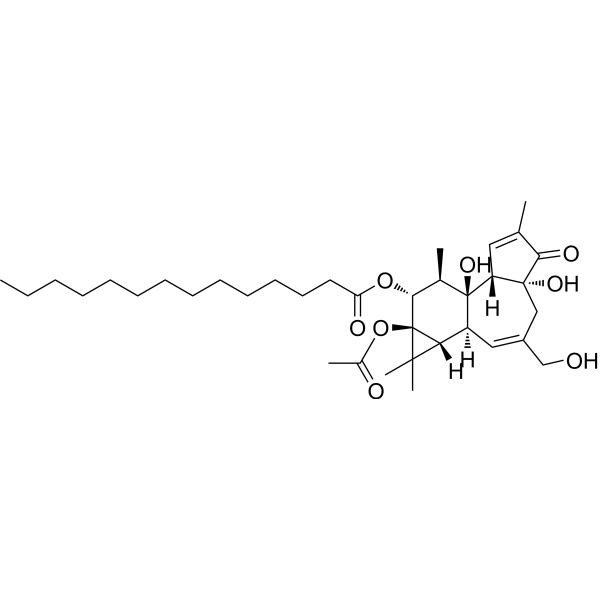
Cat. No.: HY-18739
CAS No.: 16561-29-8
Synonyms: PMA; TPA; Phorbol myristate acetate
Phorbol 12-myristate 13-acetate (PMA; TPA; Phorbol myristate acetate), a phorbol ester, is a dual SphK and protein kinase C (PKC) activator . Phorbol 12-myristate 13-acetate is a NF-κB activator. Phorbol 12-myristate 13-acetate induces differentiation in THP-1 cells (Validated by MedChemExpress) .
loading...
    loading...
386
386 Cited Publications
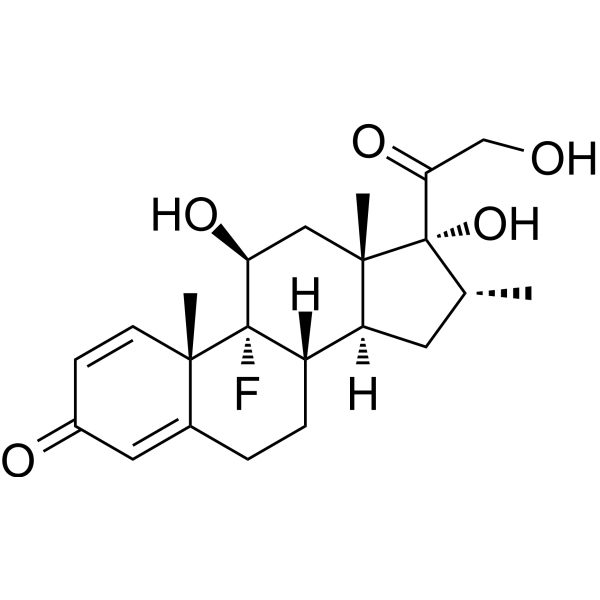
Cat. No.: HY-14648
CAS No.: 50-02-2
Purity:  99.86%
Synonyms: Hexadecadrol; Prednisolone F
Dexamethasone (Hexadecadrol) is a glucocorticoid receptor agonist, apoptosis inducer, and common disease inducer in experimental animals, constructing models of muscle atrophy, hypertension, and depression. Dexamethasone can inhibit the production of inflammatory miRNA-155 exosomes in macrophages and significantly reduce the expression of inflammatory factors in neutrophils and monocytes. Dexamethasone also has potential for use in COVID-19 research .
loading...
    loading...
179
179 Cited Publications
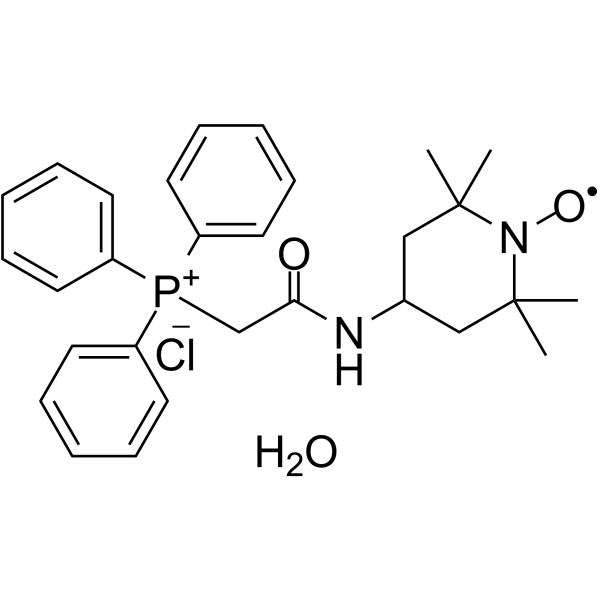
Cat. No.: HY-125944
CAS No.: 1569257-94-8
Purity:  98.03%
MitoTEMPO hydrate is a mitochondria-targeted antioxidant . MitoTEMPO hydrate induces mitophagy by activating the PINK1/Parkin pathway, inhibits NLRP3 inflammasome activation, restores mitochondrial membrane potential, and improves renal function and podocyte injury. MitoTEMPO hydrate regulates Ca 2+ homeostasis, inhibits Bnip3 overexpression, shortens action potential duration, and exerts antiarrhythmic effects. MitoTEMPO hydrate reverses premature senescence, reduces trabecular bone loss, and decreases cell apoptosis. MitoTEMPO hydrate can be used in studies of chronic kidney disease, age-related cardiac dysfunction, postmenopausal osteoporosis, and ischemic stroke .
loading...
    loading...
144
144 Cited Publications
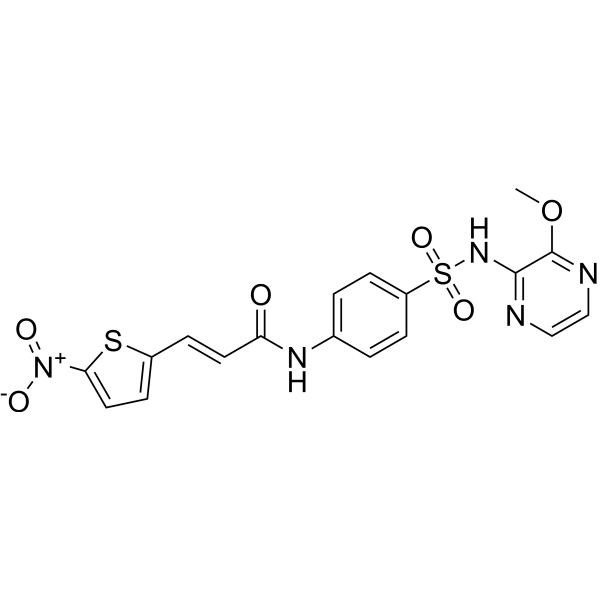
Cat. No.: HY-100573
CAS No.: 1360614-48-7
Purity:  99.47%
Necrosulfonamide is a MLKL and Gasdermin D (GSDMD) inhibitor, capable of separately inhibiting necroptosis and pyroptosis of cells. Necrosulfonamide does not affect the activation of upstream signals, but specifically inhibits the downstream executor oligomerization step. Necrosulfonamide reduces the expression of the key kinases NLRP3 and caspase-1 involved in necroptosis and pyroptosis, activate the Nrf2 pathway and the downstream antioxidant enzymes, and also downregulates a variety of inflammatory factors. Necrosulfonamide plays significant roles in various diseases such as neurodegenerative diseases (such as Parkinson’s disease), tissue damage and ischemia-reperfusion injury, inflammatory bowel disease, osteoarthritis and fracture repair, and hair loss by regulating two important programmed necrosis pathways .
loading...
    loading...
143
143 Cited Publications
Cat. No.: HY-12008
CAS No.: 183319-69-9
Purity:  99.94%
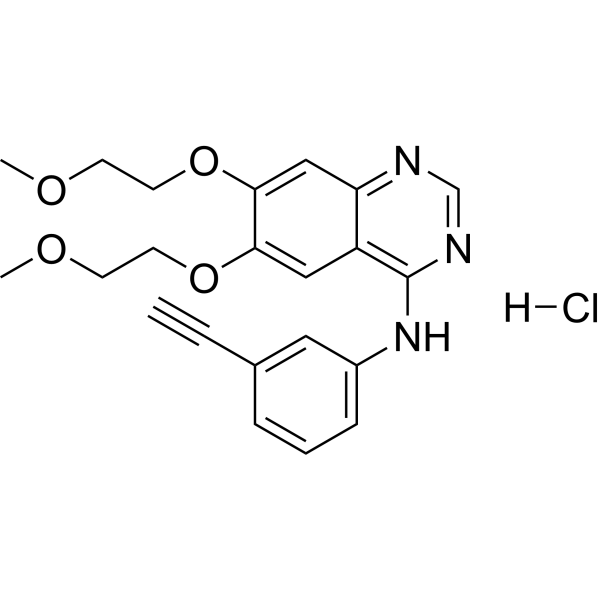
Synonyms: CP-358774 hydrochloride; NSC 718781 hydrochloride; OSI-774 hydrochloride
Target:  

EGFR OAT ERK GSK-3 β-catenin

Research Areas:  

Endocrinology Cancer

Erlotinib (CP-358774) Hydrochloride is a selective, orally active EGFR tyrosine kinase inhibitor. Erlotinib Hydrochloride also acts as a substrate and inhibitor of OATP2B1, with an IC50 of approximately 0.079 μM for inhibiting OATP2B1-mediated uptake of estrone 3-sulfate. Erlotinib Hydrochloride blocks EGFR phosphorylation, downstream signal transduction, as well as the growth and proliferation of cancer cells. Erlotinib Hydrochloride inhibits MMP-10-mediated renal injury, fibrotic lesions, the ERK1/2, GSK-3β and β-catenin signaling pathways, as well as the deposition of fibronectin, α-SMA, collagen and renal injury markers. Erlotinib Hydrochloride is metabolized via CYP3A to produce the active metabolite OSI-420. Erlotinib Hydrochloride can be used in research related to non-small cell lung cancer, gastric cancer, papillary renal cell carcinoma, EGFR inhibitor resistance and renal fibrosis .
loading...
    loading...
143
143 Cited Publications
Cat. No.: HY-50896
CAS No.: 183321-74-6
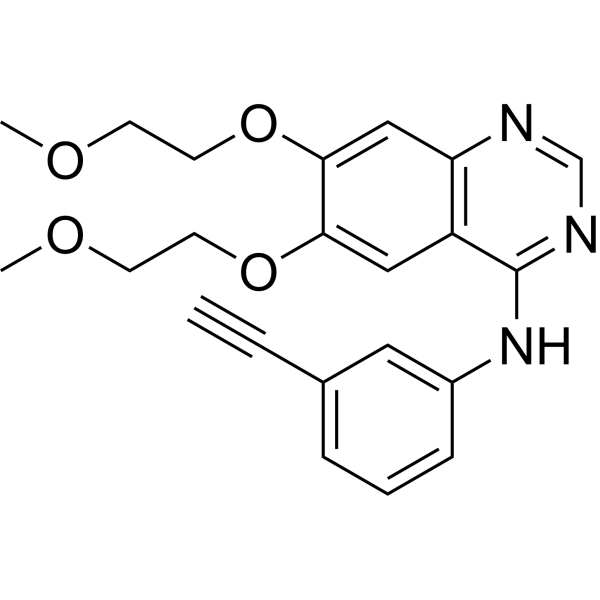
Synonyms: CP-358774; NSC 718781; OSI-774
Target:  

EGFR OAT ERK GSK-3 β-catenin

Research Areas:  

Endocrinology Cancer

Erlotinib (CP-358774) is a selective, orally active EGFR tyrosine kinase inhibitor. Erlotinib also acts as a substrate and inhibitor of OATP2B1, with an IC50 of approximately 0.079 μM for inhibiting OATP2B1-mediated uptake of estrone 3-sulfate. Erlotinib blocks EGFR phosphorylation, downstream signal transduction, as well as the growth and proliferation of cancer cells. Erlotinib inhibits MMP-10-mediated renal injury, fibrotic lesions, the ERK1/2, GSK-3β and β-catenin signaling pathways, fibronectin, α-SMA, collagen deposition, and renal injury markers. Erlotinib is metabolized via CYP3A to produce the active metabolite OSI-420. Erlotinib can be used in research related to non-small cell lung cancer, gastric cancer, papillary renal cell carcinoma, pancreatic cancer, renal fibrosis, and other conditions .
loading...
    loading...
111
111 Cited Publications
Cat. No.: HY-50912
CAS No.: 155148-31-5
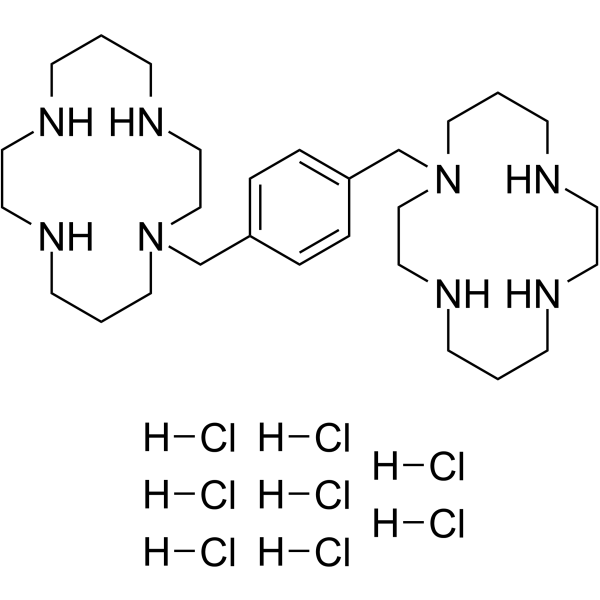
Synonyms: AMD3100 octahydrochloride; JM3100 octahydrochloride; SID791 octahydrochloride
Plerixafor octahydrochloride (AMD3100 octahydrochloride) is a selective CXCR4 antagonist with an IC50 of 44 nM.
loading...
    loading...
111
111 Cited Publications
Cat. No.: HY-10046
CAS No.: 110078-46-1
Purity:  99.90%
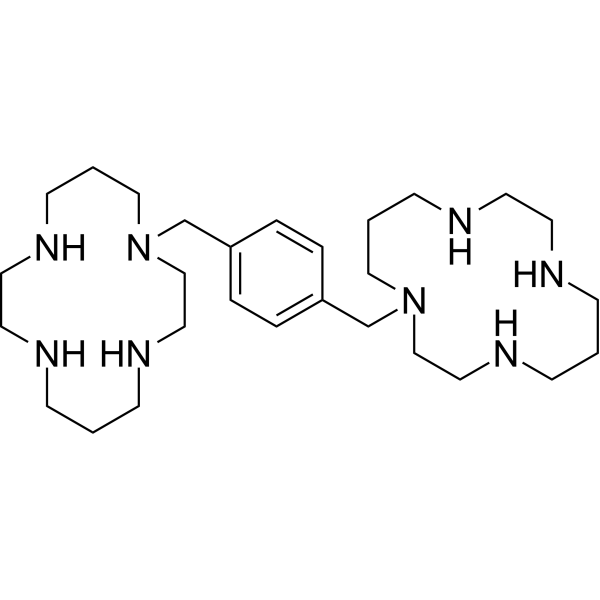
Synonyms: AMD 3100; JM3100; SID791
Target:  

CXCR HIV

Plerixafor (AMD 3100) is a selective CXCR4 antagonist with an IC50 of 44 nM. Plerixafor, an immunostimulant and a hematopoietic stem cell (HSC) mobilizer, is an allosteric agonist of CXCR7. Plerixafor inhibits HIV-1 and HIV-2 replication with an EC50 of 1-10 nM .
loading...
    loading...
103
103 Cited Publications
Cat. No.: HY-P0035
CAS No.: 11061-68-0
Target:  

Insulin Receptor

Research Areas:  

Metabolic Disease Endocrinology

Insulin (human) is a polypeptide hormone that regulates the level of glucose. Insulin (human) can be used for the diabetes mellitus .
loading...
    loading...
94
94 Cited Publications
Cat. No.: HY-108353
CAS No.: 7683-59-2
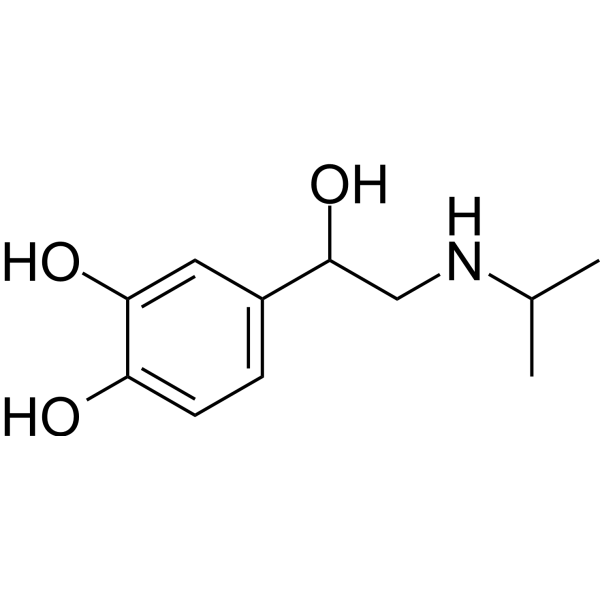
Isoprenaline is a non-selective, orally active β-adrenergic receptor agonist. Isoprenaline has potent peripheral vasodilator, bronchodilator, and cardiac stimulating activities. Isoprenaline can be used for the research of bradycardia and bronchial asthma .
loading...
    loading...
94
94 Cited Publications
Cat. No.: HY-108353A
CAS No.: 299-95-6
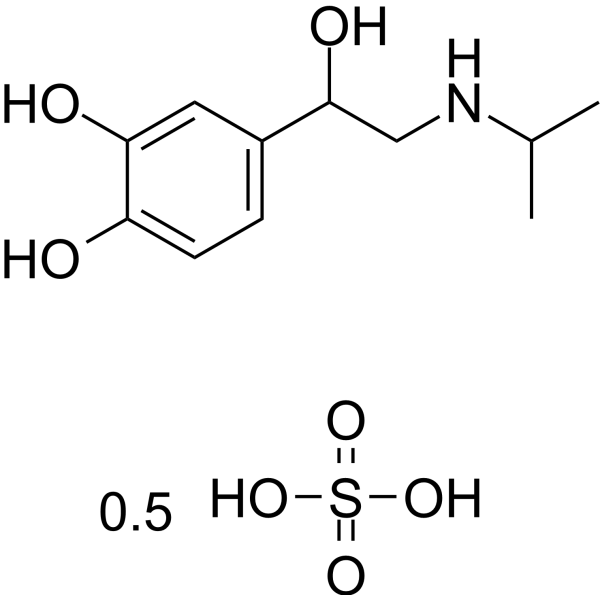
Isoprenaline hemisulfate is a non-selective, orally active β-adrenergic receptor agonist. Isoprenaline has potent peripheral vasodilator, bronchodilator, and cardiac stimulating activities. Isoprenaline can be used for the research of bradycardia and bronchial asthma .
loading...
    loading...
94
94 Cited Publications
Cat. No.: HY-B0468
CAS No.: 51-30-9
Synonyms: Isoproterenol hydrochloride
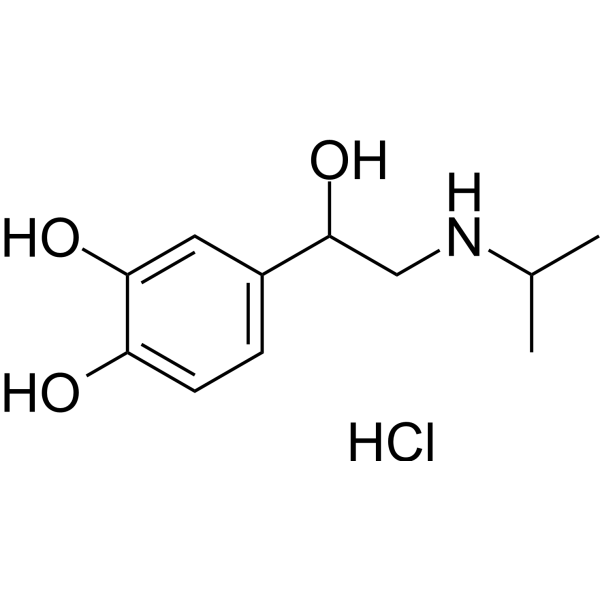
Isoprenaline (Isoproterenol) hydrochloride is a non-selective, orally active β-adrenergic receptor agonist. Isoprenaline has potent peripheral vasodilator, bronchodilator, and cardiac stimulating activities. Isoprenaline can be used for the research of bradycardia and bronchial asthma .
loading...
    loading...
76
76 Cited Publications
Cat. No.: HY-13683
CAS No.: 84371-65-3
Purity:  99.83%
Synonyms: RU486; RU 38486
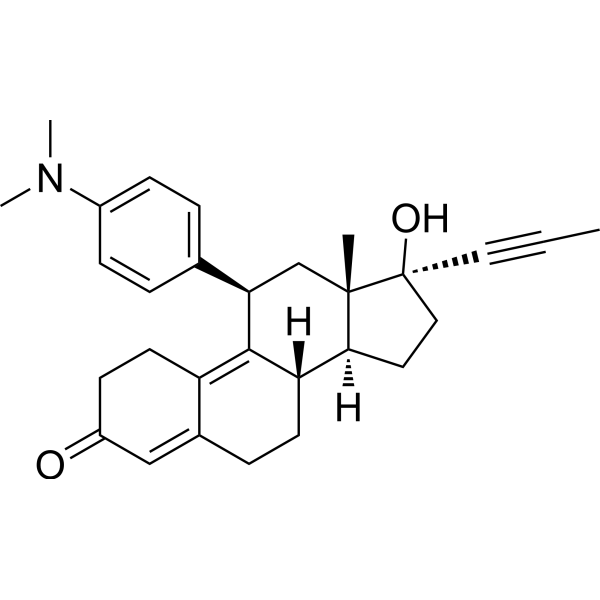
Mifepristone (RU486) is a progesterone receptor (PR) and glucocorticoid receptor (GR) antagonist with IC50s of 0.2 nM and 2.6 nM in in vitro assay .
loading...
    loading...
65
65 Cited Publications
Cat. No.: HY-16711
CAS No.: 182498-32-4
Target:  

CXCR

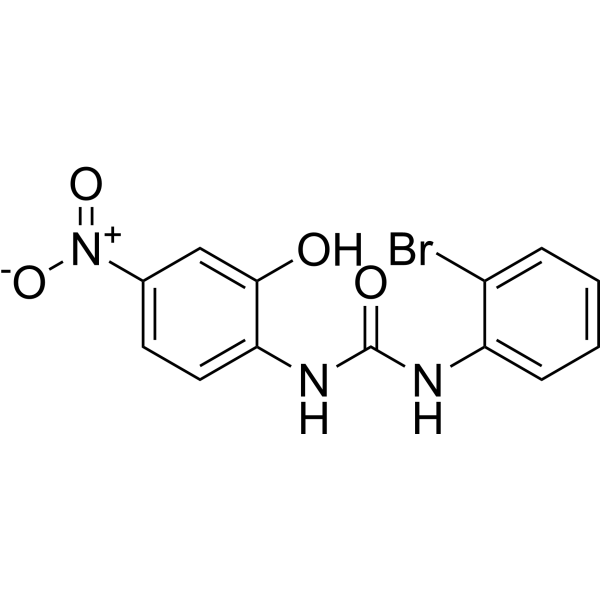
SB225002, a potent, selective and non-peptide CXCR2 antagonist, inhibits 125I-IL-8 binding to CXCR2 with an IC50 of 22 nM.
loading...
    loading...
63
63 Cited Publications
Cat. No.: HY-15251
CAS No.: 266359-83-5
Purity:  99.99%
Synonyms: Repertaxin; DF 1681Y
Target:  

CXCR

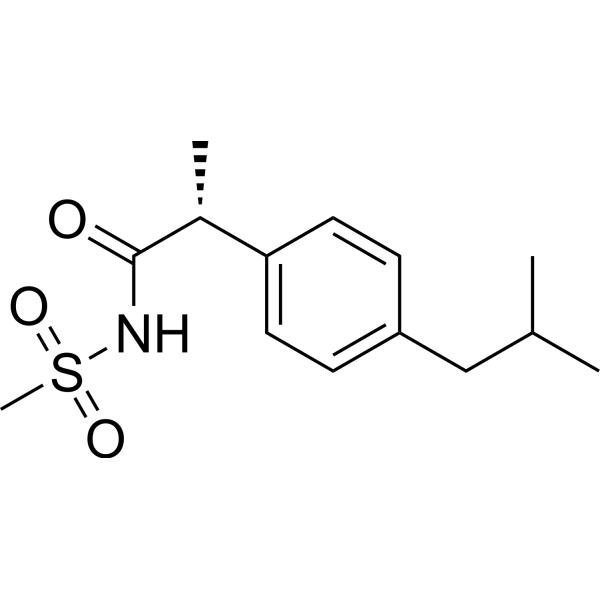
Reparixin is a non-competitive allosteric inhibitor of the chemokine receptors CXCR1 and CXCR2 activation with IC50s of 1 and 100 nM, respectively.
loading...
    loading...
63
63 Cited Publications
Cat. No.: HY-15252
CAS No.: 266359-93-7
Purity:  99.87%
Synonyms: Repertaxin L-lysine salt
Target:  

CXCR

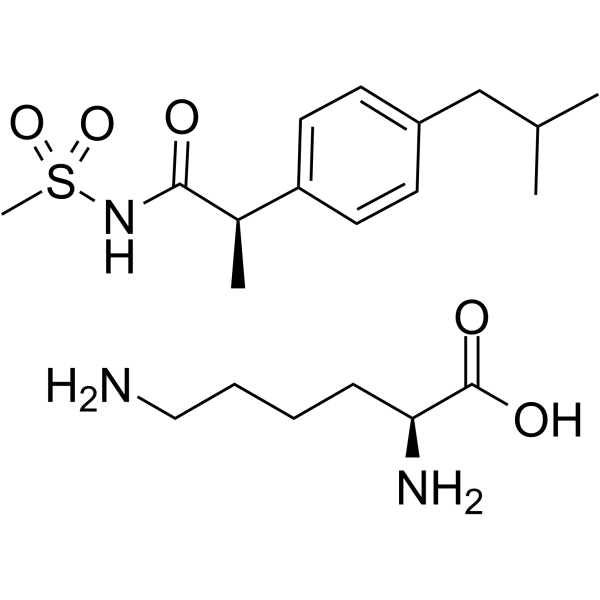
Reparixin L-lysine salt is an allosteric inhibitor of chemokine receptor 1/2 (CXCR1/2) activation.
loading...
    loading...
60
60 Cited Publications
Cat. No.: HY-17512A
CAS No.: 124750-99-8
Synonyms: DuP-753 potassium
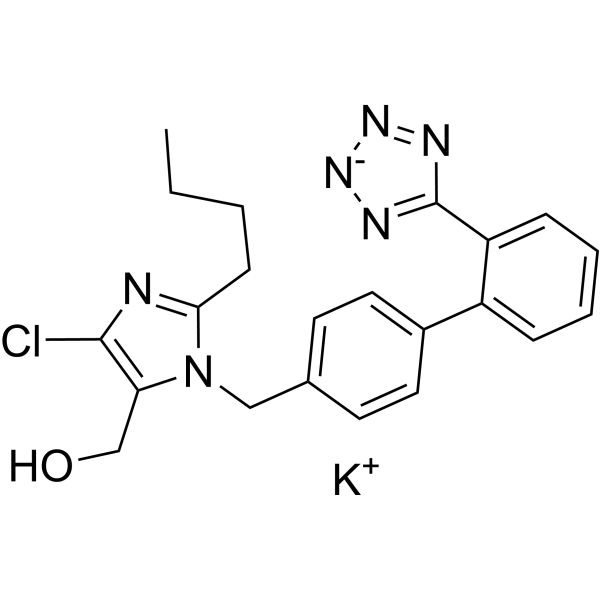
Losartan potassium (DuP-753 potassium) is an angiotensin II receptor type 1 (AT1) antagonist, competing with the binding of angiotensin II to AT1 with an IC50 of 20 nM.
loading...
    loading...
59
59 Cited Publications
Cat. No.: HY-13004
CAS No.: 376348-65-1
Purity:  99.88%
Synonyms: UK-427857
Target:  

CCR HIV

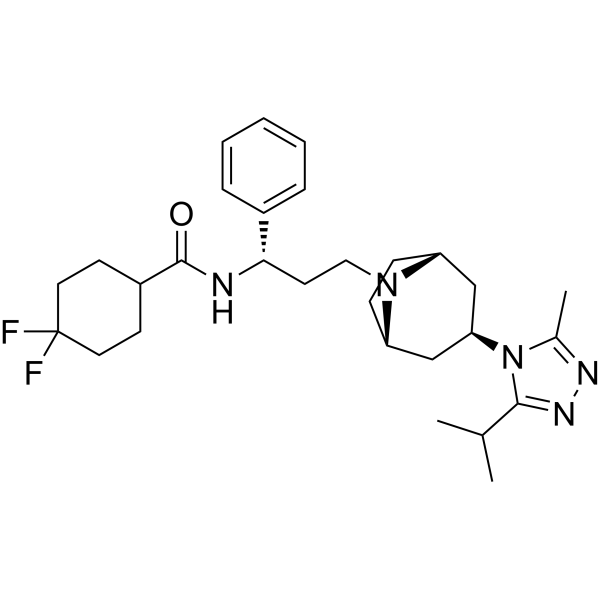
Maraviroc (UK-427857) is a selective CCR5 antagonist with activity against human HIV.
loading...
    loading...
51
51 Cited Publications
Cat. No.: HY-10191
CAS No.: 867160-71-2
Purity:  99.87%
Synonyms: OSI-906
Target:  

IGF-1R Insulin Receptor

Research Areas:  

Endocrinology Cancer

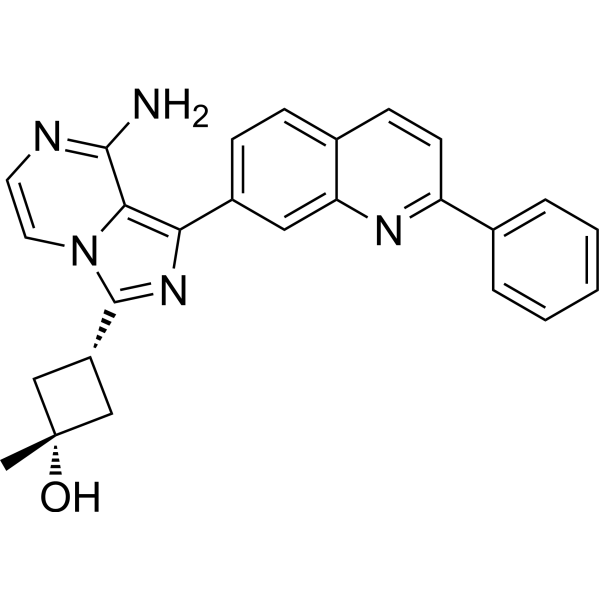
Linsitinib (OSI-906) is a potent, selective and orally bioavailable dual inhibitor of the IGF-1 receptor and insulin receptor (IR) with IC50s of 35 and 75 nM, respectively .
loading...
    loading...
49
49 Cited Publications
Cat. No.: HY-15677
CAS No.: 1199796-29-6
Purity:  ≥98.0%
Synonyms: S-EMCA
Research Areas:  

Endocrinology

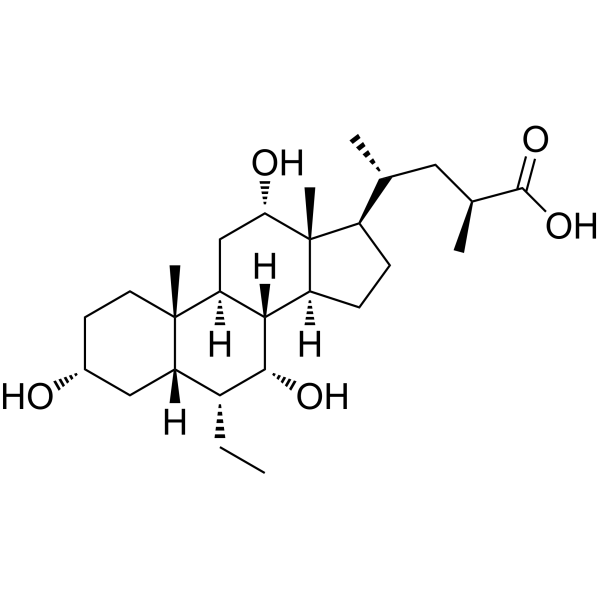
INT-777 is a potent TGR5 agonist with an EC50 of 0.82 μM .
loading...
    loading...

