



1. Search Result
Search Result
Results for "

Endocytosis

" in MedChemExpress (MCE) Product Catalog:

162

Inhibitors & Agonists

14

Fluorescent Dyes

18

Biochemical Assay Reagents

38

Peptides

17

Inhibitory Antibodies

14

Natural
Products

2

Recombinant Proteins

2

Isotope-Labeled Compounds

1

Click Chemistry

14

Oligonucleotides

Cat. No. Product Name Target Research Areas Chemical Structure
  • HY-101461
    Methyl-β-cyclodextrin
    Maximum Cited Publications
    106 Publications Verification

    Methyl-beta-cyclodextrin

    Environmental Pollutants Biochemical Assay Reagents Cancer
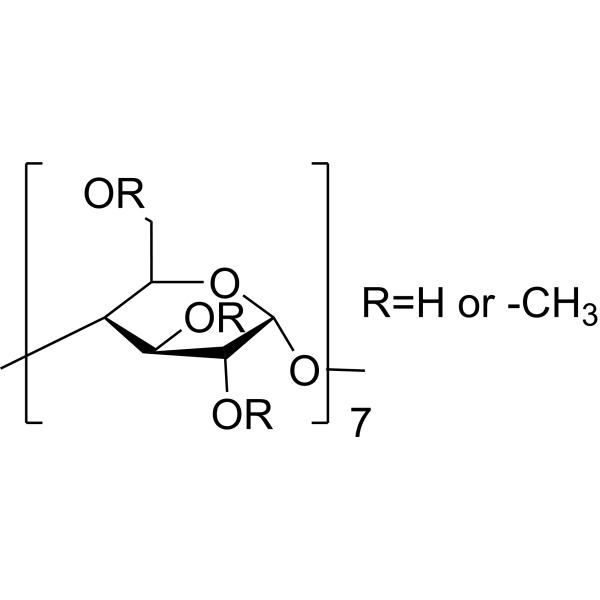
    Methyl-β-cyclodextrin (Methyl-beta-cyclodextrin) is a cyclic heptasaccharide used to deliver hydrophobic agents based on its property of solubilizing non-polar substances. Methyl-β-cyclodextrin is also extensively used as a cholesterol-depleting reagent . Methyl-β-cyclodextrin strongly reduces clathrin-dependent endocytosis . Methyl-β-cyclodextrin blocks cell migrasome formation .
    Methyl-β-cyclodextrin
  • HY-B0451A
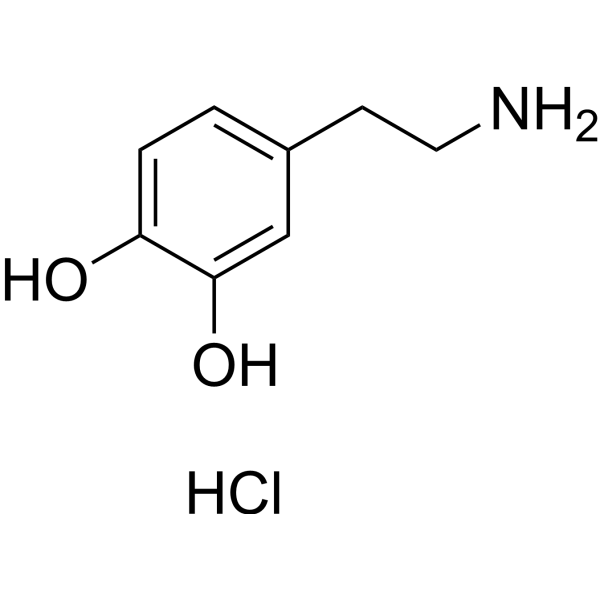
    Dopamine hydrochloride
    Maximum Cited Publications
    21 Publications Verification

    ASL279

    Dopamine Receptor Endogenous Metabolite Ferroptosis Neurological Disease
    Dopamine hydrochloride (ASL279) is a catecholamine neurotransmitter that is produced in the substantia nigra, ventral tegmental area, and hypothalamus of the brain. Dopamine hydrochloride (ASL279) plays several important roles in the brain and body . Dopamine hydrochloride (ASL279) acts through D2 dopamine receptors to induce endocytosis of VEGFR2, which is critical for promoting angiogenesis .
    Dopamine hydrochloride
  • HY-P9977
    Amivantamab
    3 Publications Verification

    JNJ-61186372

    EGFR Inflammation/Immunology Cancer
    Amivantamab (JNJ-61186372) is a human EGFR-MET bispecific antibody with immune anticancer activity. Amivantamab inhibits ligand binding, promotes endocytosis and degradation of receptor-antibody complexes, and induces Fc-dependent cytokinesis in macrophages and antibody-dependent cytotoxicity in natural killer cells .
    Amivantamab
  • HY-B0451
    Dopamine
    Maximum Cited Publications
    21 Publications Verification

    ASL279 free base

    Dopamine Receptor Endogenous Metabolite Ferroptosis Neurological Disease
    Dopamine is a catecholamine neurotransmitter that is produced in the substantia nigra, ventral tegmental area, and hypothalamus of the brain. Dopamine plays several important roles in the brain and body . Dopamine acts through D2 dopamine receptors to induce endocytosis of VEGFR2, which is critical for promoting angiogenesis .
    Dopamine
  • HY-115604
    Pitstop 2
    25+ Cited Publications

    Apoptosis Cancer
    Pitstop 2 is a clathrin inhibitor which inhibits clathrin-mediated endocytosis (CME) by associating with the terminal domain of clathrin. Pitstop 2 has the potential for anti-cancer research .
    Pitstop 2
  • HY-13863
    Hydroxy-Dynasore
    15+ Cited Publications

    Dyngo-4a

    Dynamin Neurological Disease
    Hydroxy Dynasore (Dyngo-4a), a structural mimetic analog of Dynasore (HY-15304), is an improved, less cytotoxic and versatile dynamin inhibitor with IC50 values ​​of 0.38 μM and 2.3 μM for brain recombinant dynamin I and recombinant mouse dynamin II, respectively. Hydroxy Dynasore inhibits dynamin-dependent transferrin endocytosis with an IC50 of 5.7 μM.
    Hydroxy-Dynasore
  • HY-D1027
    Dansylcadaverine
    10+ Cited Publications

    Monodansyl cadaverine

    Autophagy Others
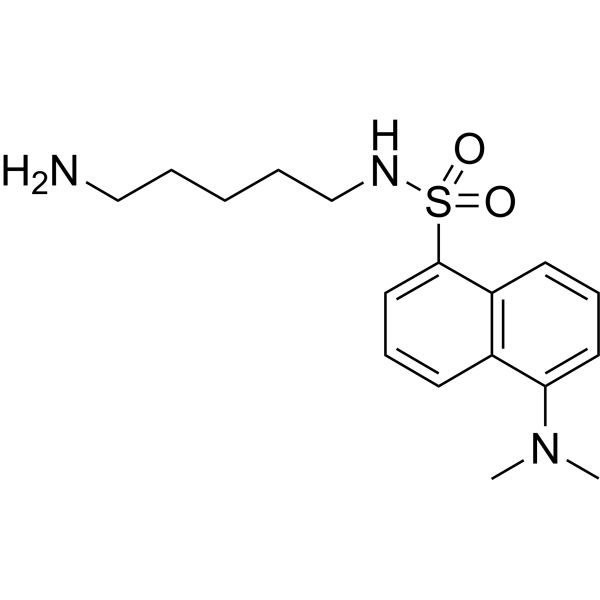
    Dansylcadaverine (Monodansyl cadaverine) is an autofluorescent compound used for the labeling of autophagic vacuoles. Dansylcadaverine, a high affinity substrate of transglutaminases, can block the receptor-mediated endocytosis of many ligands .
    Dansylcadaverine
  • HY-119706
    Barbadin
    15+ Cited Publications

    Apoptosis Arrestin Others
    Barbadin is a novel and selective β-arrestin/β2-adaptin interaction inhibitor, has IC50 values of 19.1 μM for β-arrestin1 and 15.6 μM for β-arrestin2. Barbadin blocks agonist-promoted endocytosis of the prototypical β2-adrenergic, V2-vasopressin and angiotensin-II type-1 receptors. Barbadin can induce apoptosis .
    Barbadin
  • HY-D1434
    FM1-43
    5+ Cited Publications

    Fluorescent Dye Neurological Disease
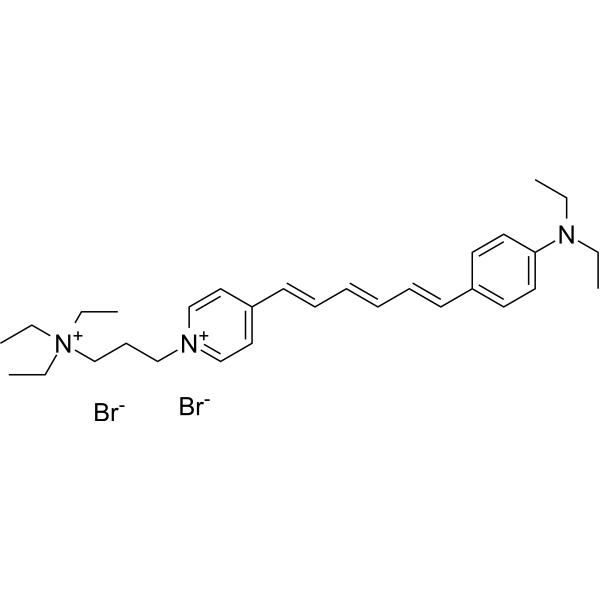
    FM1-43 is a very lipophilic, water-soluble styrene dyes, can specifically bind to cell membranes and inner membrane organelles to produce fluorescence. FM1-43 is widely used in endocytic and exospic membrane structure markers.
    FM1-43
  • HY-148476

    LYTACs Metabolic Disease
    Tri-GalNAc-DBCO is a synthetic ligand composed of three GalNAc units connected to DBCO. Tri-GalNAc-DBCO can act as a ligand for the sialic acid-degrading protein receptor (ASGPR), and can be coupled with targeting proteins or small molecules to form GalNAc-LYTACs. Tri-GalNAc-DBCO specifically binds to ASGPR and, through receptor-mediated endocytosis, guides the coupled molecules to lysosomes for degradation .
    Tri-GalNAc-DBCO
  • HY-P5423

    Exosomes Liposome Cancer
    GALA is a pH-responsive amphipathic peptide consisting of 30 amino acids, which acts as a lung endothelium-targeting ligand. GALA undergoes a conformational transition from random coil to α-helix in an acidic environment at pH 5.0, thereby inducing endosomal membrane destabilization and fusion. GALA-modified liposomes traverse lung endothelial cells via clathrin-dependent endocytosis and transcytosis, and specifically accumulate in the lungs after intravenous injection. GALA significantly promotes the cytosolic release of cargos carried by exosomes, plasmids and liposomes, effectively enhances gene transfection efficiency, and drives gene knockdown of functional macromolecules (such as siRNA) in alveolar epithelial cells (with no significant cytotoxicity at effective concentrations). GALA serves as a critical tool for studies on lung cancer metastasis (e.g., melanoma lung metastasis) and lung-targeted drug delivery systems .
    GALA
  • HY-107545
    Dynole 34-2
    1 Publications Verification

    Dynamin Apoptosis Cancer
    Dynole 34-2 is a potent dynamin GTPase inhibitor (IC50s=6.9 and 14.2 µM for dynamin1 and dynamin2 GTPase activity, respectively) with antimitotic effect. Dynole 34-2 induces apoptosis, as revealed by cell blebbing, DNA fragmentation, and PARP cleavage. Dynole 34-2 also potently inhibits receptor mediated endocytosis (RME) .
    Dynole 34-2
  • HY-164729

    Antibody-Drug Conjugates (ADCs) Topoisomerase Apoptosis Cancer
    FZ-AD005 is a DLL3-targeting antibody-drug conjugate (ADC) with high selectivity, composed of the anti-DLL3 antibody FZ-A038 (HY-P990896), a dipeptide linker (Val-Ala), and DXd (HY-13631D). The Kd value of FZ-AD005 for human DLL3 ranges from 13.29 to 58.3 pmol/L. After binding to DLL3 on the cell surface, FZ-AD005 mediates endocytosis, and the payload DXd is released via cleavage by lysosomal cathepsins. DXd inhibits topoisomerase TopI to induce double-strand DNA breaks, cell cycle arrest and apoptosis, and FZ-AD005 exhibits bystander killing activity against adjacent DLL3-negative cells. FZ-AD005 shows stable circulation in vivo, has good tolerance and acceptable pharmacokinetic profiles in rats and cynomolgus monkeys, and effectively inhibits the growth of DLL3-expressing tumor cells. FZ-AD005 serves as a promising candidate molecule for research on small cell lung cancer and human neuroendocrine prostate cancer .
    FZ-AD005
  • HY-P1342
    Prosaptide Tx14(A)
    1 Publications Verification

    Neurological Disease
    Prosaptide Tx14(A), a prosaposin-derived peptide, is a potent GPR37L1 and GPR37 agonist with EC50s of 5 and 7 nM, respectively. Prosaptide Tx14(A) increases both ERK1 and ERK2 phosphorylation in Schwann cells .
    Prosaptide Tx14(A)
  • HY-W094758A

    Fluorescent Dye Cancer
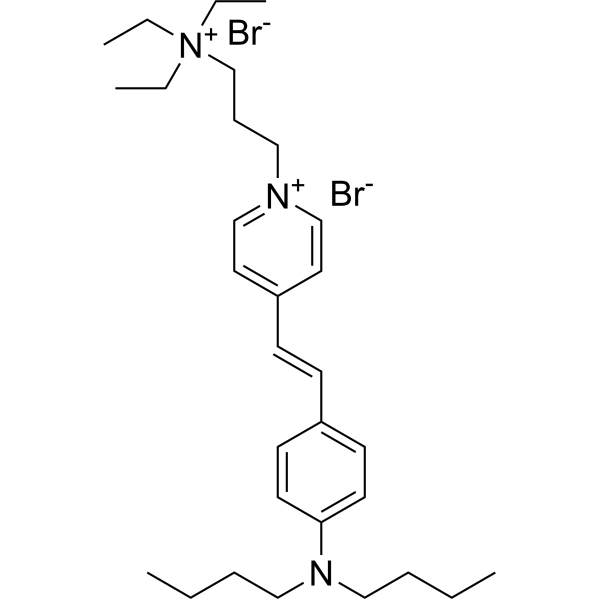
    4-Di-1-ASP is a styryl dye used to stain glioma cells in living brain tissue for analysis of cell structure, viability, proliferation and endocytosis, cytokinesis and phagocytosis, as well as for observation of mitochondrial structures in living cells. 4-Di-1-ASP fluoresces green when imaged microscopically (λexem = 475/606 nm) .
    4-Di-1-ASP
  • HY-12534
    Wiskostatin
    2 Publications Verification

    Arp2/3 Complex Neurological Disease
    Wiskostatin is a potent and selective inhibitor of neuronal Wiskott-Aldrich syndrome protein (N-WASP)-mediated actin polymerization by stabilization of the closed, autoinhibited conformation, thereby preventing Arp2/3 complex activation. Wiskostatin is also a dynamin inhibitor with an IC50 value of 20.7 μM and a potent inhibitor of clathrin-mediated endocytosis with an IC50 value of 6.9 μM. Wiskostatin causes a rapid, profound, and irreversible decrease in cellular ATP levels. Wiskostatin also induces disassembly of podosomes in a murine monocyte cell line .
    Wiskostatin
  • HY-172470

    Liposome EGFR Cancer
    DSPE-PEG2000-GE11 is a nanocarrier component composed of DSPE and the EGFR-targeting peptide (GE11). DSPE-PEG2000-GE11 specifically binds to EGFR and mediates receptor-mediated endocytosis of micellar drug carriers. DSPE-PEG2000-GE11 can be used for drug delivery .
    DSPE-PEG2000-GE11
  • HY-P991728

    TORL-3-600 antibody

    Cadherin ADC Antibody Cancer
    Zarutatug (TORL-3-600 antibody) is an IgG1κ humanized antibody targeting cadherin 17 (CDH17). It selectively binds to cell-surface CDH17, triggering endocytosis and trafficking to lysosomes. Zarutatug can be used to construct ADCs, such as TORL-3-600 .
    Zarutatug
  • HY-119764
    Ikarugamycin
    2 Publications Verification

    Antibiotic Others
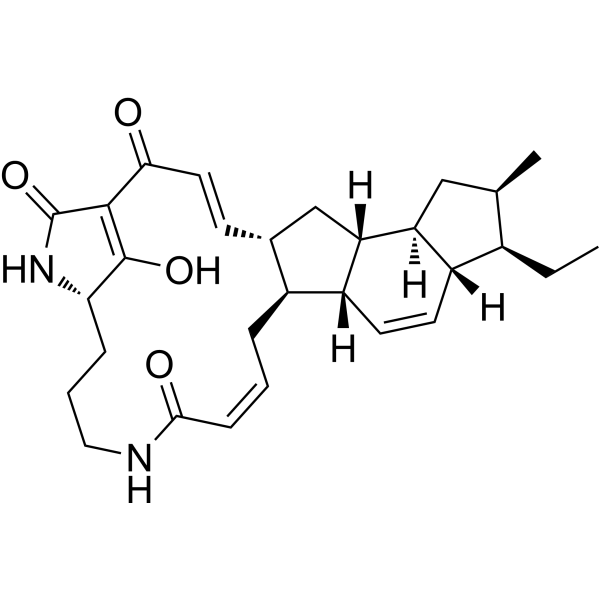
    Ikarugamycin is an antibiotic and a inhibitor of clathrin-mediated endocytosis (CME) .
    Ikarugamycin
  • HY-P5098

    Integrin Neurological Disease Cancer
    E (c (RGDfK)) 2 is a αvβ3 integrin ligand and tumor-targeting agent. E (c (RGDfK)) 2 binds to αvβ3 integrin, mediates receptor-mediated endocytosis of conjugated payloads, and inhibits integrin-dependent cell adhesion to fibrinogen. E (c (RGDfK)) 2 inhibits the proliferation of cancer cells and endothelial cells. E (c (RGDfK)) 2 preferentially accumulates in orthotopic mouse breast tumors and human ovarian cancer xenograft tumors. E (c (RGDfK)) 2 can be used in research related to glioblastoma, lung cancer, breast adenocarcinoma and ovarian cancer .
    E(c(RGDfK))2
  • HY-NP035
    Ovalbumin-FITC
    1 Publications Verification

    OVA-FITC

    Fluorescent Dye Biochemical Assay Reagents Others
    Ovalbumin-FITC is an ovalbumin conjugated to FITC (Ex=495 nm; Em=525 nm). Ovalbumin-FITC can be internalized by cells via endocytosis .
    Ovalbumin-FITC
  • HY-P99007

    BAY 1179470

    FGFR Cancer
    Aprutumab (BAY 1179470) is a fully human fibroblast growth factor receptor 2 (FGFR2)-specific monoclonal antibody . Aprutumab induces FGFR2 endocytosis and degradation in cancer cells expressing FGFR2. Aprutumab serves as the targeted monoclonal antibody component of the antibody-drug conjugate BAY 1187982 (HY-141600) and mediates the endocytosis of the antibody-drug conjugate into FGFR2-positive cells. Aprutumab can be used for the research of FGFR2-positive solid tumors, including studies on gastric cancer and triple-negative breast cancer .
    Aprutumab
  • HY-B0451AR

    ASL279 (Standard)

    Reference Standards Dopamine Receptor Endogenous Metabolite Ferroptosis Neurological Disease
    Dopamine (hydrochloride) (Standard) is the analytical standard of Dopamine (hydrochloride). This product is intended for research and analytical applications. Dopamine hydrochloride (ASL279) is a catecholamine neurotransmitter that is produced in the substantia nigra, ventral tegmental area, and hypothalamus of the brain. Dopamine hydrochloride (ASL279) plays several important roles in the brain and body . Dopamine hydrochloride (ASL279) acts through D2 dopamine receptors to induce endocytosis of VEGFR2, which is critical for promoting angiogenesis .
    Dopamine hydrochloride (Standard)
  • HY-131901

    Oxophenylarsine; PhAsO; Arsenosobenzene

    Environmental Pollutants Phosphatase Others
    Phenylarsine oxide (PAO), an inhibitor of endocytosis, inhibits PTPε with an IC50 of 18 μM. Phenylarsine oxide (PAO) inhibits oxygen consumption and decreases cellular ATP content overlap with those used to inhibit protein internalization .
    Phenylarsine oxide
  • HY-P9977A

    EGFR Cancer
    Amivantamab (FUT8-KO) is an anti-EGFR-MET monoclonal antibody expressed by CHO cells with the fucosyltransferase 8 gene (FUT8) knocked out. Fucose deficiency enhances the ADCC effect of the antibody. Amivantamab (FUT8-KO) inhibits ligand binding, promotes endocytosis and degradation of receptor-antibody complexes, and induces Fc-dependent cytokinesis in macrophages and antibody-dependent cytotoxicity in natural killer cells .
    Amivantamab (FUT8-KO)
  • HY-N6025
    Clemastanin B
    1 Publications Verification

    Influenza Virus Infection Inflammation/Immunology
    Clemastanin B, a lignin, has potent anti-influenza activities by inhibiting the virus multiplication, prophylaxsis and blocking the virus attachment. Clemastanin B targets viral endocytosis, uncoating or ribonucleoprotein (RNP) export from the nucleus. Clemastanin B has antioxidant and anti-inflammatory activities .
    Clemastanin B
  • HY-DY1059

    Fluorescent Dye Neurological Disease
    FM1-43 (solution) is a very lipophilic, water-soluble styrene dyes, can specifically bind to cell membranes and inner membrane organelles to produce fluorescence. FM1-43 is widely used in endocytic and exospic membrane structure markers.
    Solvent and concentration: DMSO: 10 mM
    FM1-43 (solution)
  • HY-B0451AS7

    ASL279-d5 hydrochloride

    Isotope-Labeled Compounds Dopamine Receptor Endogenous Metabolite Ferroptosis Neurological Disease
    Dopamine-d5 (hydrochloride) is the deuterium labeled Dopamine (hydrochloride). Dopamine hydrochloride (ASL279) is a catecholamine neurotransmitter that is produced in the substantia nigra, ventral tegmental area, and hypothalamus of the brain. Dopamine hydrochloride (ASL279) plays several important roles in the brain and body . Dopamine hydrochloride (ASL279) acts through D2 dopamine receptors to induce endocytosis of VEGFR2, which is critical for promoting angiogenesis .
    Dopamine-d5 hydrochloride
  • HY-145080
    Dynole 2−24
    1 Publications Verification

    Dynamin Neurological Disease
    Dynole 2−24 is an indole-based dynamin GTPase inhibitor (IC50=0.56 μM for dynamin I). Dynole 2−24 is nontoxic and shows increased potency against dynamin I and II in vitro and in cells (IC₅₀(CME)=1.9 μM). Dynole 2−24 also shows 4.4-fold selectivity for dynamin I. Dynole 2−24 is active in-cell inhibitor of clathrin-mediated endocytosis . CME: Clathrin mediated endocytosis
    Dynole 2−24
  • HY-152218

    Dynamin Neurological Disease
    Clathrin-IN-4 (compound 8b), a Wiskostatin?(HY-12534) analogue, is a potent inhibitor of clathrin mediated endocytosis with an IC50 of 2.1 μM. Clathrin-IN-4 is a dynamin I GTPase activity inhibitor with an IC50 of 9.1 μM .
    Clathrin-IN-4
  • HY-156404
    PM-1
    2 Publications Verification

    Fluorescent Dye Others
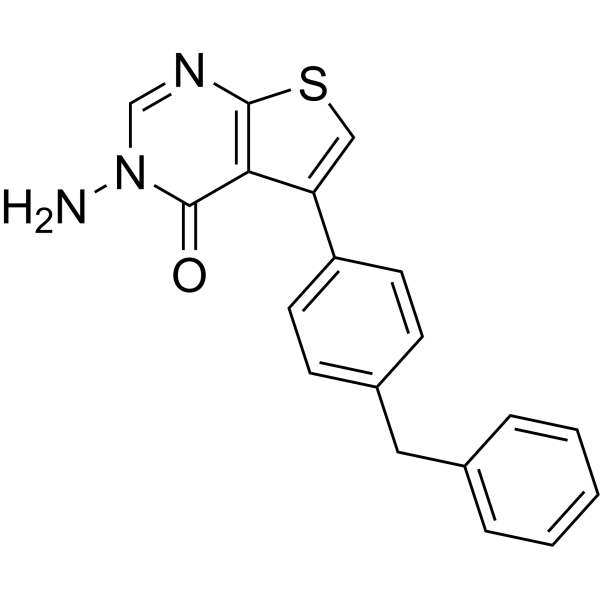
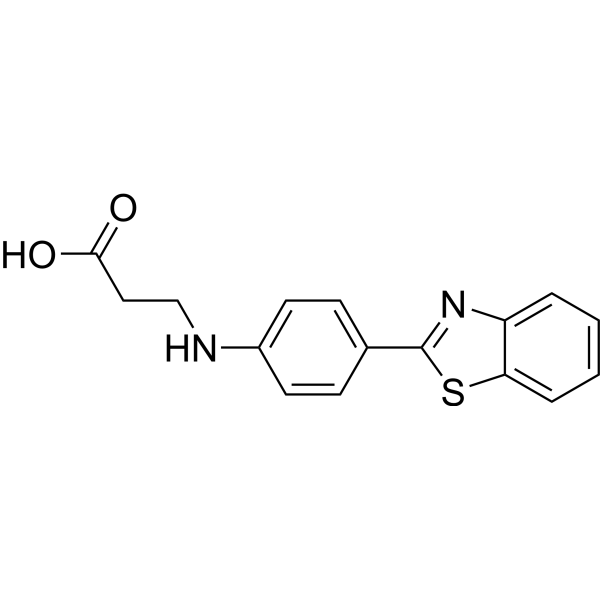
    PM-1, a derivative of Thioflavin-T (ThT; HY-D0218), is a small but highly specific plasma membrane (PM) fluorescent dye for specific and long-time membrane imaging of living and fixed cells. PM-1 is embedded directly into the cell membrane and exhibits a very long retention time on the plasma membrane with a half-life of approximately 15 h. PM-1 can be used in combination with protein labeling probes to study ectodomain shedding and endocytosis processes of cell surface proteins .
    PM-1
  • HY-P1369

    Dynamin Neurological Disease
    DynaMin inhibitory peptide, myristoylated is a DynaMin inhibitor to interfere with the binding of amphiphysin with dynamin. DynaMin inhibitory peptide, myristoylated is a membrane-permeant form of the peptide that prevents endocytosis .
    DynaMin inhibitory peptide, myristoylated
  • HY-153686

    Neurotensin Receptor Neurological Disease
    BVFP binds to the PGRN588–593 peptide with a Kd of 20 μM. BVFP can disrupt PGRN-SORT1 binding. BVFP also inhibits SORT1-mediated rPGRN endocytosis .
    BVFP
  • HY-152216

    Dynamin Neurological Disease
    Dynamin IN-2 (compound 43), a Wiskostatin (HY-12534) analogue, is a potent dynamin inhibitor, with an IC50 of 1.0 μM for dynamin I GTPase. Dynamin IN-2 also blocks clathrin mediated endocytosis (CME), with an IC50 of 9.5 μM .
    Dynamin IN-2
  • HY-163943

    SARS-CoV PIKfyve Infection
    UNI418 is a dual inhibitor of PIKfyve and PIP5K1C with antiviral activity against SARS-CoV-2 (EC50=1.4 μM). UNI418 blocks ACE2-mediated SARS-CoV-2 viral endocytosis by inhibiting PIP5K1C (IC50=60.1 nM; Kd=61 nM). In addition, UNI418 inhibits the proteolytic activation of proteases regulated by PIKfyve (Kd=0.78 nM) to prevent SARS-CoV-2 from entering host cells .
    UNI418
  • HY-P1083
    Dynamin inhibitory peptide
    1 Publications Verification

    Dynamin Neurological Disease
    Dynamin inhibitory peptide competitively blocks binding of dynamin to amphiphysin, thus preventing endocytosis. Dynamin inhibitory peptide blocks the dopamine D3 effect on GABAA receptors .
    Dynamin inhibitory peptide
  • HY-P99552

    IBI-306

    PCSK9 Cardiovascular Disease
    Tafolecimab (IBI-306) is a human lgG2 monoclonal antibody that specifically binds PCSK-9 and reduces LDL-C levels by inhibiting PCSK-9-mediated endocytosis of the LDL receptor, which in turn enhances clearance of LDL-C and leads to a reduction in LDL-C levels. Tafolecimab may be used in studies of hypercholesterolaemia .
    Tafolecimab
  • HY-147083

    AAK1 Cancer
    SGC-AAK1-1N is a potent and selective AAK1 (AP2 associated kinase 1) inhibitor, with an IC50 of 1.8 μM .
    SGC-AAK1-1N
  • HY-D2826

    Fluorescent Dye Others
    FITC-Chitosan (MW 100000) is a chitosan (Chitosan) (HY-B2144A) labeled with FITC (HY-66019). FITC-Chitosan (MW 100000) combines the biological and physicochemical properties of chitosan (such as biocompatibility, positive charge, and nanoparticle-forming ability) with the fluorescent visibility of FITC (Ex/Em = ~485/535 nm) .
    FITC-Chitosan (MW 100000)
  • HY-P2467

    Fluorescent Dye Metabolic Disease
    Biotin-TAT (47-57), a biotin tagged TAT, is a transactivator of transcription. Biotin-TAT (47-57) is one of the most widely used protein transduction domains (PTDs) into different primary cells is ATP- and temperature-dependent, indicating the involvement of endocytosis .
    Biotin-TAT (47-57)
  • HY-E70157
    Fucosyltransferase 8
    1 Publications Verification

    EC:2.4.1.68; FUT8; α1-6FucT

    Glucosylceramide Synthase (GCS) Infection
    Fucosyltransferase 8 (EC:2.4.1.68; FUT8; α1-6FucT) is a glycosyl transferase and catalyzes the transfer of a fucose residue from GDP-fucose to the innermost N-acetylglucosamine residue of N-glycans .
    Fucosyltransferase 8
  • HY-123335

    Somatostatin Receptor Others
    L-796778 is an agonist of the hsst3 receptor. In CHO-K1 cells expressing the hsst3 receptor, L-796778 is a partial agonist that inhibits forskolin (HY-15371)-stimulated cAMP production with an IC50 value of 18 nM .
    L-796778
  • HY-P11452

    LDLR Endocrinology
    (KKEEE)3K is a kidney-targeting peptide. (KKEEE)3K enters renal tubular cells via megalin receptor-mediated endocytosis. (KKEEE)3K can be used in the research of renal drug delivery .
    (KKEEE)3K
  • HY-155884

    mPEG4000-NH2

    Biochemical Assay Reagents Cancer
    mPEG4000-amine can be used to synthesize folate-conjugated polymer micelles for encapsulating anticancer agent 9-nitrocamptothecin (HY-16560). folate-conjugated polymer micelles are effective carriers of insoluble anticancer drugs, which can avoid macrophages and play a role in endocytosis of tumor cells mediated by folate receptors (FR).
    mPEG4000-amine
  • HY-155880

    mPEG350-NH2

    Biochemical Assay Reagents Cancer
    mPEG350-amine can synthesize folate-conjugated polymer micelles for encapsulation of anticancer agent 9-nitrocamptothecin (HY-16560). folate-conjugated polymer micelles are effective carriers of insoluble anticancer drugs, which can avoid macrophages and play a role in endocytosis of tumor cells mediated by folate receptors (FR).
    mPEG350-amine
  • HY-155883

    mPEG3400-NH2

    Biochemical Assay Reagents Cancer
    mPEG3400-amine can synthesize folate-conjugated polymer micelles for encapsulation of anticancer agent 9-nitrocamptothecin (HY-16560). folate-conjugated polymer micelles are effective carriers of insoluble anticancer drugs, which can avoid macrophages and play a role in endocytosis of tumor cells mediated by folate receptors (FR).
    mPEG3400-amine
  • HY-179737

    LYTACs Metabolic Disease
    ASGPR ligand-2 (Compound 366) is an asialoglycoprotein receptor (ASGPR) binder. ASGPR ligand-2 can be coupled with recognition elements of target proteins (such as antibodies or antigen-binding fragments), and through the endocytosis mediated by ASGPR, the target protein is delivered to the lysosomes of liver cells, promoting the degradation of the target protein. ASGPR ligand-2 can be used for the research of metabolic disease .
    ASGPR ligand-2
  • HY-152217

    Dynamin Neurological Disease Metabolic Disease Cancer
    Clathrin-IN-2 is potent inhibitor of clathrin mediated endocytosis (CME) with an IC50 value of 2.3 μM. Clathrin-IN-2 also has inhibitiory for dyn I GTPase with an IC50 value of 7.7 μM .
    Clathrin-IN-2
  • HY-P10560

    Biochemical Assay Reagents Others
    M918 is a cell-penetrating peptide. M918 is internalized by cells through endocytosis and can effectively penetrate a variety of cells in a non-toxic manner. M918 can be used in gene therapy and drug delivery system research .
    M918
  • HY-P1386

    Dynamin II (828–842)

    iGluR Neurological Disease
    D15, a peptide with 15 aa segment of dynamin, is an AMPAR endocytosis inhibitor. D15 blocks the interaction of dynamin with amphiphysin 1 and 2. D15 significantly increases AMPAR excitatory postsynaptic potential (EPSC) amplitude of medium spiny neurons (MSNs) in Sapap3 KO mice. D15 can be used for neuropsychiatric disorder research .
    D15

Inquiry Online

Your information is safe with us. * Required Fields.

Salutation


Country or Region *

Applicant Name *


Organization Name *

Department *


Email Address *


Product Name *

Cat. No.


Requested quantity *

Phone Number *


Remarks

Inquiry Online

Inquiry Information

Product Name:
Cat. No.:
Quantity:
MCE Japan Authorized Agent:

