1. Search Result
Search Result
Results for "

FAK signaling pathway

" in MedChemExpress (MCE) Product Catalog:

29

Inhibitors & Agonists

3

Peptides

13

Natural
Products

1

Isotope-Labeled Compounds

Cat. No. Product Name Target Research Areas Chemical Structure
  • HY-N1372A
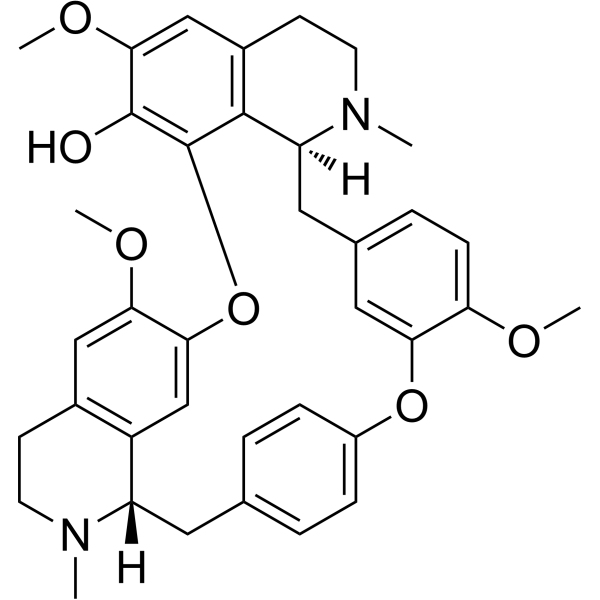
    Fangchinoline
    Maximum Cited Publications
    10 Publications Verification

    HIV FAK Apoptosis Autophagy Infection Cancer
    Fangchinoline is isolated from Stephania tetrandra with extensive biological activities, such as enhancing immunity, anti-inflammatory sterilization and anti-atherosclerosis. Fangchinoline, a novel HIV-1 inhibitor, inhibits HIV-1 replication by impairing gp160 proteolytic processing . Fangchinoline targets Focal adhesion kinase (FAK) and suppresses FAK-mediated signaling pathway in tumor cells which highly expressed FAK . Fangchinoline induces apoptosis and adaptive autophagy in bladder cancer .
    Fangchinoline
  • HY-N0498
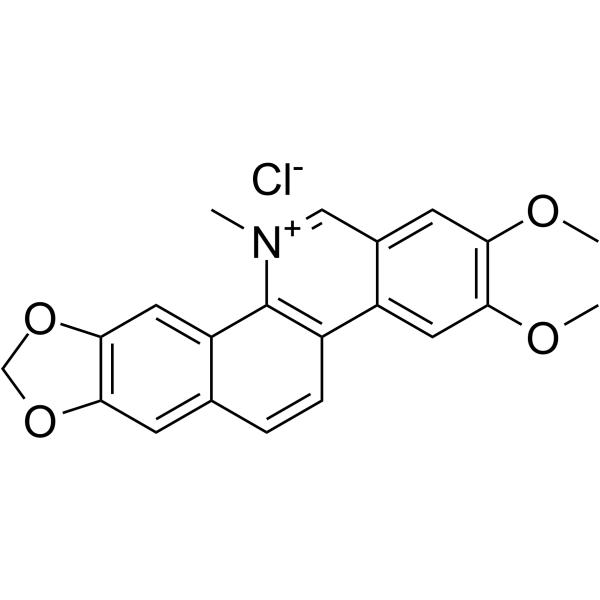
    Nitidine chloride
    4 Publications Verification

    Parasite Apoptosis STAT Topoisomerase ERK FAK p38 MAPK NF-κB Inflammation/Immunology Cancer
    Nitidine chloride, a potential anti-malarial lead compound derived from Zanthoxylum nitidum (Roxb) DC, exerts potent anticancer activity through diverse pathways, including inducing apoptosis, inhibiting STAT3 signaling cascade, DNA topoisomerase 1 and 2A, ERK and c-Src/FAK associated signaling pathway, also has anti-inflammatory activity. Nitidine chloride inhibits LPS-induced inflammatory cytokines production via MAPK and NF-kB pathway .
    Nitidine chloride
  • HY-105935
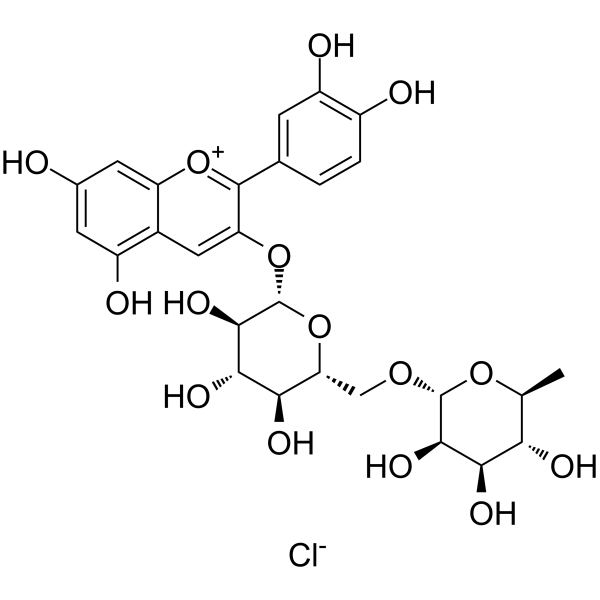
    Keracyanin chloride
    1 Publications Verification

    Cyanidin 3-rutinoside chloride; Cyanidin 3-O-rutinoside chloride; Sambucin chloride

    NF-κB PPAR Reactive Oxygen Species (ROS) FAK p38 MAPK ERK JNK Metabolic Disease Inflammation/Immunology
    Keracyanin chloride inhibits NF-κB/FAK/MAPK signaling pathway. Keracyanin chloride exhibits antioxidant, anti-inflammatory and hypoglycemic effects, and is orally active .
    Keracyanin chloride
  • HY-148385

    Endogenous Metabolite Integrin FAK Src ERK p38 MAPK Neurological Disease Cancer
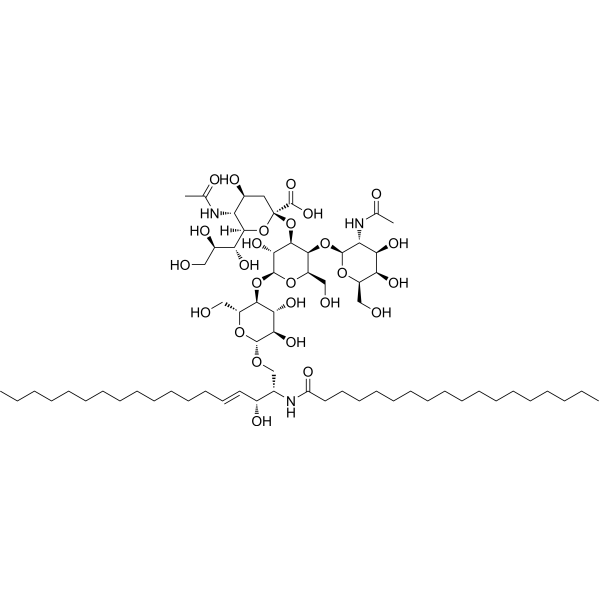
    Ganglioside GM2 is a human tumor antigen predominantly found in human tumor cells and fetal brain tissue. As a sialylated glycosphingolipid, Ganglioside GM2 is involved in processes such as cell signaling, adhesion, and motility. Ganglioside GM2 abnormal expression and accumulation are associated with tumors and neurodegenerative disorders. Ganglioside GM2 promotes tumor cell migration and invasion by directly binding to the integrin β1 receptor, activating the FAK/Src/Erk-MAPK signaling pathway, and inducing actin cytoskeleton remodeling .
    Ganglioside GM2
  • HY-N1983
    Caudatin
    1 Publications Verification

    Apoptosis Autophagy Reactive Oxygen Species (ROS) Mitochondrial Metabolism PARP Caspase Bcl-2 Family VEGFR FAK WDR5 p38 MAPK JNK PPAR Neurological Disease Inflammation/Immunology Cancer
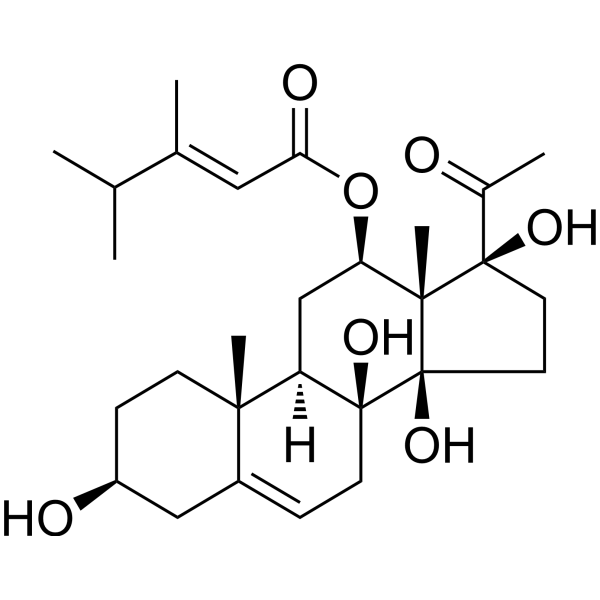
    Caudatin is an orally active and brain-penetrant C-21 steroidal found in Cynanchum bungei decne with a variety of biological activities. Caudatin can inhibit cell proliferation, migration, invasion, cause cell phase arrest, induce apoptosis, autophagy, ROS prodution and loss of mitochondrial membrane potential. Caudatin activates PARP, caspase-3, -7, -9, upregulates pro-apoptotic Bad and Bax and downregulates anti-apoptotic Bcl-2 and Bcl-XL. Caudatin suppresses VEGF, FAK phosphorylation, upregulates p21, p27, DR5 protein expression, activates the p38 MAPK, JNK and PPARα/TFEB-mediated autophagy-lysosomal signaling pathways. Caudatin can be used for the research of cancer, inflammation and neurological disease, such as glioma and Alzheimer's disease .
    Caudatin
  • HY-N2445
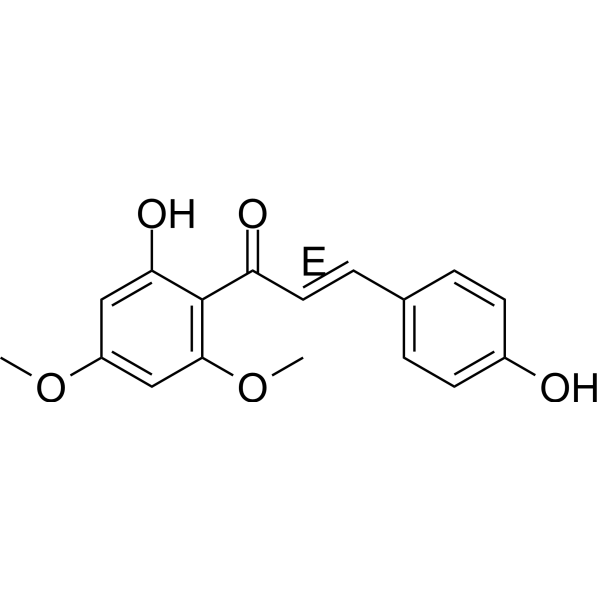
    Flavokawain C
    4 Publications Verification

    Apoptosis Akt JNK PERK Caspase PARP MDM-2/p53 IAP Reactive Oxygen Species (ROS) SOD FABP Autophagy AMPK mTOR GLUT EGFR PI3K HSP VEGFR FAK Cancer
    Flavokawain C is an orally active natural chalcone. Flavokawain C inhibits the proliferation of various cancer cells. Flavokawain C upregulates GADD153 in cancer cells, inhibits the phosphorylation of Akt and JNK, suppresses early ERK phosphorylation, activates late ERK phosphorylation, activates caspase related subtypes, induces PARP-1 cleavage, causes upregulation of p21 and p27, downregulation of mutant p53 and anti-apoptotic IAP proteins, elevates intracellular ROS levels, reduces SOD activity, and induces apoptosis. Flavokawain C downregulates FABP4, induces autophagy in cancer cells, and activates the AMPK/mTOR pathway . Flavokawain C decreases the expression of glycolysis-related proteins GLUT1 and HK2, and inhibits glycolysis in nasopharyngeal carcinoma cells. Flavokawain C inhibits the activation of the EGFR/PI3K/Akt/mTOR signaling pathway and reduces the expression of HSP90B1. Flavokawain C inhibits angiogenesis by decreasing the expression of angiogenic proteins Ang-1 and VEGF in human umbilical vein endothelial cells. Flavokawain C increases γ-H2AX levels in cells, inhibits the phosphorylation of FAK, PI3K and AKT in cells, and induces DNA damage in cells. Flavokawain C exerts anti-tumor activity in multiple tumor xenograft mouse models. Flavokawain C is applicable to research related to colorectal cancer, colon adenocarcinoma, nephroblastoma, nasopharyngeal carcinoma and liver cancer .
    Flavokawain C
  • HY-124813

    113B7

    FAK EGFR MMP NF-κB SDCBP Cancer
    PDZ1i (113B7) is a inhibitor of MDA-9/Syntenin, with selective binding to the PDZ1 domain. PDZ1i inhibits radiation-induced invasion of glioblastoma (GBM) cells, radiosensitizes GBM cells, and impairs GBM-related signaling pathways (including Src/EphA2, EGFRvIII/FAK, and NF-κB). PDZ1i reduces radiation-induced secretion of invasion-related proteases (MMP-2, MMP-9, ADAM9). PDZ1i shows anti-tumor effects in nude mice bearing intracranial U1242-luc xenografts or GBM xenografts. PDZ1i can be used for the study of glioblastoma (GBM), breast cancer and prostate cancer .
    PDZ1i
  • HY-N12445
    Quercetin-3'-O-glucoside
    1 Publications Verification

    Topoisomerase Caspase Apoptosis SOD Metabolic Disease Inflammation/Immunology Cancer
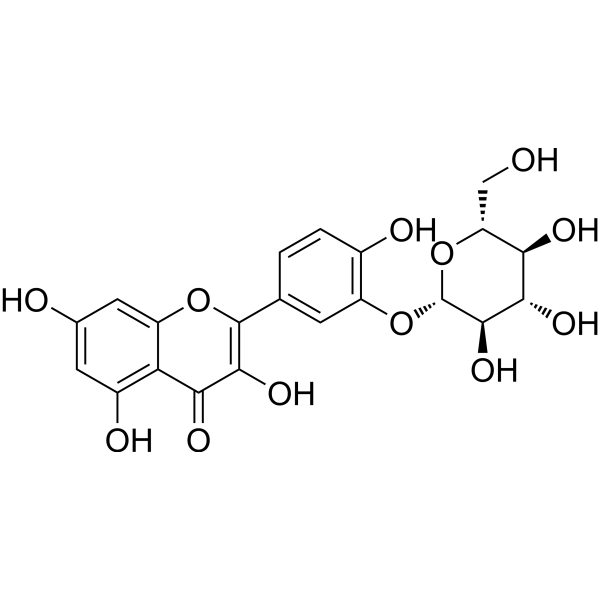
    Quercetin-3'-O-glucoside is an orally active flavonoid glycoside. Quercetin-3'-O-glucoside reduces liver glucose-6-phosphatase activity, alters serum insulin and glucose levels, and regulates the activities of antioxidant enzymes in the liver and kidney. Quercetin-3'-O-glucoside inhibits DNA topoisomerase II, induces S-phase cell cycle arrest and caspase-3-mediated apoptosis in hepatocellular carcinoma cells. Quercetin-3'-O-glucoside selectively inhibits EGFR-mediated signaling pathways targeting AKT, ERK1/2, FAK and MEK1/2. Quercetin-3'-O-glucoside inhibits growth factor-induced migration and invasion in pancreatic cancer cells. Quercetin-3'-O-glucoside exerts free radical scavenging effects. Quercetin-3'-O-glucoside is applicable to research related to pancreatic cancer, diabetes, hepatocellular carcinoma and malignant tumors .
    Quercetin-3'-O-glucoside
  • HY-148877

    HSP HSV HIF/HIF Prolyl-Hydroxylase VEGFR NF-κB ERK Akt FAK Infection Inflammation/Immunology Cancer
    AT-533 is a potent Hsp90 and HSV inhibitor. AT-533 suppresses tumor growth and angiogenesis by blocking the HIF-1α/VEGF/VEGFR-2 signaling pathway. AT-533 also inhibits the activation of the downstream pathways, including Akt/mTOR/p70S6K, Erk1/2 and FAK. AT-533 inhibits the tube formation, cell migration, and invasion of human umbilical vein endothelial cells (HUVECs) .
    AT-533
  • HY-121811

    Lanceolatin C

    Glycosidase Phosphatase Interleukin Related TNF Receptor COX Beclin1 GLUT FAK Akt mTOR p38 MAPK Keap1-Nrf2 Apoptosis Amyloid-β Tau Protein Autophagy Neurological Disease Inflammation/Immunology Cancer
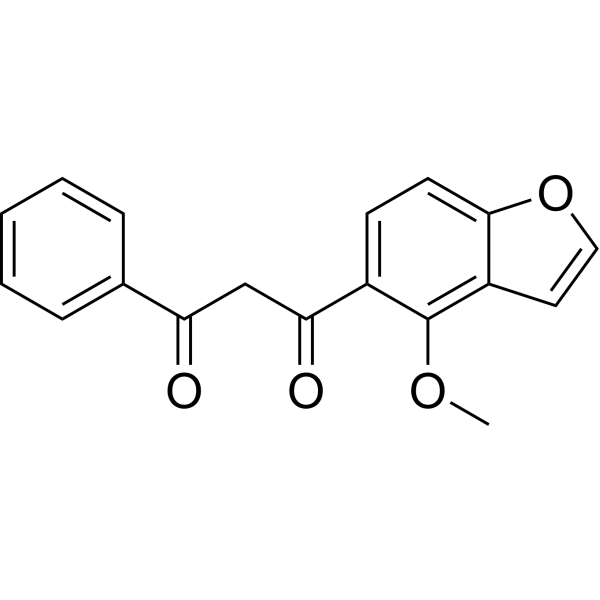
    Pongamol (Lanceolatin C) is an orally active flavonoid with an IC50 of 75 μM and a Ki of 58 μM against PTPase-1B, and an IC50 of 103.5 μM against intestinal α-Glycosidase. Pongamol reduces the release of IL‑1β, TNF‑α, COX‑2 and iNOS in cells, reverses the nuclear translocation of NF‑κB, and upregulates the levels of Beclin 1 and LC3 Ⅱ/LC3 Ⅰ. Pongamol promotes glucose uptake by increasing the level of GLUT4 on the surface of skeletal muscle cells. Pongamol inhibits epithelial-mesenchymal transition by suppressing the FAK/Akt-mTOR signaling pathway. Pongamol inhibits neuronal cytotoxicity, suppresses cell apoptosis and extends the lifespan of Caenorhabditis elegans by activating the MAPKs/Nrf2 signaling pathway. Pongamol exerts hypoglycemic effects in diabetic mouse models. Pongamol exhibits antibacterial activity. Pongamol alleviates oxidative stress, neuroinflammation, deposition and excessive phosphorylation of Tau Protein, and restores autophagy function in Alzheimer's disease mouse models by inhibiting the Akt/mTOR signaling pathway. Pongamol is applicable to research related to Alzheimer's disease, type 2 diabetes, non-small cell lung cancer and postprandial hyperglycemia .
    Pongamol
  • HY-P10941A

    Integrin FAK ERK Inflammation/Immunology Cancer
    VSLRGDTRG acetate is a synthetic peptide containing the RGD motif from cadherin 17 (CDH17), which binds to α2β1 integrin and activates its signaling pathway. VSLRGDTRG acetate promotes the high-affinity conformational change of β1 integrin through the RGD motif, enhancing cell adhesion and phosphorylation of FAK and ERK1/2, thereby driving tumor proliferation and metastasis. VSLRGDTRG acetate can be used in research on cancers expressing CDH17, such as colon cancer and pancreatic cancer .
    VSLRGDTRG acetate
  • HY-160187A

    Cadherin MMP Akt FAK ERK NF-κB Cancer
    (Rac)-AAA is a regulator and inhibitor targeting GPR75. By blocking the 20-HETE-induced downregulation of GPR75 expression, (Rac)-AAA effectively inhibits the activation of key downstream signaling pathways including EGFR, AKT, NF-κB and FAK. (Rac)-AAA reverses 20-HETE-mediated epithelial-mesenchymal transition, which is specifically characterized by downregulating vimentin (vimentin), upregulating E-Cadherin, as well as reducing MMP-2 activity and cancer cell migration ability. (Rac)-AAA also abolishes the 20-HETE-induced upregulation of HIC-5 expression and anchorage-independent growth, and modulates the subcellular localization of PKC-α and phosphorylated AKT. (Rac)-AAA is investigated in androgen-independent prostate cancer (castration-resistant prostate cancer) .
    (Rac)-AAA
  • HY-169212

    PI3K Annexin A ERK VEGFR STAT Raf FAK Akt Ras Cancer
    I194496 is a potent cystathionine γ-lyase (CSE) inhibitor, with an IC50 of 0.79 mM. I194496 can inhibit the growth of human TNBC cells via the dual targeting PI3K/Akt and Ras/Raf/ERK pathway and suppress the metastasis of human TNBC cells via down-regulating Anxa2/STAT3 and VEGF/FAK/Paxillin signaling pathways .
    I194496
  • HY-P10941

    Integrin FAK ERK Inflammation/Immunology Cancer
    VSLRGDTRG is a synthetic peptide containing the RGD motif from cadherin 17 (CDH17), which binds to α2β1 integrin and activates its signaling pathway. VSLRGDTRG promotes the high-affinity conformational change of β1 integrin through the RGD motif, enhancing cell adhesion and phosphorylation of FAK and ERK1/2, thereby driving tumor proliferation and metastasis. VSLRGDTRG can be used in research on cancers expressing CDH17, such as colon cancer and pancreatic cancer .
    VSLRGDTRG
  • HY-163709

    PROTACs FAK Akt ERK Cancer
    PROTAC FAK degrader 2 is an orally active PROTAC FAK degrader with a DC50 of 60.10 nM. PROTAC FAK degrader 2 forms a ternary complex with FAK and CRBN E3 ubiquitin ligase, driving proteasome-mediated degradation of total and phosphorylated FAK. PROTAC FAK degrader 2 inhibits phosphorylation of AKT and ERK, suppressing their downstream signaling pathways. PROTAC FAK degrader 2 reduces cancer cell viability, adhesion, migration, and invasion. PROTAC FAK degrader 2 exerts anti-tumor activity in HCT8/T tumor xenografts in mice. PROTAC FAK degrader 2 can be used for the research of breast cancer, colorectal cancer, lung cancer .
    PROTAC FAK degrader 2
  • HY-N1983R

    Reference Standards Apoptosis Autophagy Reactive Oxygen Species (ROS) Mitochondrial Metabolism PARP Caspase Bcl-2 Family VEGFR FAK WDR5 p38 MAPK JNK PPAR Neurological Disease Inflammation/Immunology Cancer
    Caudatin (Standard) is the analytical standard of Caudatin (HY-N1983). This product is intended for research and analytical applications. Caudatin is an orally active and brain-penetrant C-21 steroidal found in Cynanchum bungei decne with a variety of biological activities. Caudatin can inhibit cell proliferation, migration, invasion, cause cell phase arrest, induce apoptosis, autophagy, ROS prodution and loss of mitochondrial membrane potential. Caudatin activates PARP, caspase-3, -7, -9, upregulates pro-apoptotic Bad and Bax and downregulates anti-apoptotic Bcl-2 and Bcl-XL. Caudatin suppresses VEGF, FAK phosphorylation, upregulates p21, p27, DR5 protein expression, activates the p38 MAPK, JNK and PPARα/TFEB-mediated autophagy-lysosomal signaling pathways. Caudatin can be used for the research of cancer, inflammation and neurological disease, such as glioma and Alzheimer's disease .
    Caudatin (Standard)
  • HY-163121

    Glycosyltransferase TGF-β Receptor FAK Galectin Collagen Endocrinology Cancer
    PST3.1a is an orally active and brain-penetrant N-acetylglucosamine glycosyltransferase (MGAT5) inhibitor with a human IC50 of 2 µM. PST3.1a inhibits TGFβR and FAK signaling pathway activity. PST3.1a alters β1,6-GlcNAc N-glycans and microtubule/microfilament integrity, increases OLIG2 expression, and inhibits proliferation, migration, invasiveness, and clonogenic capacities of glioblastoma initiating cells. PST3.1a reduces invasive and proliferative capacity of glioblastoma initiating cells in orthotopic graft models, increases overall survival of orthotopic graft model mice. PST3.1a blunts MGAT5 overexpression, decreases renal fibrosis via collagen 1, collagen 4, and galectin 3 downregulation in a rat chronic kidney disease model. PST3.1a can be used for the research of glioblastoma multiforme and chronic kidney disease .
    PST3.1a
  • HY-P11474

    Integrin FAK Akt ERK Metabolic Disease
    FZ1 peptide is an integrin αvβ3 agonist. FZ1 peptide binds to integrin αvβ3, effectively activates FAK, FAK-dependent AKT and ERK1/2 signaling pathways. FZ1 peptide enhances VEGFC-induced endothelial angiogenesis, accelerates diabetic skin wound healing .
    FZ1 peptide
  • HY-105935R

    Cyanidin 3-rutinoside chloride (Standard); Cyanidin 3-O-rutinoside chloride (Standard); Sambucin chloride (Standard)

    Reference Standards NF-κB PPAR Reactive Oxygen Species (ROS) FAK p38 MAPK ERK JNK Metabolic Disease Inflammation/Immunology
    Keracyanin (chloride) (Standard) is the analytical standard of Keracyanin (chloride). This product is intended for research and analytical applications. Keracyanin chloride inhibits NF-κB/FAK/MAPK signaling pathway. Keracyanin chloride exhibits antioxidant, anti-inflammatory and hypoglycemic effects, and is orally active .
    Keracyanin chloride (Standard)
  • HY-N1372AR

    Reference Standards HIV FAK Apoptosis Autophagy Infection Cancer
    Fangchinoline (Standard) is the analytical standard of Fangchinoline. This product is intended for research and analytical applications. Fangchinoline is isolated from Stephania tetrandra with extensive biological activities, such as enhancing immunity, anti-inflammatory sterilization and anti-atherosclerosis. Fangchinoline, a novel HIV-1 inhibitor, inhibits HIV-1 replication by impairing gp160 proteolytic processing . Fangchinoline targets Focal adhesion kinase (FAK) and suppresses FAK-mediated signaling pathway in tumor cells which highly expressed FAK . Fangchinoline induces apoptosis and adaptive autophagy in bladder cancer .
    Fangchinoline (Standard)
  • HY-116497

    FAK Cancer
    PH11 is a novel focal adhesion kinase (FAK) inhibitor that rapidly induces apoptosis in TRAIL-resistant PANC-1 cells when combined with TRAIL, but has no effect on normal human fibroblasts. The study found that PH11 downregulates c-FLIP through inhibition of FAK and phosphatidylinositol-3-kinase (PI3K)/AKT pathways, thereby restoring the TRAIL apoptotic pathway, suggesting that this combination therapy may provide an attractive therapeutic strategy for the safe and effective treatment of pancreatic cancer. PH11 selectively inhibits c-FLIP expression by modulating upstream signaling pathways and may represent an innovative therapeutic strategy. Although further work is needed to fully elucidate the mechanism of PH11-induced TRAIL sensitization, we believe that our results will provide a new approach to target c-FLIP without the risk of interfering with caspase-8 processing, which could potentially lead to TRAIL resistance. This study also suggests a role for the FAK/AKT signaling pathway in regulating c-FLIP expression in TRAIL-induced apoptosis, and this understanding will provide important clues to control the resistance mechanism to optimize the potential of TRAIL-based pancreatic cancer treatment.
    PH11
  • HY-163548

    Sialyltransferase Cancer
    SPP-002 is a ST6GAL1 inhibitor with a human IC50 of 16.7 μM. SPP-002 selectively inhibits N-glycan sialylation over O-glycan sialylation and binds strongly to the enzyme active site. SPP-002 suppresses expression of signaling proteins in the integrin/FAK/paxillin pathway. SPP-002 can be used for the research of triple negative breast cancer metastasis .
    SPP-002
  • HY-N15267

    FAK Akt mTOR Cancer
    Ovalitenone is a flavonoid compound that can be isolated from the plant Millettia peguensis. It shows no cytotoxic effects on lung cancer H460 and A549 cells, but it significantly inhibits anchorage-independent growth, CSC-like phenotypes, colony formation, and the migration and invasion capabilities of cancer cells. Ovalitenone can significantly reduce the levels of N-cadherin, snail, and slug, while increasing E-cadherin, thus inhibiting the EMT pathway. Additionally, Ovalitenone suppresses the signaling pathways regulated by focal adhesion kinase (FAK), ATP-dependent tyrosine kinase (AKT), mammalian target of rapamycin (mTOR), and cell division cycle 42 (Cdc42) .
    Ovalitenone
  • HY-120339

    Microtubule/Tubulin FAK MEK ERK MMP Caspase PARP Apoptosis MDM-2/p53 Cancer
    STK899704 is a tubulin polymerization inhibitor. STK899704 exhibits broad-spectrum inhibitory activity against various cancer cell lines with IC50 values ​​ranging from 0.2 to 1.0 μM. STK899704 disrupts the mitotic spindle structure, inducing G2/M phase cell cycle arrest. STK899704 inhibits the migration ability of HT29 cells by downregulating the FAK-MEK-ERK signaling pathway, thereby suppressing the expression and activity of MMP-2 and MMP-9. STK899704 activates caspase-3/7/8/9, leading to PARP cleavage and inducing apoptosis. STK899704 induces cellular senescence through the p53 pathway. STK899704 can be used in research on skin cancer, lung cancer, colon cancer, and other cancers .
    STK899704
  • HY-168718

    FAK JAK Aurora Kinase PI3K Akt Apoptosis Cancer
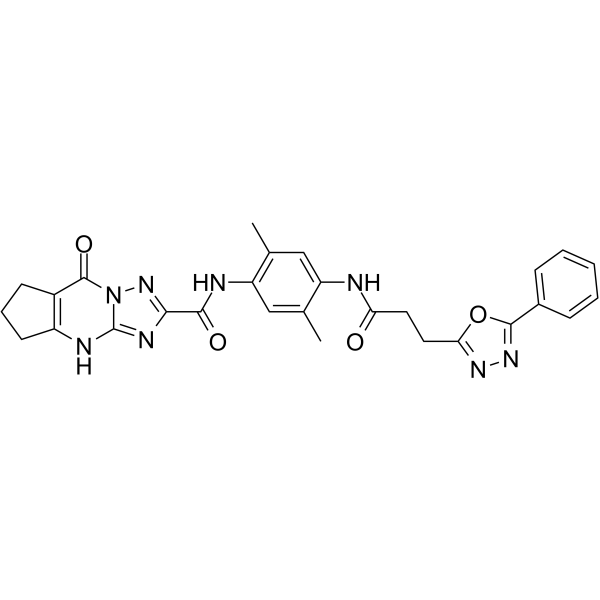
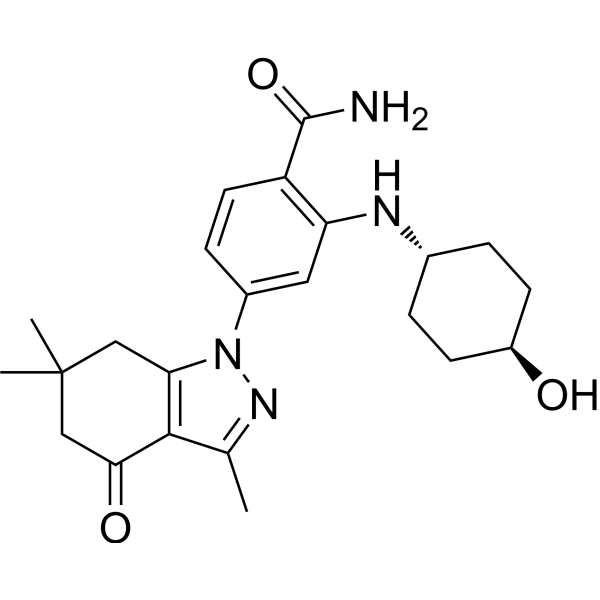
    FAK-IN-22 (Compound 26) is an inhibitor of FAK, JAK3, and Aurora B, with IC50 values of 50.94 nM, 9.99 nM, and 0.49 nM, respectively, effectively inhibiting tumor occurrence and metastasis in pancreatic ductal adenocarcinoma (PDAC). FAK-IN-22 effectively inhibits the proliferation of PANC-1 cells, with an IC50 value of 0.15 μM. FAK-IN-22 induces apoptosis and G2/M phase arrest in PANC-1 cells by inhibiting the FAK/PI3K/Akt signaling pathway .
    FAK-IN-22
  • HY-N0498R

    Reference Standards Parasite Apoptosis STAT Topoisomerase ERK FAK p38 MAPK NF-κB Inflammation/Immunology Cancer
    Nitidine (chloride) (Standard) is the analytical standard of Nitidine (chloride). This product is intended for research and analytical applications. Nitidine chloride, a potential anti-malarial lead compound derived from Zanthoxylum nitidum (Roxb) DC, exerts potent anticancer activity through diverse pathways, including inducing apoptosis, inhibiting STAT3 signaling cascade, DNA topoisomerase 1 and 2A, ERK and c-Src/FAK associated signaling pathway. Nitidine chloride inhibits LPS-induced inflammatory cytokines production via MAPK and NF-kB pathway .
    Nitidine chloride (Standard)
  • HY-152003S

    Isotope-Labeled Compounds Others
    Ganglioside GM2-d3 (ammonium) is the deuterium labeled Ganglioside GM2 (HY-148385). Ganglioside GM2 is a human tumor antigen predominantly found in human tumor cells and fetal brain tissue. As a sialylated glycosphingolipid, Ganglioside GM2 is involved in processes such as cell signaling, adhesion, and motility. Ganglioside GM2 abnormal expression and accumulation are associated with tumors and neurodegenerative disorders. Ganglioside GM2 promotes tumor cell migration and invasion by directly binding to the integrin β1 receptor, activating the FAK/Src/Erk-MAPK signaling pathway, and inducing actin cytoskeleton remodeling .
    Ganglioside GM2-d3 ammonium
  • HY-N17888

    NF-κB p38 MAPK FAK Akt Apoptosis NO Synthase COX TNF Receptor Interleukin Related Inflammation/Immunology Cancer
    Ephemeranthol A is a phenanthrene compound with anticancer and anti-inflammatory activities. Ephemeranthol A exerts significant anti-inflammatory effects in macrophages by inhibiting the NF-κB and MAPK signaling pathways. Ephemeranthol A induces apoptosis and inhibits metastasis of lung cancer cells by suppressing the FAK/Akt signaling and EMT processes. Ephemeranthol A can be used for the research of acute and chronic inflammatory diseases and non-small cell lung cancer .
    Ephemeranthol A
  • HY-138195

    DNA/RNA Synthesis Apoptosis FAK Src MMP Autophagy Cancer
    NEO212 is an orally active, blood-brain barrier permeable conjugate of Temozolomide (TMZ) (HY-17364) and Perillyl Alcohol (POH) (HY-N7000), with potent anticancer activity. NEO212 overcomes classical TMZ resistance and DNA alkylation by depleting MGMT. By inhibiting the FAK/Src signaling pathway, NEO212 reduces the production of MMP2 and MMP9, induces mesenchymal-epithelial transition, and inhibits the migration, invasion and tumor progression of glioma stem cells. NEO212 disrupts autophagy flux to enhance mitochondrial apoptosis; it induces differentiation of acute myeloid leukemia (AML) cells into macrophages and proliferation arrest .
    NEO212

Inquiry Online

Your information is safe with us. * Required Fields.

Salutation


Country or Region *

Applicant Name *


Organization Name *

Department *


Email Address *


Product Name *

Cat. No.


Requested quantity *

Phone Number *


Remarks

Inquiry Online

Inquiry Information

Product Name:
Cat. No.:
Quantity:
MCE Japan Authorized Agent:

